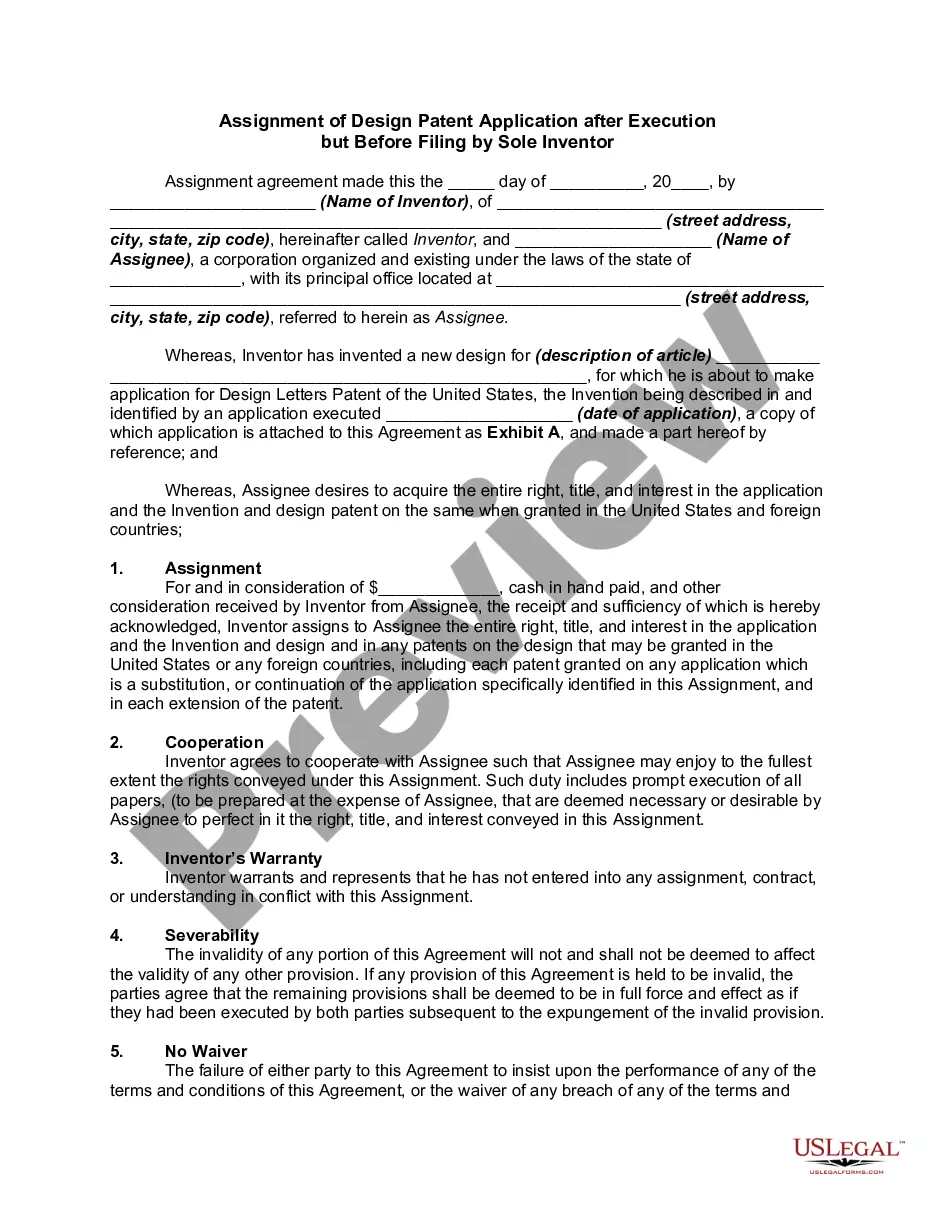
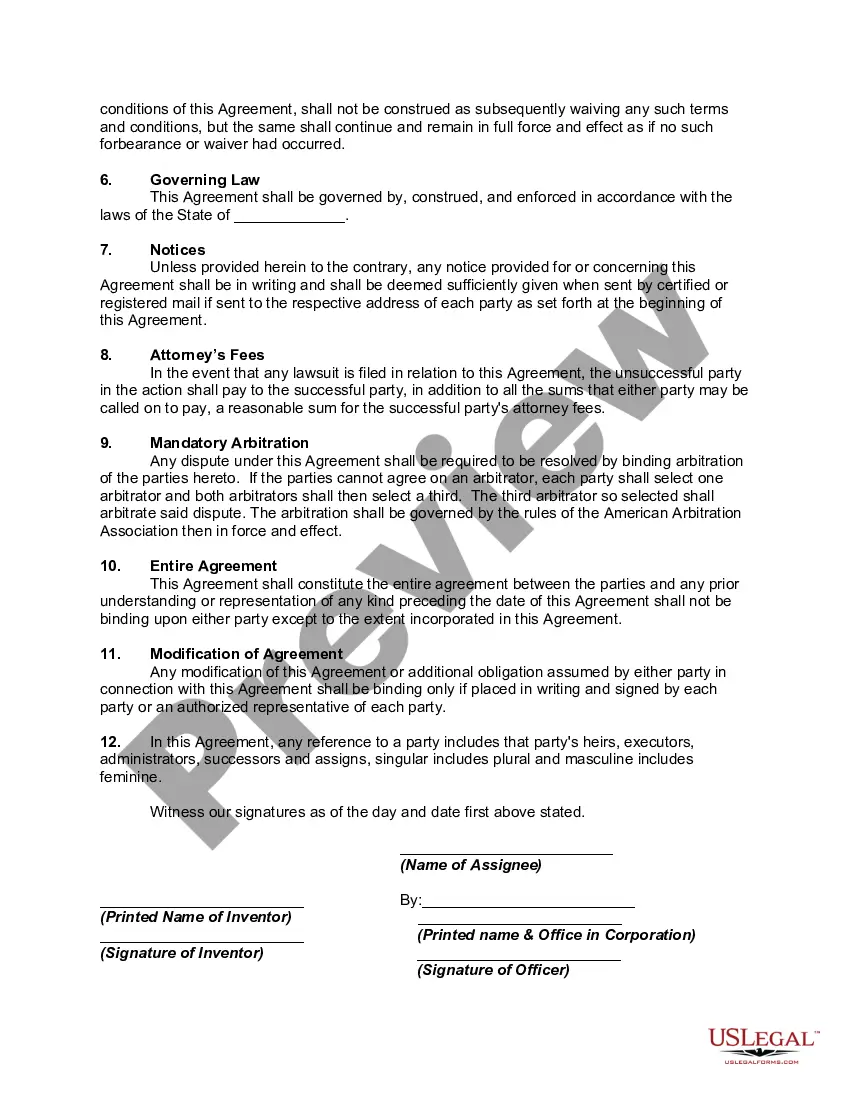
Patent Buy With Money
Description
Get your form ready online
Our built-in tools help you complete, sign, share, and store your documents in one place.
Make edits, fill in missing information, and update formatting in US Legal Forms—just like you would in MS Word.
Download a copy, print it, send it by email, or mail it via USPS—whatever works best for your next step.
Sign and collect signatures with our SignNow integration. Send to multiple recipients, set reminders, and more. Go Premium to unlock E-Sign.
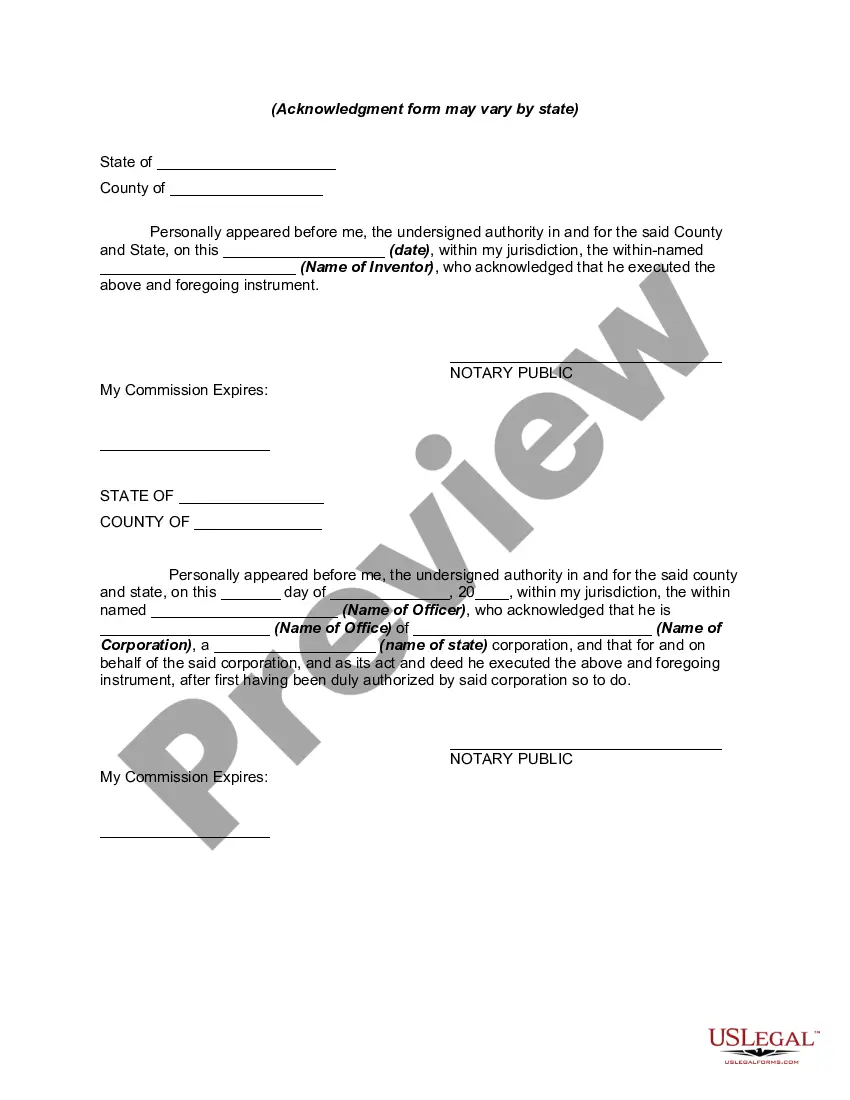
If this form requires notarization, complete it online through a secure video call—no need to meet a notary in person or wait for an appointment.
We protect your documents and personal data by following strict security and privacy standards.

Make edits, fill in missing information, and update formatting in US Legal Forms—just like you would in MS Word.

Download a copy, print it, send it by email, or mail it via USPS—whatever works best for your next step.

Sign and collect signatures with our SignNow integration. Send to multiple recipients, set reminders, and more. Go Premium to unlock E-Sign.

If this form requires notarization, complete it online through a secure video call—no need to meet a notary in person or wait for an appointment.

We protect your documents and personal data by following strict security and privacy standards.
Looking for another form?
How to fill out Assignment Of Design Patent Application After Execution But Before Filing By Sole Inventor?
Regardless of whether for commercial reasons or personal matters, everyone must manage legal circumstances at some point in their lives.
Filling out legal documents requires meticulous attention, beginning with choosing the correct form template.
With an extensive US Legal Forms catalog available, you will never have to waste time searching for the correct template online. Utilize the library’s straightforward navigation to find the right form for any circumstance.
- For example, if you select an incorrect version of a Patent Purchase With Funds, it will be denied once you submit it.
- Thus, it is essential to have a reliable source of legal documents such as US Legal Forms.
- If you need to acquire a Patent Purchase With Funds template, follow these simple steps.
- Obtain the template you require by using the search box or browsing the catalog.
- Review the form’s details to ensure it matches your circumstances, state, and county.
- Click on the form’s preview to view it.
- If it is the incorrect form, return to the search feature to locate the Patent Purchase With Funds template you need.
- Download the document if it satisfies your requirements.
- If you possess a US Legal Forms account, simply click Log in to access previously saved files in My documents.
- In case you do not have an account yet, you can obtain the form by clicking Buy now.
- Choose the appropriate payment option.
- Complete the account registration form.
- Select your payment method: use a credit card or PayPal account.
- Choose the document format you prefer and download the Patent Purchase With Funds.
- Once it is saved, you can fill out the form with the assistance of editing software or print it and fill it out by hand.
Form popularity
FAQ
Here are the steps required to apply for a patent: Step 01: Invention disclosure. ... Step 02: Patentability search. ... Step 03: Decision to file an application for patent. ... Step 04: Patent drafting. ... Step 05: Filing the patent application. ... Step 06: Request for examination. ... Step 07: Responding to objections (if any)
Licensing is a typical approach to gain cash from a patent. Through this process, a patent proprietor licenses his invention to another party, upon receiving the consent; the party has legal authorization to use the invention commercially. It can be either an exclusive or non-exclusive license.
It depends on the technology and the industry, but an infringer might pay 0.5-5% of the wholesale price of the product. Each industry has their own standards, but in general patent royalties are 25% of the profit an infringer makes on each sale.
In any case, the sale of a patent can be used to generate income. A patent may be bought by a party because they wish to exploit the right it gives to stop other parties from using the invention it protects ? either through a further transaction, such as a licence, or infringement proceedings.
In the market approach, the value of a patent is the amount a prospective buyer will pay for a similar product/service while the cost approach shows that the value of a patent is the replacement cost, i.e., the amount that it will cost to replace an invention.