Agreement Assign Lease With The Seller
Description
Get your form ready online
Our built-in tools help you complete, sign, share, and store your documents in one place.
Make edits, fill in missing information, and update formatting in US Legal Forms—just like you would in MS Word.
Download a copy, print it, send it by email, or mail it via USPS—whatever works best for your next step.
Sign and collect signatures with our SignNow integration. Send to multiple recipients, set reminders, and more. Go Premium to unlock E-Sign.
If this form requires notarization, complete it online through a secure video call—no need to meet a notary in person or wait for an appointment.
We protect your documents and personal data by following strict security and privacy standards.
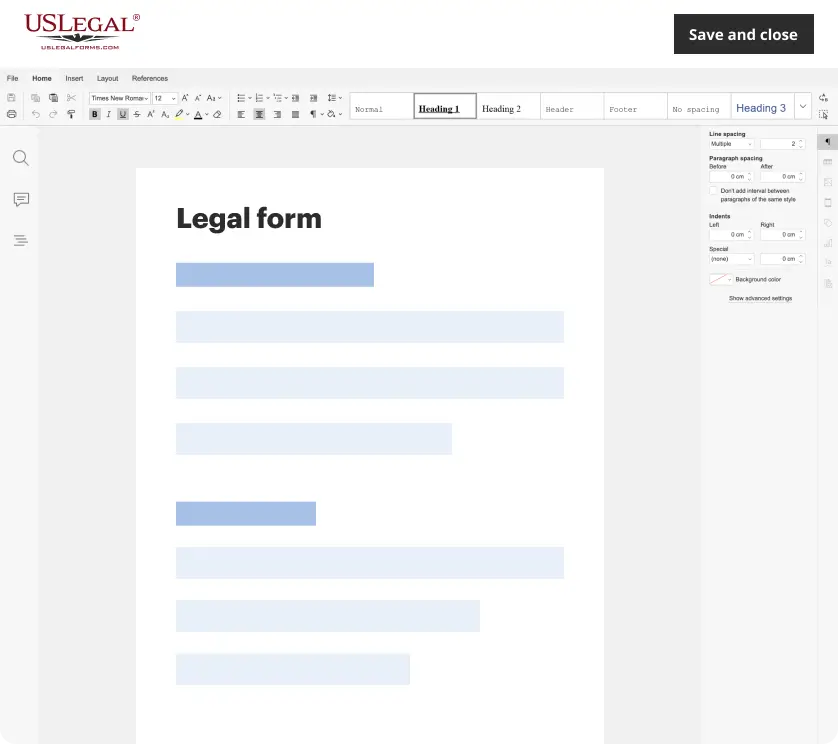
Make edits, fill in missing information, and update formatting in US Legal Forms—just like you would in MS Word.
Download a copy, print it, send it by email, or mail it via USPS—whatever works best for your next step.
Sign and collect signatures with our SignNow integration. Send to multiple recipients, set reminders, and more. Go Premium to unlock E-Sign.
If this form requires notarization, complete it online through a secure video call—no need to meet a notary in person or wait for an appointment.
We protect your documents and personal data by following strict security and privacy standards.
Looking for another form?



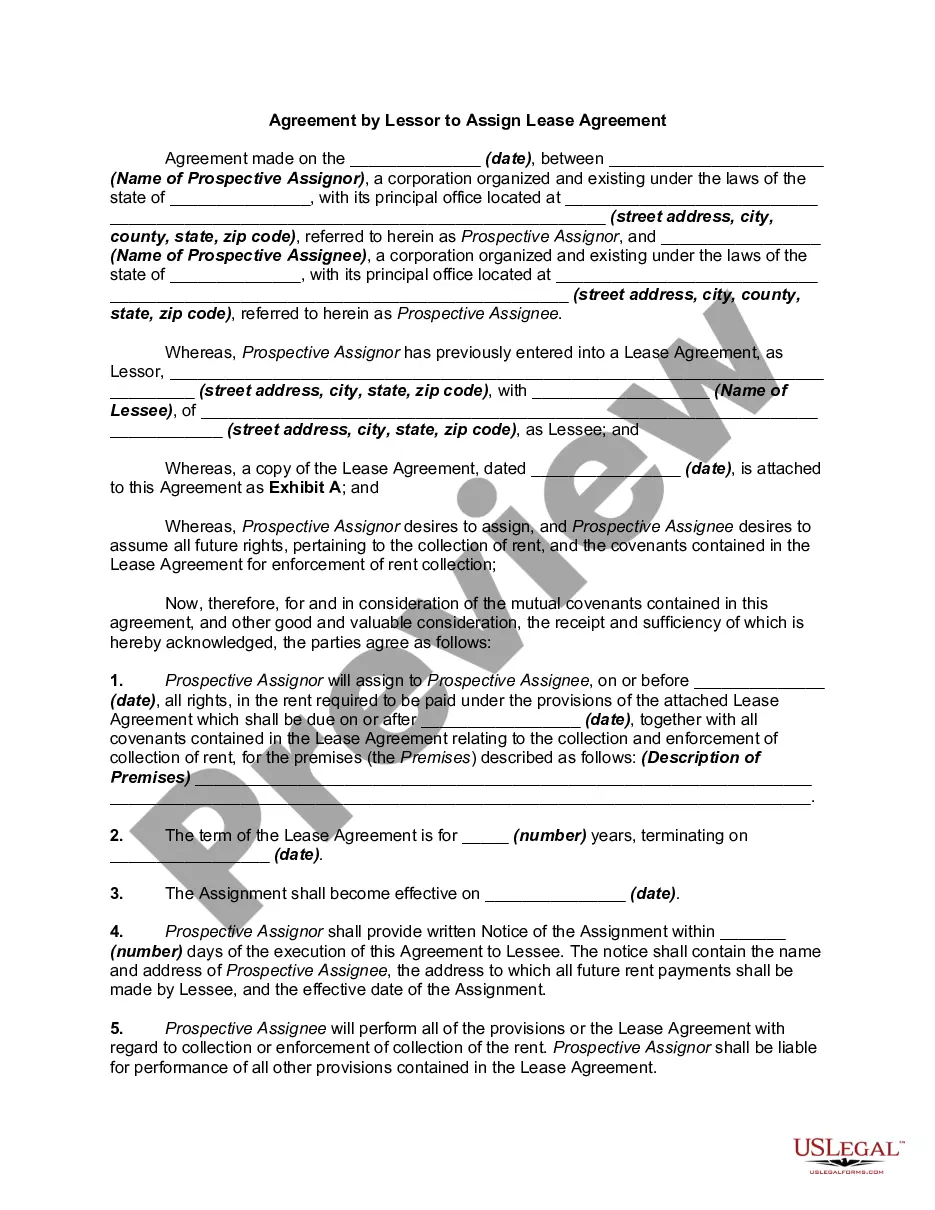
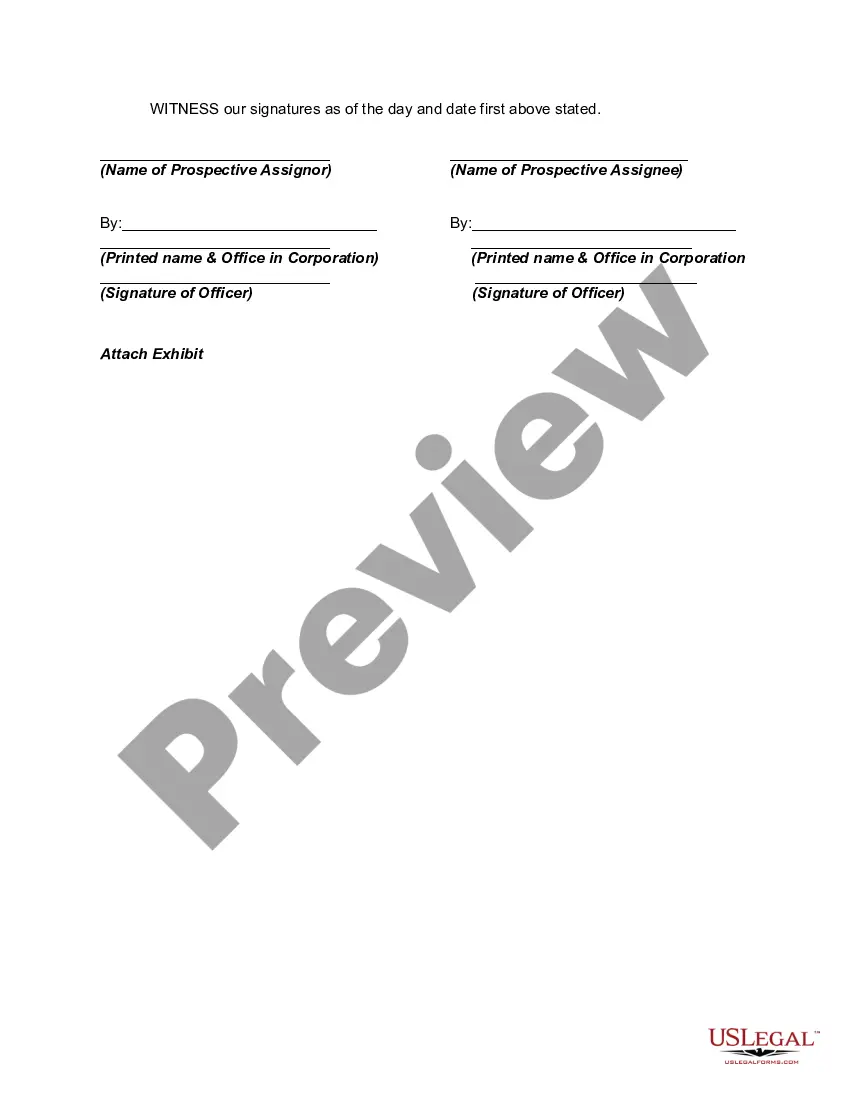
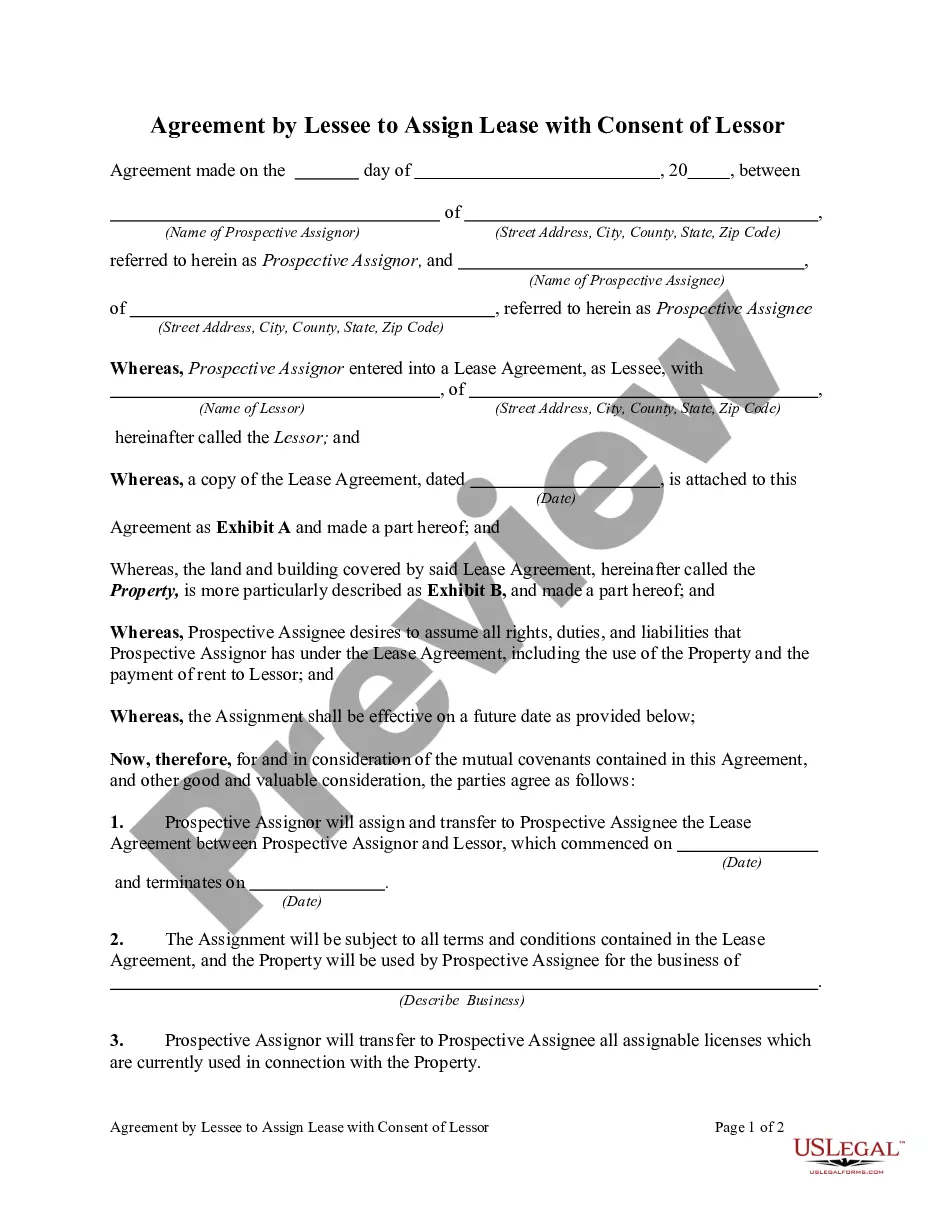
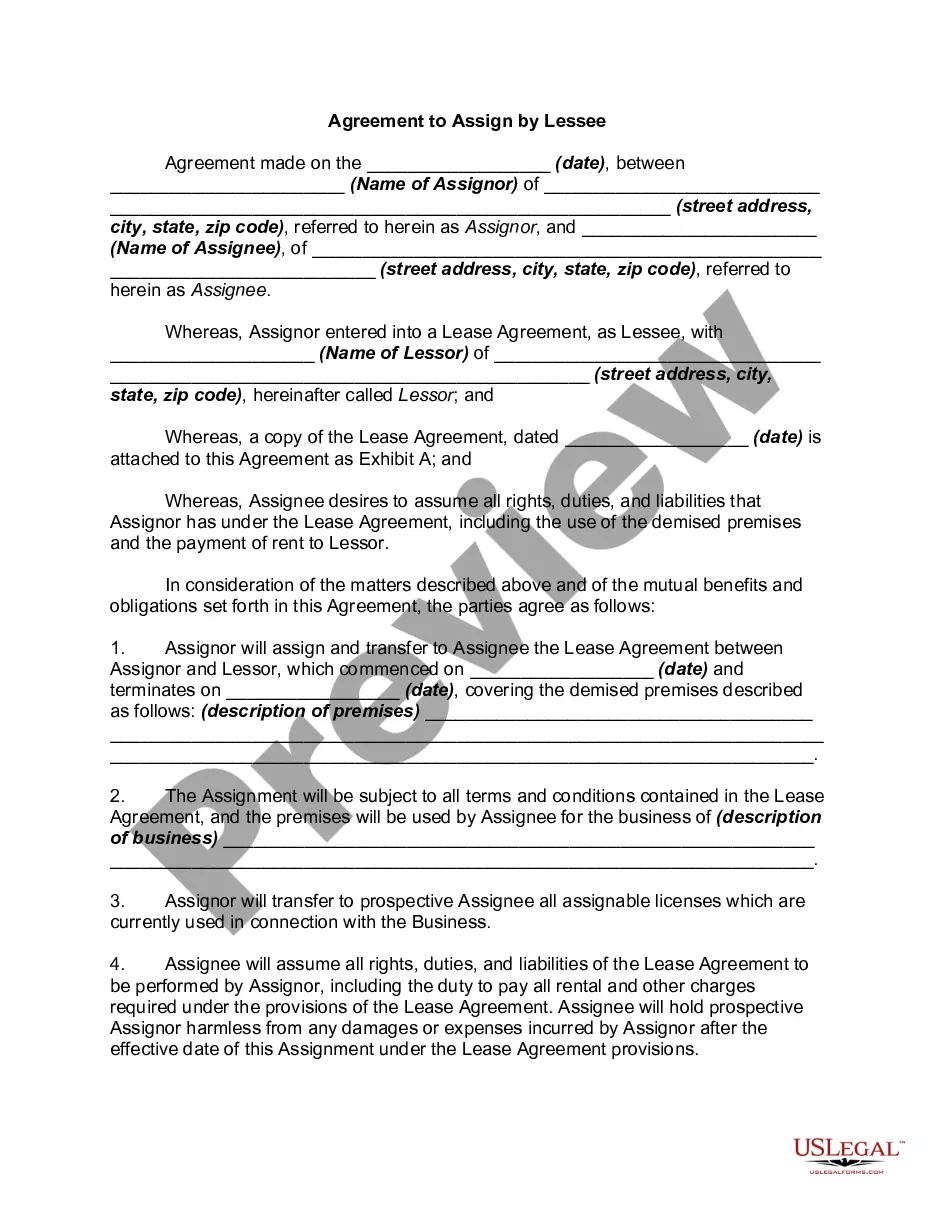
How to fill out Agreement By Lessor To Assign Lease Agreement?
- Log in to your account if you're an existing user; otherwise, create a new account.
- Review the available templates in Preview mode to ensure you select one that aligns with your local jurisdiction requirements.
- If needed, refine your search using the Search tab to find the most fitting document.
- Purchase the required document by selecting your preferred subscription plan and clicking on the Buy Now button.
- Complete your transaction by entering your payment details, either through credit card or PayPal.
- Download your completed form directly to your device and access it anytime via the My Forms section.
With US Legal Forms, users benefit from a comprehensive and user-friendly library that provides over 85,000 legal forms at their fingertips.
Don't wait any longer—visit US Legal Forms today to simplify your legal document preparation and ensure you're protected every step of the way!
Form popularity
FAQ
A lease assignment process involves the tenant formally transferring their lease rights and obligations to another person. The original tenant must inform the landlord and often receive their approval before proceeding. When you agreement assign lease with the seller, you typically require a written document detailing the assignment terms. You can utilize platforms like UsLegalForms to make the process easier and ensure all necessary paperwork is handled correctly.
The purpose of an assignment clause is to protect the interests of both the landlord and the tenant. It outlines the criteria that must be met for a lease transfer to occur, ensuring that the new tenant is reliable. When thinking about how to agreement assign lease with the seller, this clause acts as a guideline to ensure the transition is smooth and legally compliant. Hence, understanding it is crucial.
The assignment clause in a lease agreement specifies the terms under which a tenant may assign their lease to someone else. It typically details the process for approval and any conditions that need to be met before the assignment occurs. Knowing this clause helps you effectively navigate the agreement assign lease with the seller. Make sure to read it carefully to avoid any misunderstandings.
To assign a lease agreement means to hand over all responsibilities and benefits of the lease to another party. This process typically involves formal documentation and often requires the landlord's approval. When you choose to agreement assign lease with the seller, you effectively allow a new tenant to take over the lease obligations while relieving yourself of any further responsibility. This can be a win-win for both parties involved.
An assignment clause outlines the conditions under which a tenant can transfer their lease rights to another individual. For instance, an assignment clause might state that the tenant must obtain written permission from the landlord before transferring the lease. Understanding this clause is essential when you agreement assign lease with the seller. It ensures compliance and protects your rights as the tenant.
Yes, a landlord can refuse a lease assignment, but they must have valid reasons for doing so. Typically, a landlord may deny the request if they believe the prospective tenant will not comply with the lease terms. If you plan to agreement assign lease with the seller, understanding the landlord's criteria can help you present a stronger case. Always refer to your lease agreement as well for specific guidelines regarding assignments.
Reassigning a lease means transferring your rights and obligations under a lease agreement to another party. When you choose to agreement assign lease with the seller, you make it possible for someone else to take over the lease. This process often requires the landlord's approval, ensuring the new tenant meets all necessary qualifications. Reassignment can benefit both the original tenant and the new occupant.
Yes, you can transfer a rental lease to another person as long as you follow the correct process. First, check the lease for any stipulations regarding transfers and seek approval from your landlord. After obtaining consent, you can complete an assignment document that details the transfer. This method is crucial when you want to agreement assign lease with the seller effectively.
An assignment of lease must be signed by both the current tenant and the new tenant. In most cases, the landlord or seller also needs to sign the document to provide their consent. This collective agreement formalizes the lease transfer and protects everyone's interests, especially when you are ready to agreement assign lease with the seller.
To transfer a tenancy contract to another person, you need to discuss the transfer with your landlord first. Obtain their consent and then draft a tenancy assignment or transfer agreement. This document should outline the terms of the transfer and be signed by both parties. Doing this properly ensures a smooth transition as you agreement assign lease with the seller.