Assets In Legal Definition
Description
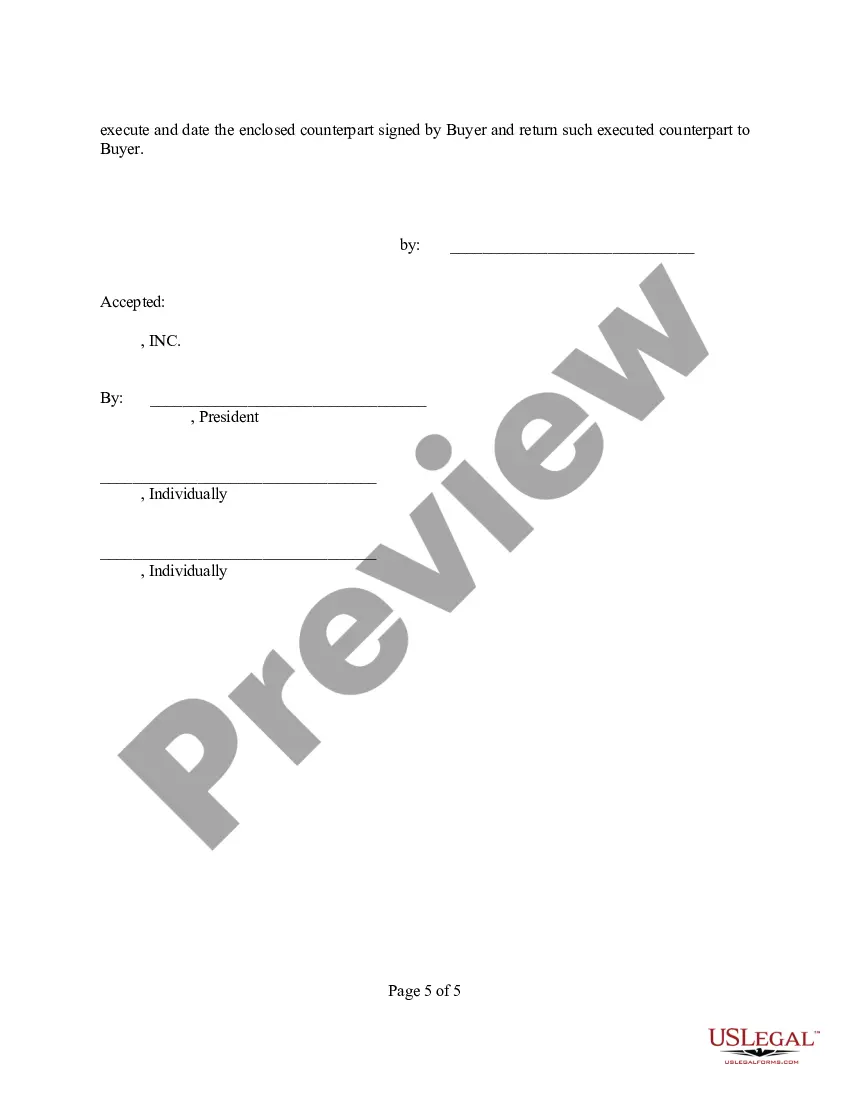
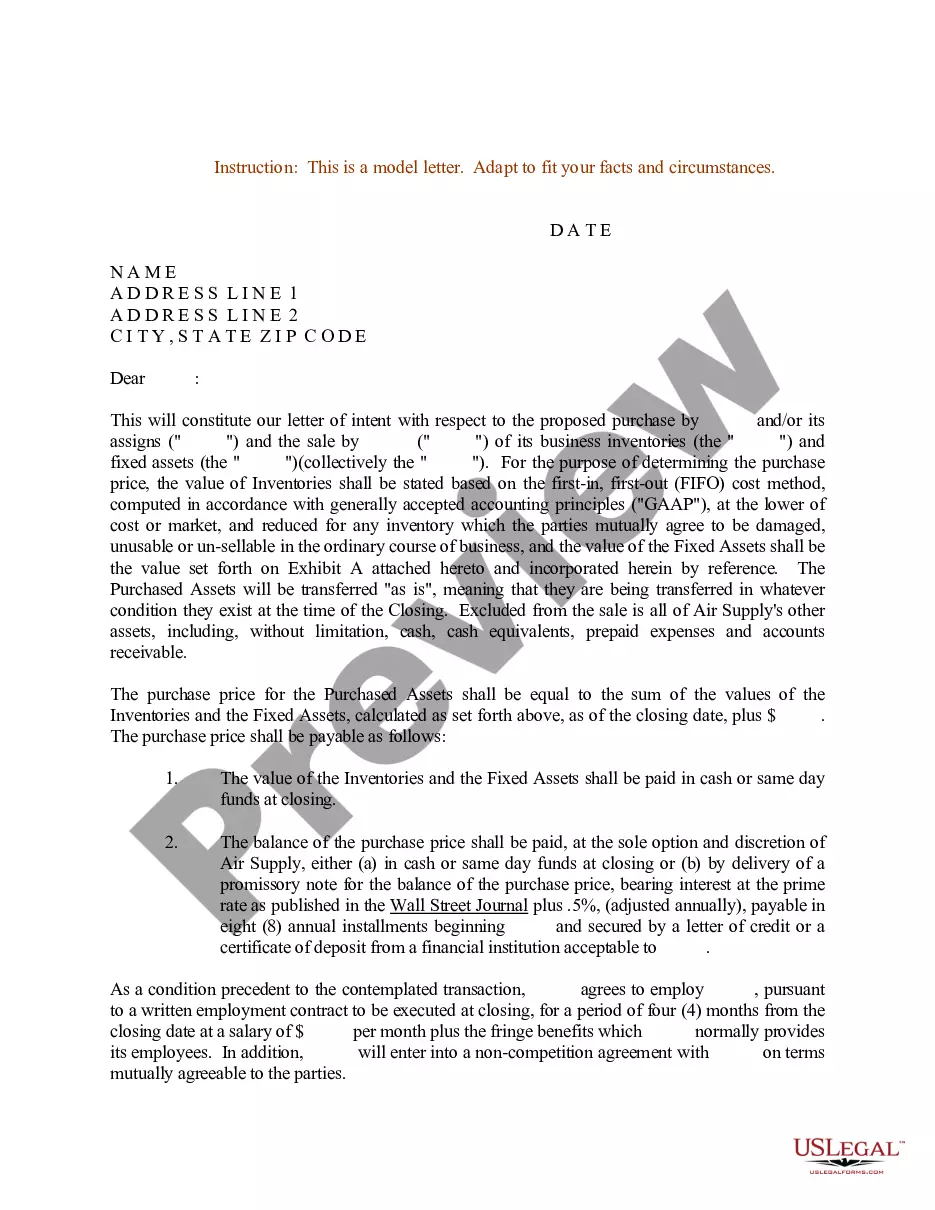
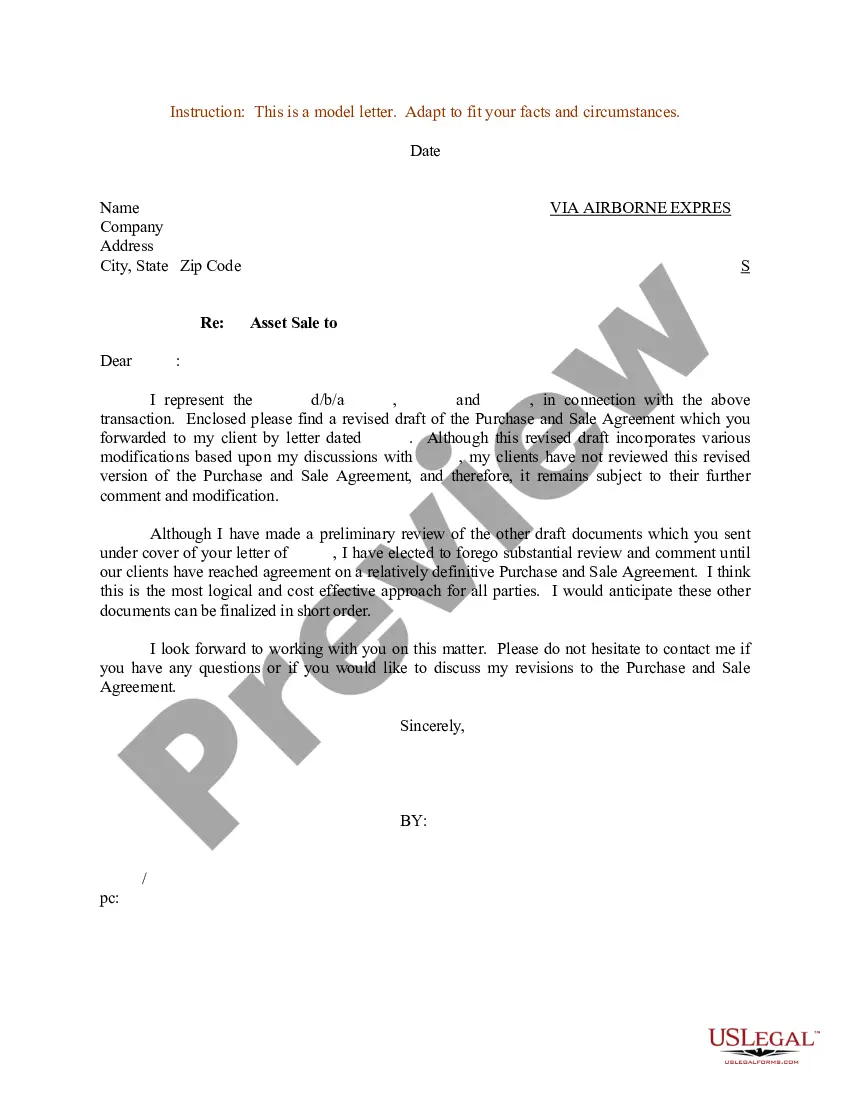
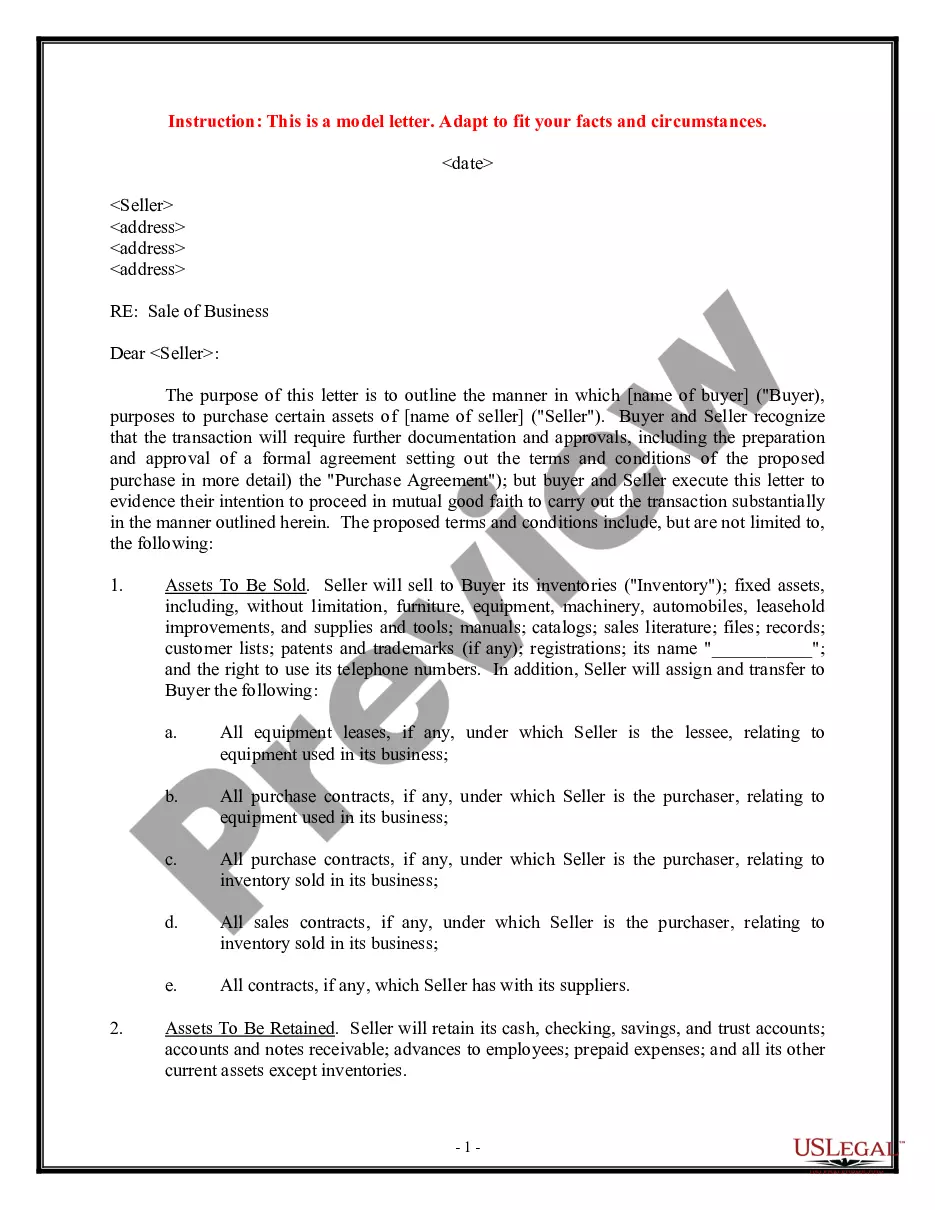
Get your form ready online
Our built-in tools help you complete, sign, share, and store your documents in one place.
Make edits, fill in missing information, and update formatting in US Legal Forms—just like you would in MS Word.
Download a copy, print it, send it by email, or mail it via USPS—whatever works best for your next step.
Sign and collect signatures with our SignNow integration. Send to multiple recipients, set reminders, and more. Go Premium to unlock E-Sign.
If this form requires notarization, complete it online through a secure video call—no need to meet a notary in person or wait for an appointment.
We protect your documents and personal data by following strict security and privacy standards.

Make edits, fill in missing information, and update formatting in US Legal Forms—just like you would in MS Word.

Download a copy, print it, send it by email, or mail it via USPS—whatever works best for your next step.

Sign and collect signatures with our SignNow integration. Send to multiple recipients, set reminders, and more. Go Premium to unlock E-Sign.

If this form requires notarization, complete it online through a secure video call—no need to meet a notary in person or wait for an appointment.

We protect your documents and personal data by following strict security and privacy standards.
Looking for another form?
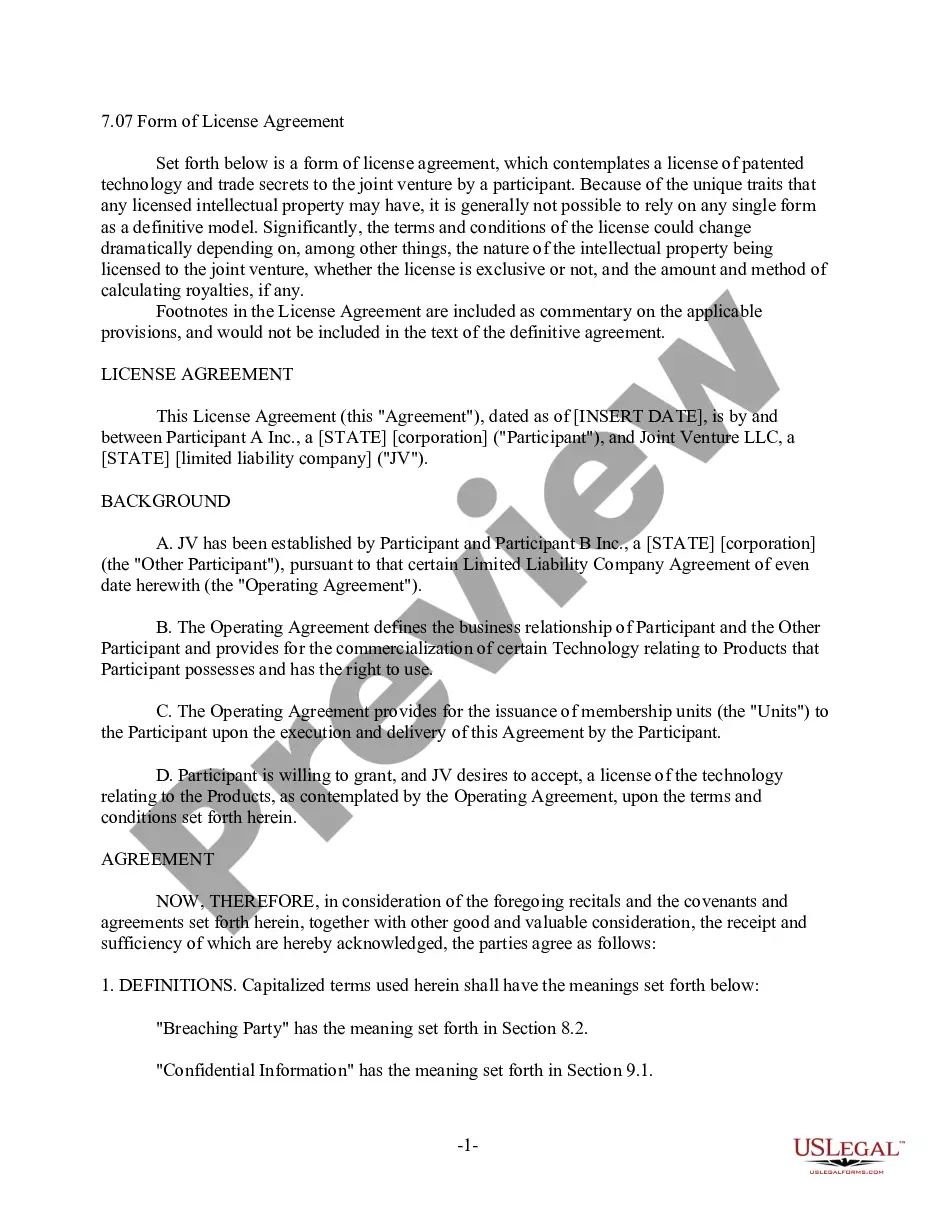


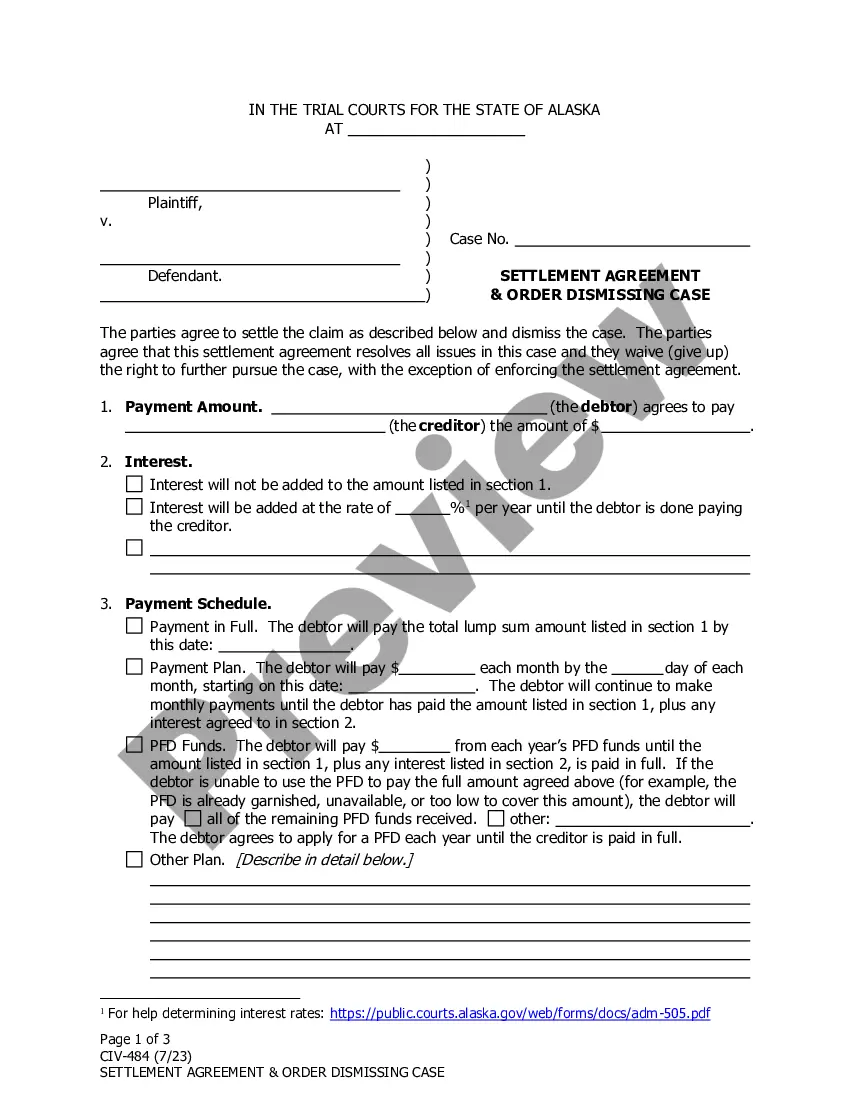
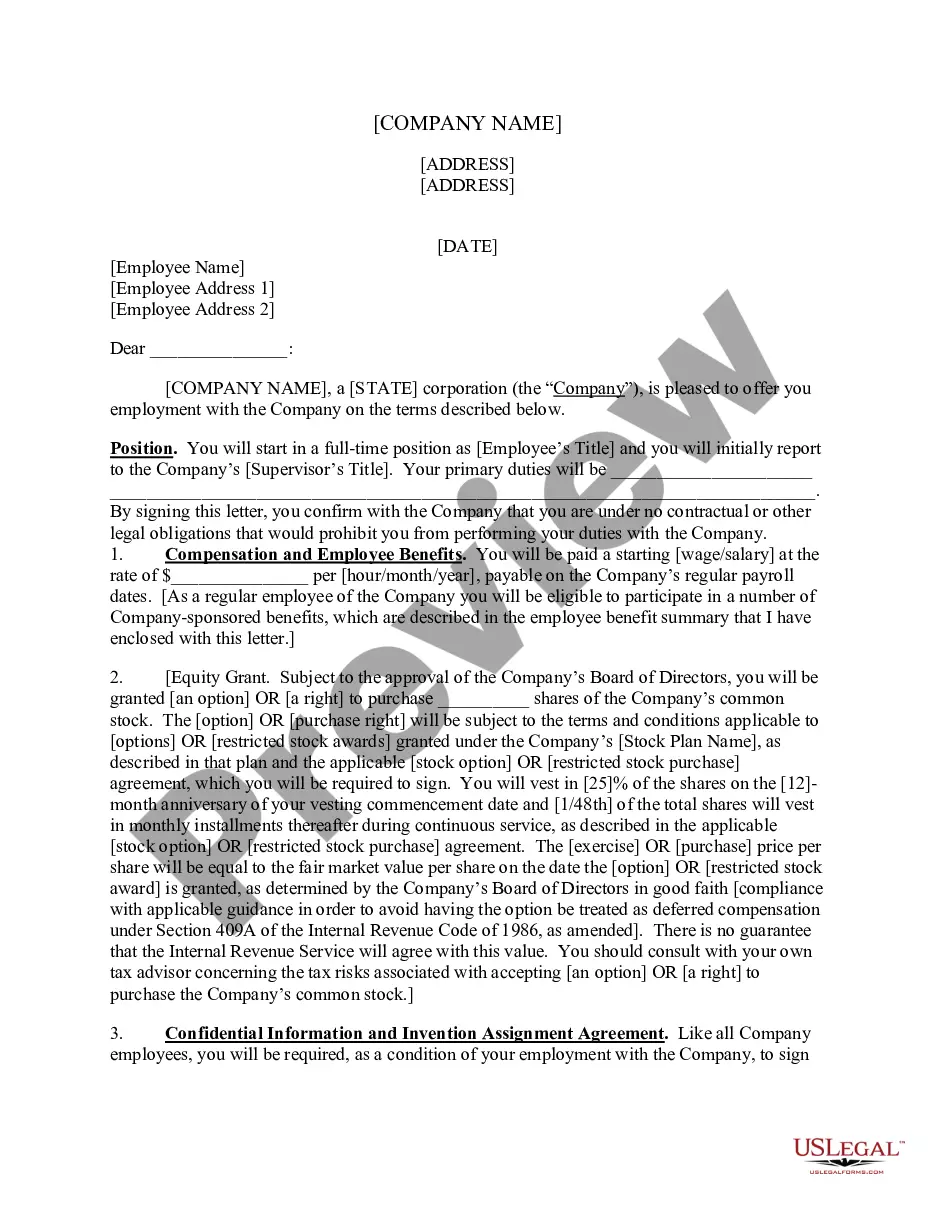


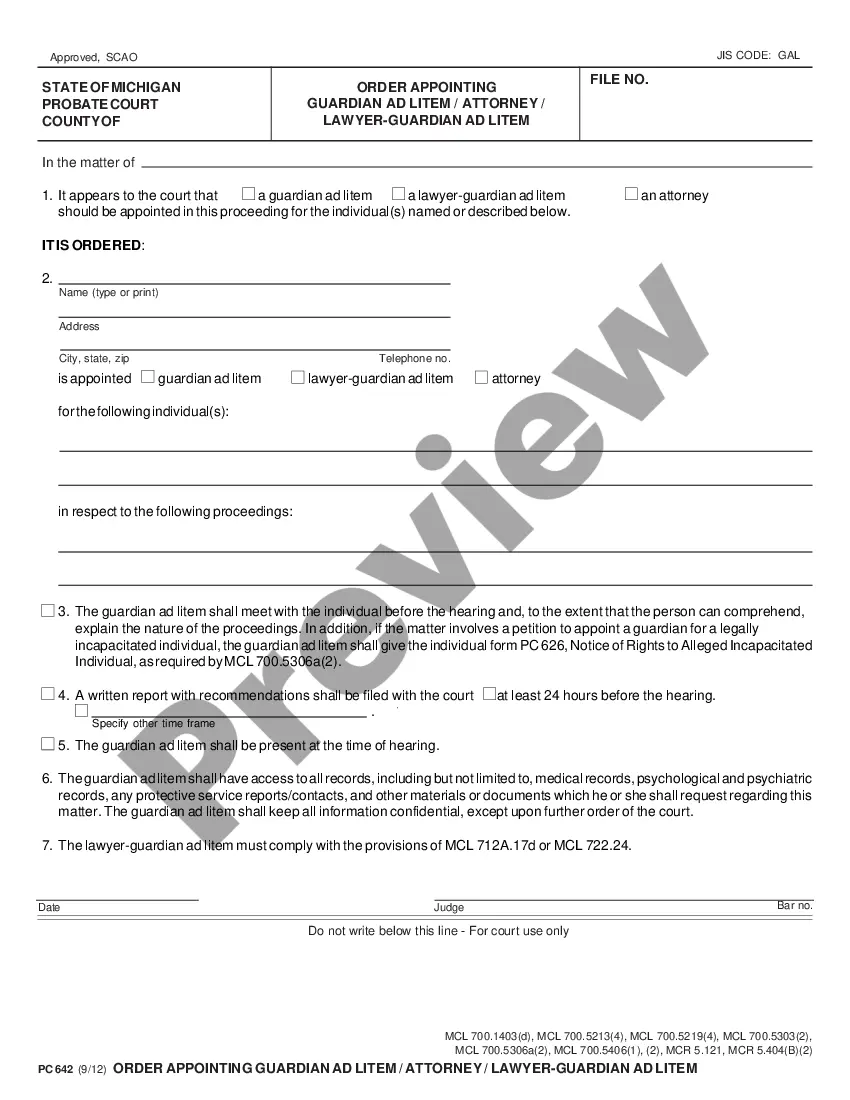
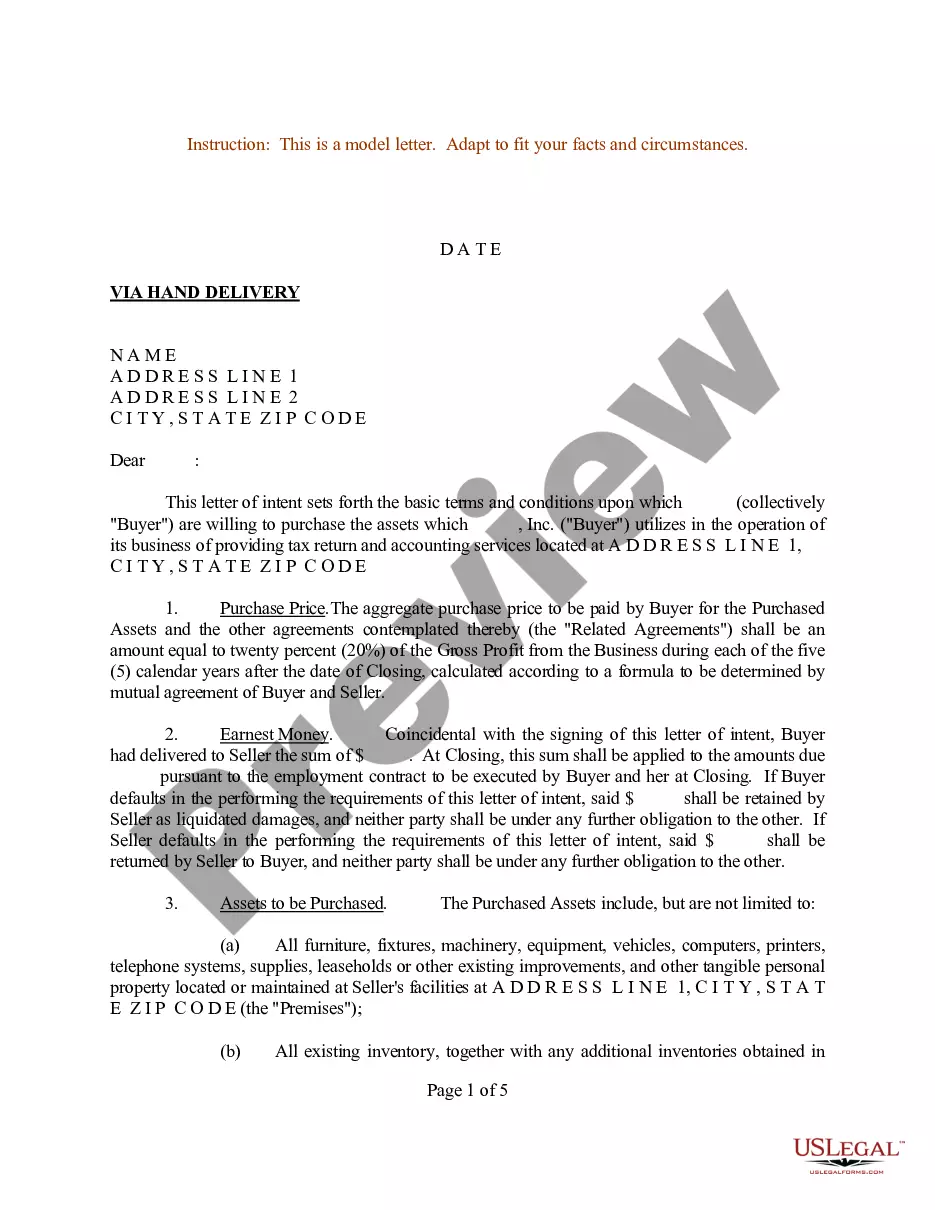
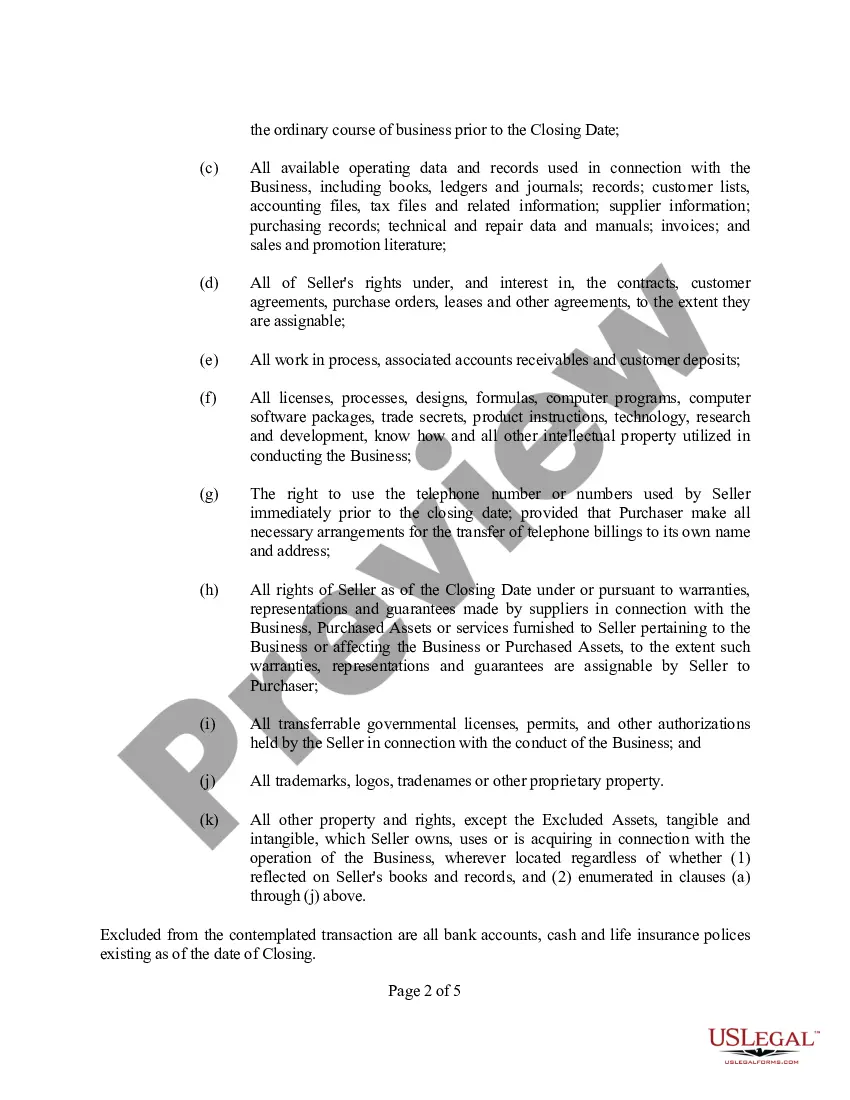
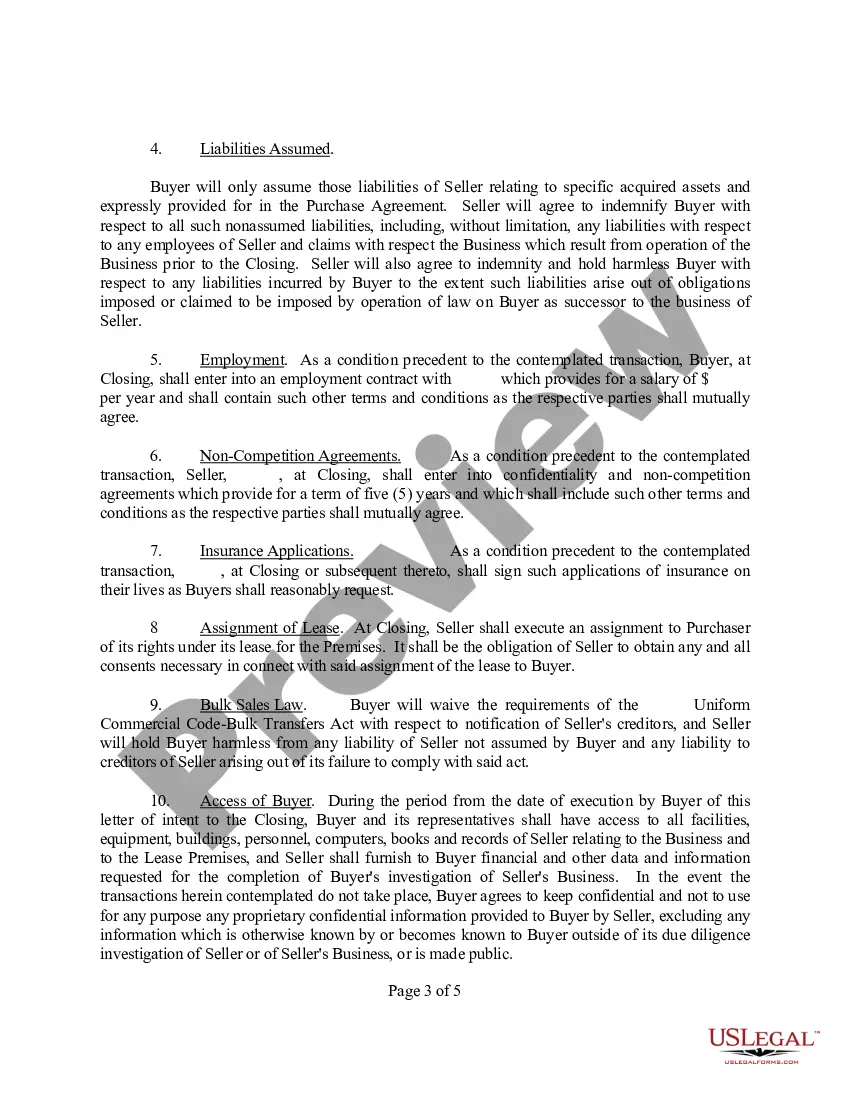
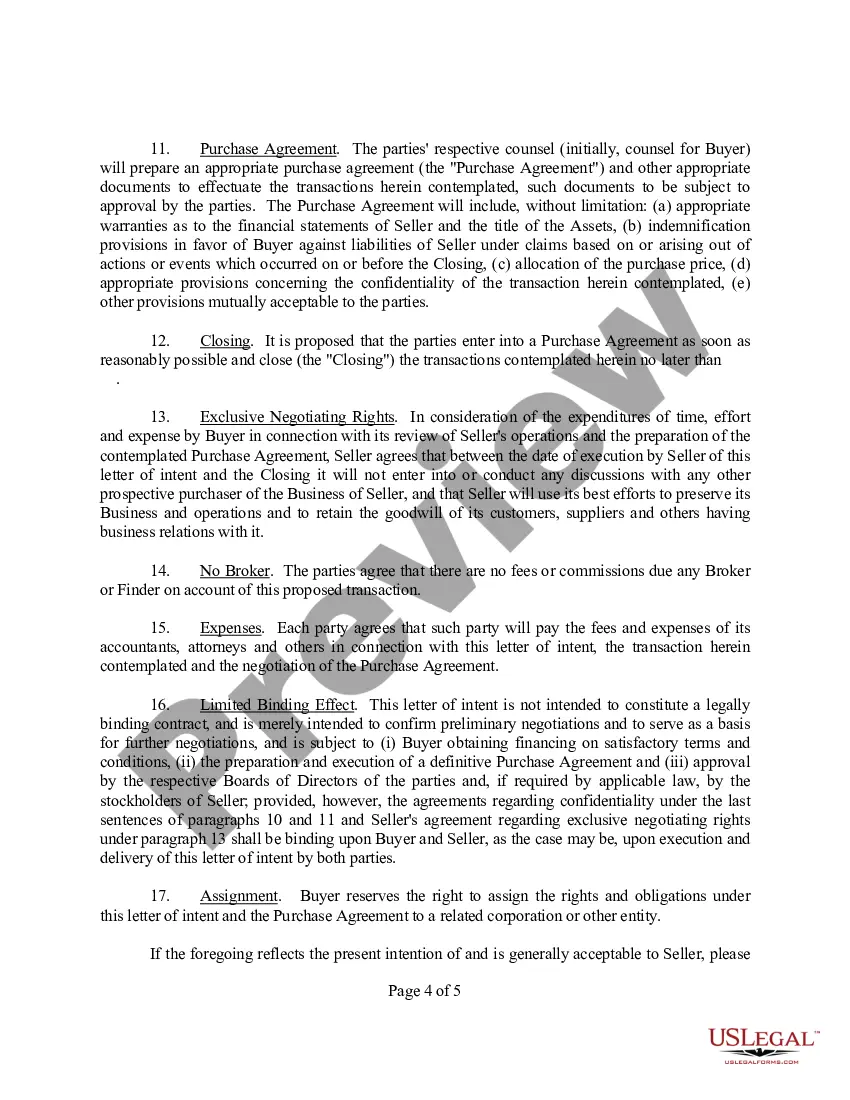
How to fill out Sample Letter For Letter Of Intent To Purchase Assets?
Creating legal documents from the ground up can occasionally be daunting. Certain situations may require extensive research and significant financial investment.
If you’re seeking a simpler and more economical method of generating Assets In Legal Definition or any other documentation without unnecessary complications, US Legal Forms is always within your reach.
Our online repository of more than 85,000 current legal forms encompasses nearly every aspect of your financial, legal, and personal affairs.
With merely a few clicks, you can promptly acquire state- and county-specific templates meticulously crafted for you by our legal specialists.
Ensure the selected form meets the criteria of your state and county. Select the appropriate subscription plan to purchase the Assets In Legal Definition. Download the document, then complete, sign, and print it out. US Legal Forms boasts an impeccable reputation and over 25 years of expertise. Join us today and transform form completion into a straightforward and efficient process!
- Utilize our platform whenever you require dependable and trustworthy services through which you can effortlessly find and download the Assets In Legal Definition.
- If you’re already familiar with our services and have established an account, simply Log In, choose the template, and download it or retrieve it again at any time in the My documents section.
- Don’t possess an account? No problem. Setting it up and exploring the library takes just a few minutes.
- However, before rushing to download Assets In Legal Definition, keep these suggestions in mind.
- Review the form preview and descriptions to verify that you have located the desired form.
Form popularity
FAQ
Assets in legal definition encompass everything of value that an individual or organization possesses. This can range from physical properties to financial securities and intellectual properties. Understanding this definition is vital for anyone navigating legal frameworks, as it impacts areas such as bankruptcy, divorce, and inheritance. Properly categorizing your assets can lead to better legal outcomes.
The financial statement that includes assets and liabilities is known as the balance sheet. Usually, a company's balance sheet is divided into two columns. You'll list all the assets on the left side and your liabilities on the right. Correctly listing your assets and liabilities is a good bookkeeping practice.
Examples of Assets Cash and cash equivalents. Accounts receivable (AR) Marketable securities. Trademarks. Patents. Product designs. Distribution rights. Buildings.
The left side of the balance sheet outlines all of a company's assets. On the right side, the balance sheet outlines the company's liabilities and shareholders' equity. The assets and liabilities are separated into two categories: current asset/liabilities and non-current (long-term) assets/liabilities.
What Are Examples of Assets? Personal assets can include a home, land, financial securities, jewelry, artwork, gold and silver, or your checking account. Business assets can include such things as motor vehicles, buildings, machinery, equipment, cash, and accounts receivable.
An asset is something of value owned by an individual or organization. An asset can be physical property like a building or intangible property such as a patent. Assets are an important part of and differ in many areas of law.