Finders Fee Private Equity Withdrawal
Description
Get your form ready online
Our built-in tools help you complete, sign, share, and store your documents in one place.
Make edits, fill in missing information, and update formatting in US Legal Forms—just like you would in MS Word.
Download a copy, print it, send it by email, or mail it via USPS—whatever works best for your next step.
Sign and collect signatures with our SignNow integration. Send to multiple recipients, set reminders, and more. Go Premium to unlock E-Sign.
If this form requires notarization, complete it online through a secure video call—no need to meet a notary in person or wait for an appointment.
We protect your documents and personal data by following strict security and privacy standards.

Make edits, fill in missing information, and update formatting in US Legal Forms—just like you would in MS Word.

Download a copy, print it, send it by email, or mail it via USPS—whatever works best for your next step.

Sign and collect signatures with our SignNow integration. Send to multiple recipients, set reminders, and more. Go Premium to unlock E-Sign.

If this form requires notarization, complete it online through a secure video call—no need to meet a notary in person or wait for an appointment.

We protect your documents and personal data by following strict security and privacy standards.
Looking for another form?






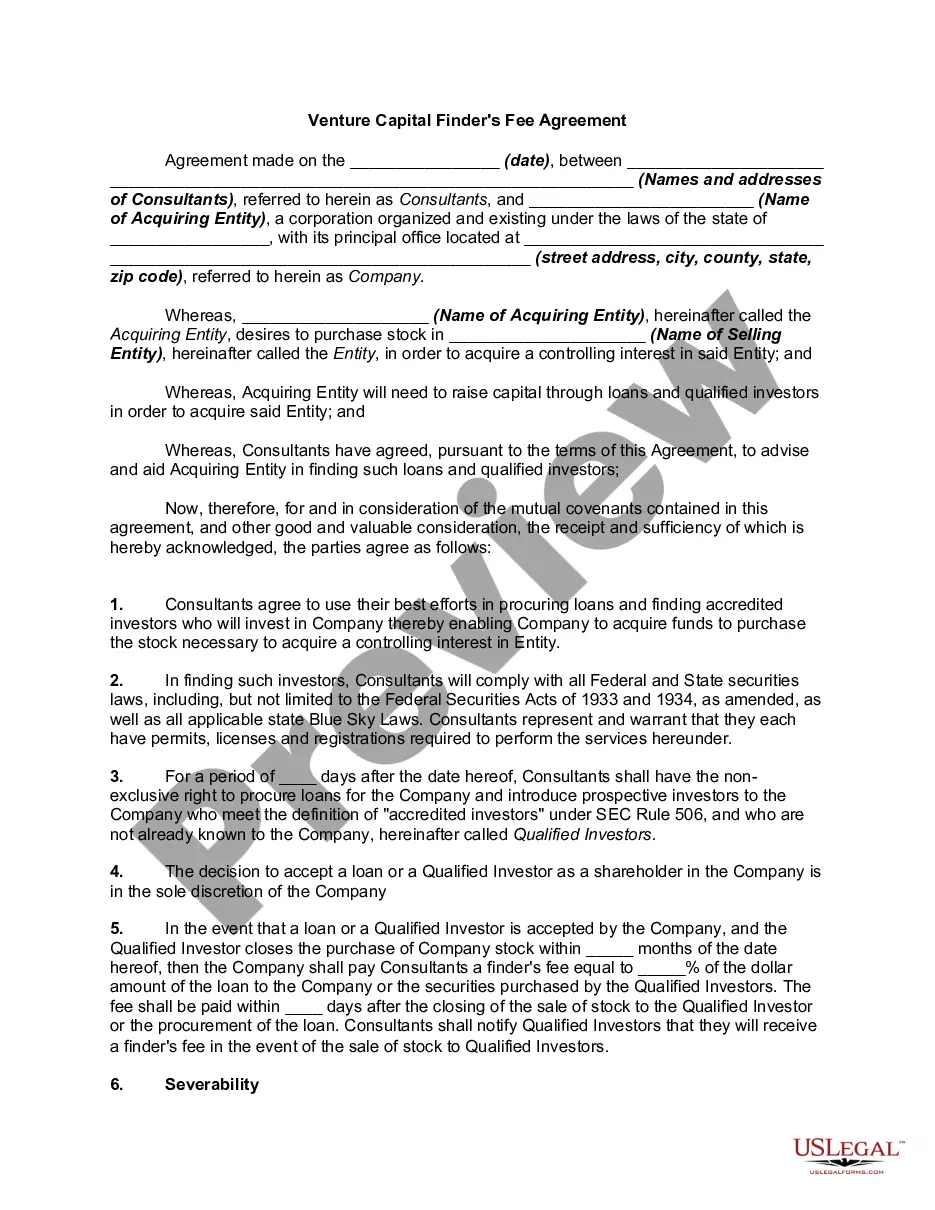
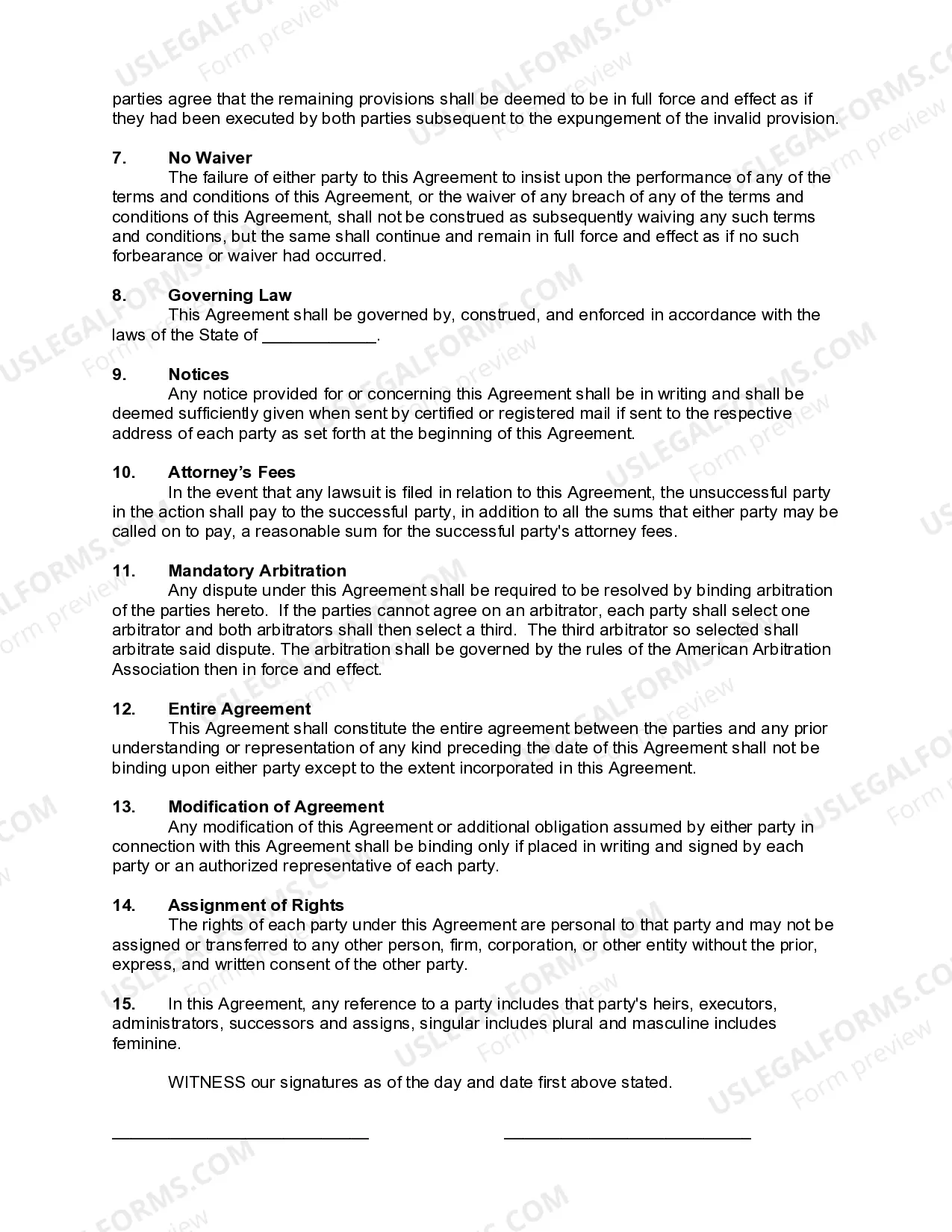
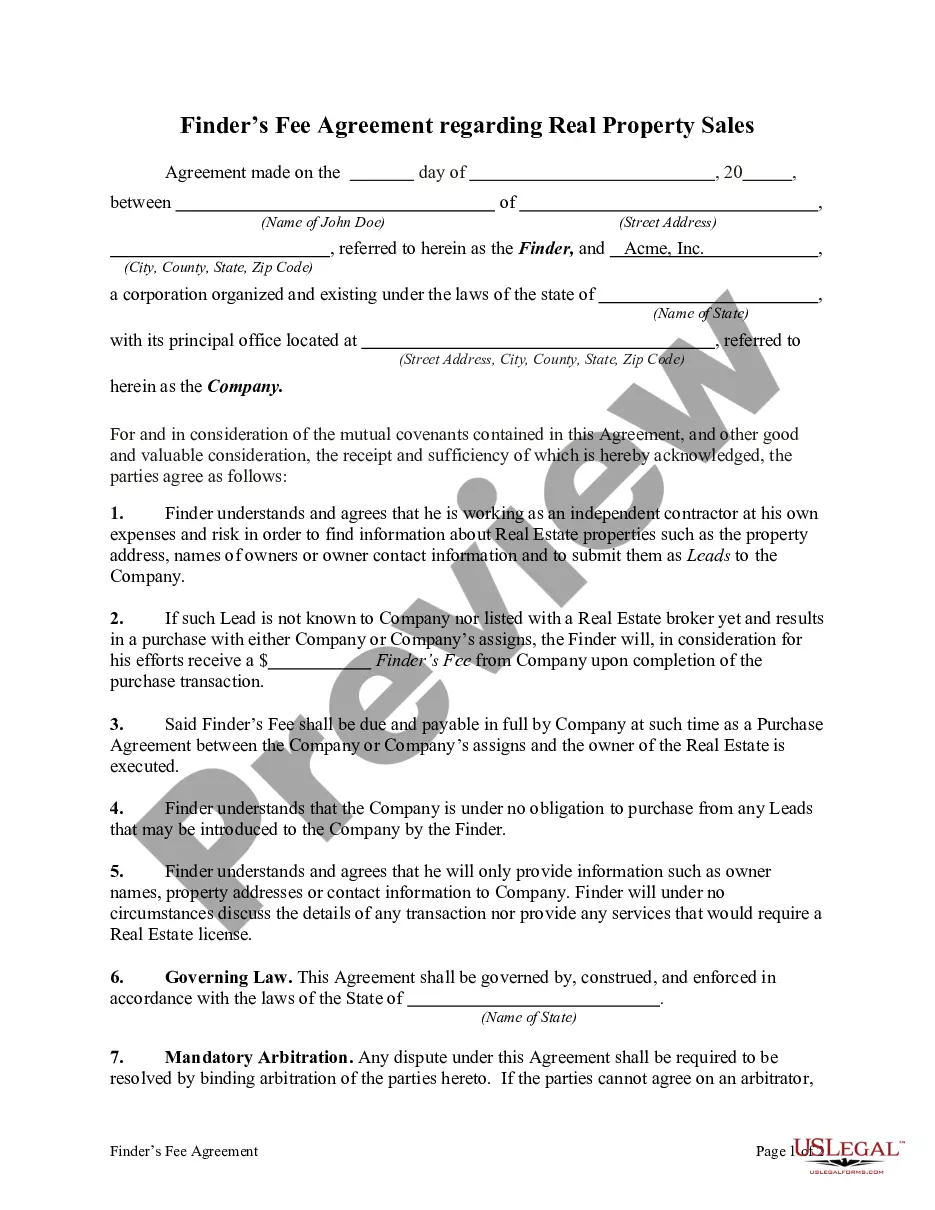
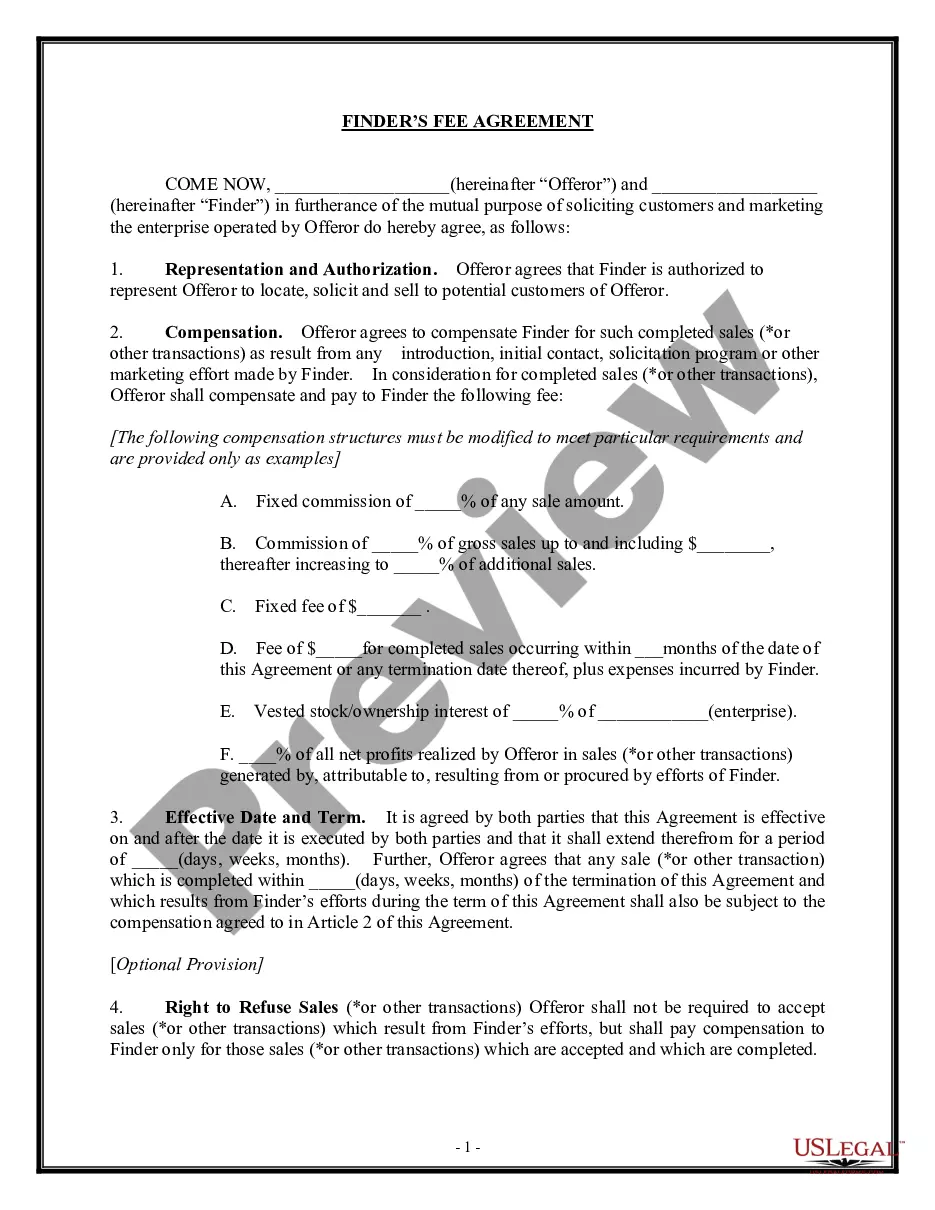
How to fill out Venture Capital Finder's Fee Agreement?
Managing legal documents can be daunting, even for the most seasoned experts.
When you are looking for a Finders Fee Private Equity Withdrawal and cannot dedicate the time to find the suitable and current version, the processes may become stressful.
Acquire a valuable repository of articles, guidelines, manuals, and resources pertinent to your circumstance and needs.
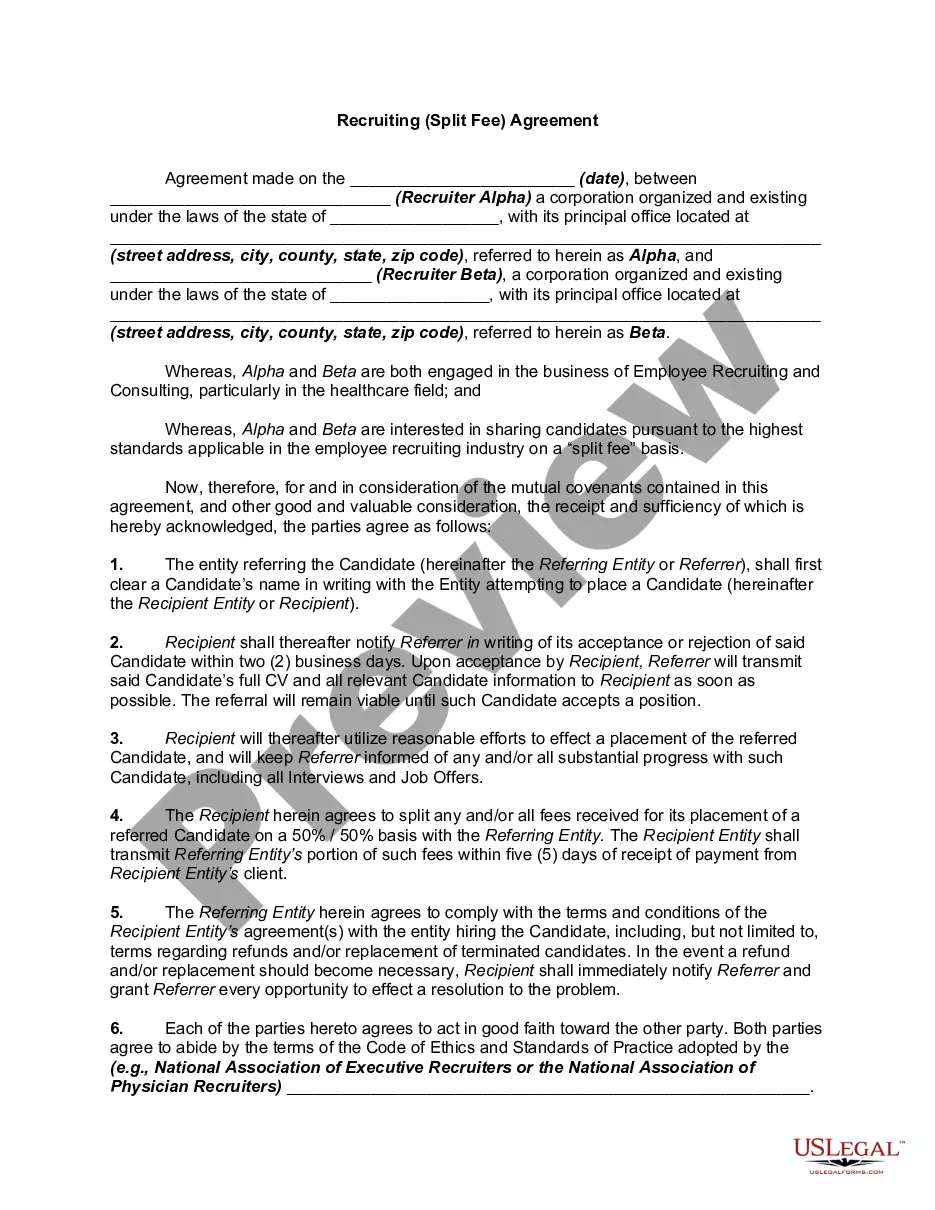
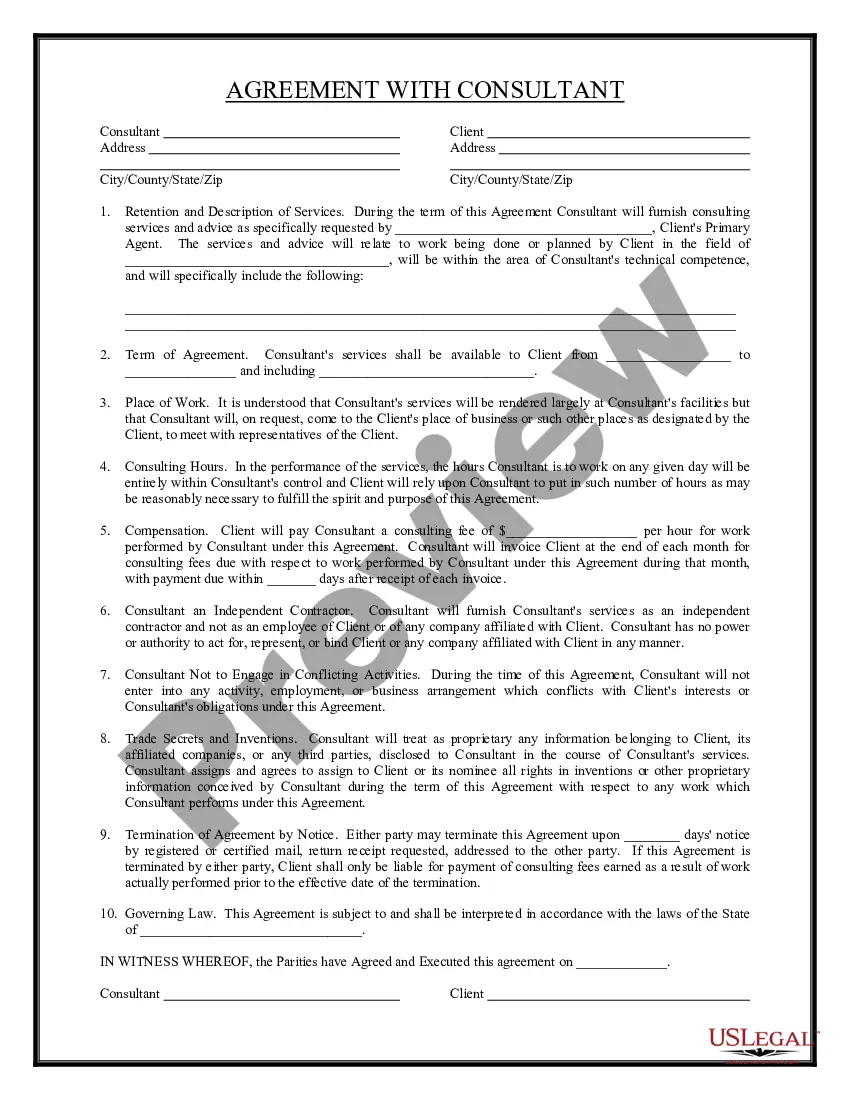
Save time and effort searching for the documents you require, and make use of US Legal Forms’ advanced search and Preview feature to locate your Finders Fee Private Equity Withdrawal and obtain it.
Make sure the template is accepted in your state or county. Choose Buy Now when you are ready. Select a monthly subscription plan. Choose the file format you need, and Download, fill out, eSign, print, and dispatch your document. Leverage the US Legal Forms online library, backed by 25 years of experience and reliability. Transform your everyday document management into a seamless and user-friendly process today.
- If you have a membership, Log In to your US Legal Forms account, look for the form, and download it.
- Check the My documents section to view the documents you have saved earlier and manage your folders as you wish.
- If it's your first time with US Legal Forms, create an account for unlimited access to all the features of the library.
- Here are the steps to follow after obtaining the form you need.
- Confirm it is the correct document by previewing it and reviewing its details.
- Access state- or county-specific legal and business documentation.
- US Legal Forms encompasses all requirements you might have, from personal to corporate paperwork, all in one location.
- Employ innovative tools to complete and manage your Finders Fee Private Equity Withdrawal.
Form popularity
FAQ
A typical finders fee in private equity might be around 2% to 3% of the total capital raised. This standard fee compensates the finder for their efforts in securing investment. Utilizing platforms like USLegalForms can help clarify terms and conditions related to finders fee private equity withdrawal to ensure smooth transactions.
In private equity, a finders fee can vary but often sits between 1% and 5% of the funds raised. This fee compensates the finder for their role in connecting investors to opportunities. Be sure to formalize this agreement to avoid misunderstandings later, especially regarding finders fee private equity withdrawal.
A good finders fee percentage usually falls between 5% and 7% of the transaction amount. This range reflects fair compensation for the referral services provided. Ultimately, the best percentage will depend on the complexity of the deal and the level of involvement in the finders fee private equity withdrawal.
Typically, finders fees range from 5% to 10% of the total transaction value. However, this percentage can vary based on the industry and specific agreements. It’s essential to define the terms clearly to ensure both parties are aligned, particularly when it involves finders fee private equity withdrawal.
Yes, finders fees are generally considered taxable income. When you receive a finders fee for facilitating a transaction, it must be reported on your tax return. Make sure to consult a tax professional to understand your specific obligations, especially when dealing with finders fee private equity withdrawal.
A 10% finder's fee can be considered reasonable in the context of private equity withdrawal. It often aligns with industry standards for various investment transactions. However, the adequacy of this fee also depends on the complexity of the deal and the value you provide in securing the investment. If you're contemplating a finder's fee private equity withdrawal, ensure that it accurately reflects your efforts and adds value to the transaction.
Either a Finder's Fee or a Success Fee is levied dependent upon the type of service required. Typically, the Finder's Fee is a small, fixed percentage of the deal value (with a minimum floor value) and the Success Fee is a sliding scale based on the Double Lehman formula.
The terms of finder's fees can vary greatly, with some citing 5% to 35% of the total value of the deal being used as a benchmark. It's a staple of Fundera's business model. In many cases, the finder's fee may simply be a gift from one party to another, as no legal obligation to pay a commission exists.
Agencies typically pay referral fees of 5% to 10% of the revenue they receive?but there's plenty of nuance on how you handle it, and many agencies pay 0% in referral fees. You'll want to get advice from your lawyer on specific language, and your accountant on how to handle the money.
In general, a finder's fee is paid to a person that acted as an intermediary among parties that would not have made the deal or transaction without such intermediation. Depending on the type of transaction or the agreement made by the parties, the buyer, the seller, or both parties may have to pay the finder's fee.