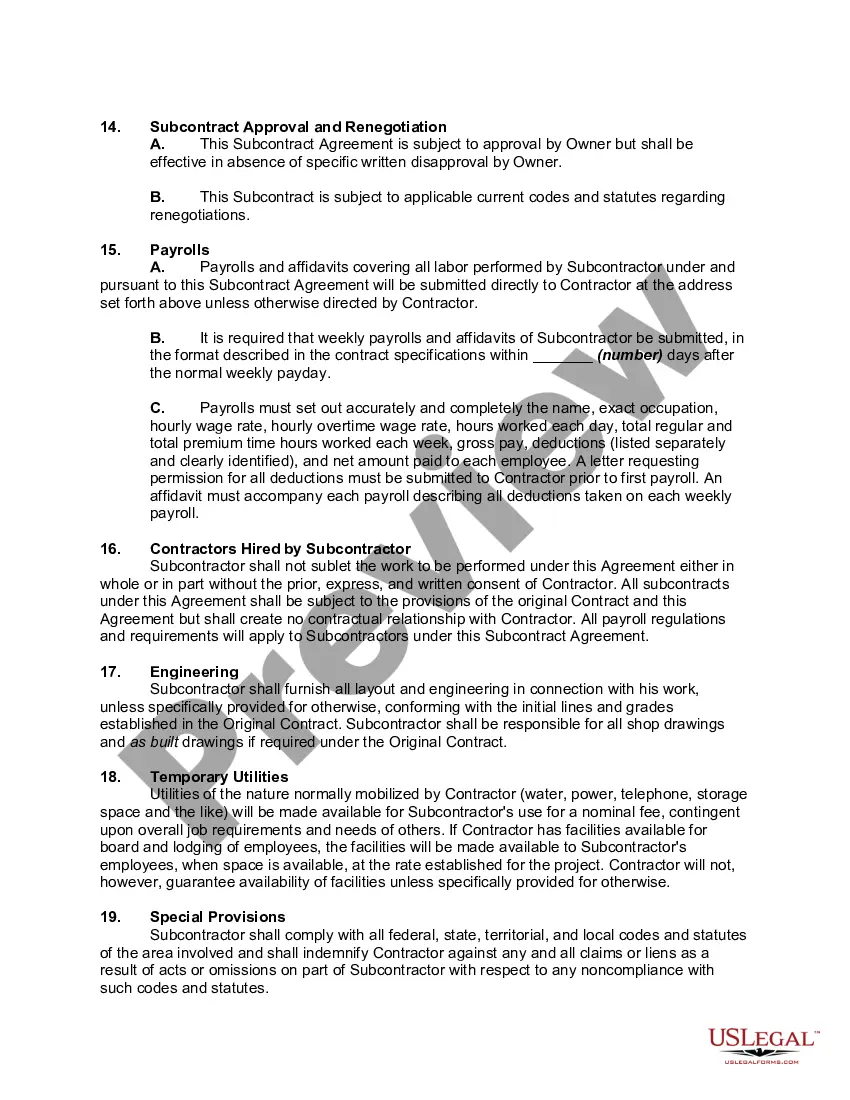
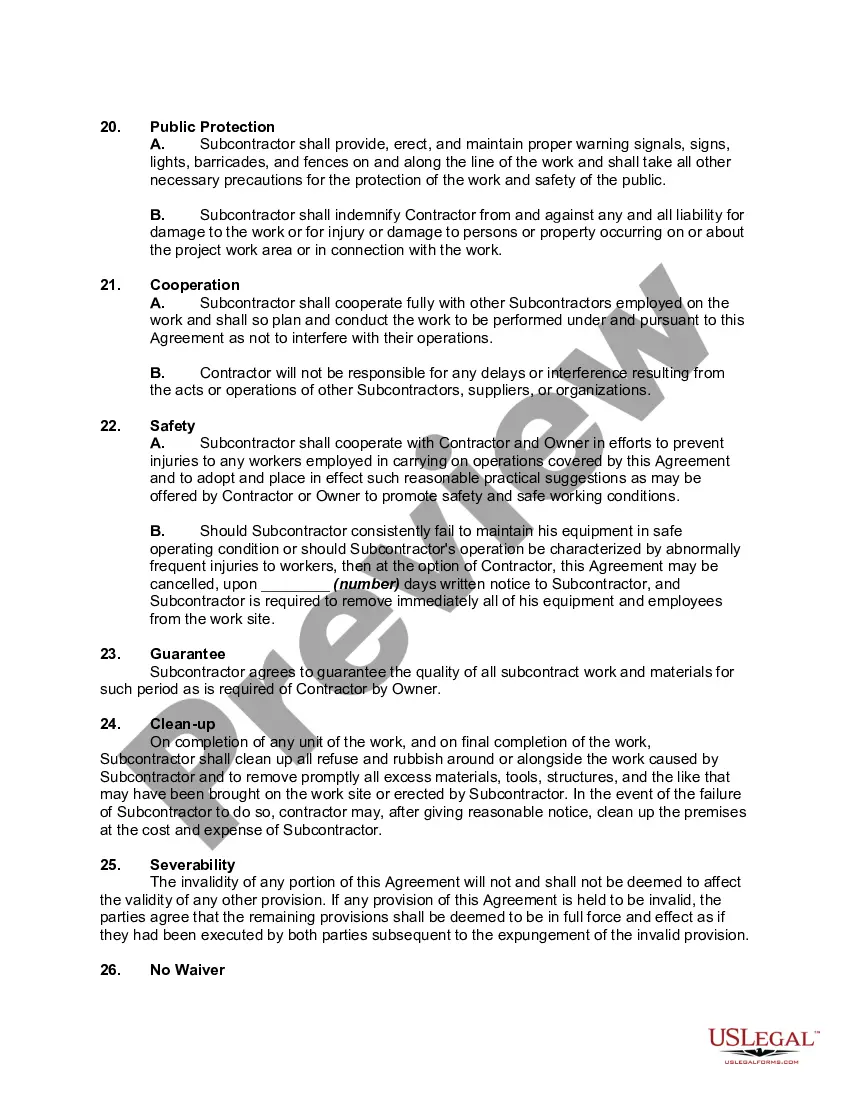
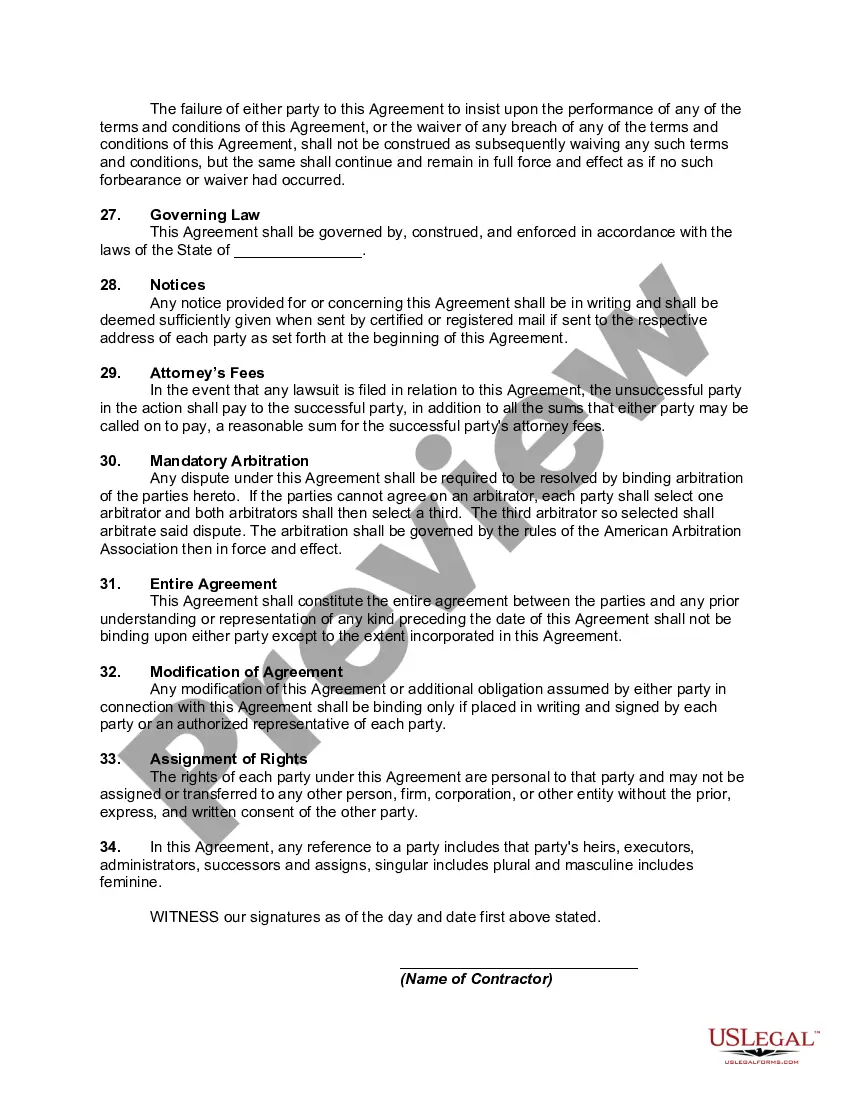
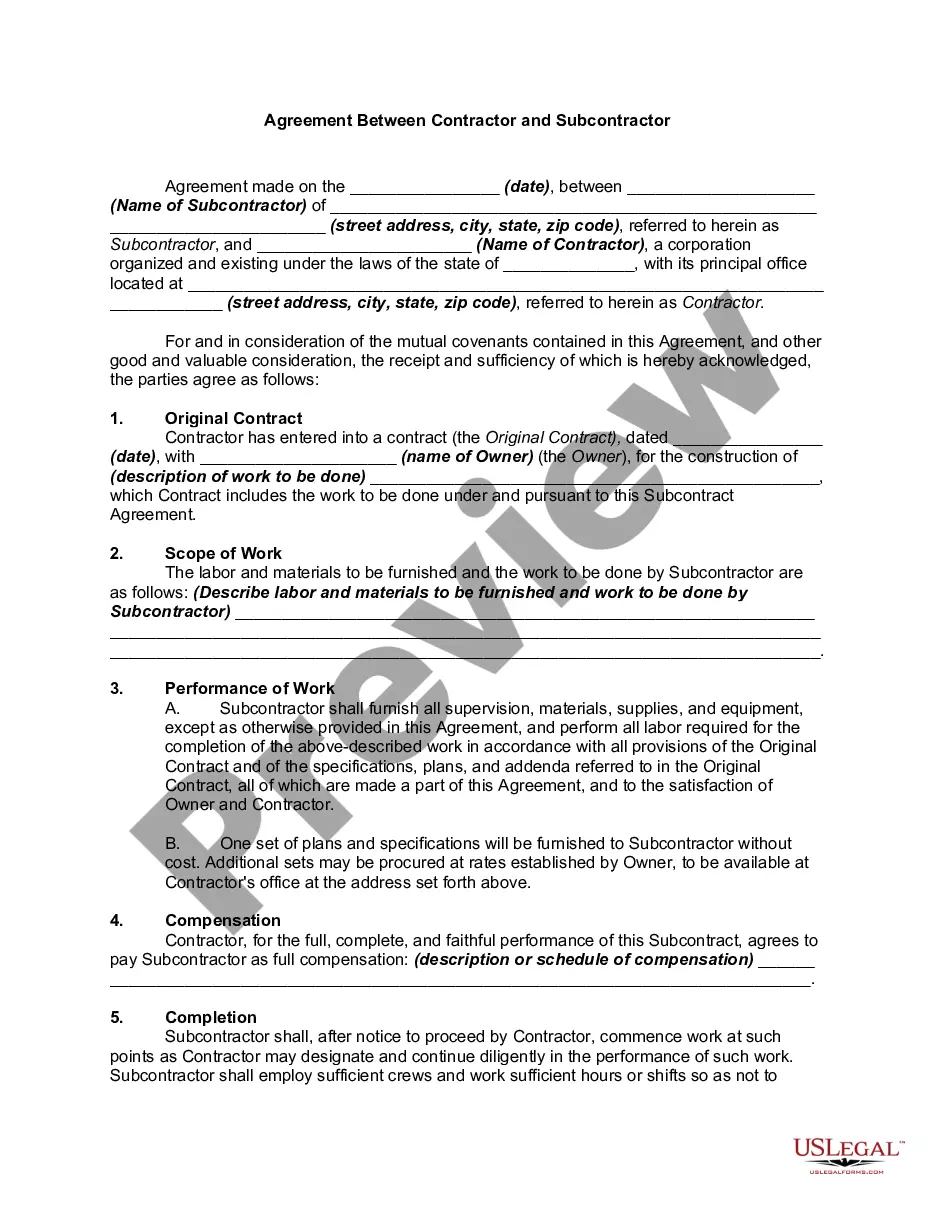
Trucking Subcontractor Agreement For Contractors
Description
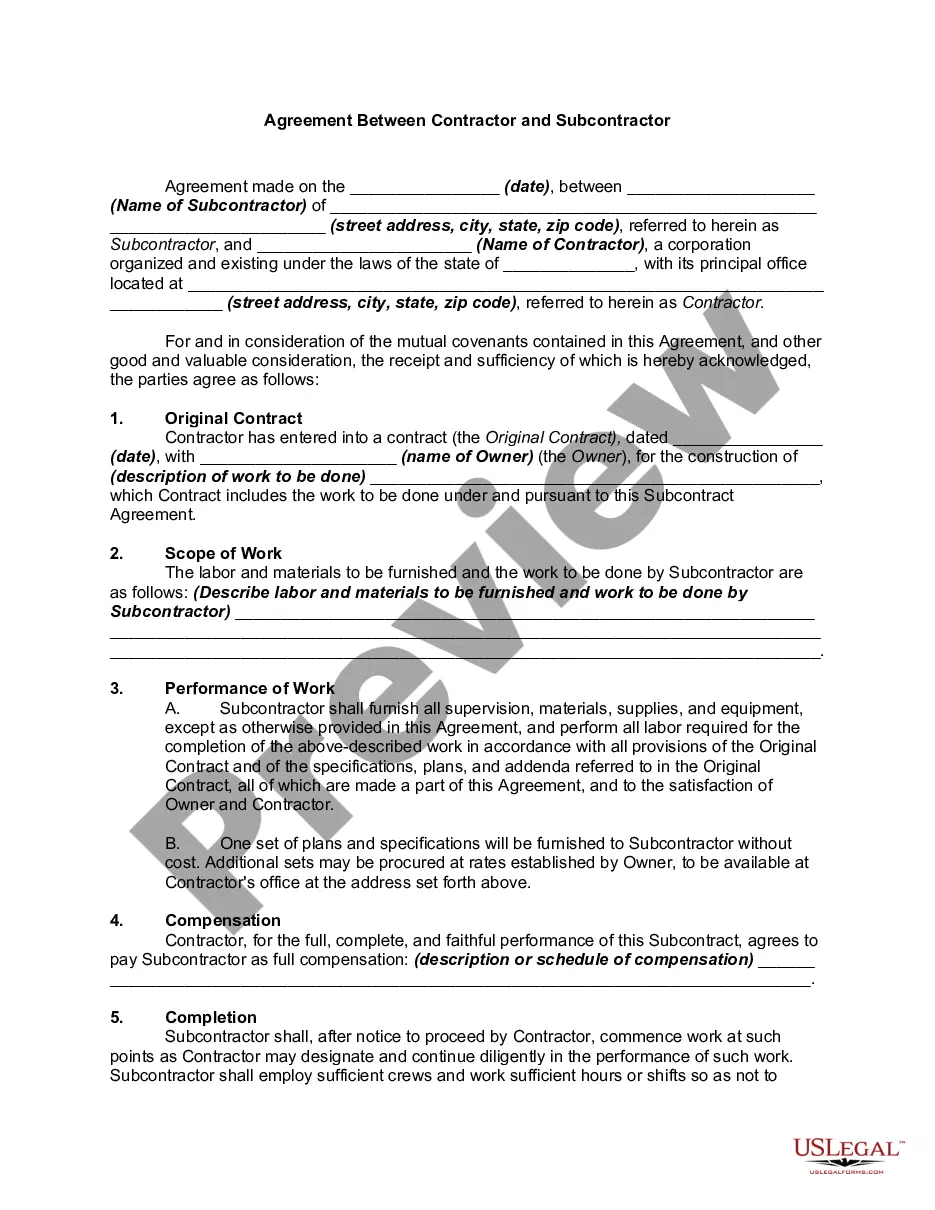
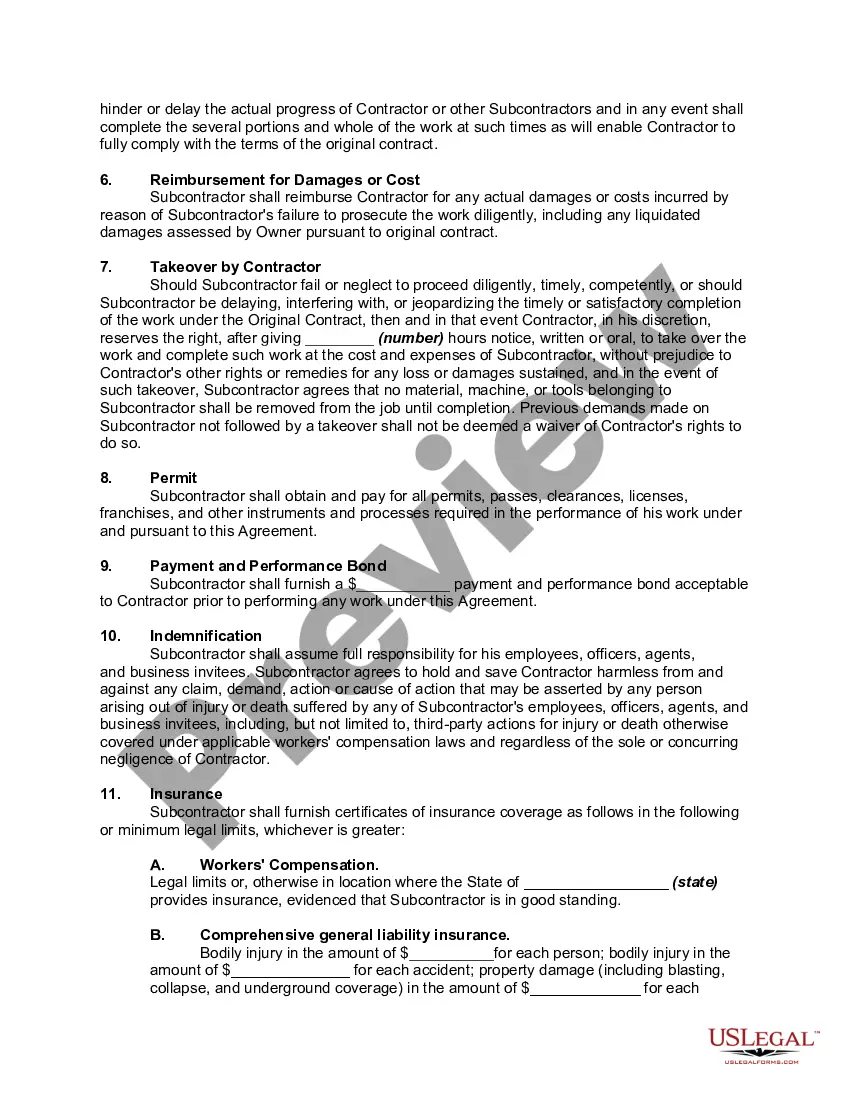
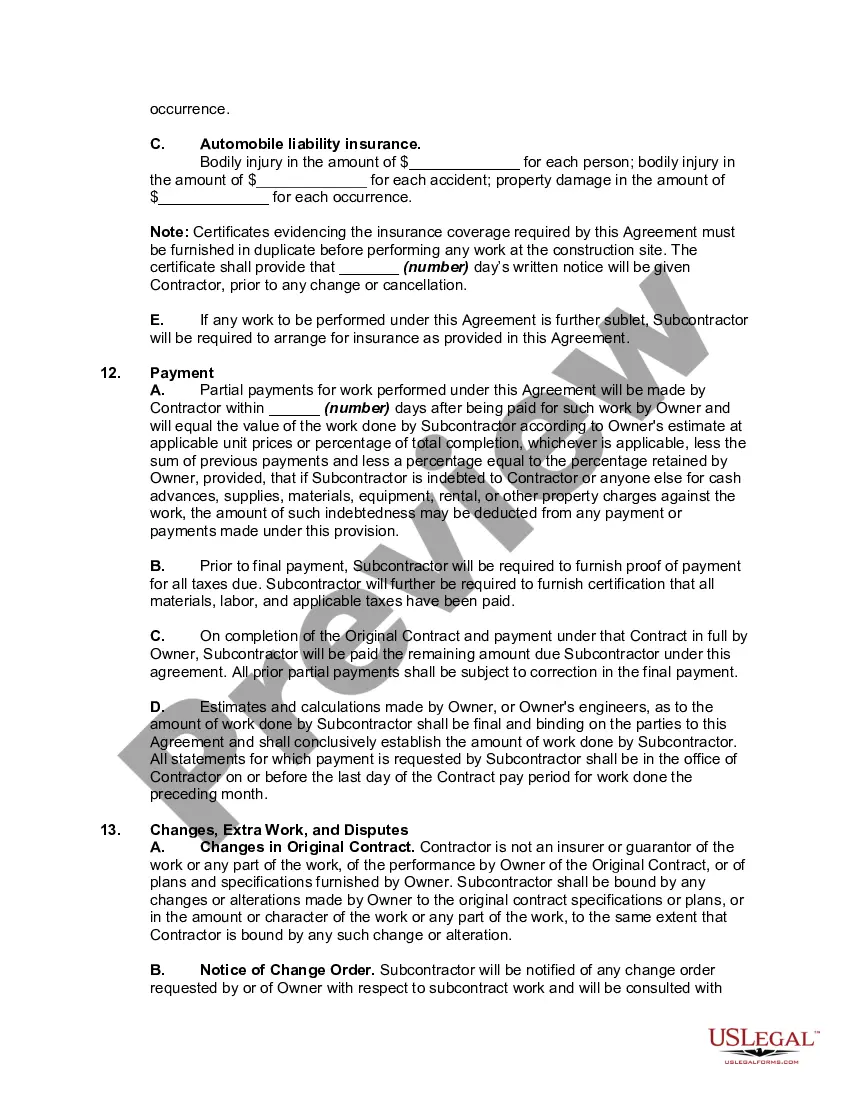
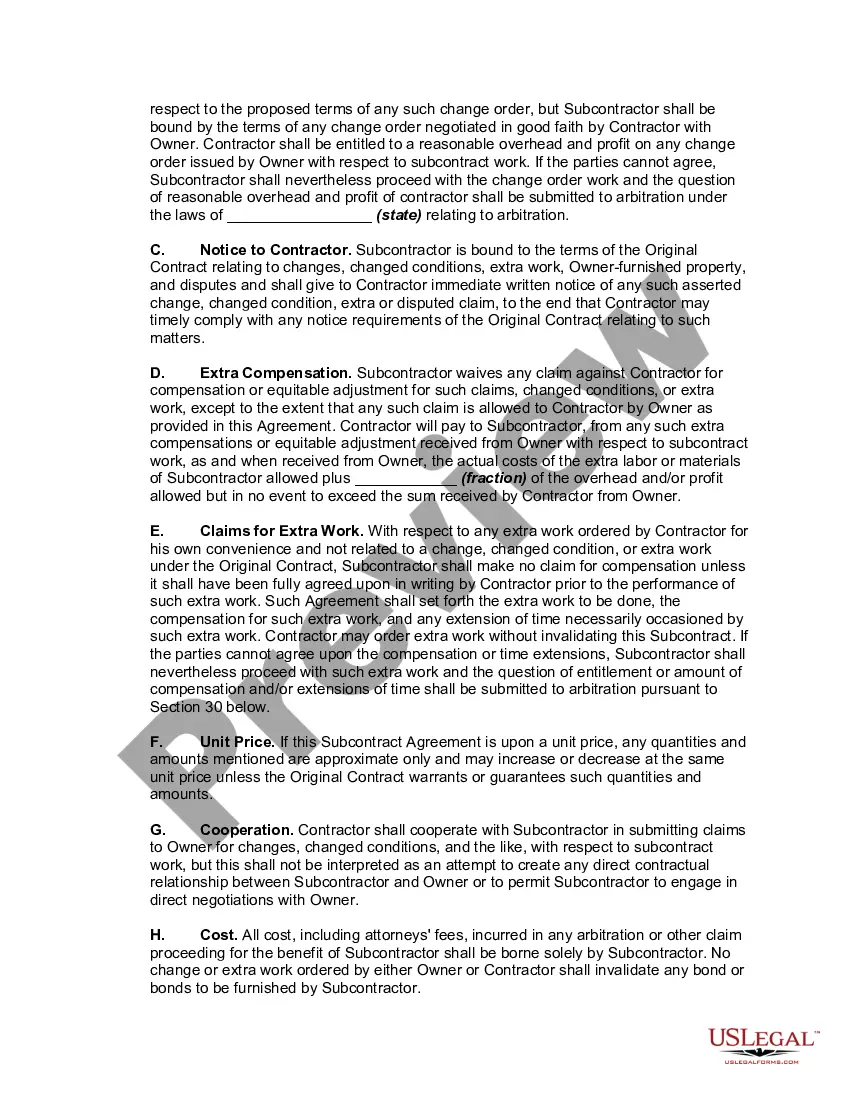

Get your form ready online
Our built-in tools help you complete, sign, share, and store your documents in one place.
Make edits, fill in missing information, and update formatting in US Legal Forms—just like you would in MS Word.
Download a copy, print it, send it by email, or mail it via USPS—whatever works best for your next step.
Sign and collect signatures with our SignNow integration. Send to multiple recipients, set reminders, and more. Go Premium to unlock E-Sign.
If this form requires notarization, complete it online through a secure video call—no need to meet a notary in person or wait for an appointment.
We protect your documents and personal data by following strict security and privacy standards.

Make edits, fill in missing information, and update formatting in US Legal Forms—just like you would in MS Word.

Download a copy, print it, send it by email, or mail it via USPS—whatever works best for your next step.

Sign and collect signatures with our SignNow integration. Send to multiple recipients, set reminders, and more. Go Premium to unlock E-Sign.

If this form requires notarization, complete it online through a secure video call—no need to meet a notary in person or wait for an appointment.

We protect your documents and personal data by following strict security and privacy standards.
Looking for another form?
How to fill out Subcontractor Agreement For Truck Drivers?
Whether for corporate aims or personal concerns, everyone encounters legal issues eventually in their life.
Fulfilling legal documentation demands meticulous focus, starting from selecting the correct form template.
Once it is saved, you can complete the form using editing software or print it and finish it by hand. With a vast US Legal Forms library available, you don't need to waste time searching for the correct template online. Utilize the library’s straightforward navigation to locate the appropriate template for any situation.
- Locate the template you require using the search bar or catalog browsing.
- Review the form’s description to ensure it aligns with your needs, state, and county.
- Click on the preview of the form to examine it.
- If it is the incorrect form, return to the search option to find the Trucking Subcontractor Agreement For Contractors template you need.
- Obtain the template when it fits your criteria.
- If you already possess a US Legal Forms account, simply click Log in to access previously stored documents in My documents.
- If you do not yet have an account, you can acquire the form by clicking Buy now.
- Choose the appropriate payment option.
- Fill out the account registration form.
- Decide on your payment method: you can utilize a credit card or PayPal account.
- Select the document format you wish and download the Trucking Subcontractor Agreement For Contractors.
Form popularity
FAQ
While it's not always legally required to have a subcontractor agreement, having one is highly advisable. A trucking subcontractor agreement for contractors clarifies roles, responsibilities, and expectations, reducing the risk of disputes later on. A well-drafted agreement safeguards both parties and ensures a smooth workflow throughout the project.
One notable disadvantage of using subcontractors is the potential for miscommunication and misalignment of expectations. If a trucking subcontractor agreement for contractors does not clearly outline responsibilities and deliverables, it can lead to delays and disputes. Establishing a solid communication framework can help mitigate these risks.
Writing a subcontractor agreement involves several key steps. First, identify the parties, describe the project, and list specific tasks assigned to the subcontractor. Then, include payment terms, deadlines, and any terms related to confidentiality and liability, ensuring the agreement is comprehensive and aligns with the trucking subcontractor agreement for contractors standards.
Yes, contractors can use subcontractors as long as the original contract allows it. A trucking subcontractor agreement for contractors facilitates this process, ensuring all parties understand their roles and obligations. Proper agreements help contractors extend their capabilities and tap into valuable expertise to complete projects successfully.
General contractors often use subcontractors to manage specific tasks and leverage specialized skills that the contractor may not possess. By utilizing a trucking subcontractor agreement for contractors, they can increase efficiency, focus on core competencies, and better allocate resources. This collaboration helps general contractors meet project deadlines and maintain quality.
A subcontracting agreement is a legal document that outlines the terms and conditions under which one party hires another to perform part of a larger project. In the context of a trucking subcontractor agreement for contractors, this document details the work to be done, payment terms, and the relationship between the general contractor and the subcontractor. Clear agreements minimize misunderstandings and foster a smooth working relationship.
To create a simple yet effective contract for services, start by clearly stating the parties involved and the nature of the services. Next, outline the terms of payment, deadlines, and any other important details. A trucking subcontractor agreement for contractors should address specific responsibilities and include provisions for dispute resolution to protect both parties.
When working under a trucking subcontractor agreement for contractors, restrictions on subcontracting often arise from the main contract. General contractors may prohibit subcontracting certain tasks or specify that subcontractors must meet specific qualifications. Understanding these restrictions helps contractors avoid legal issues and ensures compliance with project requirements.
The amount a contractor can earn from a subcontractor typically depends on the contract terms, the complexity of the project, and market rates. Generally, contractors should aim for a balance that compensates them fairly without undervaluing the subcontractor's contributions. A well-drafted trucking subcontractor agreement for contractors can help clarify these terms to maintain a healthy working relationship.
Writing an independent contractor agreement involves detailing the nature of the work, the responsibilities of each party, payment terms, and confidentiality clauses if necessary. Your agreement needs to reflect the unique relationship you aim to establish, especially when creating a trucking subcontractor agreement for contractors. It is wise to consult with legal resources to ensure your agreement is comprehensive and compliant.