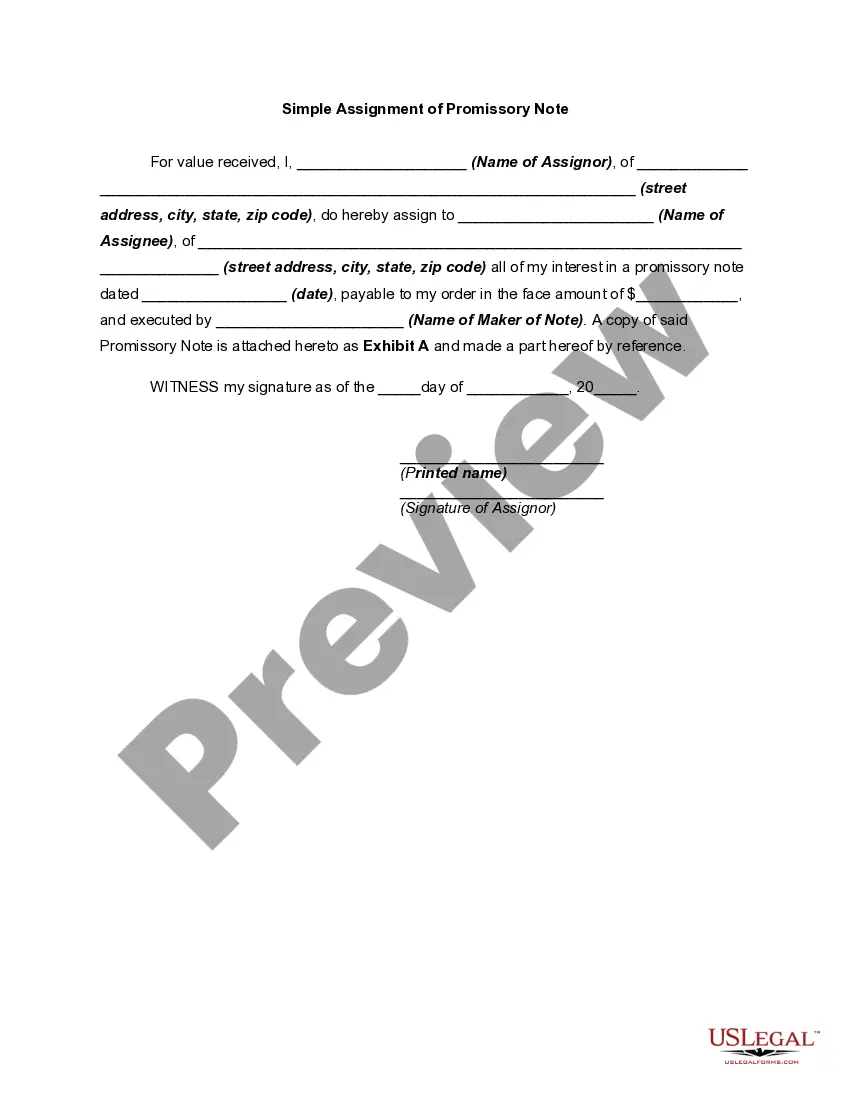
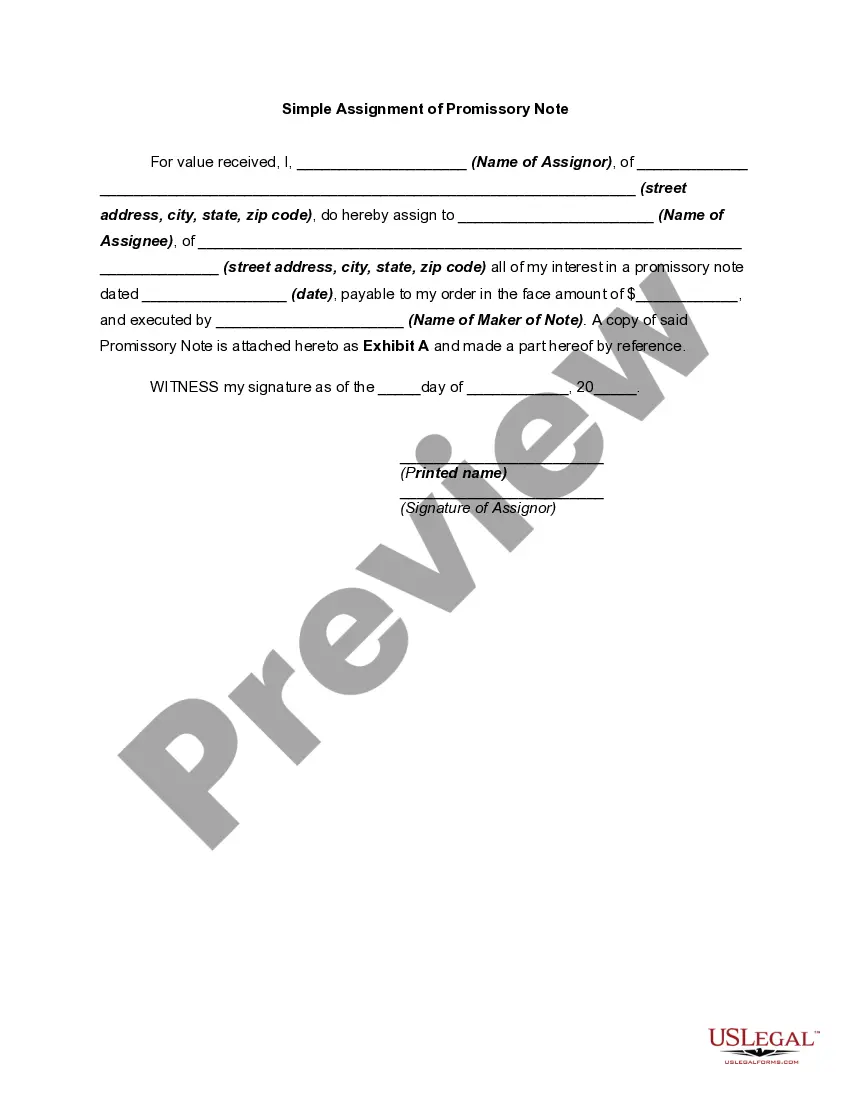
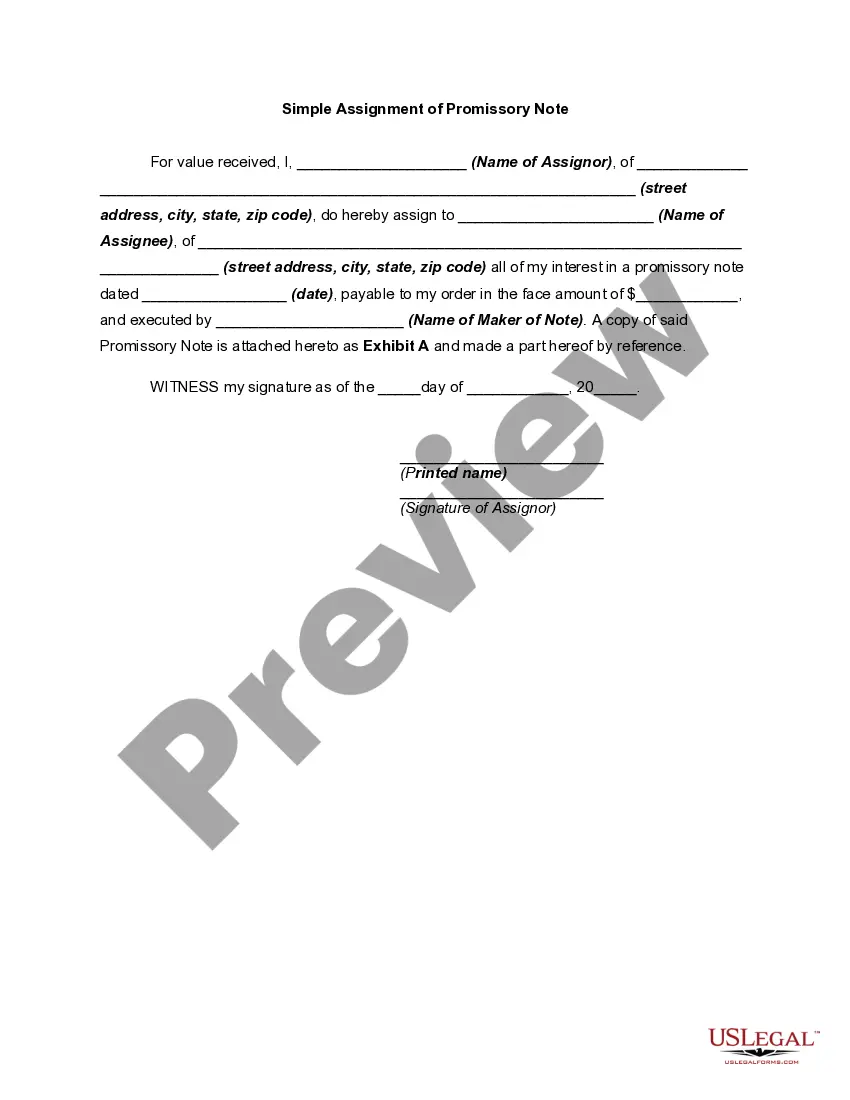
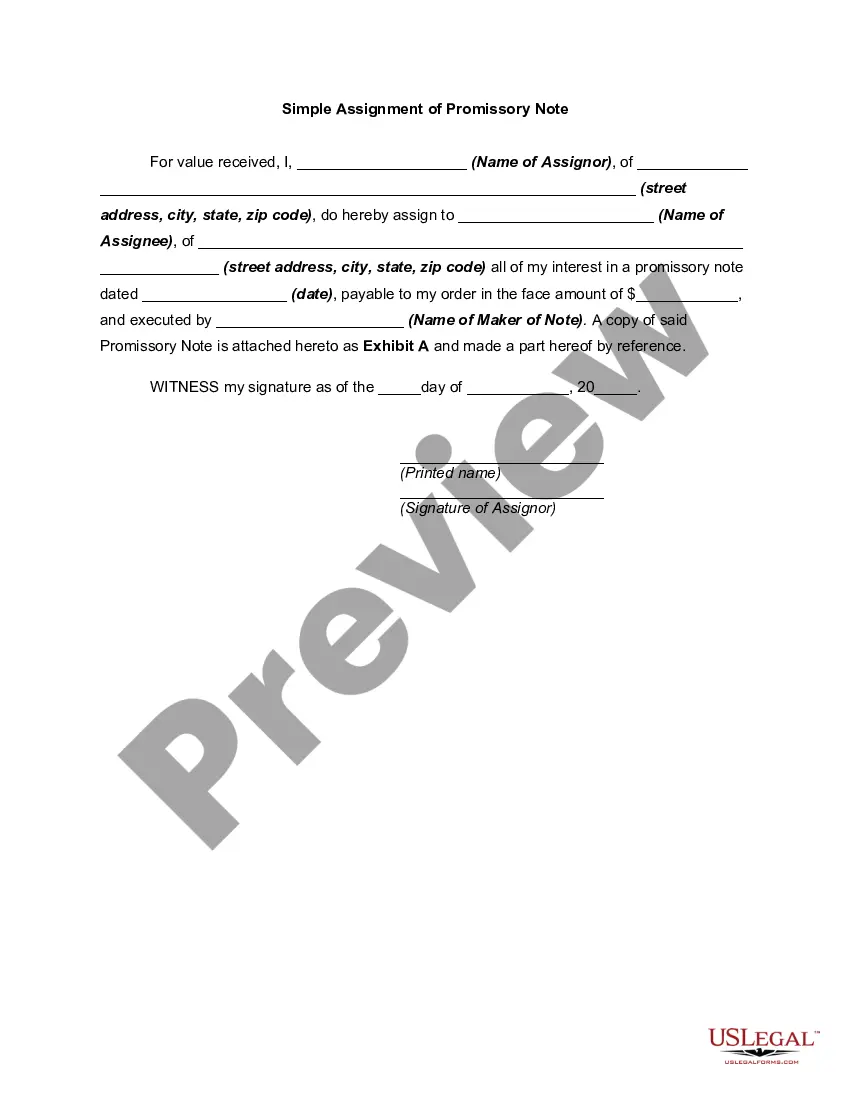
Example Of Promissory Note In School With Co-maker
Description
Get your form ready online
Our built-in tools help you complete, sign, share, and store your documents in one place.
Make edits, fill in missing information, and update formatting in US Legal Forms—just like you would in MS Word.
Download a copy, print it, send it by email, or mail it via USPS—whatever works best for your next step.
Sign and collect signatures with our SignNow integration. Send to multiple recipients, set reminders, and more. Go Premium to unlock E-Sign.
If this form requires notarization, complete it online through a secure video call—no need to meet a notary in person or wait for an appointment.
We protect your documents and personal data by following strict security and privacy standards.

Make edits, fill in missing information, and update formatting in US Legal Forms—just like you would in MS Word.

Download a copy, print it, send it by email, or mail it via USPS—whatever works best for your next step.

Sign and collect signatures with our SignNow integration. Send to multiple recipients, set reminders, and more. Go Premium to unlock E-Sign.

If this form requires notarization, complete it online through a secure video call—no need to meet a notary in person or wait for an appointment.

We protect your documents and personal data by following strict security and privacy standards.
Looking for another form?
How to fill out Simple Promissory Note For School?
The Instance Of Promissory Note In Educational Setting With Co-signer you observe on this page is a reusable official template composed by expert attorneys in accordance with federal and state regulations.
For over 25 years, US Legal Forms has supplied individuals, enterprises, and lawyers with upwards of 85,000 confirmed, state-specific documents for any corporate and personal situation. It’s the fastest, simplest, and most dependable method to acquire the documentation you require, as the service assures the utmost level of data protection and anti-malware measures.
Become a member of US Legal Forms to have authenticated legal templates for all of life's situations readily available.
- Search for the document you require and examine it.
- Choose the pricing plan that best fits you and set up an account. Utilize PayPal or a credit card for a swift transaction.
- Pick the format you want for your Instance Of Promissory Note In Educational Setting With Co-signer (PDF, DOCX, RTF) and store the sample on your device.
- Print the template to fill it out by hand. Conversely, employ an online versatile PDF editor to quickly and accurately complete and sign your form with a valid.
- Access the same document again whenever necessary. Visit the My documents tab in your account to redownload any previously acquired forms.
Form popularity
FAQ
G?oing Back It can be done without a deed poll. A decree absolute or final order (for divorces issued after April 2022) entitles a woman to revert to her maiden name (birth surname) and is accepted as documentary evidence by all government bodies (including The Passport Office and DVLA) and companies across the UK.
Pennsylvania is not a 50/50 common law state. PA law requires divorcing couples to equitably divide the marital property. This means that the division of marital property should be based on fairness utilizing a set of enumerated factors in the PA Divorce Code.
Since 1804, divorce records have been kept in the Prothonotary's Office in the county where the divorce was granted. In addition, local newspapers frequently published notices of divorce actions.
What is a wife entitled to in a divorce in PA? The wife is not automatically entitled to anything that is not her direct property or assets in a divorce in PA. Alimony payments may be required based on the wife's situation and any division of property will also be determined based on other factors.
During the divorce proceedings, the couple is still legally married, and as such, they may need to continue contributing to household expenses and bills to maintain their shared living situation. This can include costs related to housing, utilities, groceries, and other day-to-day living expenses.
Many people are surprised to learn that their divorce files are public record. Although family court case records like divorces are not available to the public online, anyone can go to the courthouse to view and/or copy the documents in your divorce file.
In fact, there is no divorce circumstance in Pennsylvania where a marriage is automatically terminated after the passage of a period of time. The one year separation period, however, is important. After spouses have been separated for a year, one spouse may ask the Court to grant their divorce.
Whereas this law previously stated that the spouses involved with the divorce must have been living separately for no less than two years, the law now reads that the involved spouses must be separated for no less than one year in order to obtain a lawful divorce in PA under 3301(d).