Sample Trust Name For Beneficiary
Description
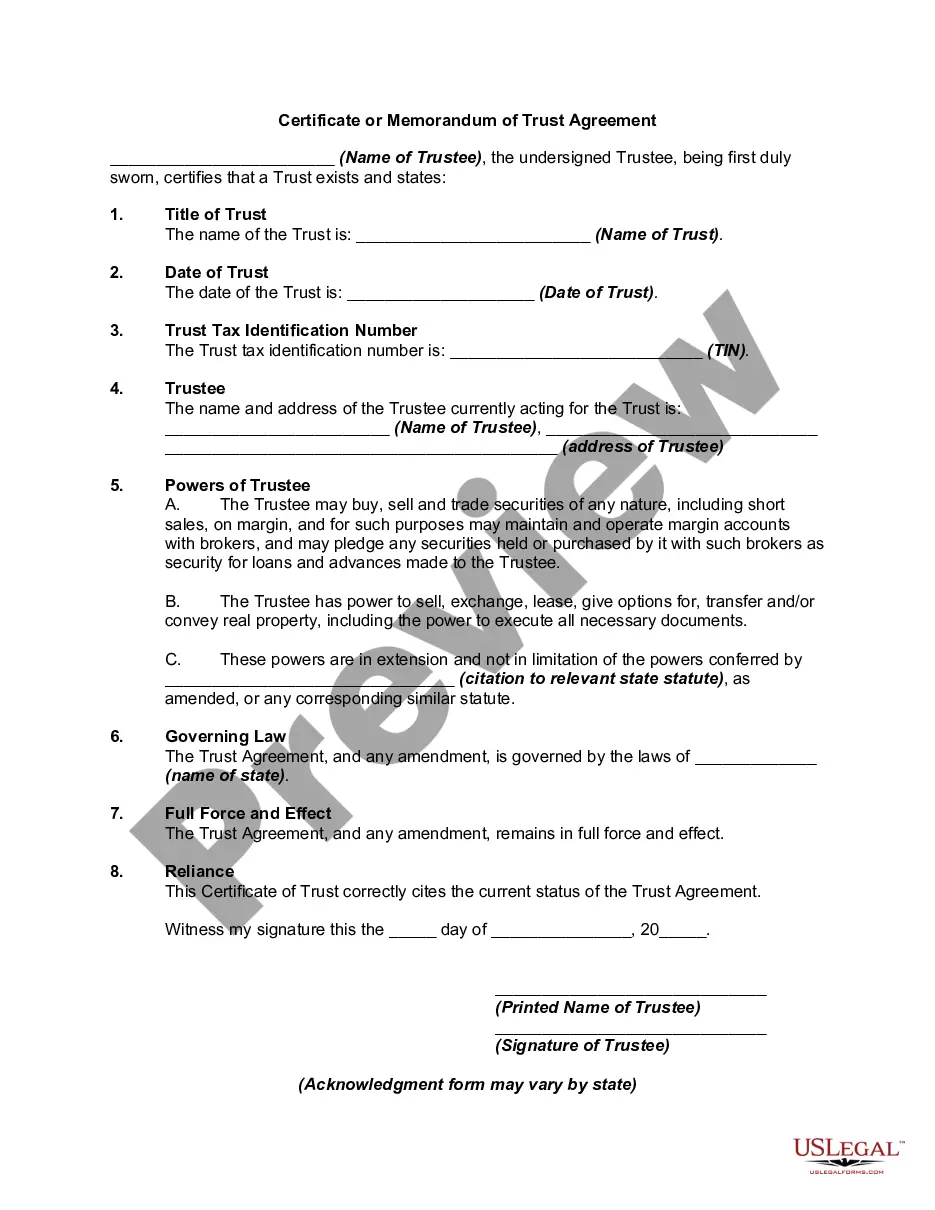

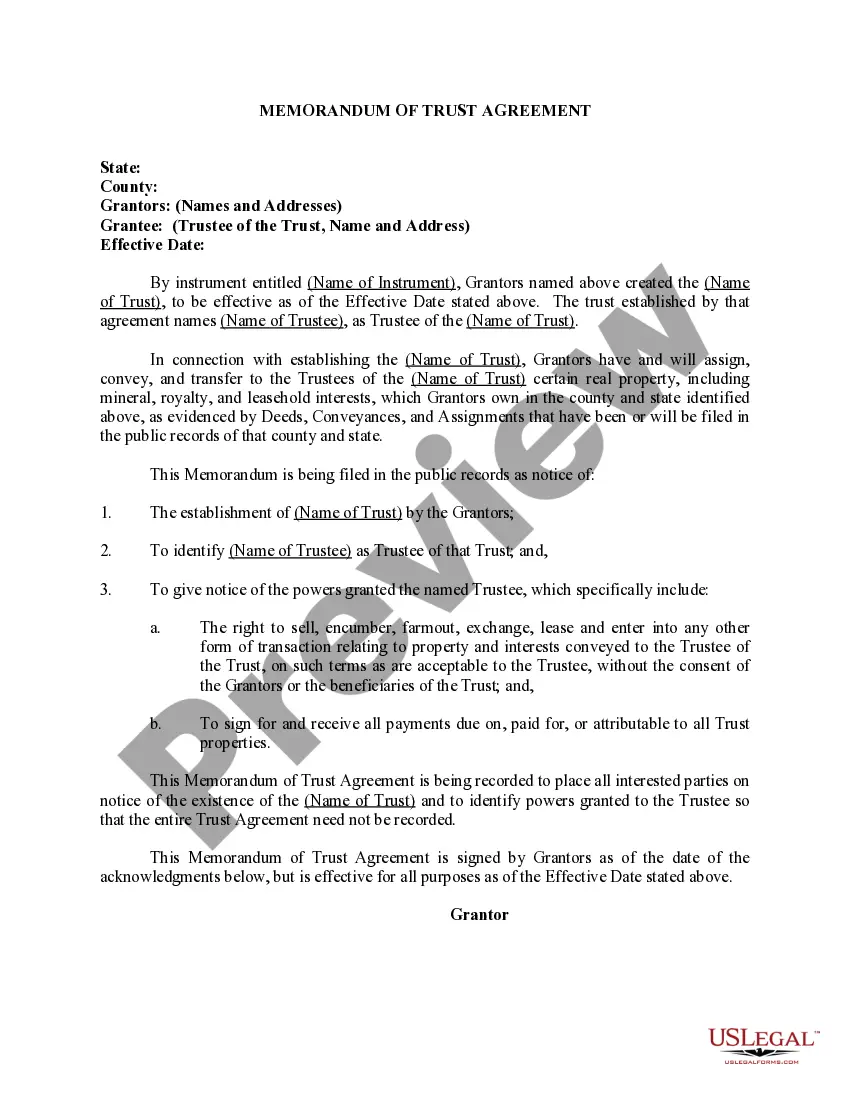
Get your form ready online
Our built-in tools help you complete, sign, share, and store your documents in one place.
Make edits, fill in missing information, and update formatting in US Legal Forms—just like you would in MS Word.
Download a copy, print it, send it by email, or mail it via USPS—whatever works best for your next step.
Sign and collect signatures with our SignNow integration. Send to multiple recipients, set reminders, and more. Go Premium to unlock E-Sign.
If this form requires notarization, complete it online through a secure video call—no need to meet a notary in person or wait for an appointment.
We protect your documents and personal data by following strict security and privacy standards.

Make edits, fill in missing information, and update formatting in US Legal Forms—just like you would in MS Word.

Download a copy, print it, send it by email, or mail it via USPS—whatever works best for your next step.

Sign and collect signatures with our SignNow integration. Send to multiple recipients, set reminders, and more. Go Premium to unlock E-Sign.

If this form requires notarization, complete it online through a secure video call—no need to meet a notary in person or wait for an appointment.

We protect your documents and personal data by following strict security and privacy standards.
Looking for another form?







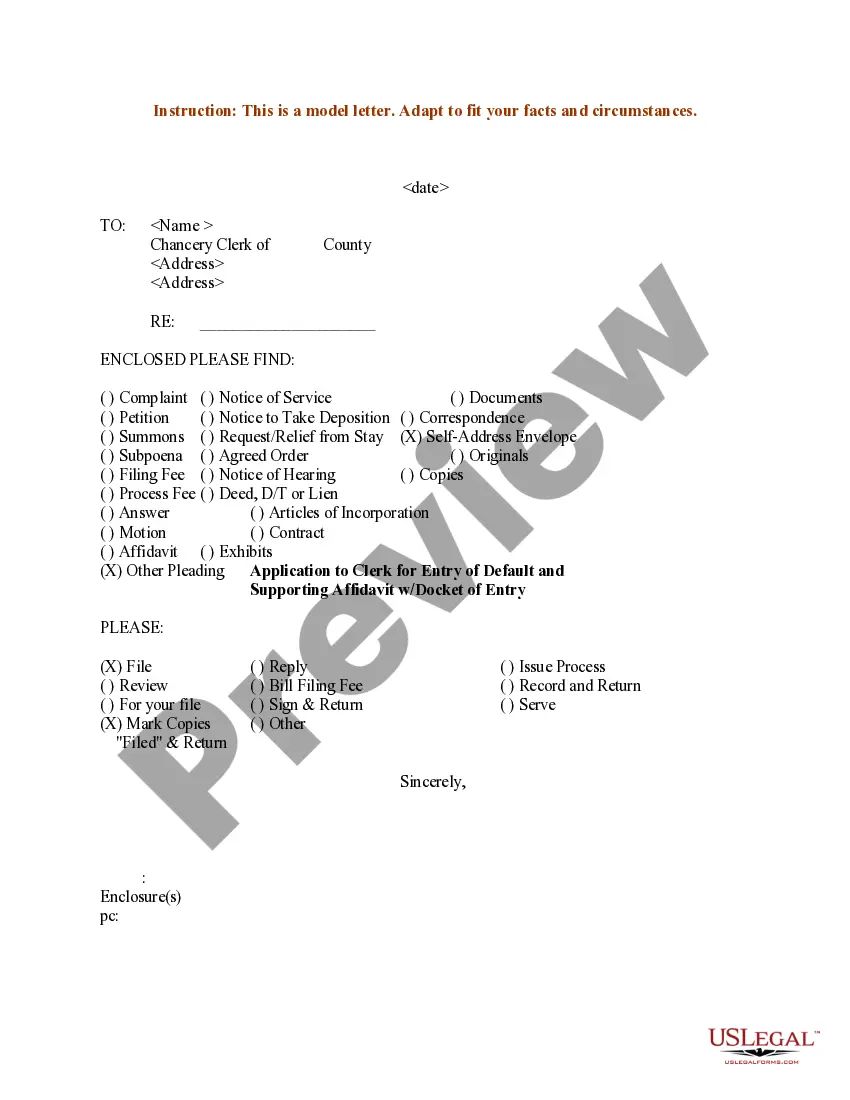


How to fill out Certificate Or Memorandum Of Trust Agreement?
Whether for business purposes or for individual affairs, everyone has to deal with legal situations at some point in their life. Completing legal paperwork demands careful attention, starting with selecting the right form template. For example, if you choose a wrong edition of a Sample Trust Name For Beneficiary, it will be turned down when you send it. It is therefore essential to have a trustworthy source of legal files like US Legal Forms.
If you have to get a Sample Trust Name For Beneficiary template, stick to these easy steps:
- Get the template you need using the search field or catalog navigation.
- Check out the form’s information to ensure it fits your case, state, and county.
- Click on the form’s preview to view it.
- If it is the wrong document, go back to the search function to locate the Sample Trust Name For Beneficiary sample you need.
- Get the template when it meets your requirements.
- If you already have a US Legal Forms account, click Log in to gain access to previously saved templates in My Forms.
- If you do not have an account yet, you may obtain the form by clicking Buy now.
- Select the proper pricing option.
- Finish the account registration form.
- Choose your payment method: you can use a credit card or PayPal account.
- Select the file format you want and download the Sample Trust Name For Beneficiary.
- After it is saved, you can complete the form with the help of editing applications or print it and complete it manually.
With a substantial US Legal Forms catalog at hand, you never have to spend time looking for the appropriate template across the internet. Take advantage of the library’s easy navigation to get the right form for any occasion.
Form popularity
FAQ
When you name your beneficiary, be specific. Most beneficiary designations will require you to provide a person's full legal name and their relationship to you (spouse, child, mother, etc.).
To leave property to your living trust, name your trust as beneficiary for that property, using the trustee's name and the name of the trust. For example: John Doe as trustee of the John Doe Living Trust, dated January 1, 20xx.
For example, if you have minor children, you may choose to establish a trust and name it as the beneficiary of your life insurance policy. If you were to pass away, then the policy's death benefit would be paid to the trust.
Most beneficiary designations will require you to provide a person's full legal name and their relationship to you (spouse, child, mother, etc.). Some beneficiary designations also include information like mailing address, email, phone number, date of birth and Social Security number.
Spouse, partner, children, parents, brothers and sisters, business partner, key employee, trust and charitable organization.