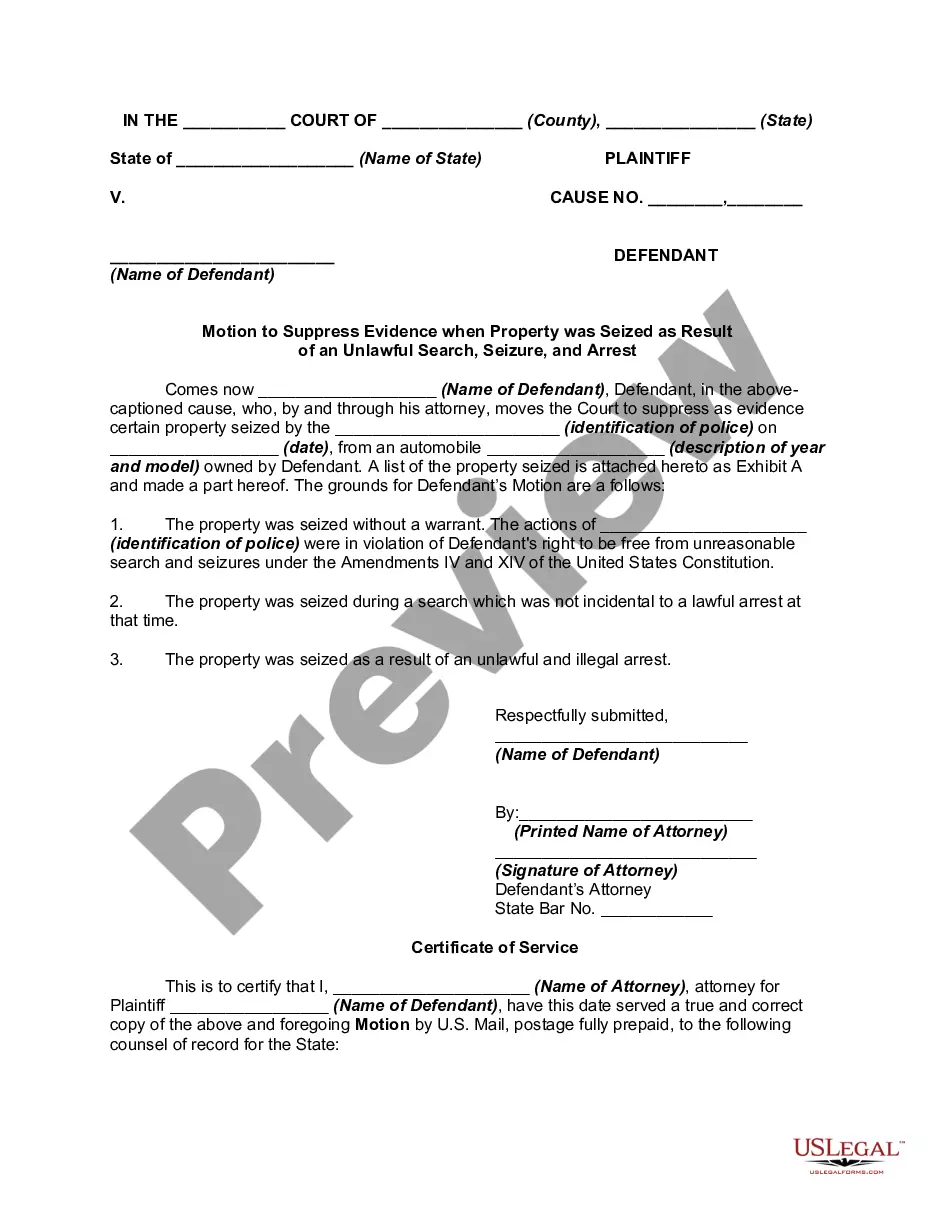
Suppress Evidence In The Case
Description
Get your form ready online
Our built-in tools help you complete, sign, share, and store your documents in one place.
Make edits, fill in missing information, and update formatting in US Legal Forms—just like you would in MS Word.
Download a copy, print it, send it by email, or mail it via USPS—whatever works best for your next step.
Sign and collect signatures with our SignNow integration. Send to multiple recipients, set reminders, and more. Go Premium to unlock E-Sign.
If this form requires notarization, complete it online through a secure video call—no need to meet a notary in person or wait for an appointment.
We protect your documents and personal data by following strict security and privacy standards.

Make edits, fill in missing information, and update formatting in US Legal Forms—just like you would in MS Word.

Download a copy, print it, send it by email, or mail it via USPS—whatever works best for your next step.

Sign and collect signatures with our SignNow integration. Send to multiple recipients, set reminders, and more. Go Premium to unlock E-Sign.

If this form requires notarization, complete it online through a secure video call—no need to meet a notary in person or wait for an appointment.

We protect your documents and personal data by following strict security and privacy standards.
Looking for another form?
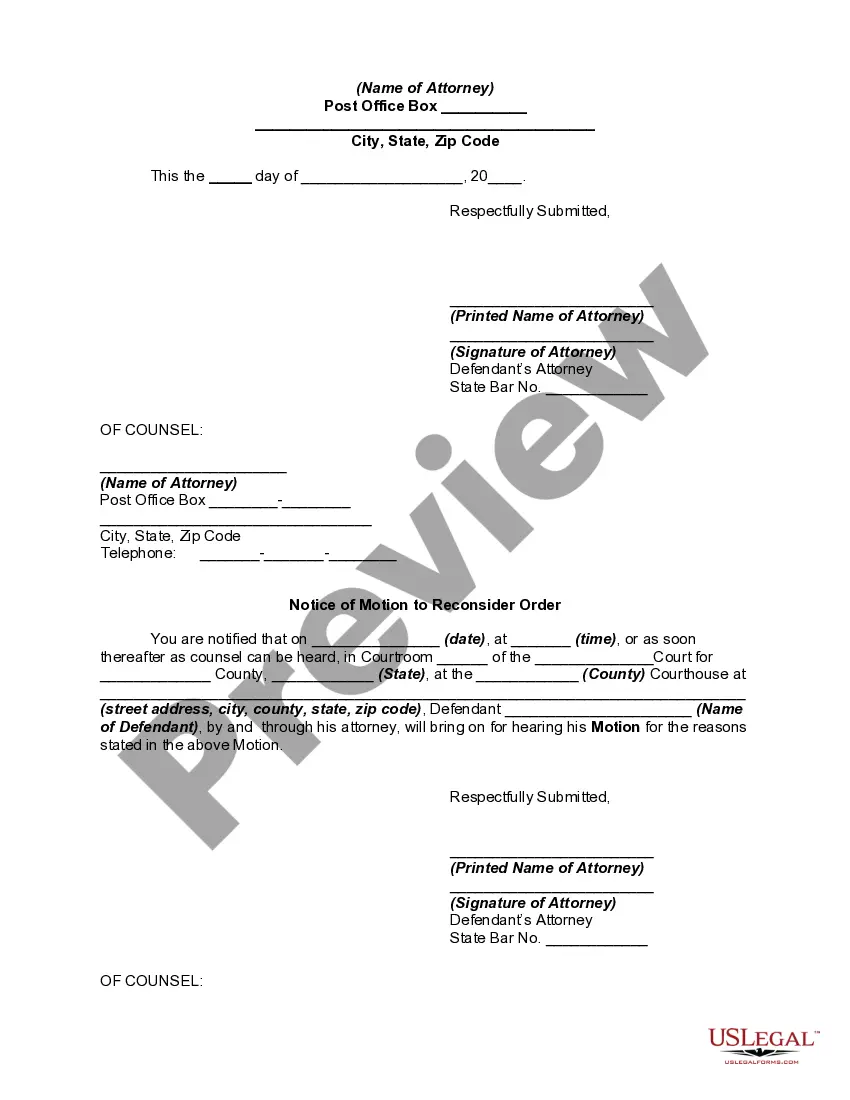
How to fill out Motion To Suppress Evidence When Property Was Seized As Result Of An Unlawful Search, Seizure, And Arrest?
Discovering a reliable destination for obtaining the latest and pertinent legal templates is a significant part of tackling bureaucratic processes.
Acquiring the appropriate legal documents requires precision and meticulousness, which underscores the importance of sourcing Suppress Evidence In The Case templates solely from credible providers, such as US Legal Forms. An erroneous template could squander your time and delay your current situation.
Eliminate the challenges associated with your legal documentation. Explore the extensive US Legal Forms catalog where you can locate legal templates, assess their relevance to your circumstances, and download them instantly.
- Employ the library navigation or search bar to find your template.
- Examine the form’s description to determine if it aligns with your state's and county's specifications.
- View the form preview, if accessible, to ensure the template is indeed what you seek.
- Return to the search to locate the appropriate template if the Suppress Evidence In The Case does not meet your requirements.
- Once you confirm the form’s applicability, download it.
- If you are a member, click Log in to authenticate and access your chosen templates in My documents.
- If you lack an account, click Buy now to acquire the template.
- Choose the pricing option that fits your needs.
- Proceed to the registration to complete your transaction.
- Finalise your purchase by selecting a payment method (credit card or PayPal).
- Select the file format for downloading Suppress Evidence In The Case.
- After obtaining the form on your device, you can modify it with an editor or print it out to fill in by hand.
Form popularity
FAQ
Some examples of evidence commonly suppressed include: Evidence obtained by an unreasonable search in violation of your Fourth Amendment rights. Evidence obtained due to an unlawful traffic stop or arrest, which constitutes an unreasonable seizure in violation of your Fourth Amendment rights.
The standard of proof for a motion to suppress evidence is ?preponderance of the evidence.? This means that whatever side has the burden of proof must show that it is more likely than not their position is correct.
The suppression request is usually raised by a pretrial motion made by a criminal defendant. The admissibility of evidence is a preliminary question that can only be resolved by the judge. Once the judge believes the evidence should be suppressed, it will not go to the trial.
You can file a motion to suppress tangible or intangible evidence that is obtained as a result of a warrantless search. The state will have the burden of proving that the search was reasonable.