Suppress Arrest For Serious Crime
Description

Get your form ready online
Our built-in tools help you complete, sign, share, and store your documents in one place.
Make edits, fill in missing information, and update formatting in US Legal Forms—just like you would in MS Word.
Download a copy, print it, send it by email, or mail it via USPS—whatever works best for your next step.
Sign and collect signatures with our SignNow integration. Send to multiple recipients, set reminders, and more. Go Premium to unlock E-Sign.
If this form requires notarization, complete it online through a secure video call—no need to meet a notary in person or wait for an appointment.
We protect your documents and personal data by following strict security and privacy standards.

Make edits, fill in missing information, and update formatting in US Legal Forms—just like you would in MS Word.

Download a copy, print it, send it by email, or mail it via USPS—whatever works best for your next step.

Sign and collect signatures with our SignNow integration. Send to multiple recipients, set reminders, and more. Go Premium to unlock E-Sign.

If this form requires notarization, complete it online through a secure video call—no need to meet a notary in person or wait for an appointment.

We protect your documents and personal data by following strict security and privacy standards.
Looking for another form?
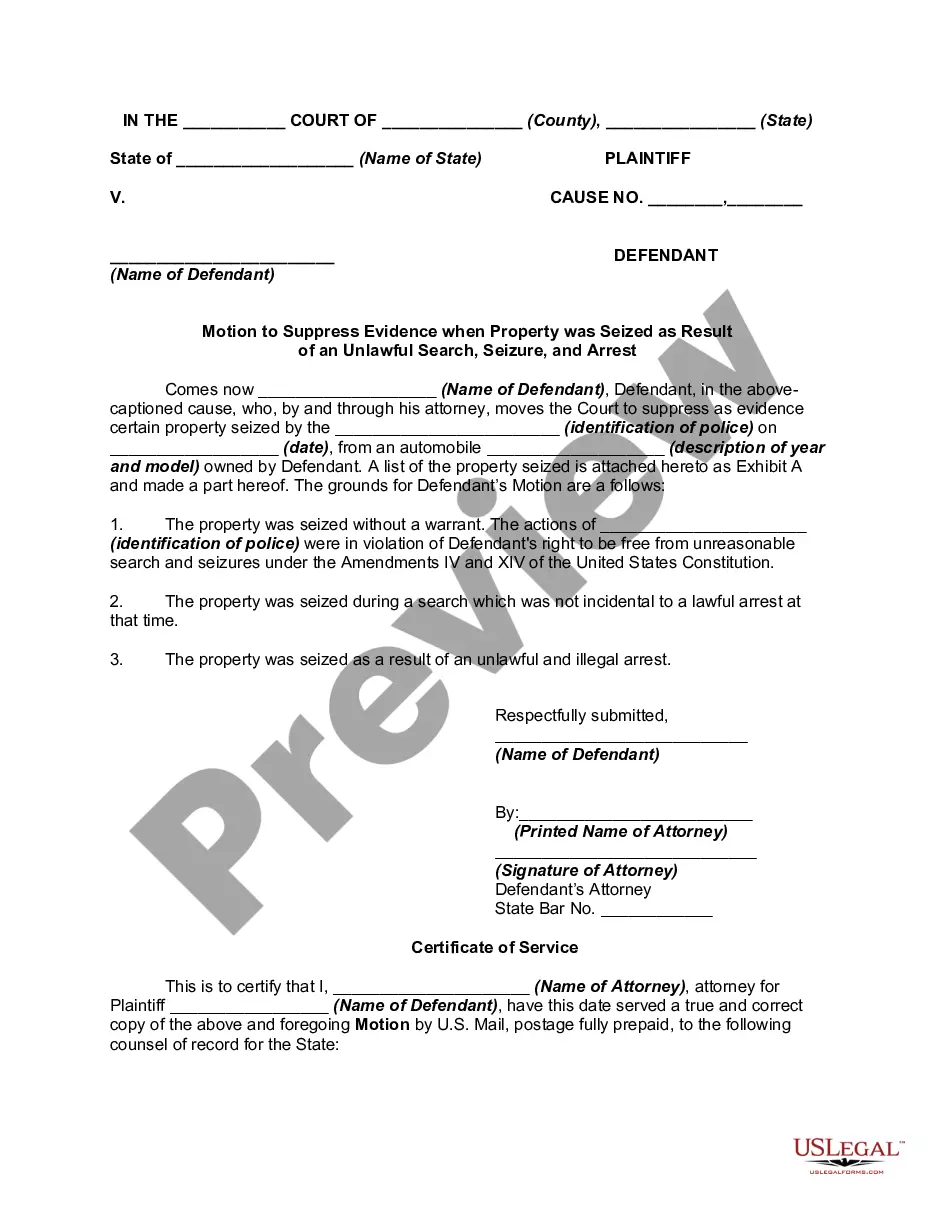
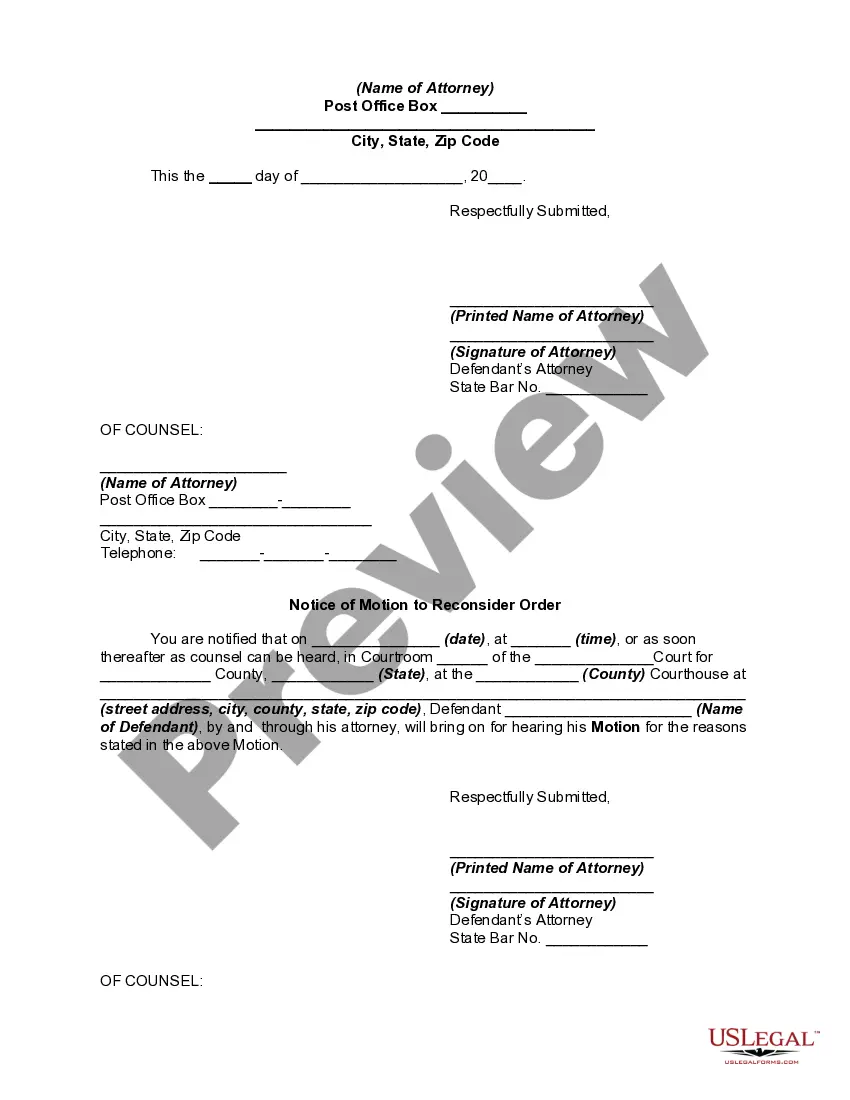
How to fill out Motion To Suppress Evidence When Property Was Seized As Result Of An Unlawful Search, Seizure, And Arrest?
Securing a reliable source for accessing the latest and pertinent legal templates is a significant part of navigating bureaucracy.
Locating the appropriate legal documents requires precision and meticulousness, which is why it's crucial to obtain samples of Suppress Arrest For Serious Crime solely from credible sources, such as US Legal Forms.
Eliminate the stress associated with your legal paperwork. Explore the comprehensive US Legal Forms catalog where you can discover legal templates, verify their suitability for your situation, and download them immediately.
- Utilize the catalog navigation or search feature to locate your template.
- Review the form’s details to determine if it meets the needs of your state and county.
- Preview the form, if possible, to confirm the template is indeed what you require.
- Return to the search if the Suppress Arrest For Serious Crime does not meet your needs.
- If you are confident about the form’s applicability, download it.
- If you're a registered user, click Log in to verify and access your selected documents in My documents.
- If you have not created an account yet, click Buy now to purchase the form.
- Choose the pricing option that suits your needs.
- Proceed to the registration step to complete your transaction.
- Finalize your purchase by selecting a payment method (credit card or PayPal).
- Select the file format for downloading the Suppress Arrest For Serious Crime.
- Once the form is on your device, you can modify it using the editor or print it out to complete it manually.
Form popularity
FAQ
For instance, evidence seized pursuant to an unlawful arrest may be suppressed at trial, while a voluntary confession made after that arrest will not automatically be suppressed. But if the confession is too closely tied to the illegal arrest which may not be truly voluntary, it may be suppressed; see Wong Sun v.
An example of a motion to suppress is where a defendant requests the court to suppress a confession by the defendant to the police that was obtained as a result of a Miranda violation.
While in general, on a motion to suppress, the defendant has the burden of proving, by a preponderance of the evidence, that the material in question was seized in violation of his constitutional rights, there are several situations where the burden shifts to the government.
A motion to suppress evidence in Texas is a formal legal request made by a defendant or their attorney. This request seeks to prohibit certain evidence from being presented in court, on the grounds that it was obtained illegally or in violation of the defendant's constitutional rights.
In order to succeed on a motion to suppress, your attorney must present sufficient factual information and apply specific laws to those facts to convince the judge that the evidence is illegal. Law presented in these motions can include case law, state or federal rules, or often, the Constitution of the United States.