Private Agreement Vehicle With Employee
Description
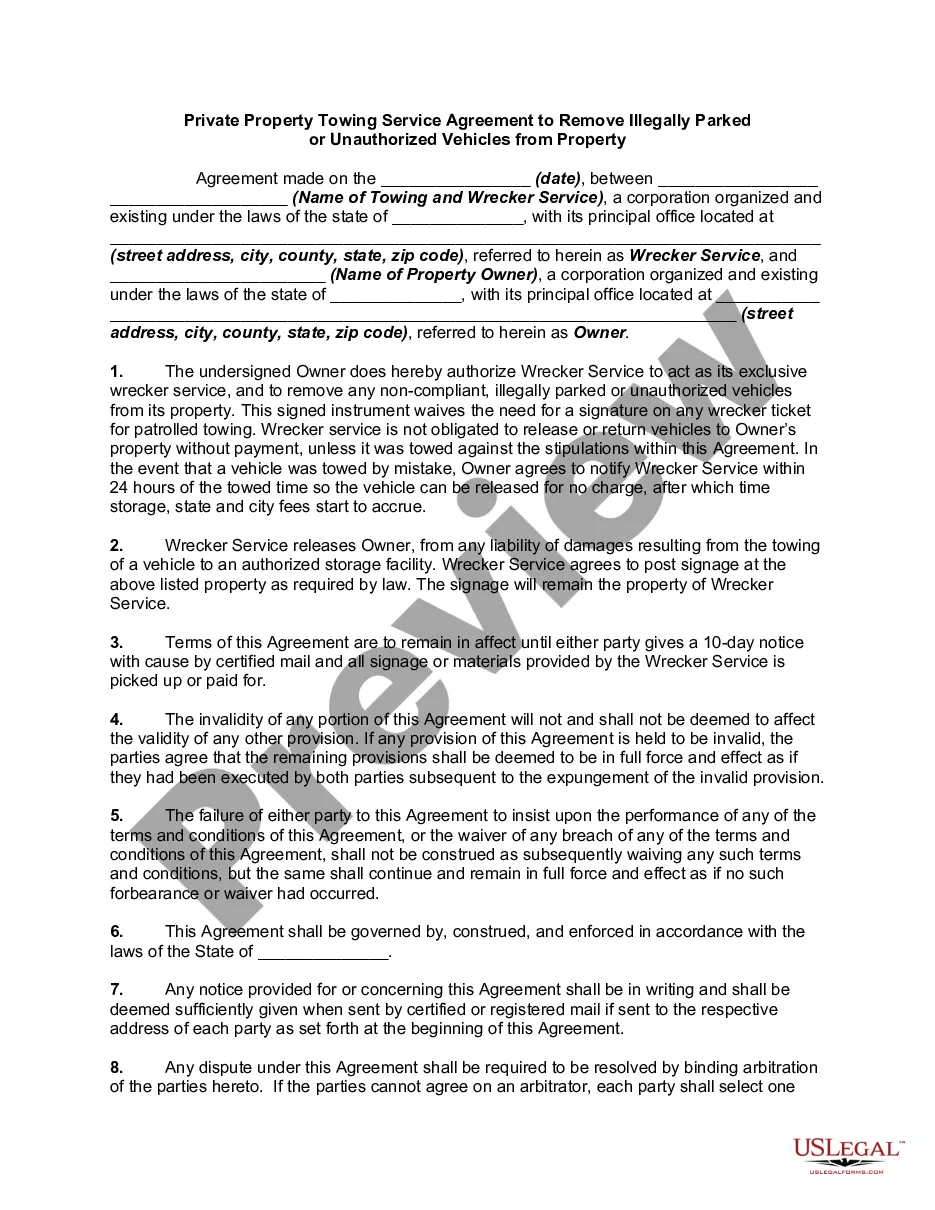
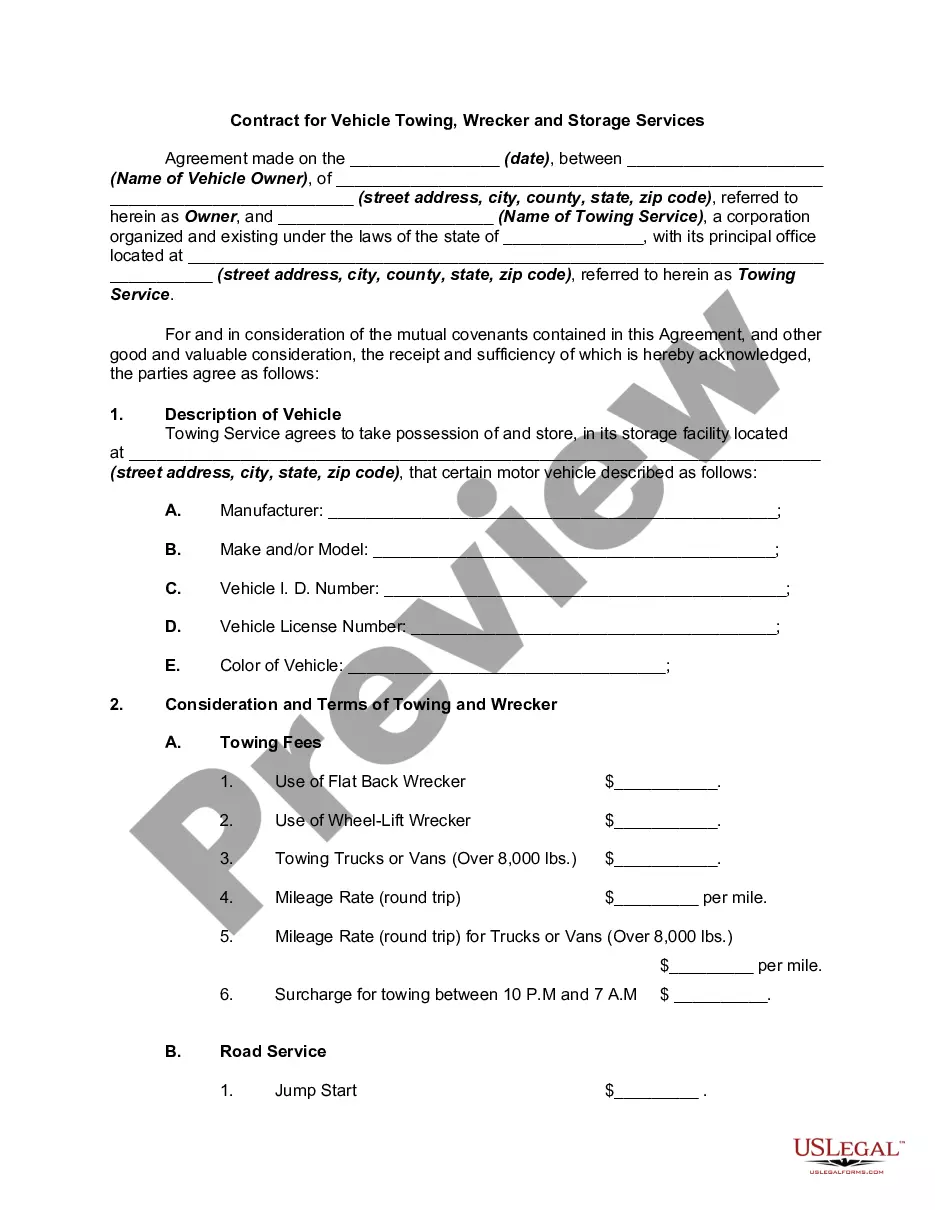
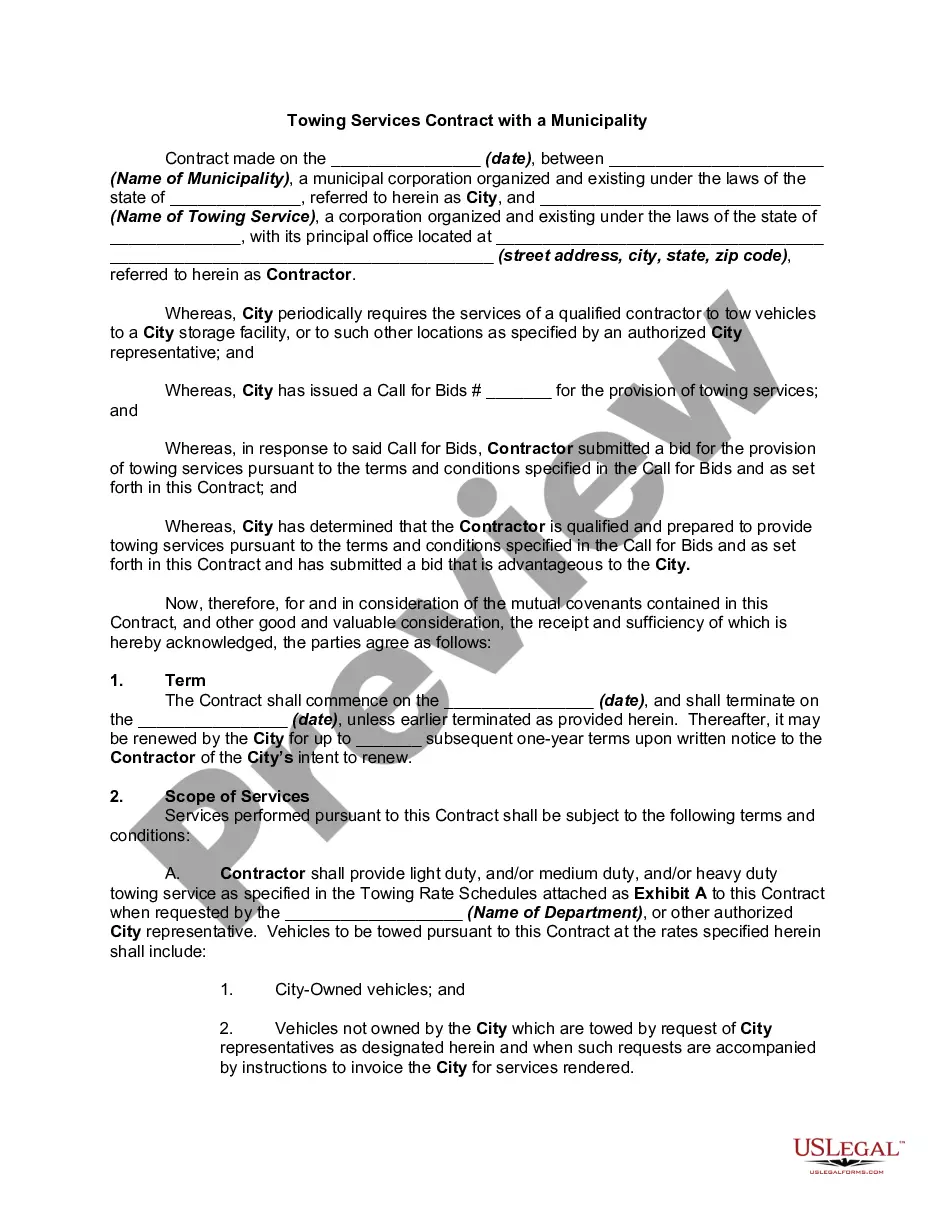
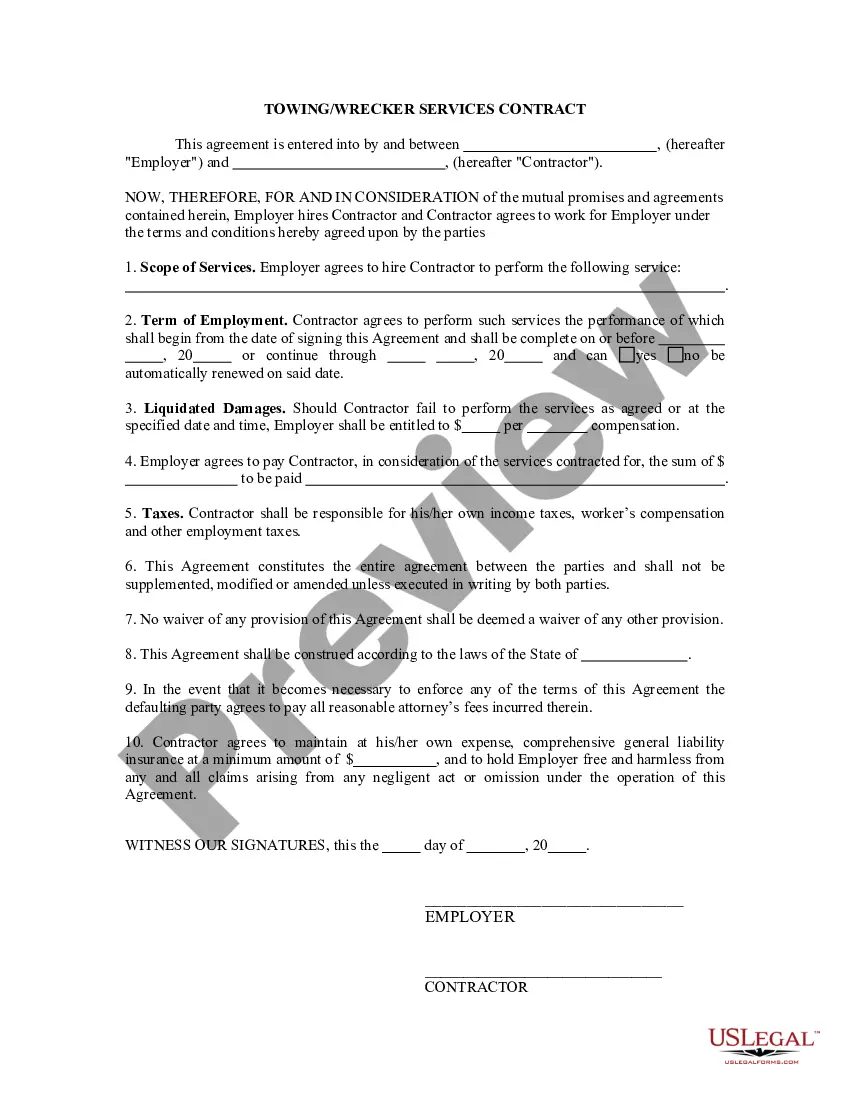
Get your form ready online
Our built-in tools help you complete, sign, share, and store your documents in one place.
Make edits, fill in missing information, and update formatting in US Legal Forms—just like you would in MS Word.
Download a copy, print it, send it by email, or mail it via USPS—whatever works best for your next step.
Sign and collect signatures with our SignNow integration. Send to multiple recipients, set reminders, and more. Go Premium to unlock E-Sign.
If this form requires notarization, complete it online through a secure video call—no need to meet a notary in person or wait for an appointment.
We protect your documents and personal data by following strict security and privacy standards.

Make edits, fill in missing information, and update formatting in US Legal Forms—just like you would in MS Word.

Download a copy, print it, send it by email, or mail it via USPS—whatever works best for your next step.

Sign and collect signatures with our SignNow integration. Send to multiple recipients, set reminders, and more. Go Premium to unlock E-Sign.

If this form requires notarization, complete it online through a secure video call—no need to meet a notary in person or wait for an appointment.

We protect your documents and personal data by following strict security and privacy standards.
Looking for another form?
How to fill out Private Property Truck Towing Service Agreement To Remove Illegally Parked Or Unauthorized Vehicles From Property?
Whether for professional intentions or for private matters, everyone must handle legal circumstances at some stage in their lifetime.
Filling out legal paperwork requires meticulous care, starting with selecting the correct form template.
With a comprehensive US Legal Forms catalog at your disposal, you no longer need to waste time seeking the correct template throughout the internet. Utilize the library’s straightforward navigation to discover the suitable template for any occasion.
- Locate the template you require by utilizing the search bar or catalog browsing.
- Review the document’s overview to ensure it suits your circumstances, state, and county.
- Click on the form’s preview to examine it.
- If it is the wrong document, revert to the search feature to find the Private Agreement Vehicle With Employee example you seek.
- Download the file when it satisfies your criteria.
- If you already possess a US Legal Forms account, click Log in to access previously saved templates in My documents.
- If you have yet to create an account, you can download the form by clicking Buy now.
- Select the suitable pricing choice.
- Fill out the account registration form.
- Choose your payment method: you can utilize a credit card or PayPal account.
- Select the document format you desire and download the Private Agreement Vehicle With Employee.
- Once downloaded, you can complete the form using editing software or print it and fill it out by hand.
Form popularity
FAQ
Whether an employee can use a company vehicle for personal use often depends on the specific terms set out in the private agreement vehicle with employee. Employers usually establish guidelines that clarify when and how employees may use company vehicles. It is important to have a clear agreement in place to avoid misunderstandings and potential liabilities. To ensure compliance and transparency, consider utilizing resources like US Legal Forms to create a customized private agreement.
You can refuse to let your boss use your personal vehicle for work purposes if you are uncomfortable. However, clear communication is key. Discussing your concerns may help establish boundaries about vehicle use. If you're trying to solidify your stance, consider having a private agreement vehicle with your employer to outline usage terms explicitly.
Yes, you can use a business car for personal purposes, but it should align with your employer's policy. Personal use may need to be tracked and reported, especially if there’s a private agreement vehicle involved. It's best to communicate with your employer about any restrictions or requirements. This ensures that both parties understand the terms of use clearly.
If you use a business vehicle for personal purposes, it may result in tax implications if not reported properly. The IRS views this as a fringe benefit, leading to taxable income. It's important to keep accurate records of your usage, as discrepancies can lead to audits or penalties. If there’s a private agreement vehicle with employee clauses, those should be followed to remain compliant.
The employee use of company vehicle policy outlines how and when you can use company vehicles for both business and personal purposes. This policy typically includes specifics about allowable personal trips, maintenance responsibilities, and the process for reporting usage. If you have a private agreement vehicle with your employer, familiarize yourself with these guidelines to avoid misunderstandings. This policy protects both you and your employer.
To report personal use of a company vehicle on your W-2, your employer should include the value of this benefit in Box 1 of the form. This value represents the taxable amount of the private use and should be calculated accurately. If you want to have clarity, you can ask your employer how they determine this amount under IRS guidelines. This ensures compliance and helps you understand your tax responsibilities better.
The IRS considers personal use of a company vehicle as a fringe benefit, which is subject to taxation. You, as an employee, must report this benefit in your income. This means if you have a private agreement vehicle with your employer, you will need to determine the fair market value of the personal use. This information can impact your tax obligations, so understanding the rules is essential.
The employee vehicle usage agreement is a document that establishes the terms under which an employee can use a company-owned or reimbursed vehicle. This agreement often includes guidelines on maintenance, insurance, and acceptable use. It helps protect both the employee and the company by clearly defining expectations, making it an essential part of any private agreement vehicle with employee.
A company vehicle use policy outlines the acceptable use of vehicles provided by the company, including restrictions and responsibilities. For example, employees may be required to keep the vehicle clean, report any damages, and track maintenance. This policy can be part of a broader private agreement vehicle with employee, ensuring clarity and compliance.
When a company pays for your vehicle, it is typically referred to as a company car program. In some cases, this arrangement can be part of a private agreement vehicle with employee that outlines specific use cases and benefits. Companies often offer these programs to attract talent and simplify transportation for work-related activities.