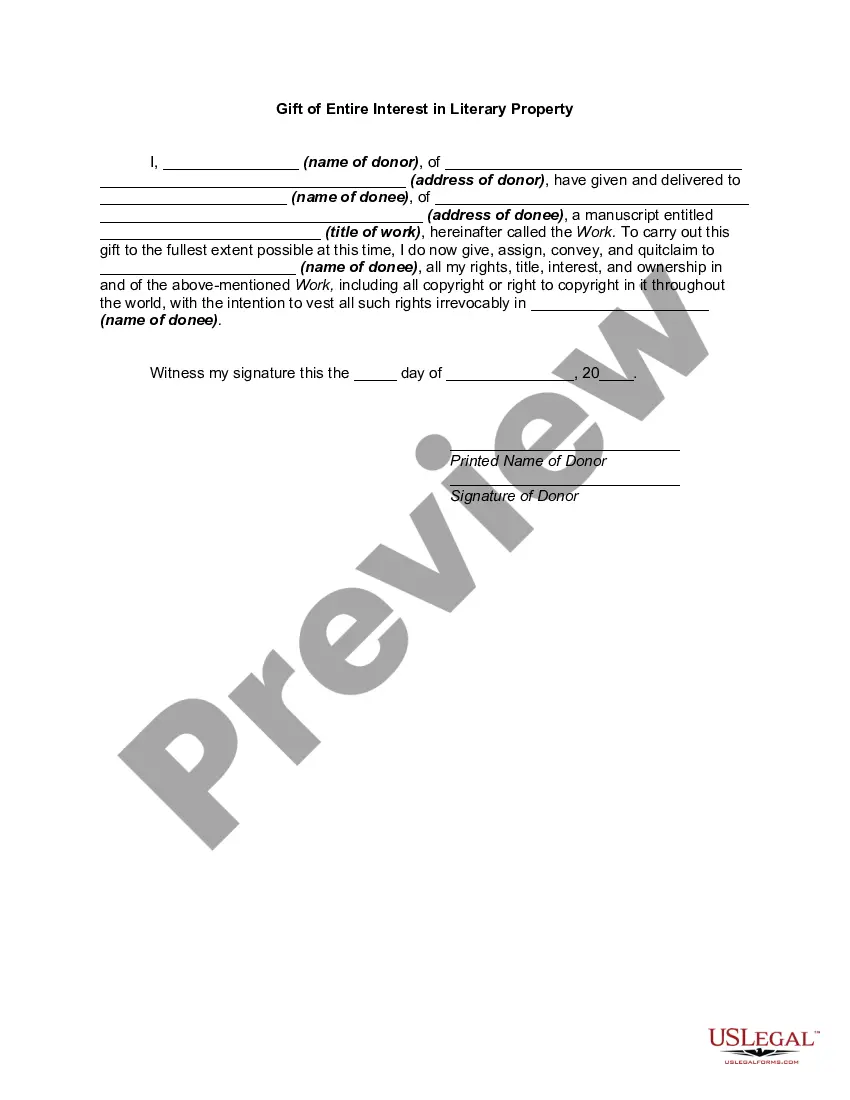
Gift Property Form With Tax
Description
Get your form ready online
Our built-in tools help you complete, sign, share, and store your documents in one place.
Make edits, fill in missing information, and update formatting in US Legal Forms—just like you would in MS Word.
Download a copy, print it, send it by email, or mail it via USPS—whatever works best for your next step.
Sign and collect signatures with our SignNow integration. Send to multiple recipients, set reminders, and more. Go Premium to unlock E-Sign.
If this form requires notarization, complete it online through a secure video call—no need to meet a notary in person or wait for an appointment.
We protect your documents and personal data by following strict security and privacy standards.

Make edits, fill in missing information, and update formatting in US Legal Forms—just like you would in MS Word.

Download a copy, print it, send it by email, or mail it via USPS—whatever works best for your next step.

Sign and collect signatures with our SignNow integration. Send to multiple recipients, set reminders, and more. Go Premium to unlock E-Sign.

If this form requires notarization, complete it online through a secure video call—no need to meet a notary in person or wait for an appointment.

We protect your documents and personal data by following strict security and privacy standards.
Looking for another form?
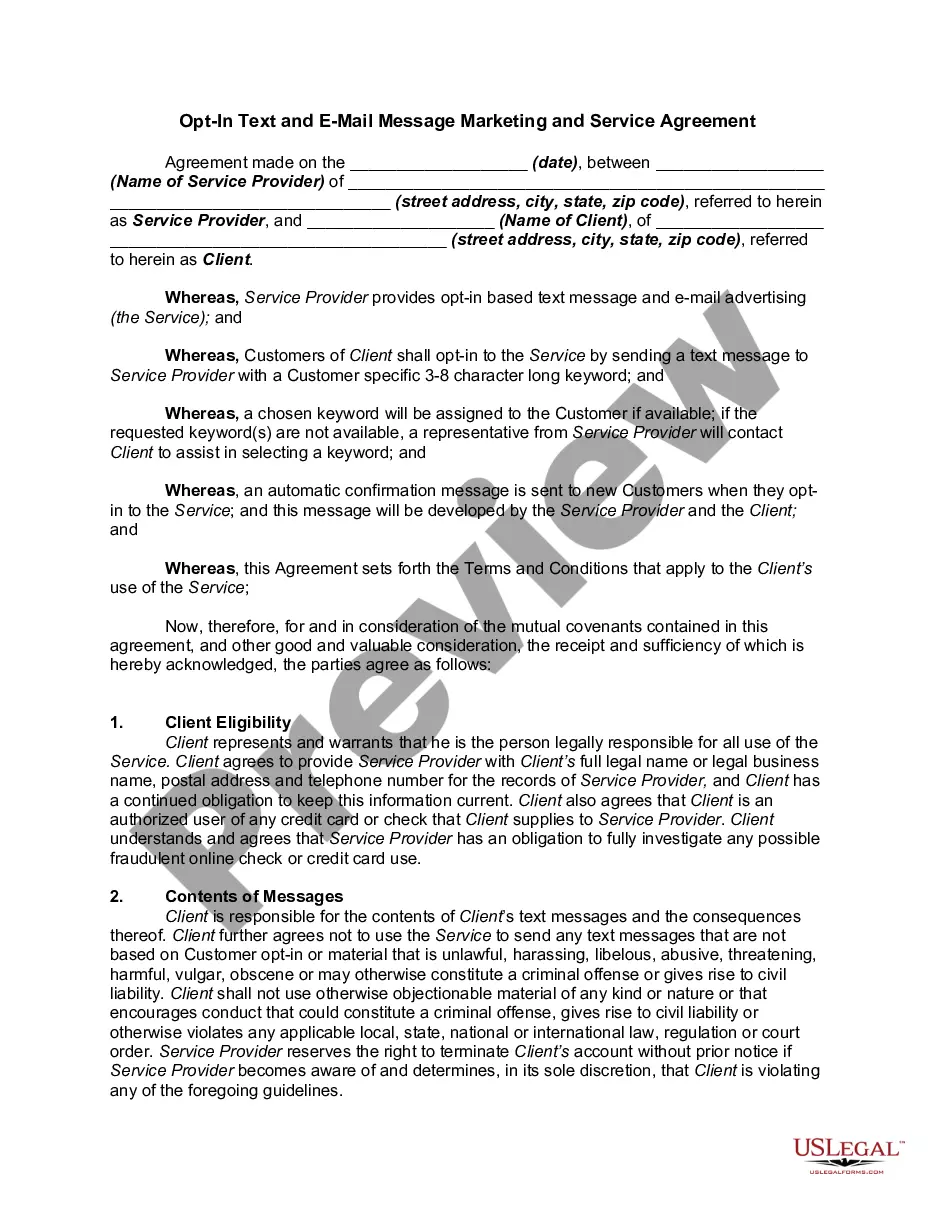
How to fill out Gift Of Entire Interest In Literary Property?
Whether for commercial reasons or personal matters, everyone must handle legal circumstances at some stage in their life.
Filling out legal forms requires meticulous care, starting from selecting the suitable form template.
- For example, if you choose an incorrect version of a Gift Property Form With Tax, it will be denied upon submission.
- Thus, it is crucial to have a trustworthy source of legal documents like US Legal Forms.
- If you wish to obtain a Gift Property Form With Tax template, follow these straightforward steps.
- 1. Acquire the template you need using the search bar or catalog navigation.
- 2. Review the form’s description to confirm it aligns with your situation, state, and county.
- 3. Click on the form’s preview to inspect it.
- 4. If it is the incorrect document, return to the search feature to locate the Gift Property Form With Tax sample you require.
- 5. Obtain the template once it meets your specifications.
- 6. If you already possess a US Legal Forms account, simply click Log in to retrieve previously stored documents in My documents.
- 7. If you lack an account, you can download the form by clicking Buy now.
- 8. Select the appropriate pricing option.
- 9. Complete the profile registration form.
- 10. Choose your payment method: use a credit card or PayPal account.
- 11. Select the format you desire for the document and download the Gift Property Form With Tax.
- 12. Once it has been downloaded, you can fill out the form using editing software or print it and complete it by hand.
- With an extensive US Legal Forms catalog available, you never have to waste time searching for the right template online.
- Utilize the library’s intuitive navigation to find the correct template for any occasion.
Form popularity
FAQ
When you gift property, the ownership transfers from you to the recipient without any payment. This transfer can impact both your taxes and the recipient's future tax responsibilities, which is why completing a Gift property form with tax is essential. Additionally, the recipient inherits your original tax basis, which could influence their capital gains tax if they choose to sell the property later.
Form 706 is the United States Estate Tax Return, which applies to the estate of a deceased individual. On the other hand, Form 709 is the United States Gift (and Generation-Skipping Transfer) Tax Return, specifically used for reporting gifts made during someone's lifetime. Understanding the difference between these forms is crucial for managing your tax obligations effectively, especially when handling the Gift property form with tax.
Form 709 is used for reporting gifts made during your lifetime, while Form 706 deals with estate taxes after your death. The gift property form with tax focuses on gifts you have already given, whereas Form 706 accounts for the total value of your estate and any prior gifts at your passing. Understanding this distinction is crucial for proper estate planning and tax compliance. Utilizing platforms like US Legal Forms can simplify the completion of both forms, ensuring accuracy and adherence to tax regulations.
Filing Form 709 is essential if you intend to gift property that surpasses the annual exclusion limit set by the IRS. This gift property form with tax helps report the value of your gifts to ensure compliance with tax laws. Even if you do not owe any tax, completing the form is necessary to track your lifetime gift exemption. It’s a proactive step to avoid potential issues with the IRS in the future.
The taxable basis of gifted property is typically the same as the giver's basis, unless the fair market value at the time of the gift is lower. This means if you ever decide to sell the property, your capital gains will be calculated based on this basis. To navigate these complexities, utilizing a gift property form with tax is essential for clarity and compliance.
When your parents gift you their house, it can have significant tax implications for both you and them. They should consider filing a gift property form with tax if the value exceeds the annual exclusion limit. As the recipient, you may benefit from a step-up in basis, which can reduce capital gains tax if you decide to sell in the future.
To document a gift for tax purposes, you need to prepare a written record of the transaction. This may include the date of the gift, its value, and any relevant details surrounding the transfer. Additionally, you should file the gift property form with tax if the gift exceeds the annual exclusion, ensuring that all declarations are clear and complete.
You generally file Form 709 separately from your annual tax return. If you have gifted property that exceeds the annual exclusion, you'll need to complete this gift property form with tax, even if the total gifts for the year are below the lifetime exclusion amount. Filing it correctly is essential to fulfill your obligations with the IRS.
Gifting property can have several disadvantages including potential tax implications and loss of control over the asset. Once you gift property, you may lose the ability to manage it or benefit from it in the future. It’s important to consider these factors, along with completing the necessary gift property form with tax requirements to avoid surprises ahead.
The main tax form for reporting the gift of property is Form 709. This gift property form with tax is crucial for any gifts that exceed the annual exclusion limit. By filing Form 709, you ensure compliance with IRS regulations and help define the taxable status of the gift.