Clausula Tail Period
Description
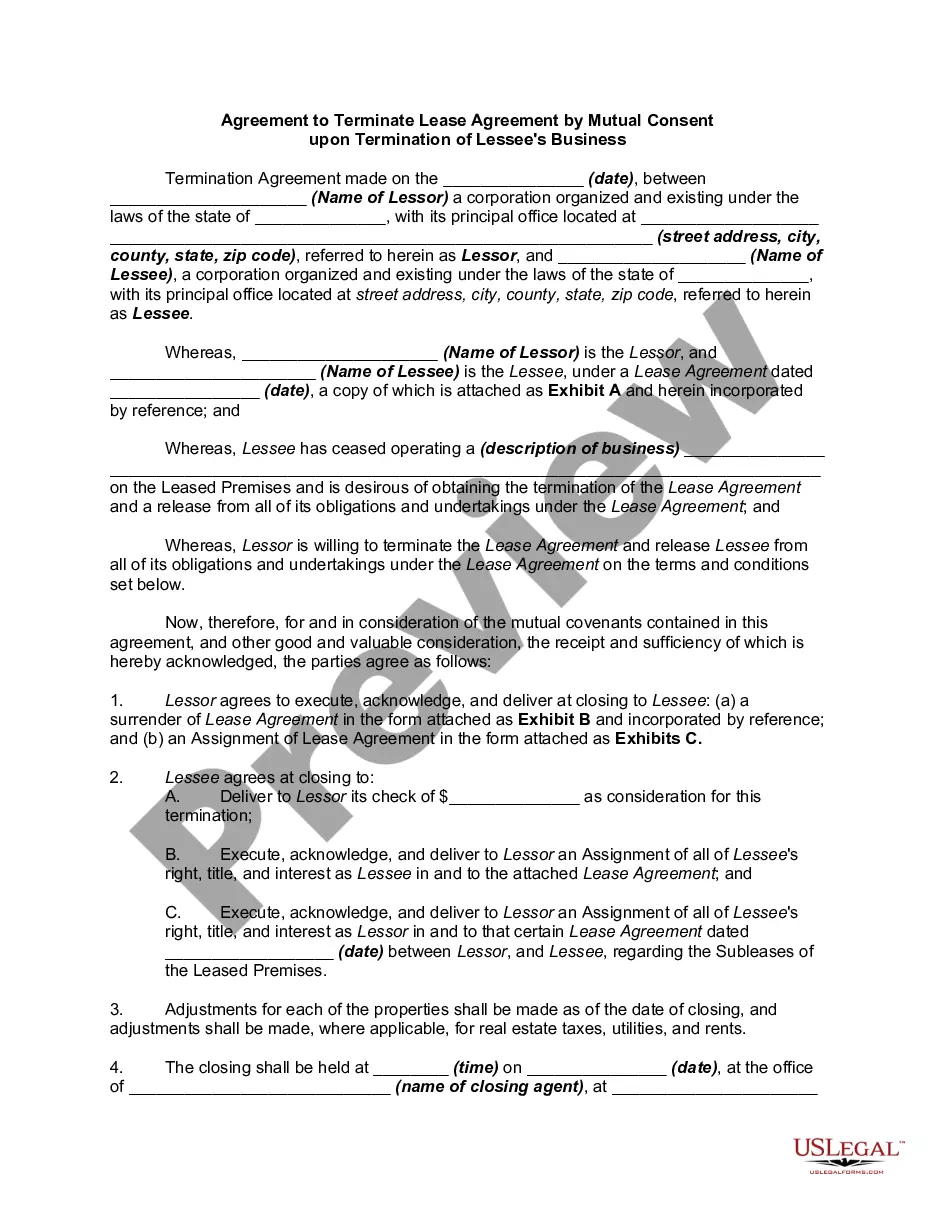
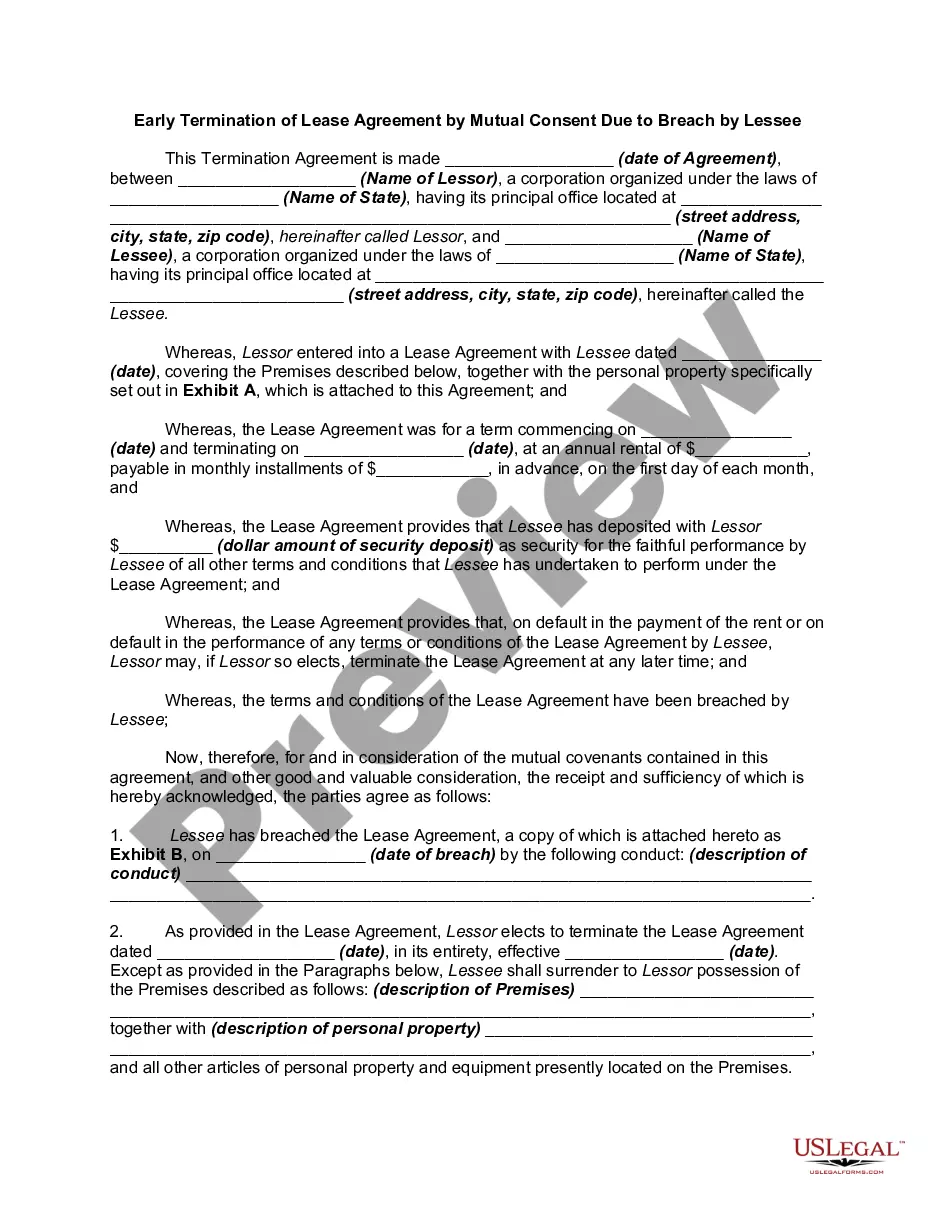
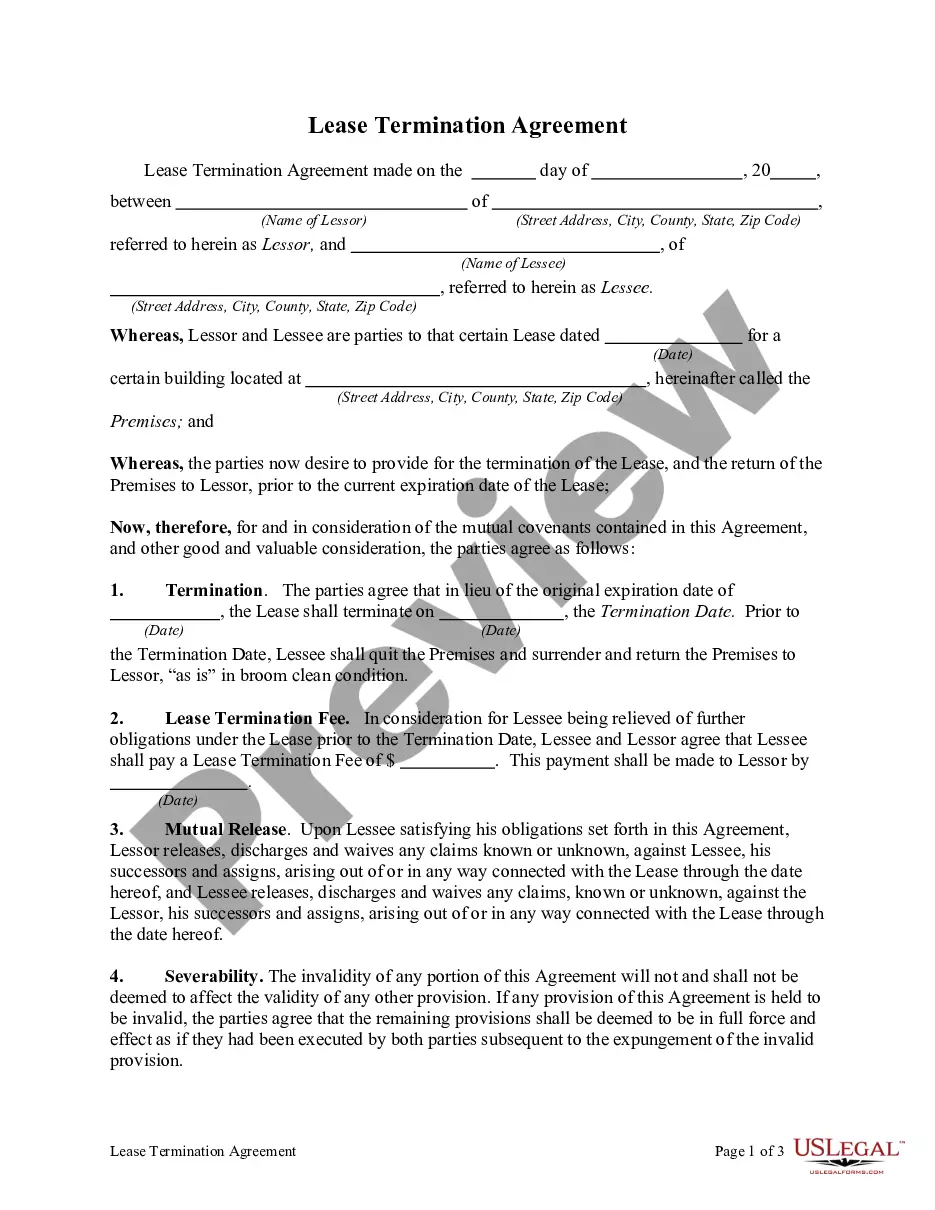
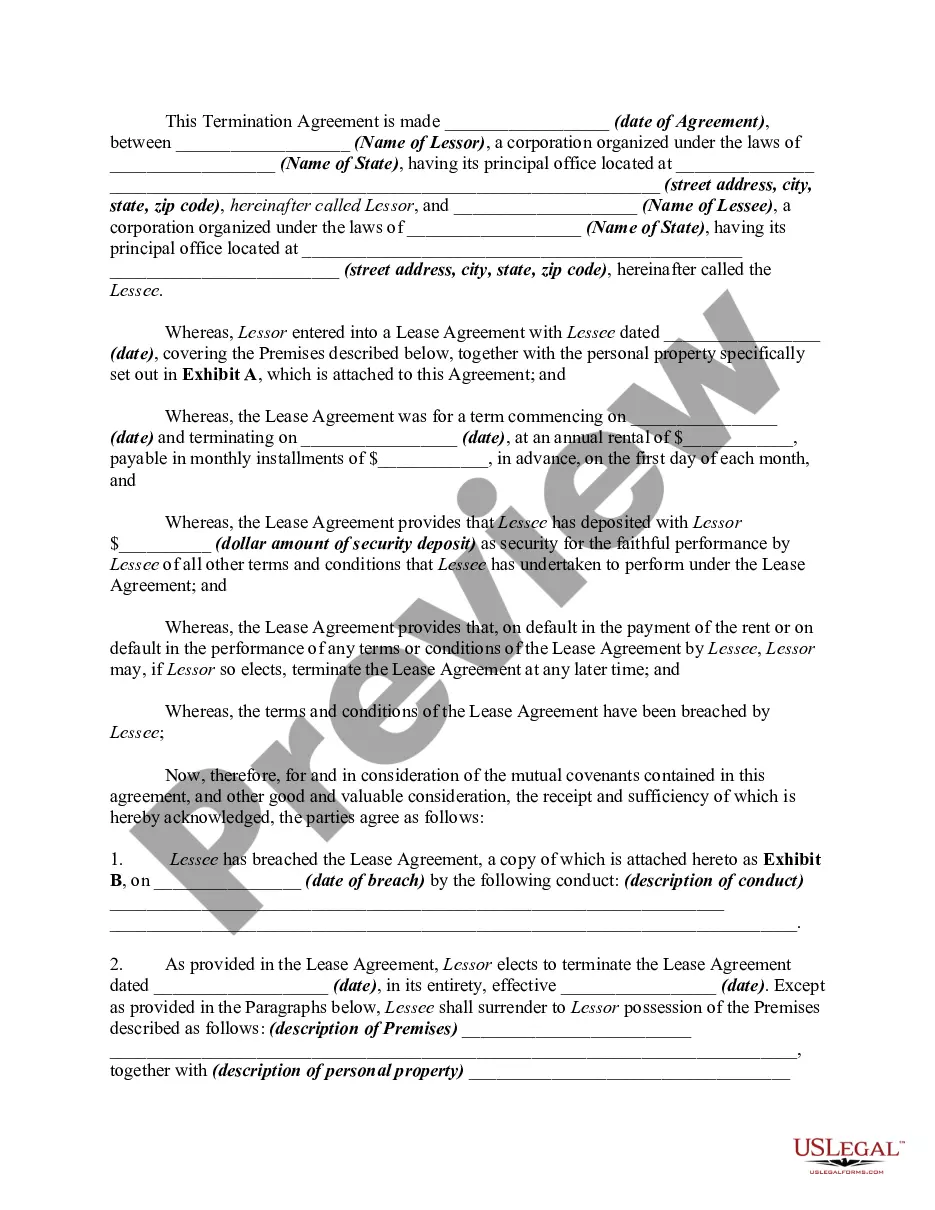
How to fill out Early Termination Of Lease Or Rental Agreement By Mutual Consent?
- Log in to your US Legal Forms account if you're a returning user. Ensure your subscription is active; if not, renew it as necessary.
- For first-time users, start by browsing the extensive library. Use the Preview mode to scan descriptions and select the form that meets your requirements.
- If you encounter inconsistencies, utilize the Search tab to find the correct template tailored to your needs.
- Once you find your desired document, click the Buy Now button and choose your preferred subscription plan, making sure to register for full access.
- Enter your payment information, either via credit card or PayPal, to finalize your purchase.
- After completing your transaction, download the form directly to your device and access it anytime from the My Forms menu in your account.
In conclusion, US Legal Forms provides a user-friendly platform that streamlines the process of acquiring legal documents. With an exceptional library and expert assistance available, you're ensured a seamless experience. Start simplifying your legal needs today with US Legal Forms!
Explore our extensive collection and take the first step towards efficient document management!
Form popularity
FAQ
The tail end of a period refers to the final moments of the specified timeframe, usually associated with expiring rights or obligations. This phase is critical as it marks the culmination of the agreed terms. Knowing how the tail end operates can help in planning future actions effectively. Engaging with the Clausula tail period provides a framework to navigate these complexities.
The tail provision is a clause in a contract that specifies conditions under which obligations continue after the transaction closes. It is a crucial element to ensure that certain responsibilities are upheld. This provision can include various factors, from warranties to indemnifications. Understanding the Clausula tail period and its implications can lead to better contractual clarity.
The tail period refers to the designated timeframe following a transaction where certain obligations or rights may still apply. This time frame can vary based on the terms negotiated. Typically, it gives the parties a chance to resolve any lingering matters. Familiarity with the Clausula tail period is vital for safeguarding interests.
A longer tail period can provide added security for both parties in a transaction. It allows for more time to address any issues that may arise post-closing. This can help prevent disputes and ensure a smoother transition. Therefore, understanding the Clausula tail period is essential for making informed decisions.
To write a contract period effectively, begin by clearly defining the duration for which the agreement will be valid. Specify the start date and the end date, ensuring both parties agree to these terms. Additionally, include a Clausula tail period if you wish to extend obligations or rights after the main contract ends. This ensures clarity and helps prevent potential disputes regarding the continuation of responsibilities.
The term tail end describes the final part or conclusion of something, whether it's a season, event, or project. In contracts, understanding the tail end can be crucial, especially when discussing rights and responsibilities that extend past the initial duration. Utilizing resources from US Legal Forms can help clarify how the Clausula tail period applies to your specific situation and guide you through its implications.
The tail end of summer refers to the final weeks of the summer season, when warmer weather begins to transition into fall. It is a time of change, marking the shift in seasons. If your project or planning revolves around this timing, be sure to consider the impacts of the Clausula tail period to maximize your efforts as you move into autumn.
The tail period, often referred to in contract terms, represents the duration following the main contract's expiration during which certain obligations or rights continue. Specifically, in the context of the Clausula tail period, this can include stipulations regarding commissions or ongoing responsibilities. Understanding this concept can help you plan accordingly and avoid unexpected liabilities after a contract ends.
A tail provision in real estate outlines specific terms that extend beyond the initial lease or sale agreement. This provision protects parties from potential liabilities or issues that may arise after the primary transaction concludes. Understanding the Clausula tail period can prove beneficial for both landlords and tenants, ensuring that responsibilities are clearly defined.
The grace period clause provides additional time for parties to fulfill their contractual obligations without facing penalties. This clause often promotes goodwill and flexibility, allowing parties to complete necessary tasks. Being informed about the Clausula tail period in conjunction with the grace period can lead to better management of contract timelines.