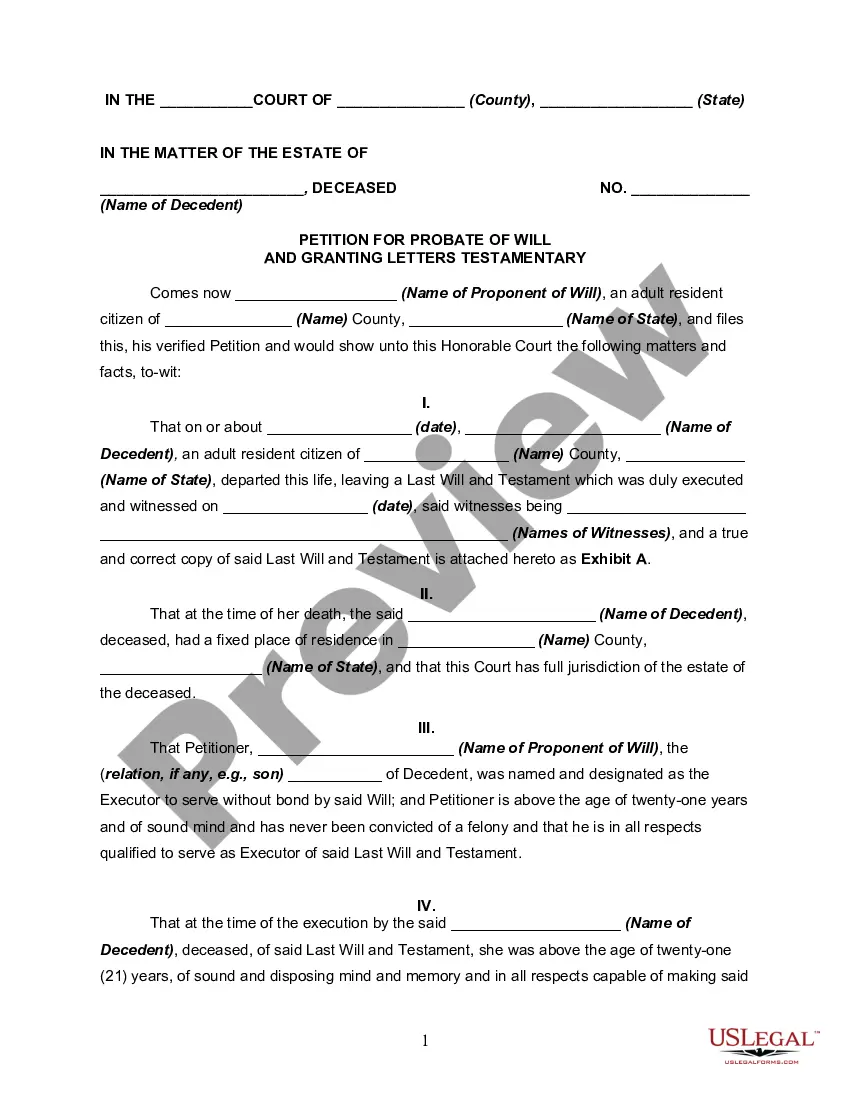
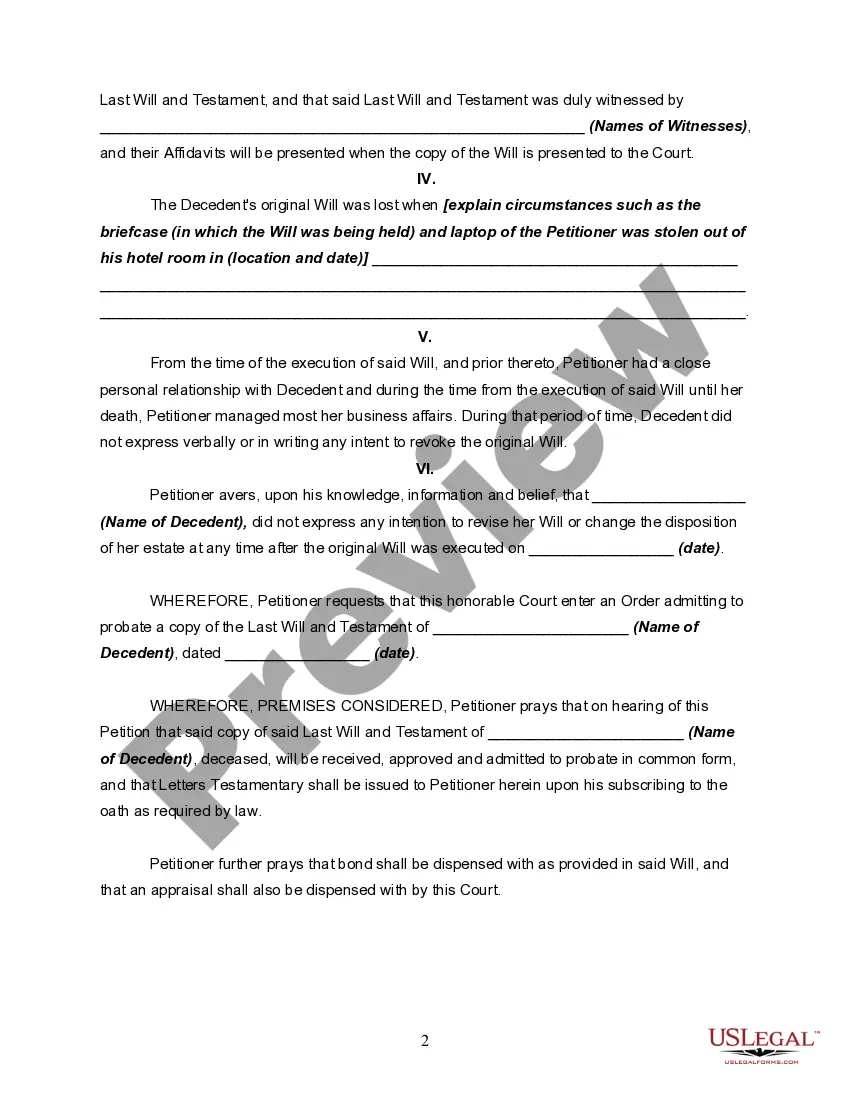
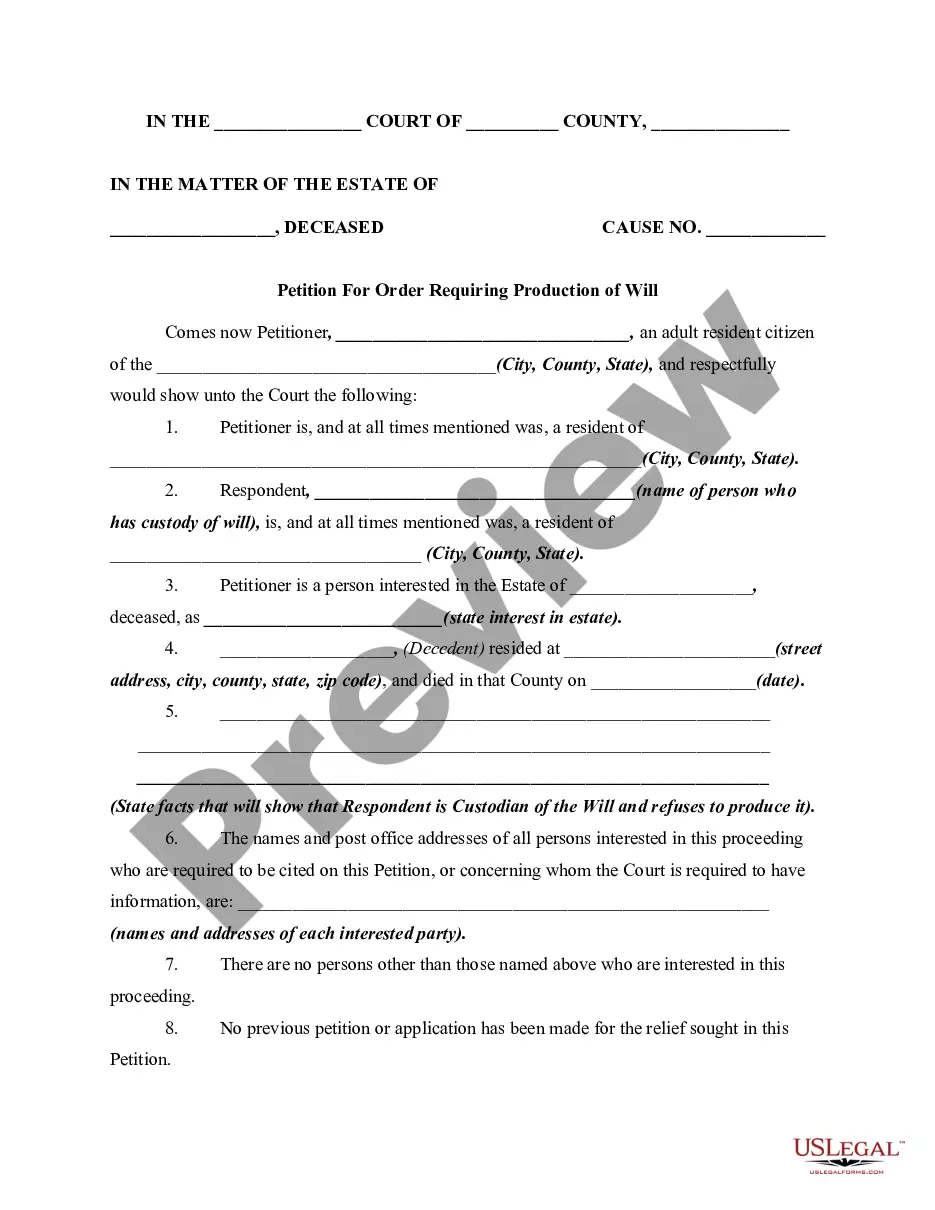
California Probate 13100 Form For Estate
Description

Get your form ready online
Our built-in tools help you complete, sign, share, and store your documents in one place.
Make edits, fill in missing information, and update formatting in US Legal Forms—just like you would in MS Word.
Download a copy, print it, send it by email, or mail it via USPS—whatever works best for your next step.
Sign and collect signatures with our SignNow integration. Send to multiple recipients, set reminders, and more. Go Premium to unlock E-Sign.
If this form requires notarization, complete it online through a secure video call—no need to meet a notary in person or wait for an appointment.
We protect your documents and personal data by following strict security and privacy standards.

Make edits, fill in missing information, and update formatting in US Legal Forms—just like you would in MS Word.

Download a copy, print it, send it by email, or mail it via USPS—whatever works best for your next step.

Sign and collect signatures with our SignNow integration. Send to multiple recipients, set reminders, and more. Go Premium to unlock E-Sign.

If this form requires notarization, complete it online through a secure video call—no need to meet a notary in person or wait for an appointment.

We protect your documents and personal data by following strict security and privacy standards.
Looking for another form?
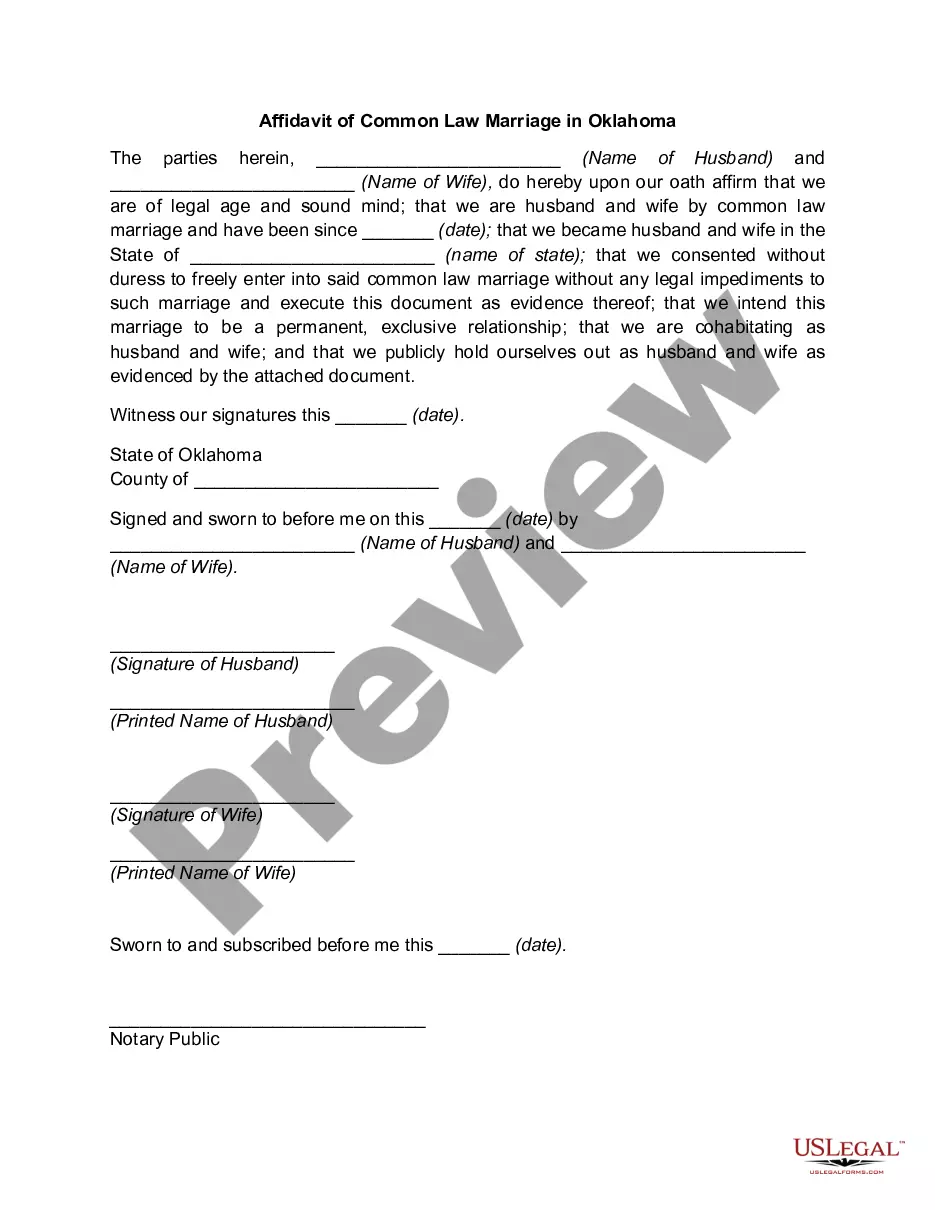
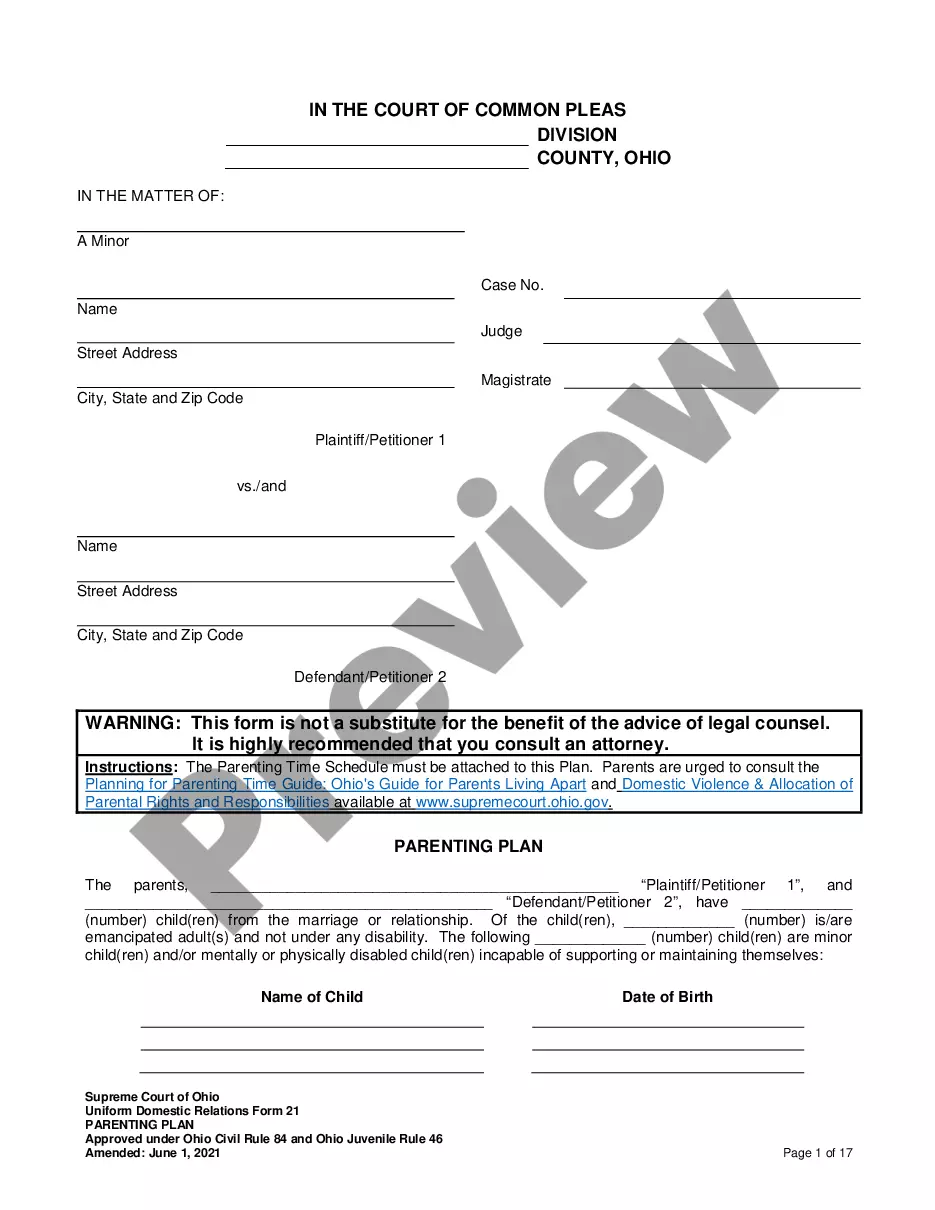
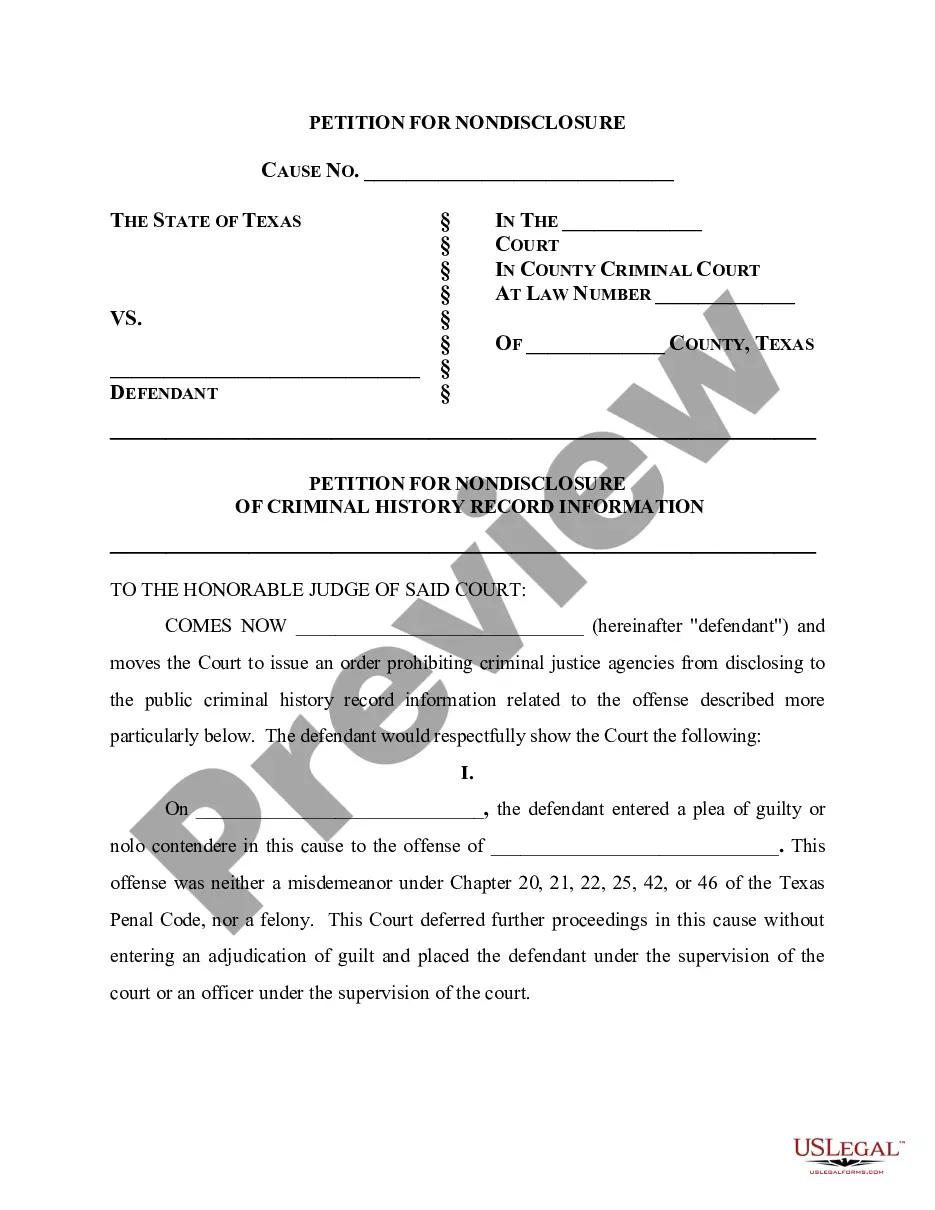
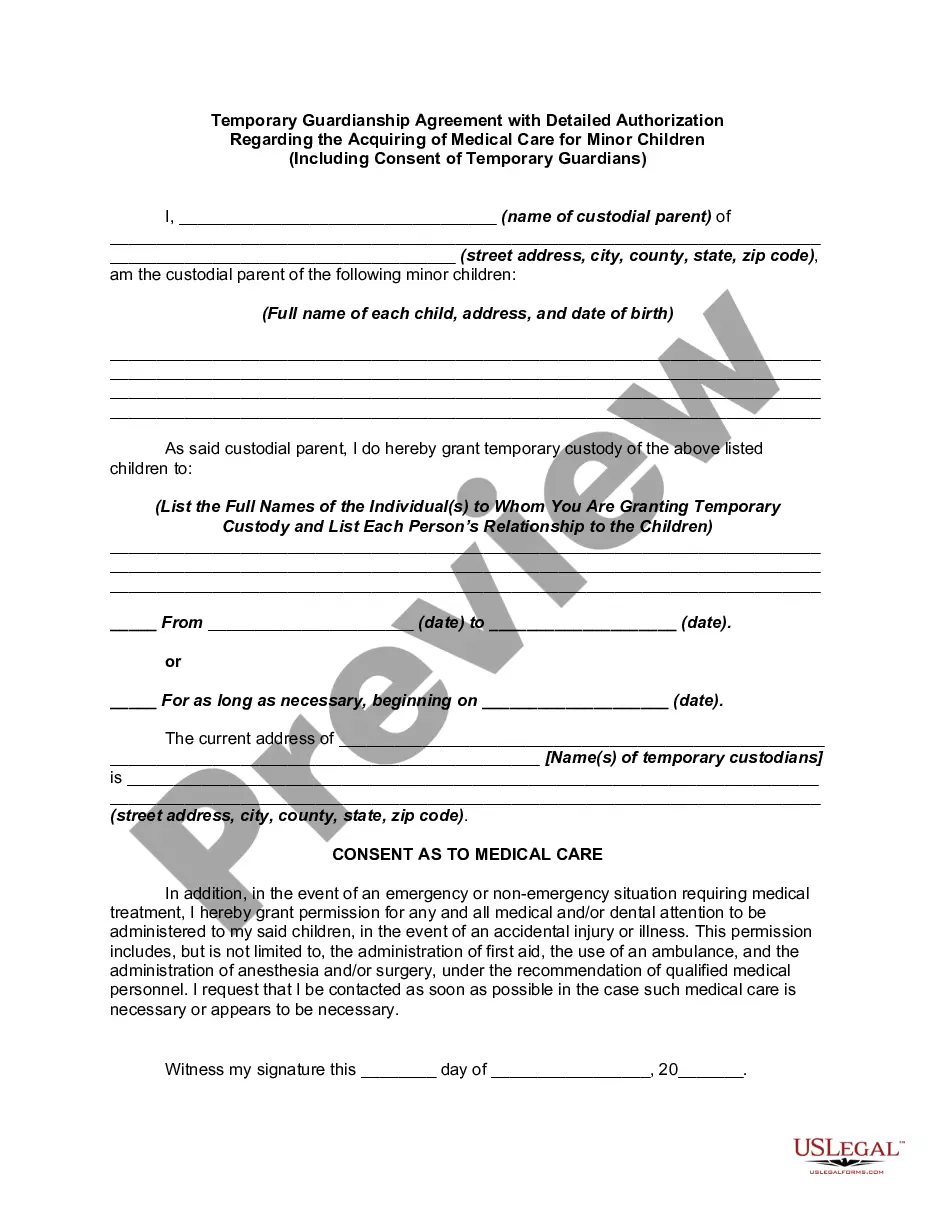
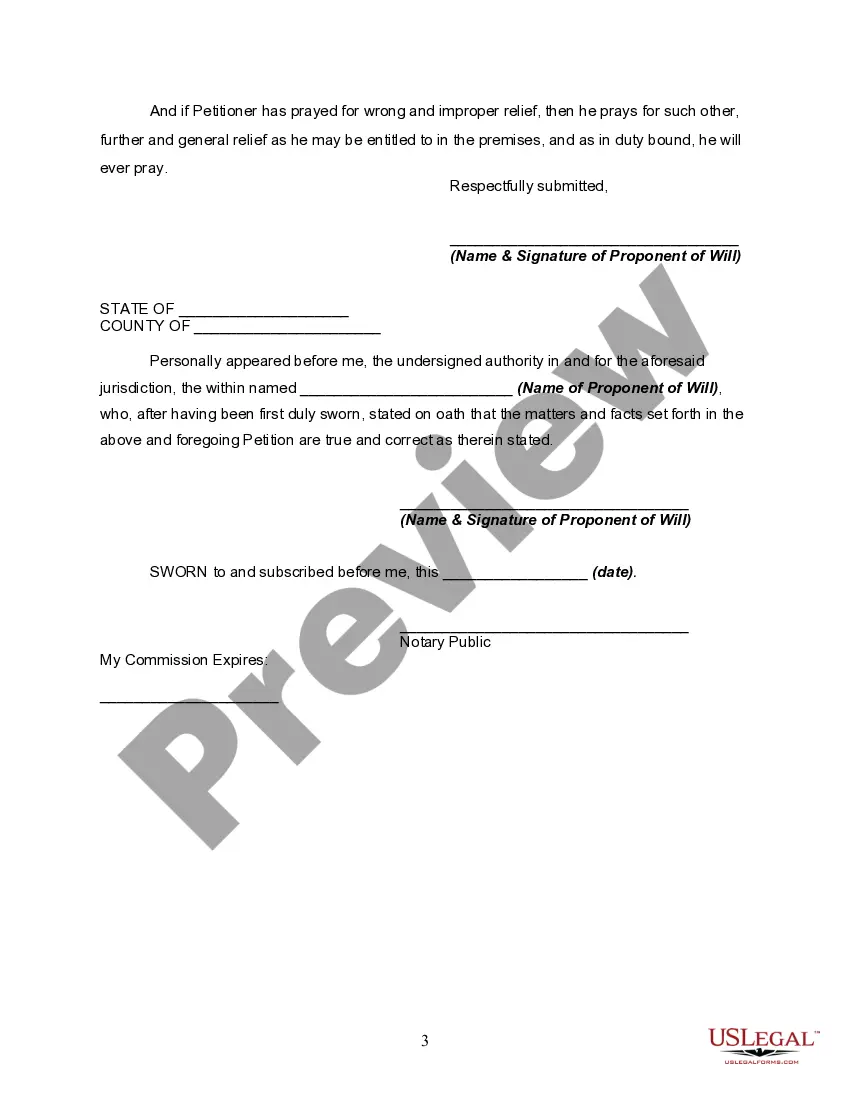
How to fill out Petition To Probate Lost Will?
Whether for corporate reasons or personal affairs, everyone must confront legal issues at some point in their life.
Filling out legal documents requires meticulous care, starting with selecting the right form template.
Complete the account registration form. Choose your payment method: use a credit card or a PayPal account. Select the document format you desire and download the California Probate 13100 Form For Estate. After it is saved, you can complete the form using editing applications or print it out and finish it manually.
- For example, if you choose an incorrect version of the California Probate 13100 Form For Estate, it will be denied upon submission.
- Thus, it is vital to obtain a trustworthy source of legal documents like US Legal Forms.
- If you need a California Probate 13100 Form For Estate template, follow these straightforward steps.
- Search for the sample you require using the search bar or through catalog exploration.
- Review the details of the form to ensure it corresponds to your case, state, and area.
- Click on the form's preview to view it.
- If it is not the correct document, return to the search feature to find the California Probate 13100 Form For Estate template you need.
- Download the file if it aligns with your requirements.
- If you already have a US Legal Forms account, simply click Log in to access previously saved templates in My documents.
- If you do not have an account yet, you can obtain the form by clicking Buy now.
- Select the appropriate payment option.
Form popularity
FAQ
In California, if there is no will, you should file for probate within 30 days following the death of the decedent. However, it is advisable to file as soon as possible to avoid complications. Again, using the California probate 13100 form for estate can clarify procedural steps for those unfamiliar with probate laws.
All business contracts should include fundamentals such as: The date of the contract. The names of all parties or entities involved. Payment amounts and due dates. Contract expiration dates. Potential damages for breach of contract, missed deadlines or incomplete services.
In general, contracts should include the following: an offer and acceptance, consideration (something of value exchanged by both parties), clear and concise terms, and the signature of all parties involved.
Sale of business contracts: How to create your template. Name the parties. Clearly state the names and locations of the buyer and seller. ... List the assets. ... Define liabilities. ... Set sale terms. ... Include other agreements. ... Make your sales agreement digital.
An LOI stands for Letter of Intent. In commercial real estate, a Letter of Intent is a preliminary agreement that is negotiated between a tenant and landlord or buyer and seller.
A sales contract should include the type of agreement, its parties, their responsibilities, the cost of services or goods, deadlines, delivery details, termination conditions, and penalties. Different types of sales contracts will also include other information related to the type of deal.
At its most basic, a purchase agreement should include the following: Name and contact information for buyer and seller. The address of the property being sold. The price to be paid for the property. The date of transfer. Disclosures. Contingencies. Signatures.
A sales and purchase agreement (SPA) is a binding legal contract that obligates a buyer to buy and a seller to sell a product or service. SPAs are often used in real estate deals or when two parties are transacting a large item or a large number of items.