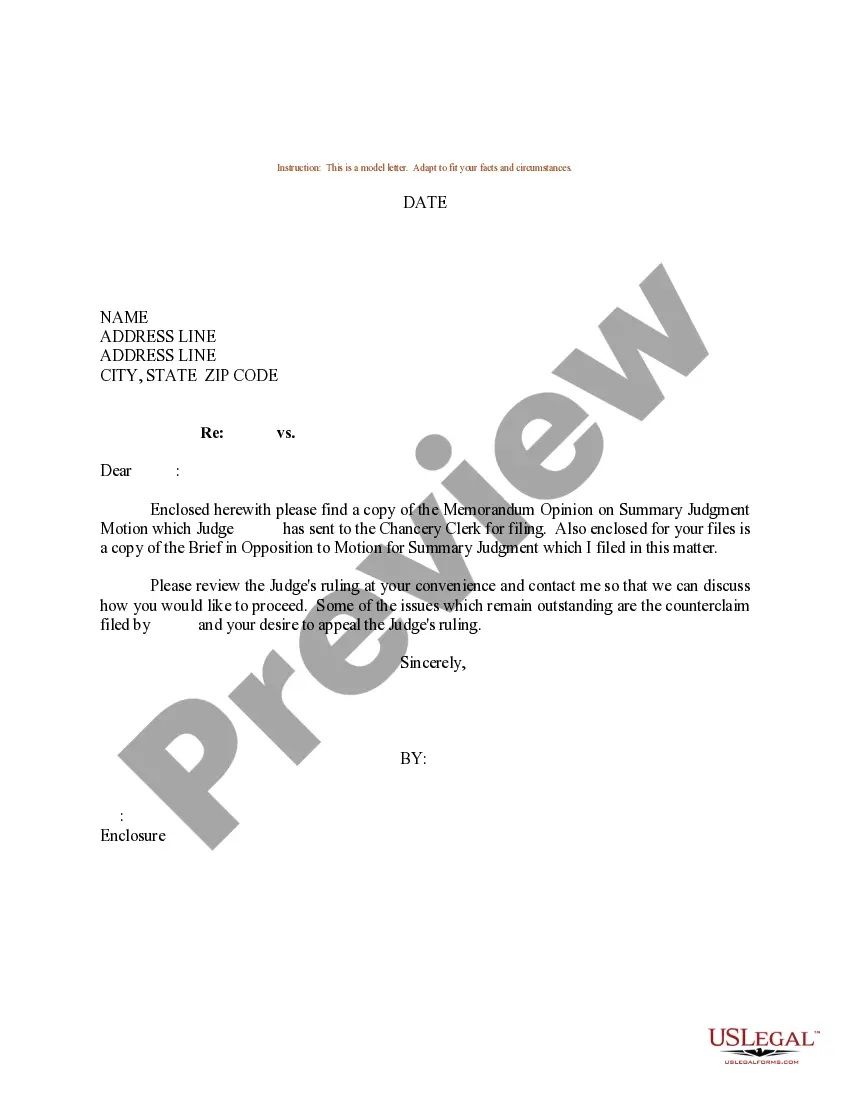
Sample Motion For Summary Judgment California
Description
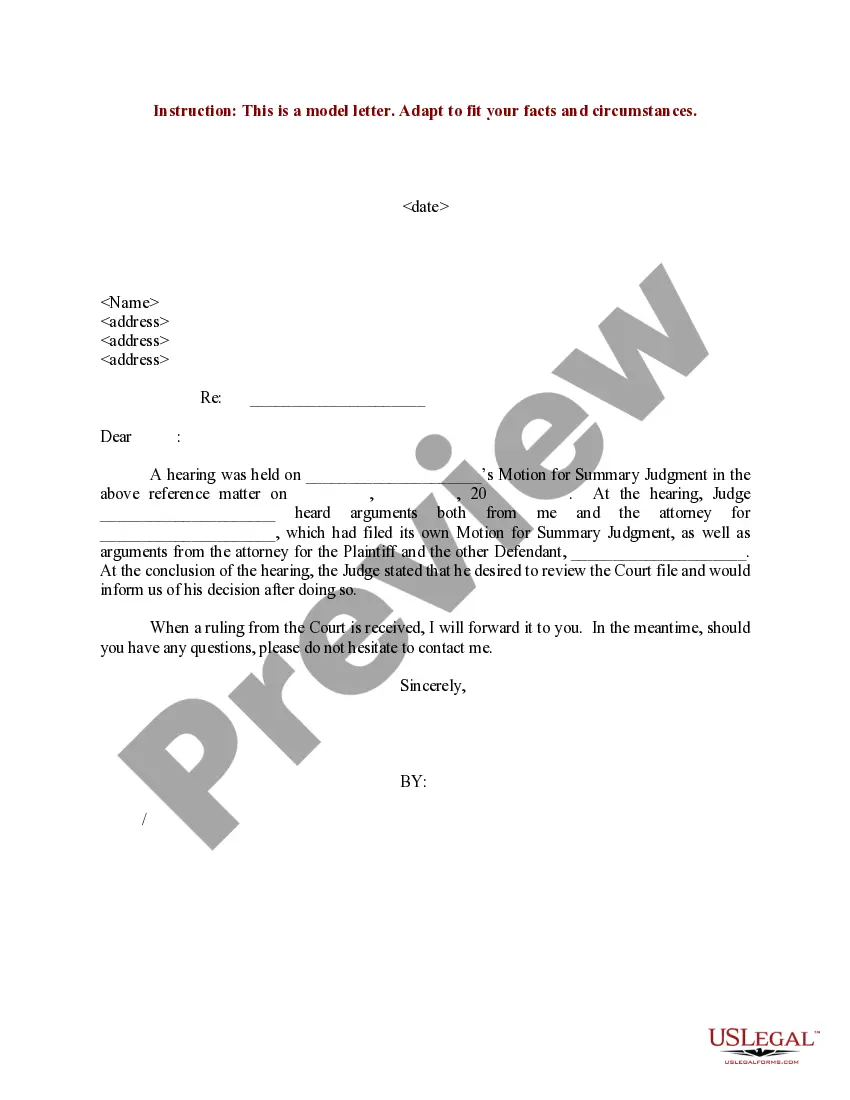
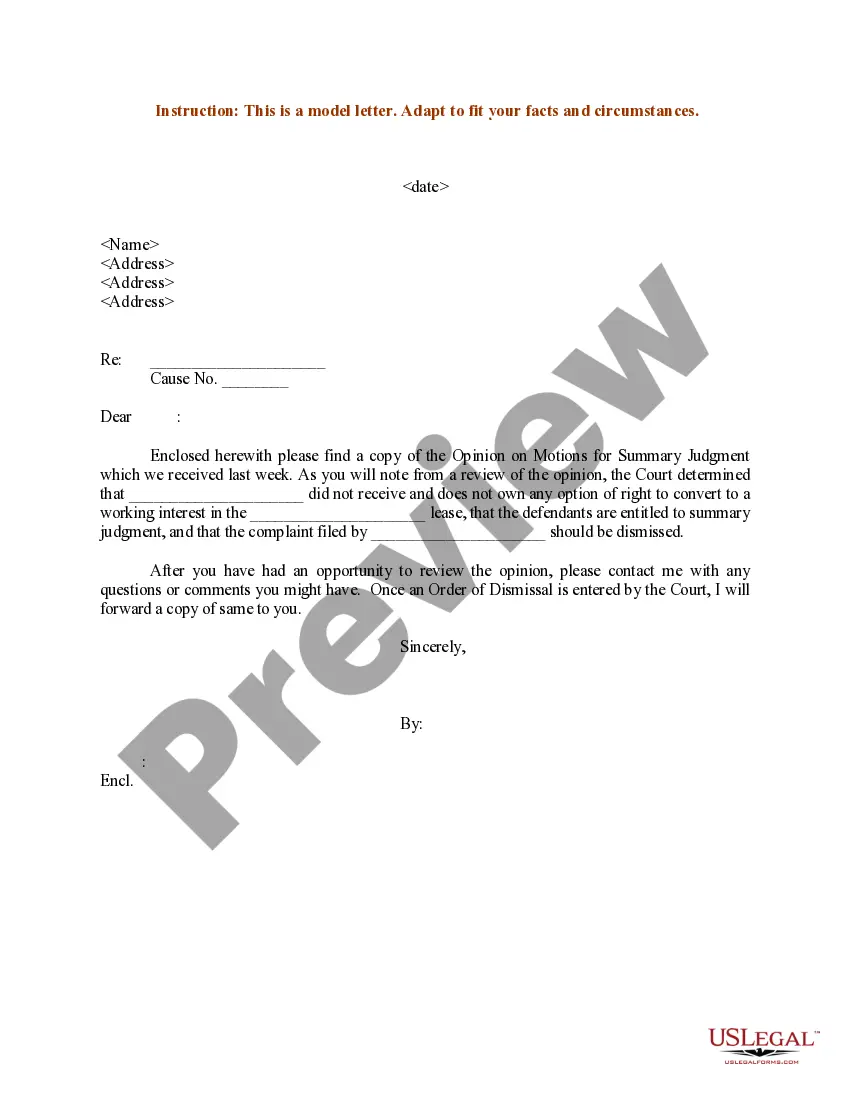
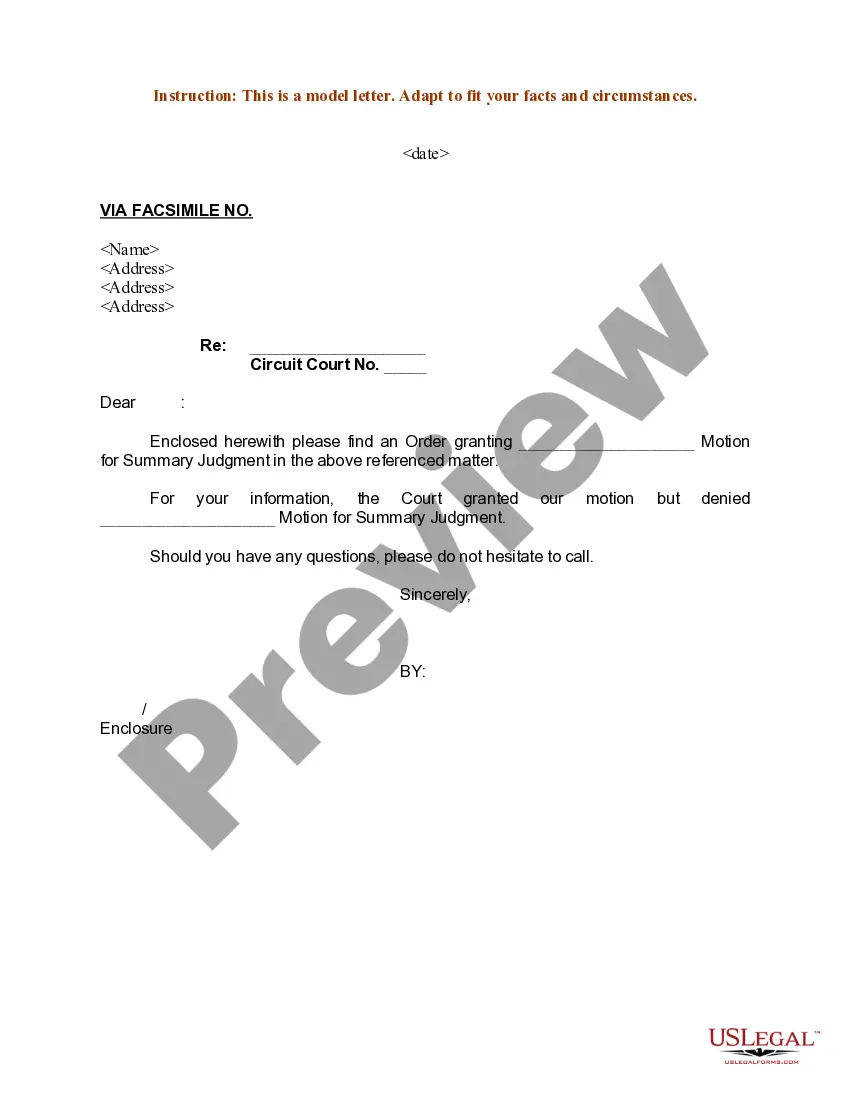
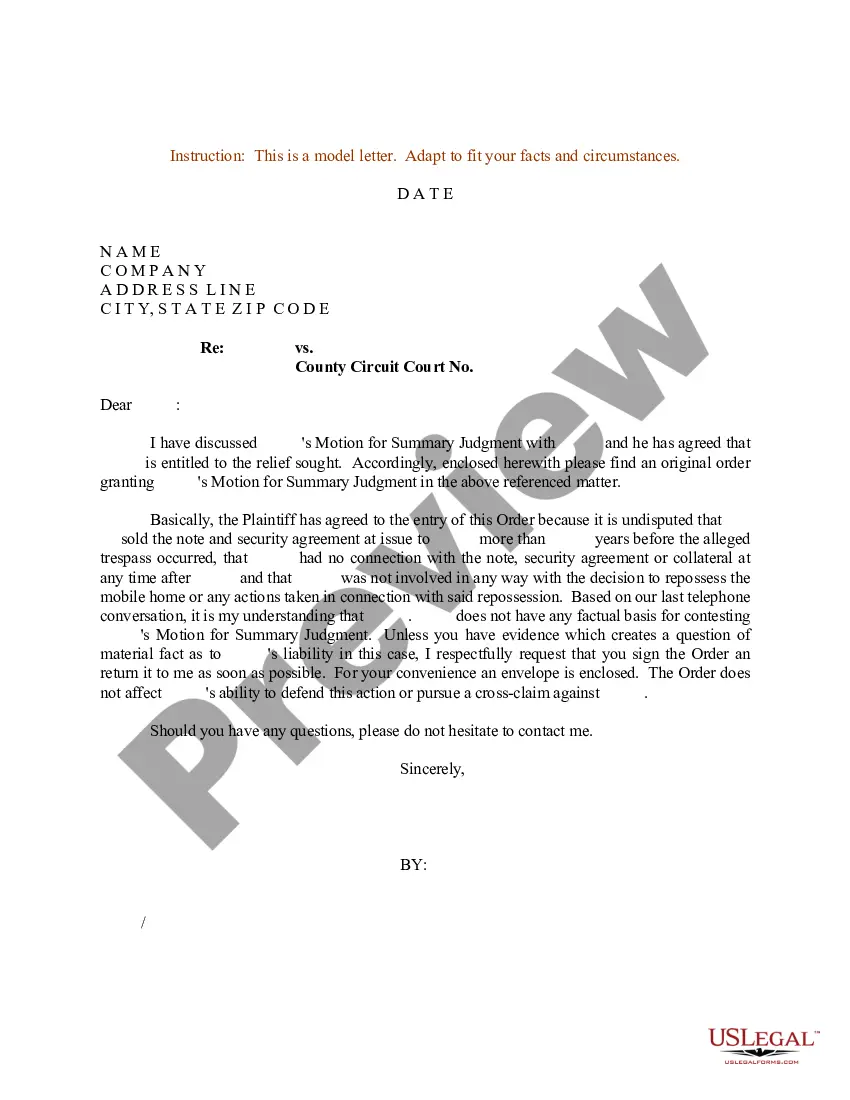
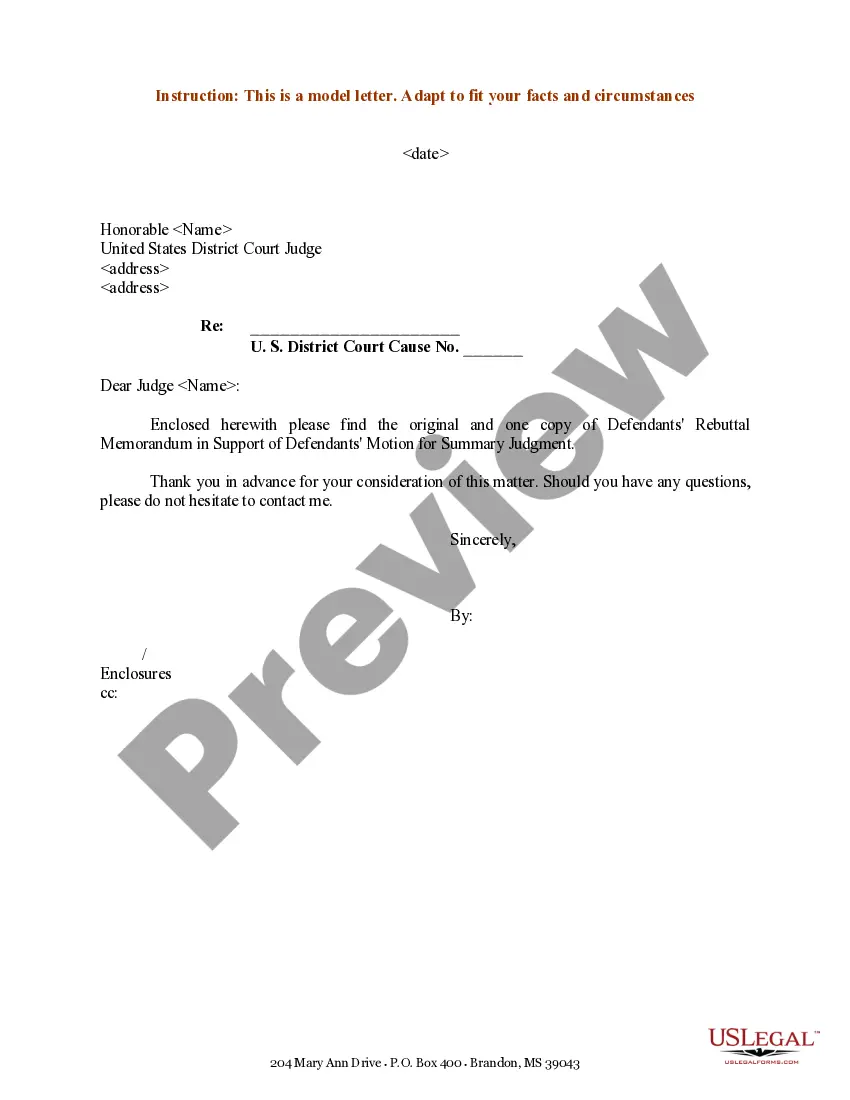
Get your form ready online
Our built-in tools help you complete, sign, share, and store your documents in one place.
Make edits, fill in missing information, and update formatting in US Legal Forms—just like you would in MS Word.
Download a copy, print it, send it by email, or mail it via USPS—whatever works best for your next step.
Sign and collect signatures with our SignNow integration. Send to multiple recipients, set reminders, and more. Go Premium to unlock E-Sign.
If this form requires notarization, complete it online through a secure video call—no need to meet a notary in person or wait for an appointment.
We protect your documents and personal data by following strict security and privacy standards.

Make edits, fill in missing information, and update formatting in US Legal Forms—just like you would in MS Word.

Download a copy, print it, send it by email, or mail it via USPS—whatever works best for your next step.

Sign and collect signatures with our SignNow integration. Send to multiple recipients, set reminders, and more. Go Premium to unlock E-Sign.

If this form requires notarization, complete it online through a secure video call—no need to meet a notary in person or wait for an appointment.

We protect your documents and personal data by following strict security and privacy standards.
Looking for another form?


How to fill out Sample Letter Regarding Memorandum Opinion On Summary Judgment Motion?
Whether for commercial uses or for personal matters, everyone must confront legal circumstances at some stage in their lives.
Completing legal documents requires meticulous care, beginning with selecting the correct form example.
After downloading, you can complete the form using editing software or print it out and fill it in by hand. With an extensive US Legal Forms collection available, you won’t have to waste time searching for the right template online. Utilize the library’s straightforward navigation to find the ideal template for any circumstance.
- Find the document you require by utilizing the search bar or catalog browsing.
- Review the form’s details to ensure it aligns with your situation, state, and region.
- Click on the form’s preview to inspect it.
- If it’s the incorrect form, return to the search tool to find the Sample Motion For Summary Judgment California document you need.
- Download the template once it meets your specifications.
- If you already possess a US Legal Forms account, click Log in to retrieve previously stored templates in My documents.
- If you do not yet have an account, you can download the form by clicking Buy now.
- Select the appropriate pricing option.
- Complete the profile registration form.
- Choose your payment method: use a credit card or PayPal account.
- Select the desired file format and download the Sample Motion For Summary Judgment California.
Form popularity
FAQ
If the defendant moves to summary judgment, the burden of proof moves from the plaintiff to the defendant. Rather than the plaintiff proving that they were injured, the defendant must prove that the plaintiff can't obtain evidence at all.
A defendant filing a motion for summary judgment must meet their burden of showing that a cause of action has no merit by showing that one or more elements of a cause of action, even if not separately pleaded, cannot be established, or that there is a complete defense to that cause of action.
A motion for summary adjudication shall be granted only if it completely disposes of a cause of action, an affirmative defense, a claim for damages, or an issue of duty.
The moving papers must be personally given to each opposing side at least 21 days before the hearing on the motion, OR mailed to each opposing side at least 26 days before the hearing on the motion. If the papers are personally given to the opposing side it is called personal service.
Notice of a summary judgment motion, as well as the papers in support of the motion, must be filed with the court and served on all parties at least 75 calendar days before the scheduled hearing date of the motion. All papers opposing a motion must be served and filed not less than 14 days before the hearing date.