Intestate Succession Mi Without A Will
Description
Get your form ready online
Our built-in tools help you complete, sign, share, and store your documents in one place.
Make edits, fill in missing information, and update formatting in US Legal Forms—just like you would in MS Word.
Download a copy, print it, send it by email, or mail it via USPS—whatever works best for your next step.
Sign and collect signatures with our SignNow integration. Send to multiple recipients, set reminders, and more. Go Premium to unlock E-Sign.
If this form requires notarization, complete it online through a secure video call—no need to meet a notary in person or wait for an appointment.
We protect your documents and personal data by following strict security and privacy standards.

Make edits, fill in missing information, and update formatting in US Legal Forms—just like you would in MS Word.

Download a copy, print it, send it by email, or mail it via USPS—whatever works best for your next step.

Sign and collect signatures with our SignNow integration. Send to multiple recipients, set reminders, and more. Go Premium to unlock E-Sign.

If this form requires notarization, complete it online through a secure video call—no need to meet a notary in person or wait for an appointment.

We protect your documents and personal data by following strict security and privacy standards.
Looking for another form?
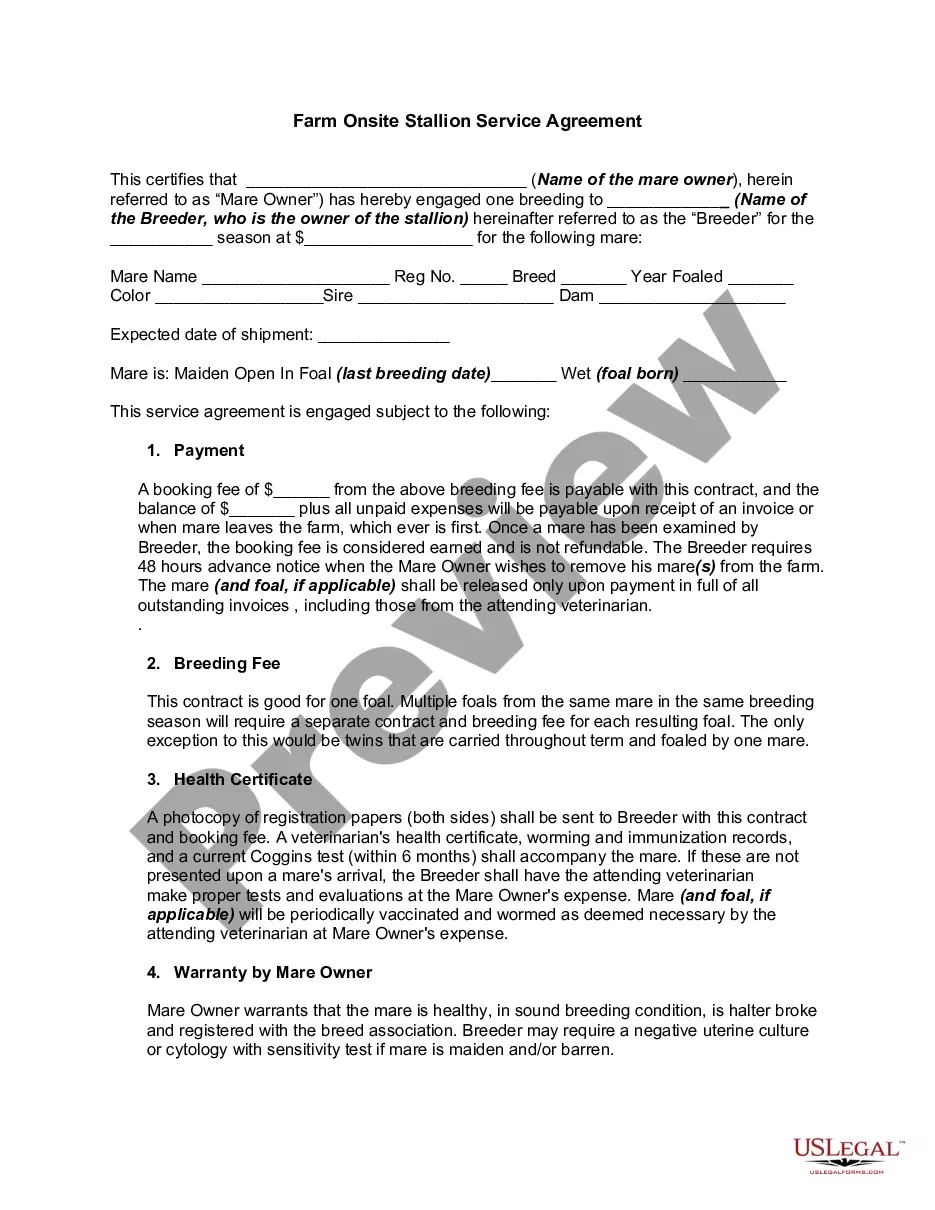
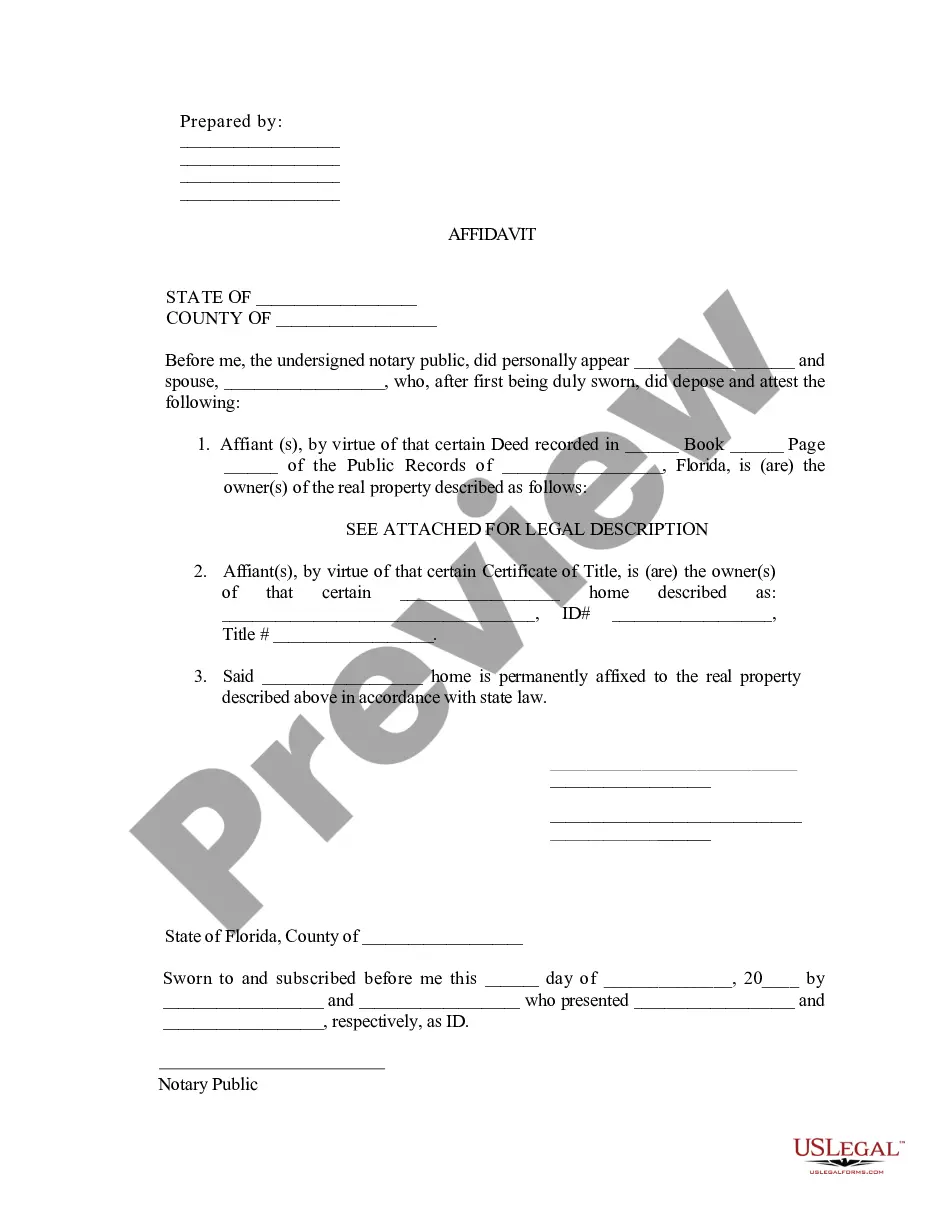

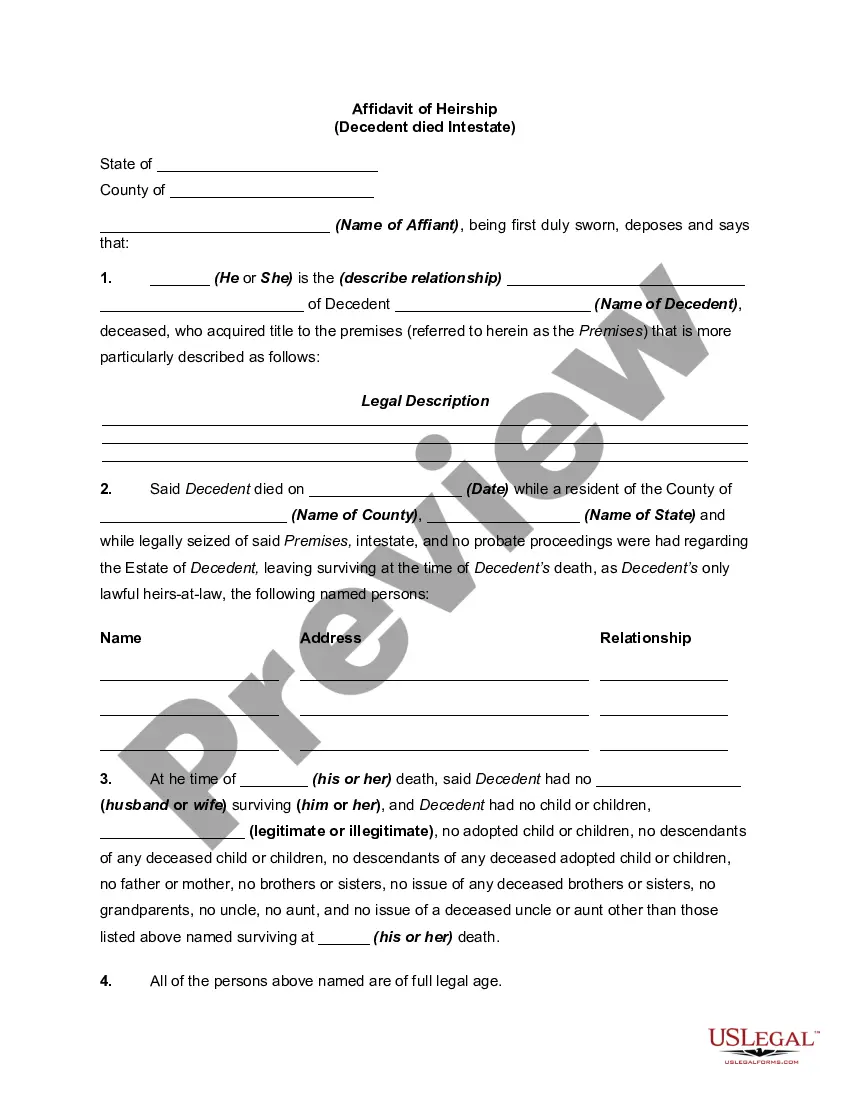
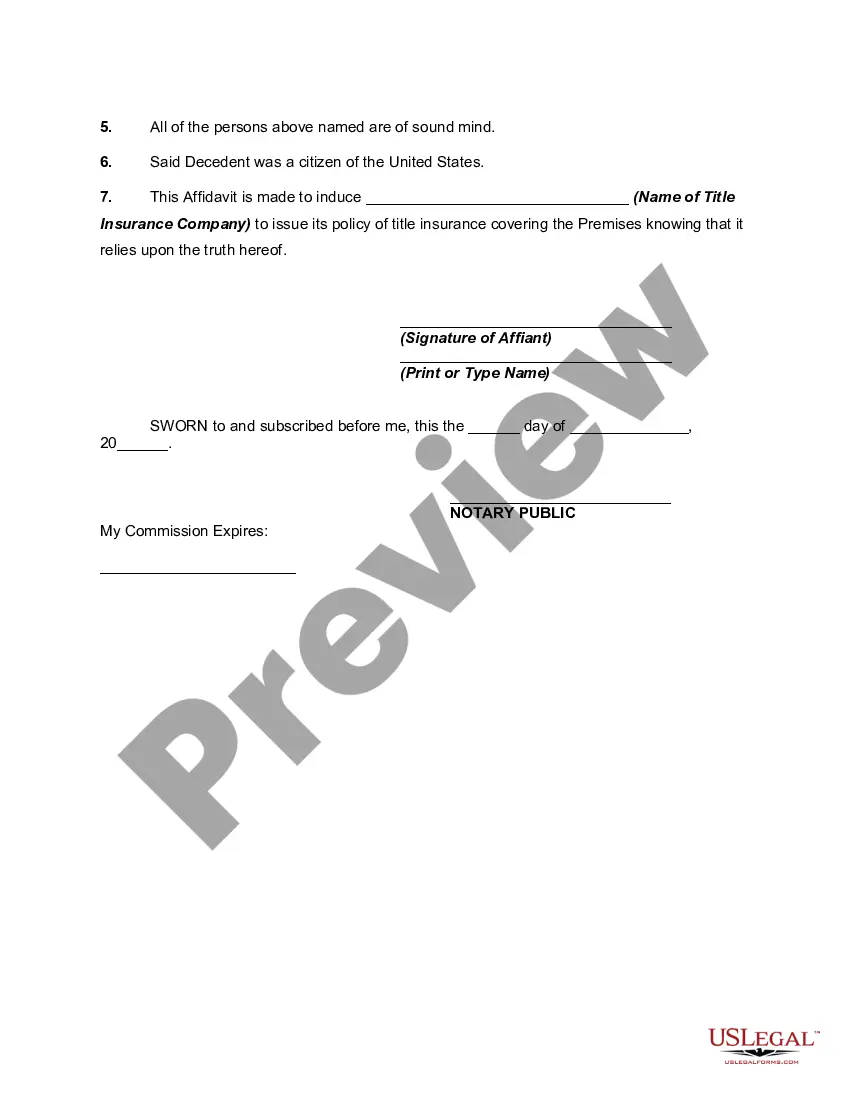
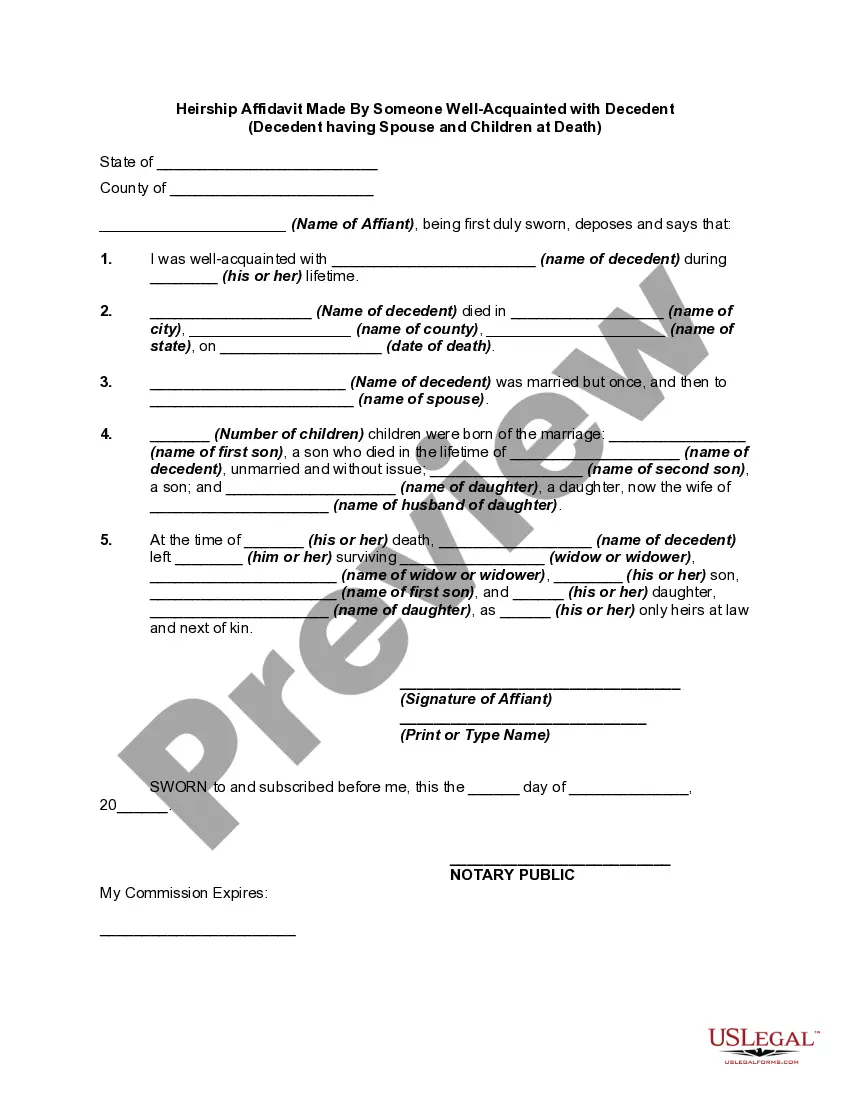
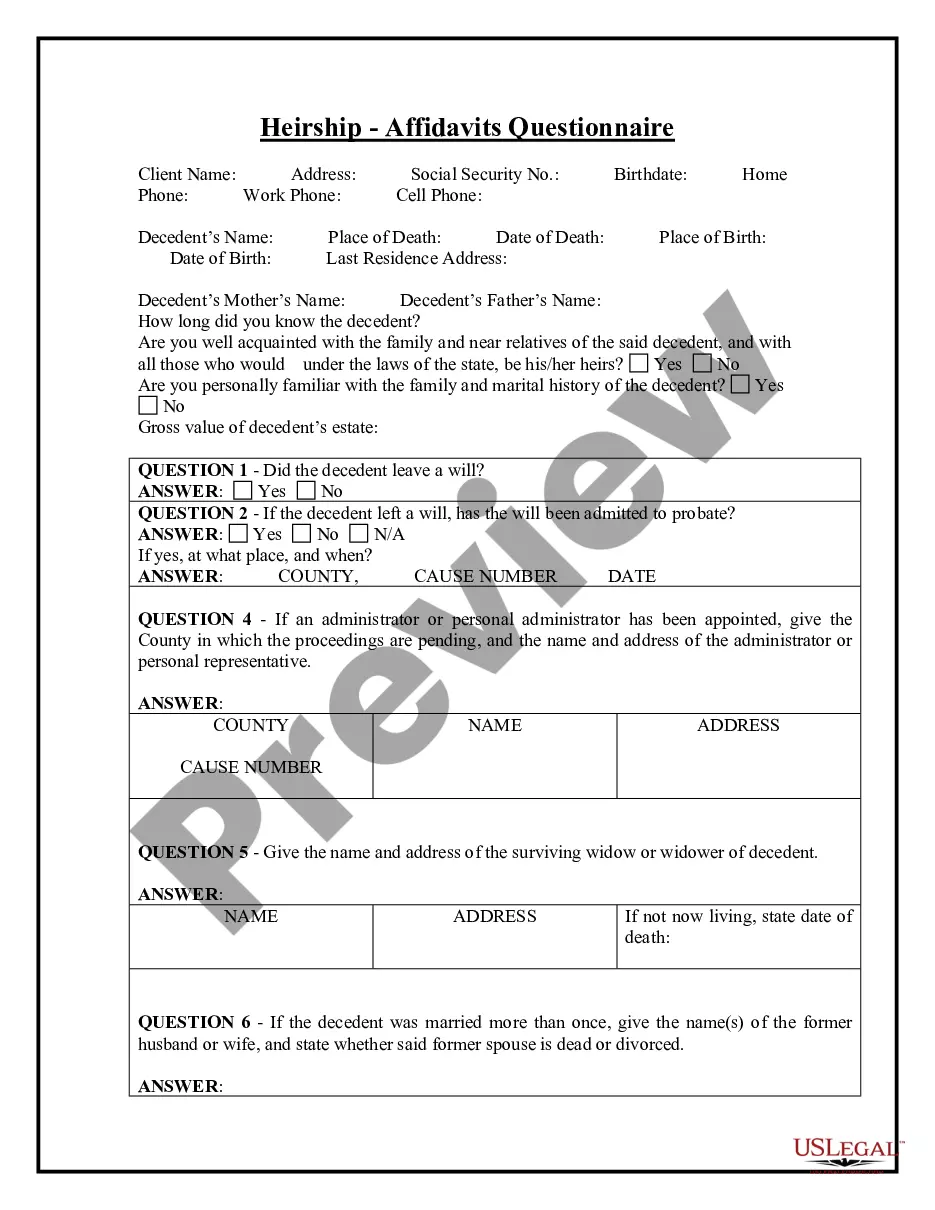
How to fill out Affidavit Of Heirship, Next Of Kin Or Descent - Decedent Died Intestate?
Legal management may be mind-boggling, even for the most knowledgeable specialists. When you are searching for a Intestate Succession Mi Without A Will and don’t have the a chance to spend trying to find the correct and updated version, the processes can be stress filled. A strong online form library could be a gamechanger for anybody who wants to manage these situations efficiently. US Legal Forms is a market leader in web legal forms, with more than 85,000 state-specific legal forms accessible to you anytime.
With US Legal Forms, you may:
- Access state- or county-specific legal and business forms. US Legal Forms handles any requirements you may have, from individual to organization papers, in one location.
- Make use of innovative tools to accomplish and manage your Intestate Succession Mi Without A Will
- Access a resource base of articles, guides and handbooks and materials highly relevant to your situation and needs
Help save time and effort trying to find the papers you need, and utilize US Legal Forms’ advanced search and Review feature to discover Intestate Succession Mi Without A Will and get it. For those who have a membership, log in in your US Legal Forms account, search for the form, and get it. Review your My Forms tab to see the papers you previously saved as well as to manage your folders as you see fit.
Should it be the first time with US Legal Forms, make an account and obtain unrestricted access to all benefits of the platform. Listed below are the steps for taking after accessing the form you want:
- Confirm this is the correct form by previewing it and reading its information.
- Ensure that the sample is accepted in your state or county.
- Pick Buy Now once you are ready.
- Choose a subscription plan.
- Find the file format you want, and Download, complete, sign, print and send out your papers.
Benefit from the US Legal Forms online library, backed with 25 years of experience and stability. Enhance your everyday papers managing in to a smooth and intuitive process today.
Form popularity
FAQ
Do I Need a Will? A will is a legal document that says who should have your property or care for your children after your death. If you own any property or have children under 18, you may want to create a will. If you don't have a will, those decisions will be made for you ing to state law.
Jointly-owned property will pass automatically to the co-owner and accounts with designated beneficiaries. Such assets will avoid the probate process. However, everything you own in your name alone will go through probate.
Probate Without A Will (Intestate Succession) ? When an individual passes away without a will, their assets are distributed to the closest family members via the probate courts. This is covered under Michigan's intestacy laws which dictate who inherits assets and the order of inheritance rights.
Broadly speaking, Michigan law gives highest priority to the surviving spouse of the decedent, followed by their children and grandchildren, then parents and siblings, followed by more distant relatives.
Michigan law defines next of kin as persons who have a relationship to the deceased, including: Legal spouse. Child over the age of 18. Parent of the deceased over the age of 18.