Intestate Succession Explained For Dummies
Description
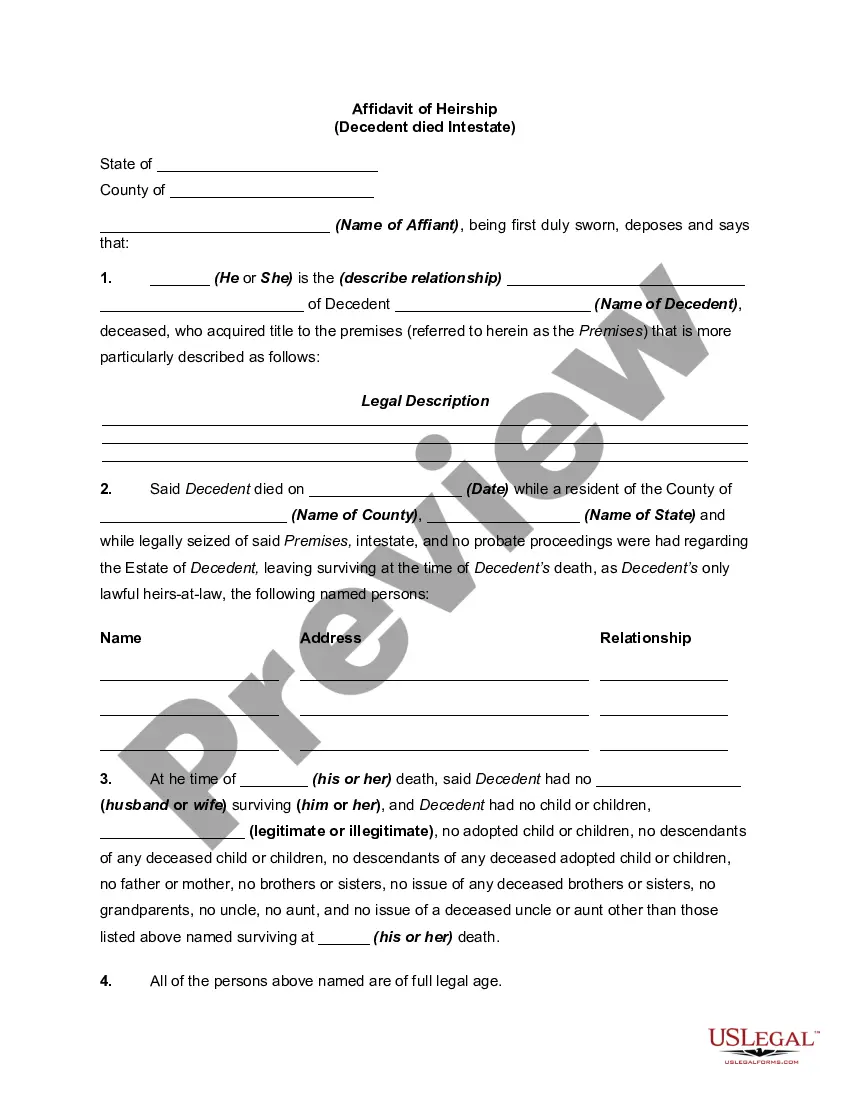
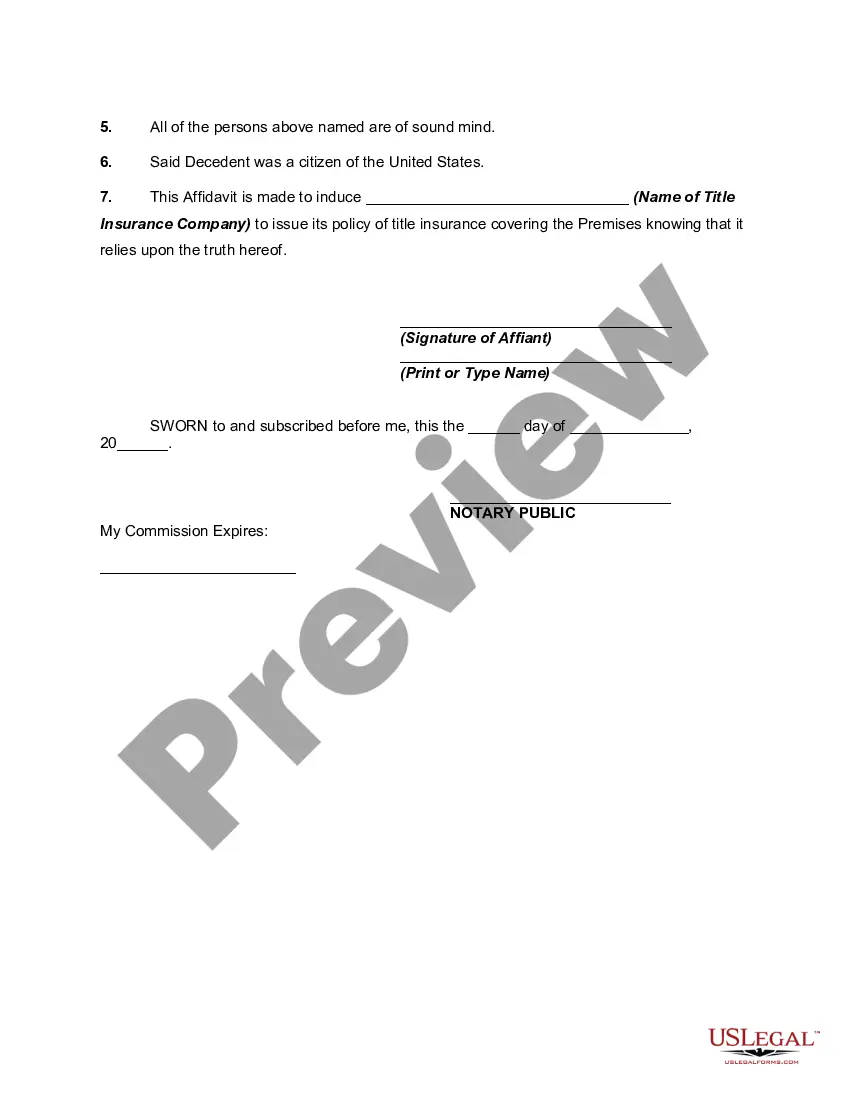
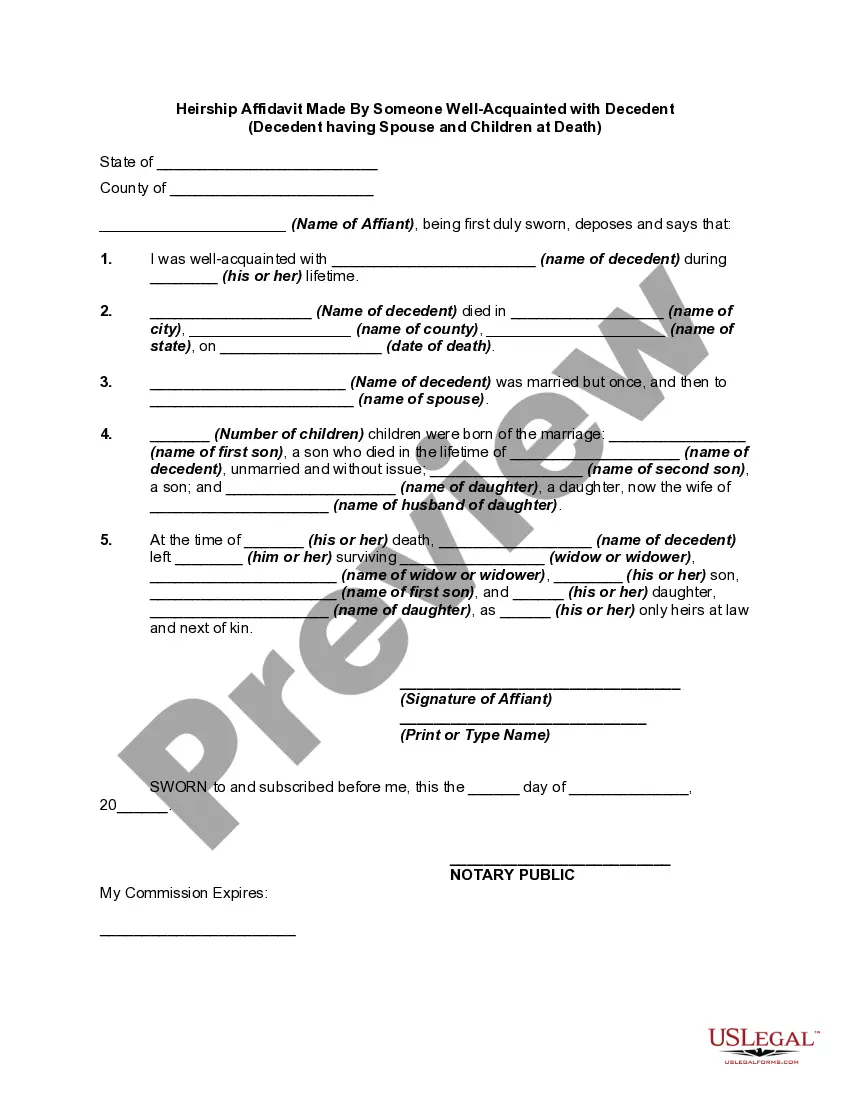
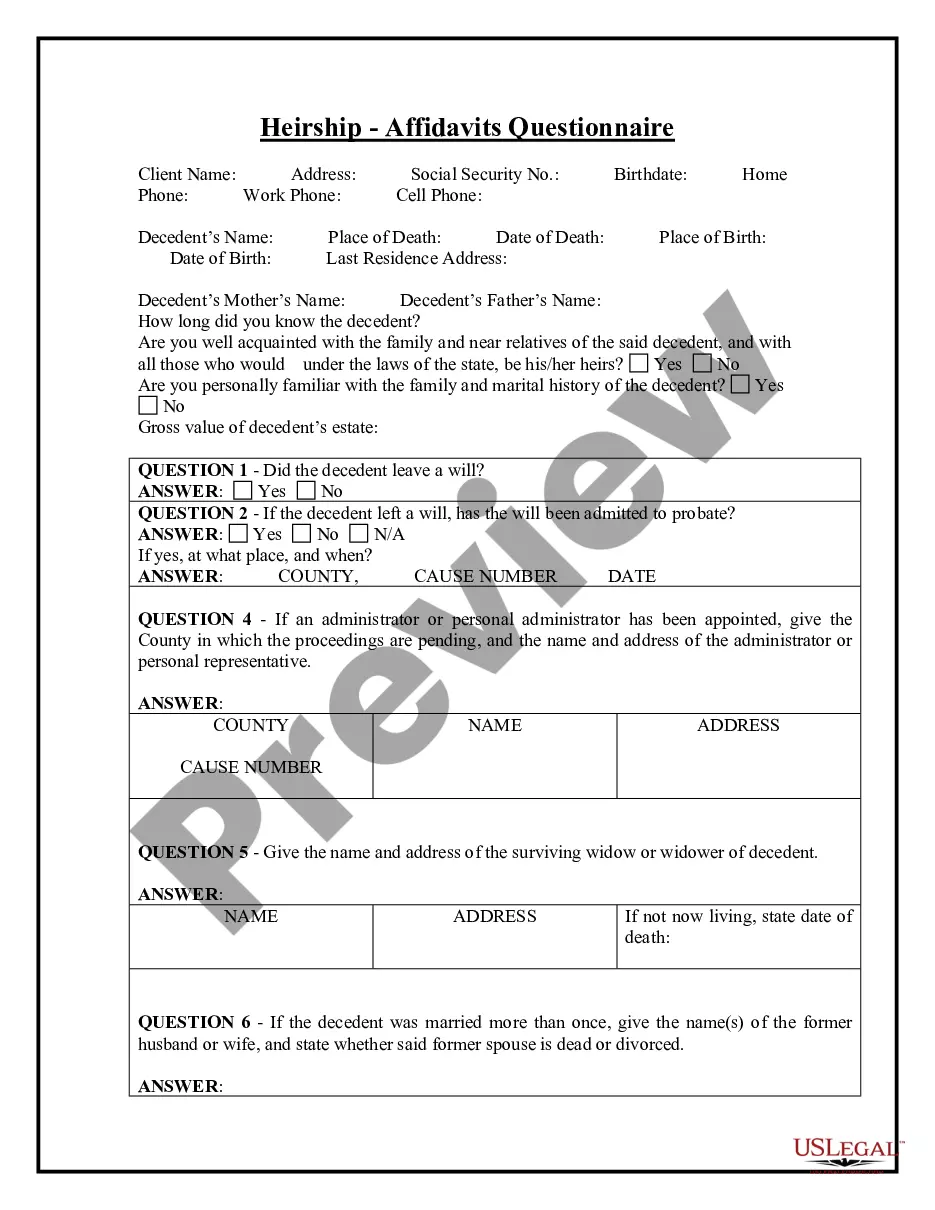
Get your form ready online
Our built-in tools help you complete, sign, share, and store your documents in one place.
Make edits, fill in missing information, and update formatting in US Legal Forms—just like you would in MS Word.
Download a copy, print it, send it by email, or mail it via USPS—whatever works best for your next step.
Sign and collect signatures with our SignNow integration. Send to multiple recipients, set reminders, and more. Go Premium to unlock E-Sign.
If this form requires notarization, complete it online through a secure video call—no need to meet a notary in person or wait for an appointment.
We protect your documents and personal data by following strict security and privacy standards.

Make edits, fill in missing information, and update formatting in US Legal Forms—just like you would in MS Word.

Download a copy, print it, send it by email, or mail it via USPS—whatever works best for your next step.

Sign and collect signatures with our SignNow integration. Send to multiple recipients, set reminders, and more. Go Premium to unlock E-Sign.

If this form requires notarization, complete it online through a secure video call—no need to meet a notary in person or wait for an appointment.

We protect your documents and personal data by following strict security and privacy standards.
Looking for another form?



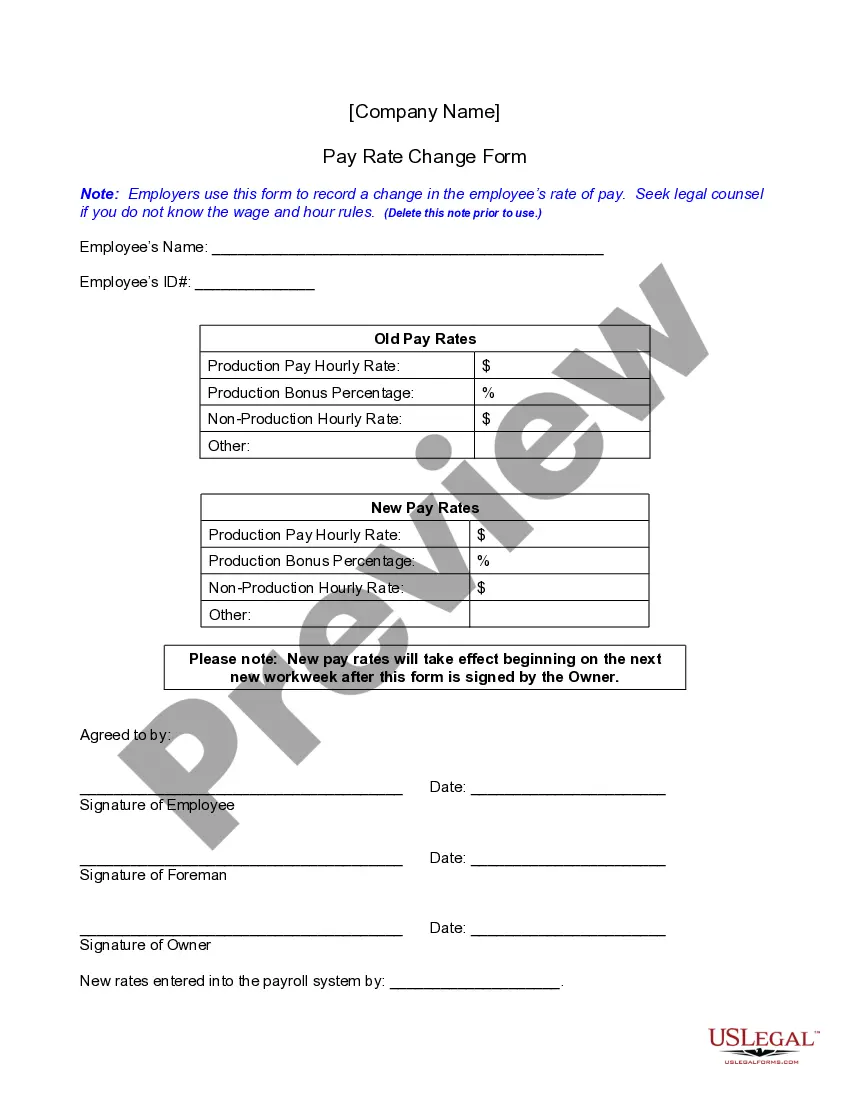


How to fill out Affidavit Of Heirship, Next Of Kin Or Descent - Decedent Died Intestate?
Whether for commercial objectives or for personal issues, everyone must handle legal circumstances eventually in their lifetime. Finalizing legal documents requires meticulous care, starting with selecting the correct form template. For example, if you choose an incorrect version of the Intestate Succession Explained For Dummies, it will be rejected when you submit it. Thus, it is crucial to obtain a trustworthy source of legal documents like US Legal Forms.
If you need to acquire a Intestate Succession Explained For Dummies template, adhere to these straightforward steps: Locate the sample you require by utilizing the search field or catalog navigation. Review the form’s details to confirm it aligns with your situation, state, and locality. Click on the form’s preview to inspect it. If it is the wrong document, return to the search function to find the Intestate Succession Explained For Dummies template you need. Obtain the template if it fulfills your requirements. If you possess a US Legal Forms account, click Log in to access previously saved documents in My documents. If you do not have an account yet, you can download the form by clicking Buy now. Select the correct pricing option. Complete the profile registration form. Choose your payment method: you can use a credit card or PayPal account. Select the file format you desire and download the Intestate Succession Explained For Dummies. Once downloaded, you can fill out the form using editing software or print it and complete it by hand.
With a vast US Legal Forms catalog available, you do not need to waste time searching the internet for the suitable sample. Take advantage of the library’s easy navigation to find the right template for any occasion.
- Everyone must handle legal circumstances eventually.
- Finalizing legal documents requires meticulous care.
- Selecting the correct form template is essential.
- Choosing an incorrect version can lead to rejection.
- Obtaining a trustworthy source is crucial.
- Adhere to straightforward steps to acquire a template.
- Utilize the search field or catalog for locating samples.
- Review details to confirm alignment with your situation.
- Inspect the form’s preview before finalizing.
- Return to search if the document is incorrect.
- Select the appropriate pricing option when downloading.
- Utilize editing software or print for completion.
Form popularity
FAQ
If there is no spouse or descendants, the testator's parents and/or their descendants (collateral relatives of the testator) inherit the estate. If there are no parents or descendants of parents, grandparents and other collateral relatives inherit the estate per capita.?
Inheritance hierarchy If none of those relatives can be identified, your assets could go to parents, grandparents, siblings, nephews, nieces?or even the state. "With no will or next of kin, your assets become escheated?which is just a fancy way of saying the state lays claim to them," Bob says.
Basic Principles If there is no spouse or descendants, the testator's parents and/or their descendants (collateral relatives of the testator) inherit the estate. If there are no parents or descendants of parents, grandparents and other collateral relatives inherit the estate per capita.?
In an intestate situation, the surviving spouse receives all of the community property and a portion of the separate property based on a predetermined formula set out in probate law. If the decedent was not married but has children, then the children will inherit everything equally.