Cost Plus Incentive Fee Contract Formula
Description
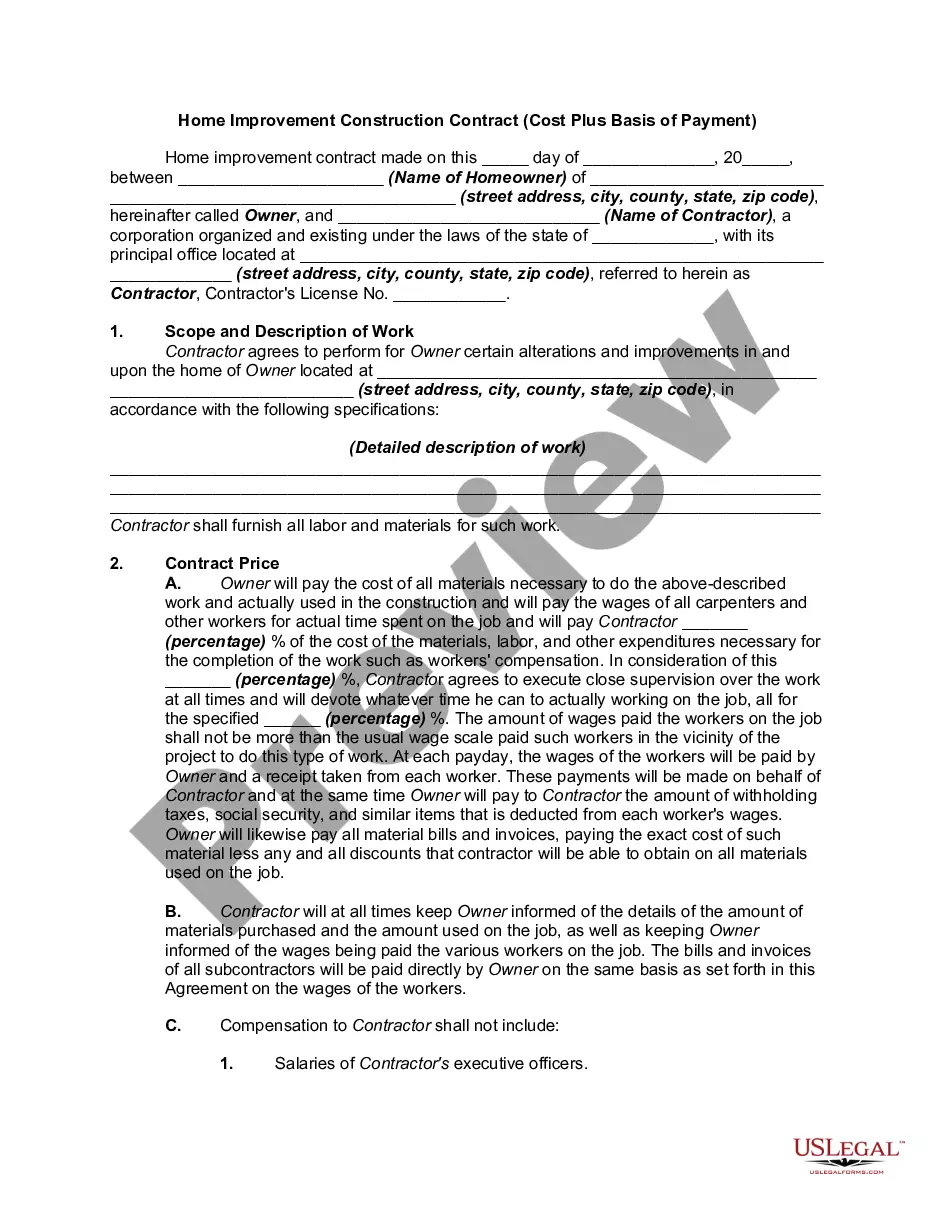
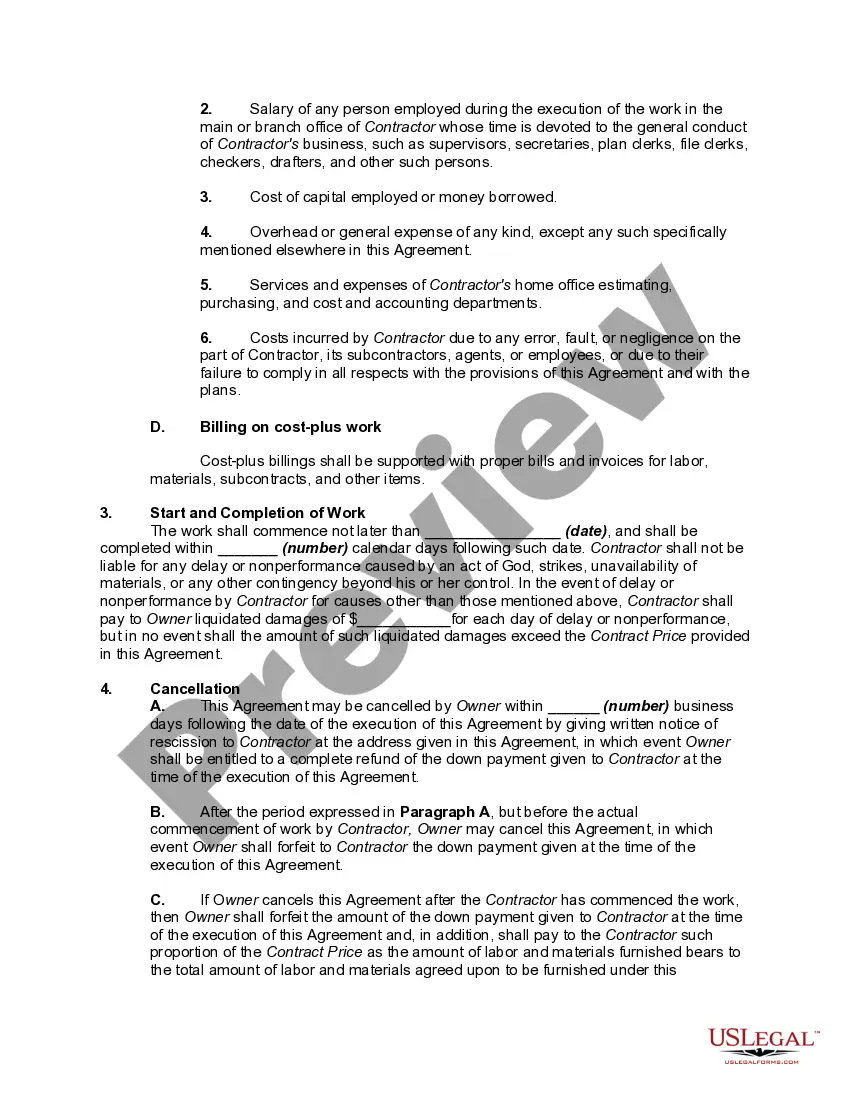
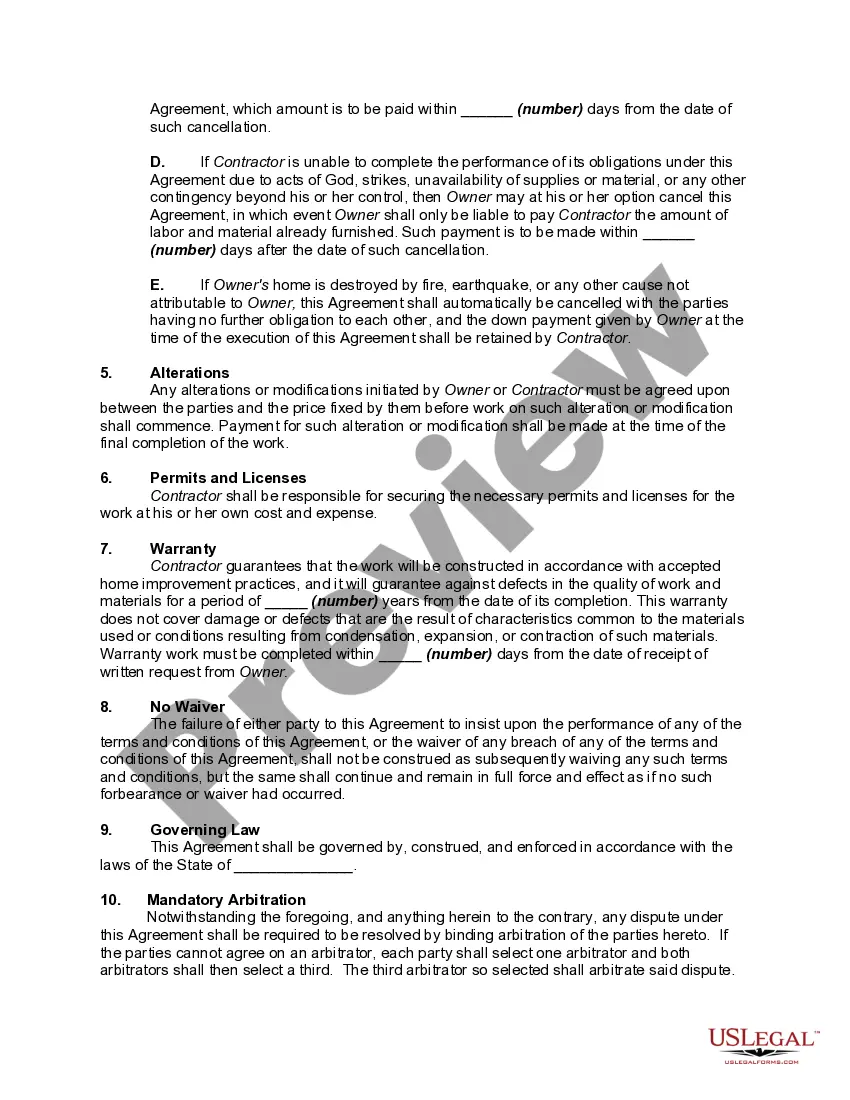
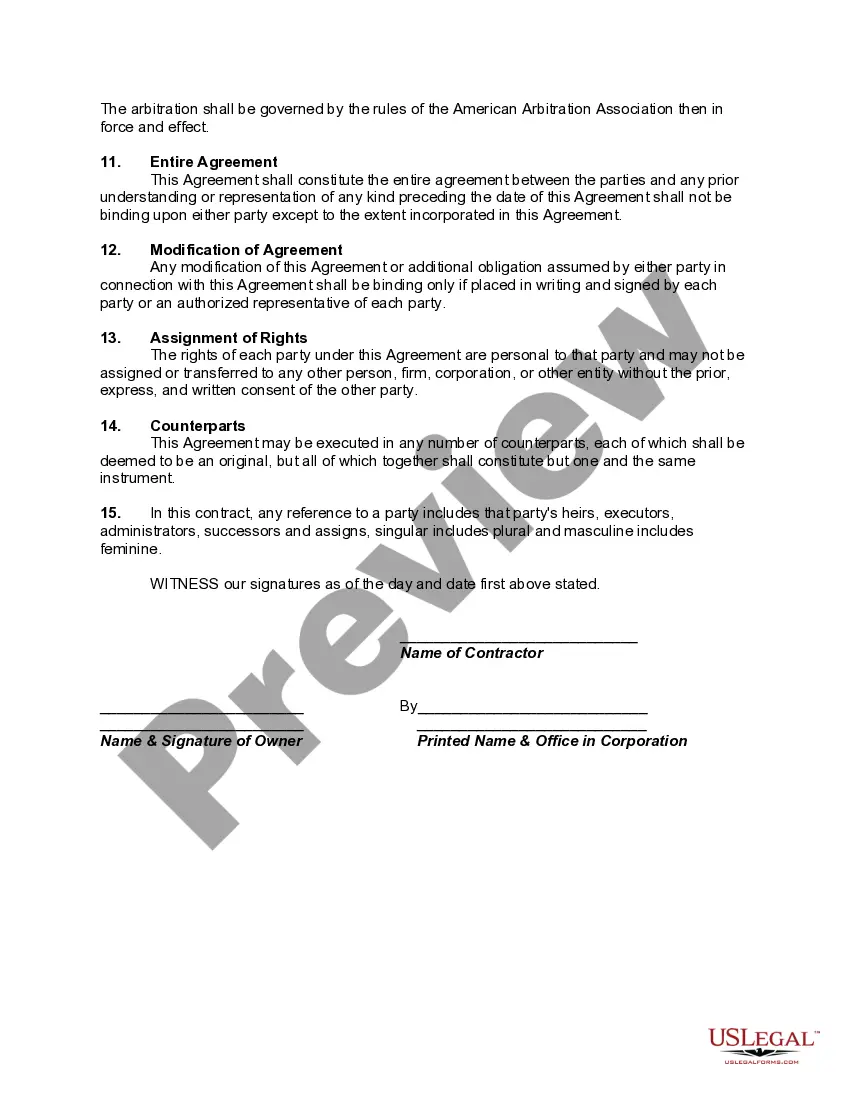
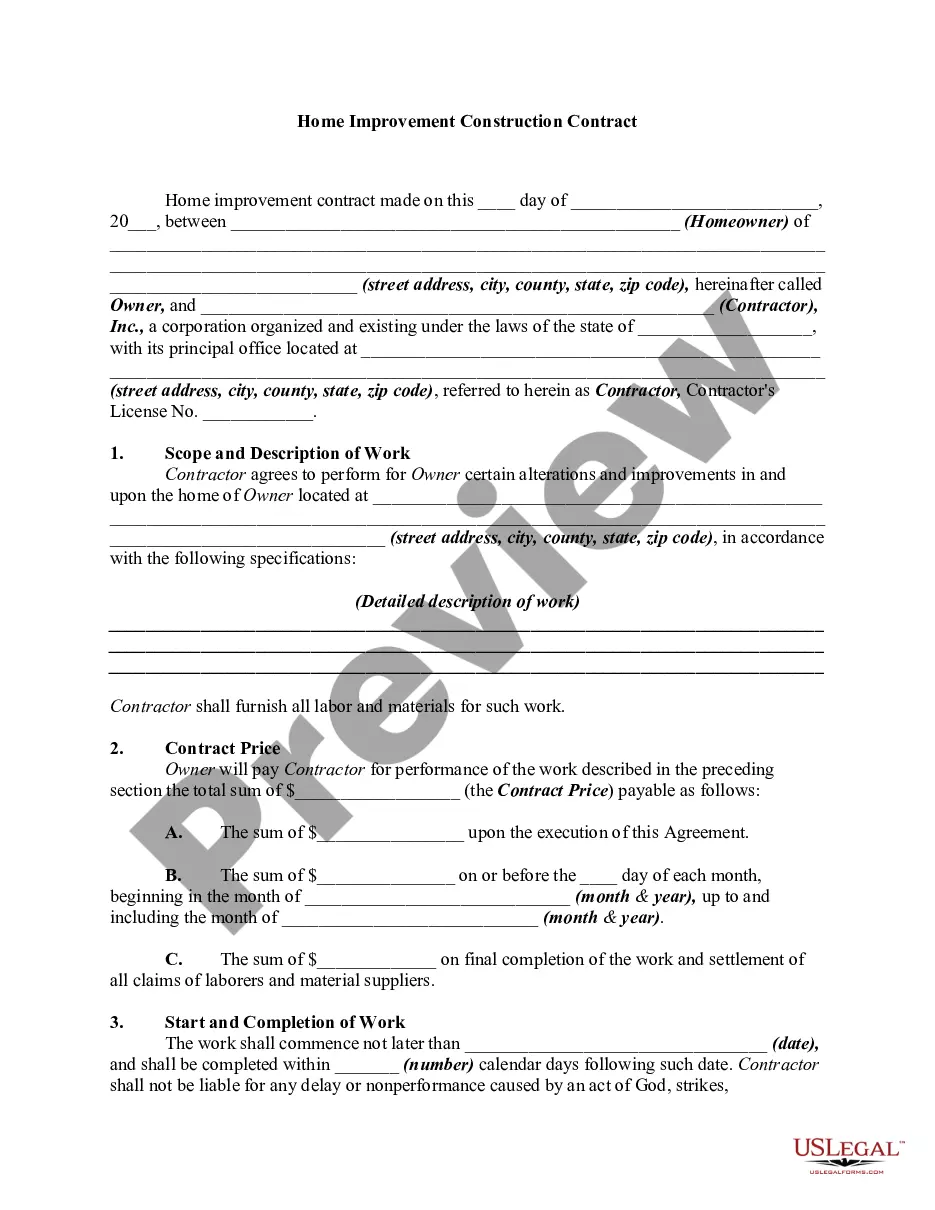

How to fill out Home Improvement Or Remodeling Construction Contract - Cost Plus Basis Of Payment?
Finding a reliable source for the latest and most suitable legal forms is a significant part of dealing with bureaucracy.
Selecting the correct legal documents requires accuracy and careful consideration, highlighting the importance of obtaining samples of the Cost Plus Incentive Fee Contract Formula solely from trusted providers, such as US Legal Forms.
After obtaining the form on your device, you can modify it using the editor or print it out to fill it in manually. Eliminate the hassle that comes with your legal documents. Browse the extensive collection of US Legal Forms where you can locate legal templates, verify their relevance to your situation, and download them immediately.
- Use the library navigation or search bar to locate your template.
- Check the information of the form to ensure it meets the criteria of your state and area.
- Preview the form, if available, to confirm it is indeed the document you need.
- If the Cost Plus Incentive Fee Contract Formula does not meet your requirements, go back and search for the right template.
- If you are confident about the form’s applicability, proceed to download it.
- If you are an authorized user, click Log in to verify your identity and access your selected templates in My documents.
- If you do not have an account yet, click Buy now to purchase the template.
- Choose the pricing option that suits your needs.
- Proceed to register to finalize your transaction.
- Complete your payment by selecting a payment method (credit card or PayPal).
- Choose the document format for downloading the Cost Plus Incentive Fee Contract Formula.
Form popularity
FAQ
The primary difference between Cost Plus Fixed Fee (CPFF) and Cost Plus Incentive Fee (CPIF) contracts lies in how the contractor’s fee is structured. With CPFF, the contractor receives a fixed fee regardless of the cost incurred, while CPIF allows the contractor to earn additional incentives based on cost savings or performance objectives. Understanding this distinction helps you choose the right cost plus incentive fee contract formula for your project's specific needs. By selecting the appropriate contract type, you can enhance contractor motivation and improve project outcomes.
A Cost Plus Award Fee (CPAF) contract is a type of agreement where the contractor is reimbursed for their allowable costs plus an additional fee based on performance. This fee incentivizes the contractor to enhance performance while maintaining cost efficiency. By using the cost plus incentive fee contract formula, both parties can align their interests and work towards achieving project goals effectively. Understanding this contract type can significantly impact your project’s success and budgeting.
Cost plus incentive fee contracts utilize a formula that allows contractors to be reimbursed for their costs plus an additional fee based on performance. This fee encourages efficiency and cost-saving measures during project execution. The underlying cost plus incentive fee contract formula ensures that both the contractor and the client benefit from savings, fostering a cooperative relationship. By using this type of contract, you can align interests while encouraging high-quality delivery.
A 20% incentive means that the contractor will receive 20% of the savings they generate below a specific budget threshold. In the context of the cost plus incentive fee contract formula, this encourages the contractor to minimize costs and maximize savings. For example, if the project costs come in significantly under budget, the contractor directly benefits from this lower expenditure, enhancing their motivation to perform efficiently. By utilizing this incentive structure, both parties can achieve better financial outcomes.
Incentive fees are calculated based on the cost savings achieved by the contractor compared to the baseline costs. Using the cost plus incentive fee contract formula, the contractor earns a percentage of the savings as an incentive. For instance, if the actual costs are lower than the estimates, the contractor benefits from the savings along with the agreed-upon incentive. This method promotes efficiency and cost-effectiveness in project execution.
The formula for incentive within a cost plus incentive fee contract formula typically includes the base cost to the contractor plus a predetermined percentage of the cost savings or performance incentives. This setup encourages contractors to control costs while still delivering quality work. By aligning interests between the contractor and the project owner, the formula fosters a cooperative working relationship. Understanding this formula can help you negotiate better terms in your contracts.
The contractor is paid a fee based on a percentage of the total cost of the project. This means that the contractor has the incentive to complete the project within budget and to avoid any unnecessary costs. The contractor is also incentivized to complete the project on time, as delays can result in increased costs.
(a) Description. The cost-plus-incentive-fee contract is a cost-reimbursement contract that provides for the initially negotiated fee to be adjusted later by a formula based on the relationship of total allowable costs to total target costs.
A: As an example, a cost-plus contract may establish that the total estimated cost of a building project is $10 million plus a fixed fee of $1.5 million, roughly 15% of the total cost, as the contractor's profit. So the total expense to the buyer would be approximately $11.5 million ?the cost plus the fee.
Under a cost-plus contract, the contractor is reimbursed for all costs incurred during the project, including labor, materials, equipment, and overhead costs. This means that the actual cost of the project is determined by the contractor's expenses, and not by a predetermined fixed price.