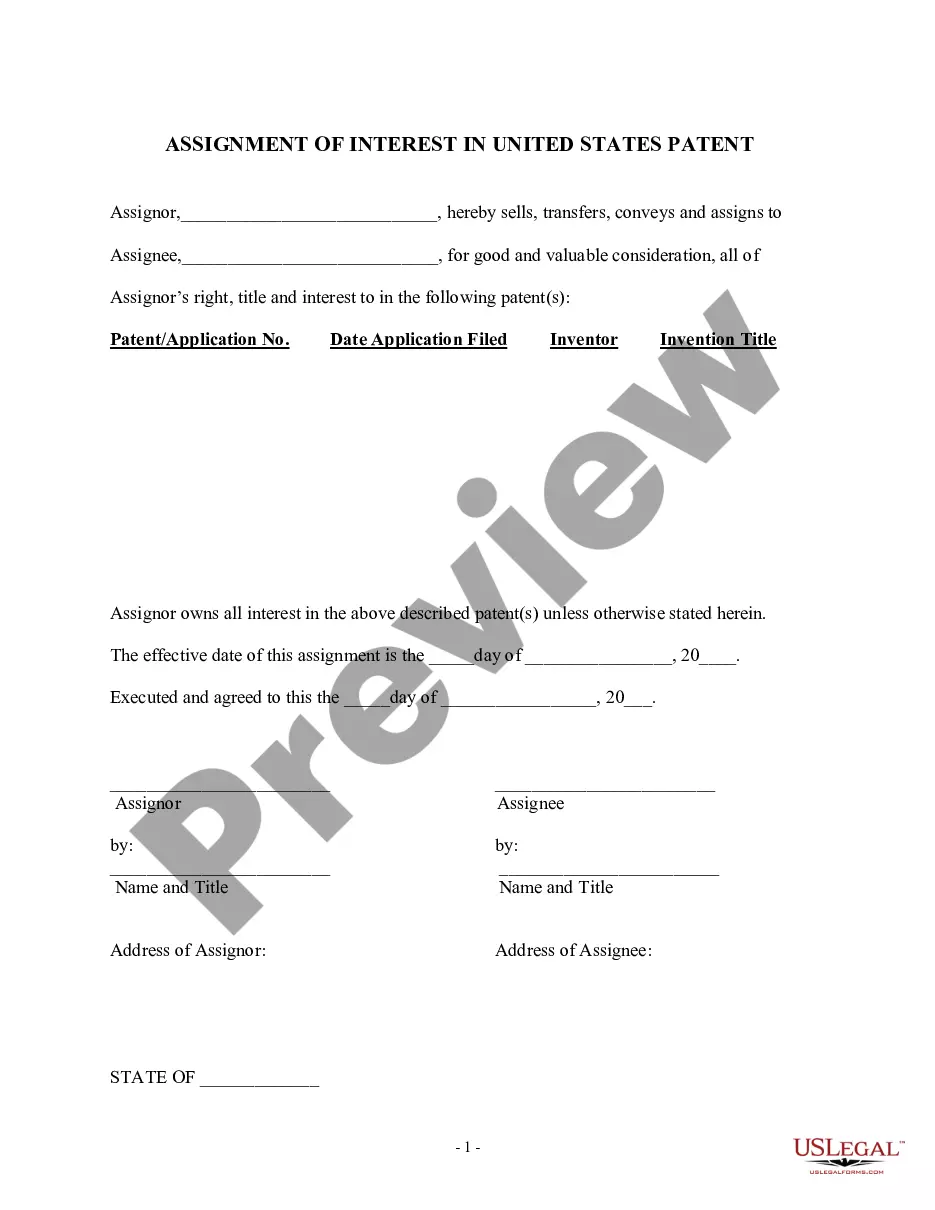
Assignment States Patent For The United States
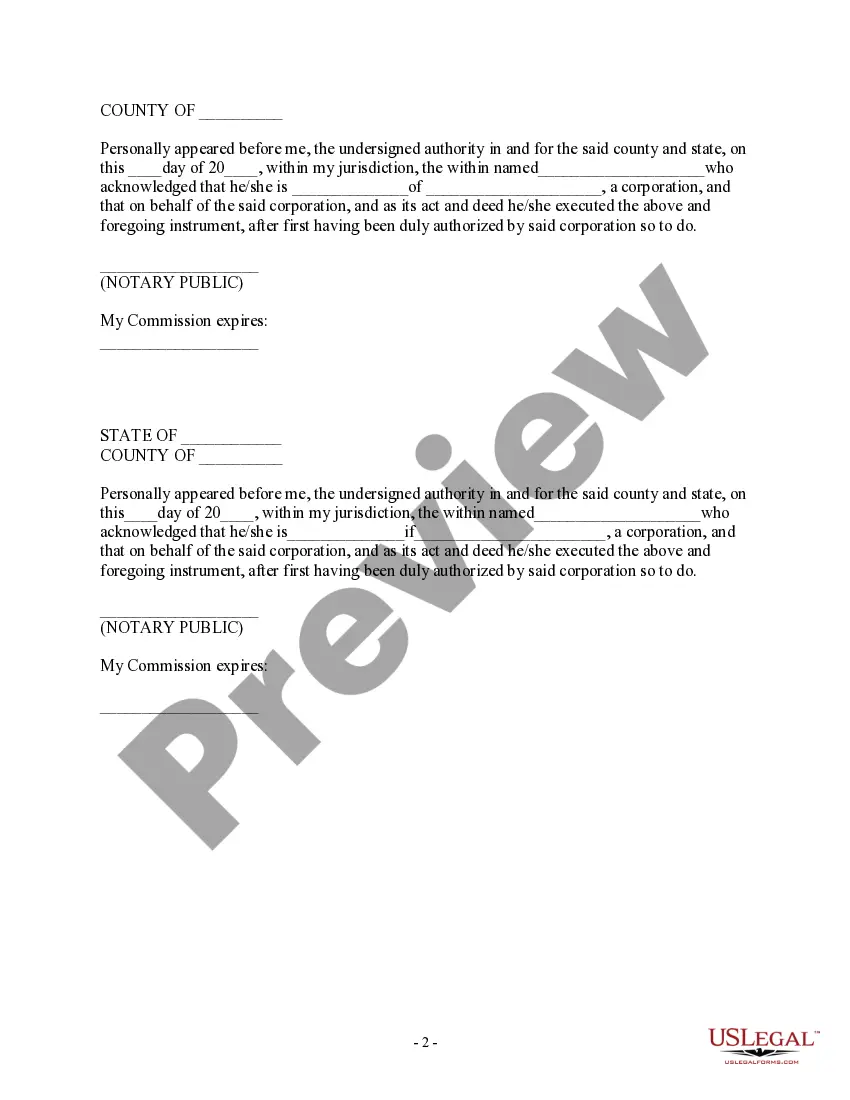
Description
Get your form ready online
Our built-in tools help you complete, sign, share, and store your documents in one place.
Make edits, fill in missing information, and update formatting in US Legal Forms—just like you would in MS Word.
Download a copy, print it, send it by email, or mail it via USPS—whatever works best for your next step.
Sign and collect signatures with our SignNow integration. Send to multiple recipients, set reminders, and more. Go Premium to unlock E-Sign.
If this form requires notarization, complete it online through a secure video call—no need to meet a notary in person or wait for an appointment.
We protect your documents and personal data by following strict security and privacy standards.

Make edits, fill in missing information, and update formatting in US Legal Forms—just like you would in MS Word.

Download a copy, print it, send it by email, or mail it via USPS—whatever works best for your next step.

Sign and collect signatures with our SignNow integration. Send to multiple recipients, set reminders, and more. Go Premium to unlock E-Sign.

If this form requires notarization, complete it online through a secure video call—no need to meet a notary in person or wait for an appointment.

We protect your documents and personal data by following strict security and privacy standards.
Looking for another form?





How to fill out Assignment Of Interest In United States Patent?
- Log in to your US Legal Forms account if you're an existing user and ensure your subscription is active. If your subscription has expired, renew it as per your payment plan.
- If you are new to US Legal Forms, start by browsing the preview mode and reviewing the form descriptions to find the document that best suits your specific requirements and complies with local laws.
- Should you encounter the need for another template, utilize the Search tab to locate the appropriate documentation. When you find suitable forms, proceed to the next step.
- Select your document by clicking the Buy Now button. Choose a subscription plan that fits your needs and register for an account to access the full range of resources.
- Complete your purchase by entering your payment details via credit card or PayPal account for a seamless transaction.
- Upon successful payment, download your completed form and save it on your device. You can also access it later in the My Forms section of your account whenever necessary.
By following these simple steps, you can efficiently procure the legal documents necessary for your patent assignment, ensuring you have the quality and accuracy needed for successful filings.
Ready to get started? Visit US Legal Forms now to streamline your patent process!
Form popularity
FAQ
Assignment involves the transfer of patent ownership, while inventorship refers to the individuals who contributed to the conception of the invention. Being an inventor does not automatically grant rights to the patent unless those rights are formally assigned. Clarifying the distinction between assignment and inventorship is fundamental when dealing with assignment states patent for the United States.
An assignment patent refers to a patent that has been transferred from the original inventor to another party through an assignment agreement. This process effectively changes the patent's ownership and the rights to its commercial use. Staying informed about assignment states patent for the United States helps in navigating these transactions.
The three types of US patents are utility patents, design patents, and plant patents. Utility patents protect new processes, machines, or compositions of matter, while design patents safeguard new, original designs for manufactured products. Plant patents cover new varieties of plants. Understanding these types is essential when discussing assignment states patent for the United States.
Recording a patent assignment protects the rights of the new owner and establishes legal ownership in case of disputes. This public record serves as notice to others that you hold the rights to the patent. Thus, managing assignment states patent for the United States effectively requires diligent record-keeping.
Yes, recording a patent assignment with the USPTO is vital for it to have legal effect against third parties. If an assignment is not recorded, previous owners may still enforce their rights, complicating ownership claims. Therefore, keeping accurate records of assignment states patent for the United States is essential for ensuring proper ownership.
You can determine if a patent has been assigned by searching the assignment records in the USPTO database. This database provides details about the current owner of the patent, as well as any changes in ownership over time. By checking these records, you gain insights into the assignment states patent for the United States and understand who holds the patent rights.
Similar to patent assignments, trademark assignments do not typically require notarization to be effective. However, notarization may enhance the credibility of the assignment in certain situations. If you want to ensure that your trademark assignments adhere to legal standards, using services like USLegalForms can provide you with the necessary tools and templates to navigate the process confidently.
While a patent assignment does not require a witness to be legally valid in the United States, having one can provide additional protection in case of disputes. It is always a good practice to have someone witness the signing of important documents, as this can help verify the authenticity of the agreement. Consider using USLegalForms for templates and guidance on how to execute your patent assignments with care.
An assignment agreement for a patent does not necessarily need to be notarized to be valid in the United States. However, notarization can add an extra layer of security and might be required by certain states or parties involved in the assignment. To ensure compliance and clarity, consider consulting a legal expert or check resources like USLegalForms, which can guide you through the assignment process.
You can find patent assignments through the USPTO's online database, which provides access to recorded assignments for patents in the United States. This database allows you to search by patent number, assignee name, or assignment date to locate specific assignments. Additionally, using services like USLegalForms can streamline your search for patent assignments and help you obtain the necessary documents.