Writ Mandamus Statement With Uscis
Description
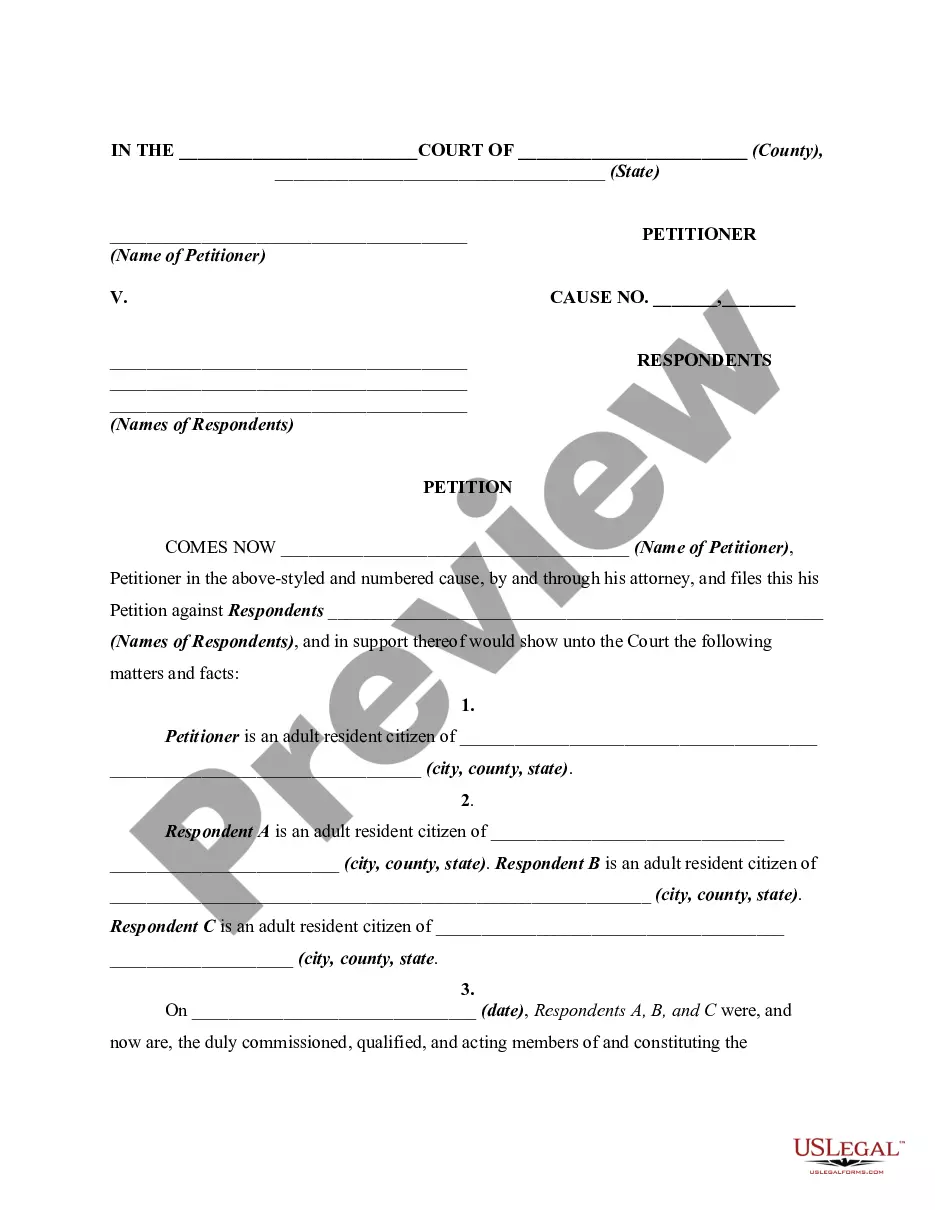
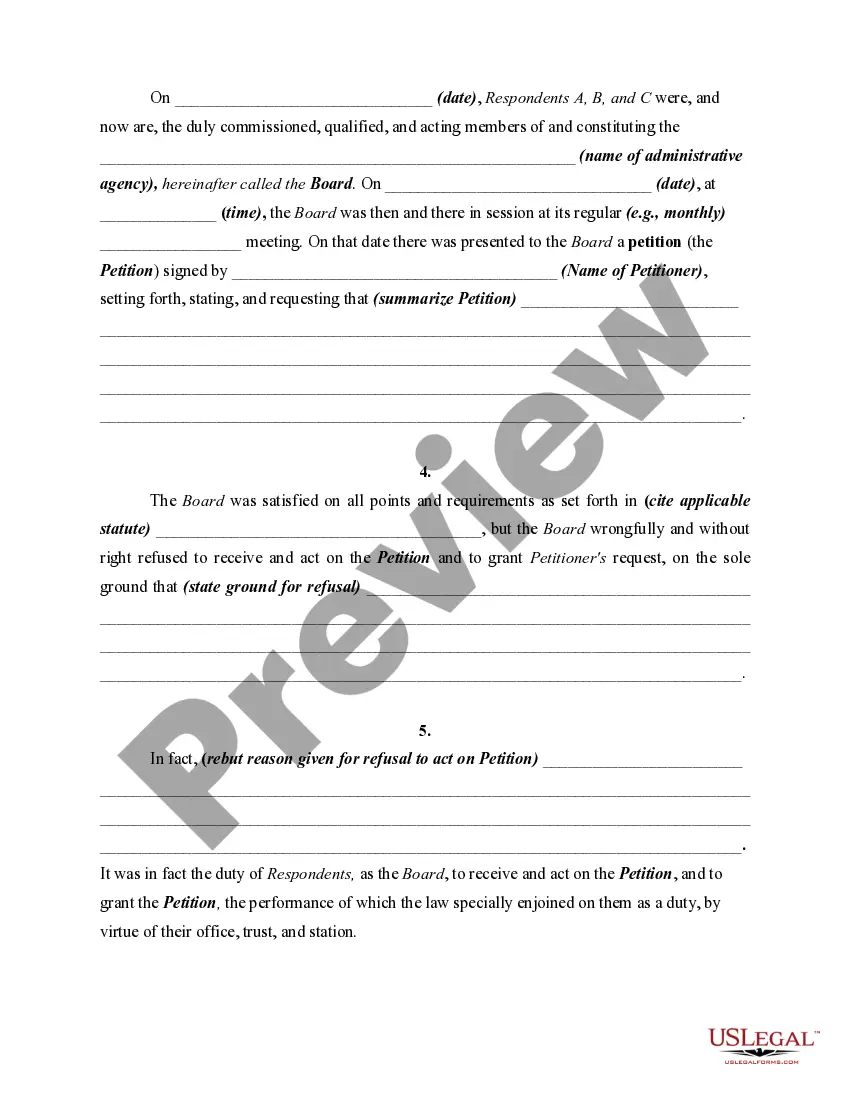
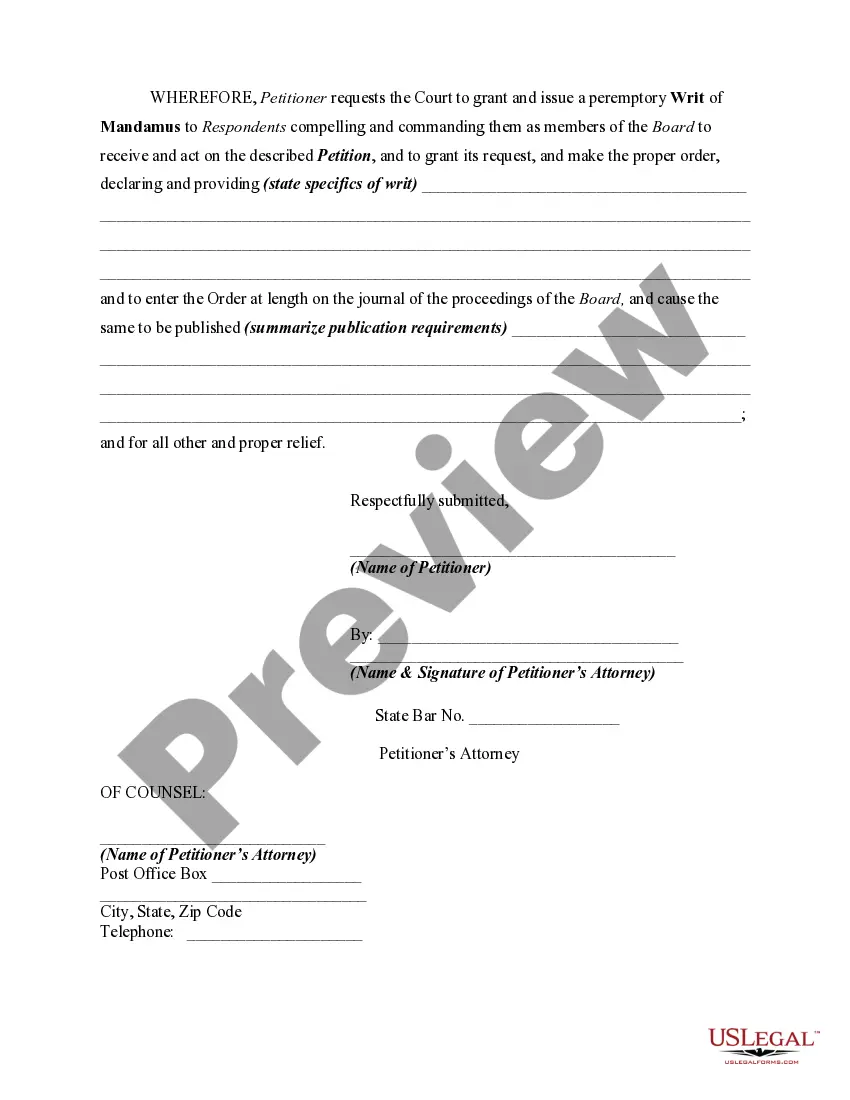
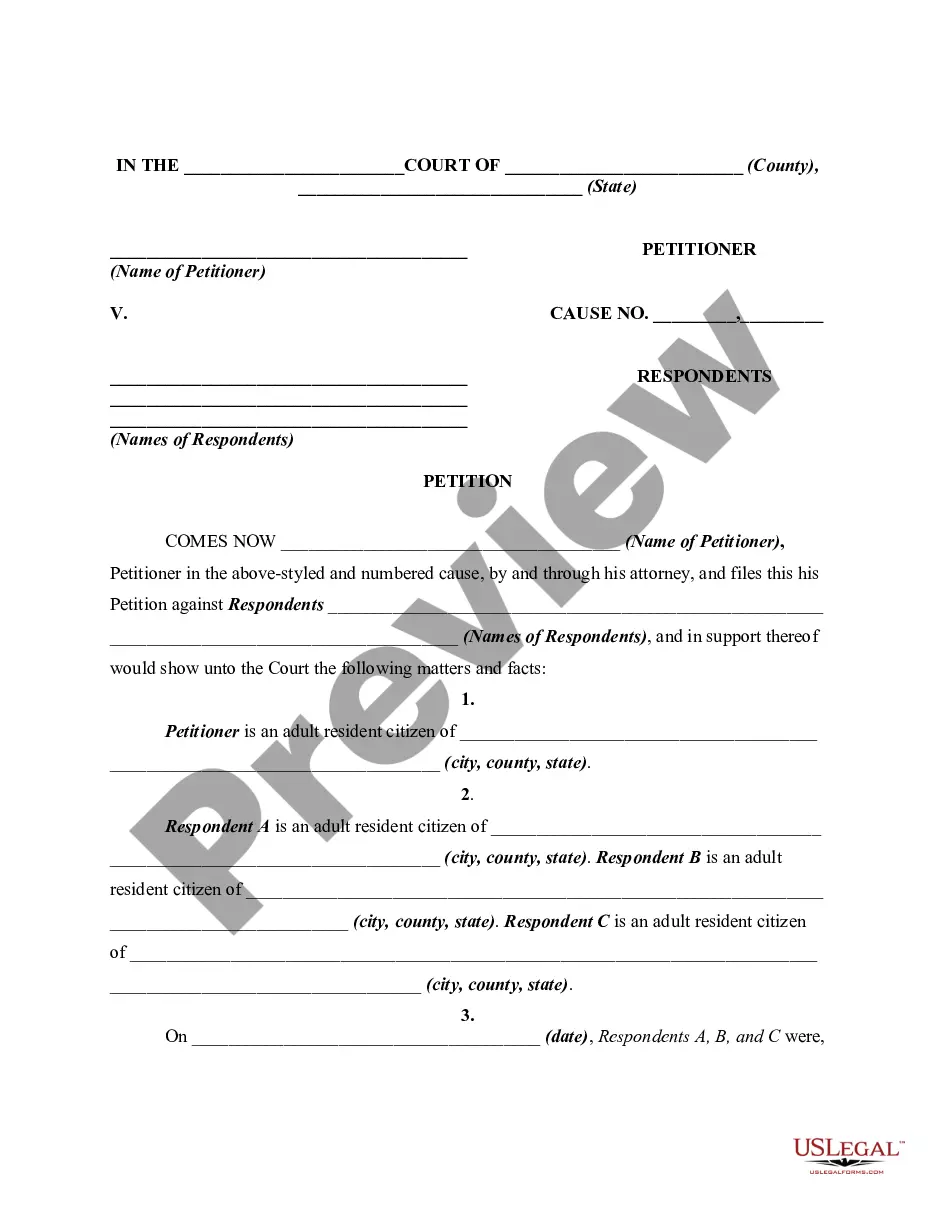
Get your form ready online
Our built-in tools help you complete, sign, share, and store your documents in one place.
Make edits, fill in missing information, and update formatting in US Legal Forms—just like you would in MS Word.
Download a copy, print it, send it by email, or mail it via USPS—whatever works best for your next step.
Sign and collect signatures with our SignNow integration. Send to multiple recipients, set reminders, and more. Go Premium to unlock E-Sign.
If this form requires notarization, complete it online through a secure video call—no need to meet a notary in person or wait for an appointment.
We protect your documents and personal data by following strict security and privacy standards.

Make edits, fill in missing information, and update formatting in US Legal Forms—just like you would in MS Word.

Download a copy, print it, send it by email, or mail it via USPS—whatever works best for your next step.

Sign and collect signatures with our SignNow integration. Send to multiple recipients, set reminders, and more. Go Premium to unlock E-Sign.

If this form requires notarization, complete it online through a secure video call—no need to meet a notary in person or wait for an appointment.

We protect your documents and personal data by following strict security and privacy standards.
Looking for another form?
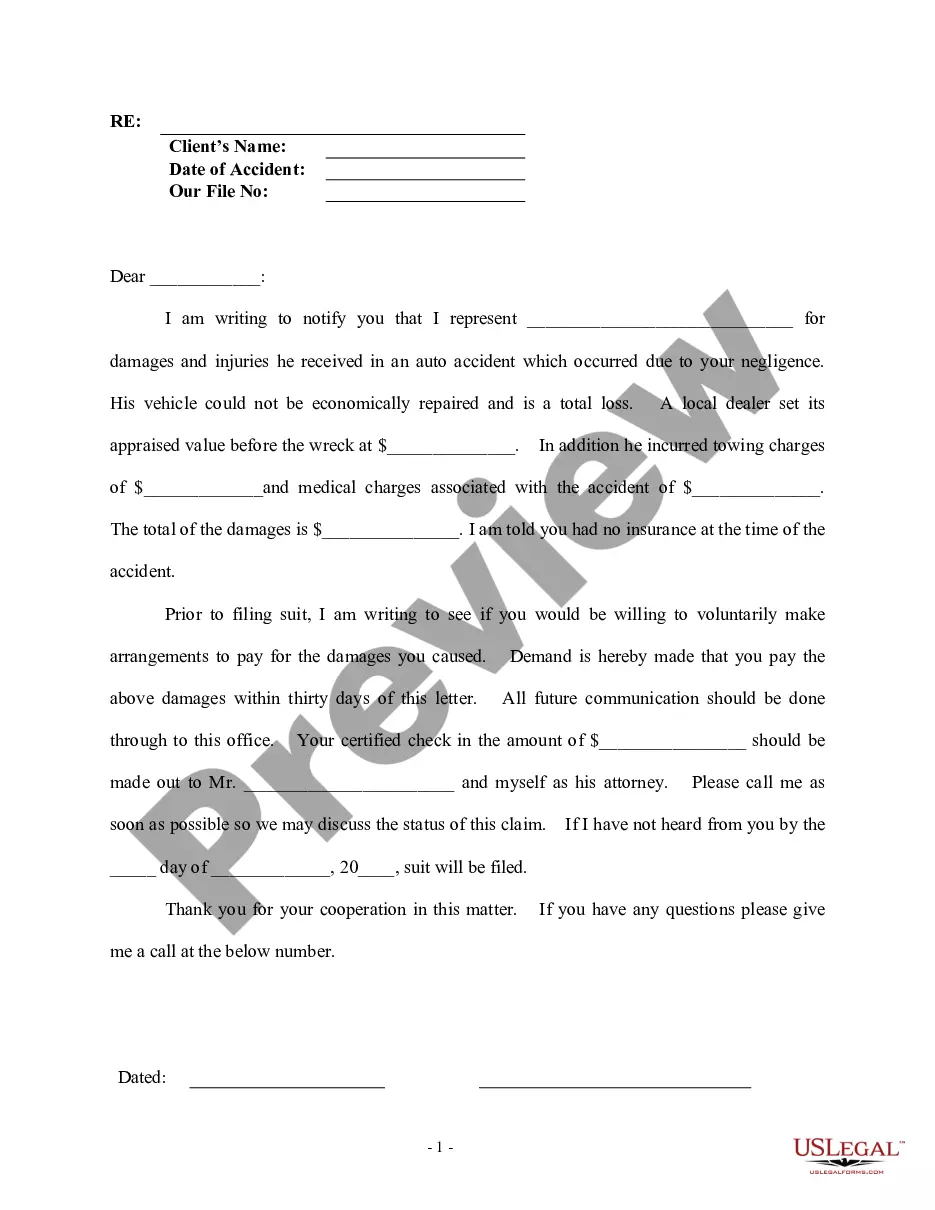
How to fill out Petition Or Application For Writ Of Mandamus Or Mandate For Refusal Of Administrative Agency To Act On Petition?
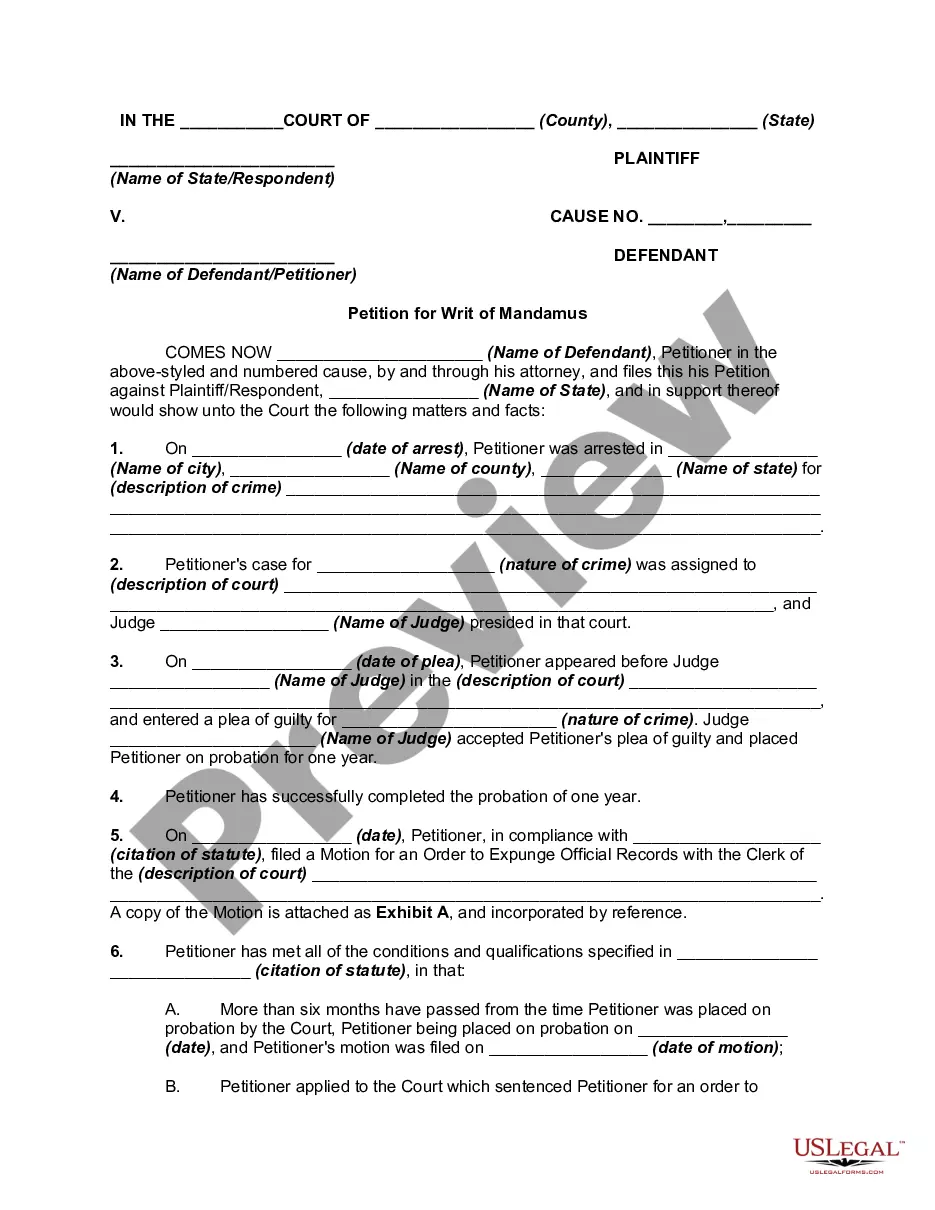
The Writ Mandamus Statement With Uscis that you see on this page is a reusable formal template crafted by expert attorneys in accordance with federal and state regulations.
For over 25 years, US Legal Forms has supplied individuals, businesses, and legal experts with more than 85,000 verified, state-specific documents for various business and personal needs. It’s the quickest, simplest, and most dependable method to acquire the paperwork you require, as the service ensures the highest level of data protection and malware safety.
Subscribe to US Legal Forms to have verified legal templates for all of life's scenarios readily available.
- Look for the document you require and examine it. Skim through the sample you searched and preview it or review the form description to verify it meets your needs. If it doesn’t, use the search feature to find the correct one. Click Buy Now once you have located the template you need.
- Select and sign in. Choose the pricing plan that best fits your preferences and create an account. Use PayPal or a credit card to make a swift payment. If you already have an account, Log In and verify your subscription to continue.
- Obtain the editable template. Opt for the format you desire for your Writ Mandamus Statement With Uscis (PDF, DOCX, RTF) and download the sample onto your device.
- Complete and sign the document. Print the template to fill it out manually. Alternatively, use an online multifunctional PDF editor to swiftly and accurately complete and sign your form with a valid signature.
- Redownload your paperwork when necessary. Utilize the same document again whenever required. Access the My documents tab in your profile to redownload any forms you have previously purchased.
Form popularity
FAQ
An advance healthcare directive, also known as living will, personal directive, advance directive, medical directive or advance decision, is a legal document in which a person specifies what actions should be taken for their health if they are no longer able to make decisions for themselves because of illness or ...
The most common types of advance directives are the living will and the durable power of attorney for health care (sometimes known as the medical power of attorney). There are many advance directive formats.
- An advance directive is a written document that provides directions for the provision of care when a client is unable to make his or her own treatment choices; the two basic types of advance directives are the instructional living will and the durable power of attorney for health care.
The two most common advance directives for health care are the living will and the durable power of attorney for health care. Living will: A living will is a legal document that tells doctors how you want to be treated if you cannot make your own decisions about emergency treatment.
Oklahoma's advance directive form provides space for you to appoint a primary health care proxy and an alternate health care proxy. Your health care proxy will be able to access your medical information and talk with your doctors about treatment options.
A: An Advance Directive must be signed before two witnesses who are 18 or older. The witnesses cannot be beneficiaries under your will nor may they be persons who would inherit your property if you died without a will. An Advance Directive is not required to be notarized.
Advance directives are legal documents that extend a person's control over health care decisions in the event that the person becomes incapacitated. They are called advance directives because they communicate preferences before incapacitation occurs.
The two most common advance directives for health care are the living will and the durable power of attorney for health care.