Ejectment For Lands
Description
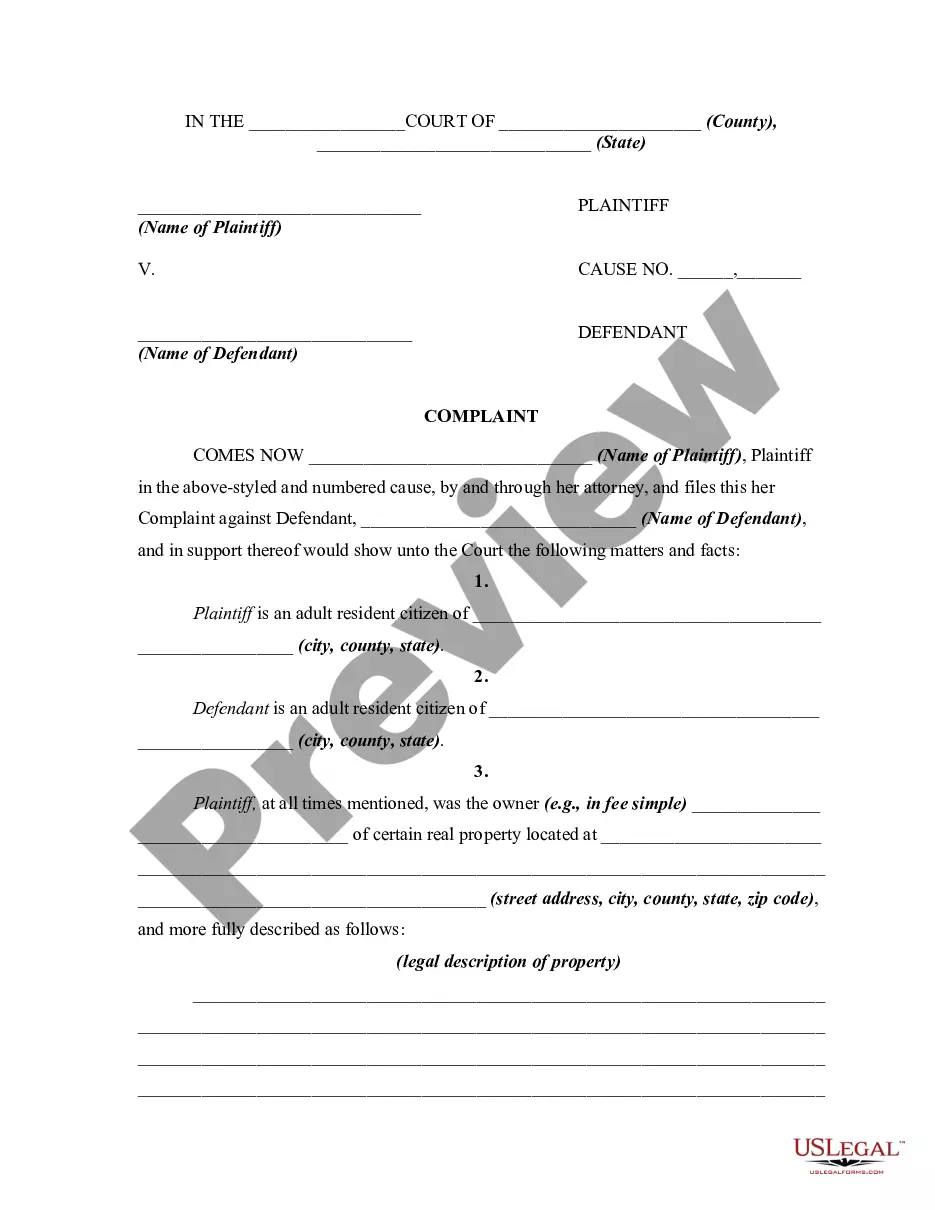
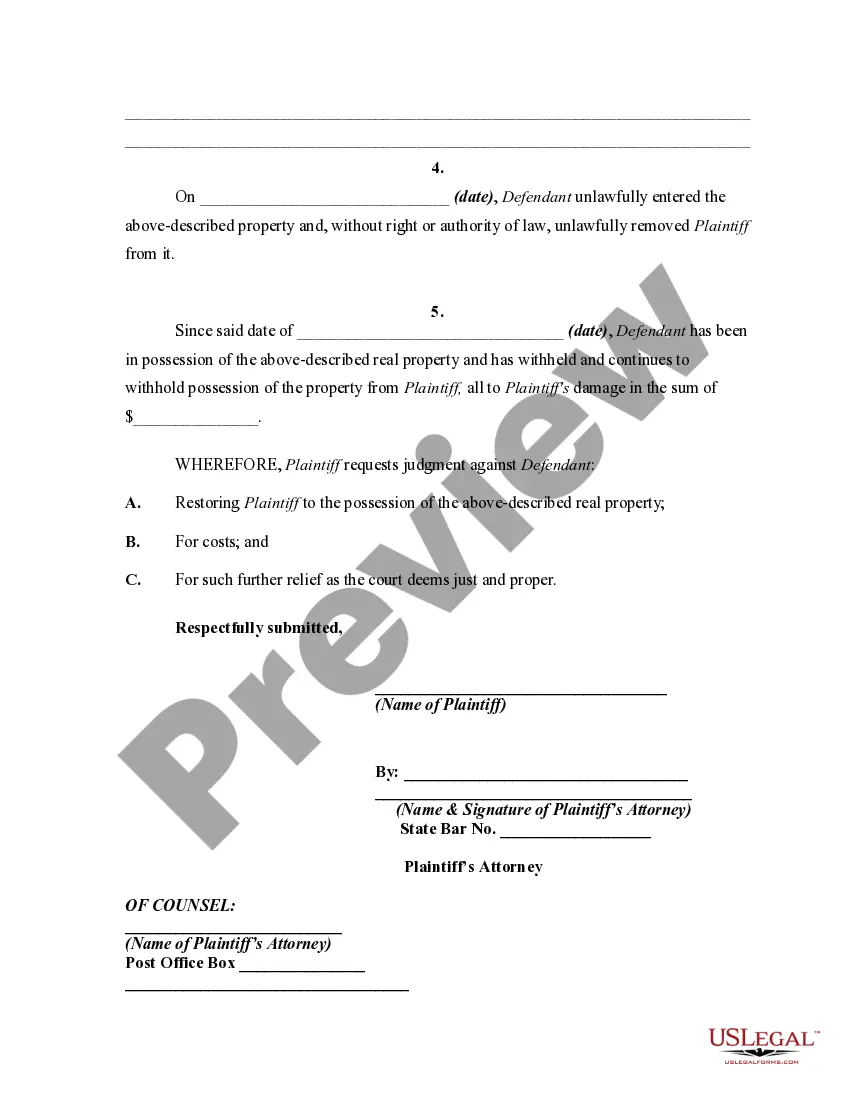

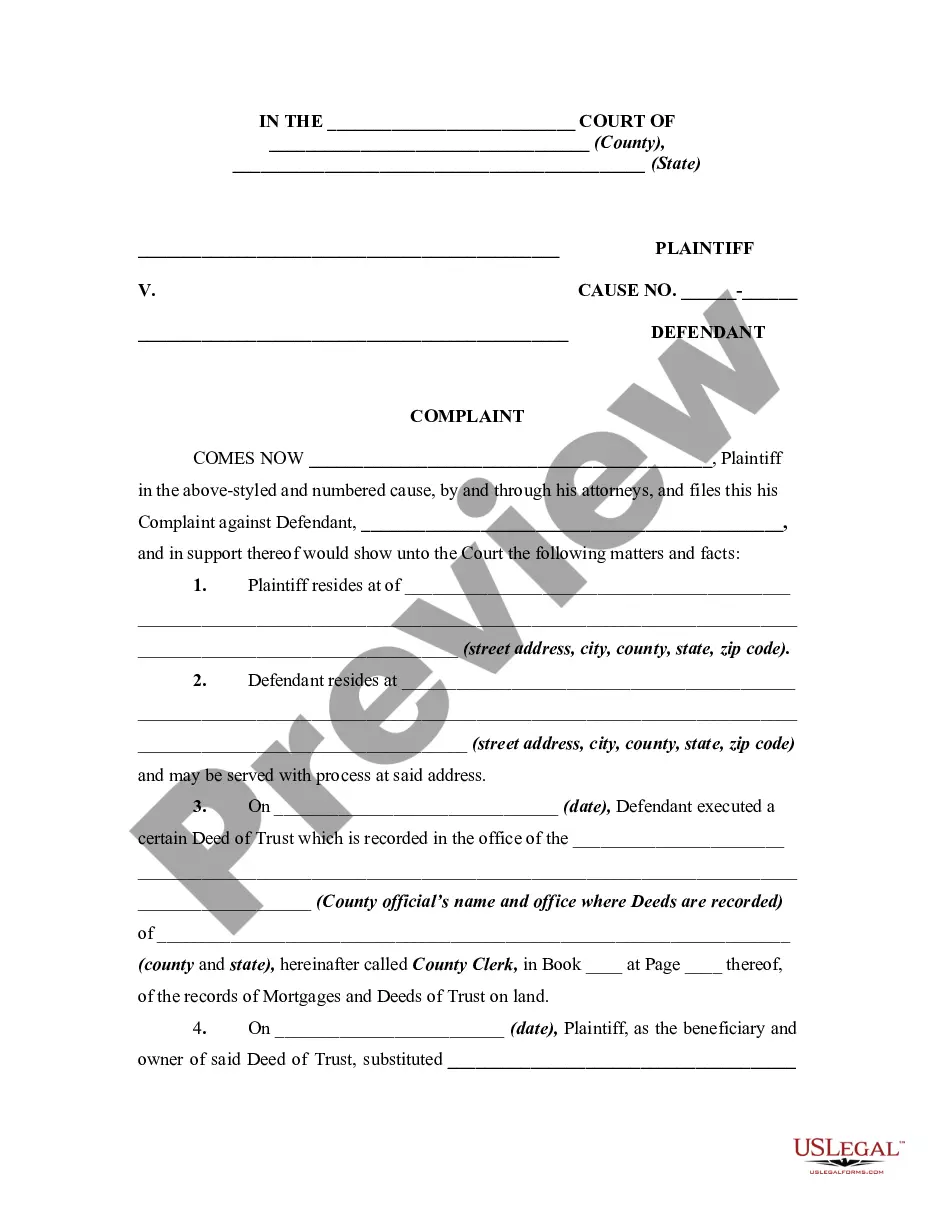
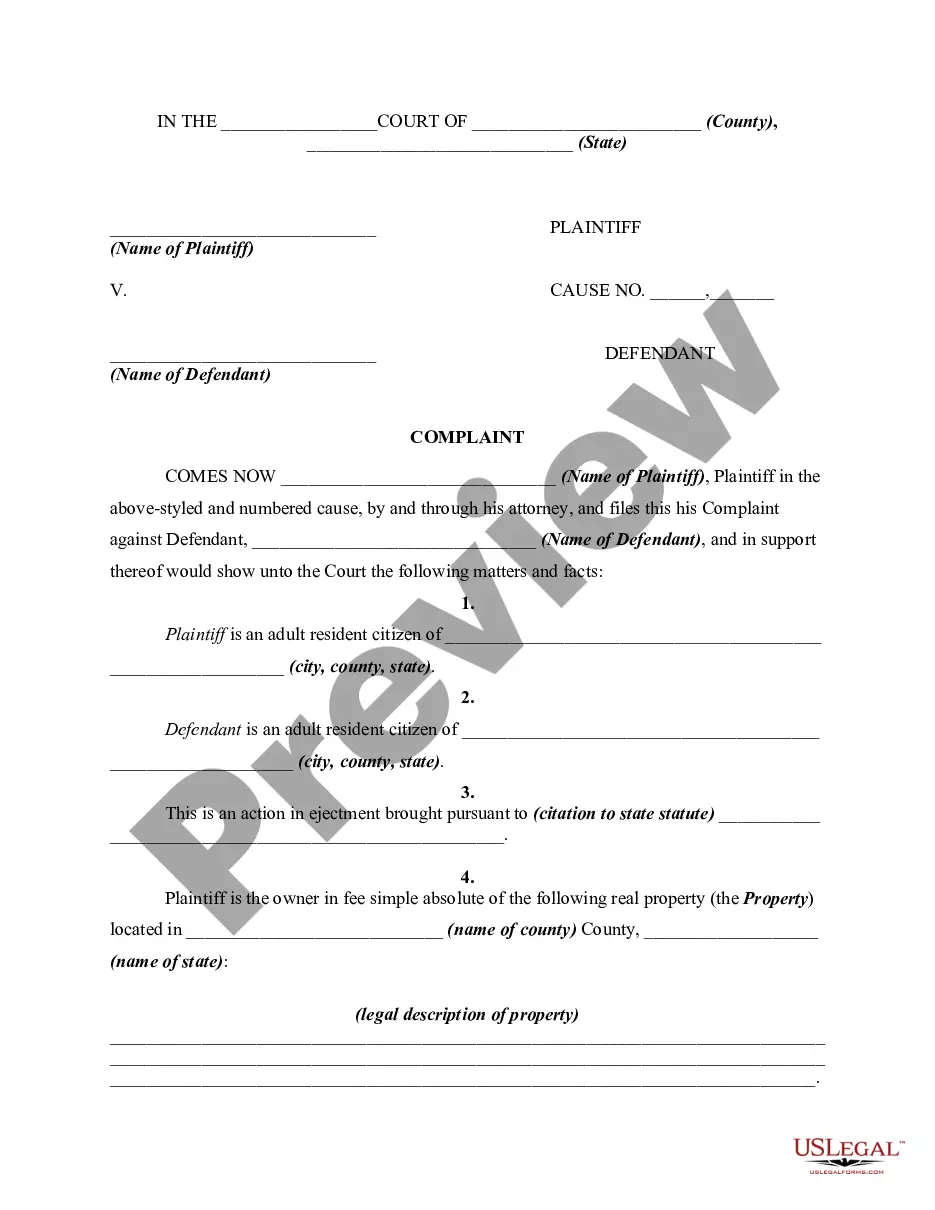
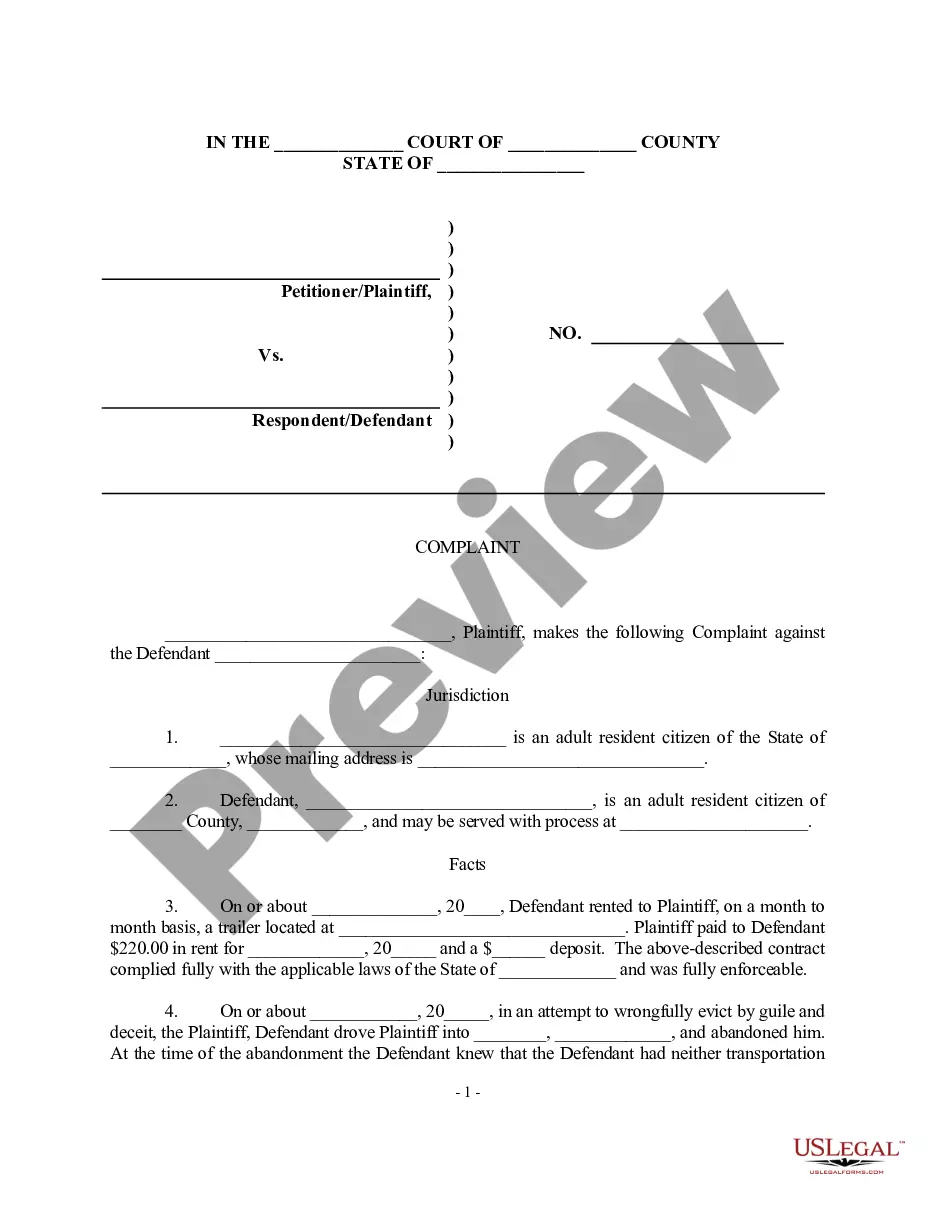
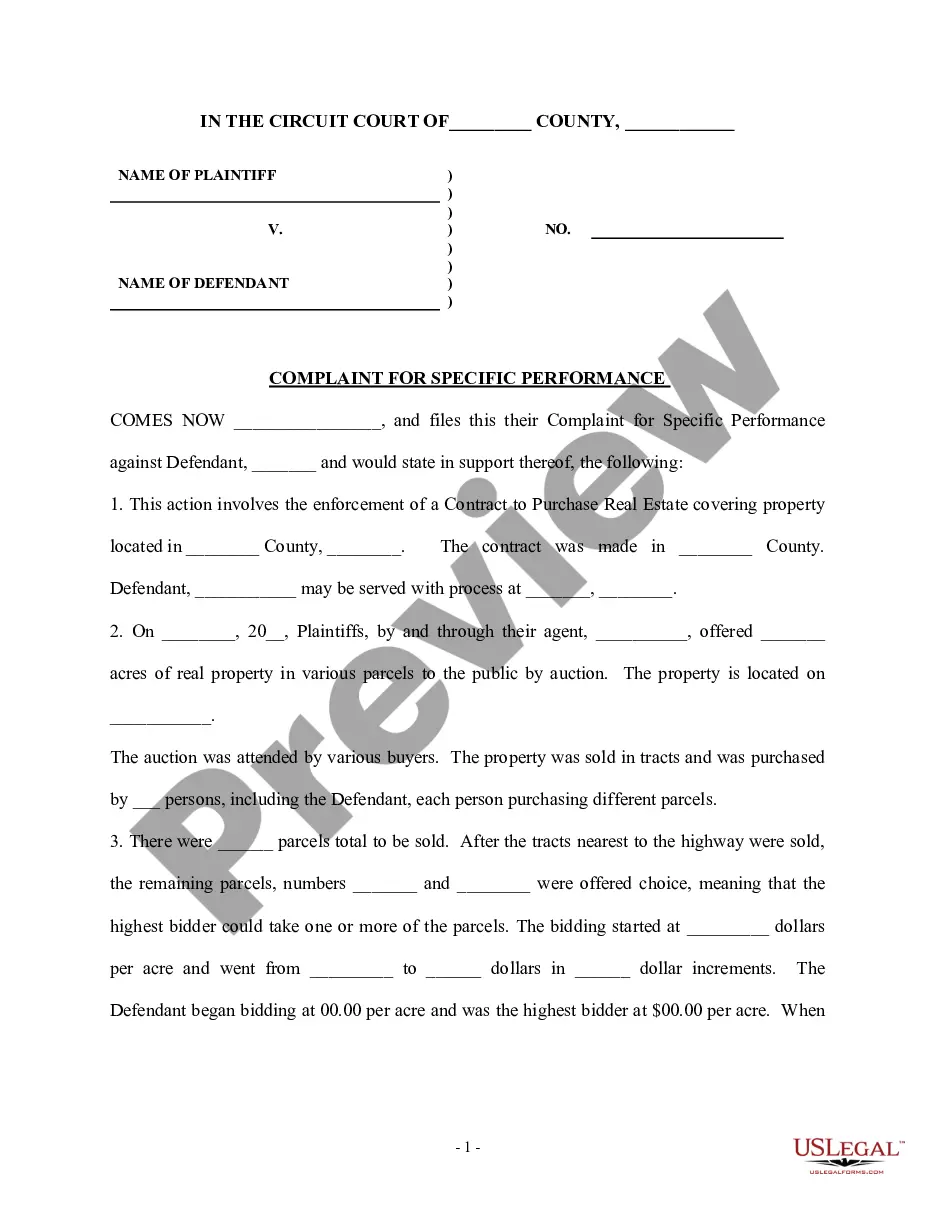
Get your form ready online
Our built-in tools help you complete, sign, share, and store your documents in one place.
Make edits, fill in missing information, and update formatting in US Legal Forms—just like you would in MS Word.
Download a copy, print it, send it by email, or mail it via USPS—whatever works best for your next step.
Sign and collect signatures with our SignNow integration. Send to multiple recipients, set reminders, and more. Go Premium to unlock E-Sign.
If this form requires notarization, complete it online through a secure video call—no need to meet a notary in person or wait for an appointment.
We protect your documents and personal data by following strict security and privacy standards.

Make edits, fill in missing information, and update formatting in US Legal Forms—just like you would in MS Word.

Download a copy, print it, send it by email, or mail it via USPS—whatever works best for your next step.

Sign and collect signatures with our SignNow integration. Send to multiple recipients, set reminders, and more. Go Premium to unlock E-Sign.

If this form requires notarization, complete it online through a secure video call—no need to meet a notary in person or wait for an appointment.

We protect your documents and personal data by following strict security and privacy standards.
Looking for another form?
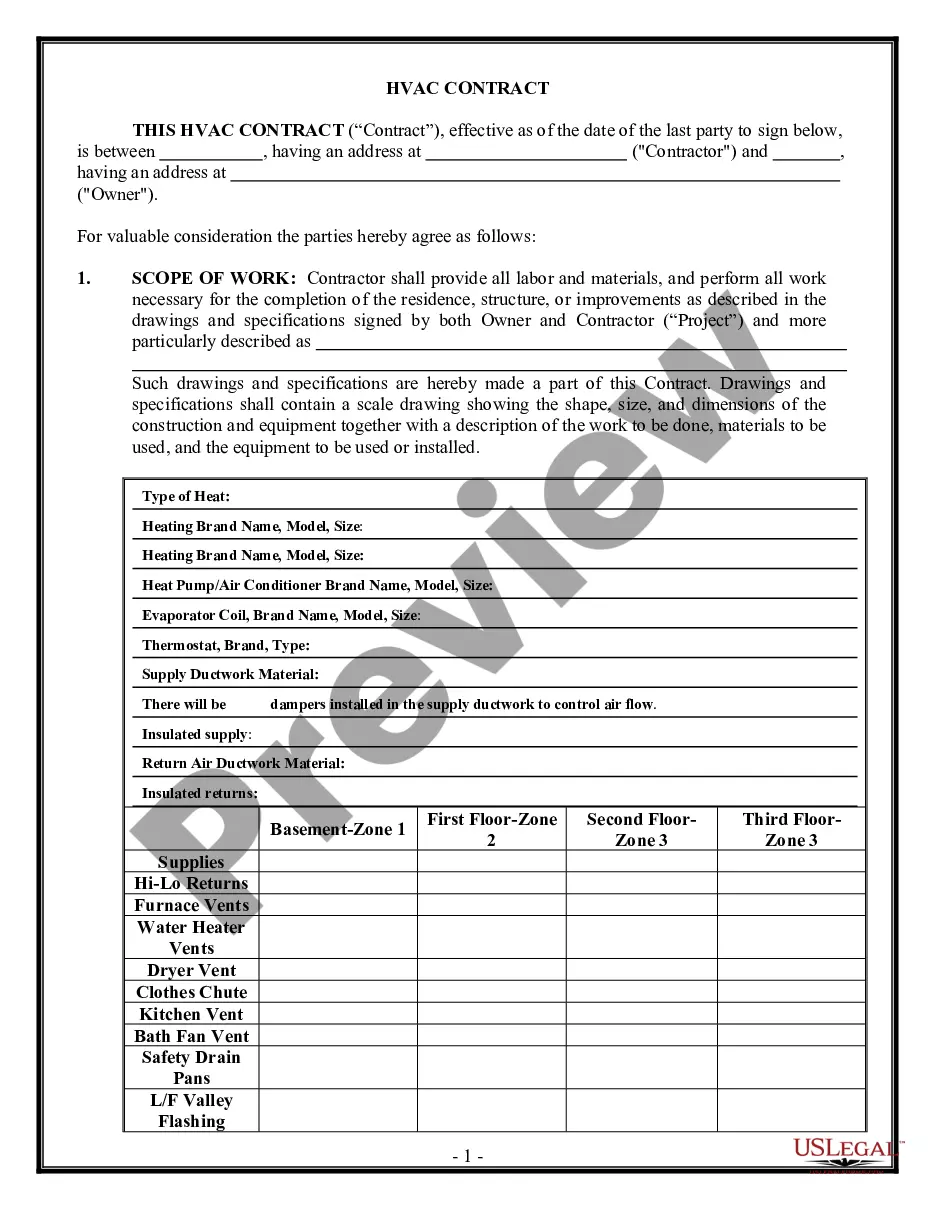


How to fill out General Form Of Complaint, Petition, Or Declaration For Ejectment?
- If you're a returning user, log in to your account, ensuring your subscription is active, and download the form template using the Download button.
- For first-time users, start by checking the Preview mode to understand the form descriptions. Confirm you've selected the correct template that fits your local jurisdiction needs.
- If the form isn't suitable, use the Search tab to locate another template that meets your requirements.
- Purchase the document by clicking the Buy Now button. You will need to register an account to gain access to the rich library of legal resources.
- Complete your purchase by entering your payment details through credit card or PayPal.
- Download your chosen form to your device, then find it later in the My Forms section of your profile.
US Legal Forms empowers users with a vast collection of over 85,000 fillable and editable legal forms, making it a premier choice for obtaining legal documentation. Each form is designed to ensure that all necessary legal requirements are met.
In conclusion, whether you're facing an ejectment for lands situation or need any legal forms, US Legal Forms simplifies the process and provides expert assistance. Start today by exploring our extensive library of forms!
Form popularity
FAQ
Defenses to ejectment can vary based on individual circumstances but often include arguments about the legality of the rental agreement or claims of improper notice. Some may also argue adverse possession if they have legitimate rights to the property. Being aware of these defenses can help one understand the complexities of ejectment for lands and prepare a stronger case in a legal proceeding.
A notice of ejectment is a formal document informing an occupant that they must vacate the property. It typically outlines the reasons for the ejectment and provides a specified time frame for the occupant to leave. Understanding this notice is crucial, as it initiates the legal process of ejectment for lands, ensuring that all actions taken are legitimate and enforceable.
To write a letter removing someone from your house, begin with a formal introduction, including your address and the date. Clearly state your intention to have the person vacate the premises and provide the reasons for your decision. Mention the concept of ejectment for lands, as it reinforces the legal basis for your request.
When writing a letter to evict someone, make sure to use direct and respectful language. Start with your contact information, the date, and the recipient's address. Clearly state your request for them to vacate the property and briefly mention any legal grounds for the eviction related to ejectment for lands. Provide a reasonable time frame for them to leave.
To write a letter requesting a tenant to vacate the premises, begin with a formal greeting and the address of the rental property. Specify the reason for the request and include a date by which the tenant must leave. For a more effective approach, you can refer to the legal aspects of ejectment for lands that support your request.
Writing an ejectment letter requires clarity and precision. Start with a formal salutation, then state your intention to eject the tenant or the occupant. Clearly explain the reasons for the ejectment and reference any relevant laws regarding ejectment for lands. Finally, include a deadline for the recipient to vacate the premises.
While eviction and ejectment share similarities, they apply to different situations. Eviction typically refers to the removal of a tenant from a rental property, often based on lease agreements. In contrast, ejectment is a broader legal term used to reclaim possession of land from anyone unlawfully occupying it, regardless of a rental agreement. Understanding these differences can help you choose the right legal approach when facing issues related to your property.
An example of an ejectment action involves a homeowner discovering that a neighbor has extended their fence onto their property without permission. The homeowner can initiate an ejectment suit to reclaim the encroached land legally. Throughout this process, the court examines evidence of ownership and the encroachment, leading to an appropriate resolution. Utilizing a platform like USLegalForms can help streamline this legal process.
The Florida statute governing ejectment is found in Chapter 66 of the Florida Statutes. This law outlines the procedures property owners must follow to reclaim possession of their lands through legal action. It specifies the requirements for filing an ejectment suit, the necessary court documents, and the potential defenses occupants may raise. Understanding this statute is crucial for anyone considering an ejectment for lands.
In Florida, the ejection process begins when a property owner files a complaint in the appropriate court against the current occupant. The complaint must include details about the property and the basis for the ejectment. Once filed, the court will notify the occupant, allowing them a chance to respond. If they fail to do so, the court may grant a default judgment in favor of the property owner, resulting in a formal eviction.