Ejectment Application With Resume
Description
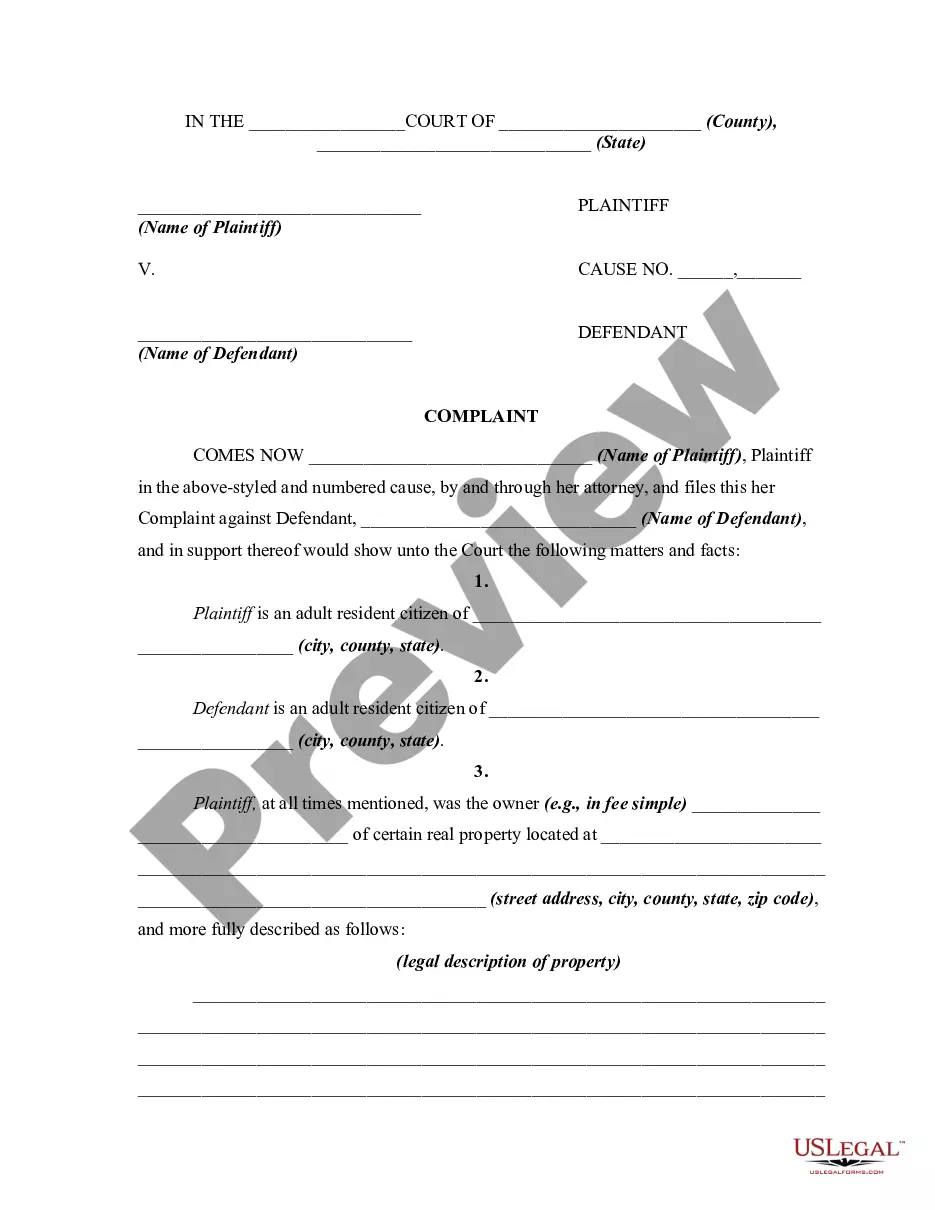
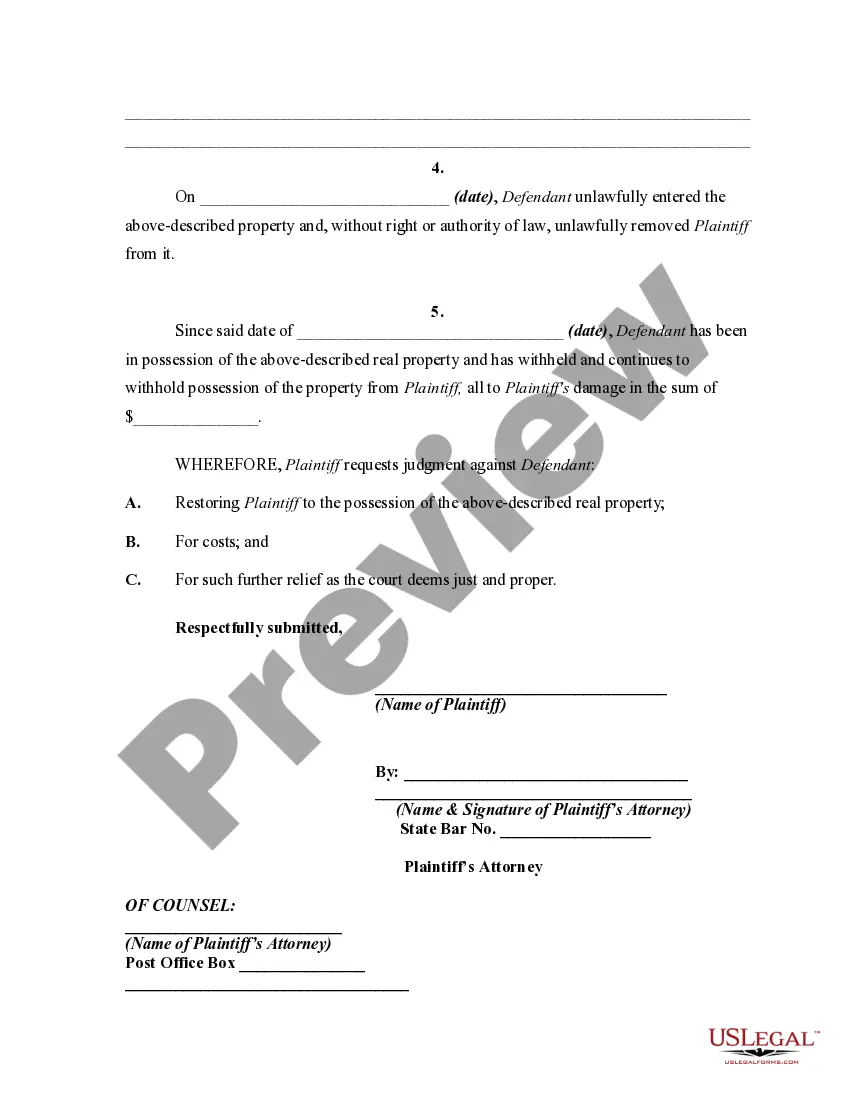

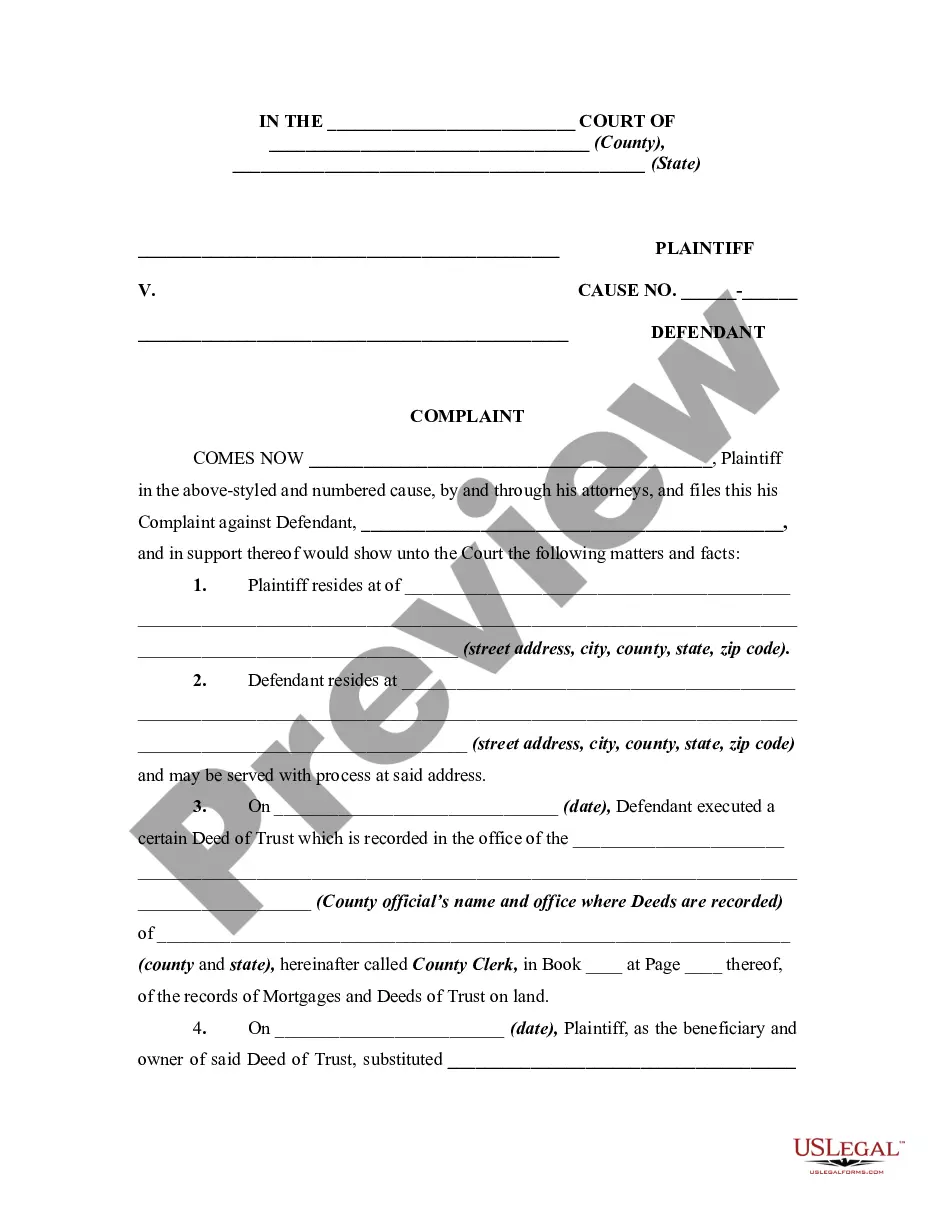
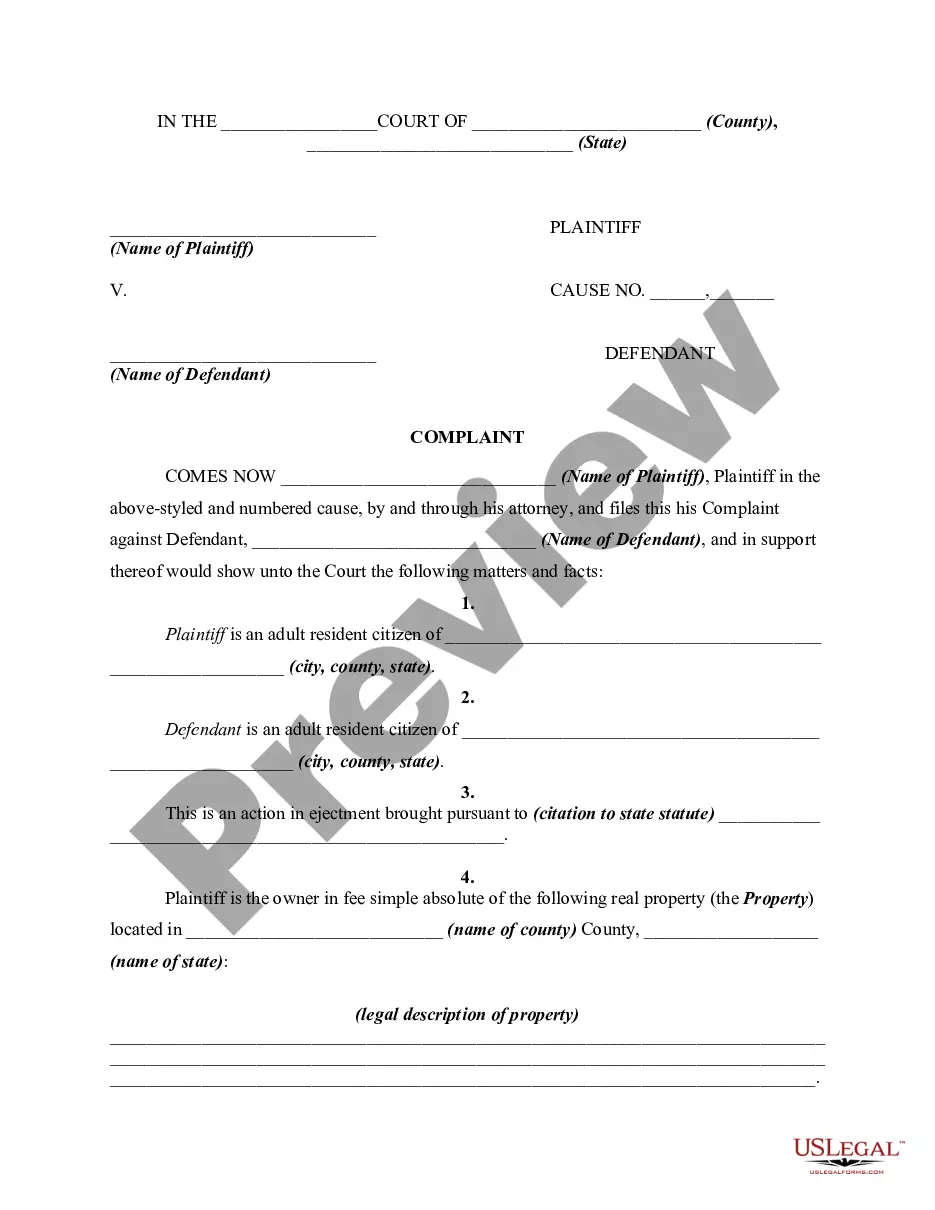
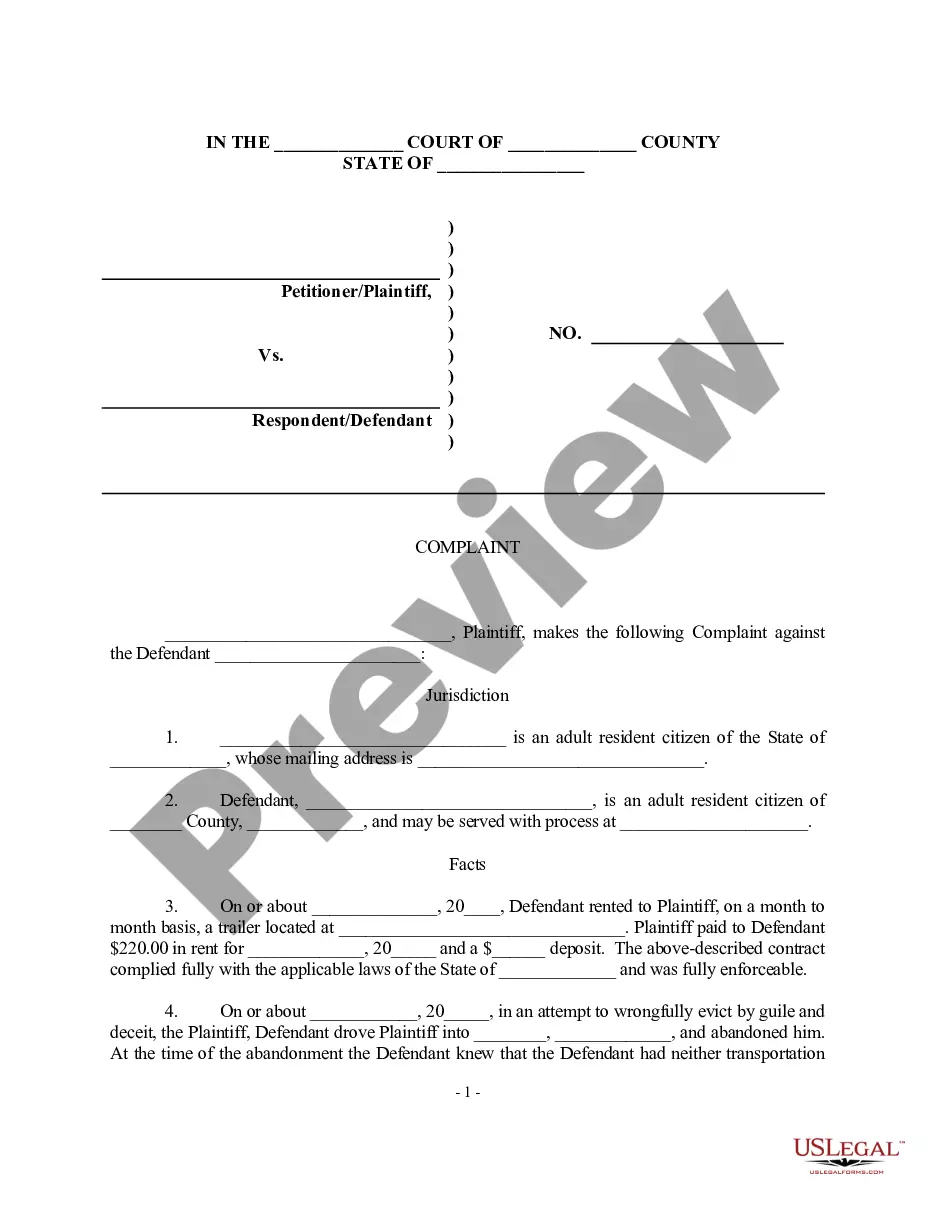
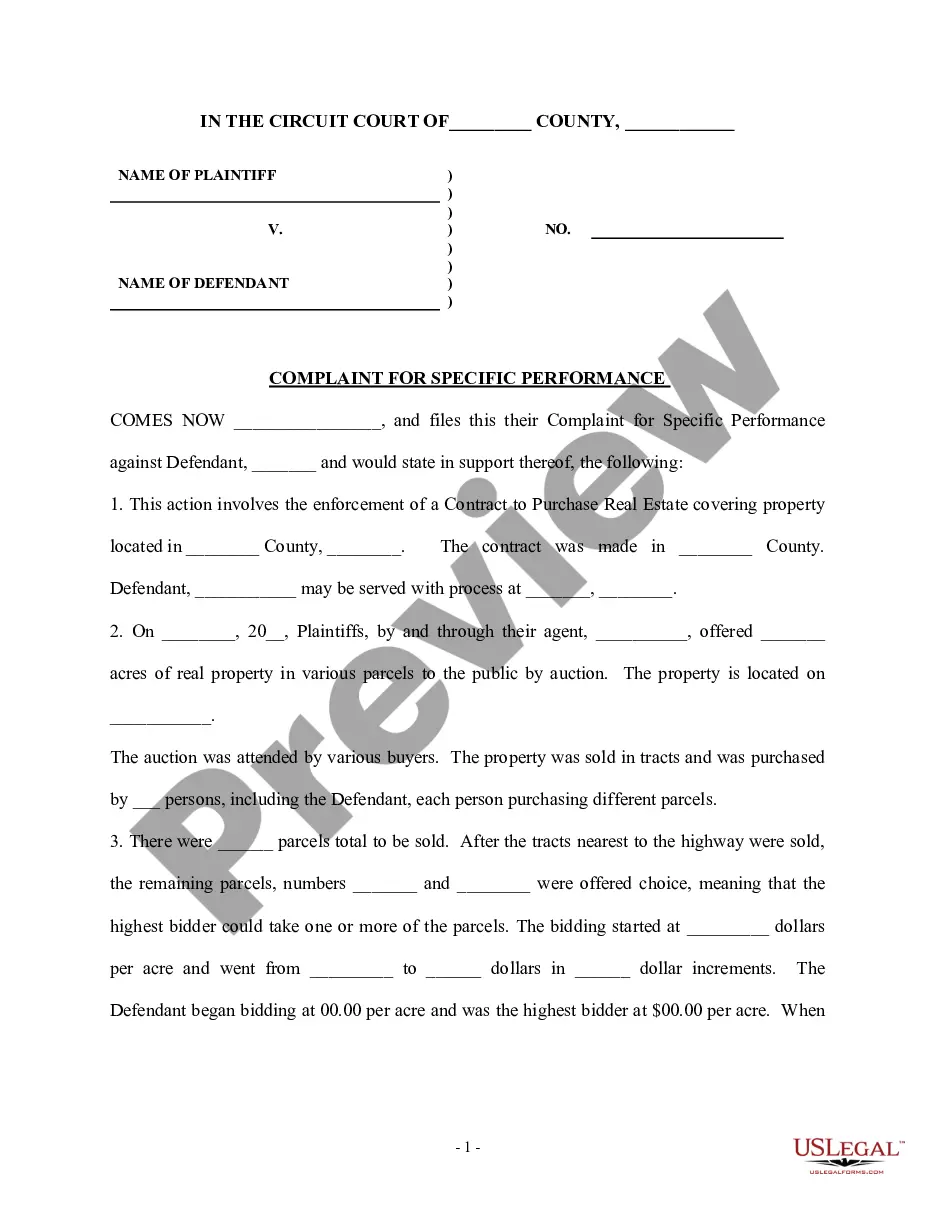
Get your form ready online
Our built-in tools help you complete, sign, share, and store your documents in one place.
Make edits, fill in missing information, and update formatting in US Legal Forms—just like you would in MS Word.
Download a copy, print it, send it by email, or mail it via USPS—whatever works best for your next step.
Sign and collect signatures with our SignNow integration. Send to multiple recipients, set reminders, and more. Go Premium to unlock E-Sign.
If this form requires notarization, complete it online through a secure video call—no need to meet a notary in person or wait for an appointment.
We protect your documents and personal data by following strict security and privacy standards.

Make edits, fill in missing information, and update formatting in US Legal Forms—just like you would in MS Word.

Download a copy, print it, send it by email, or mail it via USPS—whatever works best for your next step.

Sign and collect signatures with our SignNow integration. Send to multiple recipients, set reminders, and more. Go Premium to unlock E-Sign.

If this form requires notarization, complete it online through a secure video call—no need to meet a notary in person or wait for an appointment.

We protect your documents and personal data by following strict security and privacy standards.
Looking for another form?

How to fill out General Form Of Complaint, Petition, Or Declaration For Ejectment?
Whether for commercial reasons or personal matters, everyone must confront legal issues at some point in their life.
Filling out legal documents requires meticulous care, starting with selecting the correct form template.
Avoid altering or removing any HTML tags. Only synonymize plain text outside of the HTML tags.
- For example, if you select an incorrect version of the Ejectment Application With Resume, it will be rejected upon submission.
- Thus, it is crucial to have a trustworthy source of legal documents like US Legal Forms.
- To obtain an Ejectment Application With Resume template, follow these straightforward steps.
- Find the template you need by utilizing the search bar or browsing the catalog.
- Review the form’s details to confirm it aligns with your situation, state, and locality.
- Click on the form’s preview to examine it.
- If it is the incorrect document, go back to the search feature to find the Ejectment Application With Resume template you need.
- Download the template when it fits your criteria.
- If you already possess a US Legal Forms account, click Log in to access previously saved documents in My documents.
- If you do not have an account yet, you can acquire the form by clicking Buy now.
- Select the appropriate pricing plan.
- Complete the account registration form.
- Choose your payment method: you can use a credit card or a PayPal account.
- Select the file format you desire and download the Ejectment Application With Resume.
- Once downloaded, you can fill out the form using editing software or print it and complete it by hand.
- With a vast US Legal Forms catalog available, you never have to waste time searching for the correct template online.
- Take advantage of the library’s straightforward navigation to discover the appropriate form for any circumstance.
Form popularity
FAQ
The most common way to prove superior right to possession is to present the court with a certified and recorded deed. The defendant may assert various defenses to the ejectment action such as the deed is fraudulent, existence of a landlord-tenant relationship, and/or adverse possession.
Depending on the actions of the Defendant, obtaining an order for Ejectment can take as little as a month to as long as a year. Don't let this shock you. If the Defendant truly has no right to the property, Ejectment cases can be handled in a few months.
The PLAINTIFF or the DEFENDANT may appeal the magistrate's decision in this case. To appeal, notice must be given in open court when the judgment is entered, or notice may be given in writing to the Clerk of Superior Court within ten (10) days after the judgment is entered.
Following a party's decision to file an appeal after the trial court's ruling, they must file a notice of appeal with the trial court and serve the notice of appeal on the other party involved in the case. Once the notice of appeal has been filed, the case is then transferred to the Court of Appeals.
In North Carolina, an eviction case is called ?summary ejectment.? Landlords can file to legally remove a tenant rented property if the tenant has failed to pay rent, violated the lease agreement, or if other conditions apply.