Interrogatories Request Withdraw
Description
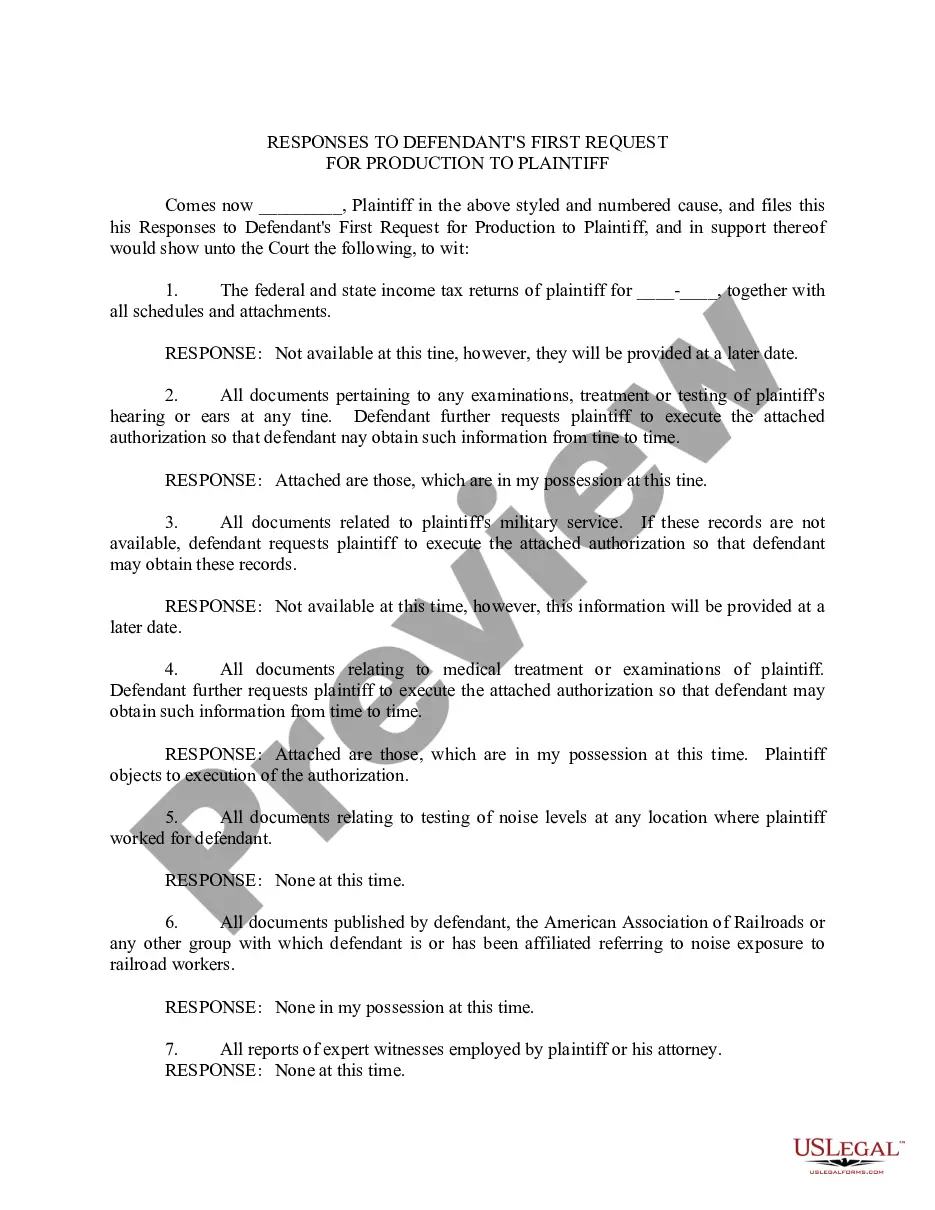
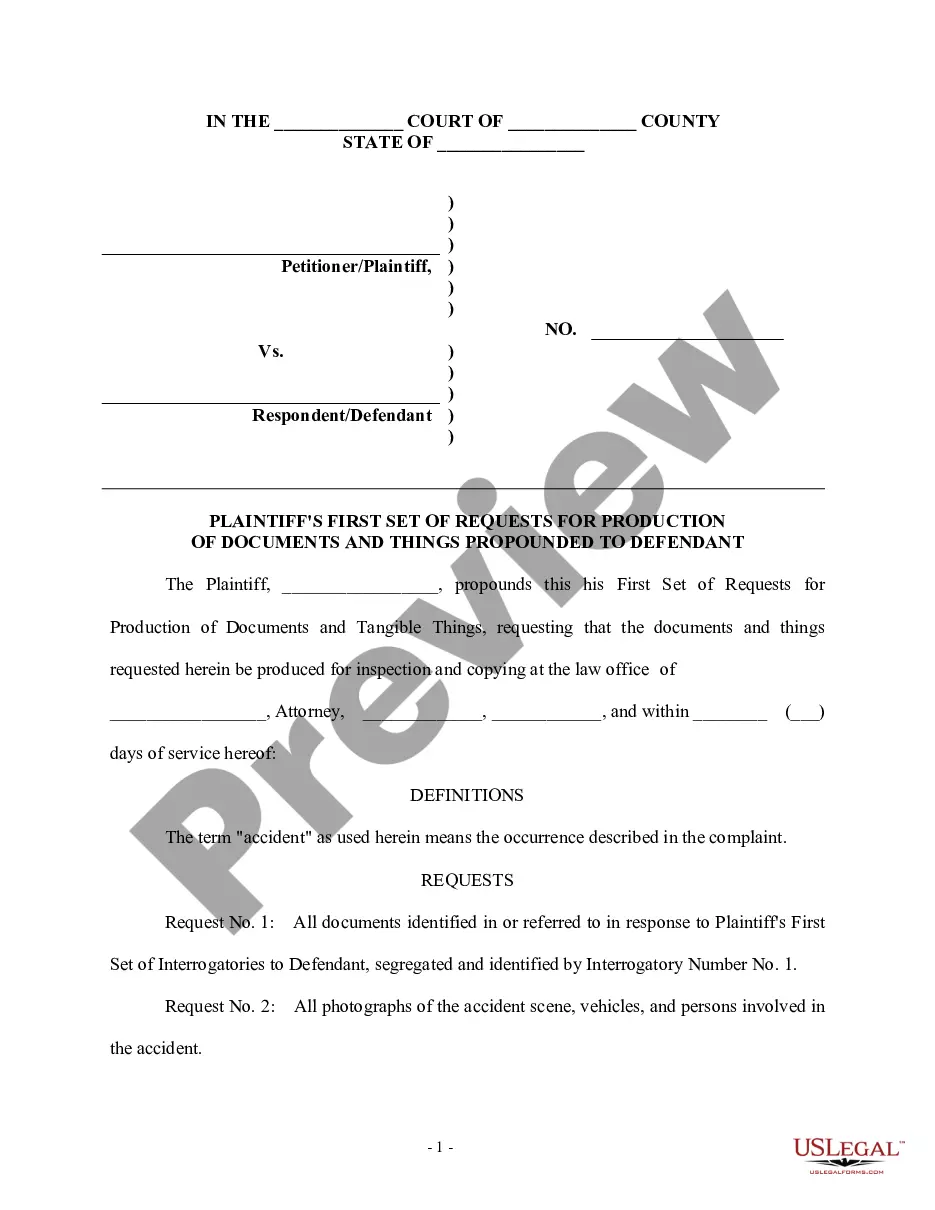
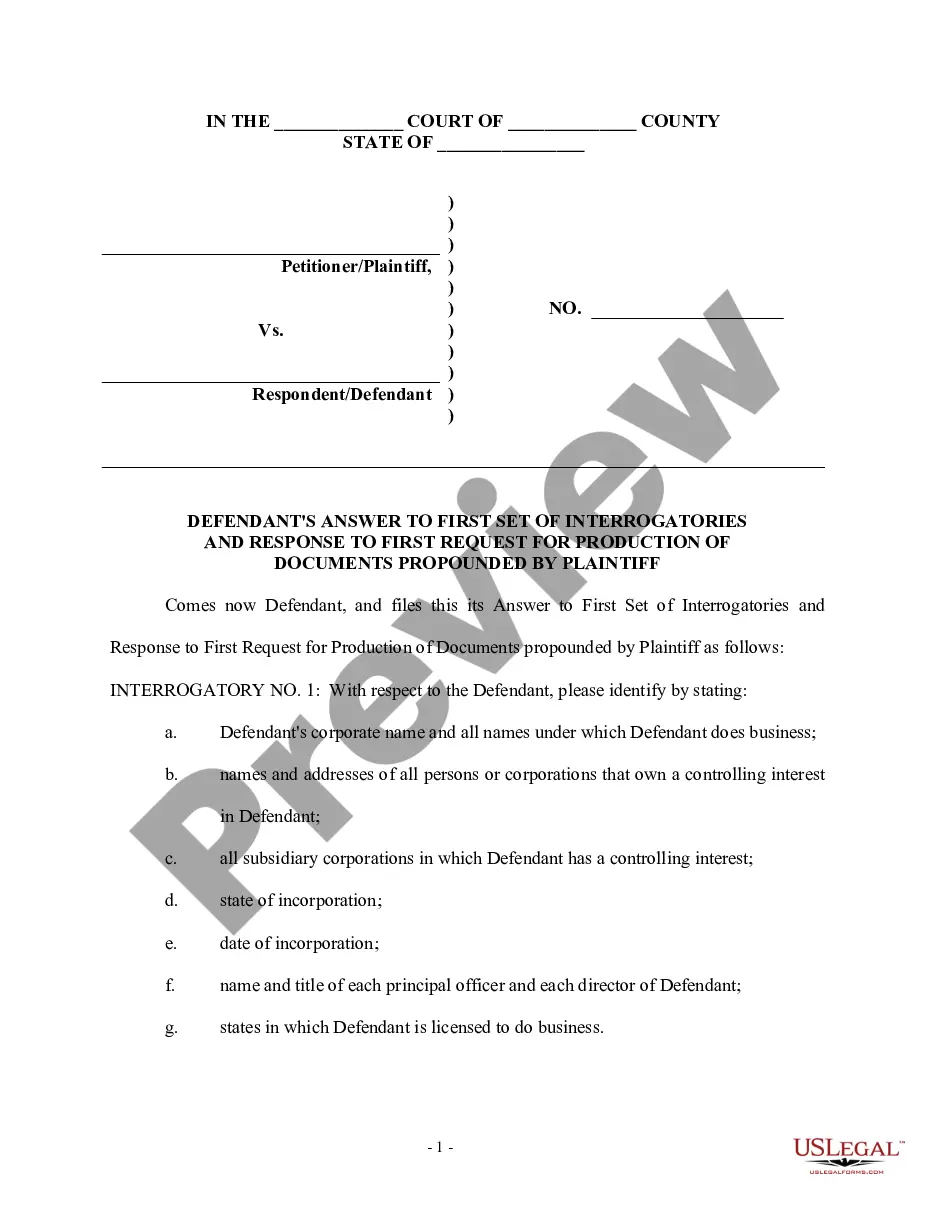
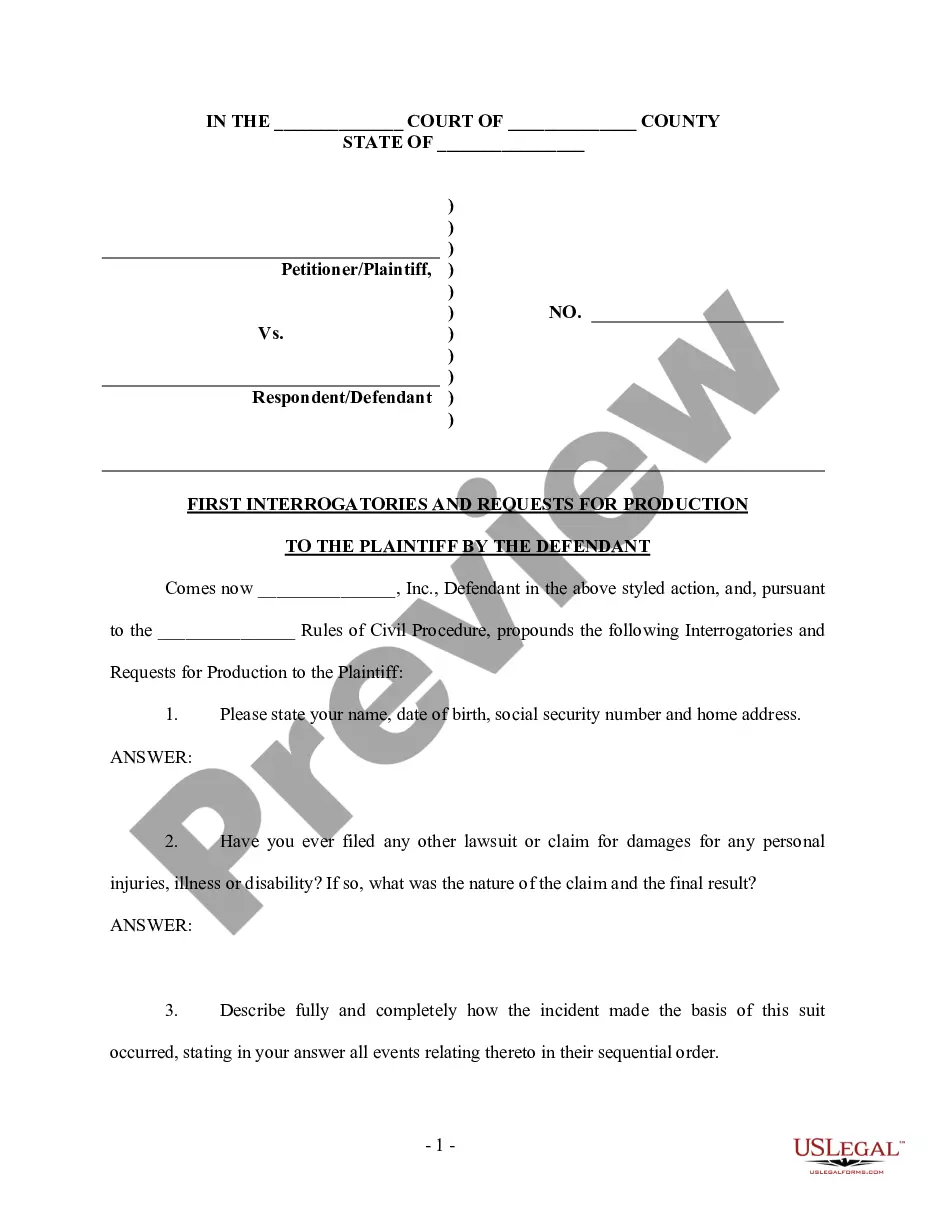
Get your form ready online
Our built-in tools help you complete, sign, share, and store your documents in one place.
Make edits, fill in missing information, and update formatting in US Legal Forms—just like you would in MS Word.
Download a copy, print it, send it by email, or mail it via USPS—whatever works best for your next step.
Sign and collect signatures with our SignNow integration. Send to multiple recipients, set reminders, and more. Go Premium to unlock E-Sign.
If this form requires notarization, complete it online through a secure video call—no need to meet a notary in person or wait for an appointment.
We protect your documents and personal data by following strict security and privacy standards.

Make edits, fill in missing information, and update formatting in US Legal Forms—just like you would in MS Word.

Download a copy, print it, send it by email, or mail it via USPS—whatever works best for your next step.

Sign and collect signatures with our SignNow integration. Send to multiple recipients, set reminders, and more. Go Premium to unlock E-Sign.

If this form requires notarization, complete it online through a secure video call—no need to meet a notary in person or wait for an appointment.

We protect your documents and personal data by following strict security and privacy standards.
Looking for another form?
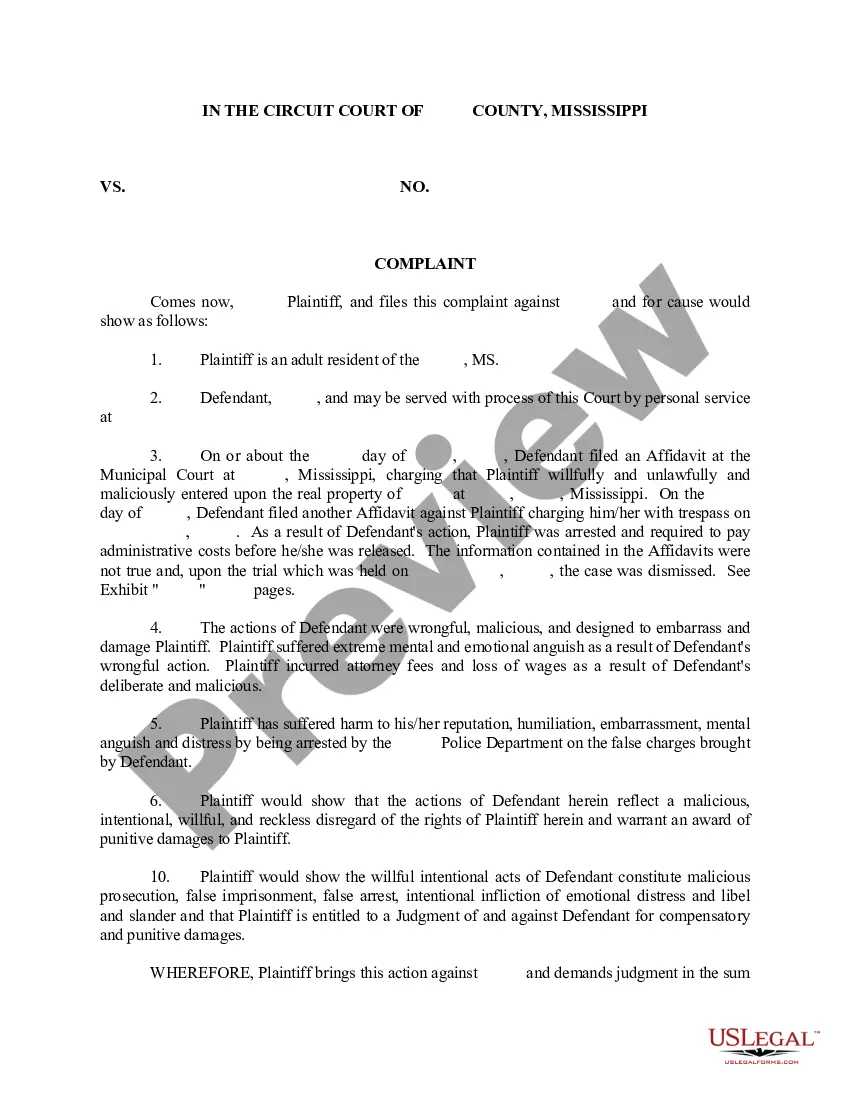

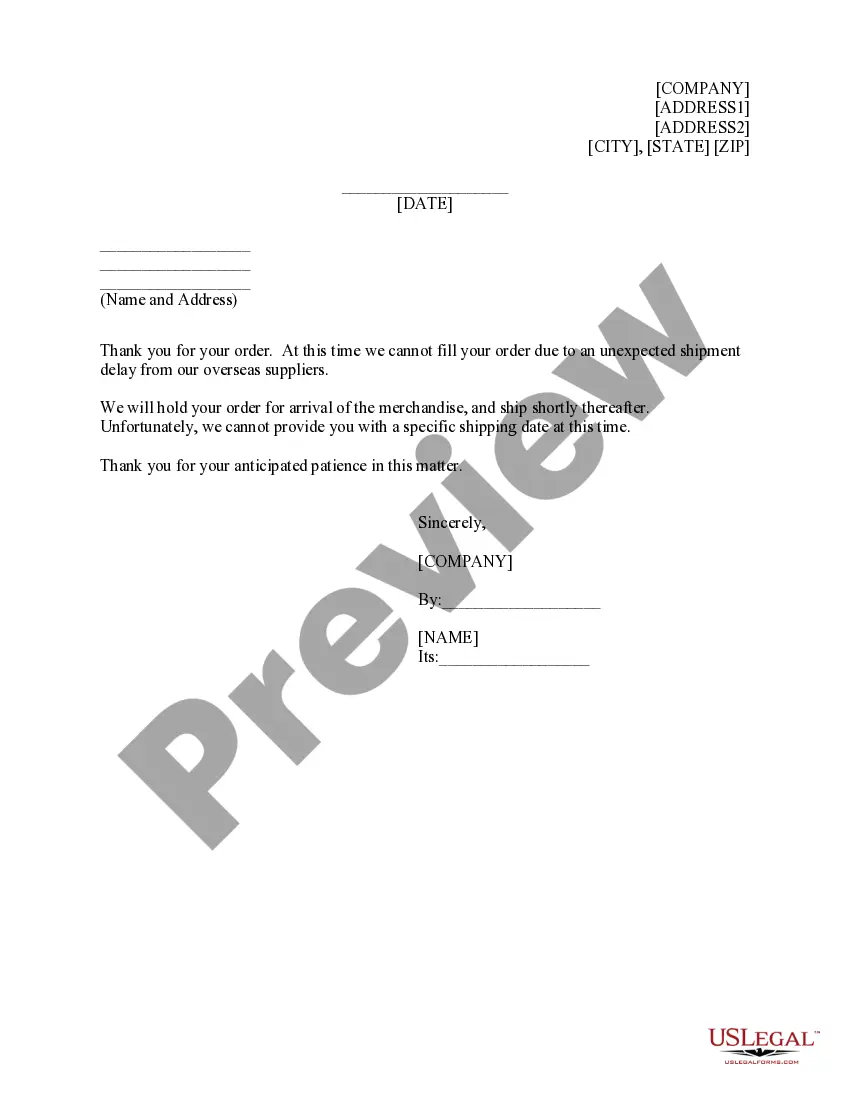







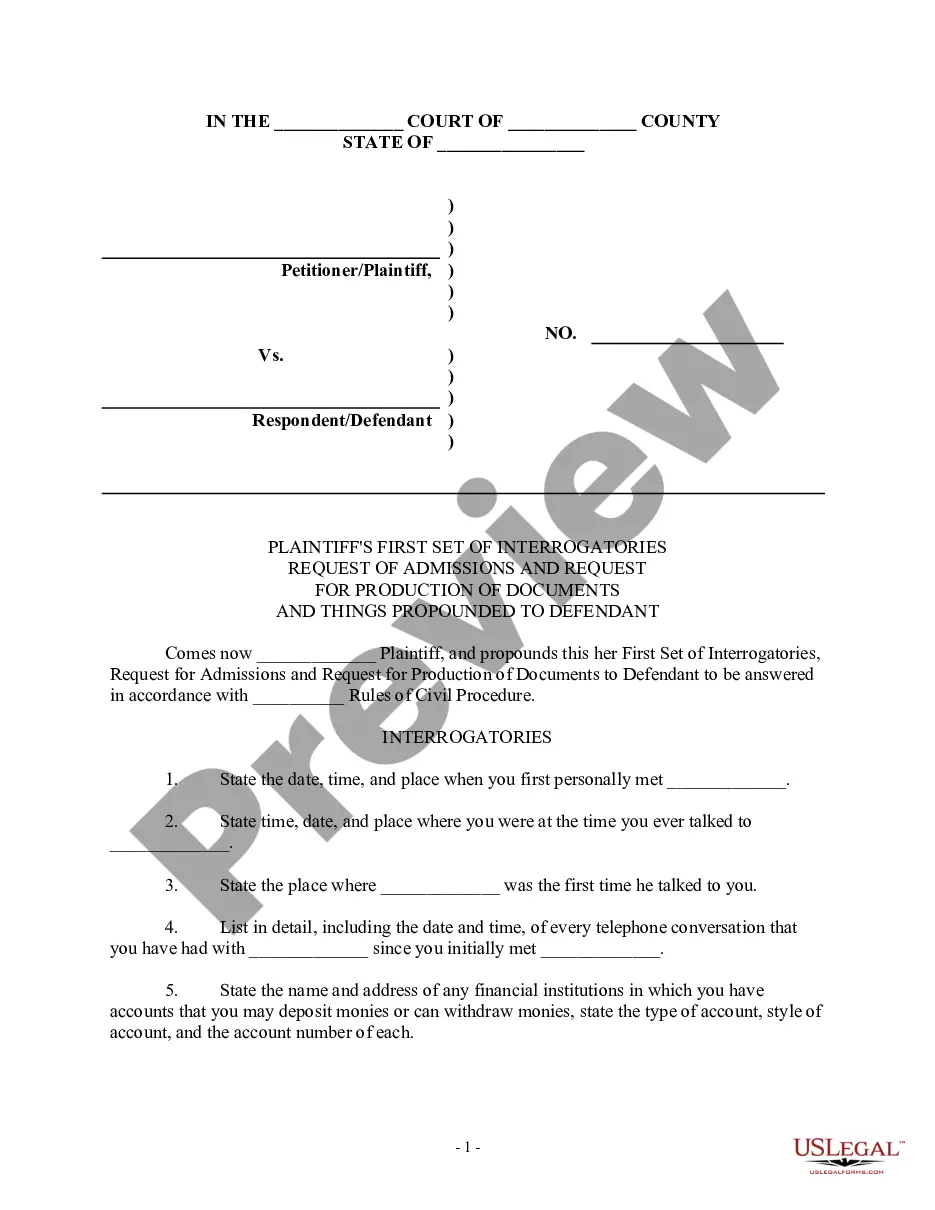
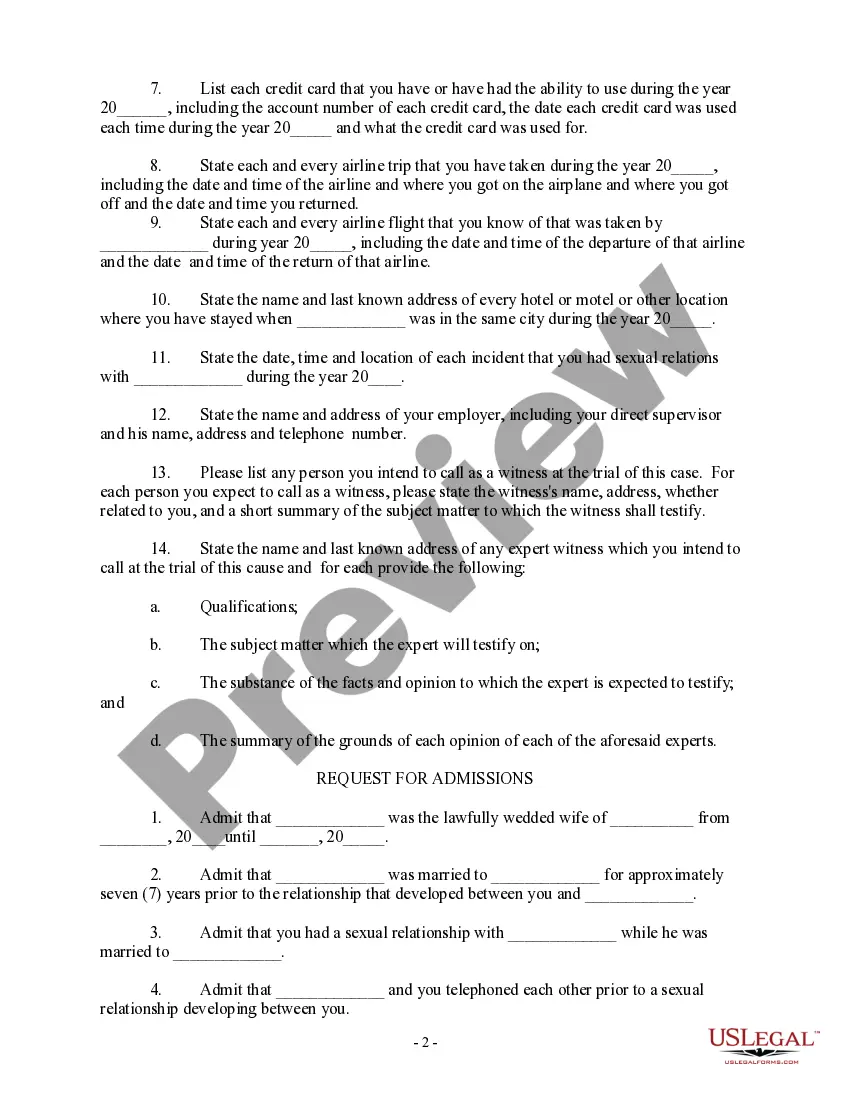
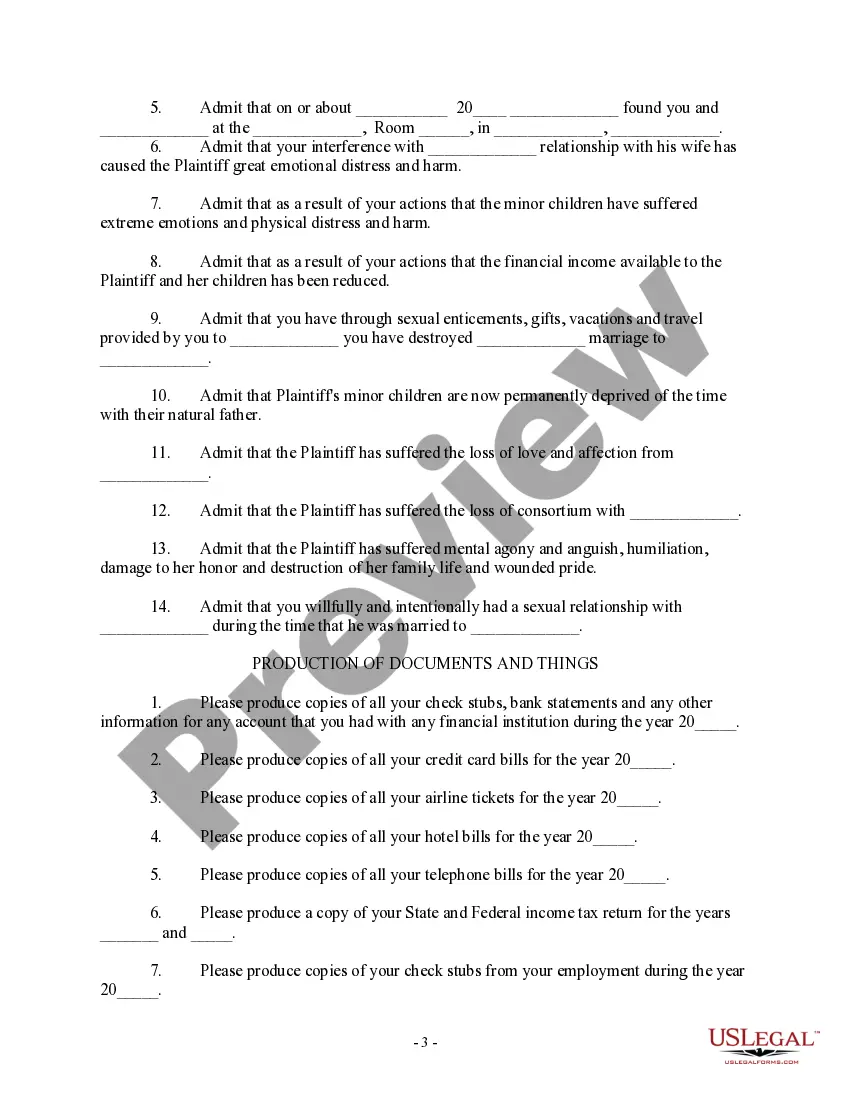
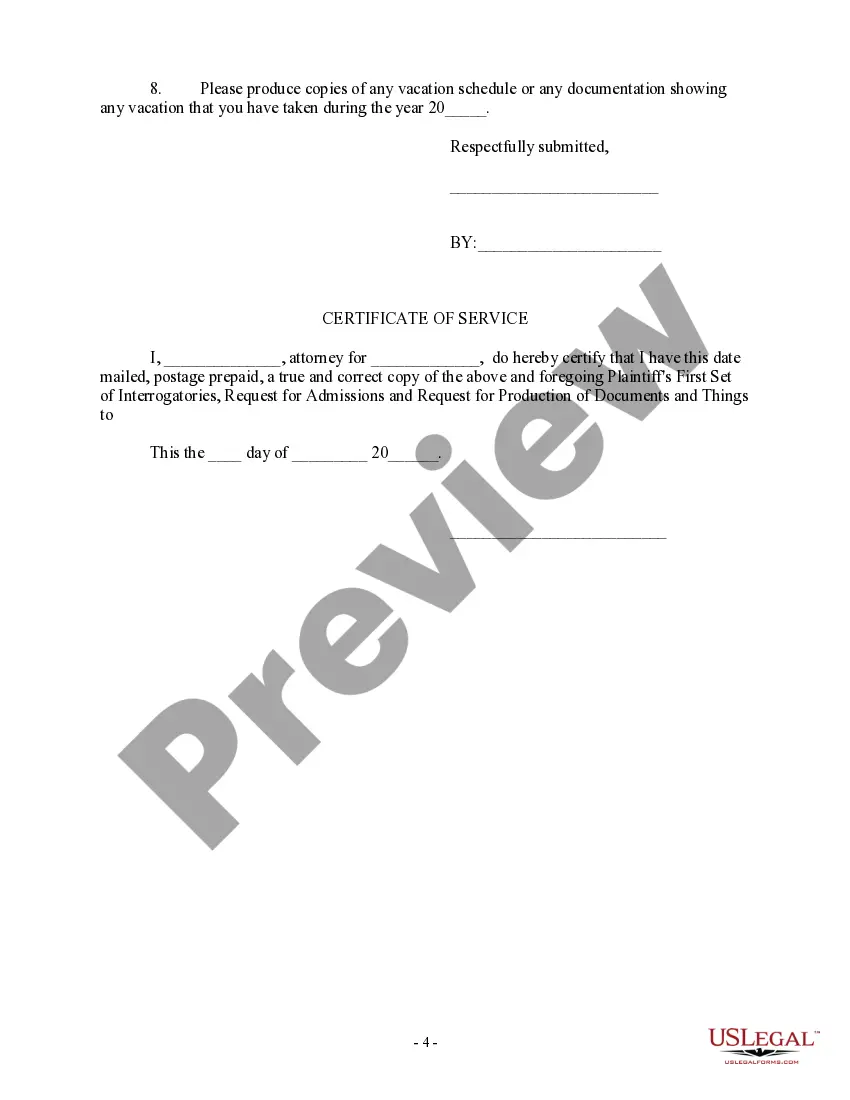
How to fill out Plaintiff's First Set Of Interrogatories And Request For Production Of Documents?
Creating legal documents from scratch can frequently be daunting.
Certain situations may require extensive research and significant financial investment.
If you’re looking for a more straightforward and economical method of drafting Interrogatories Request Withdraw or any other forms without unnecessary complications, US Legal Forms is always available to assist you.
Our online catalog of over 85,000 updated legal documents covers nearly every facet of your financial, legal, and personal matters.
Review the document preview and descriptions to confirm that you are looking at the correct document. Ensure that the template you choose meets the standards of your state and county. Select the subscription option that best fits your needs to obtain the Interrogatories Request Withdraw. Download the file, complete it, certify it, and then print it out. US Legal Forms has an impeccable reputation and over 25 years of experience. Join us today and make form execution effortless and efficient!
- With just a few clicks, you can effortlessly obtain state- and county-compliant templates meticulously prepared by our legal professionals.
- Utilize our website anytime you need a dependable and trustworthy service to easily find and download the Interrogatories Request Withdraw.
- If you’re a returning user and have an existing account with us, simply Log In, find the form, and download it or re-download it anytime from the My documents section.
- Don’t have an account? No problem. It requires minimal time to sign up and navigate the library.
- However, before you begin downloading Interrogatories Request Withdraw, consider these recommendations.
Form popularity
FAQ
Examples of good, specific contention interrogatories include: Do you contend that plaintiff's claim is barred by the provisions of Code of Civil Procedure § 339? Do you contend that plaintiff is the owner of Blackacre?
Thus, all contention interrogatories should be written with one or two objec- tives in mind: (1) the answers to conten- tion interrogatories can be used to support a summary judgment or other limit on trial, i.e., to limit the defense to the facts, witnesses and documents set forth in their answers to interrogatories ? ...
California law places strict limits on the number of discovery requests a party can make. In a limited civil case (cases less than $25,000) you may ask each party only 35 questions total, whether they are form interrogatories, special interrogatories, requests for admission, or requests for production.
Interrogatories are allowed by Massachusetts Rule of Civil Procedure 33. Interrogatories are a list of written questions that each side is allowed to ask, and which each side is required to answer. A party who receives interrogatories has 30 days to provide written answers to each question.
N. a set of written questions to a party to a lawsuit asked by the opposing party as part of the pre-trial discovery process. These questions must be answered in writing under oath or under penalty of perjury within a specified time (such as 30 days).