Bank Account Holder
Description

Get your form ready online
Our built-in tools help you complete, sign, share, and store your documents in one place.
Make edits, fill in missing information, and update formatting in US Legal Forms—just like you would in MS Word.
Download a copy, print it, send it by email, or mail it via USPS—whatever works best for your next step.
Sign and collect signatures with our SignNow integration. Send to multiple recipients, set reminders, and more. Go Premium to unlock E-Sign.
If this form requires notarization, complete it online through a secure video call—no need to meet a notary in person or wait for an appointment.
We protect your documents and personal data by following strict security and privacy standards.

Make edits, fill in missing information, and update formatting in US Legal Forms—just like you would in MS Word.

Download a copy, print it, send it by email, or mail it via USPS—whatever works best for your next step.

Sign and collect signatures with our SignNow integration. Send to multiple recipients, set reminders, and more. Go Premium to unlock E-Sign.

If this form requires notarization, complete it online through a secure video call—no need to meet a notary in person or wait for an appointment.

We protect your documents and personal data by following strict security and privacy standards.
Looking for another form?

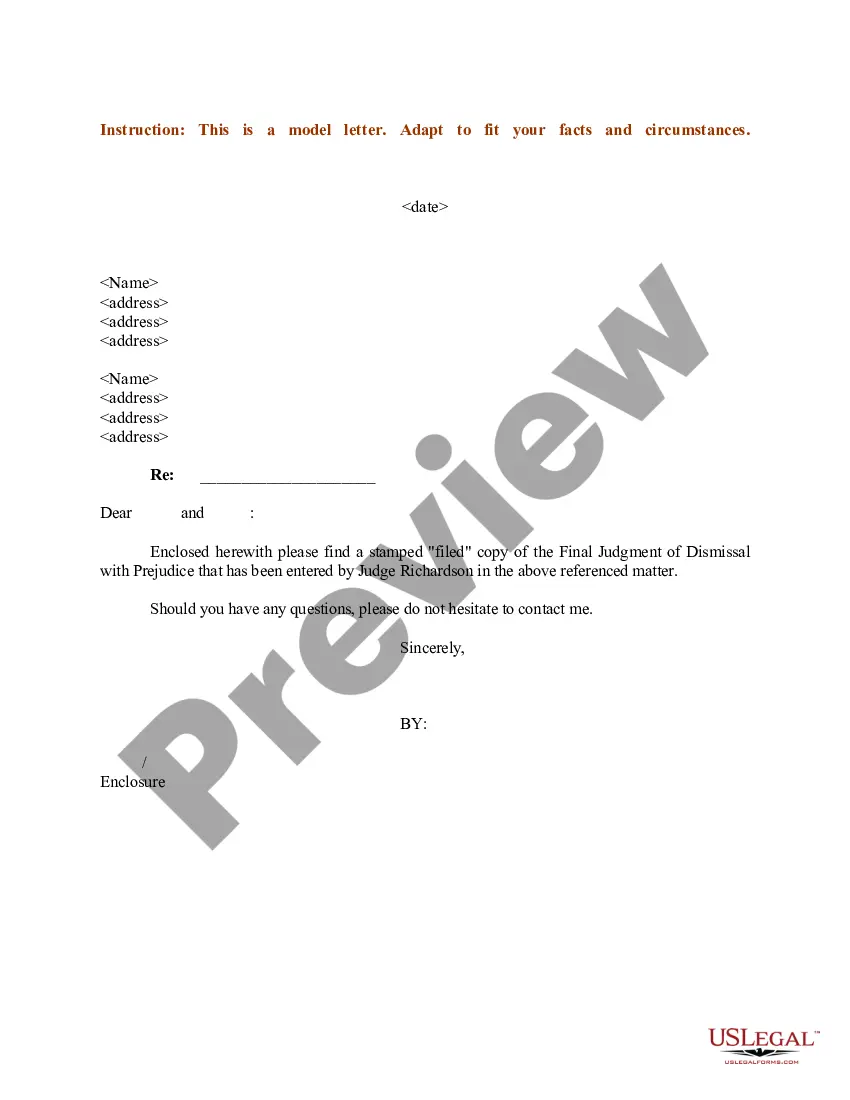
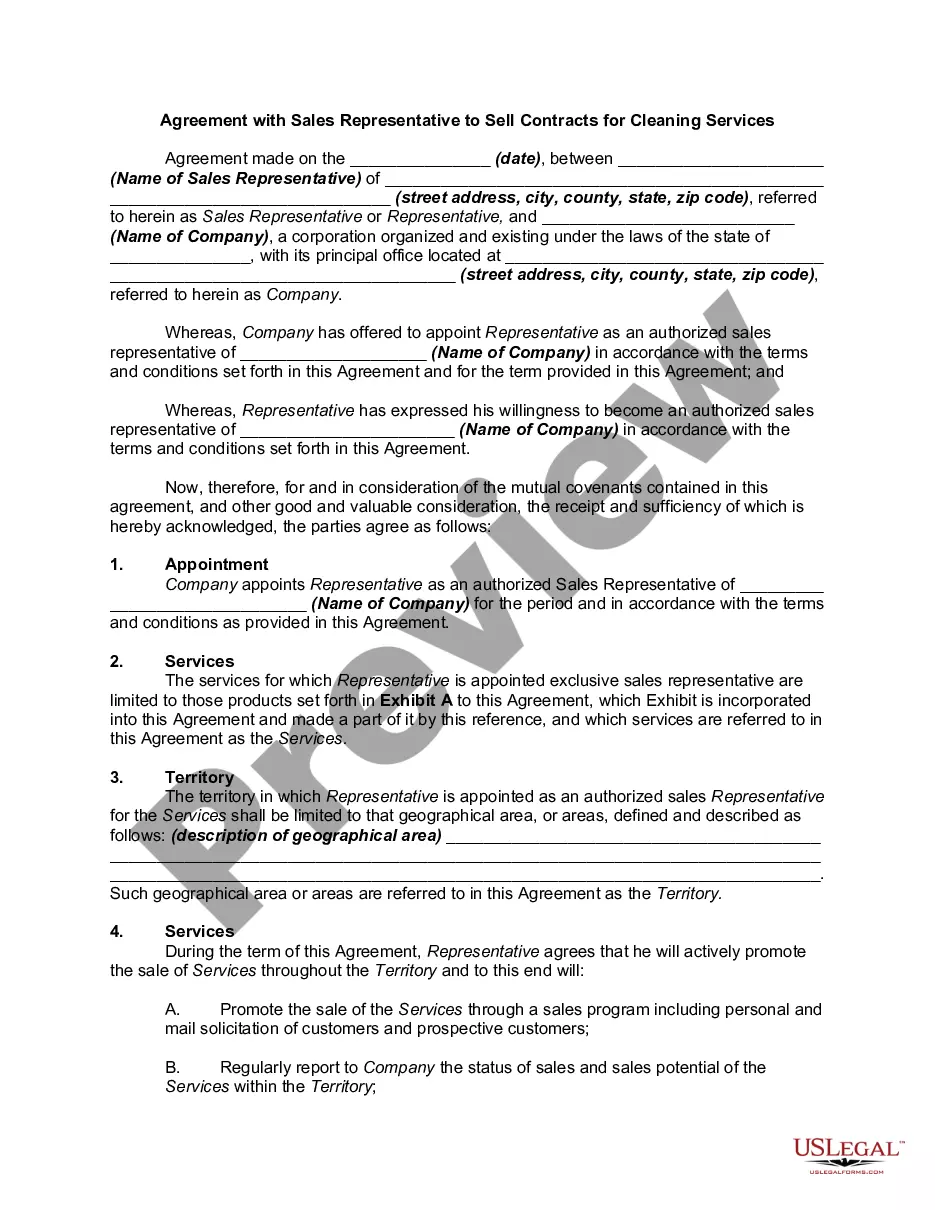
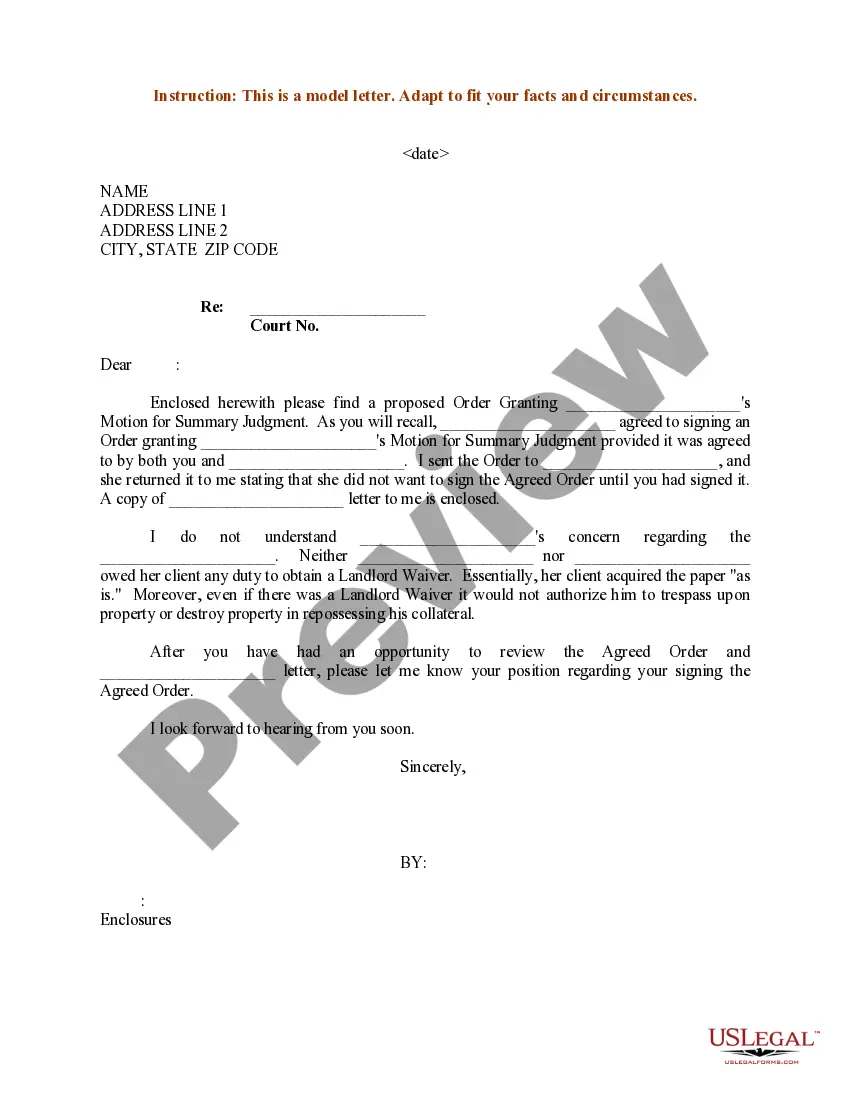

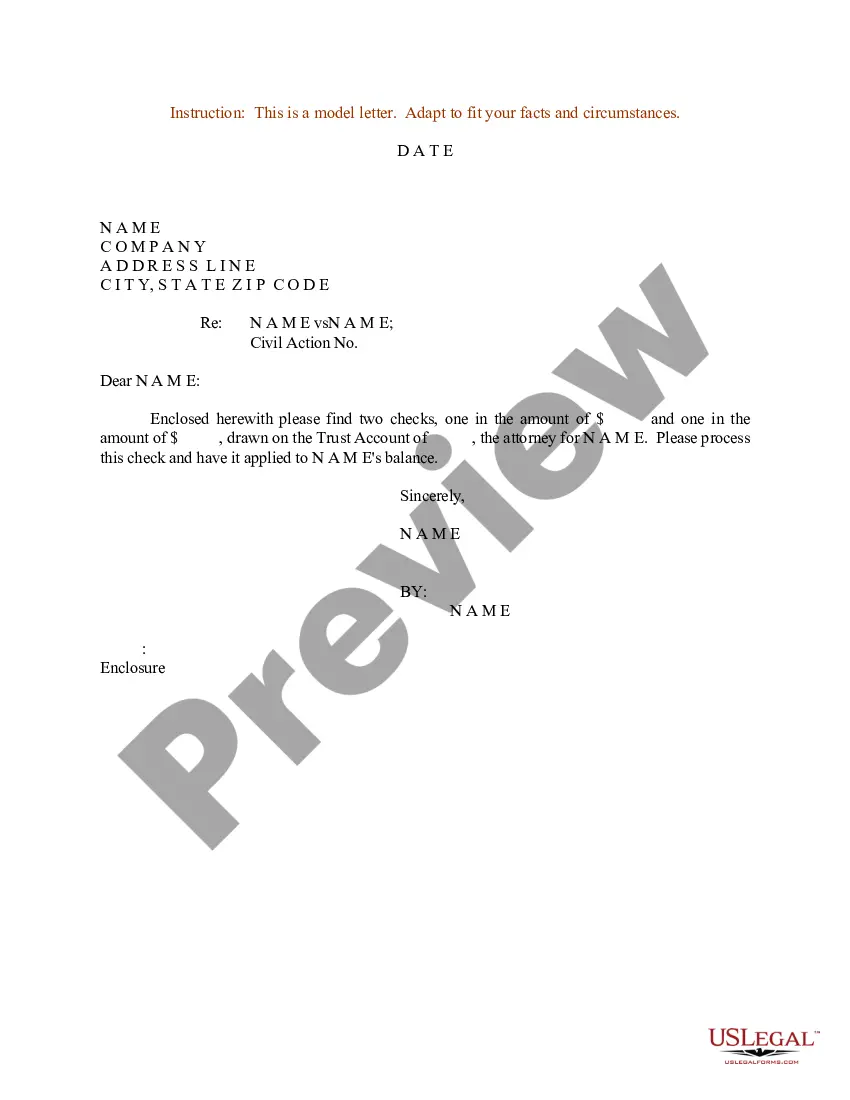
How to fill out Sample Letter For Bank Account Funds?
- If you're already a user, log into your account to download your needed form. Ensure your subscription is active; if it's expired, renew it according to your payment plan.
- For first-time users, start by checking the preview of the desired form to confirm it fits your local jurisdiction requirements.
- If you don't find the right template, use the Search tab to find alternatives that meet your needs.
- Select the document you need by clicking on the Buy Now button and choose your subscription plan.
- Complete your purchase by entering your credit card details or using your PayPal account for payment.
- Finally, download your legal form and save it to your device. Access it anytime through the My Forms section of your profile.
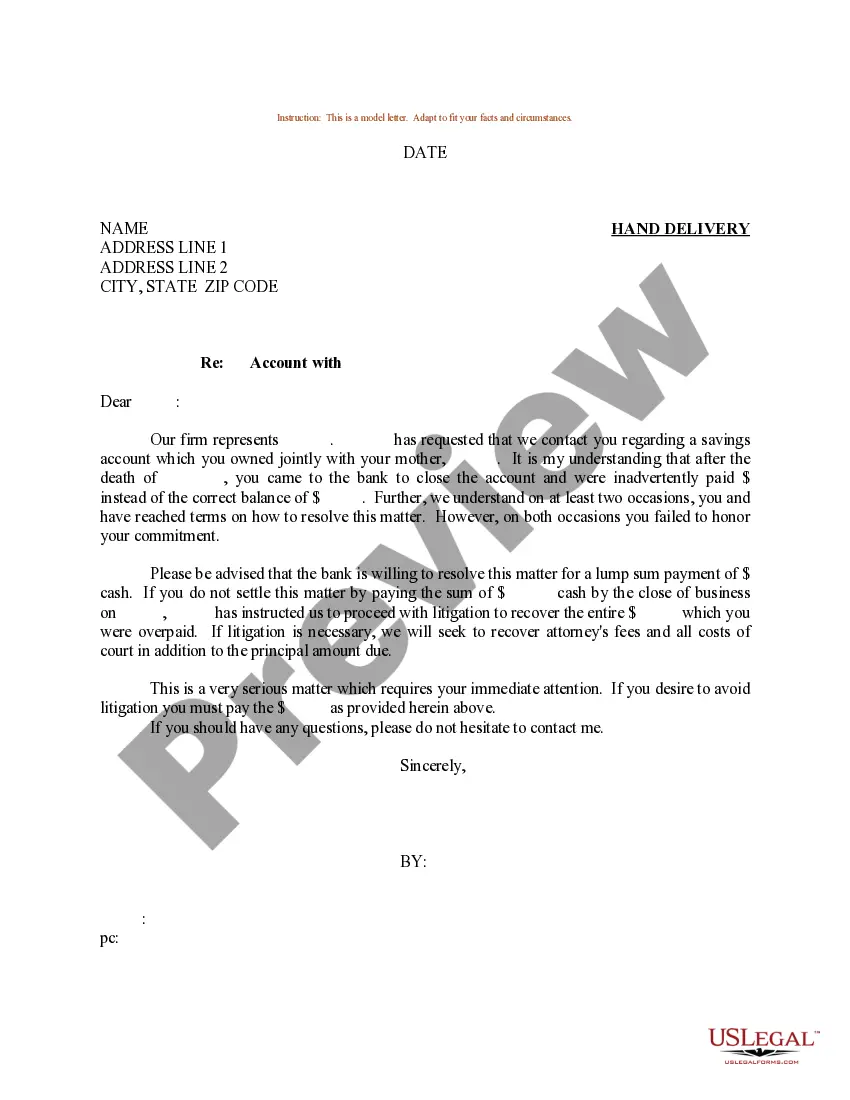
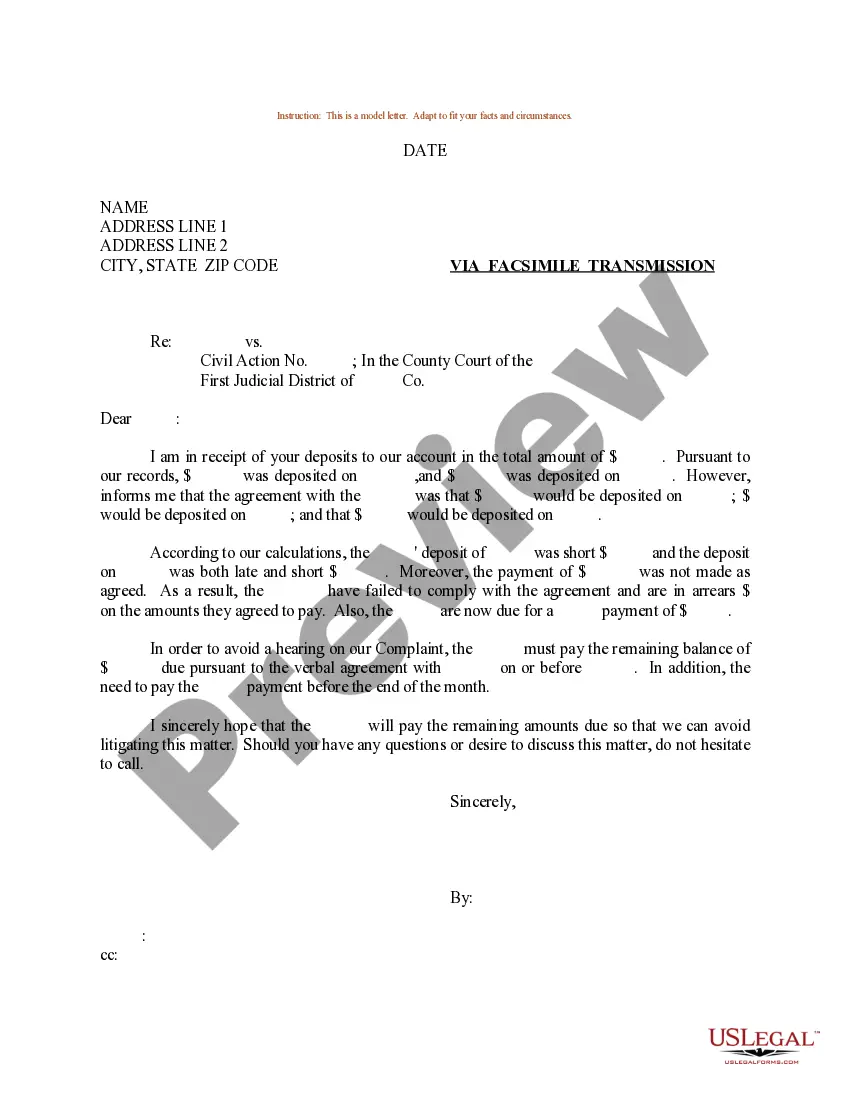
Using US Legal Forms empowers you as a bank account holder to swiftly generate necessary legal documents that are accurate and tailored to your situation.
Don't miss out on the convenience and reliability of US Legal Forms. Sign up today to simplify your legal documentation process!
Form popularity
FAQ
To find your account holder information, check your bank statements or log into your online banking account. If you encounter difficulties, you can visit a local branch or contact customer service for assistance. Ensure you have identification ready to verify your identity as the bank account holder.
Your bank account holder refers to the individual or business entity that owns the bank account. This is the person responsible for managing the funds and making financial decisions related to the account. Knowing who your bank account holder is essential for transaction and legal processes.
When filling out forms that ask for the account holder’s name, you should write the exact name as it appears on the bank account. This includes the first name, middle initial, and last name if applicable. Ensure accuracy, as discrepancies could lead to processing issues or complications with your account.
To find the bank account holder's name, you can typically refer to the account statement or online banking portal. If you don't have access to these resources, you might consider contacting the bank directly with proper identification. The bank can provide the information only to authorized individuals, ensuring security and privacy for the bank account holder.
An example of an account holder is a person who opens a savings or checking account at a bank. This person may deposit their salary into the account, write checks, or use a debit card linked to the account. Every individual who opens an account with a bank becomes an account holder and thus entitled to the rights and responsibilities that come with it.
A bank account holder is an individual or entity that has the legal right to access and manage a bank account. This person can make deposits, withdraw funds, and execute transactions as permitted by the account's terms. Being a bank account holder means you have full control over the account's activities and financial matters.
Banks generally adhere to strict privacy policies and cannot disclose account ownership details to unauthorized third parties. However, if you have a legitimate reason or legal standing, you may inquire with the bank for assistance. If you're facing specific challenges regarding ownership confirmation, platforms like Us Legal Forms can provide helpful resources and templates to assist with your needs.
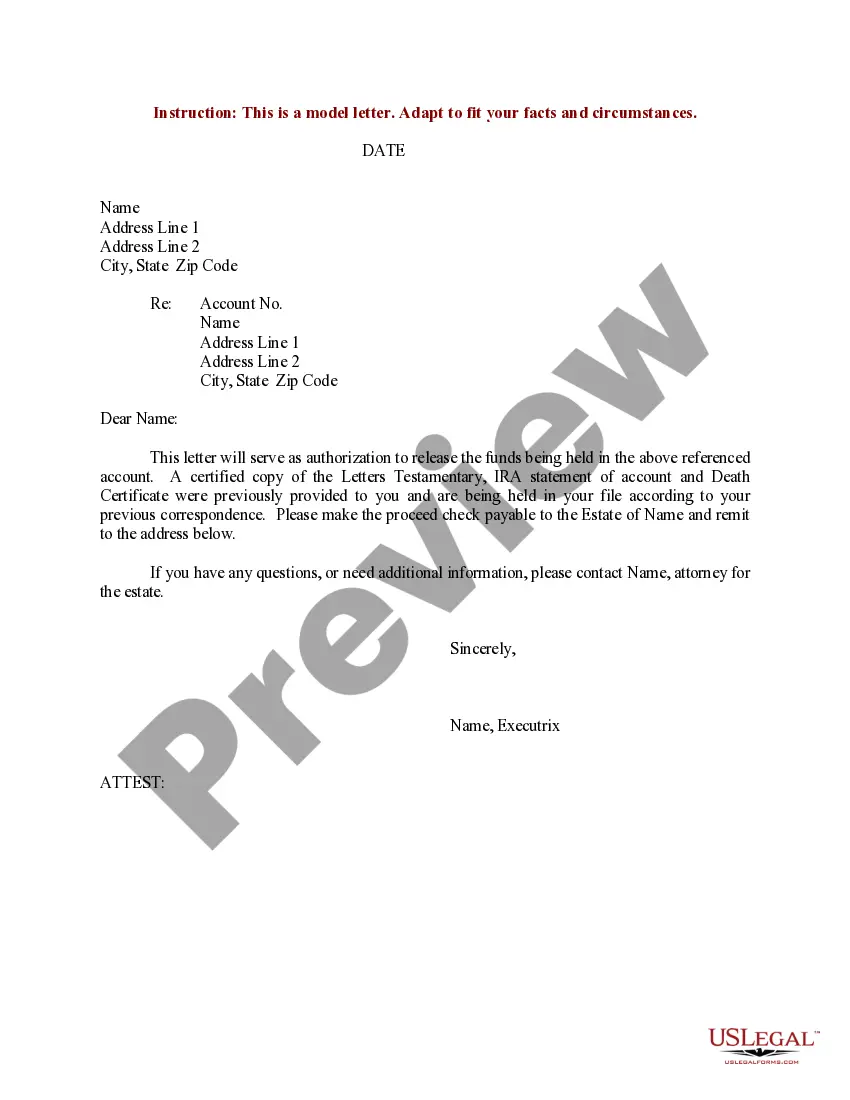
A certificate of ownership is a document that establishes you as the legal bank account holder. This document can be essential for verifying your claim to the funds, especially in estate or legal proceedings. Keep a copy in a secure location, as it confirms your rights and can facilitate smooth transactions and account management.
Even if a foreign bank account holds less than $10,000, some reporting requirements may still apply. The IRS mandates disclosure if your aggregate foreign accounts exceed this threshold, typically through the Foreign Bank Account Report (FBAR). Being a responsible bank account holder means staying informed and completing necessary filings to avoid penalties.
To prove you are the bank account holder, provide valid identification, such as a government-issued ID, along with any account statements or documentation linked to your ownership. In cases of dispute, it may be helpful to gather the bank account opening documents, as these can serve as proof of your status. Consistently maintaining accurate records will streamline the process.