Assignments
Description
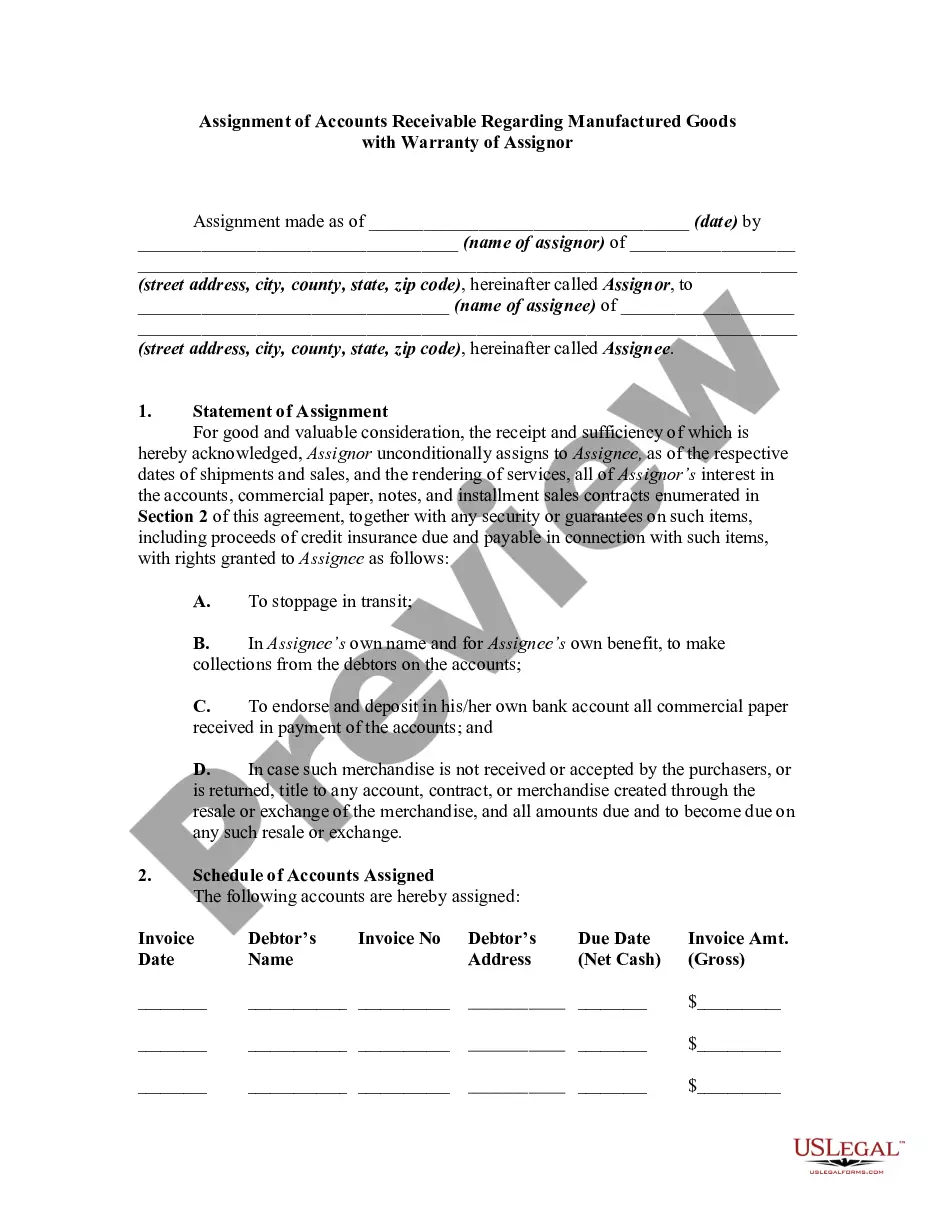
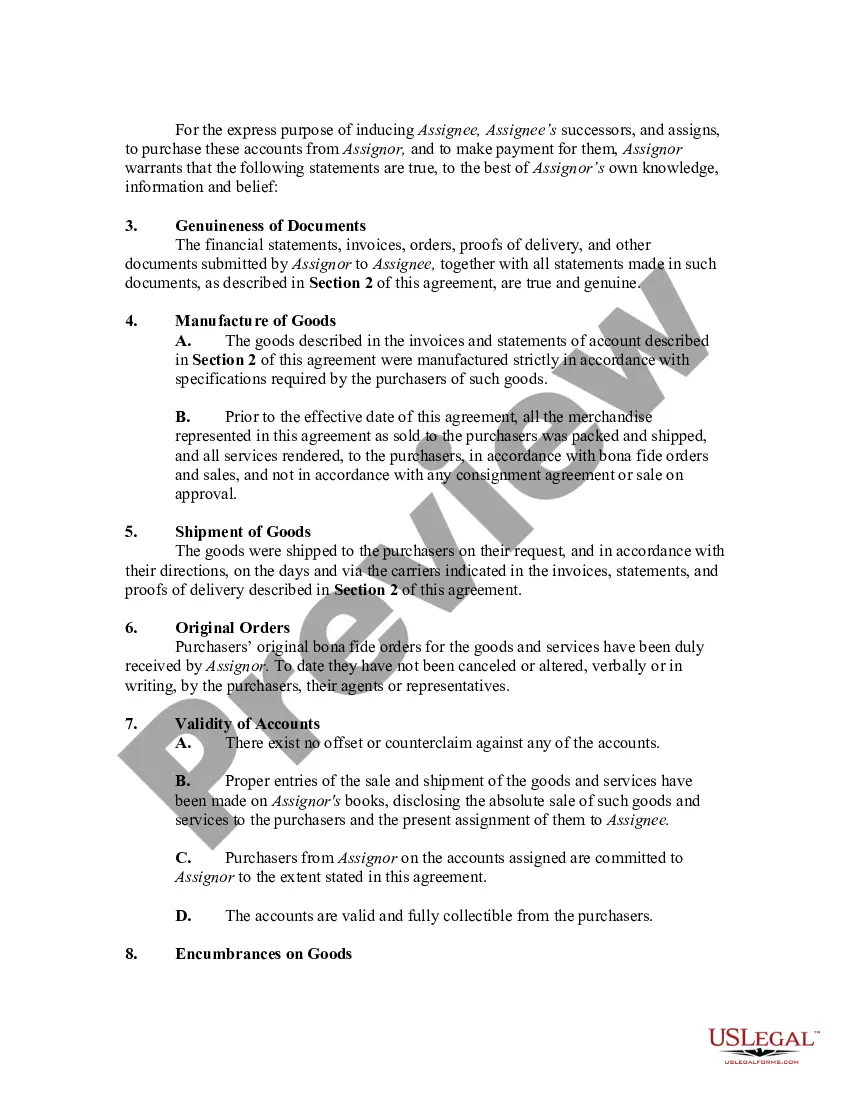
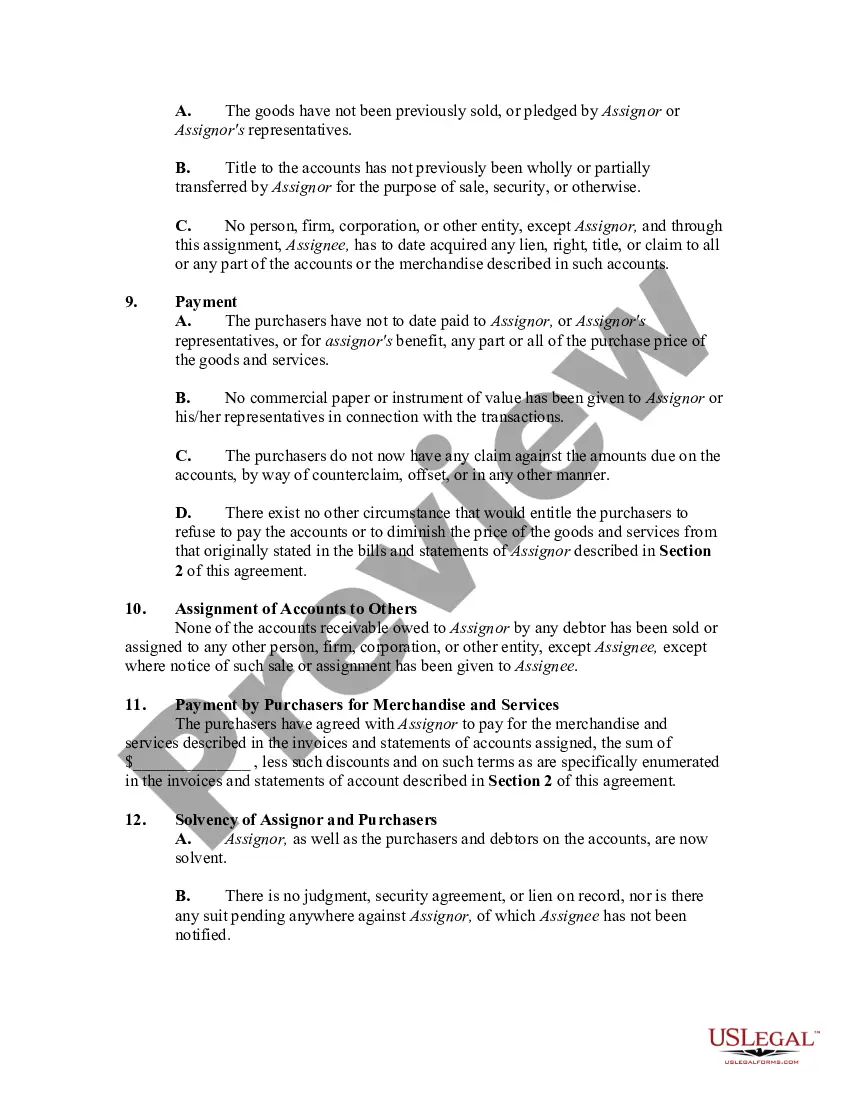
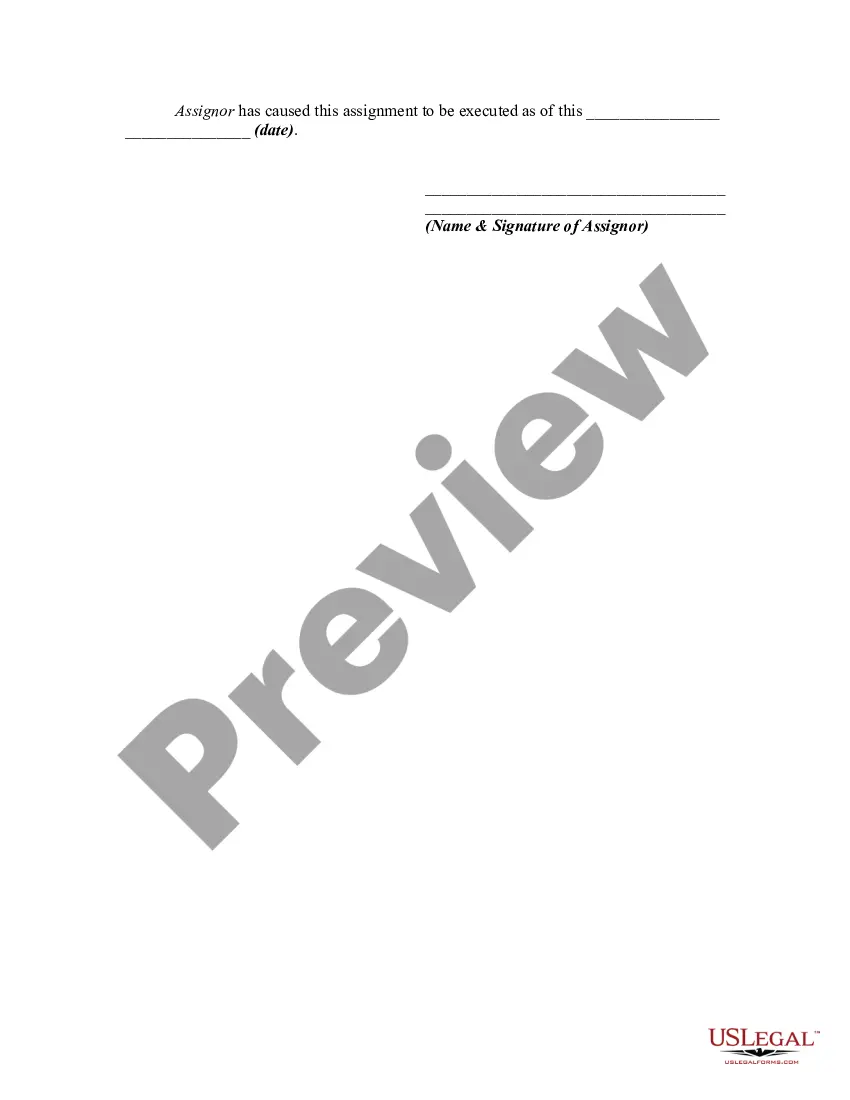

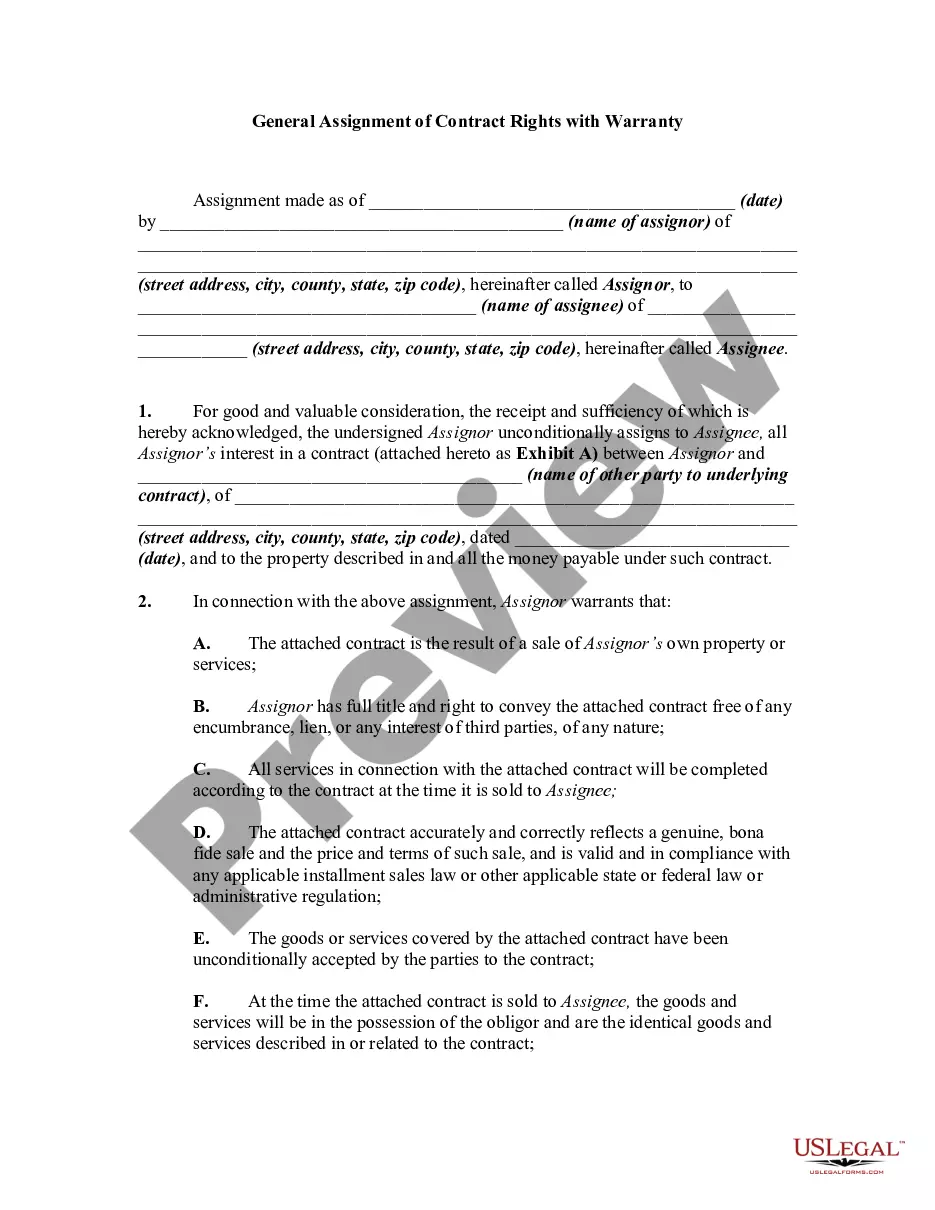
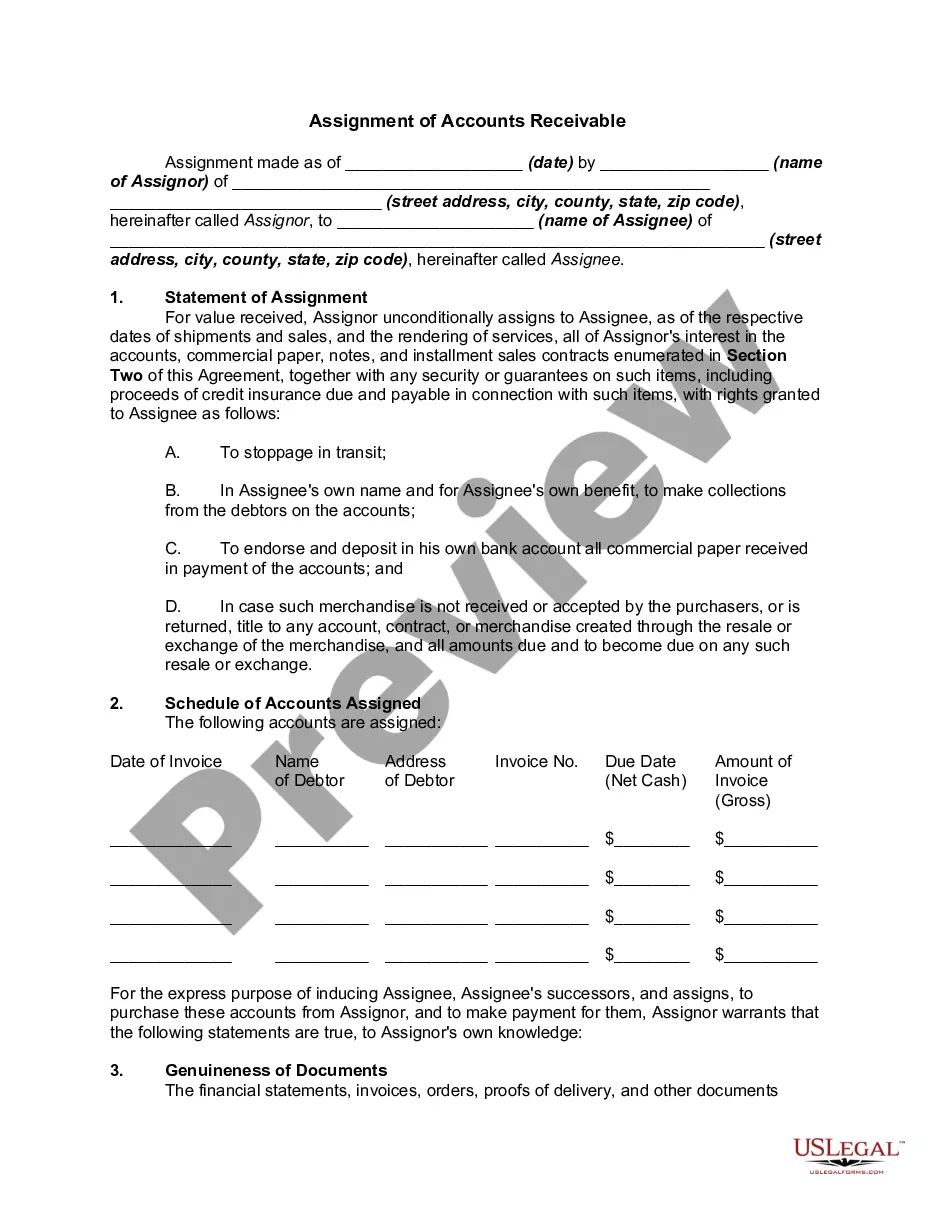
How to fill out Assignment Of Accounts Receivable Regarding Manufactured Goods With Warranty Of Assignor?
- For returning users, log in to your account and download the necessary template by clicking the Download button. Ensure your subscription remains active to access your forms.
- If you're new to the service, start by checking the Preview mode to review form descriptions, making sure the form meets your needs and local jurisdiction criteria.
- If you need a different template, utilize the Search tab at the top to find the right one. Confirm that it suits your requirements before proceeding.
- Purchase the document by clicking the Buy Now button and selecting a subscription plan that fits your needs. Create an account to gain access to the full library.
- Complete your purchase by entering your credit card information or opting for PayPal to finalize your subscription.
- Once purchased, download your form to your device. You can revisit and access it anytime through the My Forms section of your account.
In conclusion, US Legal Forms provides a robust collection of assignments that empower individuals and attorneys alike. With over 85,000 customizable legal forms and access to expert support, achieving legal clarity has never been simpler.
Don’t hesitate—start exploring your legal document needs with US Legal Forms today!
Form popularity
FAQ
Ending an assignment involves crafting a strong conclusion that summarizes your main points. Recap the key arguments and indicate their importance in the broader context of the topic. Use this opportunity to reflect on the implications of your findings, and suggest areas for future exploration, thus providing a satisfying closure to your assignments.
To complete an assignment effectively, begin with a clear understanding of the topic and requirements. Conduct research using reliable sources to gather necessary information. Organize your notes and create a structured outline before writing. Ensure to leave time for revision and editing, which can greatly enhance the quality of your finished assignments.
Writing an assignment can be simplified into seven steps. First, analyze the prompt to identify the objectives. Second, conduct research to collect data. Third, create an outline to structure your work. Fourth, write the introduction, followed by the body and conclusion. Fifth, revise your content for clarity and relevance. Sixth, check for grammatical errors, and lastly, format your work according to guidelines.
Completing an assignment involves several key steps. First, read the assignment brief carefully to understand the expectations. Next, conduct thorough research to gather relevant information, and then organize your findings into a clear outline. Finally, draft your assignment, ensuring to proofread for errors before submission.
To finish your assignment, start by breaking it down into manageable sections. Focus on one part at a time, ensuring you meet the requirements outlined in the instructions. Once you complete each section, review your work to uphold clarity and cohesion. Consider using platforms like US Legal Forms if you need templates or additional guidance.
While homework and assignments may seem similar, there are distinctions between the two. Homework generally refers to tasks assigned to students to be completed outside of class, often focusing on practice of skills learned in class. On the other hand, assignments can encompass a broader range of tasks, including projects, essays, and presentations, with varying due dates and formats. Understanding these differences can help students manage their workload more effectively.
Yes, it is correct to say 'assignments' when referring to more than one task or project. This term is commonly used in educational settings to describe multiple pieces of work students need to complete. For example, a student might say, 'I have many assignments due this week.' Using 'assignments' accurately is vital for discussing workload and requirements.
Yes, the plural form of 'assignment' is 'assignments.' When discussing multiple tasks, it's important to use the correct form for clarity. For instance, you might say, 'The teacher provided several assignments for the week.' Proper use of the plural form enhances your communication skills regarding schoolwork.
You might say, 'I completed my assignment on environmental science, which helped deepen my understanding of the topic.' In this example, 'assignment' refers to the specific task given for academic purposes. Using the word correctly in sentences improves clarity in your communication about educational tasks. Remember, assignments are key components of effective learning.
An assignment is a task or piece of work assigned to someone as part of their studies or job. In the educational context, it serves as a method for teachers to evaluate students' understanding and application of knowledge. Assignments can take many forms, including written work, presentations, or practical projects. They are essential for reinforcing learning goals and fostering critical thinking.