Writing Action Beats
Description




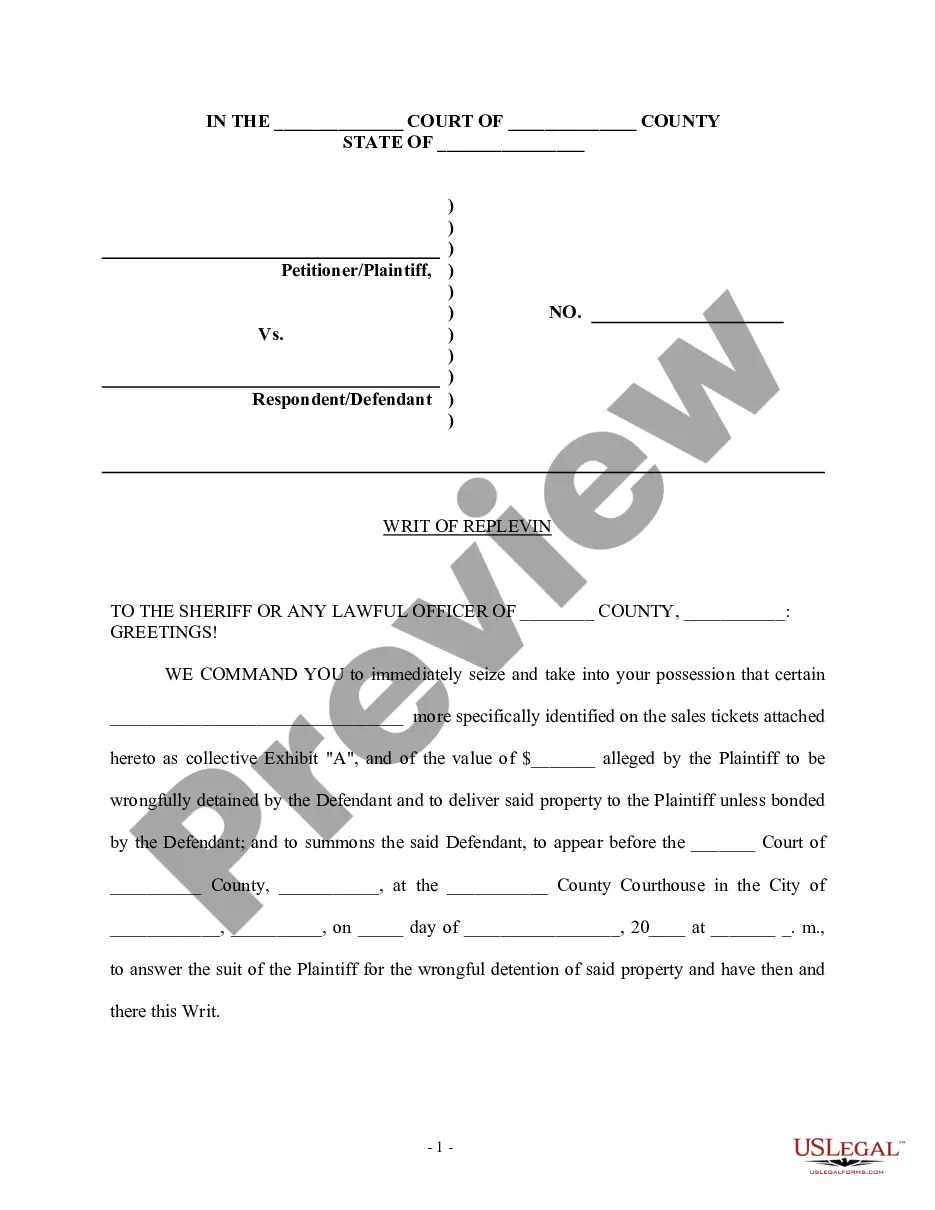
Get your form ready online
Our built-in tools help you complete, sign, share, and store your documents in one place.
Make edits, fill in missing information, and update formatting in US Legal Forms—just like you would in MS Word.
Download a copy, print it, send it by email, or mail it via USPS—whatever works best for your next step.
Sign and collect signatures with our SignNow integration. Send to multiple recipients, set reminders, and more. Go Premium to unlock E-Sign.
If this form requires notarization, complete it online through a secure video call—no need to meet a notary in person or wait for an appointment.
We protect your documents and personal data by following strict security and privacy standards.

Make edits, fill in missing information, and update formatting in US Legal Forms—just like you would in MS Word.

Download a copy, print it, send it by email, or mail it via USPS—whatever works best for your next step.

Sign and collect signatures with our SignNow integration. Send to multiple recipients, set reminders, and more. Go Premium to unlock E-Sign.

If this form requires notarization, complete it online through a secure video call—no need to meet a notary in person or wait for an appointment.

We protect your documents and personal data by following strict security and privacy standards.
Looking for another form?


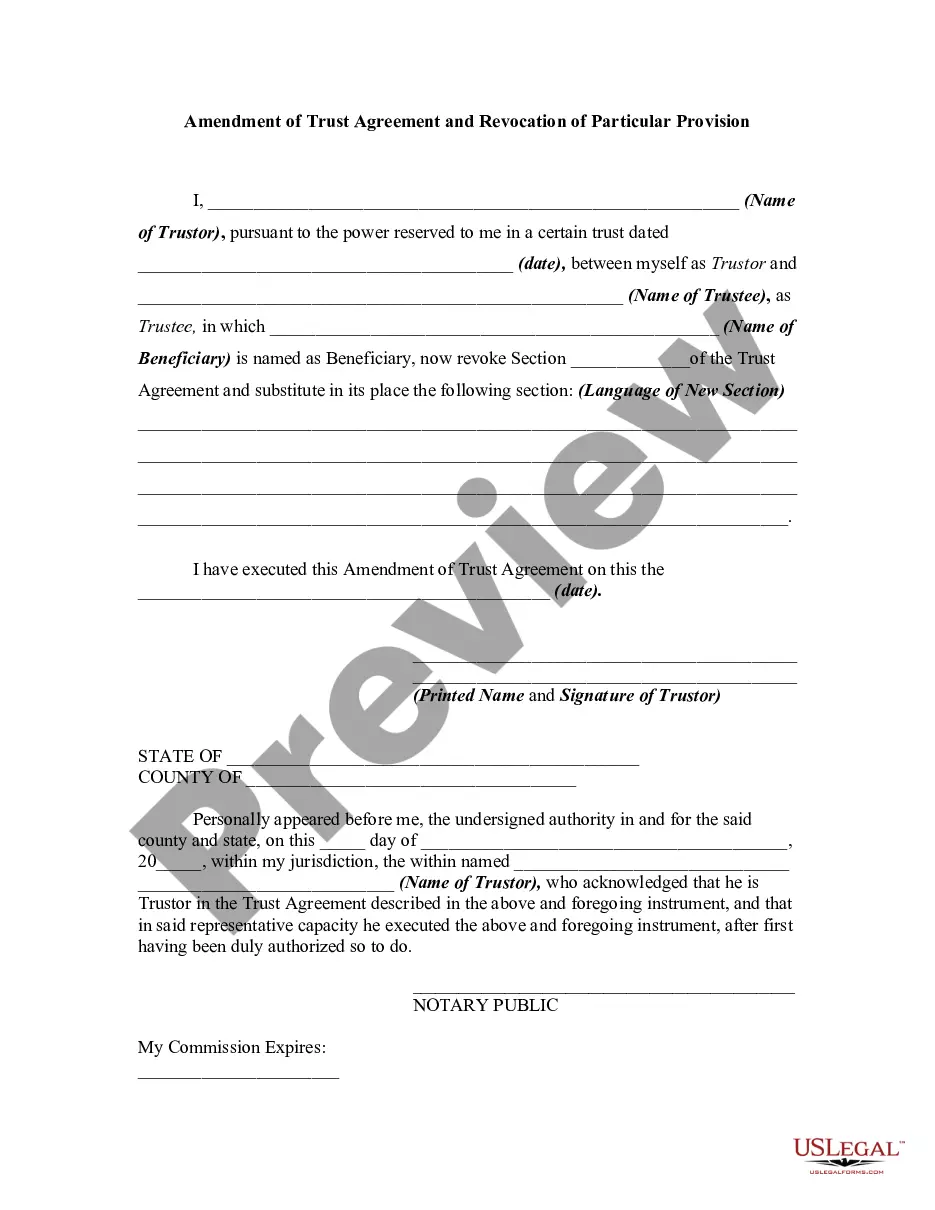





How to fill out Writ Of Replevin Or Repossession?
- If you are a returning user, log in to your US Legal Forms account and find your template by clicking the Download button, ensuring your subscription is current.
- For first-time users, start by checking the Preview mode and detailed form descriptions to match them with your needs and local jurisdiction requirements.
- If necessary, utilize the Search tab at the top to find alternate templates that better suit your requirements.
- Select the template and click on the Buy Now button to choose the subscription plan that fits your needs; account registration is required to access the full library.
- Complete your purchase by entering your payment details, either via credit card or PayPal.
- Finally, download your chosen form and save it on your device for easy access anytime, through your profile in the My Forms section.
By using US Legal Forms, you gain access to an extensive library of over 85,000 fillable and editable legal documents. From simple forms to complex packages, their robust collection surpasses the competition.
Don’t hesitate; streamline your document creation process today with US Legal Forms and ensure your narratives are legally supported.
Form popularity
FAQ
Describing a beat in writing involves capturing the moment a character pauses or shifts in action. This is essential when writing action beats, as it helps to create rhythm and tension in your narrative. A beat can be illustrated through brief moments of silence, a character’s reaction, or even sensory details. By incorporating these elements, you enhance the reader's engagement and understanding of the story.
Writing action beats is a powerful tool to enhance the impact of dialogue that trails off. To create this effect, you can use ellipses or action descriptions after a character’s last spoken words. For instance, you might describe the character’s body language or surroundings, allowing the reader to fill in the emotional gaps. This technique not only conveys uncertainty but also adds depth to the narrative.
To separate dialogue with action effectively, insert a short action description after a character speaks. This approach not only provides clarity but also allows the reader to visualize the interaction. Think about how the action reflects the character's emotional state or intent. Mastering writing action beats can enrich your storytelling and keep the reader invested.
When formatting dialogue with action, place the action in a separate paragraph or intersperse it amid the dialogue. Use italics or action tags to distinguish between speech and action. This method keeps the flow of the scene engaging and clear for readers. Practicing writing action beats can enhance your formatting skills and improve overall readability.
Breaking up dialogue with action involves strategically placing actions between lines of dialogue. This technique adds depth to the scene by giving readers a visual context. For example, you can place an action after a line of dialogue to show a character's reaction. Focusing on writing action beats can create dynamic interactions between characters.
When you want to break dialogue with an action, insert a descriptive phrase that highlights the character's physical movement. This can heighten tension and enhance the emotional impact of the conversation. For instance, instead of just having characters speak, consider adding an action that conveys their feelings. Effective writing action beats will guide your readers through the scene seamlessly.
To improve your skills in writing action scenes, focus on pacing and clarity. Use vivid verbs and clear descriptions to create a sense of urgency. Practice breaking down your scenes into smaller actions that heighten momentum. By consistently writing and refining your approach to writing action beats, you can develop engaging sequences that captivate readers.
The proper way of writing action involves using clear and precise language to describe what characters are doing. Focus on short, impactful sentences that convey motion and emotion, and remember to include action beats that enhance the scene. By mastering the art of writing action beats, you can elevate your storytelling and engage readers more effectively.
Action beats words are phrases that describe the movements and actions of characters within a narrative. They serve to bridge dialogue, providing a visual experience that enhances storytelling. Understanding how to effectively incorporate these elements is crucial when writing action beats, as they add depth and clarity to character interactions.
The three beat rule is a writing technique that helps to structure dialogue effectively. By organizing interactions into three critical moments, you can maintain reader interest and create a sense of rhythm. The beats often involve an action, a conflict, and a response, allowing the dialogue to flow smoothly while building tension and engagement.