Writ Or Written
Description



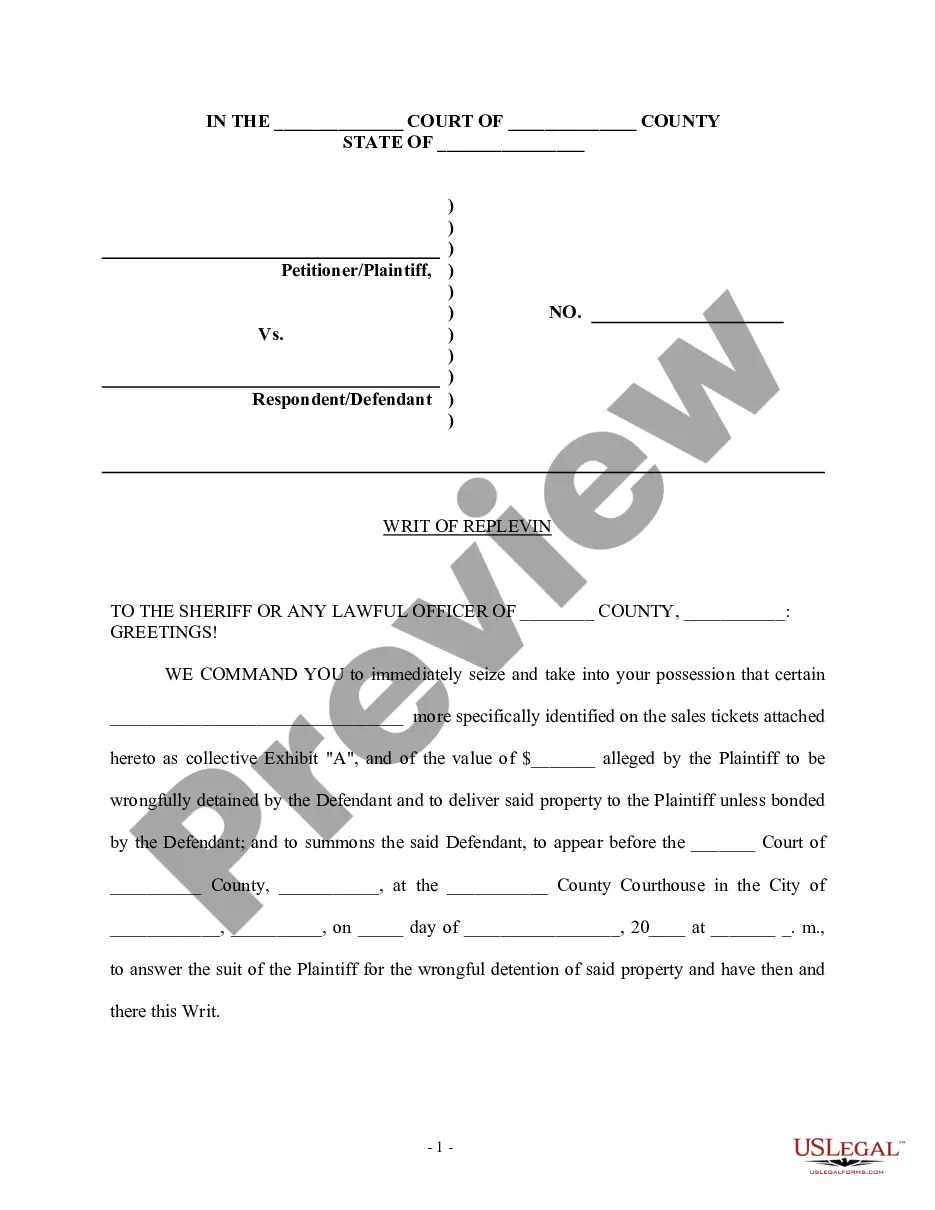
Get your form ready online
Our built-in tools help you complete, sign, share, and store your documents in one place.
Make edits, fill in missing information, and update formatting in US Legal Forms—just like you would in MS Word.
Download a copy, print it, send it by email, or mail it via USPS—whatever works best for your next step.
Sign and collect signatures with our SignNow integration. Send to multiple recipients, set reminders, and more. Go Premium to unlock E-Sign.
If this form requires notarization, complete it online through a secure video call—no need to meet a notary in person or wait for an appointment.
We protect your documents and personal data by following strict security and privacy standards.

Make edits, fill in missing information, and update formatting in US Legal Forms—just like you would in MS Word.

Download a copy, print it, send it by email, or mail it via USPS—whatever works best for your next step.

Sign and collect signatures with our SignNow integration. Send to multiple recipients, set reminders, and more. Go Premium to unlock E-Sign.

If this form requires notarization, complete it online through a secure video call—no need to meet a notary in person or wait for an appointment.

We protect your documents and personal data by following strict security and privacy standards.
Looking for another form?

How to fill out Writ Of Replevin Or Repossession?
Creating legal documents from the ground up can occasionally be daunting. Some situations may require extensive research and a significant financial investment.
If you’re looking for a simpler and more cost-effective approach to preparing Writ Or Written or other documentation without hassle, US Legal Forms is always available to assist you.
Our online library of over 85,000 current legal documents covers nearly every facet of your financial, legal, and personal affairs. With just a few clicks, you can quickly access templates specific to your state and county, meticulously crafted for you by our legal professionals.
Utilize our platform whenever you require trustworthy and dependable services to effortlessly find and download the Writ Or Written. If you're a returning user and have previously registered with us, simply Log In to your account, select the form, and download it or save it for future access in the My documents section.
US Legal Forms boasts an impeccable reputation and over 25 years of experience. Join us today and make document preparation a straightforward and efficient process!
- Review the form preview and descriptions to confirm that you are on the document you need.
- Ensure that the form you choose complies with your state and county regulations and laws.
- Select the most appropriate subscription plan to purchase the Writ Or Written.
- Download the document. Then fill out, verify, and print it.
Form popularity
FAQ
Filing a writ means formally requesting a court to issue an order directing a party to take a specific action or refrain from doing something. This legal document is crucial in seeking redress when other avenues have failed. A writ serves as a powerful tool to ensure compliance with legal standards and protect your rights. For assistance in preparing and filing a writ, consider using US Legal Forms, which provides resources tailored to your needs.
To file a writ petition, you must establish specific legal grounds. Common reasons include the violation of constitutional rights, the need for judicial review, or the existence of an abuse of discretion by a lower court or administrative body. Additionally, you may file a writ to compel a public official to perform a duty legally required of them. Understanding these grounds is crucial, and platforms like US Legal Forms can guide you through the process.
When you receive a writ, it mandates the party named in the order to comply with its terms. This could involve taking specific actions or refraining from certain behaviors. Failure to comply with a writ can lead to legal consequences, including contempt of court. To understand the implications and ensure your rights are protected, consider exploring the helpful resources available on the US Legal Forms platform.
Writs are issued by a court after reviewing a petition that outlines the grounds for the request. The court assesses whether the petitioner has a valid claim and if immediate action is warranted. If the court agrees, it will formally issue the writ, which then requires compliance from the party named. For assistance in preparing your petition, US Legal Forms offers a variety of resources to ensure you present a compelling case.
A writ is a formal legal order directing a party to perform or refrain from performing a specific act. It serves as a tool to enforce rights or compel action from public officials or lower courts. Essentially, a writ seeks to ensure justice and adherence to the law. If you're unsure about the process, US Legal Forms can provide detailed information and templates to help you navigate your legal needs.
To get a writ issued, you must file a petition in the appropriate court, detailing your request and the basis for it. This includes providing relevant documentation and evidence to support your case. Once the court reviews your petition, it may issue a writ if it finds merit in your request. Utilizing resources from US Legal Forms can simplify this process, ensuring you meet all legal requirements effectively.
A writ petition can be filed on various grounds, including the violation of constitutional rights, lack of jurisdiction, or failure to perform a duty by a public official. These grounds allow individuals to seek judicial intervention to correct an injustice. It's crucial to present clear evidence and legal reasons to support your claim. Using a platform like US Legal Forms can provide you with the necessary templates and guidance to frame your petition properly.
'Writ' is not an abbreviation for 'written'; they serve different functions in the English language. 'Writ' refers to a specific type of legal document, while 'written' describes the act of writing. To avoid confusion in legal contexts, use the terms appropriately. If you need help with legal writing, US Legal Forms offers templates to streamline the process.
'Writ' refers to a formal legal document issued by a court that commands the person to whom it is addressed to perform or refrain from performing a specific act. It plays a crucial role in legal proceedings and helps enforce the law. Understanding the meaning of 'writ' is essential for anyone involved in legal matters. For more information and resources, visit US Legal Forms.
Yes, 'writ' is grammatically correct when used in the right context, particularly in legal language. It signifies an official order issued by a court or authority. Using 'writ' correctly helps ensure clarity in legal communications. For accuracy in your legal documents, consider utilizing templates from US Legal Forms.