Writ Of Garnishment Form Florida
Description



Get your form ready online
Our built-in tools help you complete, sign, share, and store your documents in one place.
Make edits, fill in missing information, and update formatting in US Legal Forms—just like you would in MS Word.
Download a copy, print it, send it by email, or mail it via USPS—whatever works best for your next step.
Sign and collect signatures with our SignNow integration. Send to multiple recipients, set reminders, and more. Go Premium to unlock E-Sign.
If this form requires notarization, complete it online through a secure video call—no need to meet a notary in person or wait for an appointment.
We protect your documents and personal data by following strict security and privacy standards.

Make edits, fill in missing information, and update formatting in US Legal Forms—just like you would in MS Word.

Download a copy, print it, send it by email, or mail it via USPS—whatever works best for your next step.

Sign and collect signatures with our SignNow integration. Send to multiple recipients, set reminders, and more. Go Premium to unlock E-Sign.

If this form requires notarization, complete it online through a secure video call—no need to meet a notary in person or wait for an appointment.

We protect your documents and personal data by following strict security and privacy standards.
Looking for another form?
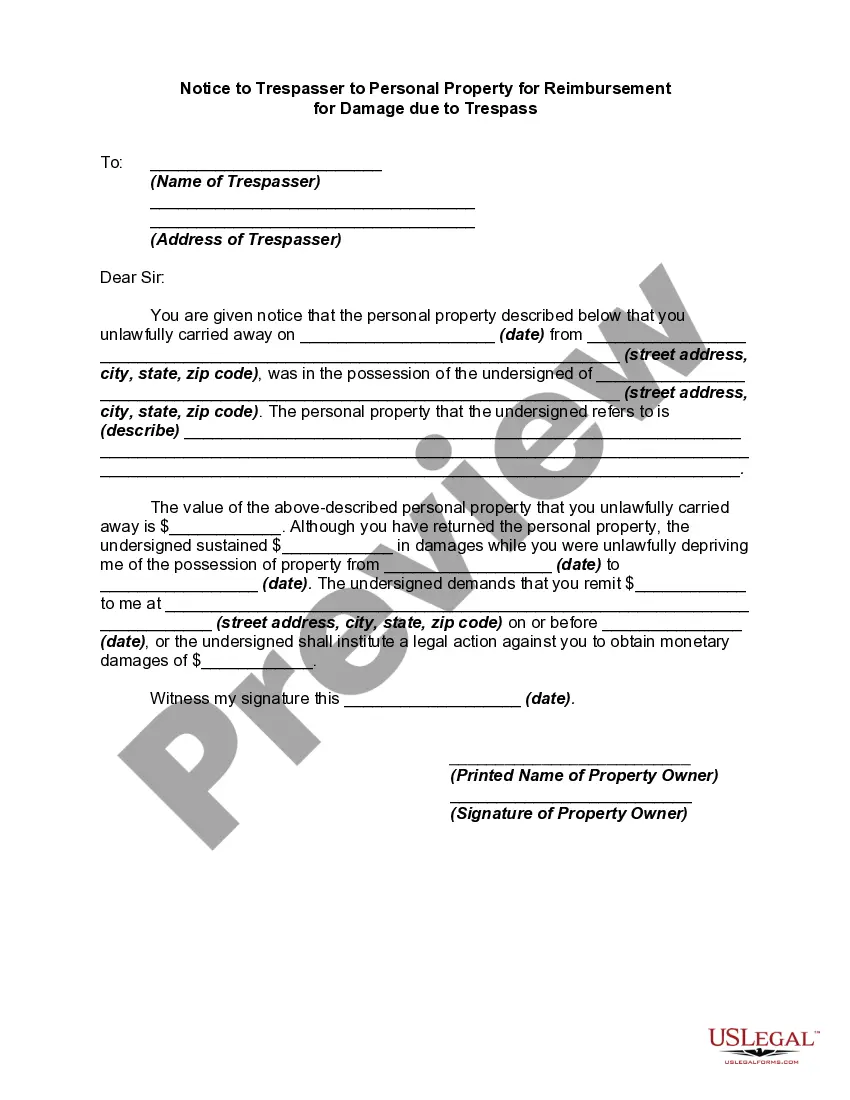

How to fill out Writ Of Replevin Or Repossession?
- If you have an existing account, log in and check your subscription status. Download the required form directly by clicking the Download button.
- For new users, start by reviewing the Preview mode and form description to confirm it meets your specific needs.
- If adjustments or different forms are necessary, utilize the Search tab to find an appropriate document that corresponds with your jurisdiction.
- Once you’ve found the right template, click the Buy Now button and choose a subscription plan that suits you. Registering an account is required to access the library.
- Complete your purchase by entering your payment details through credit card or PayPal for the selected subscription.
- Finally, download your completed form and save it on your device. You can also access it anytime under the My Forms section of your profile.
US Legal Forms empowers users by providing a robust collection of over 85,000 legal forms, more than any competitor at a similar cost. With premium expert assistance available, users can ensure their documents are accurate and legally binding.
In conclusion, using US Legal Forms for your writ of garnishment form in Florida is a convenient and efficient solution. Start today to simplify your legal document needs!
Form popularity
FAQ
A garnishment typically lasts until the total judgment debt is satisfied or if the court vacates the writ. In Florida, this can be up to 20 years, depending on the judgment. Therefore, keeping track of your financial commitments is essential, particularly when dealing with a writ of garnishment form Florida to ensure you're aware of any ongoing obligations.
To fight a writ of garnishment in Florida, begin by reviewing your case to identify valid grounds for a challenge. You may dispute the validity of the debt or the amount being garnished. Engaging with a legal professional can enhance your chances of success, and tools like the writ of garnishment form Florida from US Legal Forms make the necessary paperwork simple and straightforward.
To claim an exemption from a writ of garnishment in Florida, you must file an exemption claim in the court that issued the writ. For this process, provide solid evidence to support your claim, highlighting any applicable laws protecting your income or assets. Resources like the writ of garnishment form Florida on US Legal Forms can help you navigate filing for these exemptions effectively.
A Writ of Execution allows a creditor to seize property to satisfy a judgment, while a writ of garnishment directly targets wages or bank accounts to collect debt. Essentially, a Writ of Execution involves physical seizure, whereas a writ of garnishment deals with funds that are already held by a third party. Knowing this distinction can help you understand your options when dealing with financial obligations.
Yes, in Florida, a writ of garnishment can expire if the underlying judgment expires, typically within 20 years. Additionally, specific court rules may impact the duration. Understanding these time limits is crucial if you want to avoid unexpected deductions from your wages or accounts, so having access to a writ of garnishment form Florida can help manage this.
To file a motion to dissolve a writ of garnishment in Florida, you should gather the necessary forms and provide relevant details about your case. File the motion with the court that issued the writ, and include your reasons for requesting the dissolution. For added ease, you can find a writ of garnishment form Florida that simplifies this process on the US Legal Forms platform.
Upon receiving a writ of garnishment, review the document carefully and identify the creditor and the amounts listed. It's vital to respond promptly, as you may have the option to challenge or negotiate the garnishment. Consider consulting with a legal advisor to explore your options and utilize relevant resources like US Legal Forms for a writ of garnishment form Florida.
When filling out a challenge to garnishment form, provide your name, address, and the case number, along with reasons for your challenge. Be clear and specific about the grounds for your dispute, whether they relate to the amount or the validity of the writ. US Legal Forms offers a user-friendly writ of garnishment form Florida that can guide you through the process.
To dissolve a writ of garnishment in Florida, you must file a motion in the appropriate court. This involves completing the necessary paperwork, which may include a challenge to the garnishment and supporting evidence for your claim. Utilizing resources like a writ of garnishment form Florida from US Legal Forms can streamline this process for you.
In Florida, a creditor generally has 20 years to collect on a judgment. This period begins from the date the court issues the judgment. Therefore, if you face a writ of garnishment form Florida, understanding this timeline can help you plan your next steps, whether negotiating payments or seeking legal assistance.