Writ Of Garnishment Form 1128
Description



Get your form ready online
Our built-in tools help you complete, sign, share, and store your documents in one place.
Make edits, fill in missing information, and update formatting in US Legal Forms—just like you would in MS Word.
Download a copy, print it, send it by email, or mail it via USPS—whatever works best for your next step.
Sign and collect signatures with our SignNow integration. Send to multiple recipients, set reminders, and more. Go Premium to unlock E-Sign.
If this form requires notarization, complete it online through a secure video call—no need to meet a notary in person or wait for an appointment.
We protect your documents and personal data by following strict security and privacy standards.

Make edits, fill in missing information, and update formatting in US Legal Forms—just like you would in MS Word.

Download a copy, print it, send it by email, or mail it via USPS—whatever works best for your next step.

Sign and collect signatures with our SignNow integration. Send to multiple recipients, set reminders, and more. Go Premium to unlock E-Sign.

If this form requires notarization, complete it online through a secure video call—no need to meet a notary in person or wait for an appointment.

We protect your documents and personal data by following strict security and privacy standards.
Looking for another form?



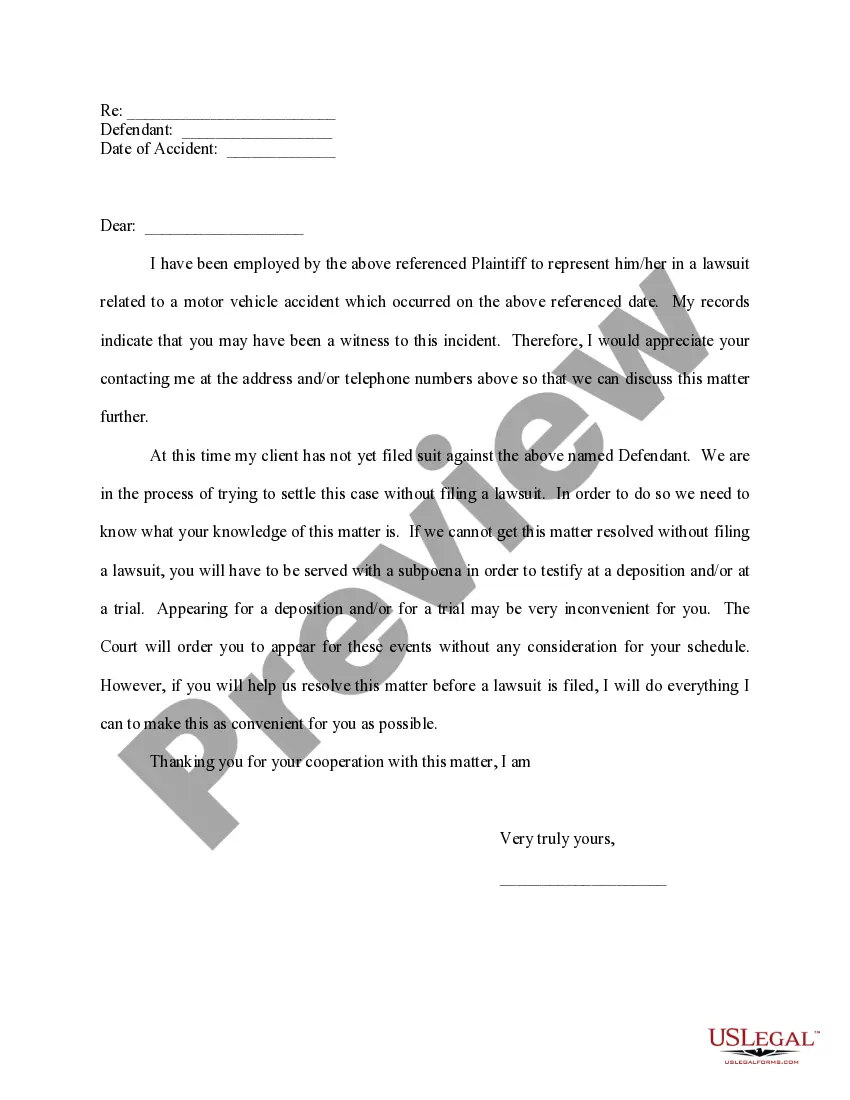


How to fill out Writ Of Replevin Or Repossession?
- If you're an existing user, log in to your account and locate the writ of garnishment form 1128 in your document library. Ensure your subscription is active; renew if necessary.
- For first-time users, begin by reviewing the form description and preview mode to verify it meets your legal needs and adheres to your local jurisdiction.
- If you need a different template, utilize the Search tab to find the correct form for your requirements. Confirm that it suits your case before progressing.
- Purchase the document by clicking on the Buy Now button. Select a subscription plan and create an account to access the entire library.
- Complete your transaction by entering your payment details through credit card or PayPal.
- Download the writ of garnishment form 1128 to your device and find it anytime in the My Forms section of your profile.
With US Legal Forms, you'll enjoy access to a robust library of templates, more extensive than competitors, ensuring you have the forms you need at a competitive cost. Moreover, users can consult premium experts for guidance in completing documents, which guarantees both precision and legality.
Start utilizing US Legal Forms today to simplify your legal document needs, and ensure you have the right forms at your fingertips!
Form popularity
FAQ
To obtain a writ of garnishment in Texas, you must first file a sworn application with the court and provide evidence of the debt owed. If the court approves your request, they will issue the writ which can then be served to the garnishee, such as your employer. Using the Writ of garnishment form 1128 can simplify this process and ensure you meet all legal requirements effectively.
The timeline for a writ of garnishment can vary based on the jurisdiction and the court's procedures. Once the writ is issued, it can be served to your employer within a few days, and the garnishment can begin shortly after. To expedite the process, using the Writ of garnishment form 1128 through U.S. Legal Forms can streamline your experience.
Typically, you will receive a formal notification from your employer or the court when a garnishment order is issued. This notice will outline the amount being withheld and your rights concerning the garnishment. If you're facing potential garnishment, consider early action by filling out the Writ of garnishment form 1128, which can help clarify your rights and obligations.
A request for a writ of garnishment of wages is a legal motion made by a creditor to the court, seeking permission to withhold a portion of your wages directly from your employer. This process is used to recover debts that remain unpaid after a judgment. Completing the Writ of garnishment form 1128 will provide you with the necessary documentation to initiate this process smoothly.
In most cases, you will receive notice before wage garnishment begins. Creditors usually must file a court action and give you a chance to respond. However, if you fail to respond or appear in court, your wages might be garnished without your prior knowledge. For assistance, the Writ of garnishment form 1128 is available to help you understand and manage such situations.
After a judgment is awarded, a creditor generally has several years to collect the debt, depending on state laws. In many states, this period can range from 5 to 20 years, which means creditors can pursue collection actions, including wage garnishment, during this time. Utilizing tools like the Writ of garnishment form 1128 can help you address any debts effectively.
The amount that can be garnished from your paycheck typically depends on your income and the type of debt. Generally, creditors can take up to 25% of your disposable earnings or the amount by which your weekly income exceeds 30 times the federal minimum wage, whichever is less. To get a clear understanding of how this applies to your specific situation, consider using the Writ of garnishment form 1128 through U.S. Legal Forms, which can guide you through the process.
A garnishment can be considered invalid for several reasons, such as lack of proper court order or mistakes in the garnishment process. If the creditor did not follow legal requirements or if you have debts that are exempt from garnishment, the writ may be invalid. You can contest the garnishment by filing the Writ of Garnishment Form 1128 with the appropriate court. Taking swift action is vital to protect your rights.
Wage garnishment rules in New Jersey limit the amount of your earnings that can be garnished, typically to 10% of your gross income. Importantly, the law protects certain types of income, like Social Security benefits. If you receive a writ of garnishment, you must respond promptly, potentially using the Writ of Garnishment Form 1128. Staying informed about these regulations can help safeguard your finances.
Yes, creditors can garnish your wages without prior notification in some circumstances, depending on state laws. Typically, they must secure a court order first, which may happen without your presence. This can lead to sudden wage deductions, so it's important to understand your rights and options. If you feel you have been wrongly garnished, the Writ of Garnishment Form 1128 can help you initiate a review.