Writ Of Execution Example
Description




Get your form ready online
Our built-in tools help you complete, sign, share, and store your documents in one place.
Make edits, fill in missing information, and update formatting in US Legal Forms—just like you would in MS Word.
Download a copy, print it, send it by email, or mail it via USPS—whatever works best for your next step.
Sign and collect signatures with our SignNow integration. Send to multiple recipients, set reminders, and more. Go Premium to unlock E-Sign.
If this form requires notarization, complete it online through a secure video call—no need to meet a notary in person or wait for an appointment.
We protect your documents and personal data by following strict security and privacy standards.

Make edits, fill in missing information, and update formatting in US Legal Forms—just like you would in MS Word.

Download a copy, print it, send it by email, or mail it via USPS—whatever works best for your next step.

Sign and collect signatures with our SignNow integration. Send to multiple recipients, set reminders, and more. Go Premium to unlock E-Sign.

If this form requires notarization, complete it online through a secure video call—no need to meet a notary in person or wait for an appointment.

We protect your documents and personal data by following strict security and privacy standards.
Looking for another form?

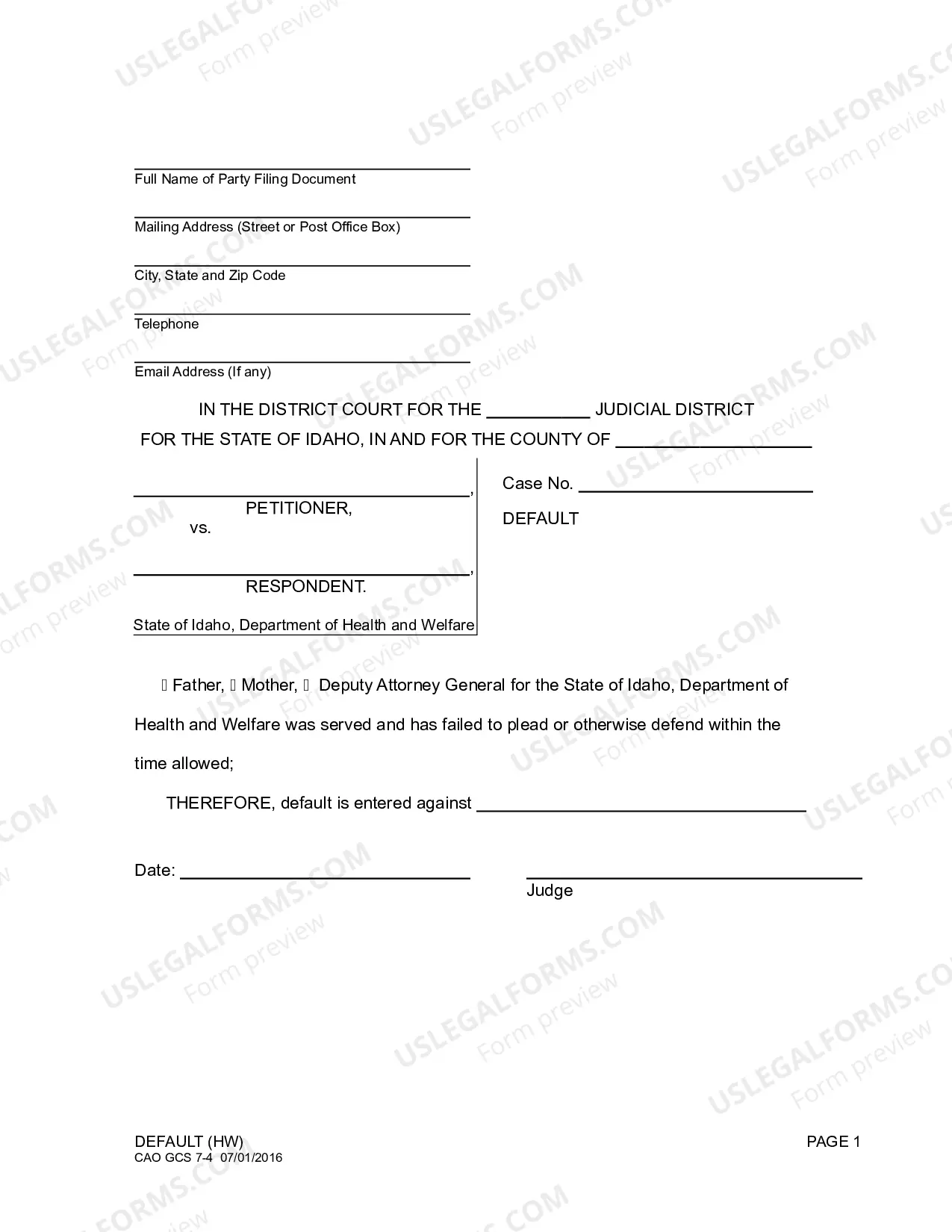
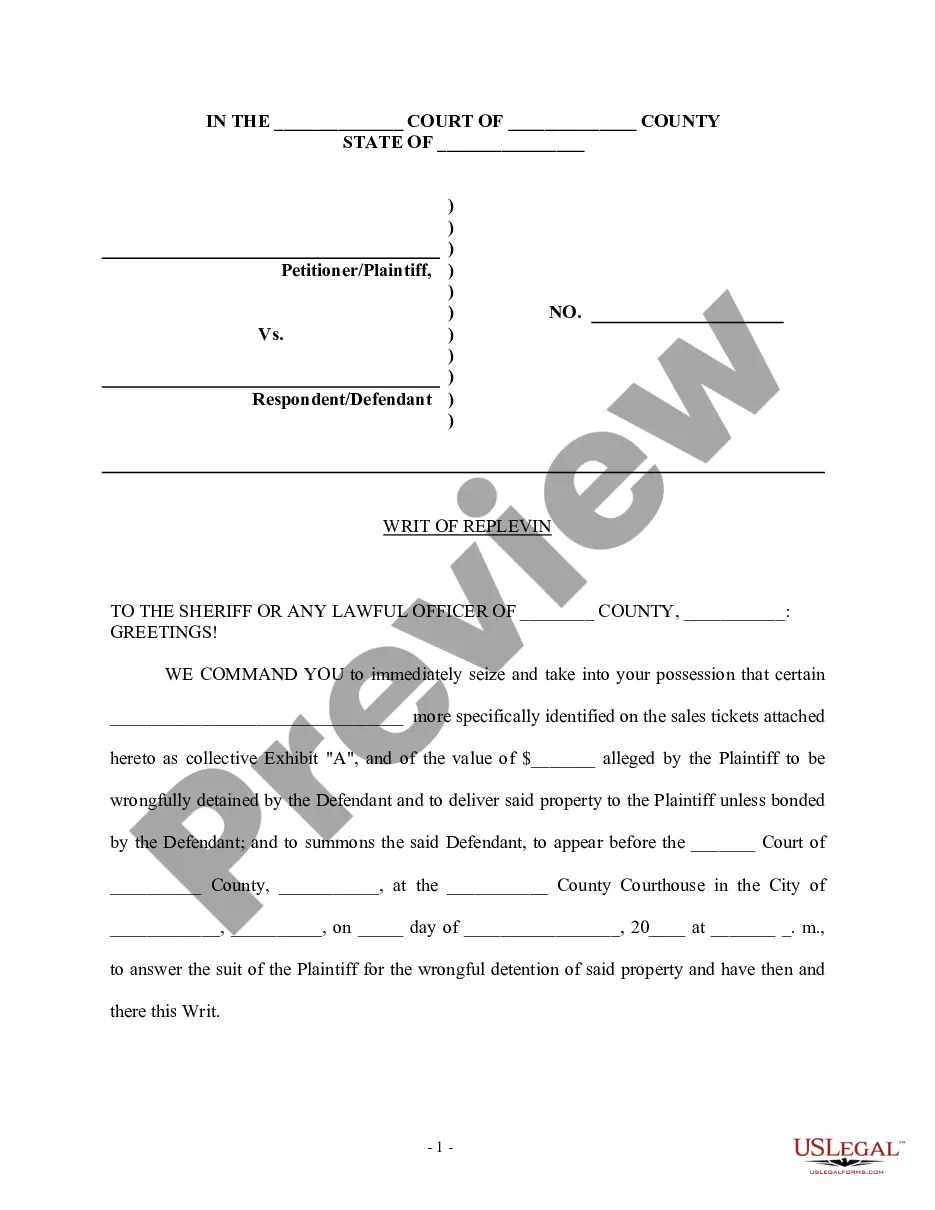
How to fill out Writ Of Replevin Or Repossession?
Creating legal documents from the ground up can frequently be daunting.
Some situations may require extensive investigation and substantial financial resources.
If you seek a more uncomplicated and economical method of generating Writ Of Execution Example or any other papers without having to navigate obstacles, US Legal Forms is always accessible to you.
Our online repository of over 85,000 current legal documents covers nearly every aspect of your financial, legal, and personal affairs.
However, before proceeding to download the Writ Of Execution Example, adhere to these suggestions: Verify the form preview and descriptions to confirm that you have the document you are looking for. Ensure that the form you choose complies with the laws and regulations of your state and county. Select the most suitable subscription plan to acquire the Writ Of Execution Example. Download the document, then complete, sign, and print it out. US Legal Forms holds a pristine reputation and boasts over 25 years of expertise. Join us today and make document execution a straightforward and efficient process!
- With just a few clicks, you can swiftly obtain state- and county-specific forms meticulously crafted for you by our legal experts.
- Utilize our website whenever you require dependable and trustworthy services to promptly find and download the Writ Of Execution Example.
- If you’re familiar with our services and have previously established an account with us, simply Log In to your account, search for the template, and download it or re-download it at any moment in the My documents section.
- Not signed up yet? No worries. It only takes a few minutes to set it up and browse the catalog.
Form popularity
FAQ
An example of a writ of execution could involve a judgment creditor seeking to collect a debt by seizing a debtor's bank account. The court issues the writ, which allows the creditor to request funds directly from the bank. Familiarizing yourself with a writ of execution example can offer valuable insights, particularly when engaging with a trusted platform like US Legal Forms for guidance.
A levy under a writ of execution involves the actual act of seizing a debtor's property to satisfy a judgment. Once the creditor obtains the writ, they can authorize a law enforcement officer to take possession of defined assets. Understanding the procedures regarding a levy can help protect your rights and clarify how a writ of execution example might impact you.
A writ of garnishment focuses specifically on capturing a debtor's wages or bank accounts, while a writ of execution allows for broader asset seizure. Essentially, a writ of execution gives the creditor the authority to take various types of property, whereas a writ of garnishment is limited to liquid assets. Knowing these distinctions is crucial for understanding how a writ of execution example might apply in your case.
Yes, a writ of execution can potentially lead to the loss of your house if the debt is secured by the property. However, there are legal protections and exemptions that may apply, and each situation differs. It’s essential to grasp the implications of a writ of execution example to navigate these circumstances effectively.
The primary purpose of a writ of execution is to enforce a court judgment. When a court decides in favor of a creditor, this writ allows them to collect the owed amount through various means, such as seizing property or garnishing wages. Understanding the function of a writ of execution example helps debtors recognize their rights and obligations.
A writ of execution and a levy are closely related but serve different purposes. A writ of execution is a court order that allows a judgment creditor to collect payment from a debtor's assets. In contrast, a levy refers to the actual seizure of those assets to satisfy the debt, illustrating a practical step taken by the creditor after obtaining a writ of execution example.
Yes, a writ of execution is a court order that empowers law enforcement to seize property or funds to satisfy a judgment. This order is a critical step in enforcing a judgment obtained in court. It signifies the legal system's support in collecting debts. For further understanding of the implications, consider reviewing resources on USLegalForms.
While both a writ of execution and foreclosure aim to recover debts, they differ significantly in application. A writ of execution typically involves seizing non-real estate assets, while foreclosure targets specific properties to satisfy a mortgage debt. Understanding each process can help you navigate them more effectively. If you need clarification, consulting USLegalForms can provide detailed insights.
Ignoring a writ of execution can lead to increased legal problems, including additional fees and interest. The court may authorize law enforcement to carry out the seizure of your assets. It’s advisable to address the situation swiftly to avoid complications. Legal advice may prove beneficial during such times to understand available options.
In a typical writ of execution example, assets like bank accounts, vehicles, or real estate owned by the debtor may be seized. This depends on the court's ruling and local laws, which can vary. It's crucial for the debtor to understand what assets may be at risk. For comprehensive guidance, you may benefit from resources offered by USLegalForms.