Writ Habeas Corpus
Description




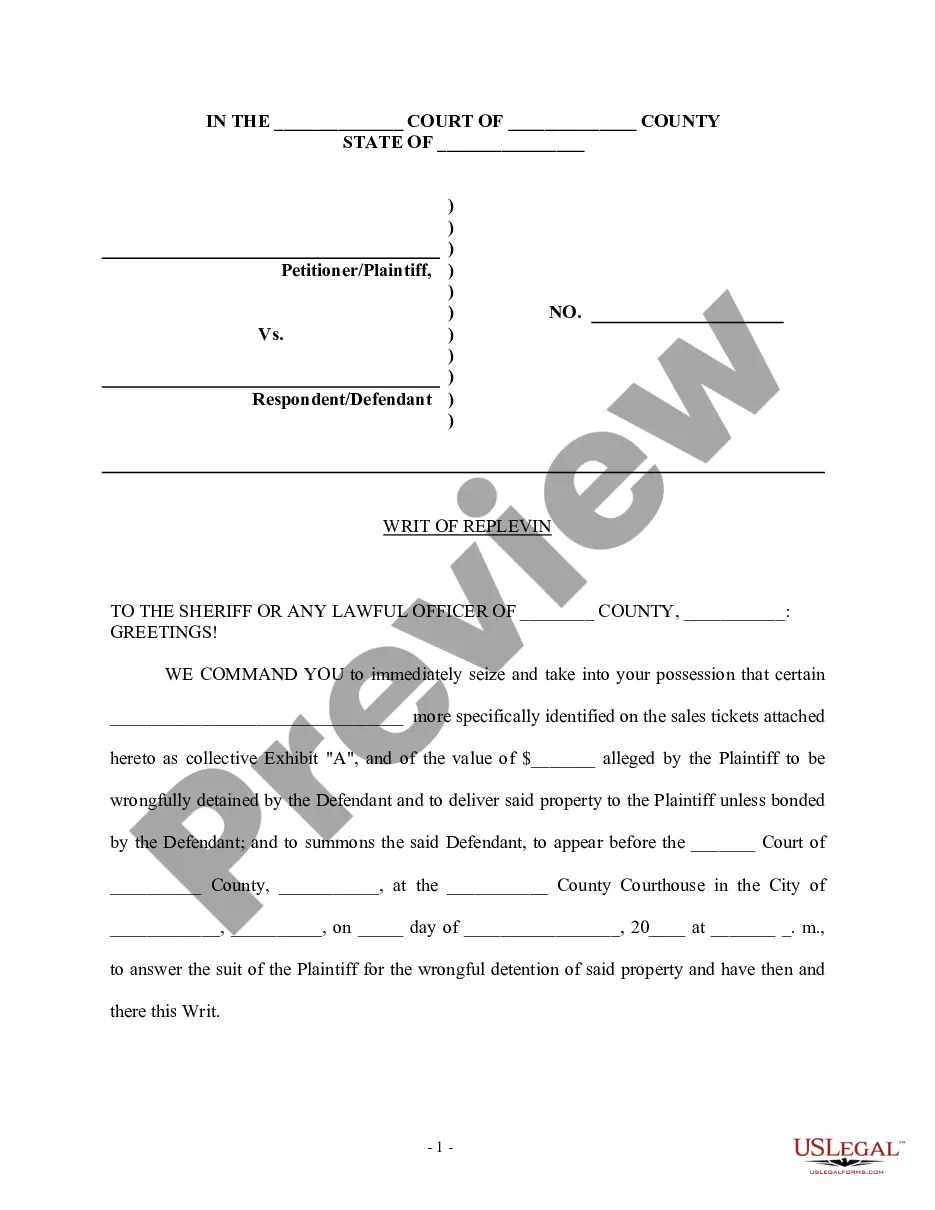
Get your form ready online
Our built-in tools help you complete, sign, share, and store your documents in one place.
Make edits, fill in missing information, and update formatting in US Legal Forms—just like you would in MS Word.
Download a copy, print it, send it by email, or mail it via USPS—whatever works best for your next step.
Sign and collect signatures with our SignNow integration. Send to multiple recipients, set reminders, and more. Go Premium to unlock E-Sign.
If this form requires notarization, complete it online through a secure video call—no need to meet a notary in person or wait for an appointment.
We protect your documents and personal data by following strict security and privacy standards.

Make edits, fill in missing information, and update formatting in US Legal Forms—just like you would in MS Word.

Download a copy, print it, send it by email, or mail it via USPS—whatever works best for your next step.

Sign and collect signatures with our SignNow integration. Send to multiple recipients, set reminders, and more. Go Premium to unlock E-Sign.

If this form requires notarization, complete it online through a secure video call—no need to meet a notary in person or wait for an appointment.

We protect your documents and personal data by following strict security and privacy standards.
Looking for another form?
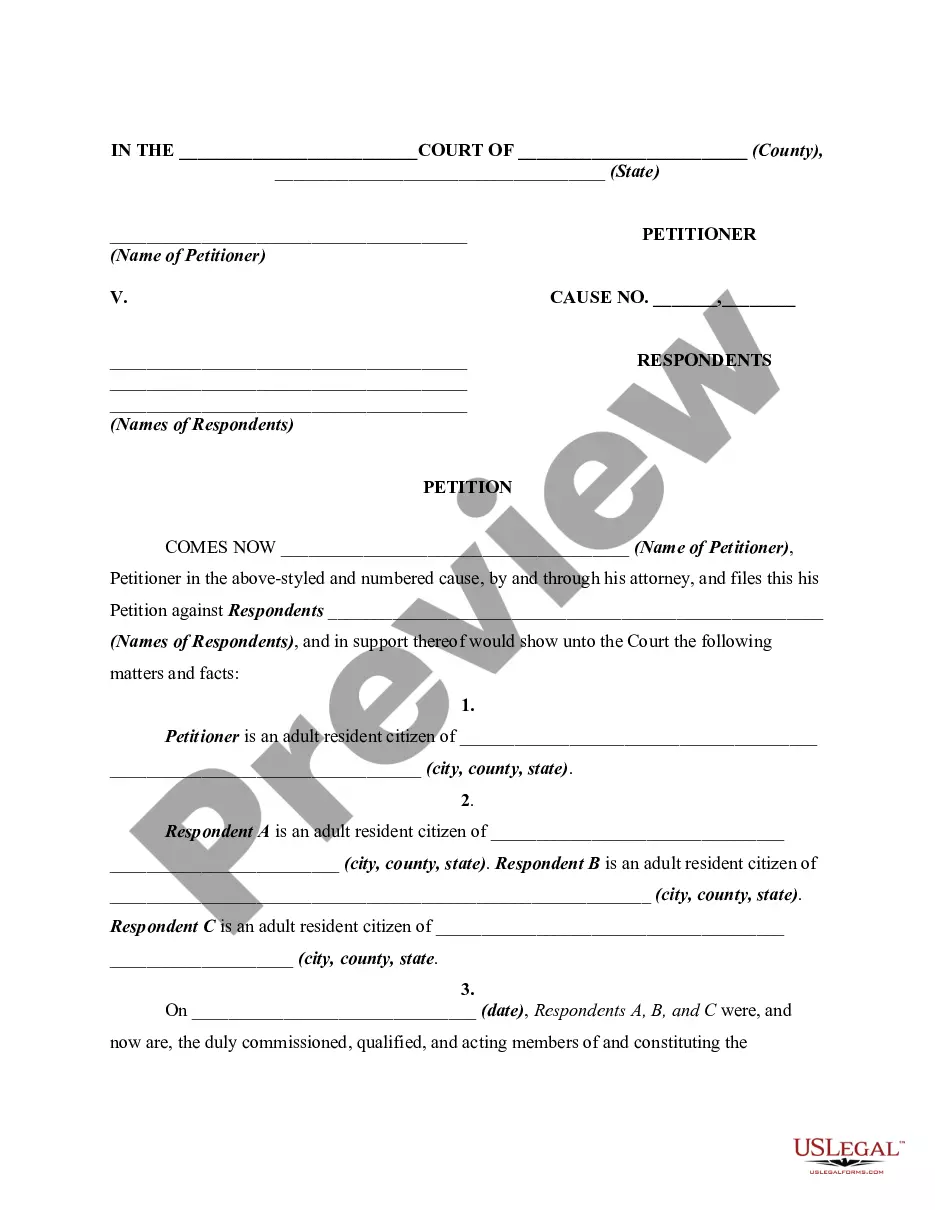

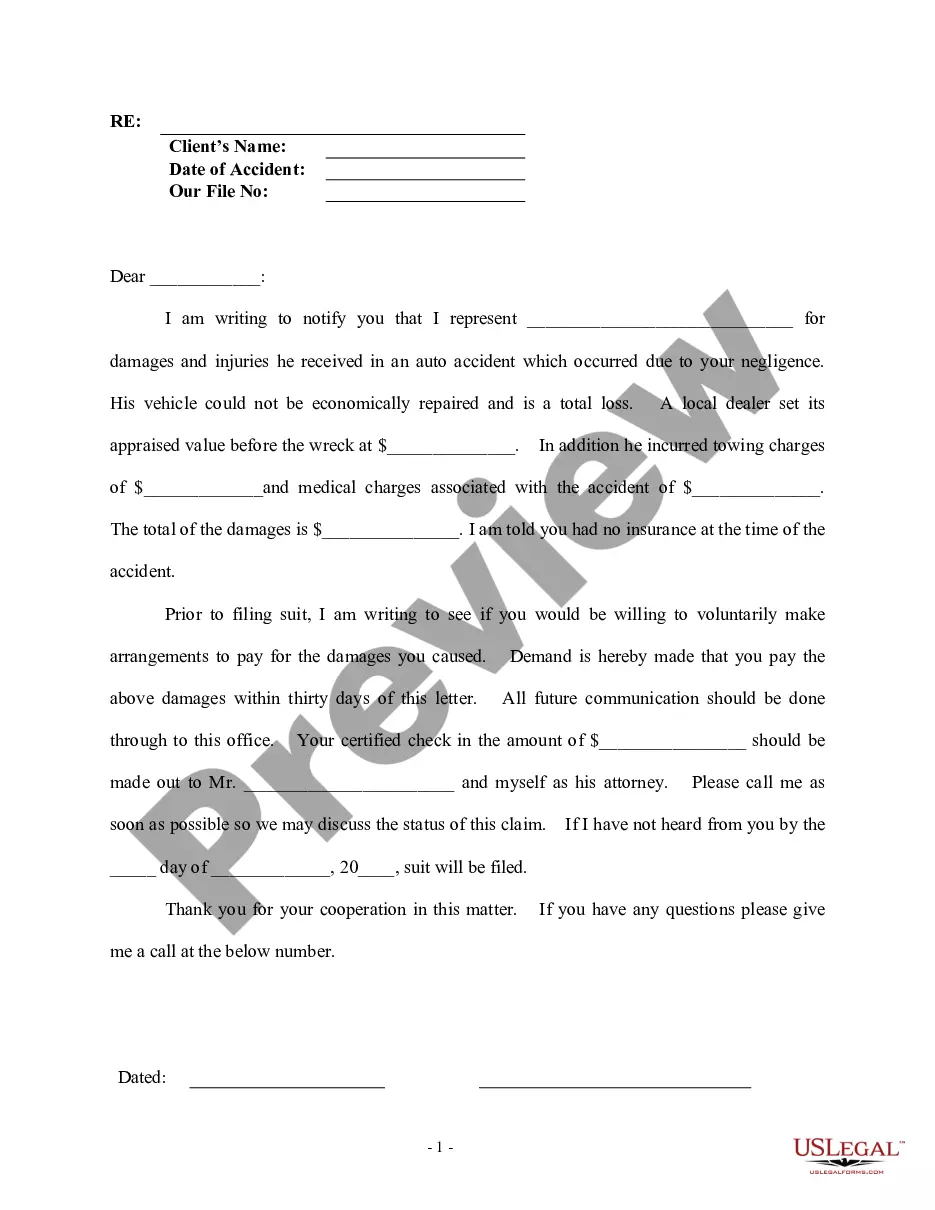
How to fill out Writ Of Replevin Or Repossession?
- For returning users, log in to your account and locate your desired form template. Ensure your subscription is active; if not, renew it as needed.
- For first-time users, start by browsing the extensive collection of legal forms. Check the Preview mode and ensure the selected form aligns with your needs and local jurisdiction.
- If the form isn’t suitable, utilize the Search tab to find the correct document. Once you find one that fits your requirements, proceed to purchase.
- Select the form by clicking the Buy Now button and choose an appropriate subscription plan. Create an account to access the vast library.
- Complete your purchase by entering your payment information via credit card or PayPal. Verify your purchase details before finalizing.
- Once the transaction is successful, download your form and save it on your device. Access your documents anytime under the My Forms section.
Using US Legal Forms not only saves you time but also ensures that you are covered legally. With over 85,000 templates available, this platform is tailored to meet your specific legal needs.
Don't hesitate to begin your journey toward obtaining a writ habeas corpus. Visit US Legal Forms today to empower yourself with the essential legal documents you need!
Form popularity
FAQ
An example of a writ of habeas corpus case is the landmark decision in 'Boumediene v. Bush', where the Supreme Court affirmed the right of Guantanamo detainees to challenge their detention through this legal measure. This case highlights how the writ habeas corpus can act as a powerful check on government authority. Through this legal avenue, individuals can seek justice when unjustly detained. Exploring cases like this can deepen your understanding of the writ habeas corpus and its significance in the legal system.
To write a writ of habeas corpus, start with a clear heading that identifies the court and the case title. Then, clearly state the facts of the case, the legal grounds for your claim, and what outcome you desire. Remember to include any supporting documentation that will strengthen your argument. US Legal Forms offers templates and instructions that can help you craft an effective writ habeas corpus.
To fill out a writ of habeas corpus, you need to begin by providing essential information about the detained person, including their name and the reason for their detention. Next, you should outline the legal basis for your request and specify the relief you seek from the court. Using the resources available on US Legal Forms can simplify this process, guiding you through each step of preparing your writ habeas corpus correctly.
A good sentence for habeas corpus might be, 'The writ of habeas corpus serves as a legal tool to ensure that an individual cannot be detained unlawfully.' This emphasizes the fundamental role of the writ in protecting personal freedom. By invoking the writ habeas corpus, individuals can challenge their detention before a court. This action upholds justice and safeguards civil rights.
Habeas corpus, in simple terms, is a legal tool that protects your right against illegal imprisonment. It allows an individual to seek relief from unlawful detention, ensuring that no one can be held without just cause. Knowing this concept empowers you to advocate for your rights and freedoms effectively.
In legal terms, 'corpus' refers to the body of a person or a thing. Within the context of writ habeas corpus, it underscores the focus on the individual's physical presence and legal rights. Understanding this term can help clarify the broader implications of custody and personal liberty.
Filing a writ of habeas corpus is essential when someone believes they are being unlawfully held in custody. It's a way to challenge the legality of detention and seek immediate relief. If you find yourself or someone you know in this situation, utilizing resources like UsLegalForms can help streamline the filing process.
The writ of habeas corpus is a legal order requiring a person in custody to be brought before a court. This writ protects against unlawful detention by ensuring that individuals have the right to appear before a judge. Thus, it serves as a critical safeguard of personal liberty within the legal system.
The writ of habeas data is a legal remedy that allows individuals to access information held by the state about them. It ensures that people can retrieve or challenge data that affects their rights. Moreover, knowing how this fits within the larger framework of legal protections can strengthen your understanding of your personal data rights.
An example of a writ of habeas corpus is when an individual is unlawfully detained and seeks to challenge the legality of their imprisonment. This legal action allows the detained person to request that a court review the reasons for their detention. The goal of a writ of habeas corpus is to ensure that no one is held without just cause. If you are facing similar issues, you can use US Legal Forms to access the necessary documents to file a writ of habeas corpus effectively.