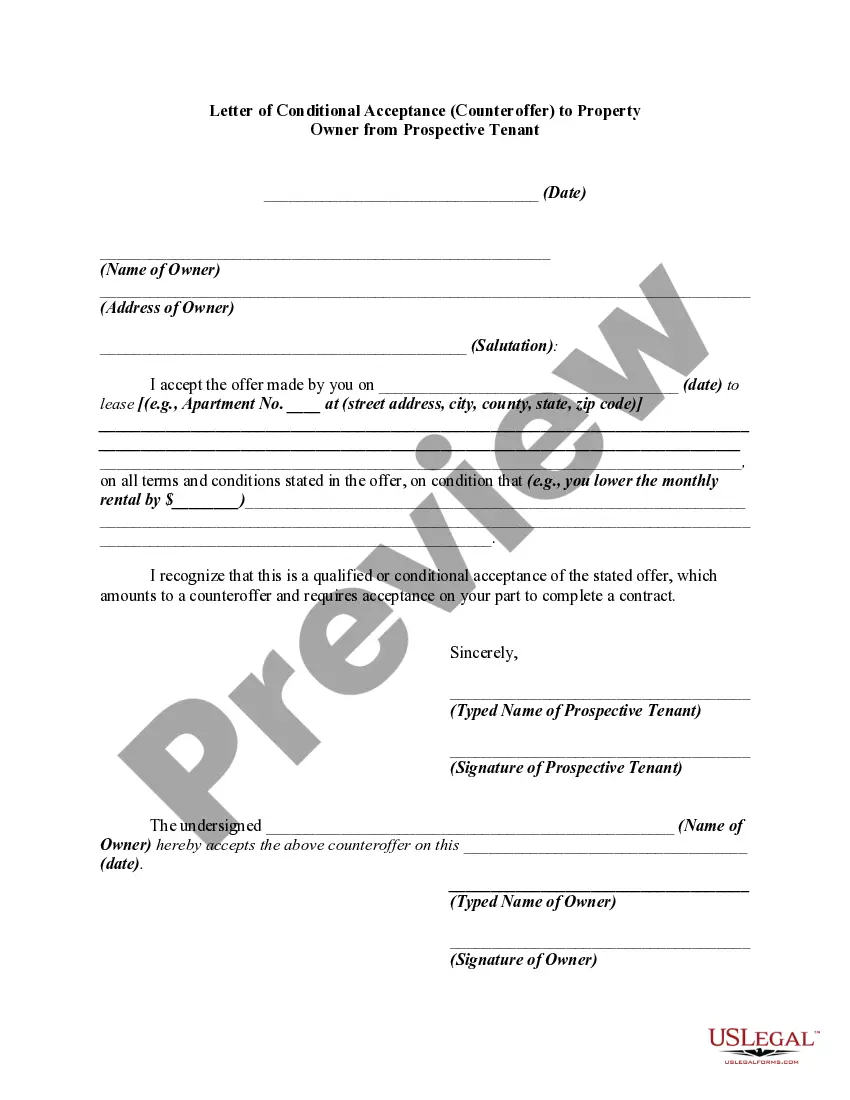
Conditional Acceptance For Value For Proof Of Claim
Description
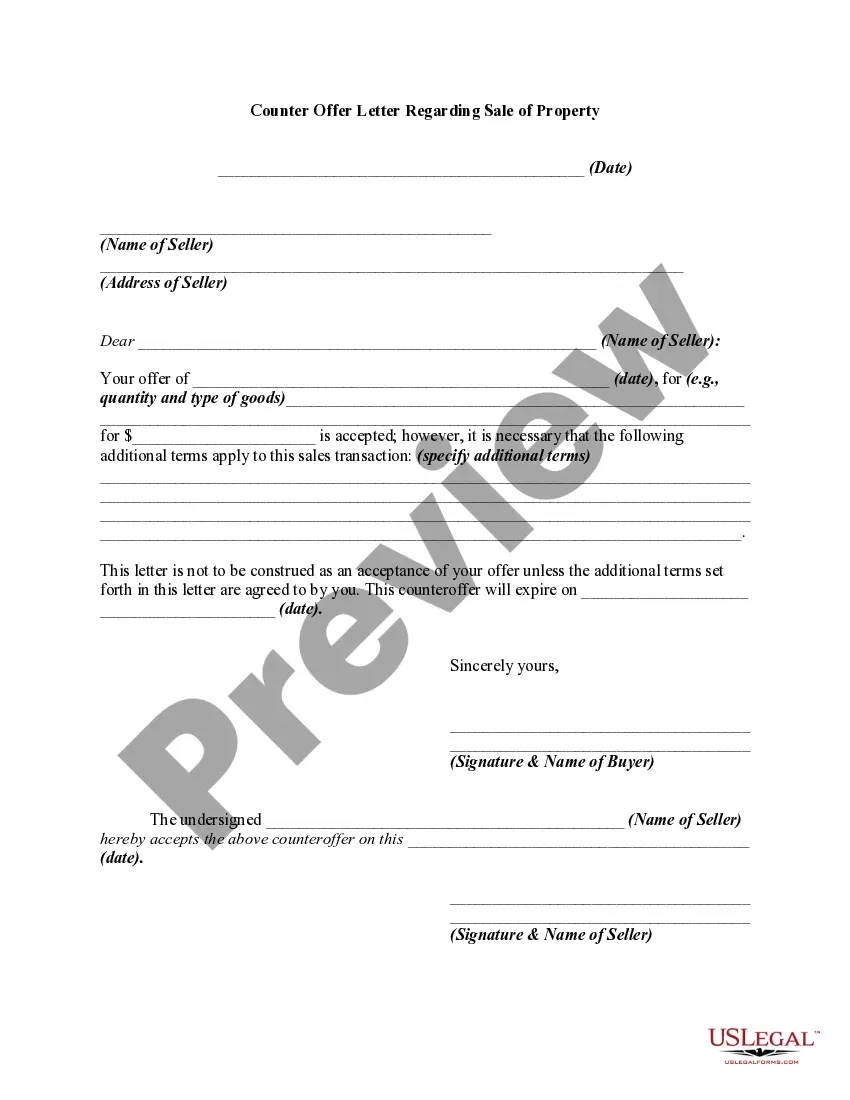
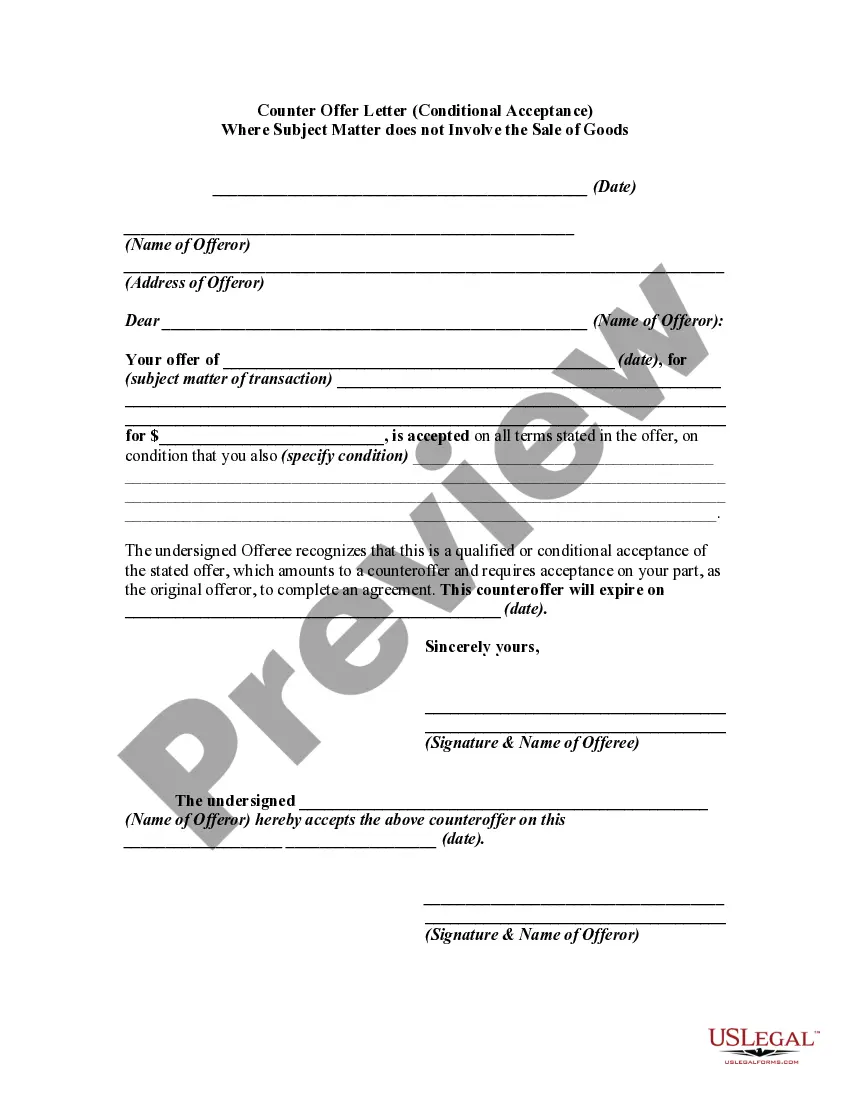
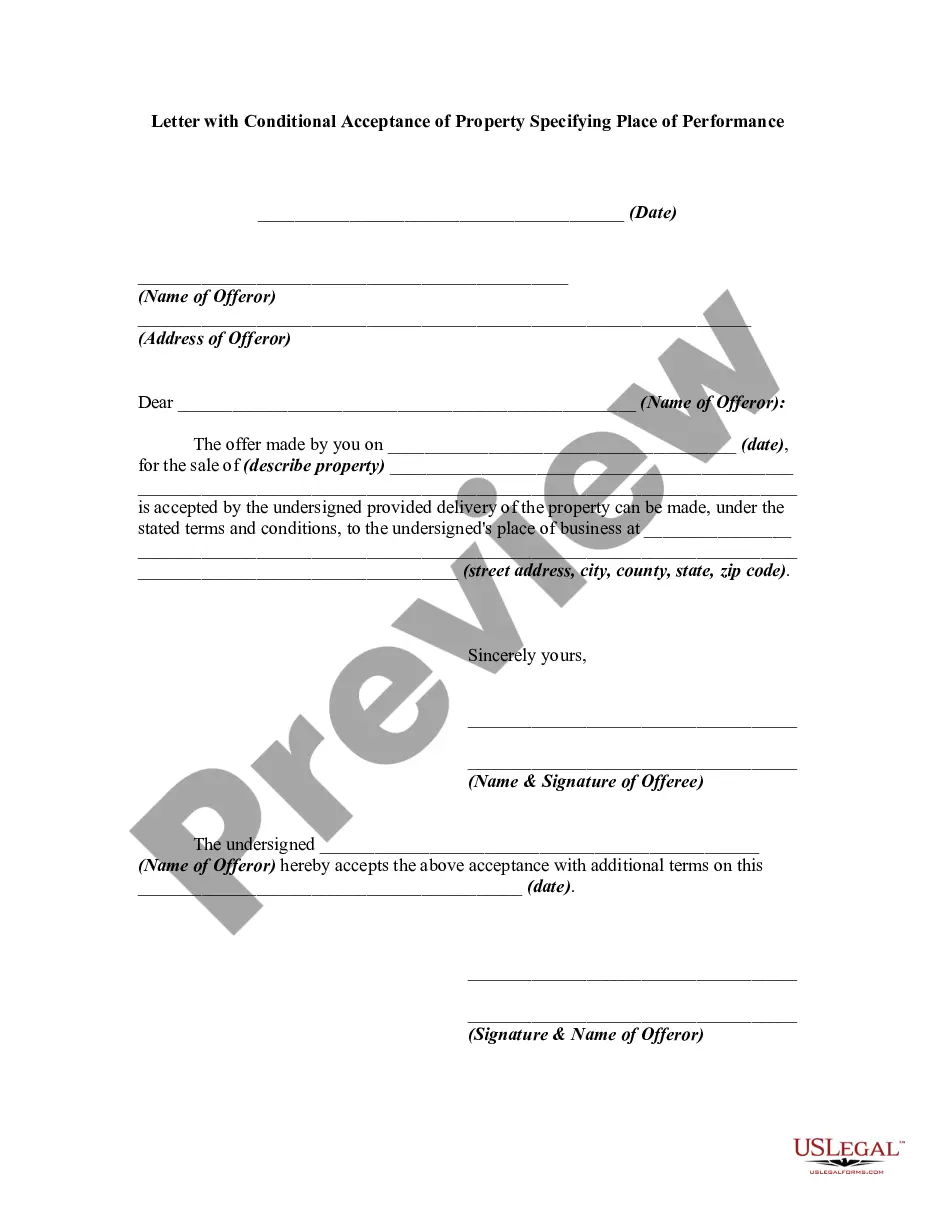
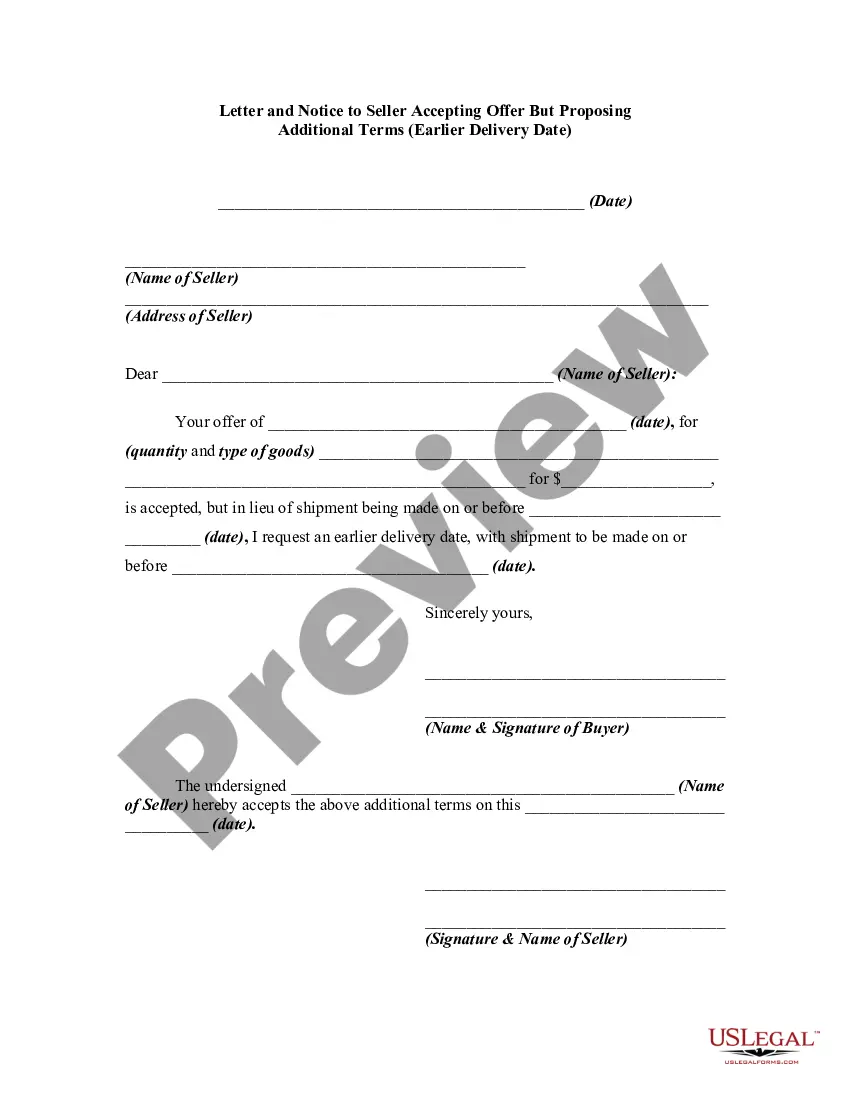
Get your form ready online
Our built-in tools help you complete, sign, share, and store your documents in one place.
Make edits, fill in missing information, and update formatting in US Legal Forms—just like you would in MS Word.
Download a copy, print it, send it by email, or mail it via USPS—whatever works best for your next step.
Sign and collect signatures with our SignNow integration. Send to multiple recipients, set reminders, and more. Go Premium to unlock E-Sign.
If this form requires notarization, complete it online through a secure video call—no need to meet a notary in person or wait for an appointment.
We protect your documents and personal data by following strict security and privacy standards.

Make edits, fill in missing information, and update formatting in US Legal Forms—just like you would in MS Word.

Download a copy, print it, send it by email, or mail it via USPS—whatever works best for your next step.

Sign and collect signatures with our SignNow integration. Send to multiple recipients, set reminders, and more. Go Premium to unlock E-Sign.

If this form requires notarization, complete it online through a secure video call—no need to meet a notary in person or wait for an appointment.

We protect your documents and personal data by following strict security and privacy standards.
Looking for another form?
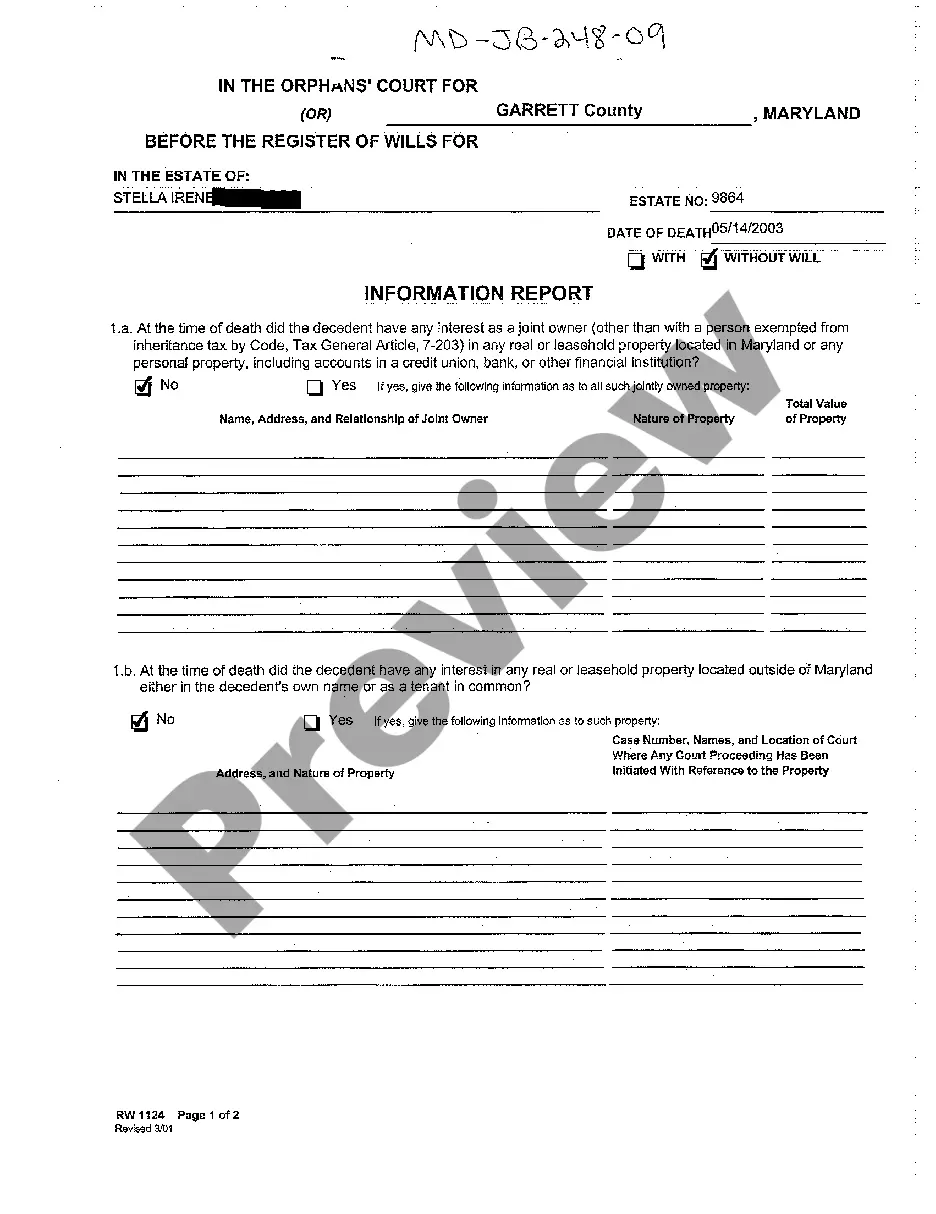
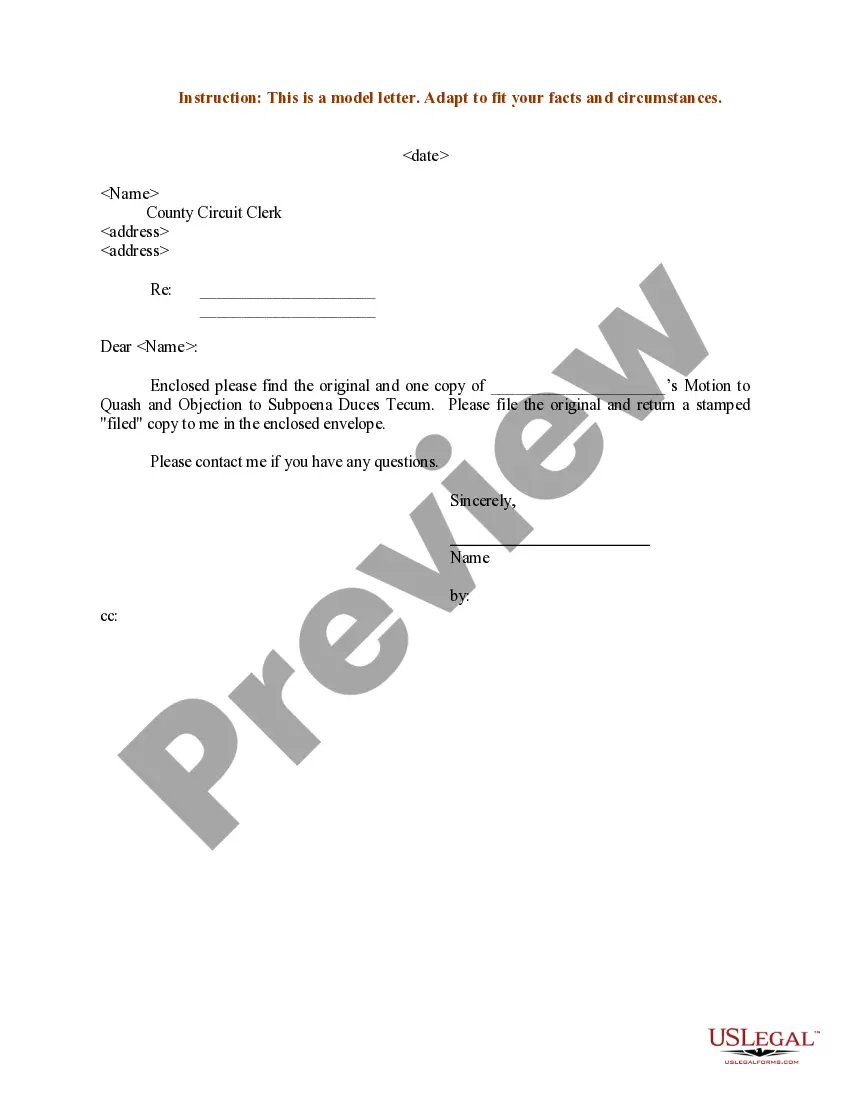
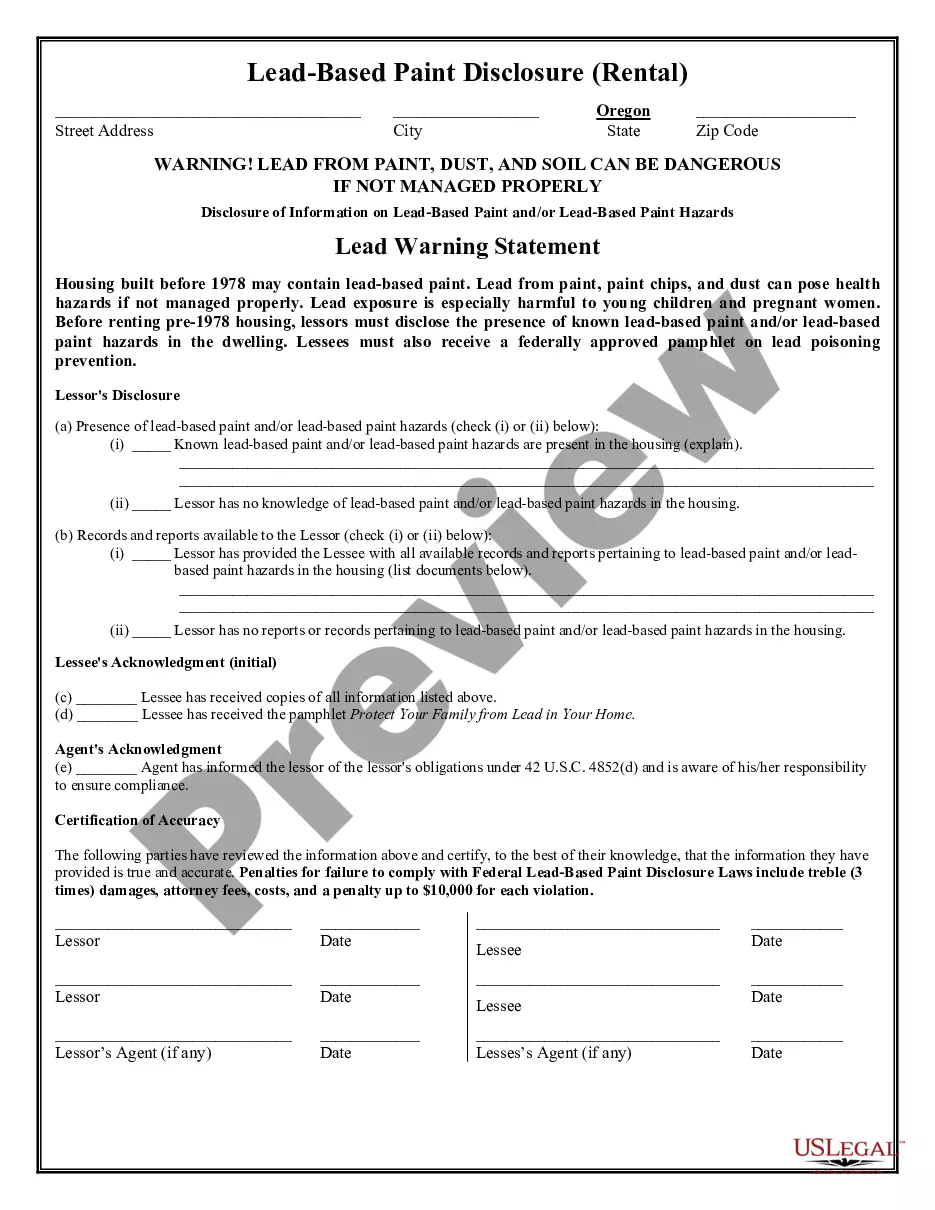
How to fill out Letter Of Conditional Acceptance - Counter Offer To Property Owner From Prospective Tenant?
Establishing a reliable source for the latest and suitable legal templates is a significant part of managing bureaucracy.
Selecting the correct legal documents requires accuracy and careful consideration, which is why it's crucial to obtain samples of Conditional Acceptance For Value For Proof Of Claim only from reputable sources, such as US Legal Forms. An incorrect template can waste your time and postpone your current situation.
Eliminate the stress linked to your legal documentation. Browse the extensive US Legal Forms collection to locate legal samples, assess their applicability to your situation, and download them instantly.
- Use the library navigation or search function to find your document.
- Review the form’s description to determine if it meets the criteria for your state and county.
- Preview the form, if an option is available, to ensure it is the template you require.
- Return to the search to find a suitable template if the Conditional Acceptance For Value For Proof Of Claim does not meet your needs.
- If you are confident about the form’s applicability, download it.
- As a registered user, click Log in to verify your identity and access your selected forms in My documents.
- If you do not have an account yet, click Buy now to acquire the form.
- Choose the pricing plan that best fits your requirements.
- Proceed to registration to finalize your purchase.
- Complete your transaction by selecting a payment method (credit card or PayPal).
- Select the file format for downloading Conditional Acceptance For Value For Proof Of Claim.
- Once you have the document on your device, you can edit it using the editor or print it out and complete it by hand.
Form popularity
FAQ
A conditional acceptance signifies that the offer is recognized, yet it necessitates the fulfillment of additional conditions before it becomes binding. This approach serves as a strategic tool in negotiations, particularly in scenarios involving conditional acceptance for value for proof of claim, allowing you to navigate complex situations while reserving your rights until all specified terms are satisfied.
A conditional acceptance can be legally binding if both parties agree to the stipulated conditions outlined in the acceptance. However, because it involves specific requirements, it does not represent full acceptance until those conditions are met. Understanding the nuances of conditional acceptance for value for proof of claim is important to ensure that you protect your rights while moving forward.
A conditional offer does not mean you are fully accepted; rather, it indicates that your status remains open to negotiations. This offering type seeks clarification or fulfillment of certain conditions before reaching a complete agreement. When utilizing conditional acceptance for value for proof of claim, it’s essential to maintain communication with the other party to meet these requirements effectively.
Acceptance implies a full agreement to the terms presented, whereas conditional acceptance introduces stipulations or requirements that must be satisfied before full acceptance can occur. In the realm of conditional acceptance for value for proof of claim, it's crucial to understand this distinction; a conditionally accepted offer reflects ongoing discussions and negotiations, rather than a straightforward agreement.
To be conditionally accepted means that your claim or offer is acknowledged, but certain specific conditions must be fulfilled before it is fully accepted. In the context of conditional acceptance for value for proof of claim, it indicates that you acknowledge the receipt of an offer while reserving your rights to question its validity. This approach allows both parties to proceed while maintaining flexibility in negotiations.
The conditional acceptance rule allows a party to accept an offer while proposing specific conditions that must be fulfilled for the agreement to be valid. This rule is essential for maintaining clarity in legal transactions. Understanding and applying this rule can significantly enhance your approach to proof of claim matters.
Acceptance for value is a financial process where you agree to a claim's worth while outlining conditions that must be met for the agreement to hold. This action is vital in managing liabilities effectively. By employing acceptance for value, you can navigate the complexities of proof of claim situations more confidently.
To accept a bill for value, you should provide a clear statement that recognizes the bill’s worth while adhering to any related terms or conditions. This action serves as confirmation and helps you maintain control over the request for payment. It is particularly beneficial when addressing proof of claim issues.
Acceptance for value (A4V) via the IRS refers to a process where you acknowledge a tax-related document's value while asserting your rights concerning its payment. This method places you in a better position to handle any claims from the IRS. Utilizing this approach can aid in managing federal claims effectively.
A conditional acceptance notice is a formal communication that establishes your acceptance of a claim but specifies conditions that must be met. This notice helps prevent misunderstandings and clarifies your position regarding any obligations. By using such a notice, you can protect your interests while navigating proof of claim matters.