Real Estate For Sale
Description
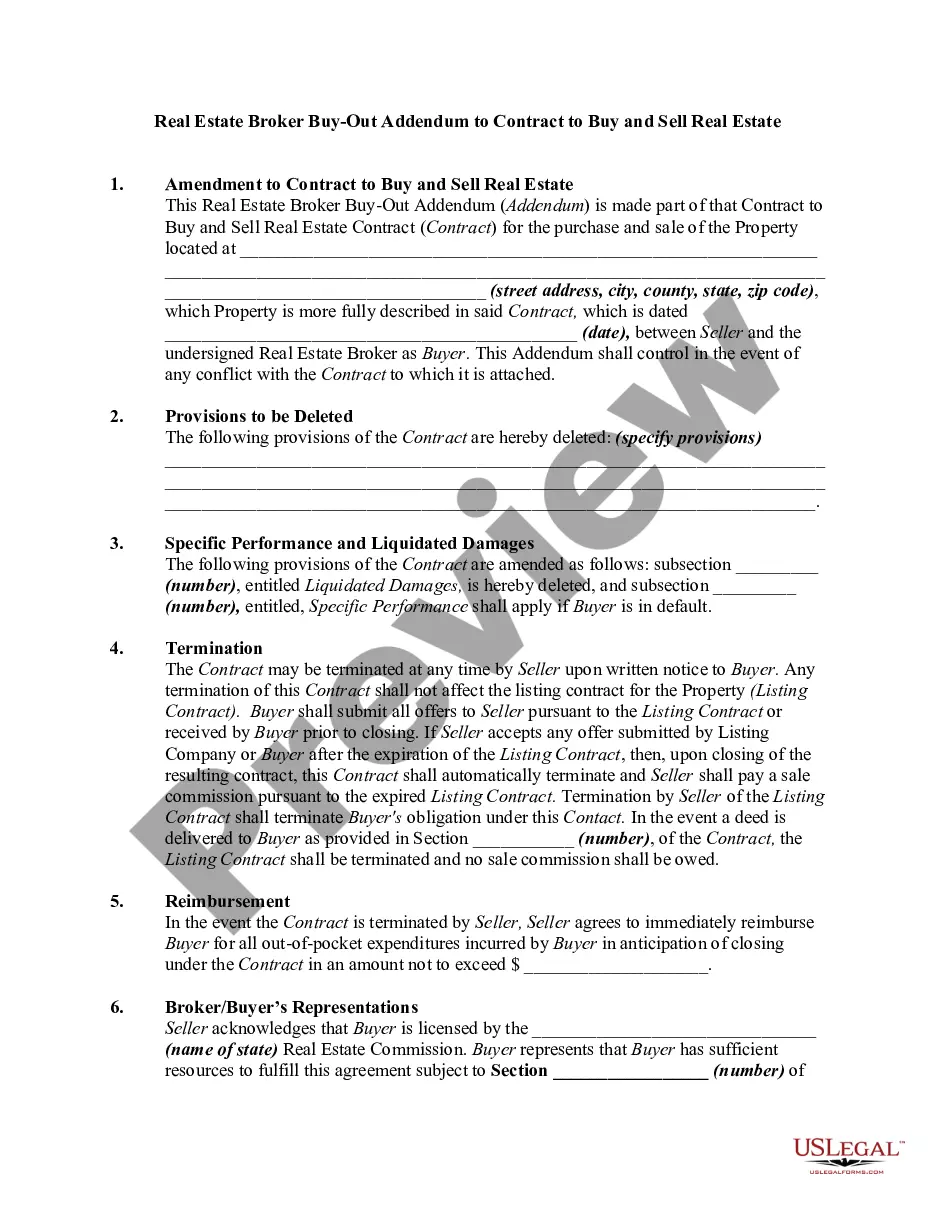
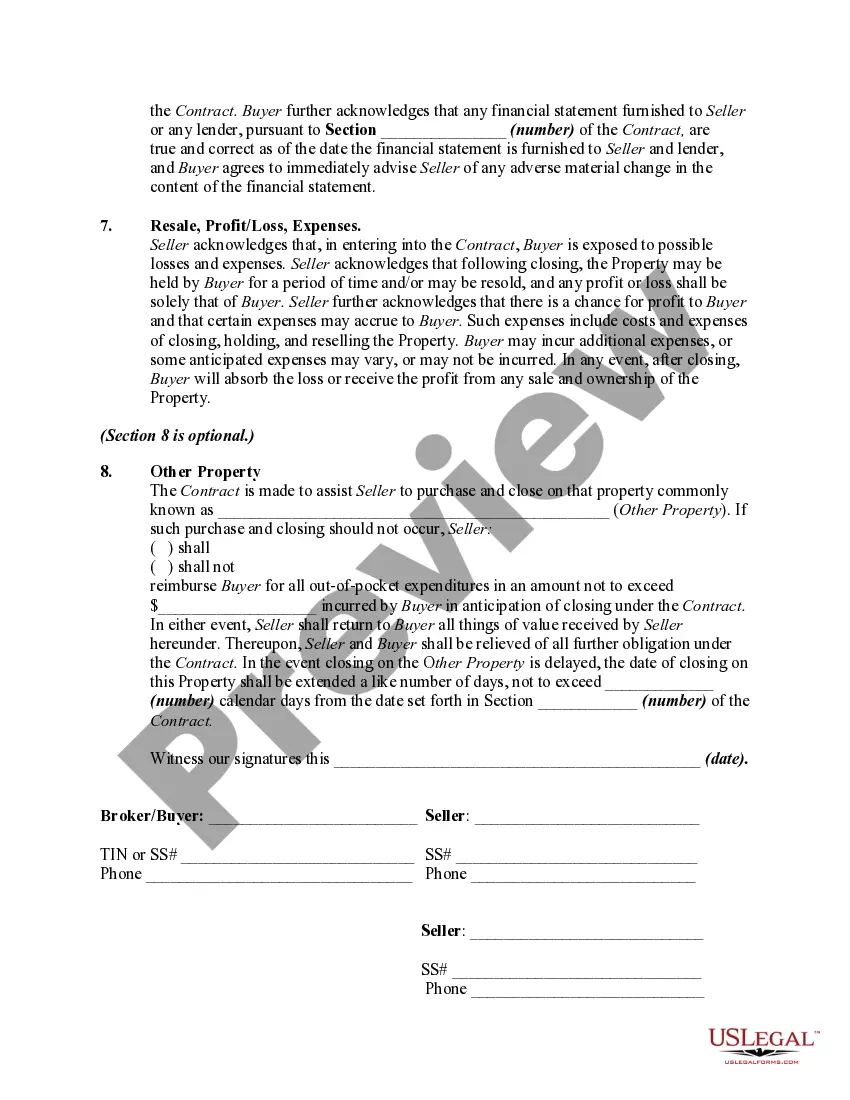
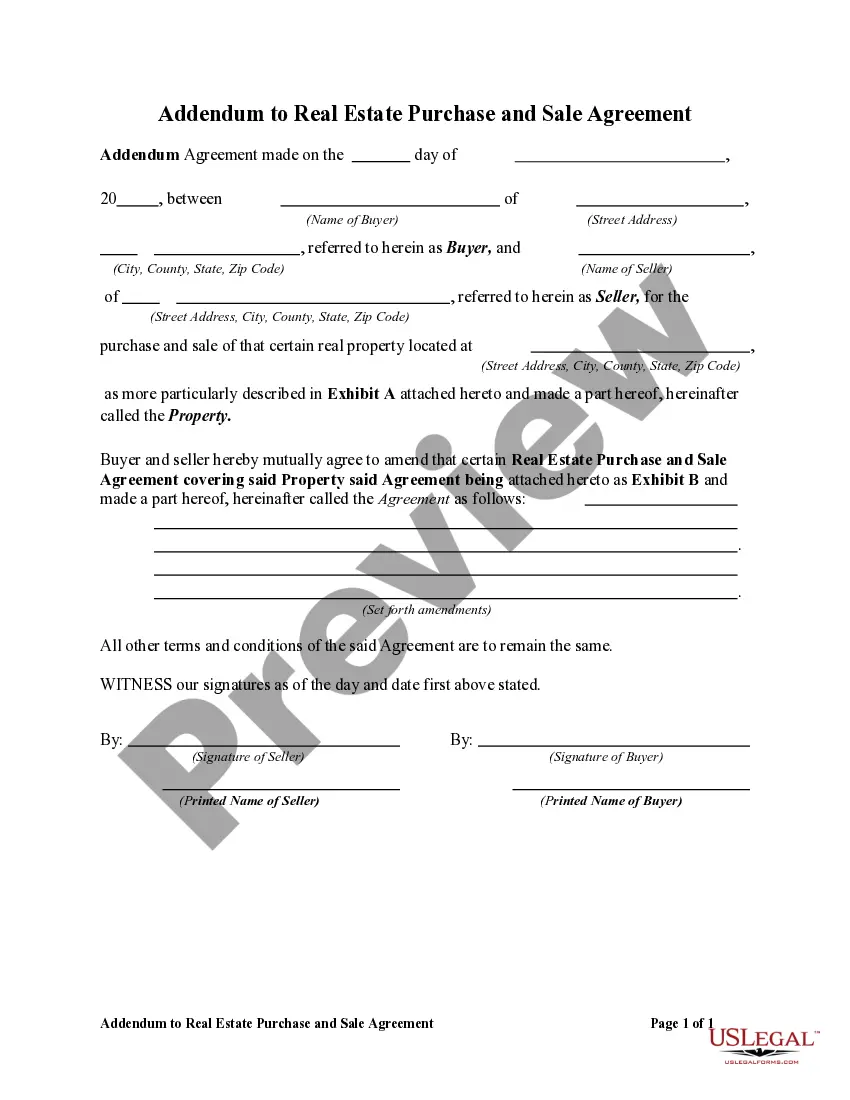
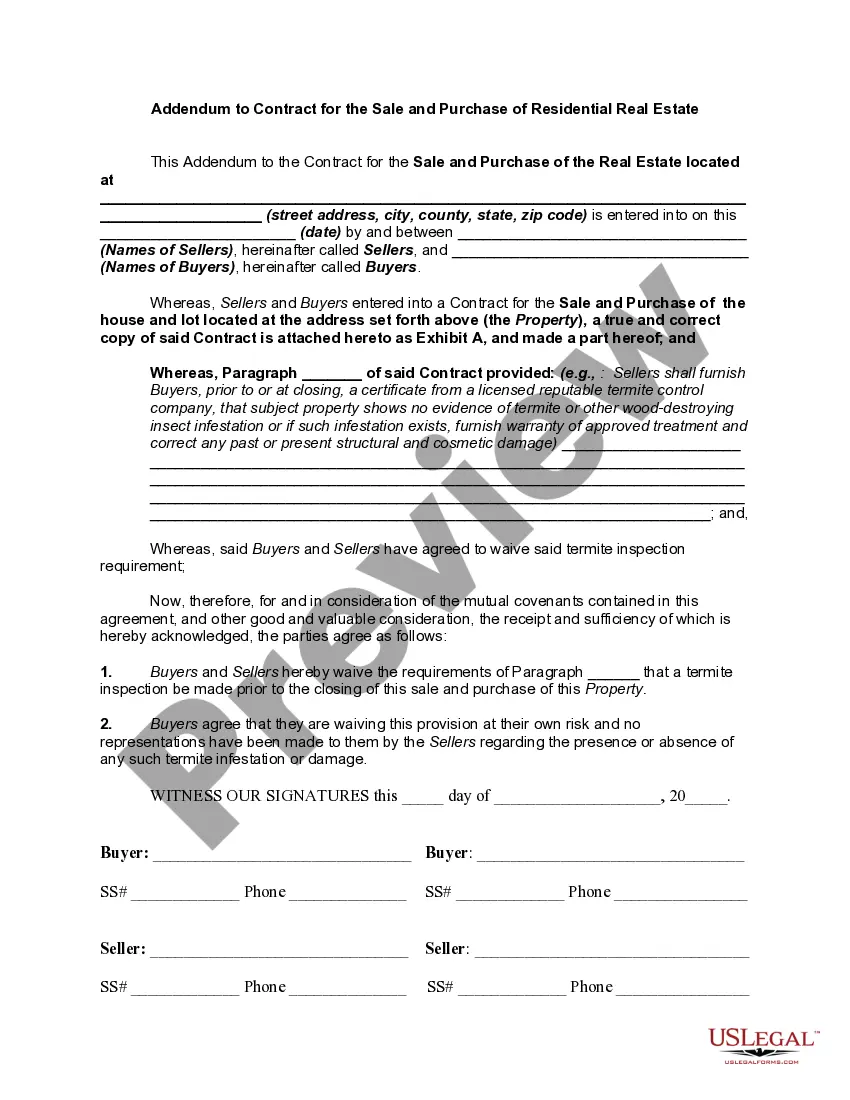
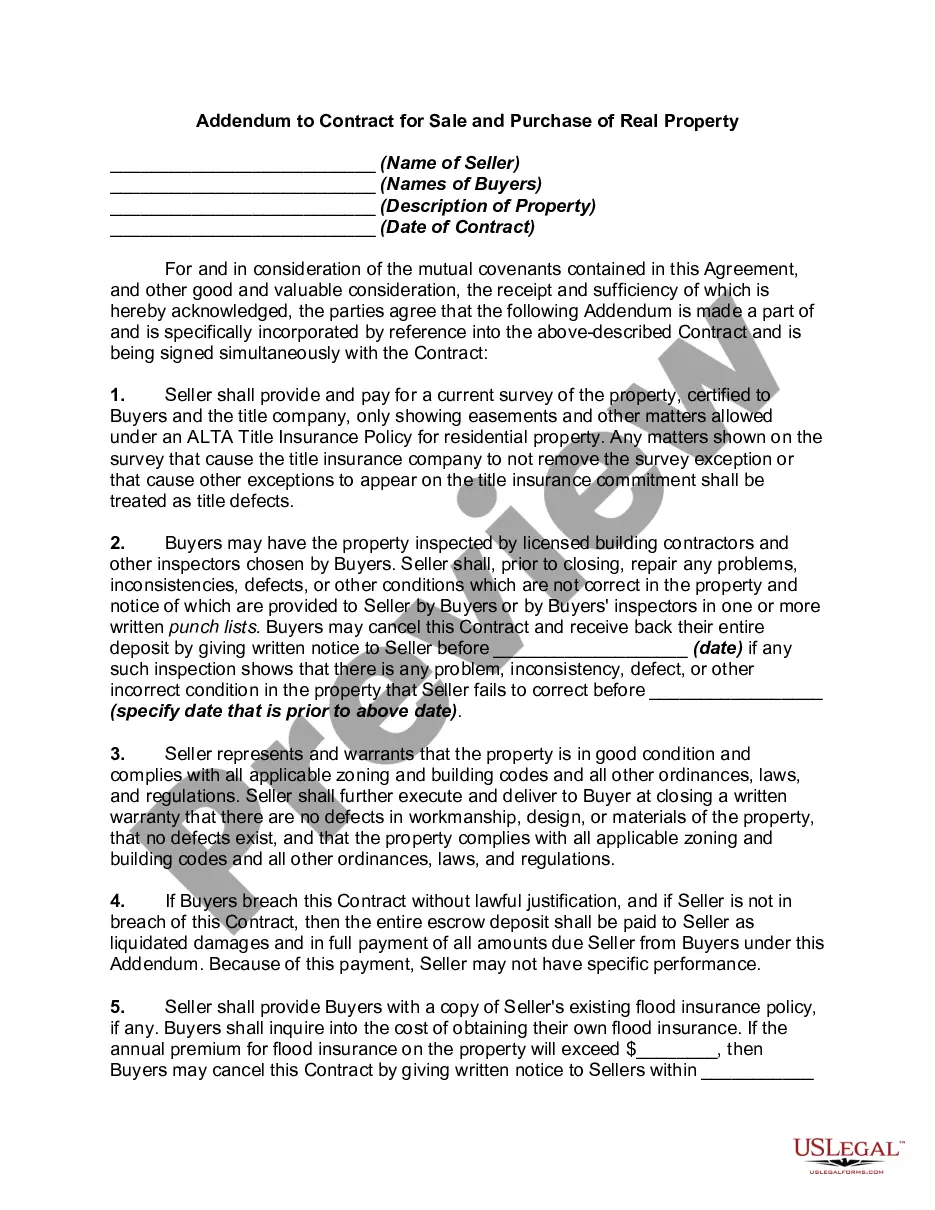
Get your form ready online
Our built-in tools help you complete, sign, share, and store your documents in one place.
Make edits, fill in missing information, and update formatting in US Legal Forms—just like you would in MS Word.
Download a copy, print it, send it by email, or mail it via USPS—whatever works best for your next step.
Sign and collect signatures with our SignNow integration. Send to multiple recipients, set reminders, and more. Go Premium to unlock E-Sign.
If this form requires notarization, complete it online through a secure video call—no need to meet a notary in person or wait for an appointment.
We protect your documents and personal data by following strict security and privacy standards.

Make edits, fill in missing information, and update formatting in US Legal Forms—just like you would in MS Word.

Download a copy, print it, send it by email, or mail it via USPS—whatever works best for your next step.

Sign and collect signatures with our SignNow integration. Send to multiple recipients, set reminders, and more. Go Premium to unlock E-Sign.

If this form requires notarization, complete it online through a secure video call—no need to meet a notary in person or wait for an appointment.

We protect your documents and personal data by following strict security and privacy standards.
Looking for another form?

How to fill out Real Estate Broker BuyOut And Price Addendum To Contract To Buy And Sell Real Estate?
Whether for professional reasons or for personal issues, everyone must handle legal matters at some point in their lives.
Filling out legal forms demands meticulous focus, starting from choosing the correct form template.
With a vast US Legal Forms catalog available, you won't waste time searching for the correct template across the web. Use the library's easy navigation to find the suitable form for any situation.
- Locate the template you require through the search box or catalog browsing.
- Review the form's details to ensure it aligns with your situation, region, and county.
- Click on the form's preview to view it.
- If it is the wrong document, return to the search tool to find the Real Estate For Sale template you need.
- Obtain the template if it fits your requirements.
- If you already have a US Legal Forms account, simply click Log in to access previously saved documents in My documents.
- If you do not have an account yet, you can acquire the form by clicking Buy now.
- Choose the appropriate pricing option.
- Complete the account registration form.
- Select your payment method: you may use a credit card or PayPal account.
- Choose the file format you desire and download the Real Estate For Sale.
- Once it is saved, you can fill out the form using editing software or print it to complete it manually.
Form popularity
FAQ
The 3 3 3 rule emphasizes that you should explore three neighborhoods, visit three homes in each neighborhood, and view properties within a three-day timeframe. This approach helps buyers gain a solid understanding of market options and keeps your home search efficient. Utilizing a platform like USLegalForms can simplify the process by providing valuable resources while you navigate real estate for sale. It ensures you make informed decisions throughout your home-buying journey.
The 4 3 2 1 rule refers to a guideline for home-buying lists and home showings. It suggests you should consider four walls, three bedrooms, two bathrooms, and one garage or parking space when searching for real estate for sale. This rule serves as a strategic filter to narrow down options to those that meet most of a buyer's needs. Keeping this in mind will streamline your search for the right property.
The three golden rules of real estate are location, location, location. Understanding this principle helps buyers and investors focus on properties that offer the most potential for value appreciation. When looking for real estate for sale, consider how a property's location affects its desirability and future growth. It is essential to analyze nearby amenities, schools, and access to transportation when making your choice.
The cheapest places to buy a house often vary based on location and market trends, but several rural areas across the U.S. consistently offer affordable real estate for sale. States like West Virginia and Arkansas frequently showcase lower median home prices, attracting budget-conscious buyers. Researching local listings and consulting experts can further uncover hidden gems. Utilizing platforms like uslegalforms can help you navigate the buying process efficiently.
Houses may be sold for $1 as part of a marketing strategy, aimed at generating interest in real estate for sale. Often, these properties are distressed or require significant repairs, making them less attractive to traditional buyers. Furthermore, sometimes these sales occur in tax auctions where the starting bid can be as low as $1. This unique situation can provide opportunities for investors looking to revitalize properties.
To avoid or minimize IRS capital gains tax on real estate, consider the primary residence exclusion, which allows you to exclude a certain amount of gain if the home was your primary residence. Additionally, you might explore reinvesting in another property through a 1031 exchange, allowing you to defer paying taxes. Always consult with a tax professional to evaluate options based on your situation.
For real estate closings, the IRS requires that you report the sale using Form 1099-S if the transaction involves real estate for sale and results in a monetary exchange. This form provides the IRS with crucial information about the nature of the sale. Failure to file could lead to issues in case of audits.
You are required to report the sale of property if it results in a profit. Any transactions involving real estate for sale must be detailed on your tax return, especially if it affects your tax situation. Proper reporting helps ensure compliance with IRS guidelines.
Yes, the IRS considers the profit from your property sale as income. This is typically categorized under capital gains. Therefore, if you're involved in transactions related to real estate for sale, be aware that any profit may not only count as income, but could also affect your tax bracket.
As a real estate agent, you typically file taxes using Schedule C to report income and expenses. Keep track of all your business-related expenses, including marketing and tools to help clients with real estate for sale. Additionally, consider employing a reliable tax software or hiring a tax professional to ensure everything is accurately reported.