Real Estate Contract Sell For Profit
Description
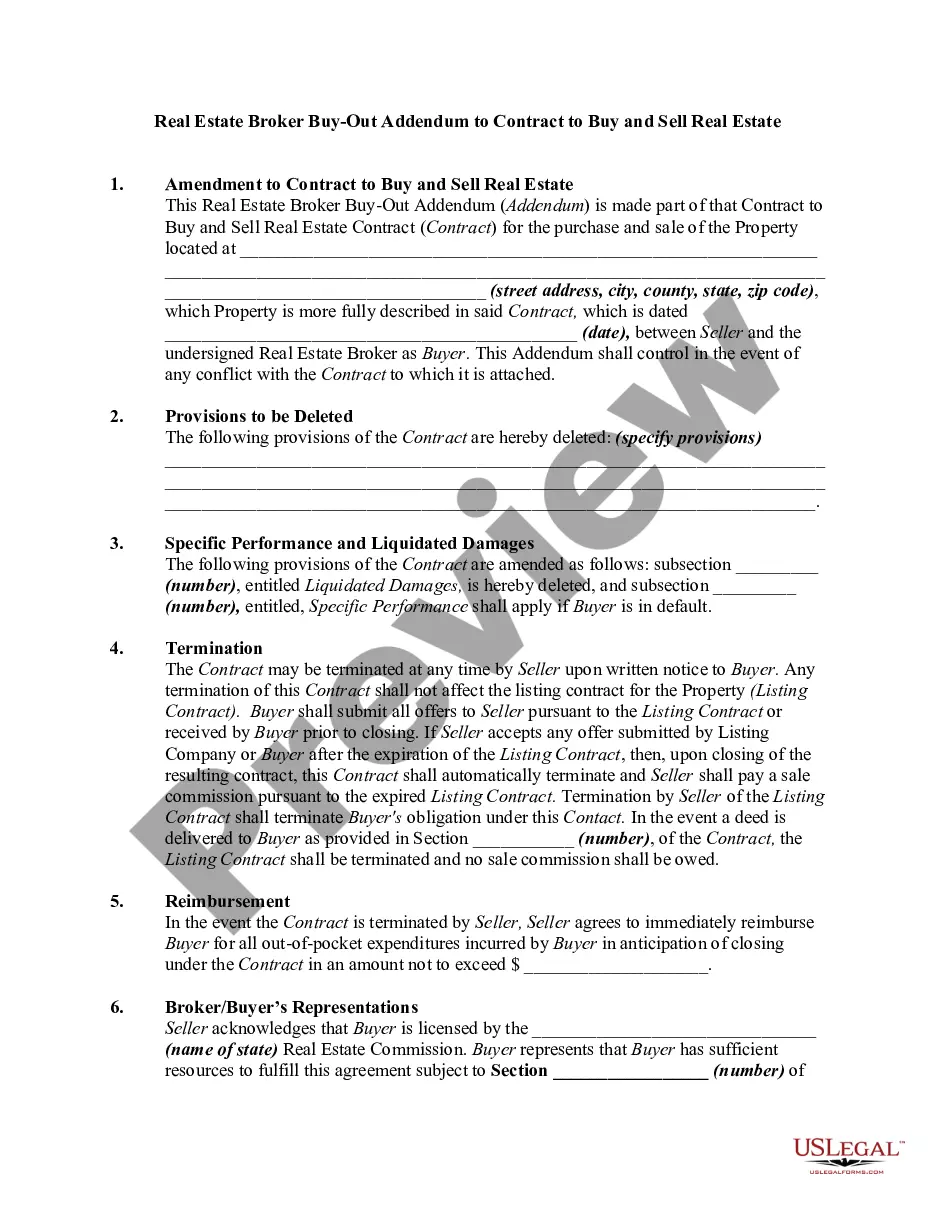
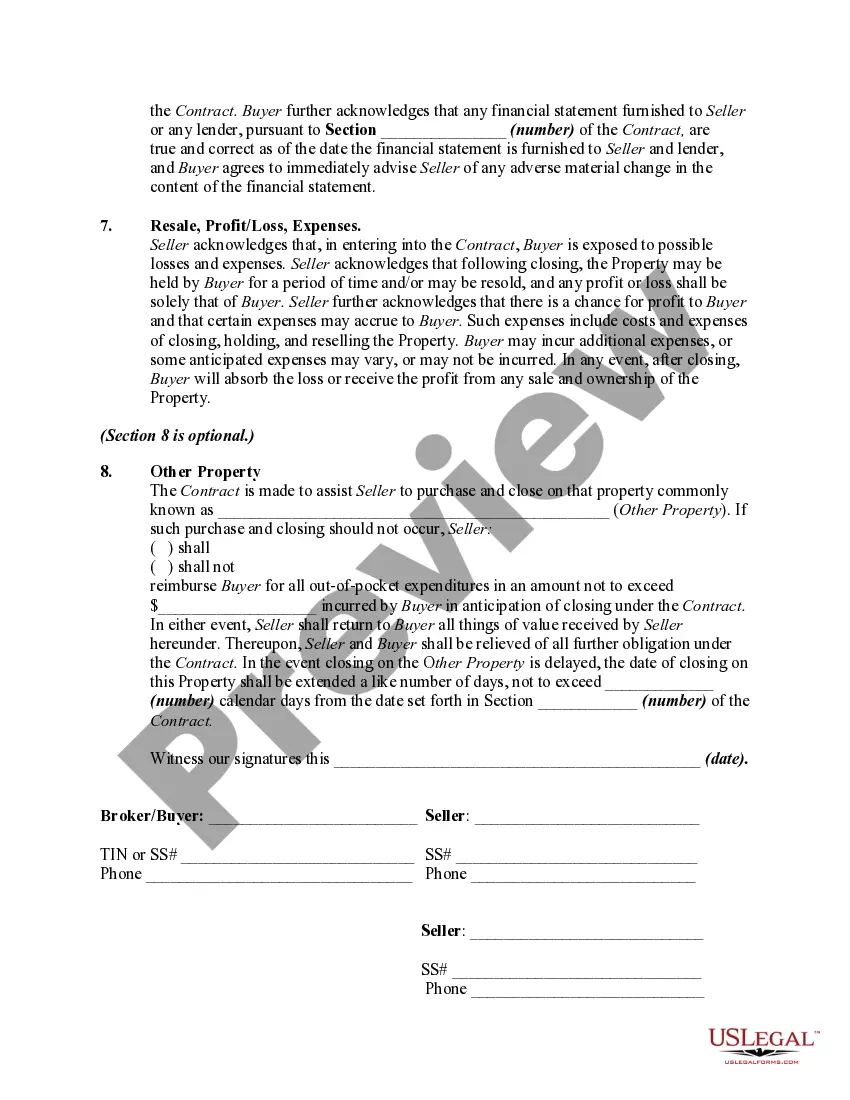
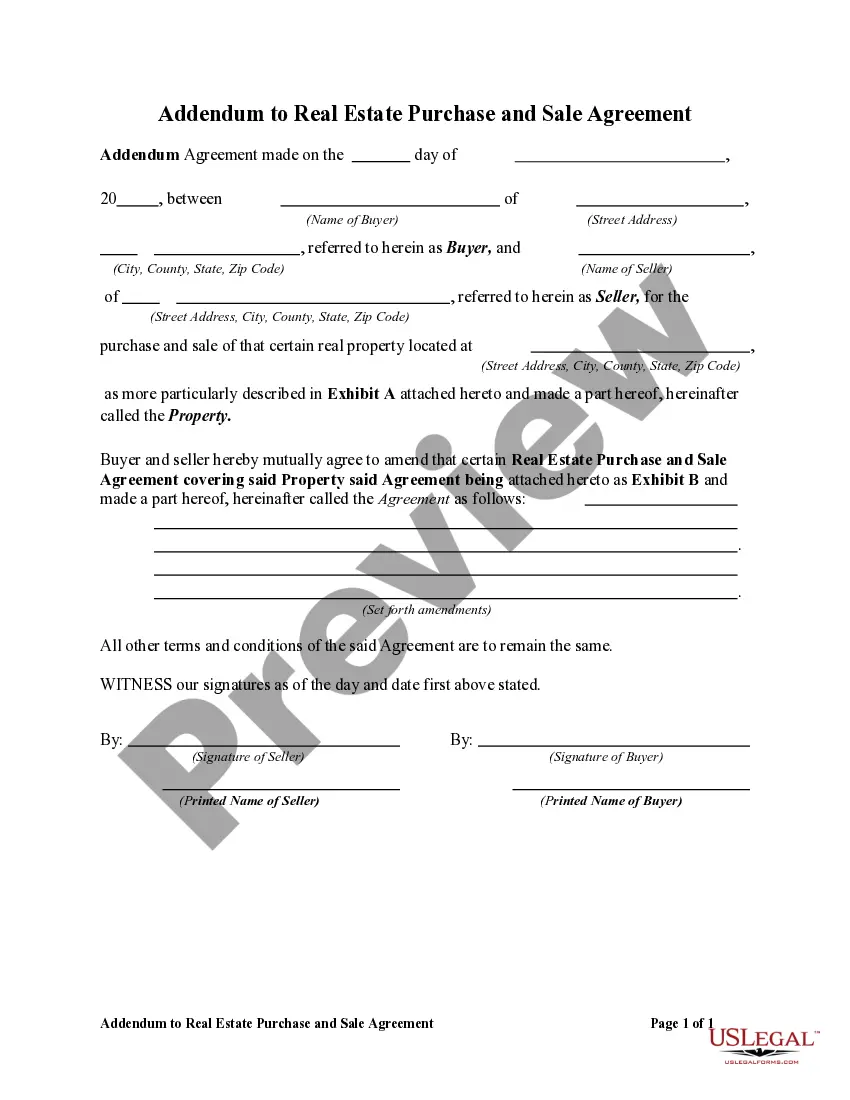
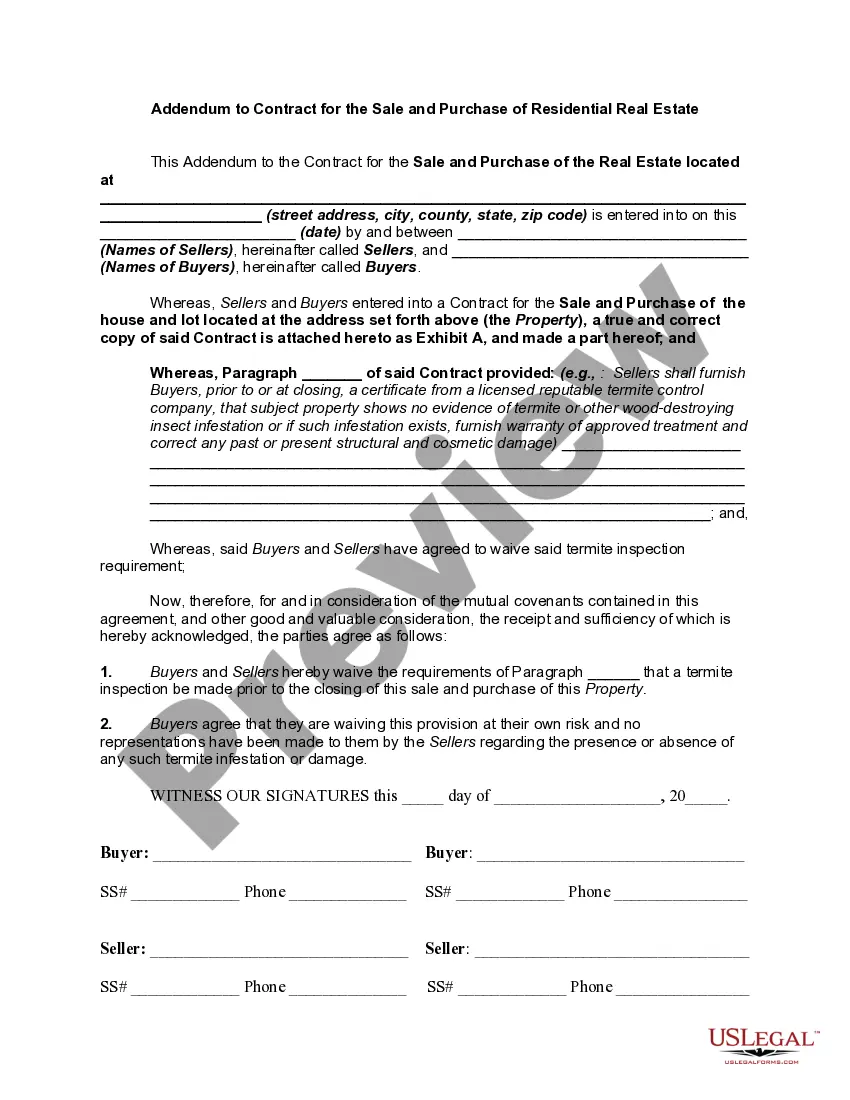
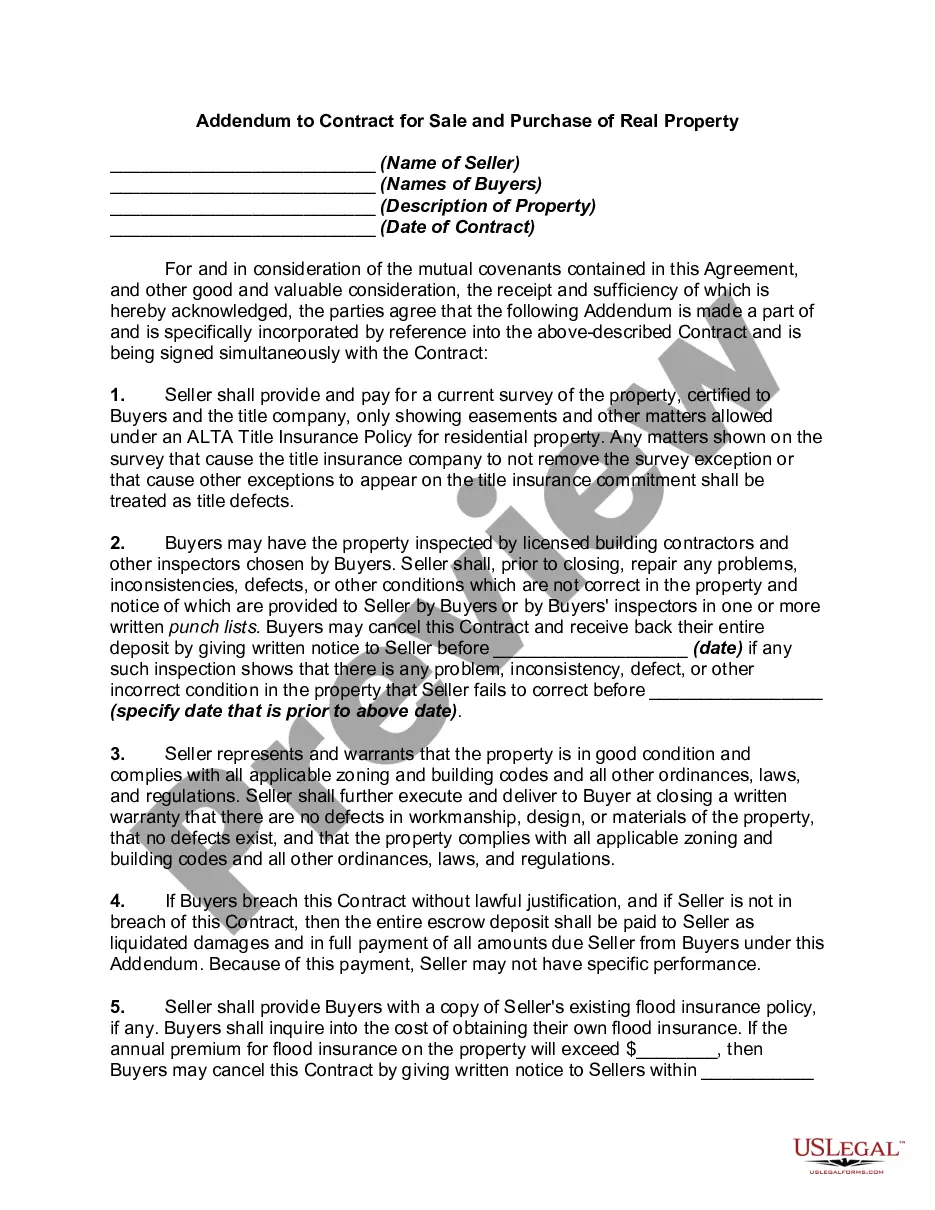
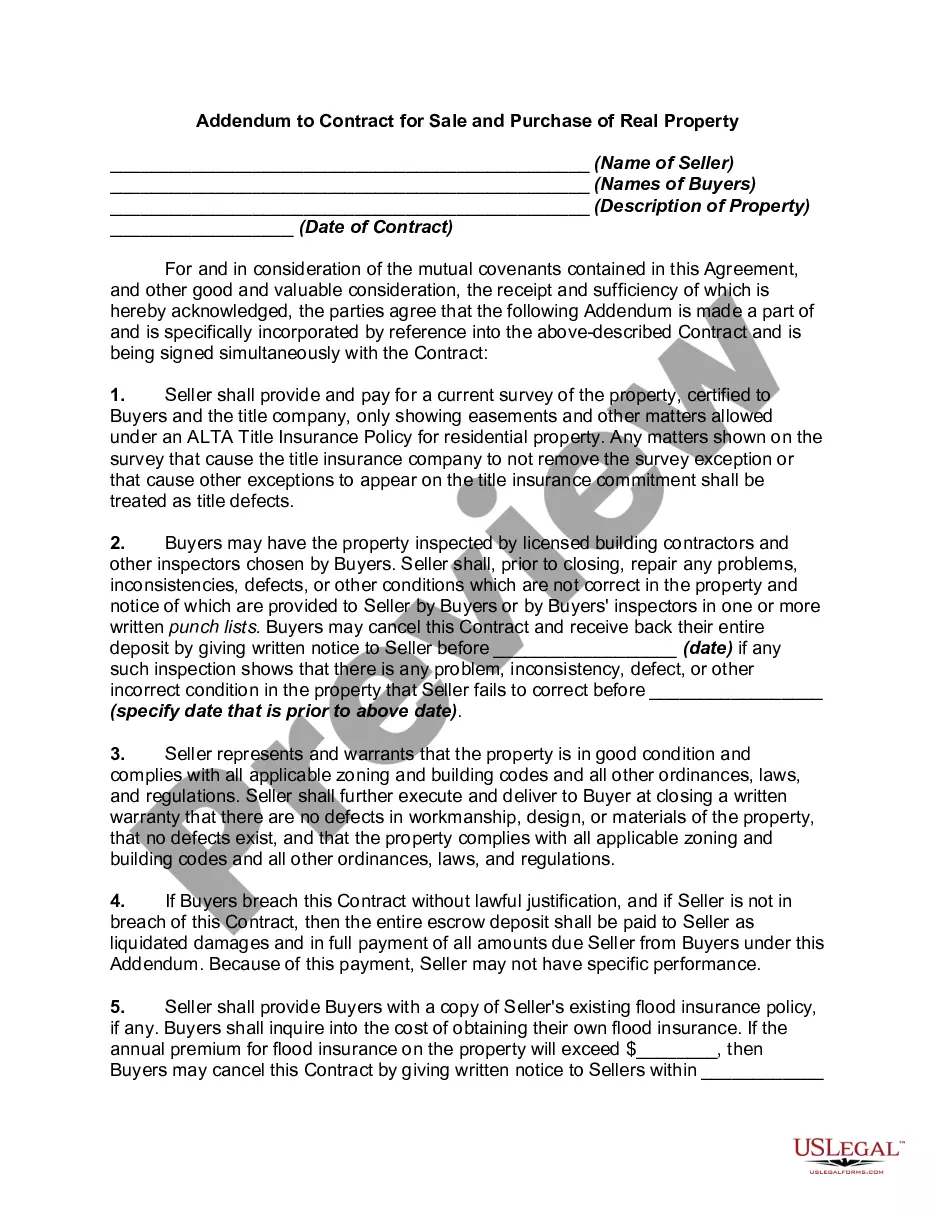
Get your form ready online
Our built-in tools help you complete, sign, share, and store your documents in one place.
Make edits, fill in missing information, and update formatting in US Legal Forms—just like you would in MS Word.
Download a copy, print it, send it by email, or mail it via USPS—whatever works best for your next step.
Sign and collect signatures with our SignNow integration. Send to multiple recipients, set reminders, and more. Go Premium to unlock E-Sign.
If this form requires notarization, complete it online through a secure video call—no need to meet a notary in person or wait for an appointment.
We protect your documents and personal data by following strict security and privacy standards.

Make edits, fill in missing information, and update formatting in US Legal Forms—just like you would in MS Word.

Download a copy, print it, send it by email, or mail it via USPS—whatever works best for your next step.

Sign and collect signatures with our SignNow integration. Send to multiple recipients, set reminders, and more. Go Premium to unlock E-Sign.

If this form requires notarization, complete it online through a secure video call—no need to meet a notary in person or wait for an appointment.

We protect your documents and personal data by following strict security and privacy standards.
Looking for another form?


How to fill out Real Estate Broker BuyOut And Price Addendum To Contract To Buy And Sell Real Estate?
Locating a reliable source for obtaining the most up-to-date and suitable legal templates is a significant part of dealing with bureaucracy.
Identifying the correct legal documents requires precision and meticulousness, which is why it is essential to obtain samples of Real Estate Contract Sell For Profit exclusively from credible providers, such as US Legal Forms.
Eliminate the stress associated with your legal documentation. Explore the comprehensive US Legal Forms catalog where you can discover legal templates, assess their relevance to your situation, and download them instantly.
- Utilize the catalog navigation or search box to locate your template.
- Examine the form’s details to confirm it meets the stipulations of your state and area.
- Check the form preview, if available, to verify it is indeed the document you are looking for.
- Return to the search and find the suitable document if the Real Estate Contract Sell For Profit does not meet your needs.
- When you are certain of the form’s applicability, download it.
- If you are a registered user, click Log in to verify and access your selected forms in My documents.
- If you do not have an account yet, click Buy now to acquire the template.
- Choose the pricing plan that aligns with your preferences.
- Proceed to the registration to complete your purchase.
- Finalize your purchase by selecting a payment method (credit card or PayPal).
- Select the document format for downloading Real Estate Contract Sell For Profit.
- Once you have the form on your device, you can modify it with the editor or print it and fill it out manually.
Form popularity
FAQ
Yes, the 7% rule can be an effective tool for real estate investors. It provides a straightforward way to evaluate the potential return on investment for various properties. When used alongside a real estate contract sell for profit, this rule can help you gauge which investments align with your financial objectives. Ultimately, applying this rule can lead to more successful real estate transactions.
The 7% rule in real estate is a benchmark used by investors to assess the potential profitability of properties. It indicates that if you can generate a 7 percent return on a property, it may be a worthwhile investment. This rule can guide you when considering a real estate contract sell for profit, allowing you to identify properties that meet your financial goals. Recognizing this rule can enhance your investment approach and help you make sound decisions.
The 7 percent rule in real estate suggests that investors should aim for a 7 percent return on their investment annually. This rule serves as a guideline to evaluate the profitability of a real estate contract sell for profit. By applying this rule, you can make informed decisions about potential investments and their expected returns. Understanding this principle helps you stay on track in your investment strategy.
At its most basic, a purchase agreement should include the following: Name and contact information for buyer and seller. The address of the property being sold. The price to be paid for the property. The date of transfer. Disclosures. Contingencies. Signatures.
In your Assignment Agreement, you should include information like: the name of the person handing over contractual duties (called "the assignor"); the recipient of the contractual rights and obligations (called "the assignee"); the other party to the original contract (called "the obligor"); the name of the contract ...
For example, if A contracts with B to teach B guitar for $50, A can assign this contract to C. That is, this assignment is both: (1) an assignment of A's rights under the contract to the $50; and (2) a delegation of A's duty to teach guitar to C.
Table of Contents Step 1: Give it an accurate name. Step 2: Mention all parties involved. Step 3: Describe your services or product with all rights, guarantees, and restrictions. Step 4: State the contract duration and make deadlines clear. Step 5: Include the price, services, payment conditions, and penalties.
Broadly, a conditional contract is a contract that is subject to one or more conditions in the contract of sale. If a condition in the contract is not met, then either one or both of the buyer or seller will be able to terminate the contract.