Trust Change Beneficiaries With Living
Description
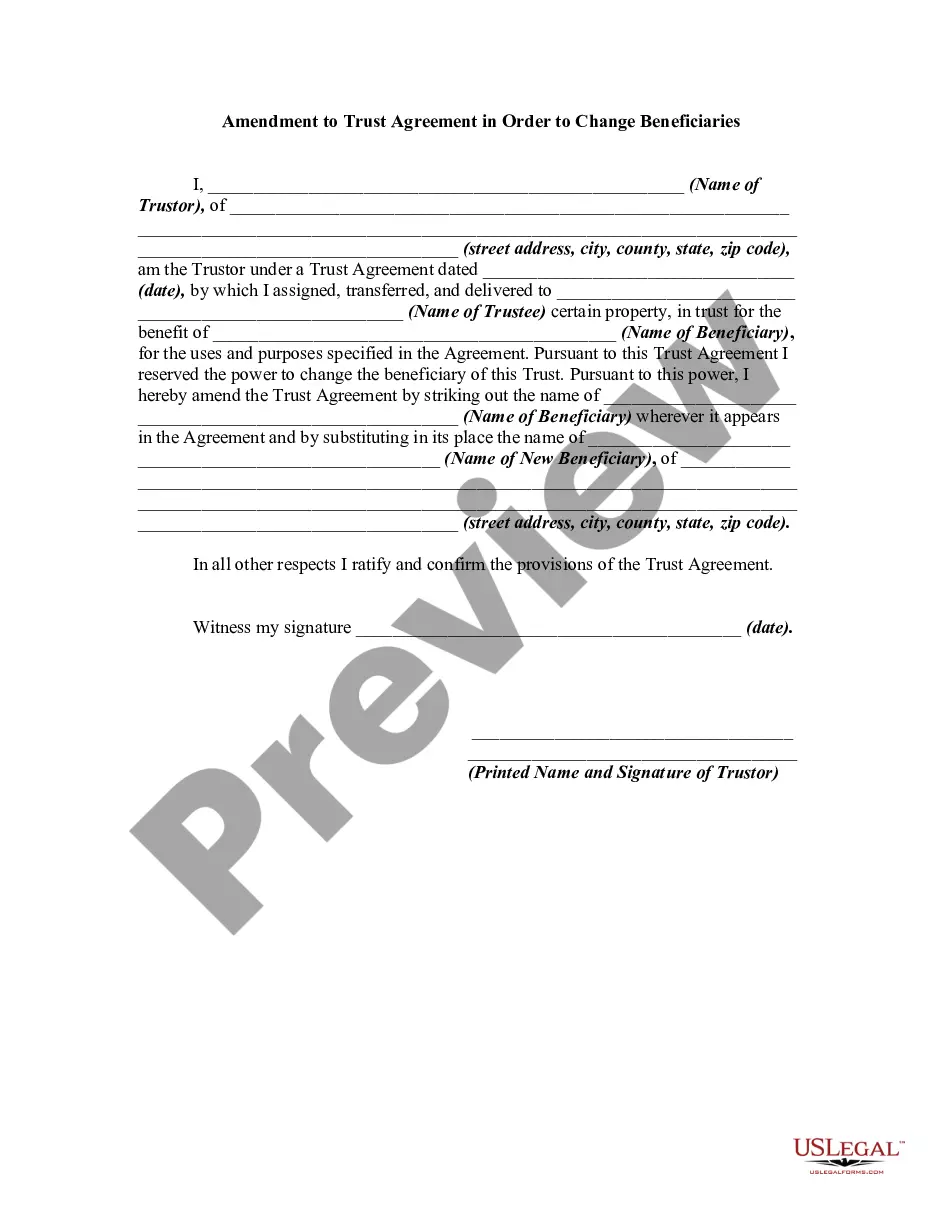
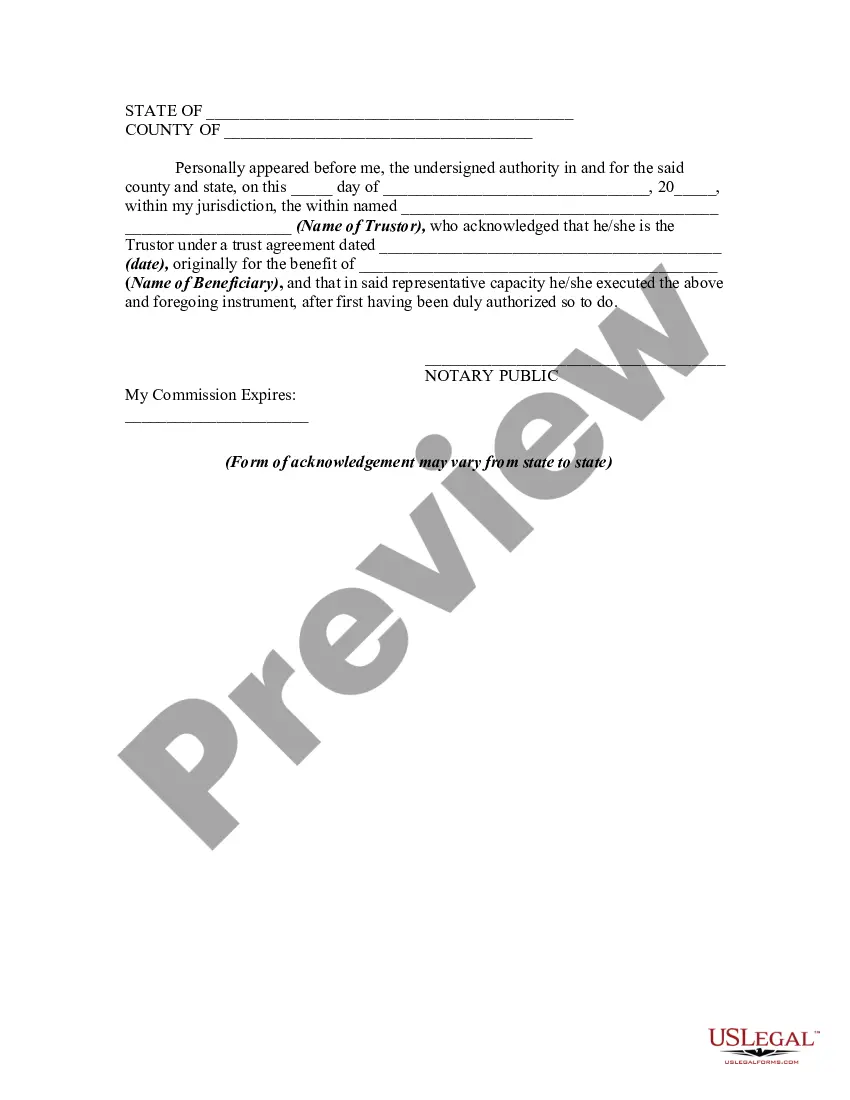
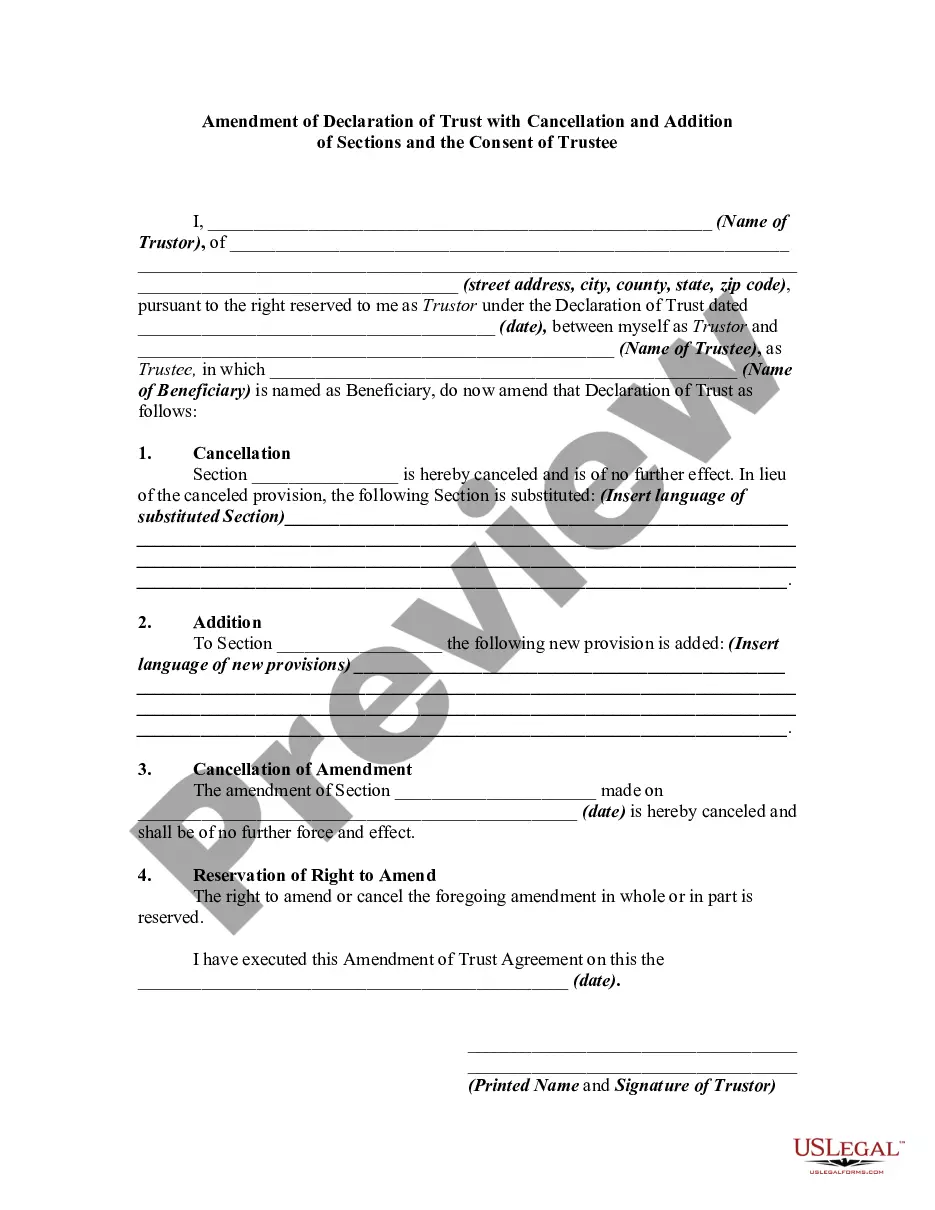
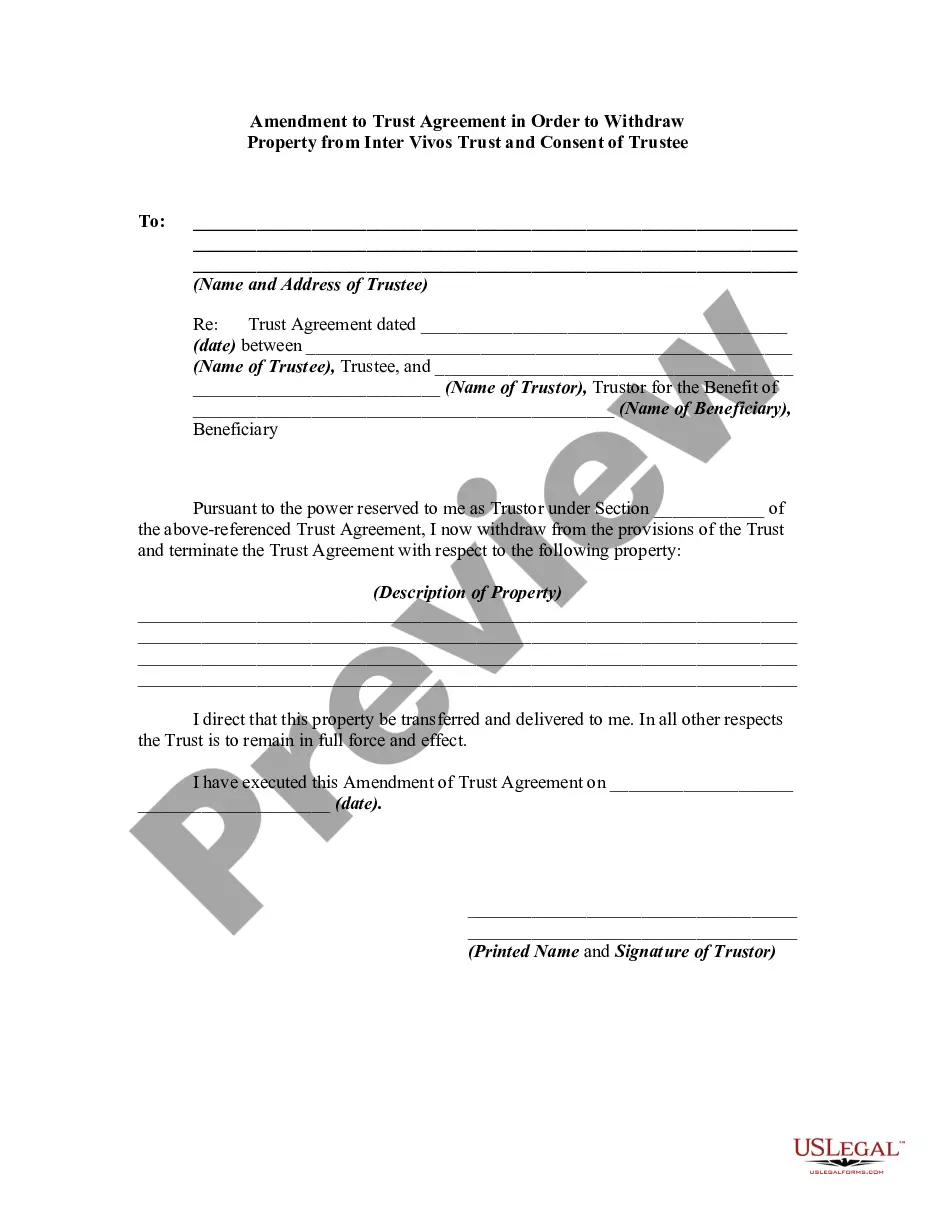
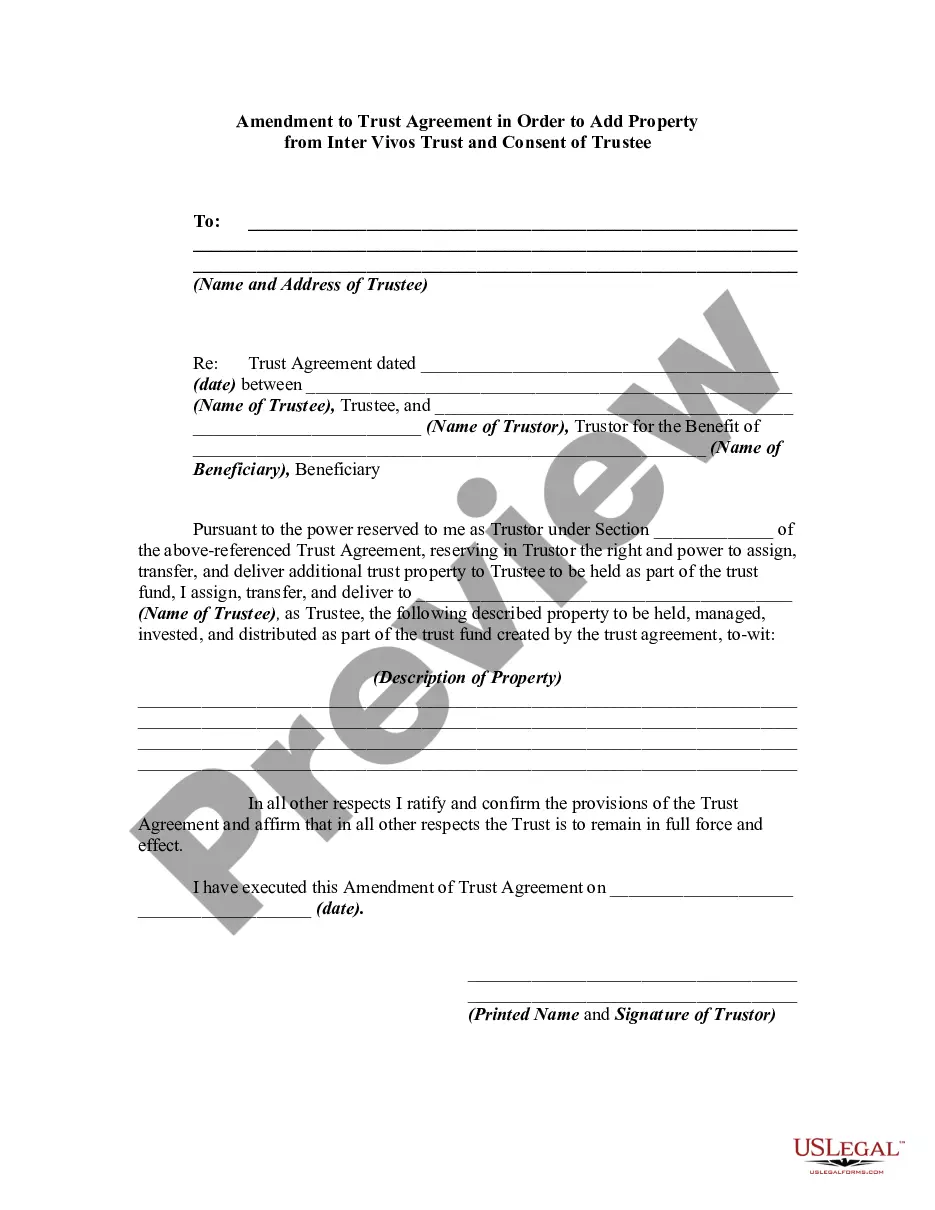
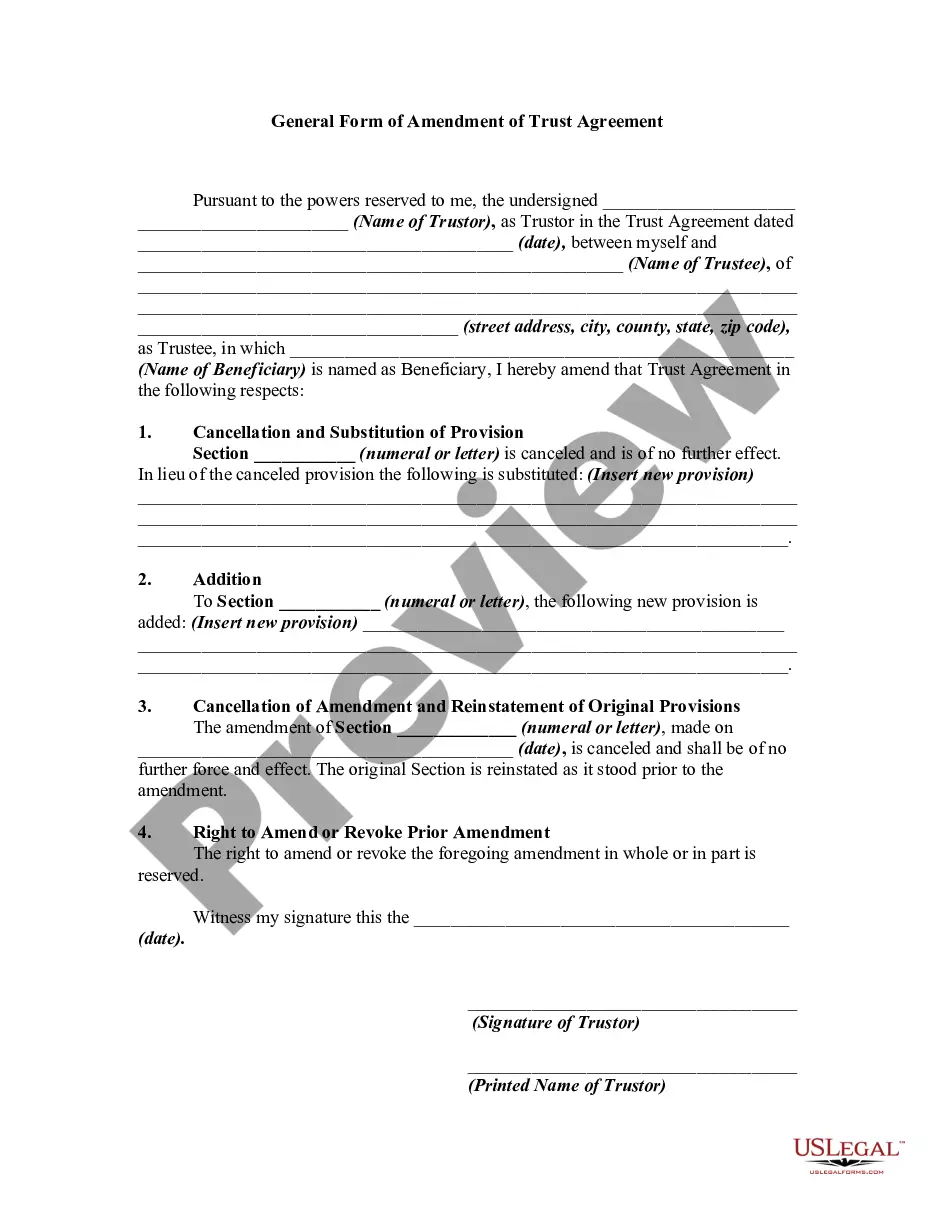
Get your form ready online
Our built-in tools help you complete, sign, share, and store your documents in one place.
Make edits, fill in missing information, and update formatting in US Legal Forms—just like you would in MS Word.
Download a copy, print it, send it by email, or mail it via USPS—whatever works best for your next step.
Sign and collect signatures with our SignNow integration. Send to multiple recipients, set reminders, and more. Go Premium to unlock E-Sign.
If this form requires notarization, complete it online through a secure video call—no need to meet a notary in person or wait for an appointment.
We protect your documents and personal data by following strict security and privacy standards.

Make edits, fill in missing information, and update formatting in US Legal Forms—just like you would in MS Word.

Download a copy, print it, send it by email, or mail it via USPS—whatever works best for your next step.

Sign and collect signatures with our SignNow integration. Send to multiple recipients, set reminders, and more. Go Premium to unlock E-Sign.

If this form requires notarization, complete it online through a secure video call—no need to meet a notary in person or wait for an appointment.

We protect your documents and personal data by following strict security and privacy standards.
Looking for another form?

How to fill out Amendment To Trust Agreement In Order To Change Beneficiaries?
Regardless of whether for commercial reasons or personal matters, everyone must confront legal circumstances eventually in their lifetime. Filling out legal documents requires meticulous care, starting from selecting the correct form template. For instance, if you select an incorrect version of a Trust Change Beneficiaries With Living, it will be rejected upon submission. Thus, it is crucial to possess a trustworthy source of legal forms like US Legal Forms.
If you need to obtain a Trust Change Beneficiaries With Living template, follow these straightforward steps: Find the template you require by using the search bar or catalog browsing. Review the form’s details to ensure it aligns with your situation, jurisdiction, and area. Click on the form’s preview to view it. If it is the wrong form, return to the search feature to find the Trust Change Beneficiaries With Living template you need. Acquire the template if it fulfills your criteria. If you possess a US Legal Forms account, click Log in to access previously saved documents in My documents. If you do not have an account yet, you can obtain the form by clicking Buy now. Select the proper pricing option. Complete the profile registration form. Choose your payment method: you can utilize a credit card or PayPal account. Select the file format you desire and download the Trust Change Beneficiaries With Living. Once it is saved, you can fill out the form using editing applications or print it and complete it manually.
With a substantial US Legal Forms catalog at hand, you never have to spend time searching for the appropriate template across the web. Make use of the library’s simple navigation to get the correct template for any occasion.
- Regardless of whether for commercial reasons or personal matters, everyone must confront legal circumstances eventually in their lifetime.
- Filling out legal documents requires meticulous care, starting from selecting the correct form template.
- For instance, if you select an incorrect version of a Trust Change Beneficiaries With Living, it will be rejected upon submission.
- Thus, it is crucial to possess a trustworthy source of legal forms like US Legal Forms.
- If you need to obtain a Trust Change Beneficiaries With Living template, follow these straightforward steps.
- Find the template you require by using the search bar or catalog browsing.
- Review the form’s details to ensure it aligns with your situation, jurisdiction, and area.
- Click on the form’s preview to view it.
- If it is the wrong form, return to the search feature to find the Trust Change Beneficiaries With Living template you need.
- Acquire the template if it fulfills your criteria.
- If you possess a US Legal Forms account, click Log in to access previously saved documents in My documents.
Form popularity
FAQ
For example, you might use a trust amendment form to: Update your trustee or successor trustee: If your chosen trustee is no longer willing or able to manage the trust, or you'd like to designate someone else, you can use an amendment form to name another person or organization to manage your trust.
Being the Trustee of a Discretionary Trust means that you can distribute the Trust Property to the Beneficiaries at your discretion. This also carries with it the right to change the beneficiaries of a discretionary trust.
Once a California Trust becomes irrevocable, the Trust beneficiaries generally cannot be changed. That's the good news.
In most cases, a trust deed generally offers two processes for the removal of a beneficiary. Most commonly, the beneficiary can sign a document to renunciate all interests as a beneficiary. Otherwise, the trustee may have discretionary power to revoke the beneficiary.
A beneficiary can renounce their interest from the trust and, upon the consent of other beneficiaries, be allowed to exit. A trustee cannot remove a beneficiary from an irrevocable trust. A grantor can remove a beneficiary from a revocable trust by going back to the trust deed codes that allow for the same.