Dissolving A Living Trust With Pour-over Will
Description
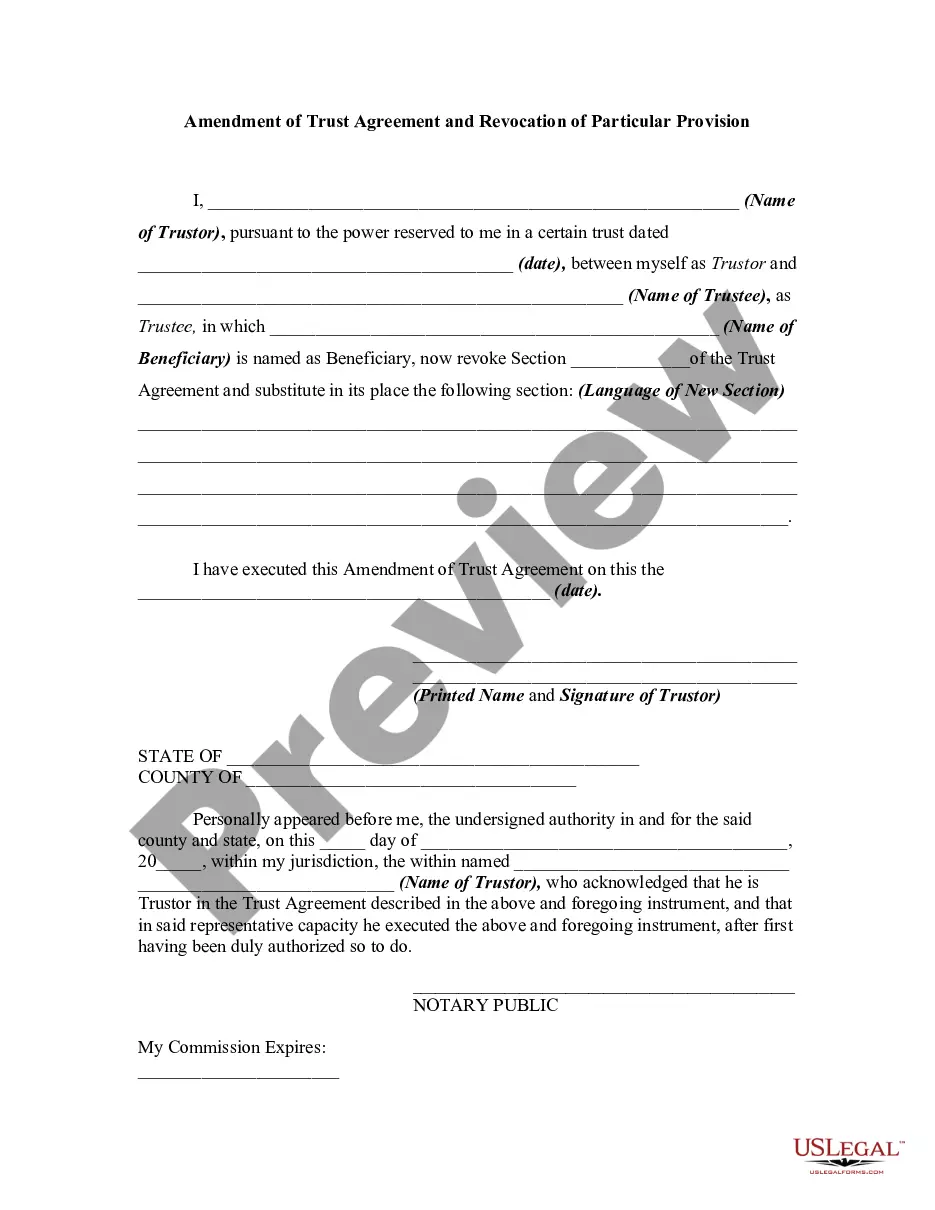
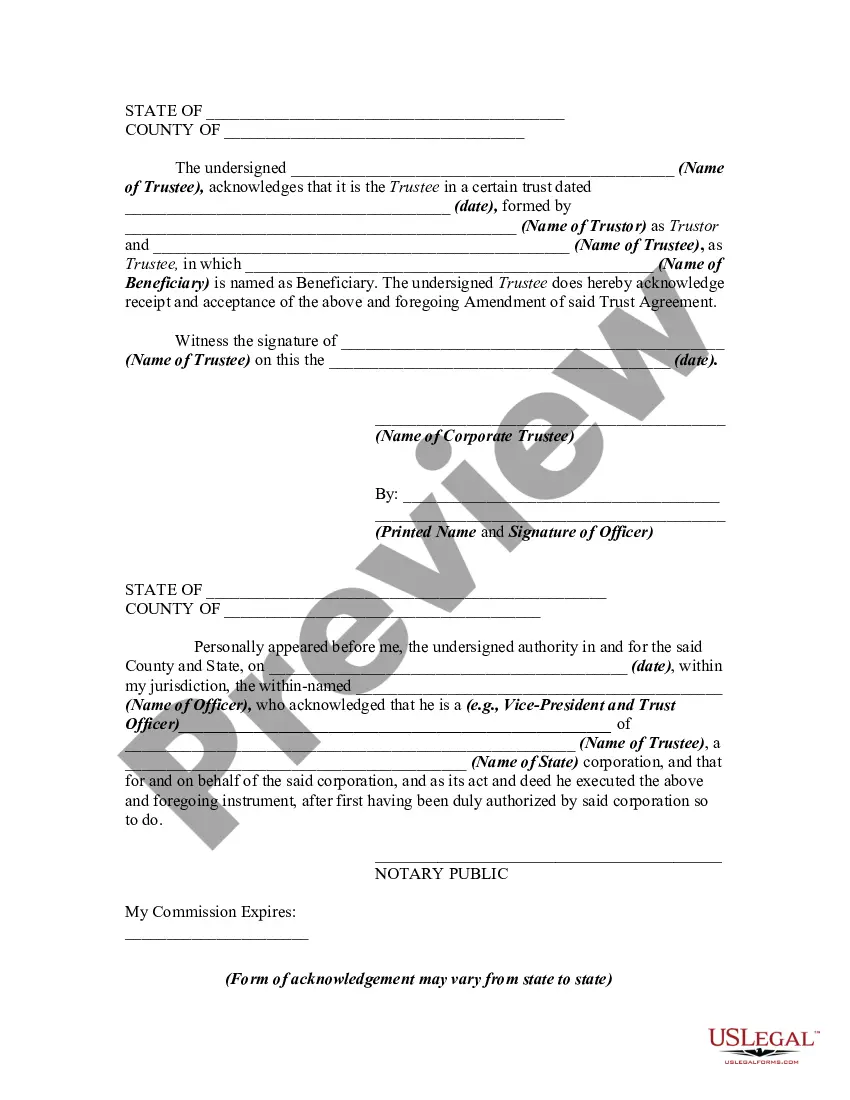
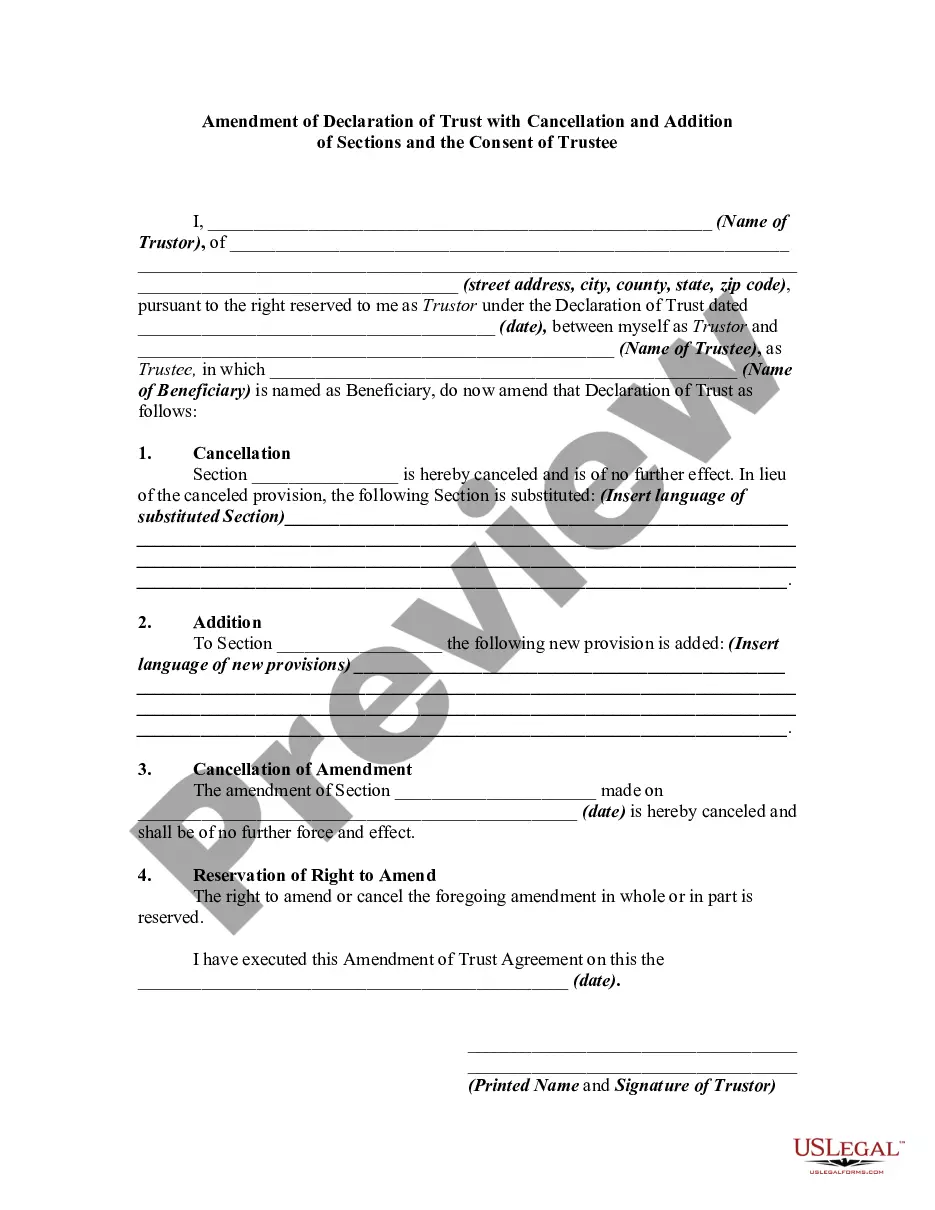
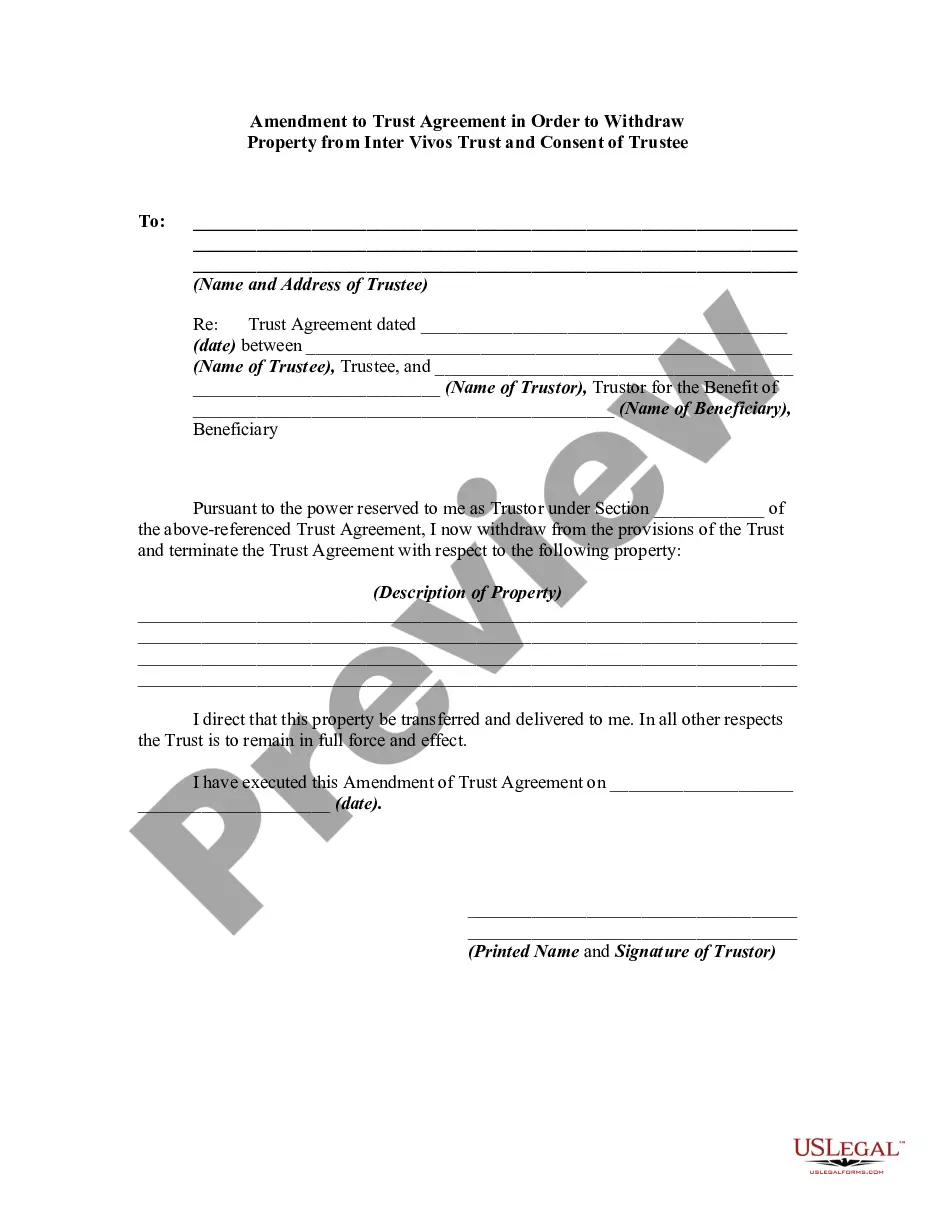
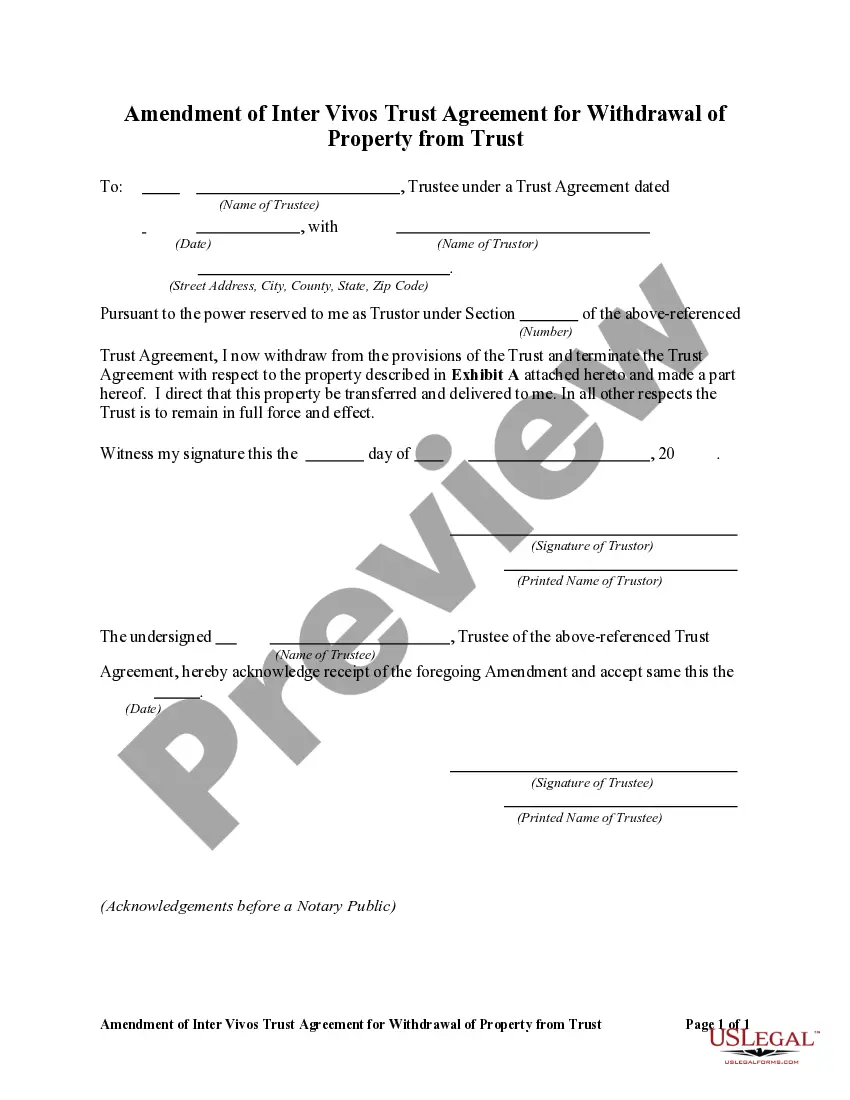
Get your form ready online
Our built-in tools help you complete, sign, share, and store your documents in one place.
Make edits, fill in missing information, and update formatting in US Legal Forms—just like you would in MS Word.
Download a copy, print it, send it by email, or mail it via USPS—whatever works best for your next step.
Sign and collect signatures with our SignNow integration. Send to multiple recipients, set reminders, and more. Go Premium to unlock E-Sign.
If this form requires notarization, complete it online through a secure video call—no need to meet a notary in person or wait for an appointment.
We protect your documents and personal data by following strict security and privacy standards.

Make edits, fill in missing information, and update formatting in US Legal Forms—just like you would in MS Word.

Download a copy, print it, send it by email, or mail it via USPS—whatever works best for your next step.

Sign and collect signatures with our SignNow integration. Send to multiple recipients, set reminders, and more. Go Premium to unlock E-Sign.

If this form requires notarization, complete it online through a secure video call—no need to meet a notary in person or wait for an appointment.

We protect your documents and personal data by following strict security and privacy standards.
Looking for another form?
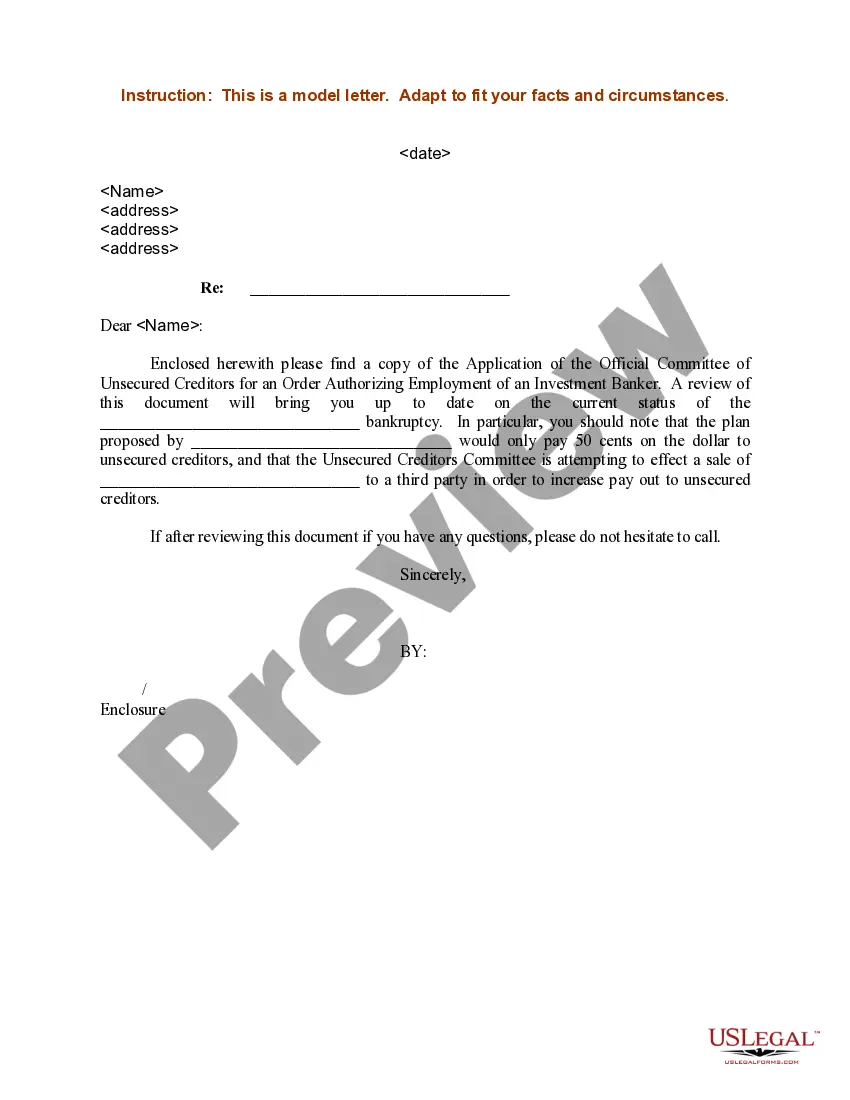



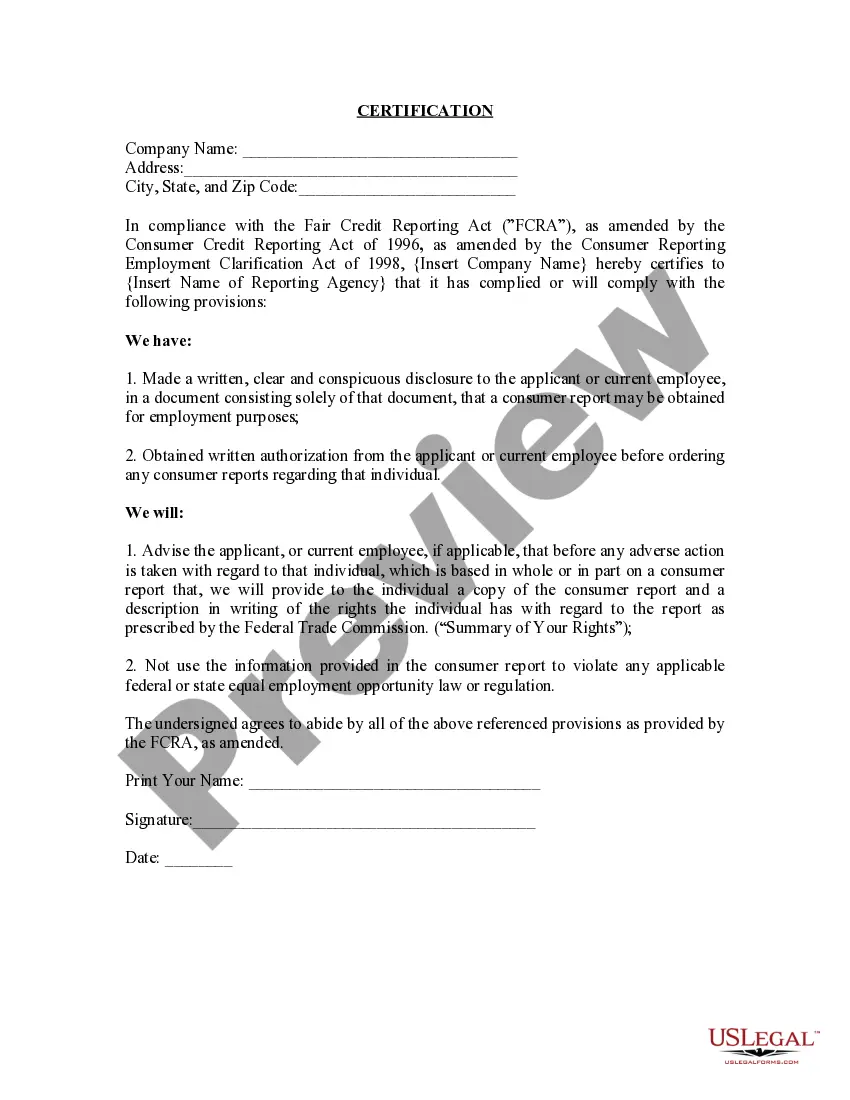




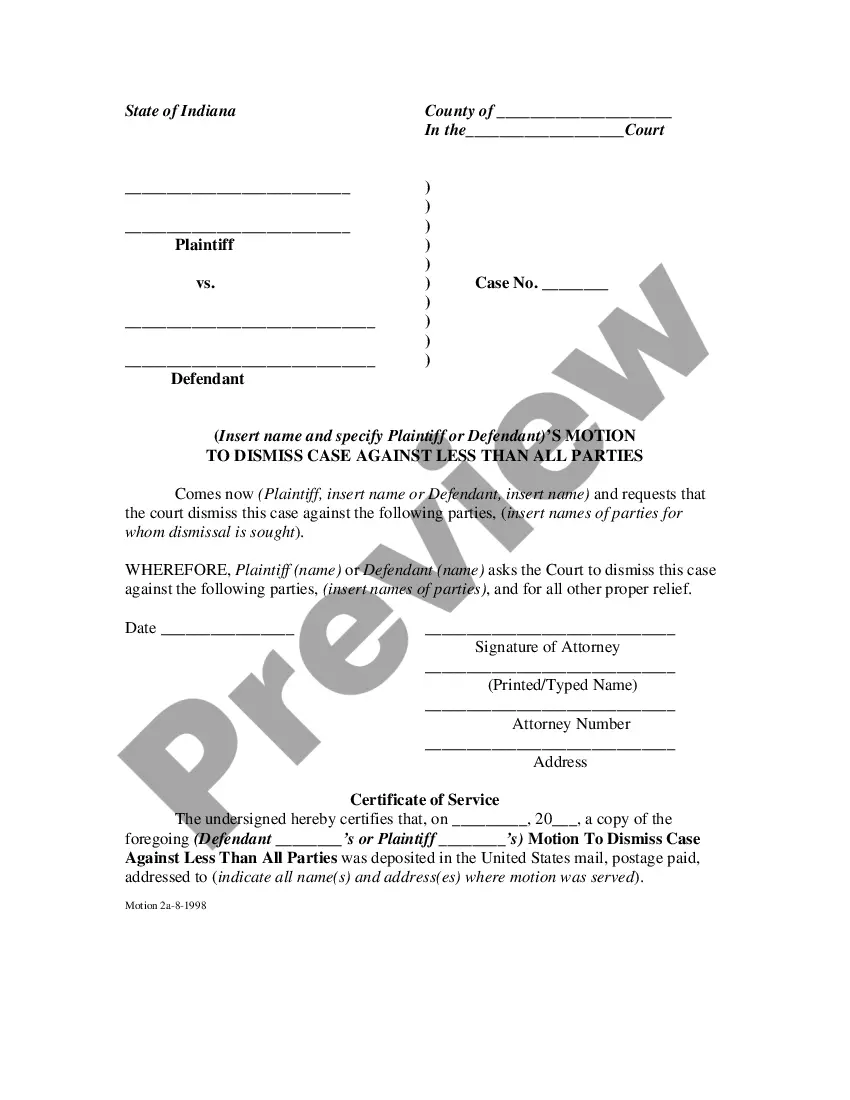
How to fill out Amendment Of Trust Agreement And Revocation Of Particular Provision?
Utilizing legal templates that comply with federal and local regulations is essential, and the internet provides numerous alternatives to select from.
However, why squander time looking for the appropriate Dissolving A Living Trust With Pour-over Will example online when the US Legal Forms digital library already houses such templates in one location.
US Legal Forms is the largest online legal repository, boasting over 85,000 fillable templates created by attorneys for various business and personal scenarios.
- They are straightforward to navigate with all documents categorized by state and intended use.
- Our experts stay informed about legislative updates, ensuring your paperwork is always current and compliant when obtaining a Dissolving A Living Trust With Pour-over Will from our site.
- Acquiring a Dissolving A Living Trust With Pour-over Will is quick and easy for both existing and new users.
- If you have an account with an active subscription, Log In and save the document sample you require in the appropriate format.
- If you are a newcomer to our site, follow these steps.
Form popularity
FAQ
Terminating a trust, such as when dissolving a living trust with pour-over will, can have tax implications. Typically, the trust's income will be reported on your personal tax return, which may result in additional taxes due. If the trust holds any appreciated assets, you might also face capital gains tax at the time of termination. Working with an expert can help you navigate these tax issues effectively.
When dissolving a living trust with pour-over will, you may encounter specific tax consequences. Generally, if there are any gains from the trust assets, you might be responsible for paying capital gains tax. Furthermore, the IRS may categorize the trust's income and distributions, which can affect your personal tax situation. Always consider consulting a tax professional to understand how these factors impact you.
Dissolving a living trust with pour-over will can lead to several significant consequences. When you break a trust, it may impact the distribution of assets to beneficiaries, potentially leading to disputes among them. Additionally, breaking a trust may also affect any tax implications if the assets are not distributed properly. It is crucial to understand these consequences fully before making any changes.
Dissolving a living trust involves a straightforward process that can typically be managed with legal guidance. You will need to change the title of assets from the trust back to your name, thereby transferring ownership. Once all assets are removed, a formal document may be drafted to declare the trust's dissolution. Utilizing resources like US Legal Forms can provide you with the necessary templates and guidance for dissolving a living trust with a pour-over will effectively.
Generally, a will does not override a trust. Instead, a will and a trust work together to fulfill your estate planning wishes. However, if there is conflicting information between the two, a court may need to decide which document to honor. When considering dissolving a living trust with a pour-over will, it is vital to ensure both documents are consistent to avoid confusion.
Yes, a pour-over will serves as a complementary document to a trust. It functions to transfer any assets that were not placed in the trust during your lifetime into the trust after your death. This ensures that all your assets are organized according to your estate plan. Therefore, when discussing dissolving a living trust with a pour-over will, it's essential to recognize that this will plays a pivotal role in asset distribution.
One key disadvantage of a will compared to a trust is that a will goes through probate. This process can be lengthy and costly, delaying the distribution of your assets. Additionally, a will provides less privacy, as it becomes a public record during probate. In contrast, dissolving a living trust with a pour-over will allows for more streamlined asset transfer without the hassles of probate.
The 5-year rule refers to the period within which certain trust distributions can impact tax and Medicaid eligibility. Generally, any transfers made within five years could influence assets considered for benefits. Understanding this rule is crucial when you consider dissolving a living trust with a pour-over will, ensuring you make informed decisions.
When dissolving a living trust with a pour-over will, it’s important to consider potential tax implications. Typically, any income generated by the trust may be subject to taxes, and the distribution of assets can trigger different tax responsibilities. Consulting with a tax professional can help clarify these aspects during the dissolution process.
over will works in conjunction with your living trust by directing any remaining assets at your death into the trust. This ensures that all your assets are managed by the trust, offering a cohesive approach to your estate planning. This strategy provides clarity and helps avoid probate for any assets that were not already included in the trust.