Unjust Enrichment And Contract
Description
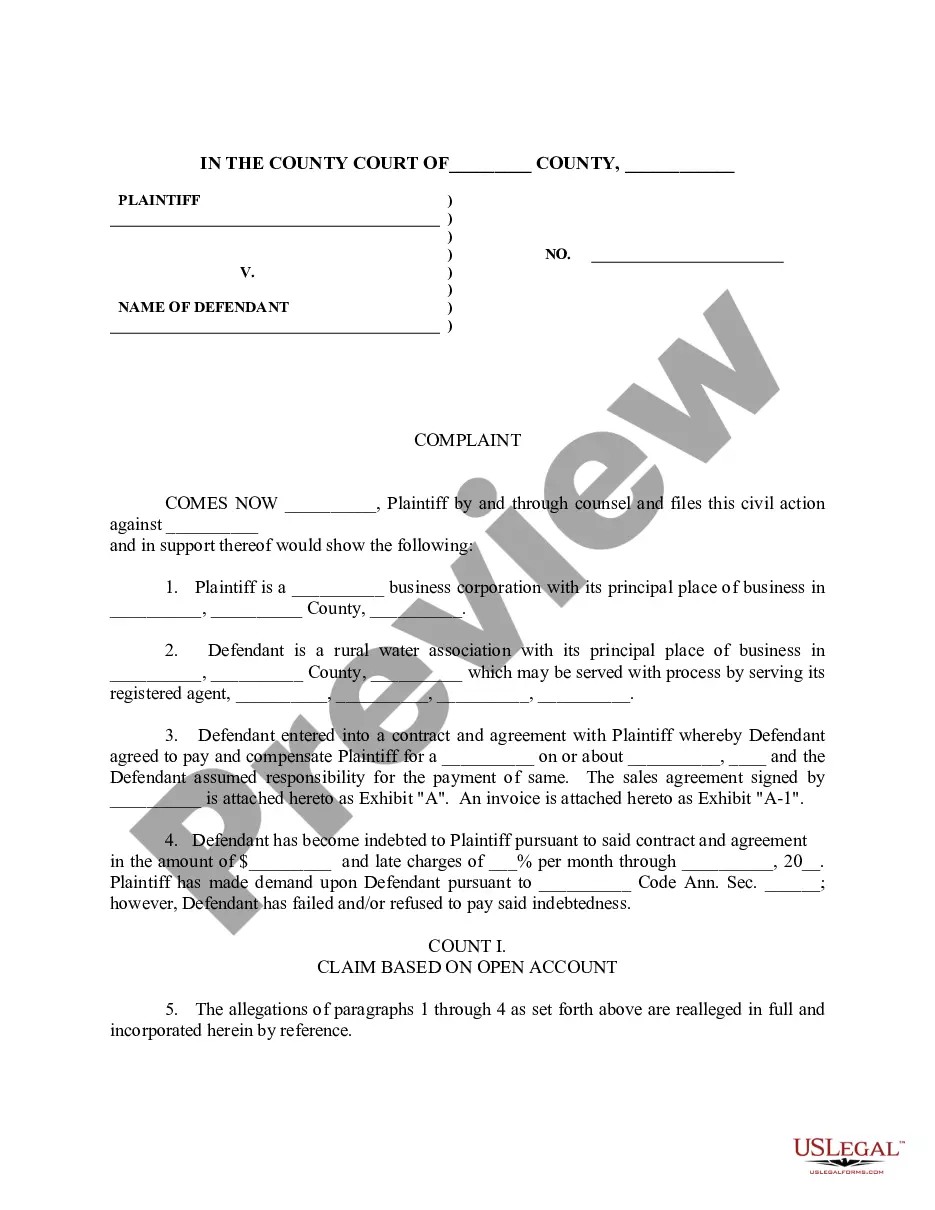
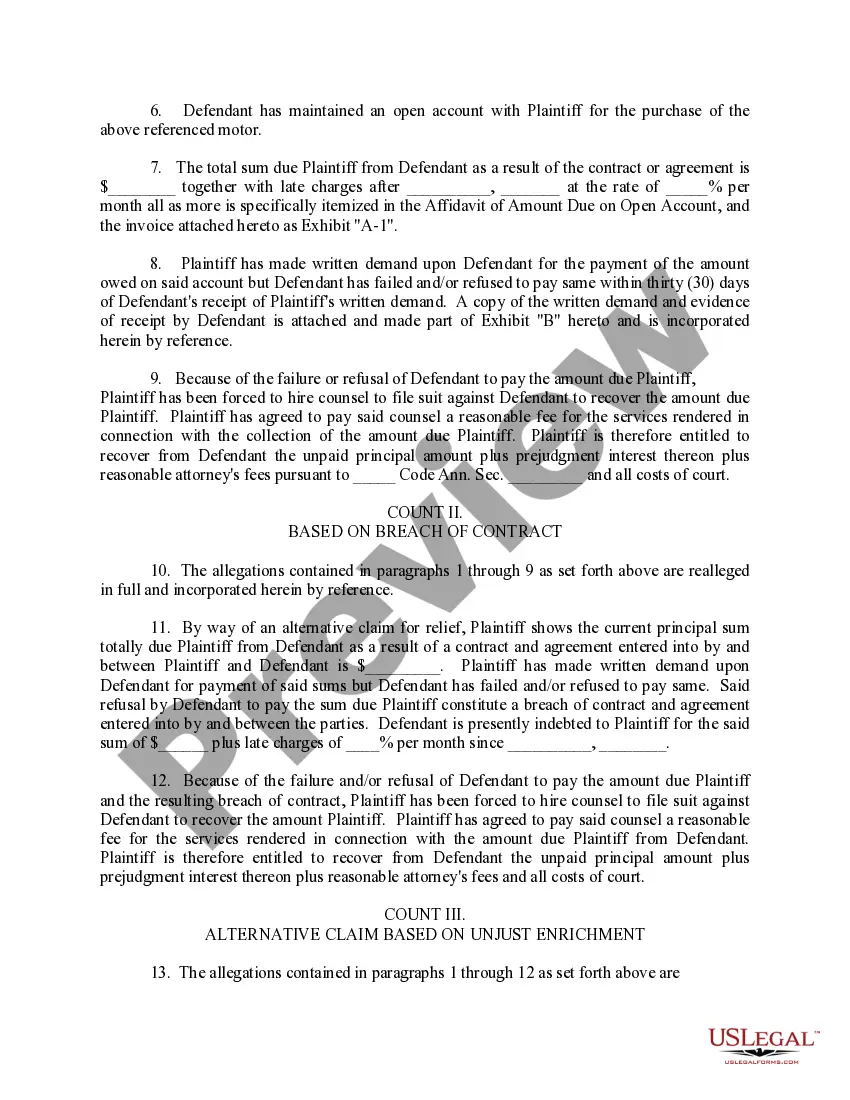
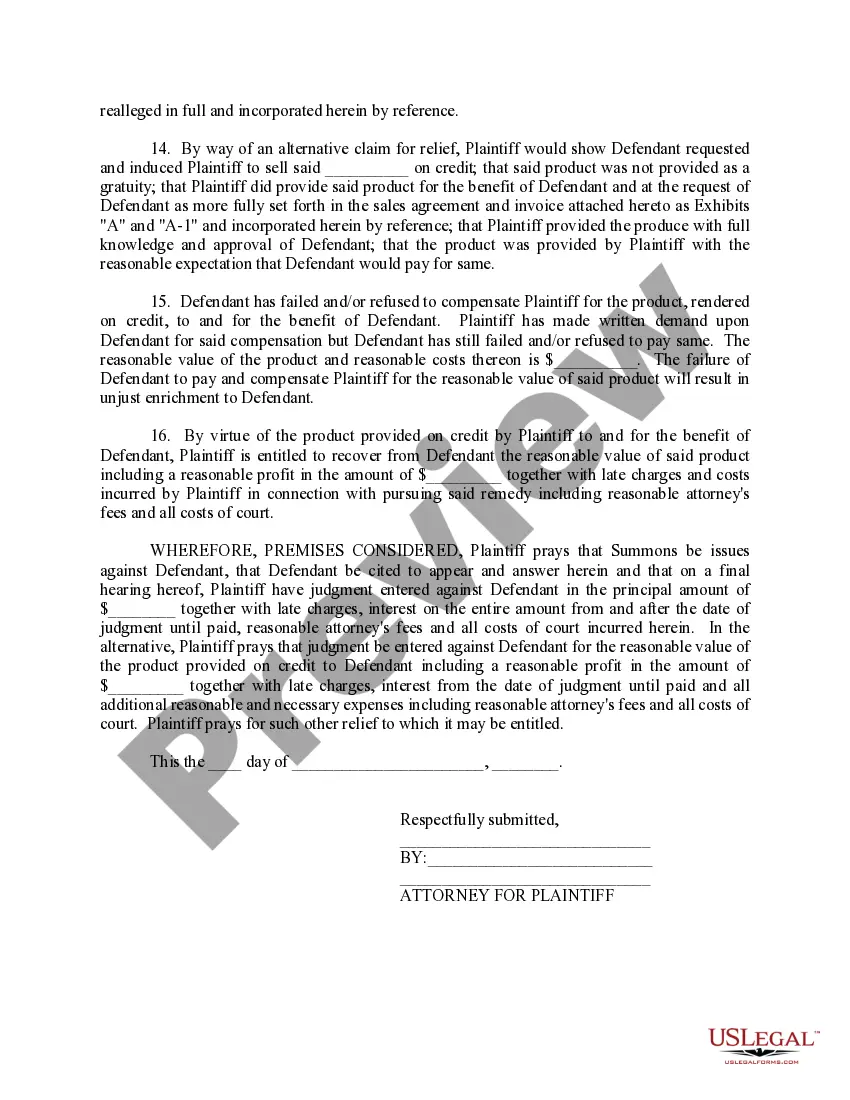
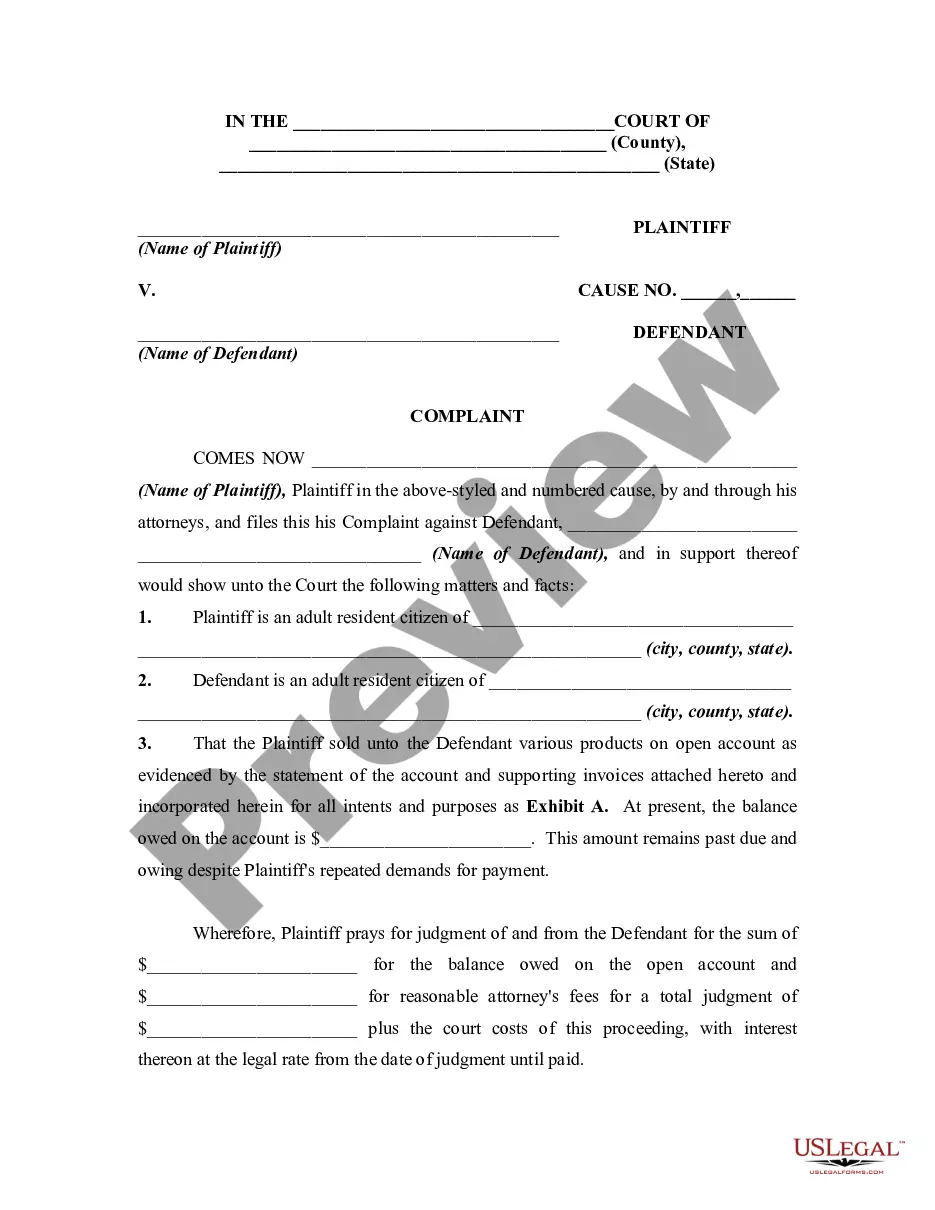
Get your form ready online
Our built-in tools help you complete, sign, share, and store your documents in one place.
Make edits, fill in missing information, and update formatting in US Legal Forms—just like you would in MS Word.
Download a copy, print it, send it by email, or mail it via USPS—whatever works best for your next step.
Sign and collect signatures with our SignNow integration. Send to multiple recipients, set reminders, and more. Go Premium to unlock E-Sign.
If this form requires notarization, complete it online through a secure video call—no need to meet a notary in person or wait for an appointment.
We protect your documents and personal data by following strict security and privacy standards.

Make edits, fill in missing information, and update formatting in US Legal Forms—just like you would in MS Word.

Download a copy, print it, send it by email, or mail it via USPS—whatever works best for your next step.

Sign and collect signatures with our SignNow integration. Send to multiple recipients, set reminders, and more. Go Premium to unlock E-Sign.

If this form requires notarization, complete it online through a secure video call—no need to meet a notary in person or wait for an appointment.

We protect your documents and personal data by following strict security and privacy standards.
Looking for another form?
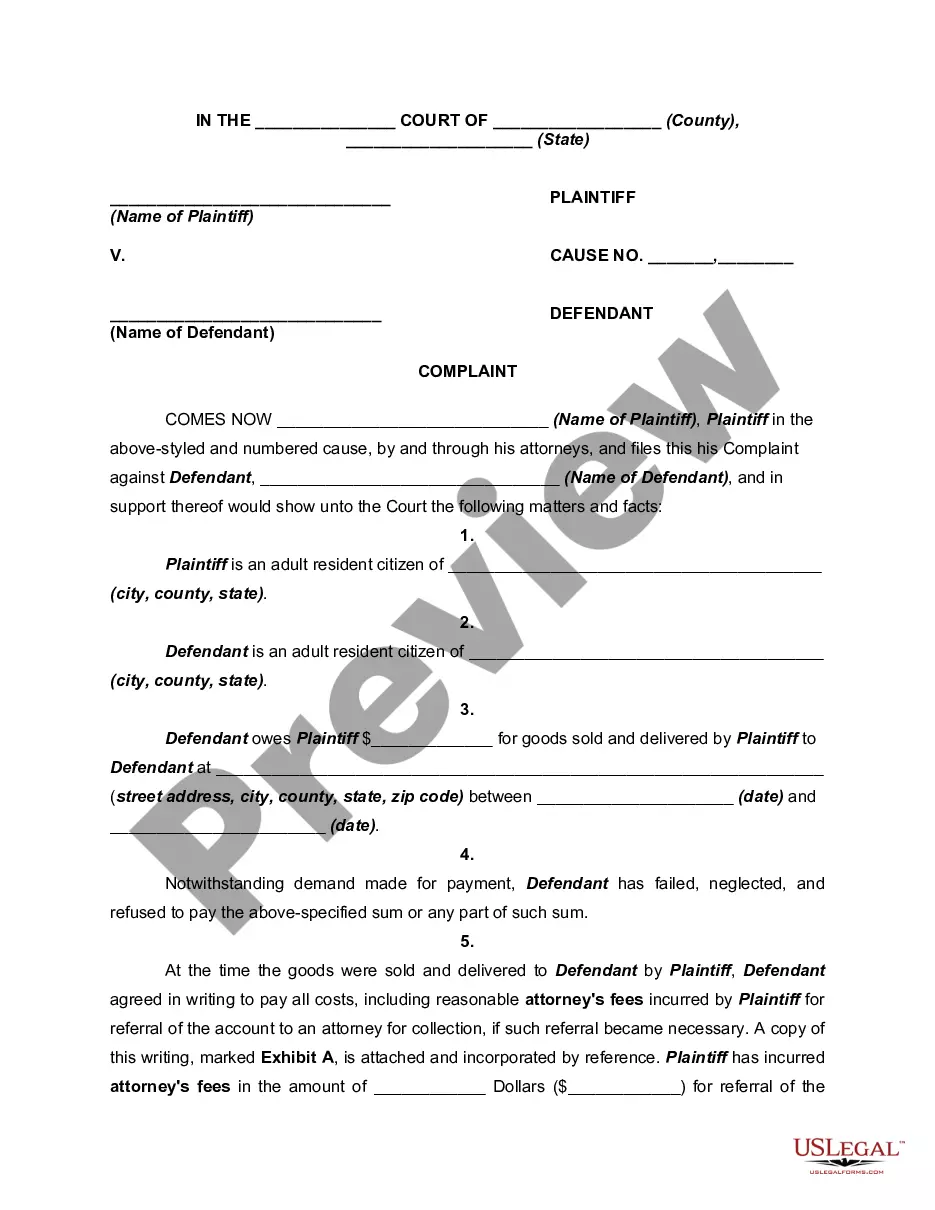
How to fill out Complaint Based On Open Account, Breach Of Contract, Unjust Enrichment?
It's common knowledge that you cannot instantly become a legal authority, nor can you swiftly master the art of drafting Unjust Enrichment And Contract without possessing a particular set of abilities. Crafting legal documents is an extensive process that requires specific education and expertise. So why not entrust the drafting of the Unjust Enrichment And Contract to the professionals.
With US Legal Forms, which boasts one of the largest collections of legal templates, you can discover everything from court documents to formats for internal corporate correspondence. We understand how vital it is to comply with federal and state laws and regulations. That’s why, on our platform, all templates are tailored to specific locations and are current.
Here’s how you can begin with our website and obtain the document you require in just minutes.
You can regain access to your documents from the My documents section anytime. If you’re a returning customer, you can simply Log In, locate, and download the template from the same section.
Whether your documents are for financial and legal purposes or personal use, our website has everything you need. Try US Legal Forms today!
- Locate the form you need by utilizing the search bar at the top of the page.
- View it (if this option is available) and read the accompanying description to see if Unjust Enrichment And Contract is what you require.
- Start your search again if you need a different form.
- Create a free account and choose a subscription plan to purchase the form.
- Click Buy now. Once the payment is finalized, you can obtain the Unjust Enrichment And Contract, fill it out, print it, and deliver or send it to the appropriate individuals or organizations.
Form popularity
FAQ
To win a claim of unjust enrichment, you must demonstrate three elements: the plaintiff provided a benefit to the defendant, the defendant accepted that benefit, and it is unjust for the defendant to keep that benefit without compensation. These elements ultimately underscore the fairness principle inherent in unjust enrichment and contract cases. If you're dealing with a situation involving these claims, legal advice can help you build a strong argument.
The basic principle is that a restitutionary award made on the basis of unjust enrichment is to be calculated as the value of the benefit received by the defendant at the expense of the claimant.
Unjust Enrichment Elements Before you can file an unjust enrichment claim, there are two elements that must exist in order to proceed. Consideration. There must be some form of payment or transfer of property between the defendant and claimant. Unjust Factor.
Overview. Unjust enrichment occurs when Party A confers a benefit upon Party B without Party A receiving the proper restitution required by law. This typically occurs in a contractual agreement when Party A fulfills his/her part of the agreement and Party B does not fulfill his/her part of the agreement.
3 Elements of a Claim for Unjust Enrichment The defendant received a benefit; At the plaintiff's expense; and, Under circumstances that would make it unjust for the defendant to retain the benefit without commensurate compensation.
You Either Have Breach of Contract, or Unjust Enrichment. You Can't Have Both. Simply put, as a claimant you must decide from the get-go whether your claim is based upon the breach of a valid written contract, or whether your claim is grounded in quasi-contract, i.e., to seek recovery on an strictly equitable basis.