Puppy Dog Colors
Description
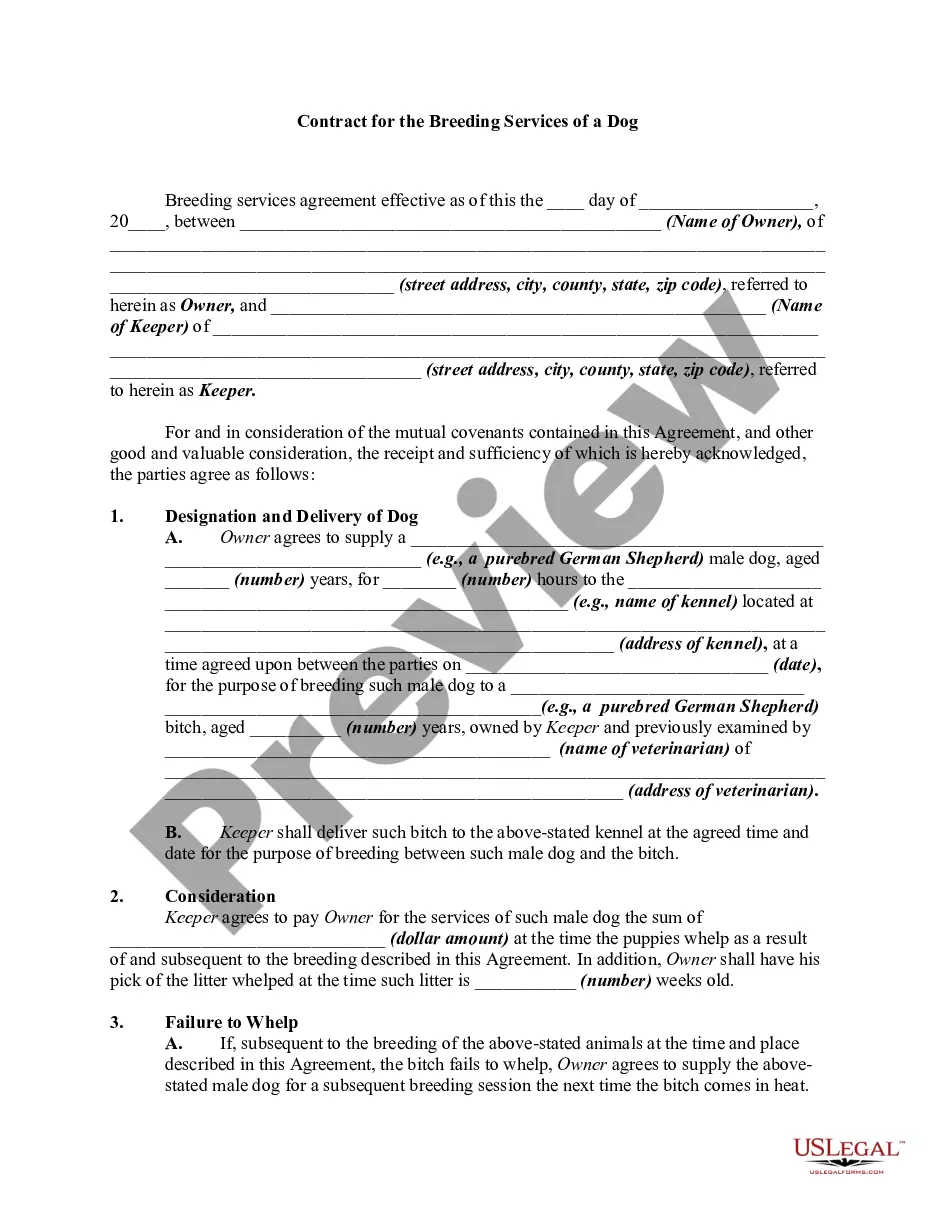
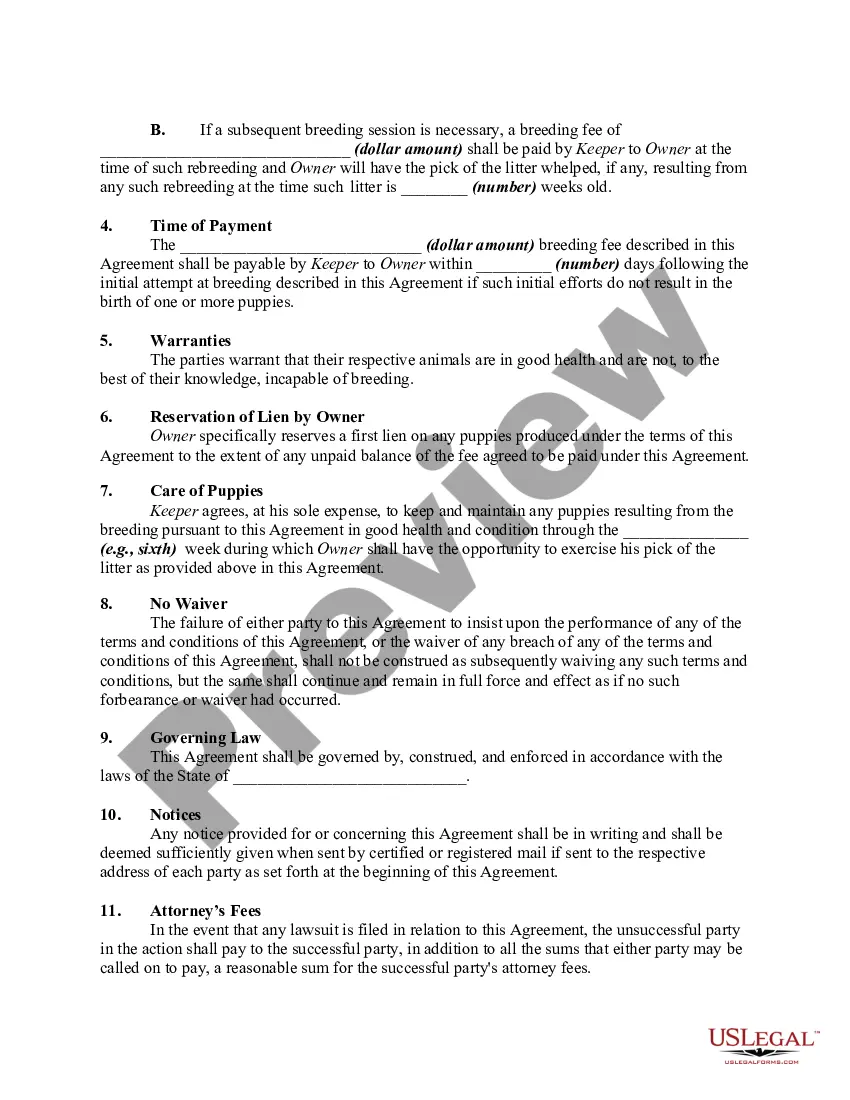
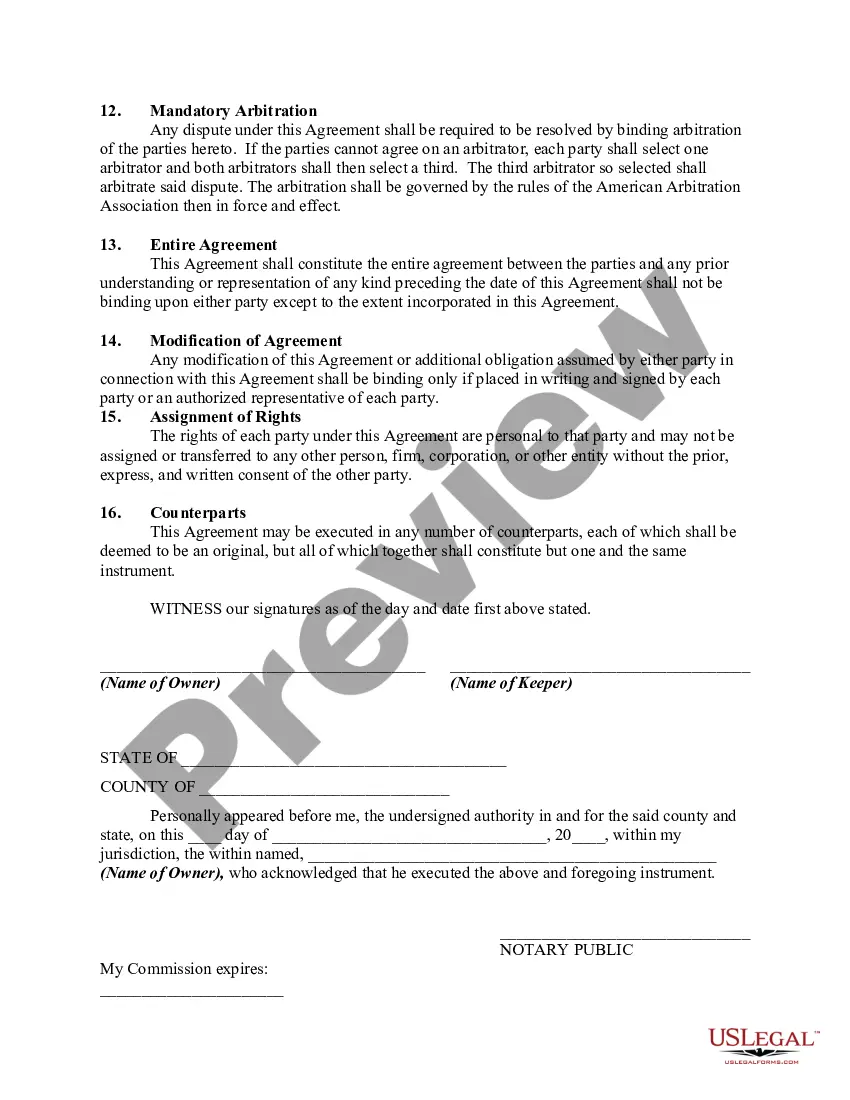
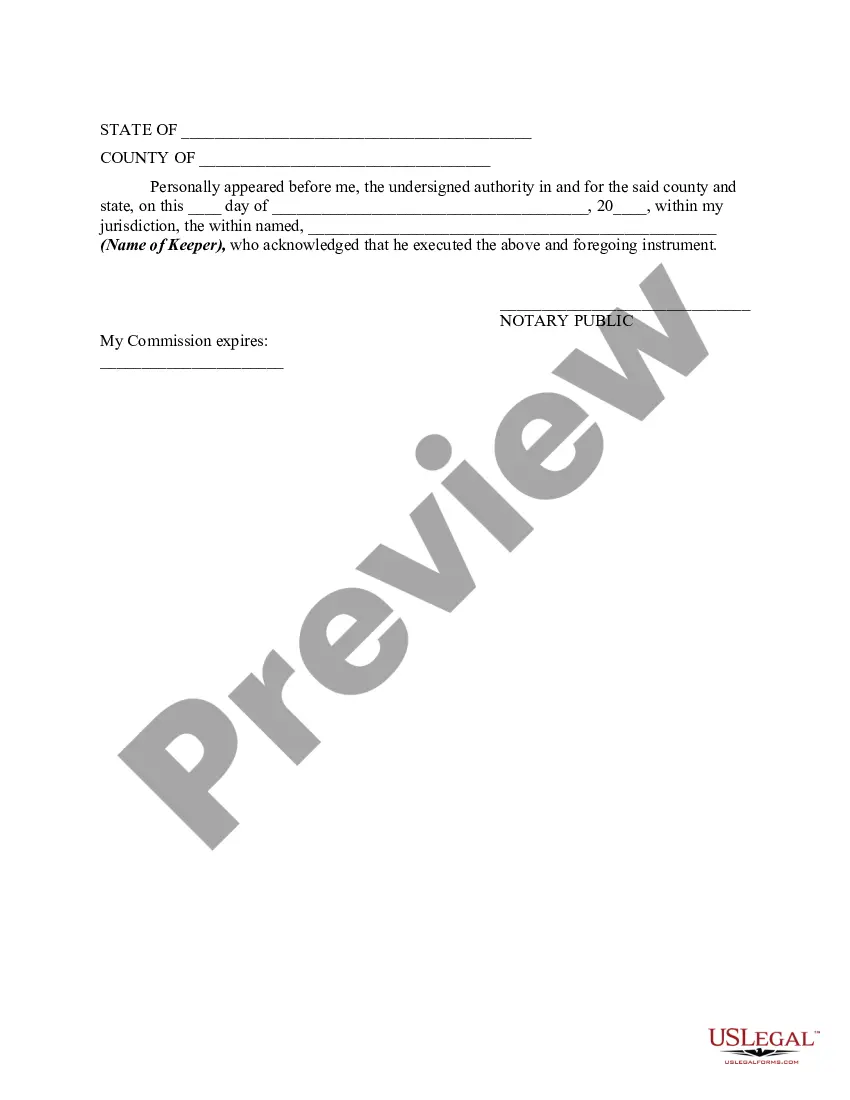
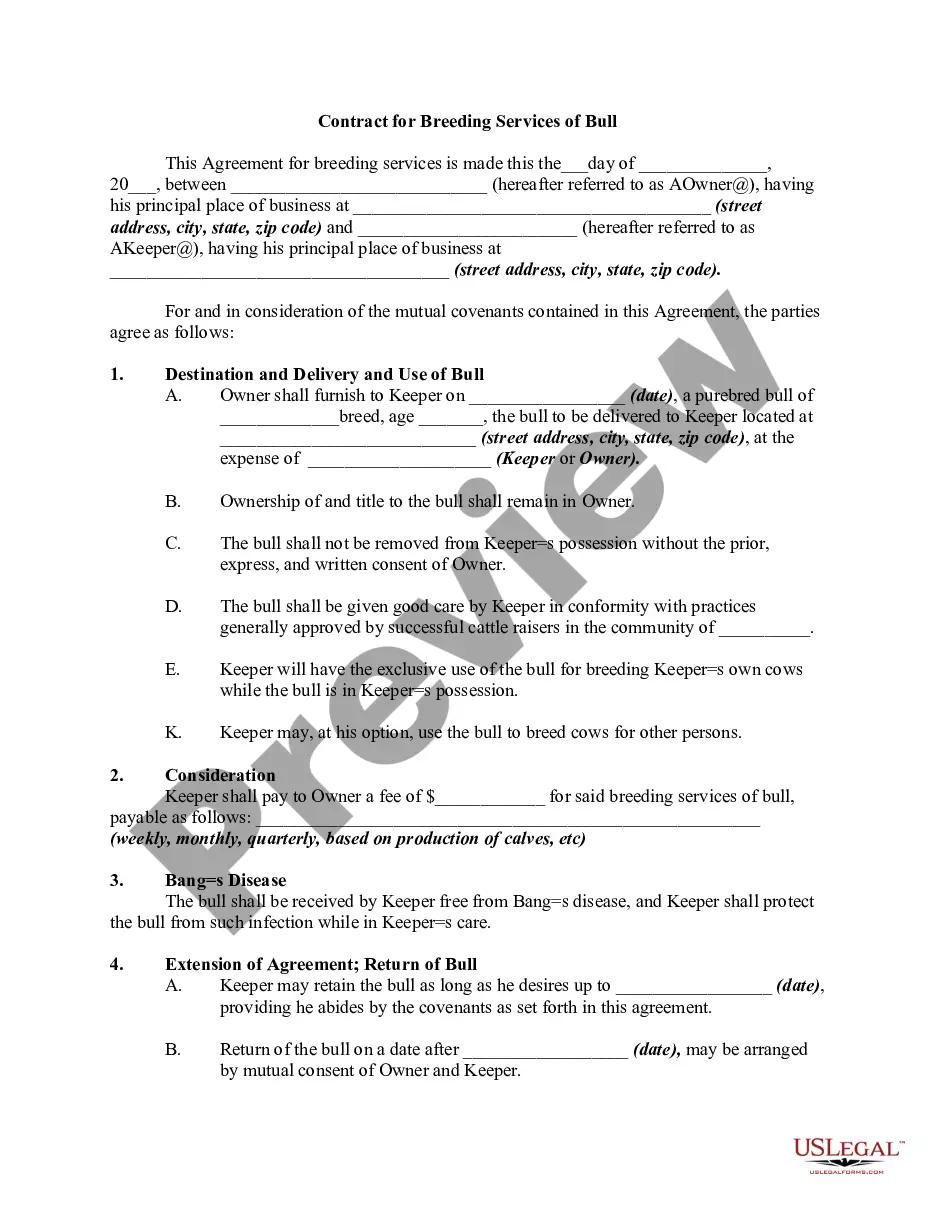
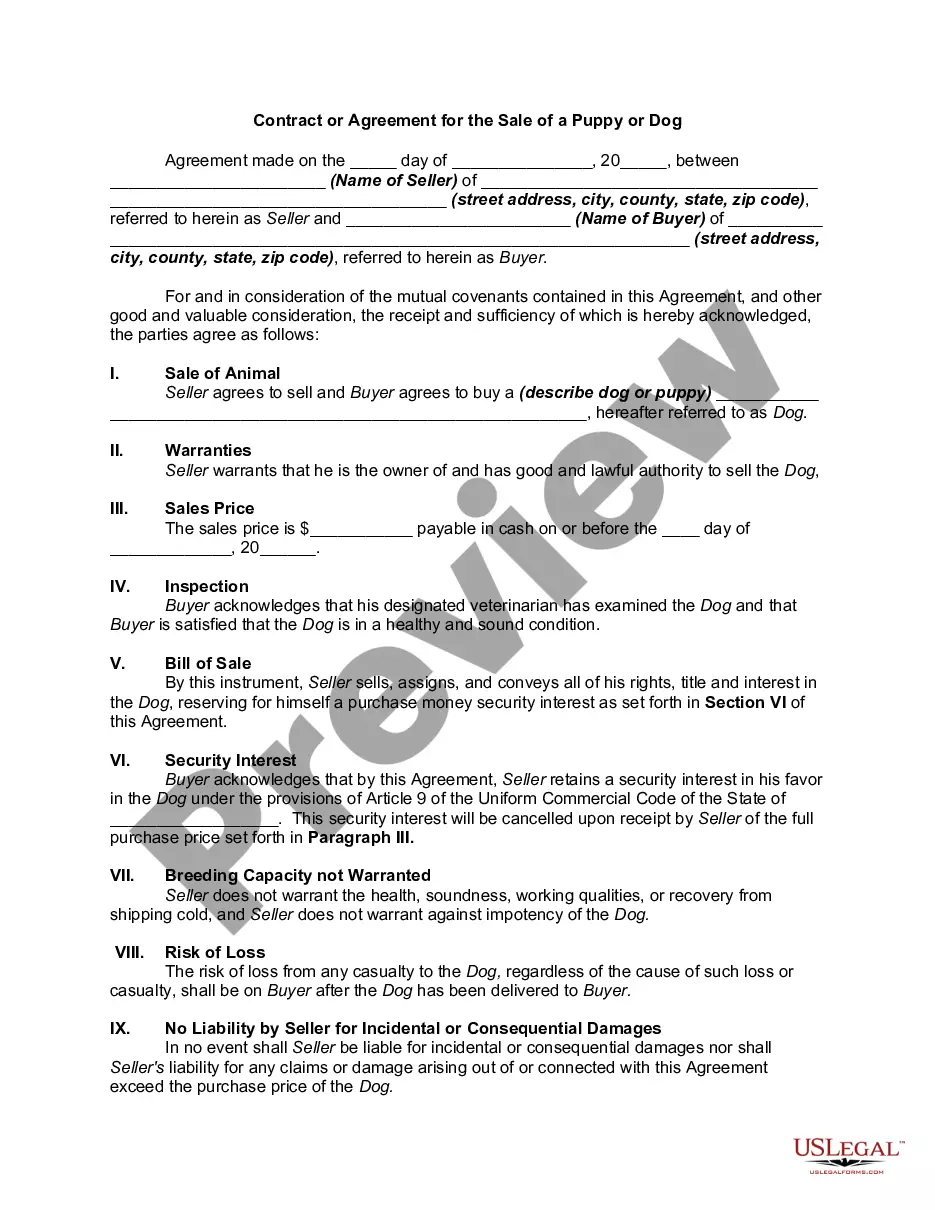
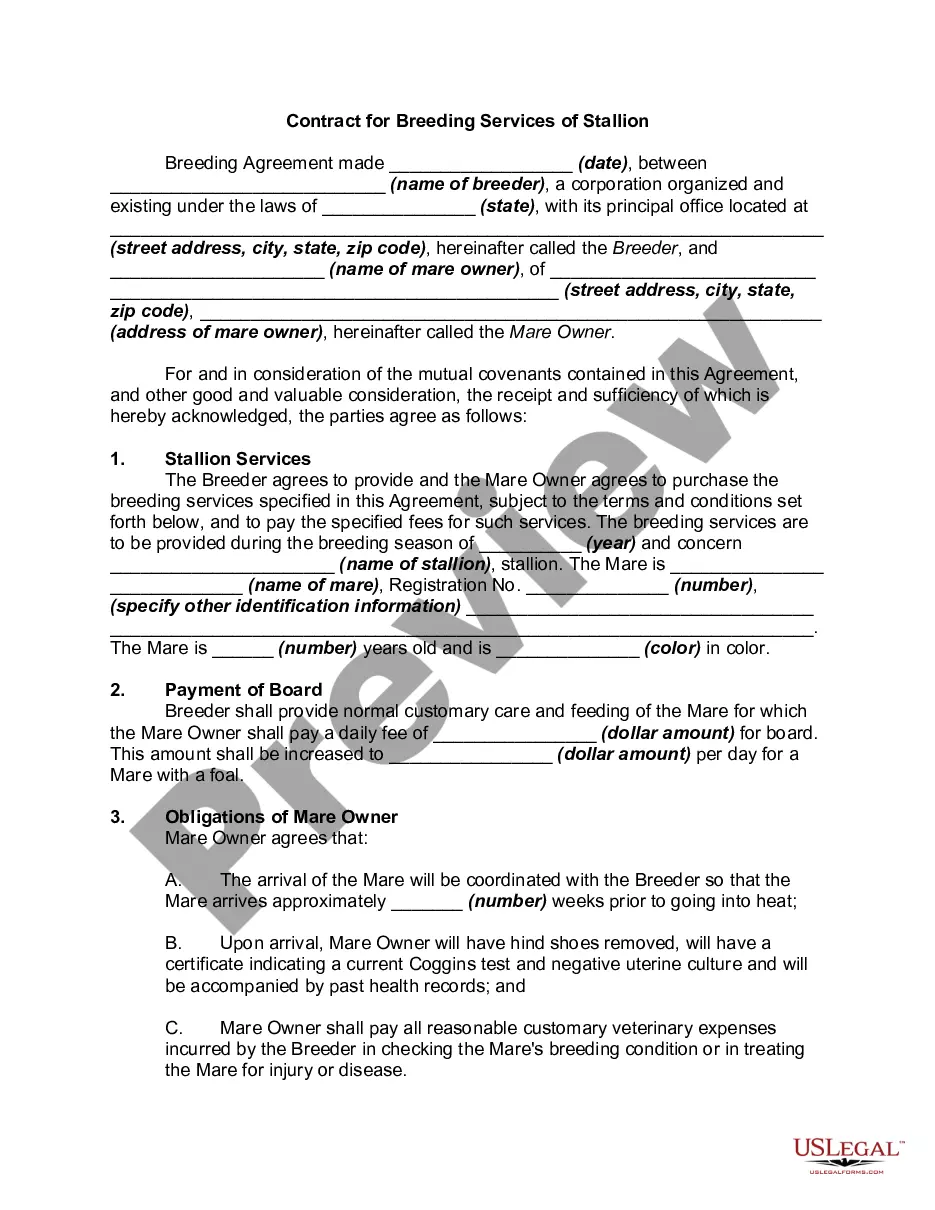

Get your form ready online
Our built-in tools help you complete, sign, share, and store your documents in one place.
Make edits, fill in missing information, and update formatting in US Legal Forms—just like you would in MS Word.
Download a copy, print it, send it by email, or mail it via USPS—whatever works best for your next step.
Sign and collect signatures with our SignNow integration. Send to multiple recipients, set reminders, and more. Go Premium to unlock E-Sign.
If this form requires notarization, complete it online through a secure video call—no need to meet a notary in person or wait for an appointment.
We protect your documents and personal data by following strict security and privacy standards.

Make edits, fill in missing information, and update formatting in US Legal Forms—just like you would in MS Word.

Download a copy, print it, send it by email, or mail it via USPS—whatever works best for your next step.

Sign and collect signatures with our SignNow integration. Send to multiple recipients, set reminders, and more. Go Premium to unlock E-Sign.

If this form requires notarization, complete it online through a secure video call—no need to meet a notary in person or wait for an appointment.

We protect your documents and personal data by following strict security and privacy standards.
Looking for another form?




How to fill out Contract For The Breeding Services Of A Dog?
- Log in to your existing US Legal Forms account. Ensure your subscription is current to access your downloads seamlessly.
- Review the preview mode and description of the forms. This is to guarantee you select the right form that fits your needs and adheres to local jurisdiction requirements.
- If the form doesn’t meet your requirements, utilize the search feature to find an alternative that works for you.
- Purchase the selected document by clicking the Buy Now button and choose your preferred subscription plan. You'll need to register for an account if this is your first visit.
- Complete your purchase by providing your credit card information or using PayPal to finalize the subscription.
- Download your form and save it to your device. You can access your document anytime in the My Forms section of your profile.
With US Legal Forms, not only do you get a comprehensive suite of over 85,000 editable legal forms, but you'll also have expert assistance available for any questions about form completion.
Start benefiting from this robust legal form library today and simplify your document management. Visit US Legal Forms now!
Form popularity
FAQ
The best tools for filing your dog's nails include glass or emery boards, and electric grinders designed for pets. Choose a tool that feels comfortable for you, as well as for your puppy. Electric grinders can offer a quick and smooth finish, reducing the risk of nail splitting. Always prioritize your puppy's comfort while ensuring their nails are trimmed and the vibrant puppy dog colors shine through.
Yes, you absolutely can file down a puppy's nails using an appropriate tool such as a nail file or grinder. This gentle approach helps prevent splitting and minimizes the risk of cutting too close to the quick. Always ensure your puppy is relaxed to create a positive experience. Each session not only helps maintain their nails but also enhances the joy of seeing those delightful puppy dog colors.
To naturally file down your dog's nails, consider allowing them to walk on rough surfaces like concrete. This method works over time, gradually wearing down their nails as they play and exercise. While this is an easy approach, regular check-ups are crucial to ensure they do not become too long and uncomfortable. You want your puppy to enjoy their playtime while looking adorable with their unique puppy dog colors.
You can start filing a puppy's nails as soon as they are old enough to sit still, usually around 8 weeks of age. Early exposure helps them become accustomed to the process, reducing future anxiety. It's essential to keep the sessions short and positive, which can encourage a strong bond based on trust. Remember, maintaining their nails is just as important as admiring their puppy dog colors.
Shortening puppy nails is essential for their comfort and health. You can use nail clippers specifically designed for dogs or a nail grinder for precise control. Make sure to be gentle and take your time, as causing discomfort can lead to fear during nail trims. Regularly checking their nails will help you maintain the desired length while keeping your puppy active and happy.
To mark puppies in a litter for easy identification, consider using non-toxic colored collars or ribbons. You can assign colors based on their puppy dog colors or other characteristics to simplify tracking them. This method helps ensure each puppy receives the attention and care they need as they grow.
Both parents influence the puppy's color, but specific genes from one parent can dominate. If both parents present strong color traits, they may combine to create unique puppy dog colors. Observing the parents' appearances can provide insight into what colors their offspring may display.
Puppies typically begin to show color changes at about four weeks old. This can continue until they reach six months, with more pronounced changes happening in certain breeds. Monitoring these transformations can be a delightful experience for owners eager to see their puppy's true colors.
The color of a puppy is fundamentally determined by genetics, which include both dominant and recessive traits from the mother and father. Environmental factors also play a minor role, but the genetic makeup is the primary influence on puppy dog colors. Knowing the breeding history can often provide clues to expected colors.
Puppy dog colors originate from a combination of genetic factors inherited from their parents. The genes responsible for color can express in various ways, resulting in a wide range of shades and patterns. Thus, understanding the lineage can help predict how your puppy might look as they mature.