Grandparent Rights Parents For State
Description
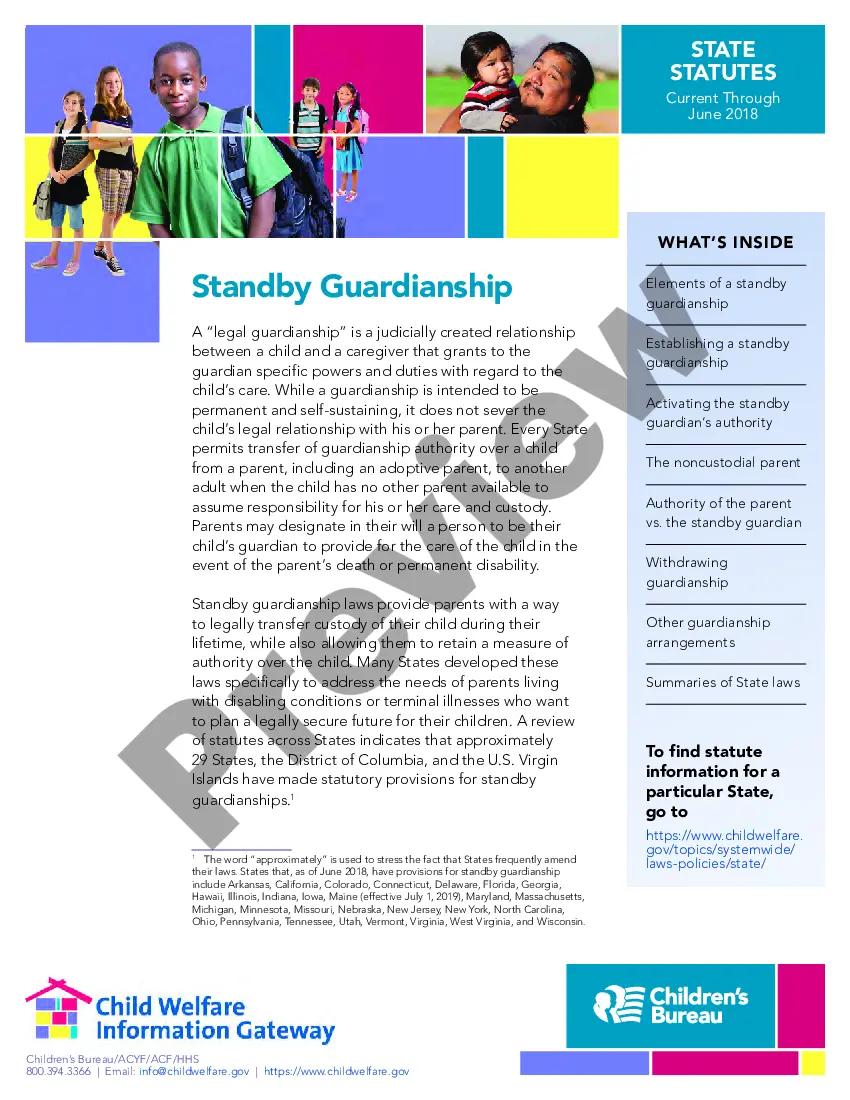
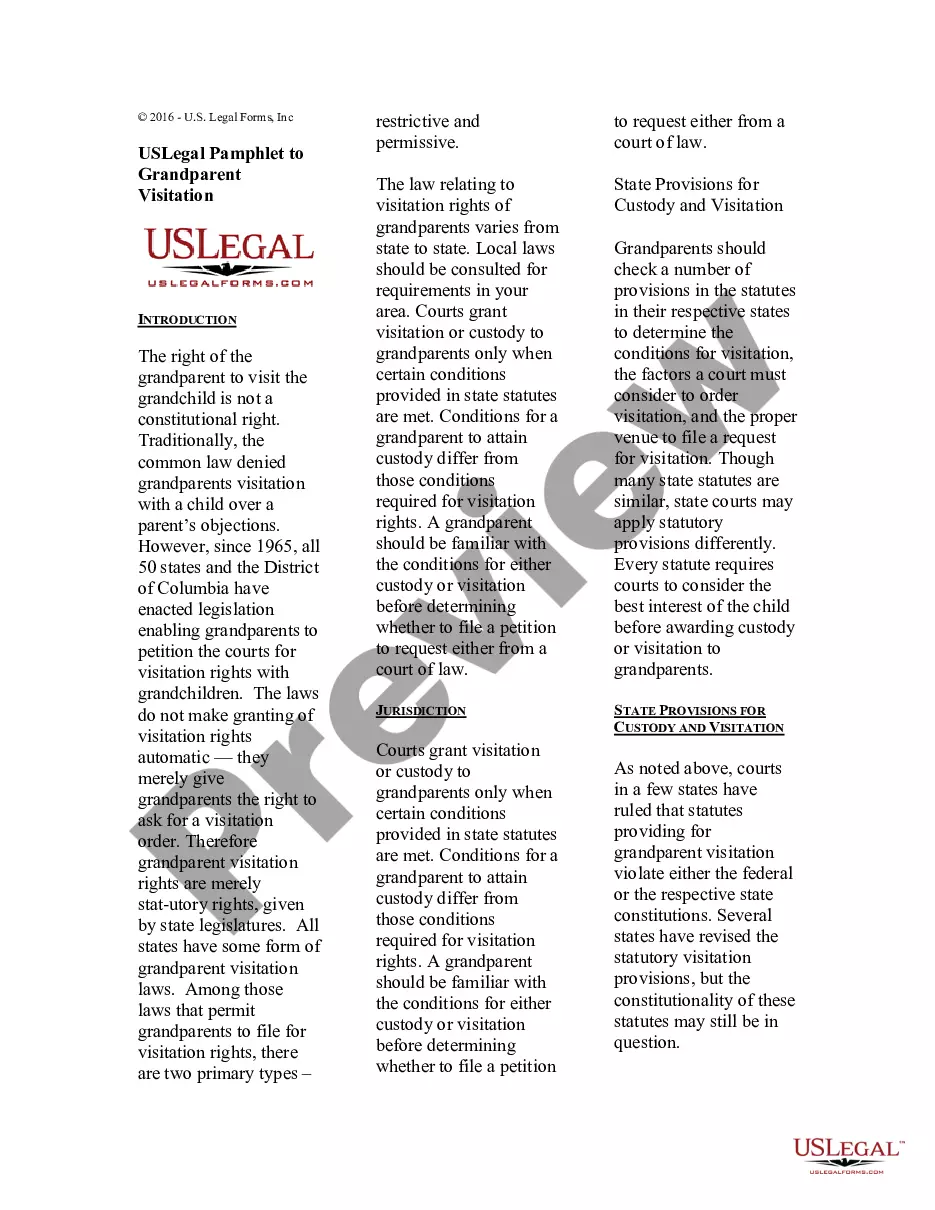
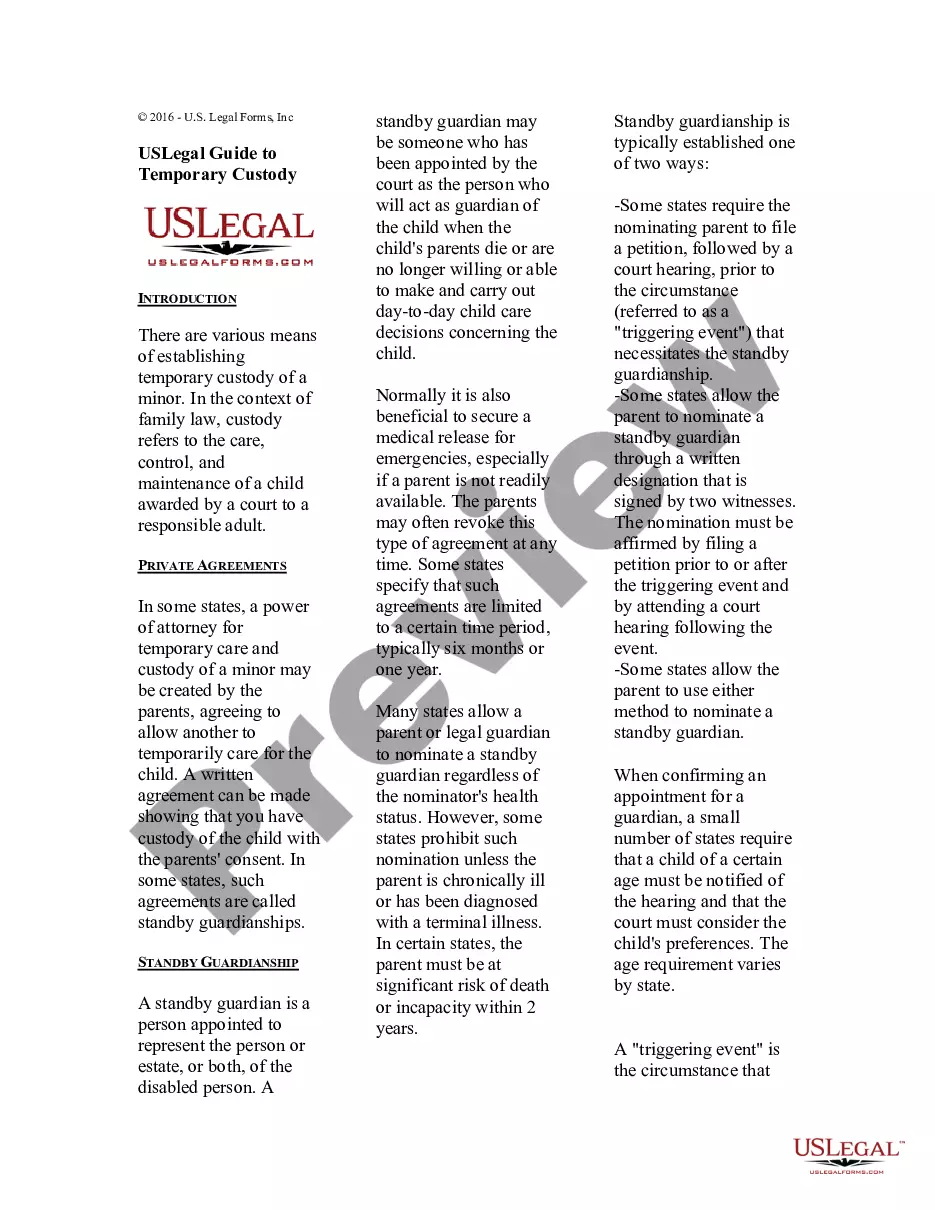
Get your form ready online
Our built-in tools help you complete, sign, share, and store your documents in one place.
Make edits, fill in missing information, and update formatting in US Legal Forms—just like you would in MS Word.
Download a copy, print it, send it by email, or mail it via USPS—whatever works best for your next step.
Sign and collect signatures with our SignNow integration. Send to multiple recipients, set reminders, and more. Go Premium to unlock E-Sign.
If this form requires notarization, complete it online through a secure video call—no need to meet a notary in person or wait for an appointment.
We protect your documents and personal data by following strict security and privacy standards.

Make edits, fill in missing information, and update formatting in US Legal Forms—just like you would in MS Word.

Download a copy, print it, send it by email, or mail it via USPS—whatever works best for your next step.

Sign and collect signatures with our SignNow integration. Send to multiple recipients, set reminders, and more. Go Premium to unlock E-Sign.

If this form requires notarization, complete it online through a secure video call—no need to meet a notary in person or wait for an appointment.

We protect your documents and personal data by following strict security and privacy standards.
Looking for another form?

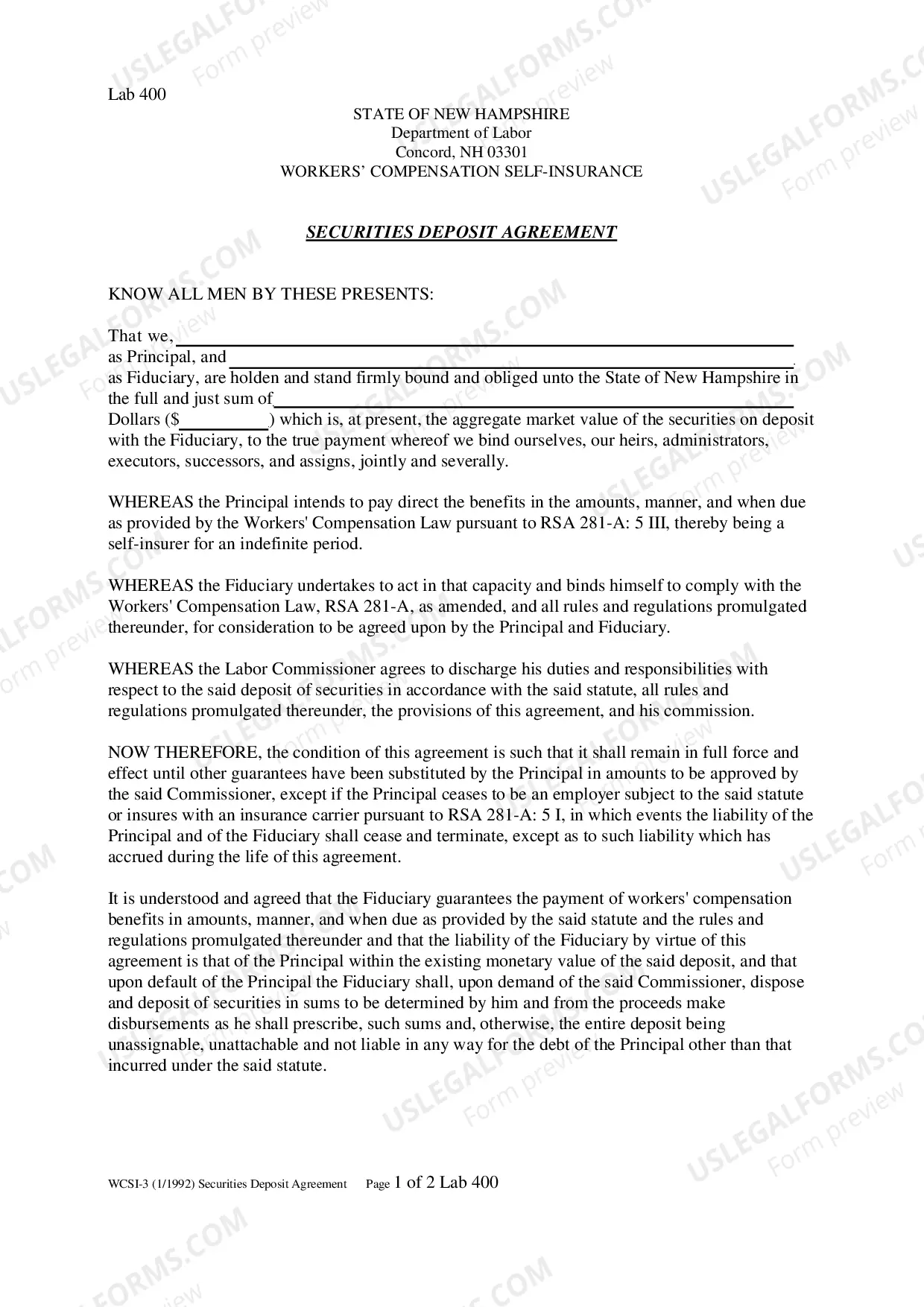
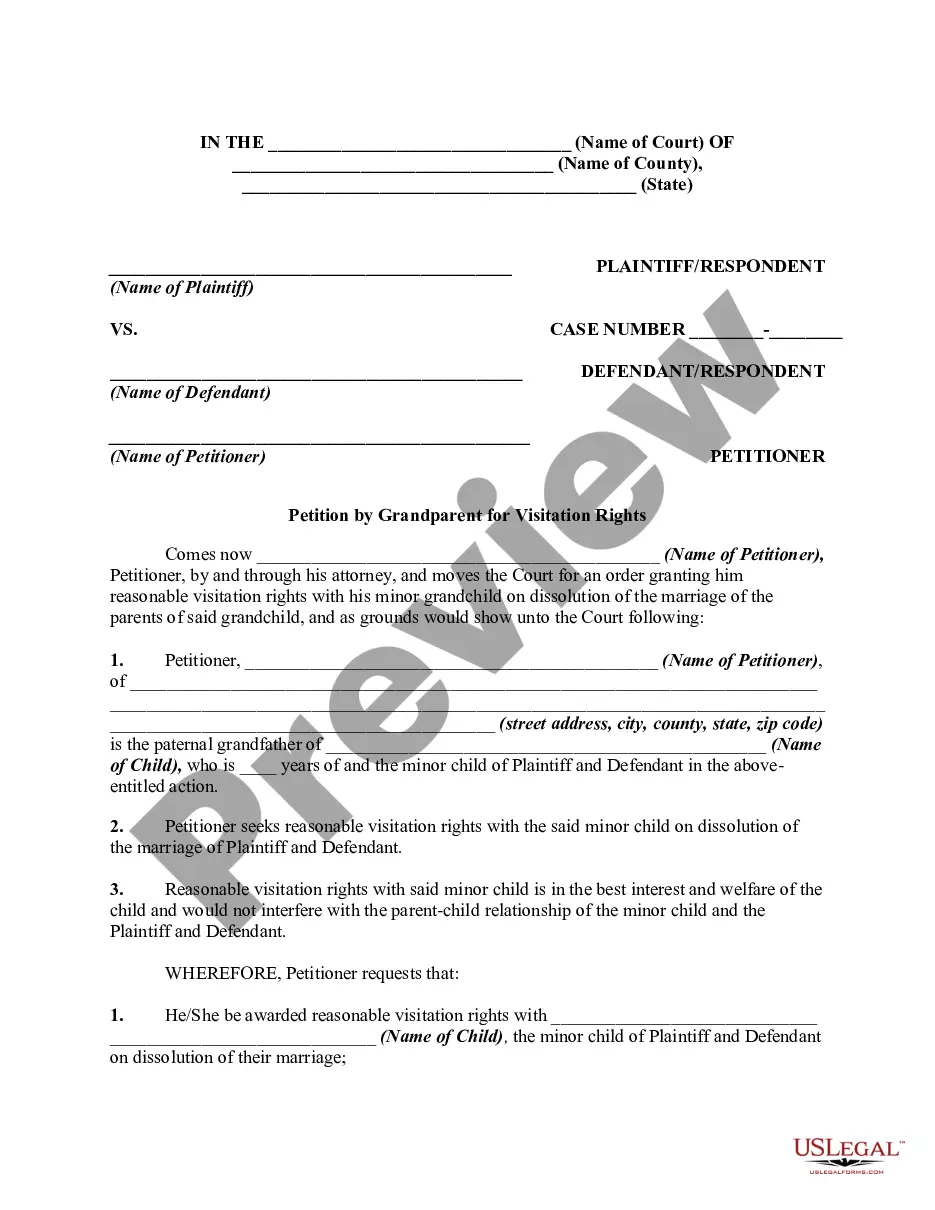
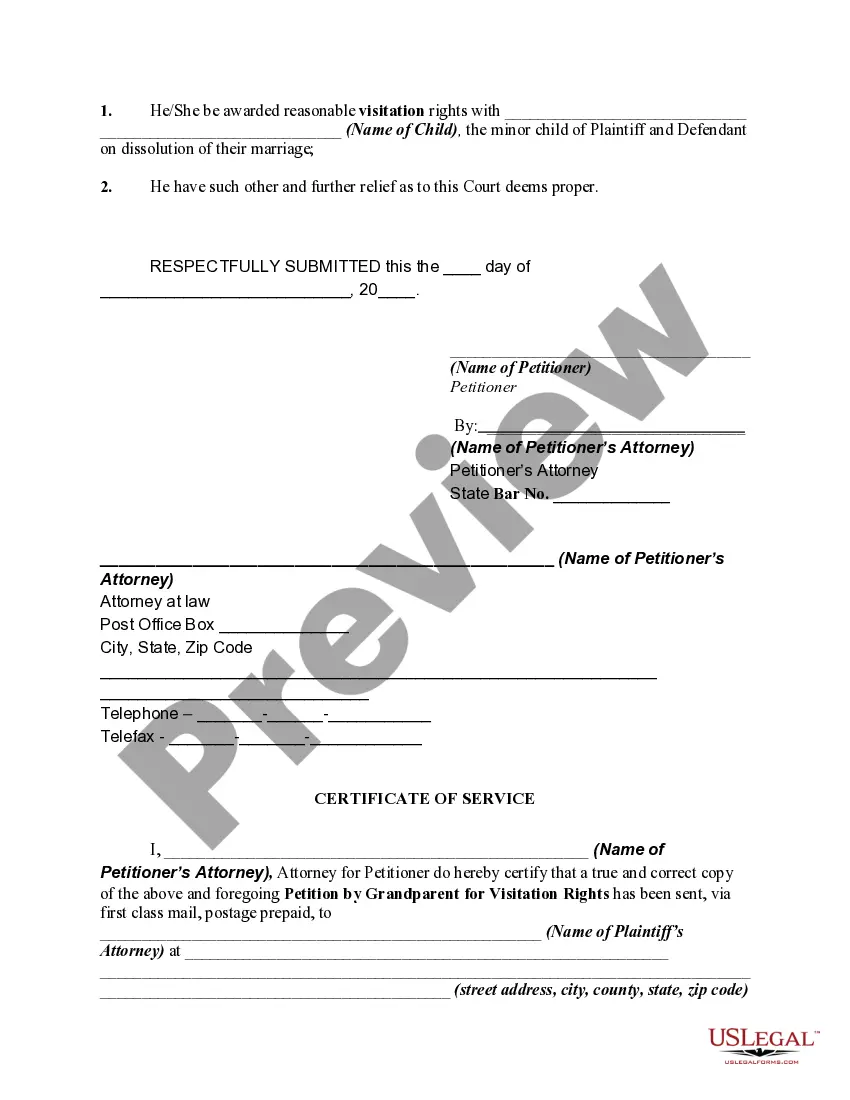
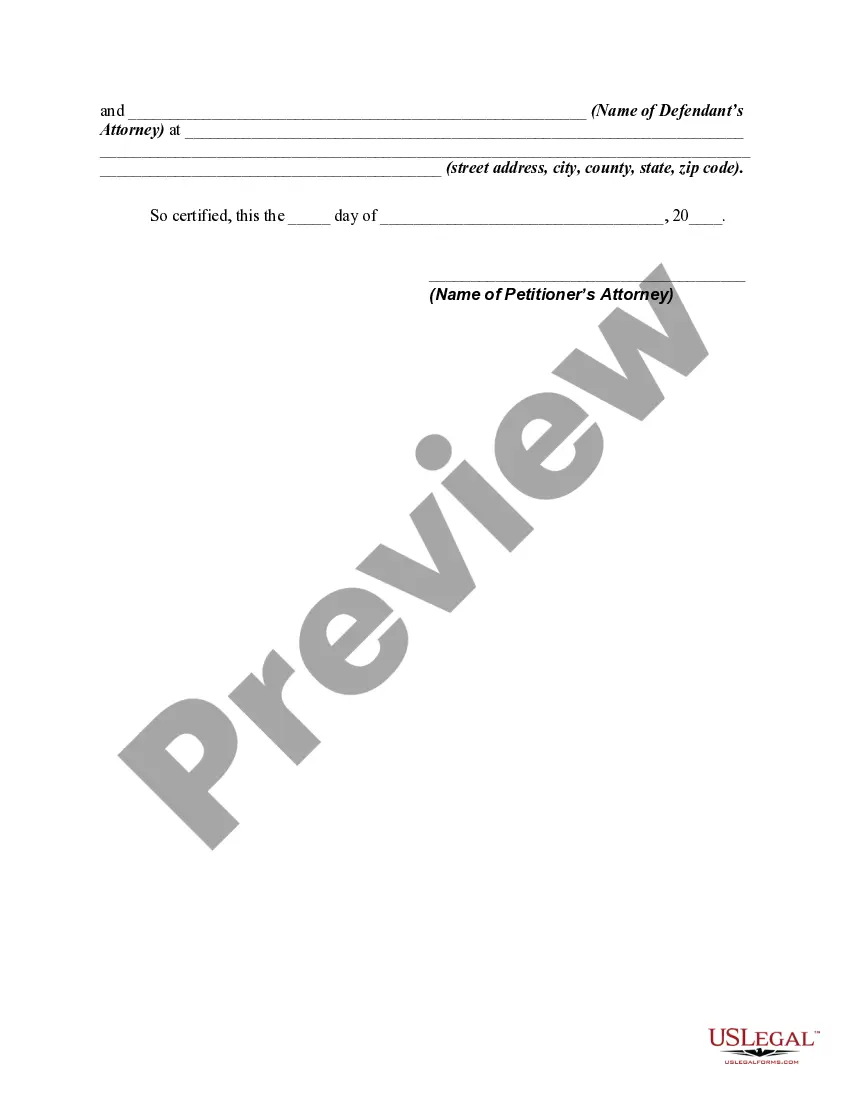
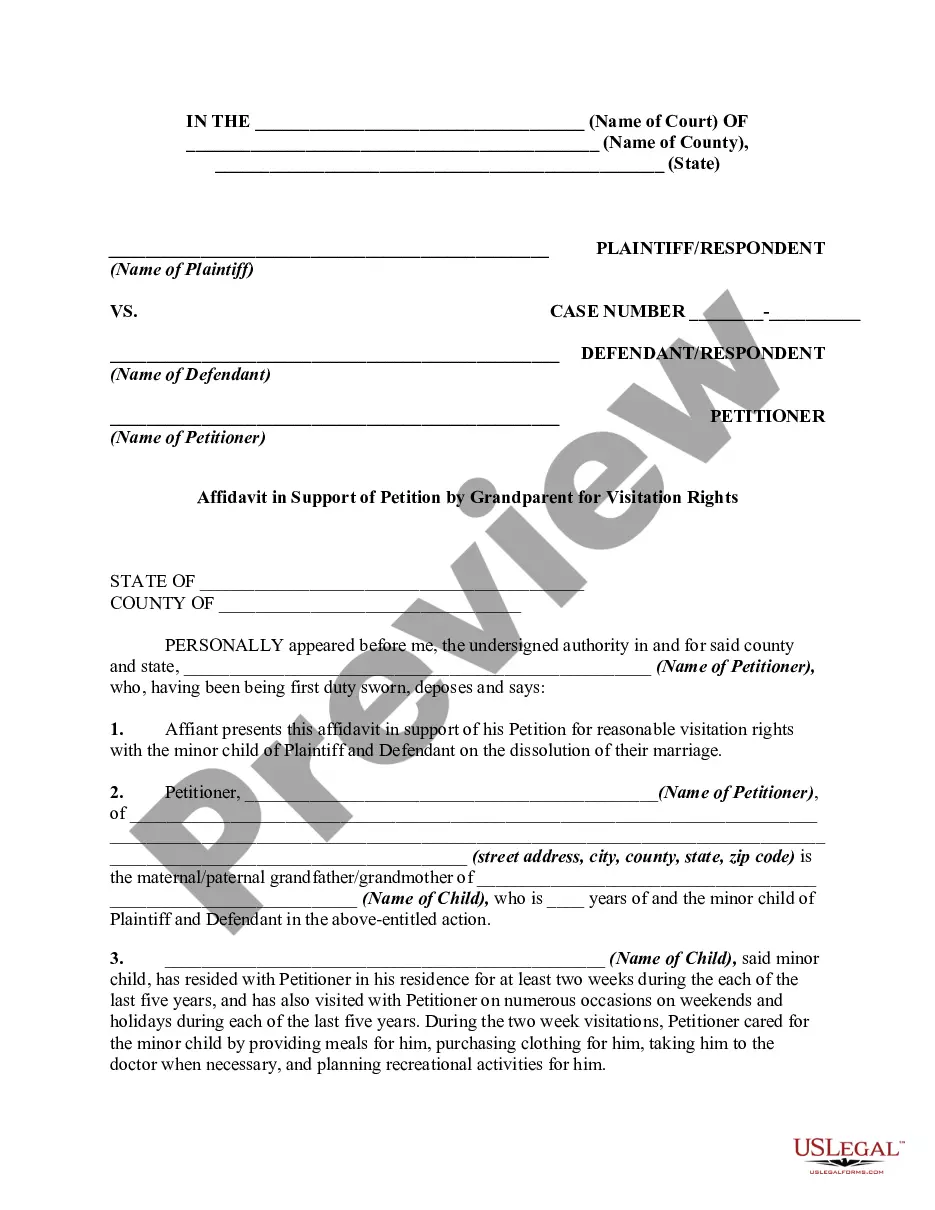
How to fill out Petition By Grandparent For Visitation Rights With Minor Grandchild On Dissolution Of The Marriage Of The Parents Of Minor Child?
- If you are a returning user, simply log in to your account and find the relevant form template. Ensure your subscription is active, or renew it as needed.
- For first-time users, start by exploring the Preview mode and reading through the form description to select one that aligns with your requirements and complies with local laws.
- If necessary, search for additional templates using the Search tab to ensure you have the most appropriate document.
- Once you've identified the correct form, click the Buy Now button and select your preferred subscription plan, which requires account registration.
- Proceed with the payment by entering your credit card information or utilizing your PayPal account.
- After completing your purchase, download the template onto your device and store it for easy access. You can also revisit it anytime via the My Forms section of your profile.
US Legal Forms empowers individuals and attorneys alike by offering a robust collection of over 85,000 legal forms that are easy to fill and edit. This extensive library provides unparalleled value, ensuring you have the right resources at your fingertips.
Take control of your legal needs today! Visit US Legal Forms to explore how you can simplify your grandparent rights documentation process.
Form popularity
FAQ
The new law for grandparents rights in New Jersey allows grandparents to seek custody and visitation under certain conditions. It emphasizes the importance of maintaining relationships between grandparents and grandchildren, especially when the parents are unable to facilitate this. This change supports the idea that strong family ties benefit children's wellbeing. If you're navigating these complex situations, USLegalForms can provide essential documents and guidance to help you understand grandparent rights parents for state.
In New York State, grandparents can request visitation rights under specific circumstances, particularly if such visitation is deemed to be in the child's best interest. The law allows grandparents to file for custody if the child's parents are unfit or if their relationship with the child has been interrupted. Understanding grandparent rights parents for state is important for both grandparents and parents alike to ensure the well-being of the child. Legal assistance can provide clarity and guidance through this process.
To successfully contest grandparents rights, you must demonstrate that granting those rights is not in the best interest of the child. Courts often prioritize parental rights and may consider factors such as family bonds and stability. Grandparent rights parents for state can be complex, so providing strong evidence and documentation is crucial. Seeking legal advice can greatly enhance your situation and help you navigate this process effectively.
Many US states recognize grandparent rights, allowing grandparents to seek visitation or custody of their grandchildren. These laws vary significantly by state, with some offering more comprehensive rights than others. Grandparent rights parents for state depend on local regulations, making it essential to consult legal resources specific to your state. For accurate information and resources, consider using platforms like US Legal Forms.
Yes, a parent can deny grandparent visitation in Ohio, but this may be challenged in court under certain conditions. If grandparents believe that denying visitation harms the child's welfare, they can petition the court for visitation rights. The grandparents must show that maintaining a relationship with them is in the child's best interest, highlighting the importance of understanding grandparent rights parents for state. For legal assistance, grandparents can use platforms like USLegalForms to streamline the process.
Yes, Ohio recognizes grandparent rights parents for state under certain circumstances. Grandparents may seek visitation rights if they can demonstrate that visitation is in the best interest of the child. Ohio law also allows grandparents to file for custody under specific conditions, such as when the child's parents are deceased or when the parents are divorced. Engaging with legal resources helps grandparents navigate these options effectively.
In the United States, some states do not have specific laws granting grandparent rights parents for state. States like Alaska, Alabama, and Mississippi do not recognize any legal rights for grandparents regarding visitation or custody. This can create challenges for grandparents seeking to maintain relationships with their grandchildren. It is important for grandparents in these states to consult legal resources or platforms like USLegalForms to explore their options.
Obtaining grandparents' rights can be challenging depending on your state's laws and the particular situation. Showing that the child's best interest necessitates such rights is often a central requirement. Utilizing resources like uslegalforms can help clarify the process, making it easier for grandparents to pursue their rights legally.
Wisconsin allows grandparents to petition for visitation rights, particularly if the parents are divorced or if there are significant family disputes. However, these rights depend on various factors, including the child's welfare. If you need assistance with navigating these laws, uslegalforms offers tools and resources to simplify the process.
Yes, Missouri recognizes grandparents’ rights to seek visitation or custody under specific conditions. These rights are usually considered when it serves the child's best interests. Navigating these laws can be complex, making resources like uslegalforms invaluable for understanding your rights as a grandparent.