Condominium Unit Owner For Sale
Description
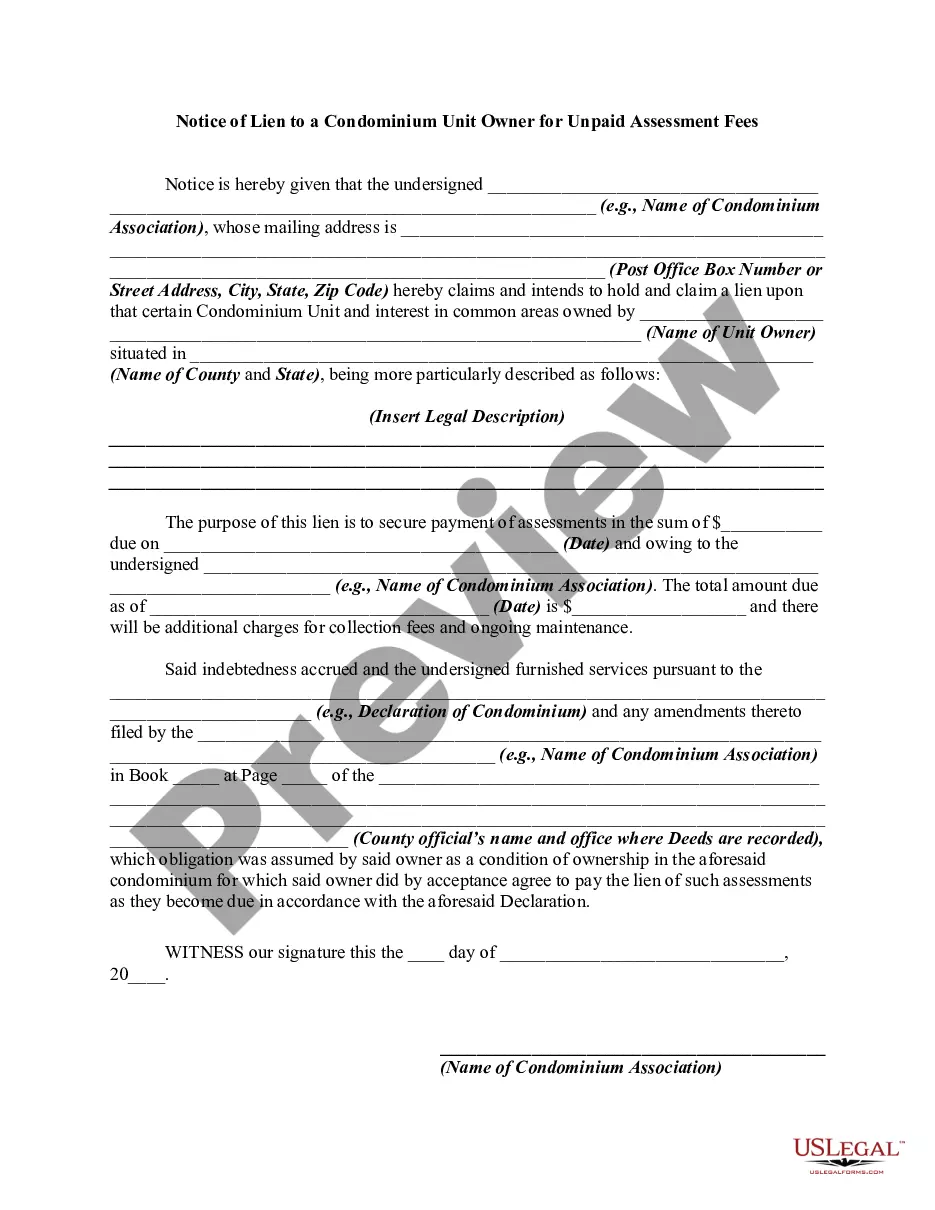
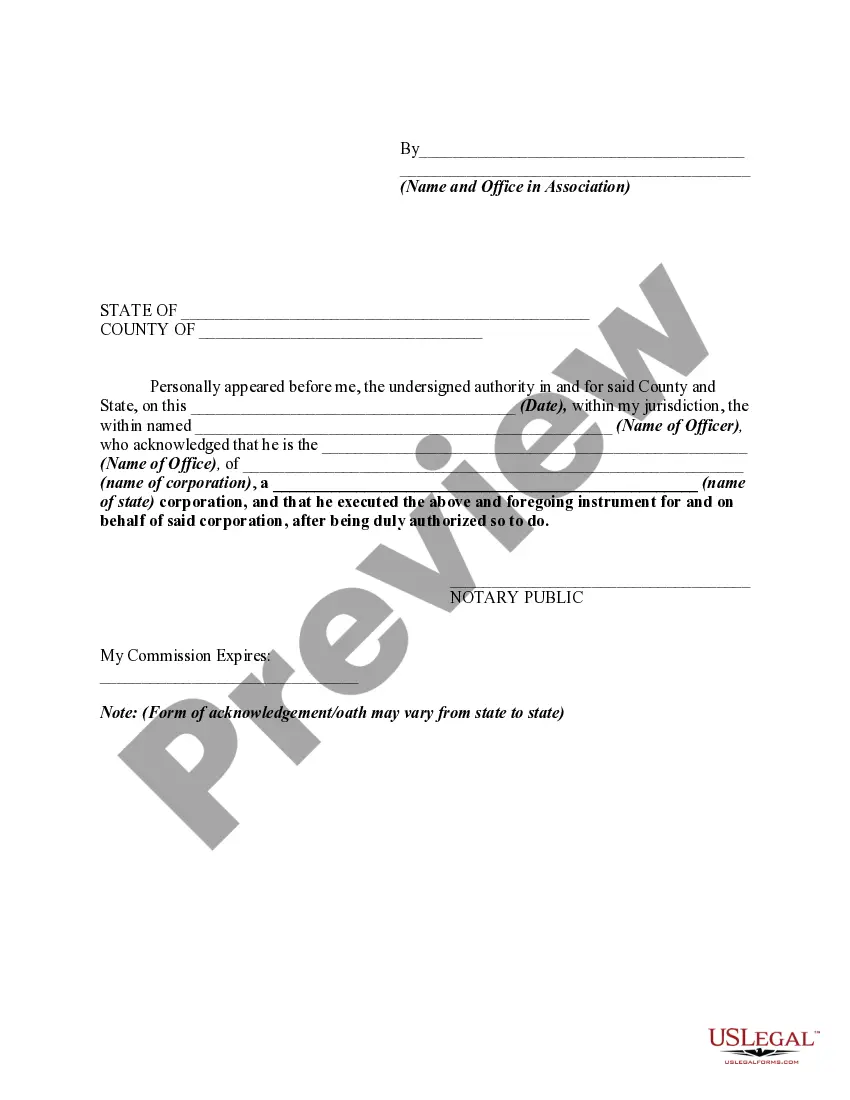
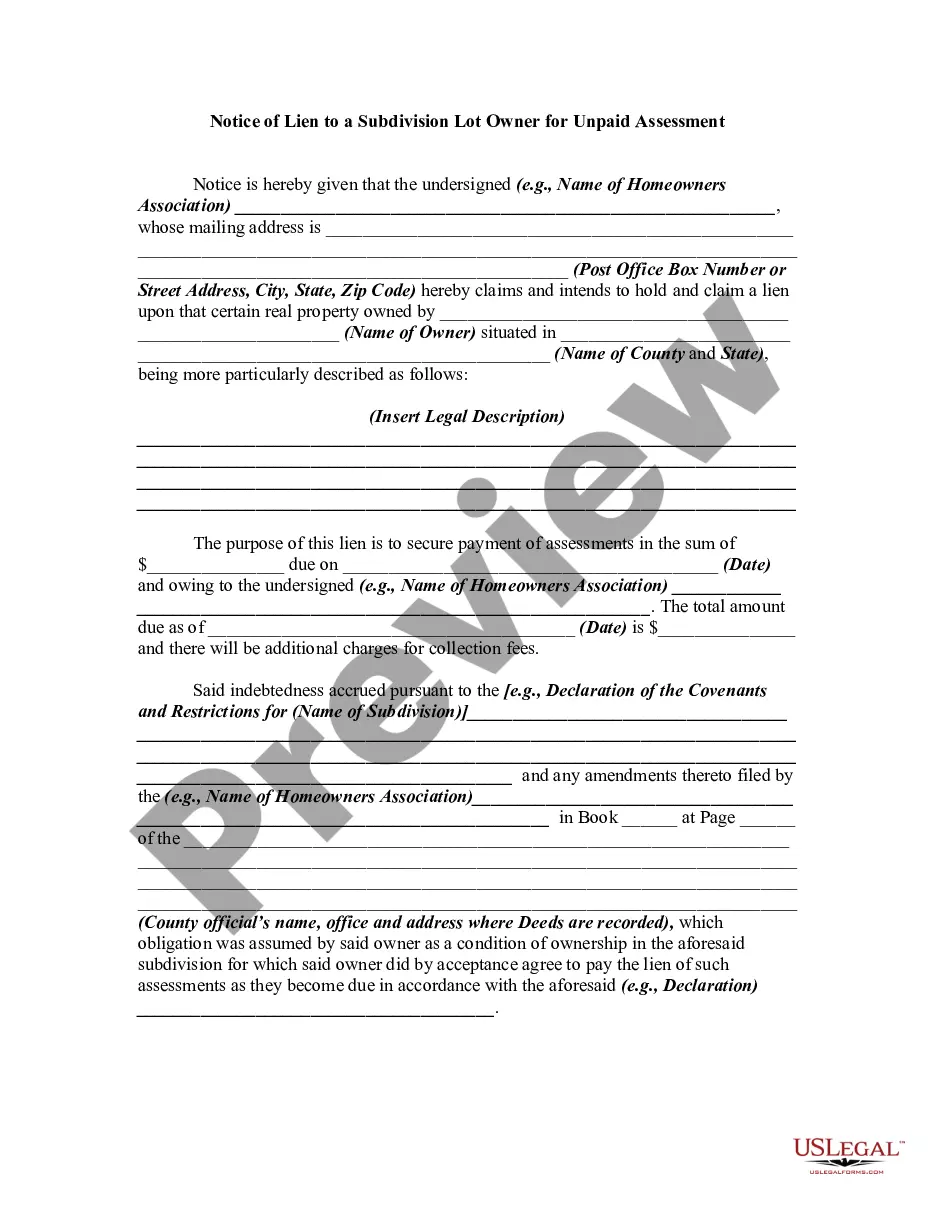
Get your form ready online
Our built-in tools help you complete, sign, share, and store your documents in one place.
Make edits, fill in missing information, and update formatting in US Legal Forms—just like you would in MS Word.
Download a copy, print it, send it by email, or mail it via USPS—whatever works best for your next step.
Sign and collect signatures with our SignNow integration. Send to multiple recipients, set reminders, and more. Go Premium to unlock E-Sign.
If this form requires notarization, complete it online through a secure video call—no need to meet a notary in person or wait for an appointment.
We protect your documents and personal data by following strict security and privacy standards.

Make edits, fill in missing information, and update formatting in US Legal Forms—just like you would in MS Word.

Download a copy, print it, send it by email, or mail it via USPS—whatever works best for your next step.

Sign and collect signatures with our SignNow integration. Send to multiple recipients, set reminders, and more. Go Premium to unlock E-Sign.

If this form requires notarization, complete it online through a secure video call—no need to meet a notary in person or wait for an appointment.

We protect your documents and personal data by following strict security and privacy standards.
Looking for another form?

How to fill out Notice Of Lien To A Condominium Unit Owner For Unpaid Assessment Fees?
Regardless of whether it is for commercial reasons or personal matters, everyone must confront legal circumstances at some point in their life.
Filling out legal paperwork requires meticulous care, starting from choosing the correct template.
With a vast US Legal Forms catalog available, you don’t have to waste time searching for the right sample online. Utilize the library’s easy navigation to locate the correct form for any circumstance.
- For example, if you select an incorrect version of the Condominium Unit Owner For Sale, it will be rejected once you submit it.
- Thus, it is crucial to have a trustworthy source for legal documents like US Legal Forms.
- To obtain a Condominium Unit Owner For Sale template, follow these simple steps.
- Acquire the sample you need by using the search box or catalog navigation.
- Review the form's description to confirm it fits your needs, state, and region.
- Click on the form's preview to examine it.
- If it is the wrong document, return to the search tool to find the Condominium Unit Owner For Sale sample you need.
- Download the template when it aligns with your requirements.
- If you already possess a US Legal Forms account, simply click Log in to access previously saved templates in My documents.
- If you do not have an account yet, you can acquire the form by clicking Buy now.
- Select the suitable pricing option.
- Fill out the account registration form.
- Choose your payment method: use a credit card or PayPal account.
- Select the document format you prefer and download the Condominium Unit Owner For Sale.
- Once downloaded, you can complete the form using editing software or print it and finish it by hand.
Form popularity
FAQ
Yes, you can own a condominium unit. Ownership means you hold the title to a specific unit while sharing common areas with other owners. This arrangement allows individuals to invest in property with potentially lower costs compared to single-family homes. If you are considering becoming a condominium unit owner for sale, uslegalforms can assist you in navigating the ownership process and ensuring all legal aspects are addressed.
The owner of a condominium is commonly referred to as a condominium unit owner. This term highlights your ownership of a specific unit within a larger building or complex. As a condominium unit owner for sale, you enjoy certain rights and responsibilities, including participation in the homeowners' association and adherence to community rules. Understanding this role is vital for any potential buyer or seller.
Owning a condo can be worth it, particularly for those who value community living and convenience. As a condominium unit owner for sale, you enjoy access to various amenities and a sense of security provided by a close-knit community. Additionally, condos often require less maintenance than single-family homes, allowing you to spend more time enjoying life. Ultimately, the value of owning a condo depends on your lifestyle, financial situation, and personal preferences.
A condominium unit owner refers to an individual or entity that holds the title to a specific unit within a condominium complex. This ownership includes the rights to live in and modify the unit, subject to community rules. Additionally, owners share ownership of common areas, such as pools and gardens, with other residents. It is essential for potential buyers to understand their rights and responsibilities as a condominium unit owner for sale.
The Bottom Line. Condominiums can be a good investment for the right buyer in the right location when times are tough, though they can be harder to buy and sell than a detached house. Before purchasing a condo, be sure to do your due diligence and check out the HOA, CC&Rs, and any tax and insurance situations.
Finally, as seller of a condo, you should be prepared to provide the purchaser with recent financial statements for the condo, rules, and regulations, and the condo declaration or offering plan.
A condo owner owns the space inside their condo and shares ownership interest in the community property, such as the floor, stairwells, and exterior areas. A general requirement of ownership is monthly payments to the condominium association in charge of property upkeep.
The Seller must provide: CURRENT declaration of condominium, articles of incorporation, bylaws, and rules of the association, and a copy of the most recent year-end financial information, and the frequently asked questions and answers document.
This could include structural damage, plumbing problems, electrical issues, water damage, mold growth, and other hidden hazards. It's important to thoroughly inspect any potential property before purchase to ensure it meets your needs and expectations.