Condominium Owner With Big Special Fees
Description
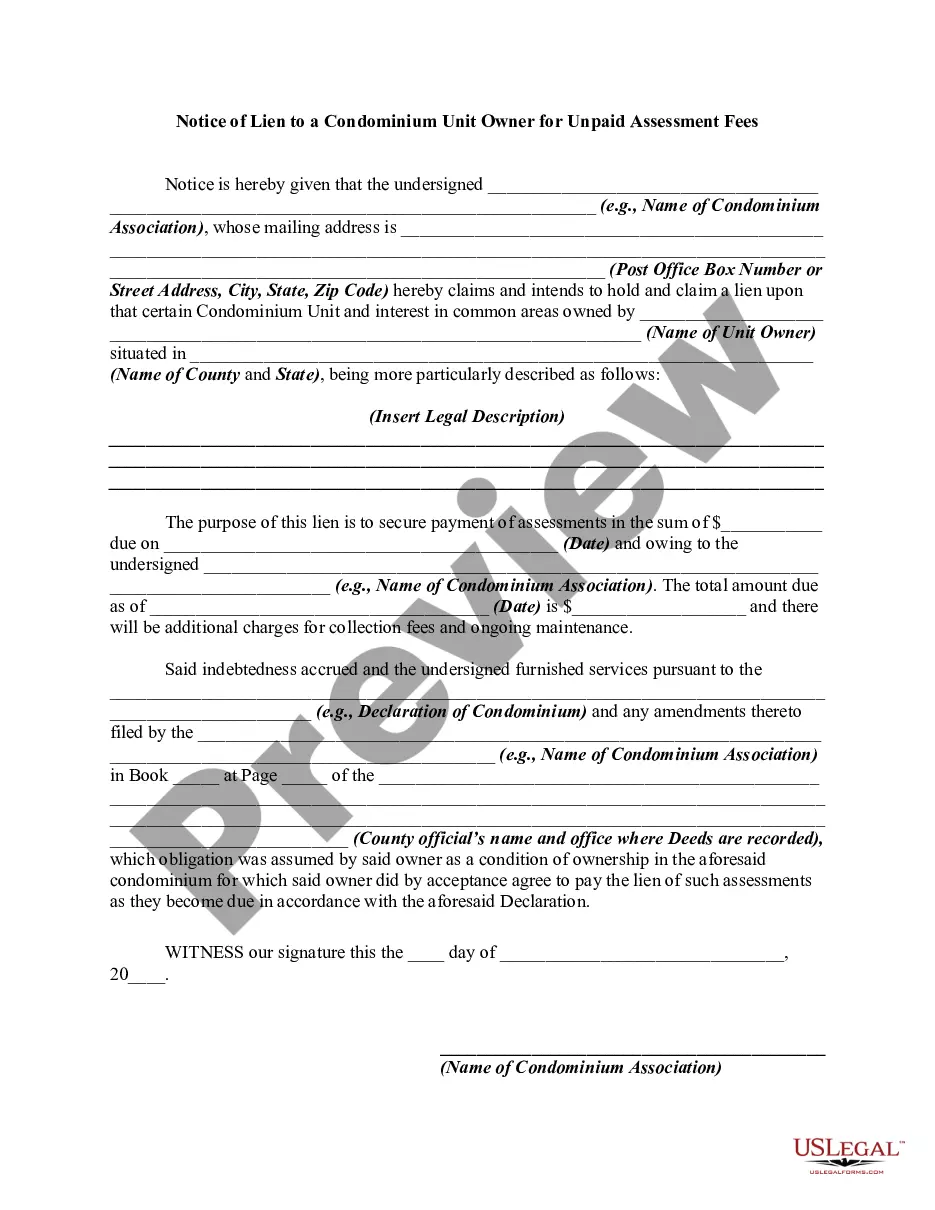

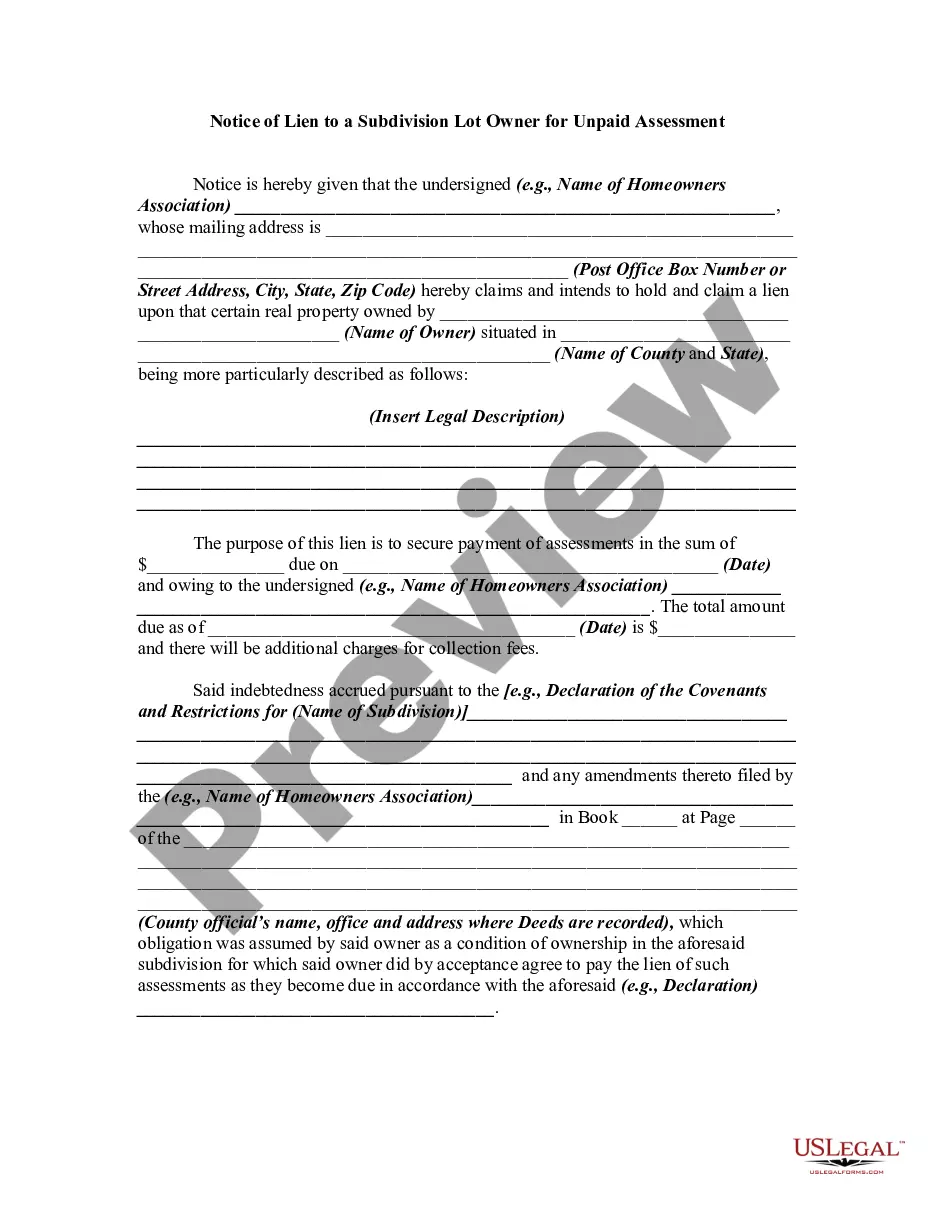
Get your form ready online
Our built-in tools help you complete, sign, share, and store your documents in one place.
Make edits, fill in missing information, and update formatting in US Legal Forms—just like you would in MS Word.
Download a copy, print it, send it by email, or mail it via USPS—whatever works best for your next step.
Sign and collect signatures with our SignNow integration. Send to multiple recipients, set reminders, and more. Go Premium to unlock E-Sign.
If this form requires notarization, complete it online through a secure video call—no need to meet a notary in person or wait for an appointment.
We protect your documents and personal data by following strict security and privacy standards.

Make edits, fill in missing information, and update formatting in US Legal Forms—just like you would in MS Word.

Download a copy, print it, send it by email, or mail it via USPS—whatever works best for your next step.

Sign and collect signatures with our SignNow integration. Send to multiple recipients, set reminders, and more. Go Premium to unlock E-Sign.

If this form requires notarization, complete it online through a secure video call—no need to meet a notary in person or wait for an appointment.

We protect your documents and personal data by following strict security and privacy standards.
Looking for another form?

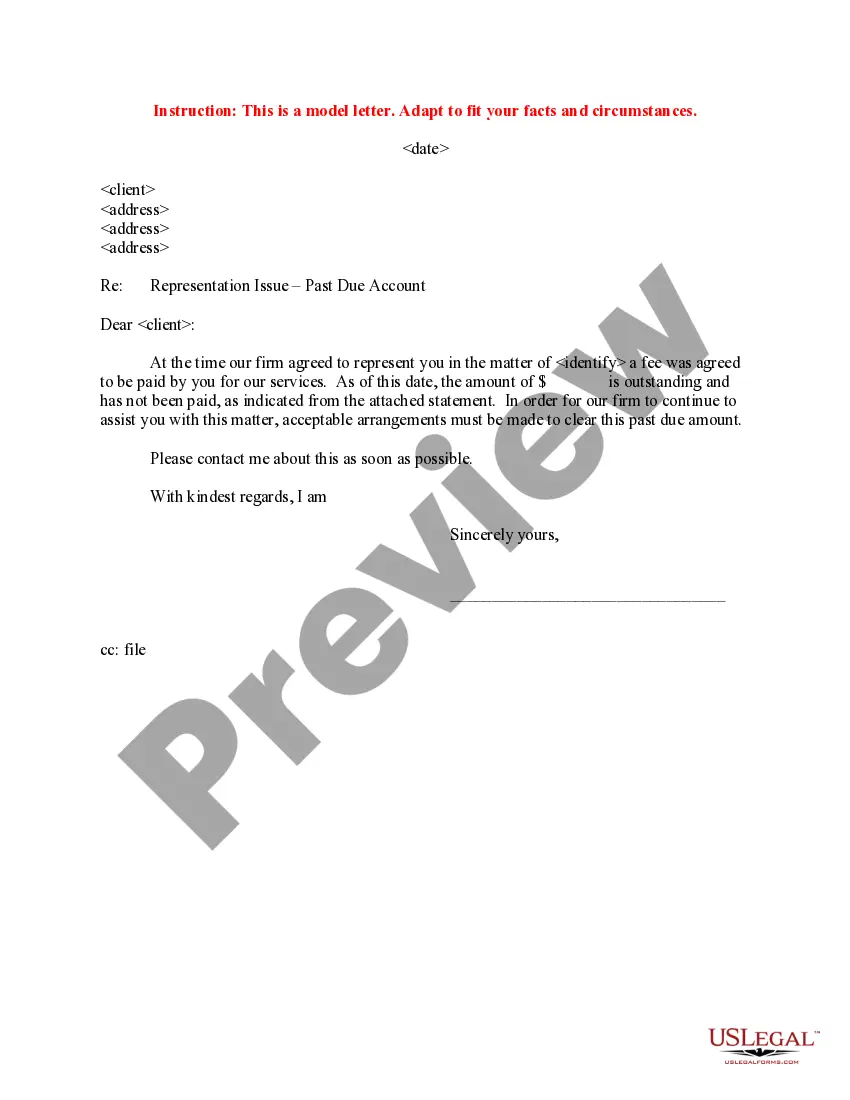





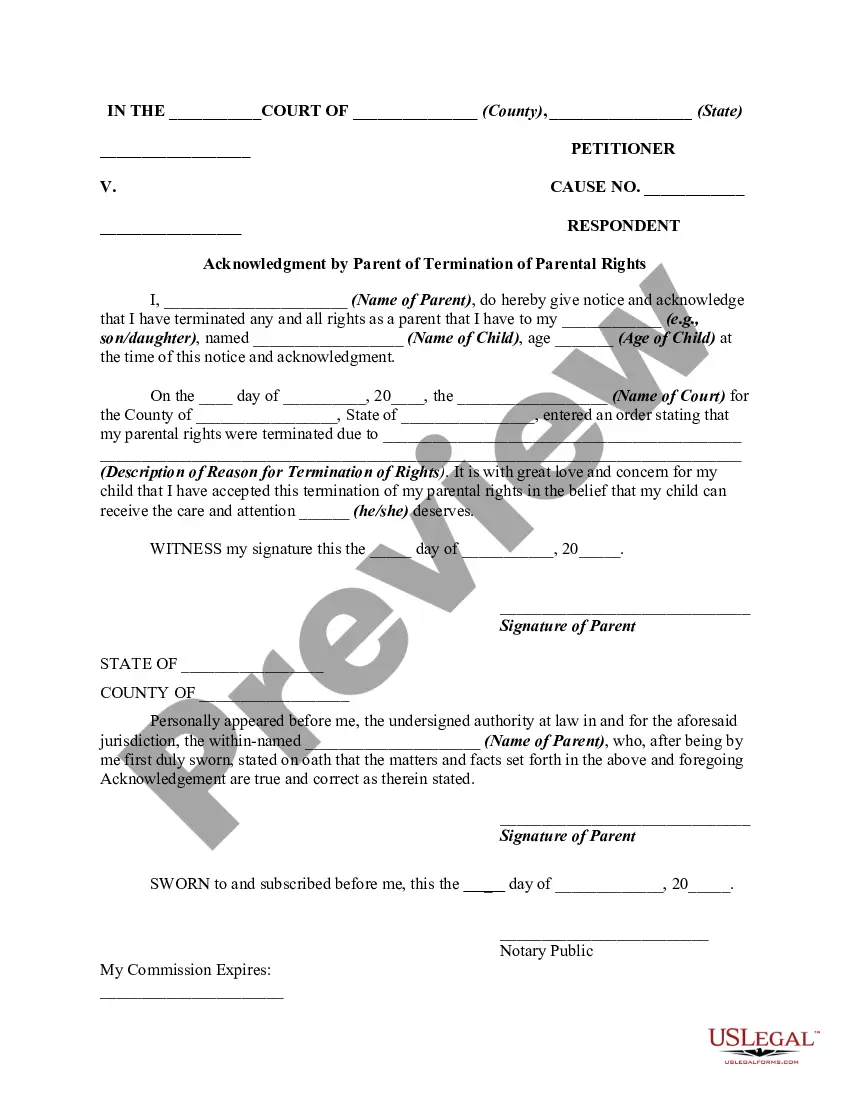


How to fill out Notice Of Lien To A Condominium Unit Owner For Unpaid Assessment Fees?
The Condominium Owner With Significant Special Fees you see on this page is a reusable formal template crafted by professional attorneys in accordance with federal and local regulations.
For over 25 years, US Legal Forms has supplied individuals, businesses, and lawyers with more than 85,000 authenticated, state-specific forms for any commercial and personal situation. It’s the quickest, most straightforward, and most reliable method to acquire the documents you need, as the service assures the highest level of data protection and anti-malware safeguards.
Select the format you prefer for your Condominium Owner With Significant Special Fees (PDF, Word, RTF) and save the document on your device.
- Search for the document you require and review it.
- Browse through the sample you looked for and preview it or examine the form description to ensure it meets your needs. If it doesn’t, use the search bar to locate the correct one. Click Buy Now once you’ve found the template you require.
- Register and Log In.
- Select the pricing plan that works for you and create an account. Use PayPal or a credit card for a swift payment. If you already hold an account, Log In and verify your subscription to proceed.
- Acquire the editable template.
Form popularity
FAQ
Getting out of a special assessment can be challenging, but there are options available. As a condominium owner with big special fees, you may consider negotiating with your condo association for a payment plan or asking for a reconsideration of the assessment. If you believe the assessment is unjustified, gather support from other owners and present your case. Resources like uslegalforms can assist you in understanding your rights and navigating this process effectively.
Condos often have higher HOA fees because they cover shared amenities and maintenance for common areas. As a condominium owner with big special fees, you should understand that these fees contribute to the overall upkeep and improvement of the property. Higher fees can also reflect the level of service and amenities provided, which can enhance your living experience. Evaluating what the fees cover can help you make informed decisions.
To avoid facing a special assessment, as a condominium owner with big special fees, stay involved in your condo association meetings. Advocate for a strong reserve fund to cover unexpected expenses and regularly assess the building's condition. You can also encourage proactive maintenance to reduce the likelihood of costly repairs. By taking these steps, you can help protect your investment.
As a condominium owner with big special fees, it's crucial to stay informed about the community's financial health. Before a special assessment is announced, review the condo association's budget and reserve funds. Understanding the reasons behind the assessment can help you plan your finances accordingly. Being proactive can alleviate some of the stress associated with unexpected fees.
Yes, you can sell your condo even if it has a special assessment. However, as a condominium owner with big special fees, you should disclose this information to potential buyers. Buyers may be cautious, so it’s essential to present the benefits of the property and how the special assessment can improve its value. Understanding these factors can help you navigate the selling process more smoothly.
The maximum special assessment that a HOA in Texas can impose is five percent of the current year's budgeted gross expenses, though a community vote may be required to approve this. However, the vote must be approved by a majority of the members in the community.
Typical condo fees generally always include a contribution toward the building's upkeep and maintenance, but they may also include heat, water, sewer, garbage collection fees, and even electricity and cable TV in some cases. Consider how much these line items would cost if you lived in a home.
Condo fees, also known as common expense fees or maintenance fees, are what owners pay to maintain their condo's common elements such as the parking garage, hallways, lobby, recreation centre, elevators and more.
?Show where the association is financially, the reasons you need this special assessment, and what it's going to do for owners in the end. Typically the special assessment is a major component that's gone out or not budgeted for that will severely take away from owners' property values.
Effective September 1, 2023, HB 1193 instates a paradigm shift by mandating that Texas associations abandon any restrictions predicated on a tenant's payment method. This landmark change liberates property owners from limitations grounded in payment mode.