Property Title With Deed
Description
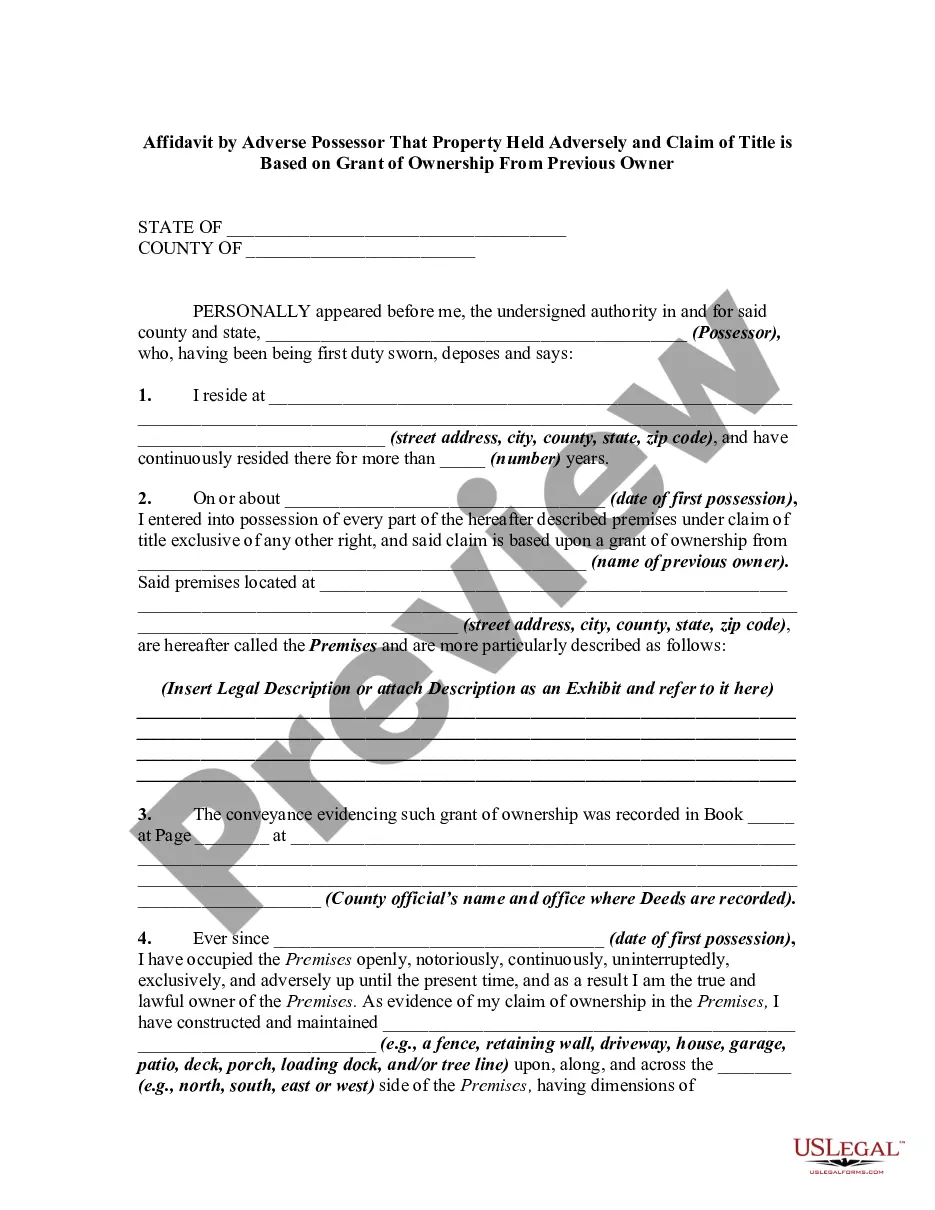
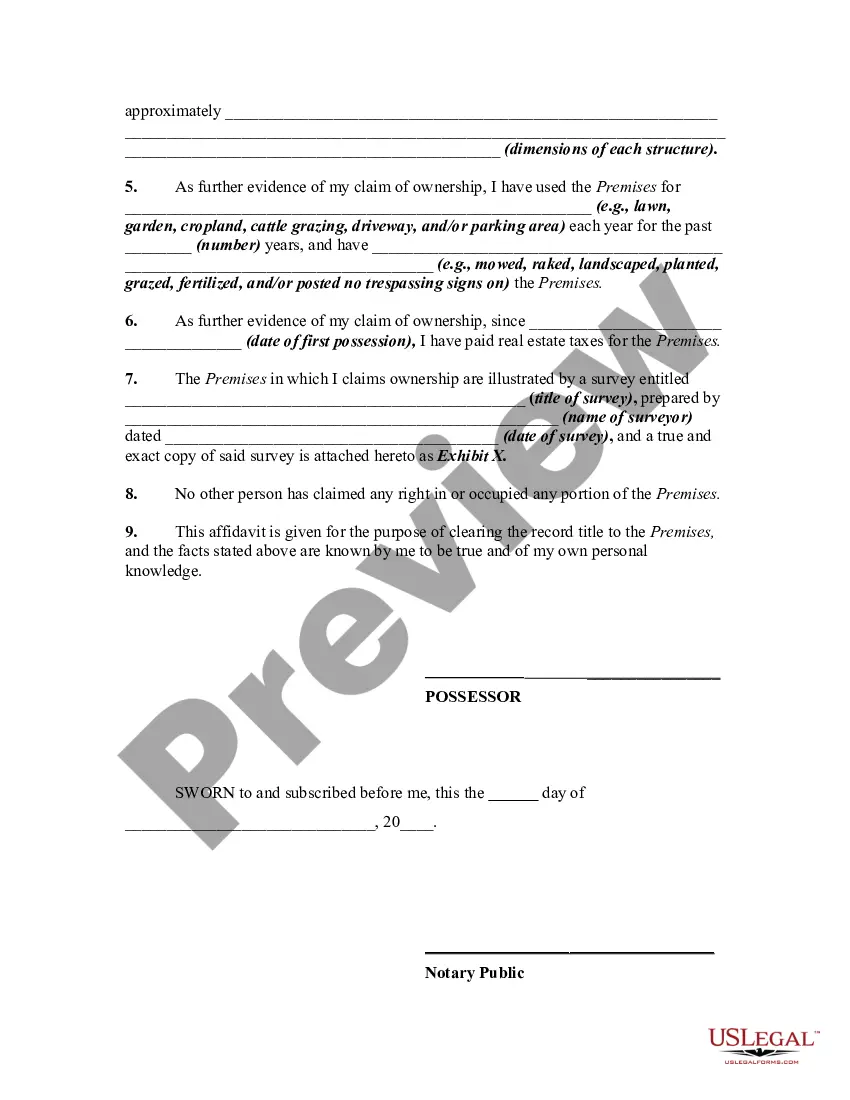

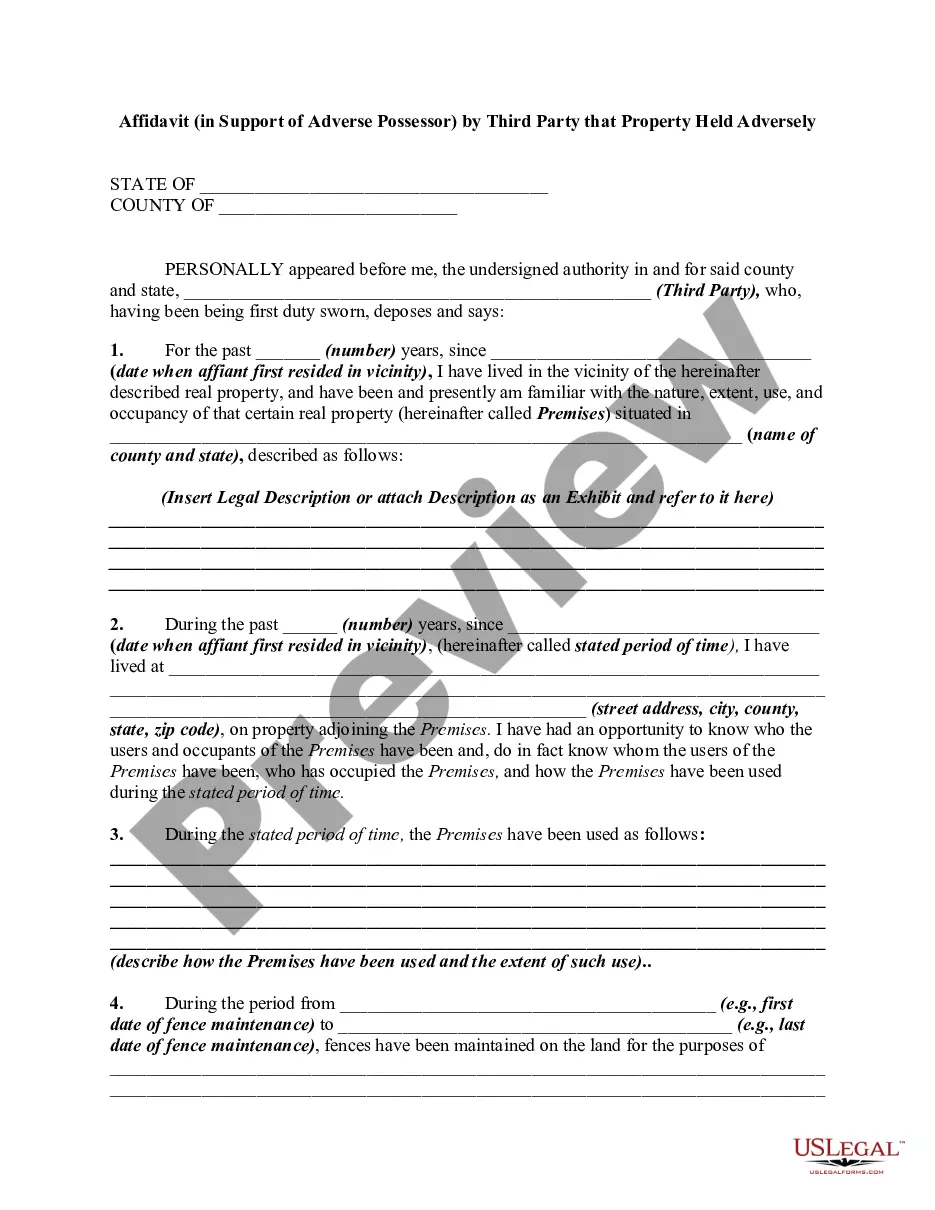
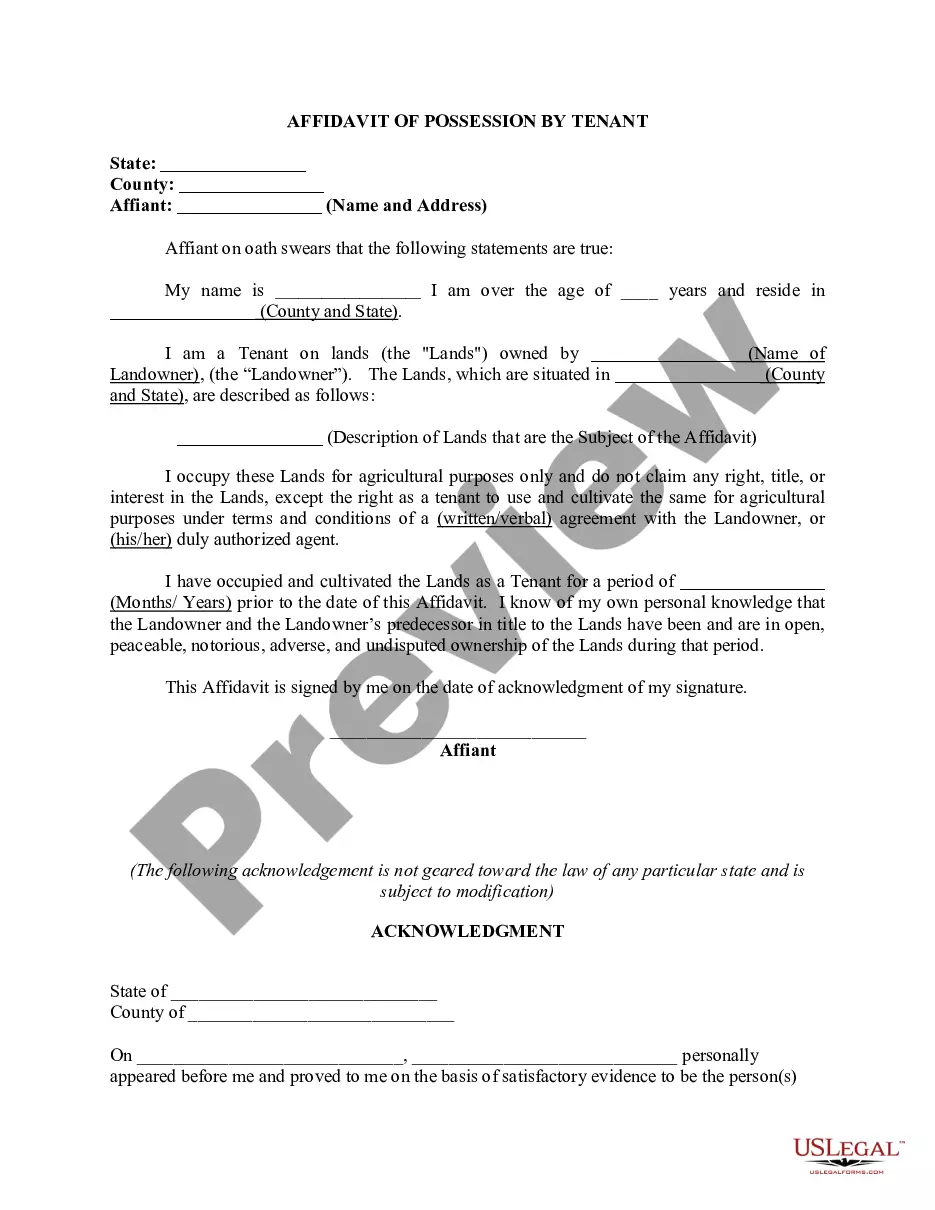
Get your form ready online
Our built-in tools help you complete, sign, share, and store your documents in one place.
Make edits, fill in missing information, and update formatting in US Legal Forms—just like you would in MS Word.
Download a copy, print it, send it by email, or mail it via USPS—whatever works best for your next step.
Sign and collect signatures with our SignNow integration. Send to multiple recipients, set reminders, and more. Go Premium to unlock E-Sign.
If this form requires notarization, complete it online through a secure video call—no need to meet a notary in person or wait for an appointment.
We protect your documents and personal data by following strict security and privacy standards.

Make edits, fill in missing information, and update formatting in US Legal Forms—just like you would in MS Word.

Download a copy, print it, send it by email, or mail it via USPS—whatever works best for your next step.

Sign and collect signatures with our SignNow integration. Send to multiple recipients, set reminders, and more. Go Premium to unlock E-Sign.

If this form requires notarization, complete it online through a secure video call—no need to meet a notary in person or wait for an appointment.

We protect your documents and personal data by following strict security and privacy standards.
Looking for another form?






How to fill out Affidavit By Adverse Possessor That Property Held Adversely And Claim Of Title Is Based On Grant Of Ownership From Previous Owner - Squatters Rights?
Locating a reliable source for the latest and pertinent legal templates constitutes a significant portion of the challenge associated with navigating bureaucratic processes.
Acquiring the appropriate legal documents requires precision and careful attention, making it vital to source samples of Property Title With Deed exclusively from reputable providers, such as US Legal Forms. An incorrect template can squander your time and impede your current situation.
Eliminate the complexities involved with your legal paperwork. Explore the extensive US Legal Forms library where you can discover legal templates, assess their appropriateness for your situation, and download them instantly.
- Utilize the directory navigation or search tool to locate your template.
- Review the form’s description to confirm it aligns with the requirements of your state and locality.
- Examine the form preview, if accessible, to ensure it meets your needs.
- Return to the search and identify the suitable template if the Property Title With Deed does not fit your specifications.
- Once you are confident about the form’s applicability, download it.
- If you are a registered user, click Log in to verify your identity and gain access to your selected forms in My documents.
- If you have yet to create an account, click Buy now to acquire the form.
- Choose the pricing plan that accommodates your needs.
- Proceed with the registration to finalize your purchase.
- Complete your transaction by selecting a payment option (credit card or PayPal).
- Choose the file format for downloading Property Title With Deed.
- After obtaining the form on your device, you can either edit it using the editor or print it out to fill manually.
Form popularity
FAQ
It is generally better to be on both the deed and the title to fully secure your ownership rights. The deed legally establishes ownership, while the title reflects your rights and interests in the property. Being included on both documents can prevent disputes and ensure clarity in property dealings. Understanding the relationship between property title with deed is vital for your security.
Yes, having both a property title and a deed is important for comprehensive property ownership. The deed transfers legal ownership, while the title confirms your rights to the property. For accurate property dealings, both documents play crucial roles. If you are unsure about your records, considering a platform like US Legal Forms can help you navigate property title with deed effectively.
A property title does not supersede a deed; rather, they serve different purposes in property ownership. The deed is the official document that conveys ownership, while the title indicates who holds rights to the property. If there are discrepancies, such as a dispute over ownership, the deed holds more legal weight. It is essential to understand both concepts of property title with deed to ensure clear ownership.
Yes, it is possible to be listed on the property title without being on the deed. The property title serves as a public record showing ownership, while the deed is the legal document that transfers ownership from one party to another. This situation often occurs in cases like trusts or joint ownership. Understanding the distinction between a property title with deed can clarify ownership rights.
Both the title and deed are crucial in the property ownership process, but they serve different purposes. The property title with deed indicates rightful ownership and is necessary for transferring property. On the other hand, the deed is the legal document that formally conveys title from one person to another. Understanding the distinction can help you navigate property transactions more effectively.
To transfer ownership of property in Florida, you will need to prepare a deed that specifies the change of ownership and conveys the property title with deed to the new owner. The deed must be signed by the current owner, and you should have it notarized. Once completed, file the deed with the local county clerk's office to ensure the transfer is officially recorded.
Writing a property deed involves including essential information, such as the names of the grantor and grantee, a legal description of the property, and the intent to transfer the property title with deed. Be clear and precise in your wording to avoid misunderstandings. To make the process easier, consider utilizing uSlegalforms, where you can find templates and guidance tailored to your state’s requirements.
While it is not legally required to have a lawyer to transfer a deed in Florida, having legal assistance can simplify the process. A legal expert can ensure that the property title with deed is prepared correctly, minimizing the risk of errors. They can also provide valuable guidance on any specific local laws or details that may apply to your situation.
To transfer property from one person to another in Florida, you need to execute a deed that conveys the property title with deed to the new owner. It's essential to have the deed properly signed and notarized. After completing the deed, you must file it with the county clerk's office in the county where the property is located. This step ensures that the transfer is legally documented.
If you lose the original deed, it does not mean you lose ownership of your home. You can still prove your ownership through the property title with deed registered at your local recorder’s office. Additionally, you can request a certified copy to replace the original, which can often be facilitated by platforms like US Legal Forms.