Difference Between Complaint And Motion
Description
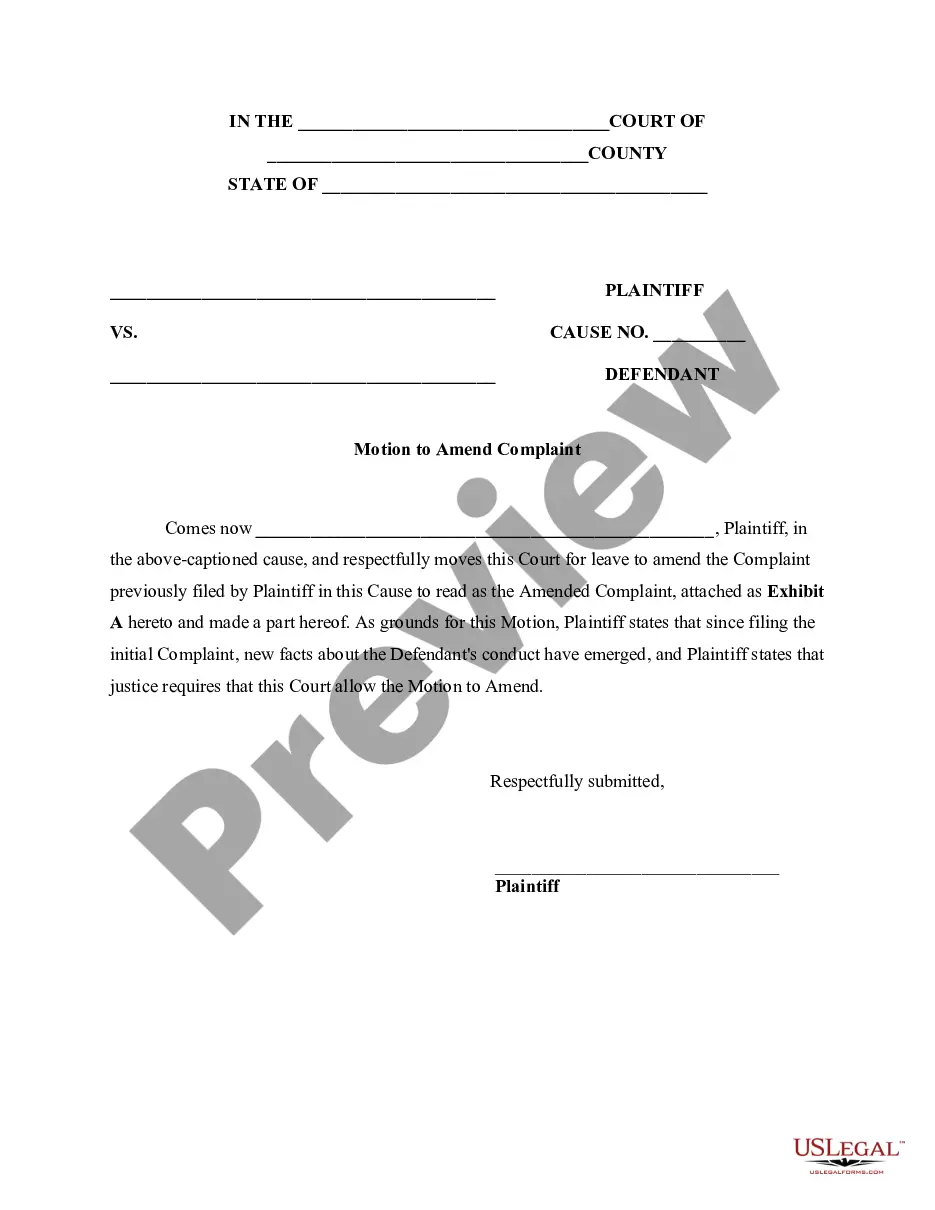
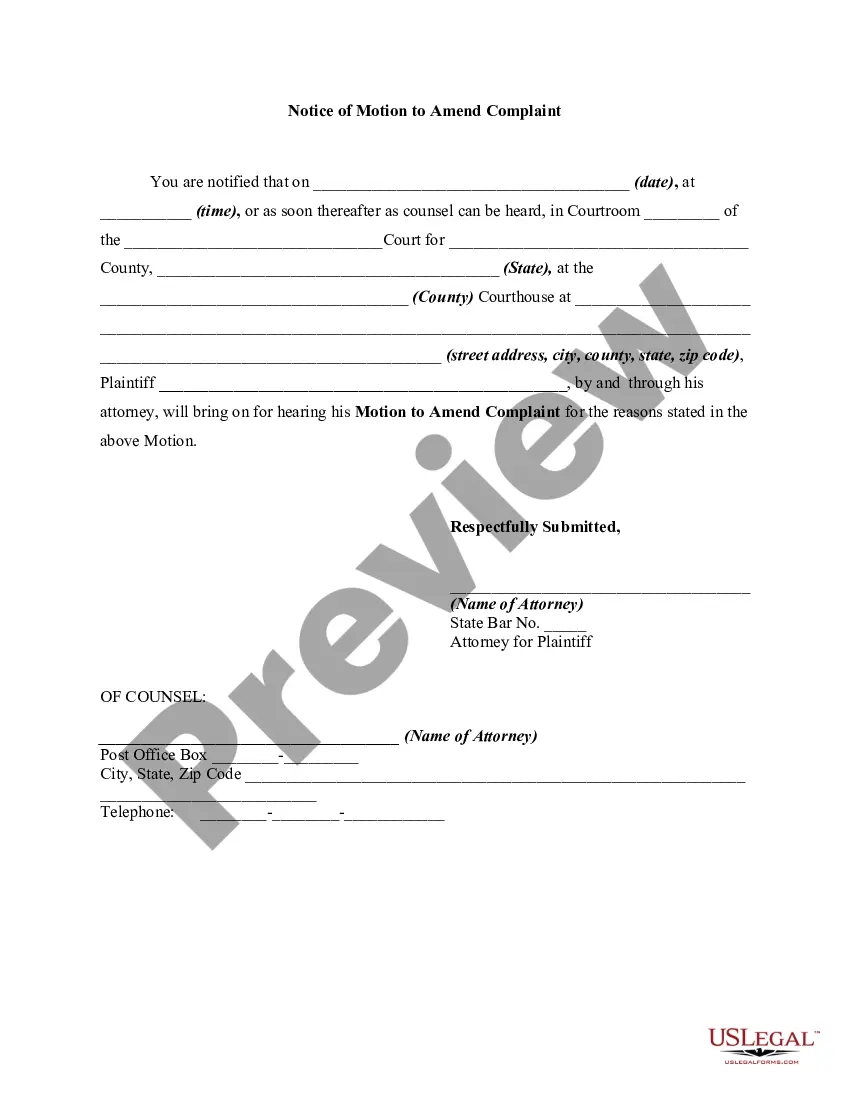
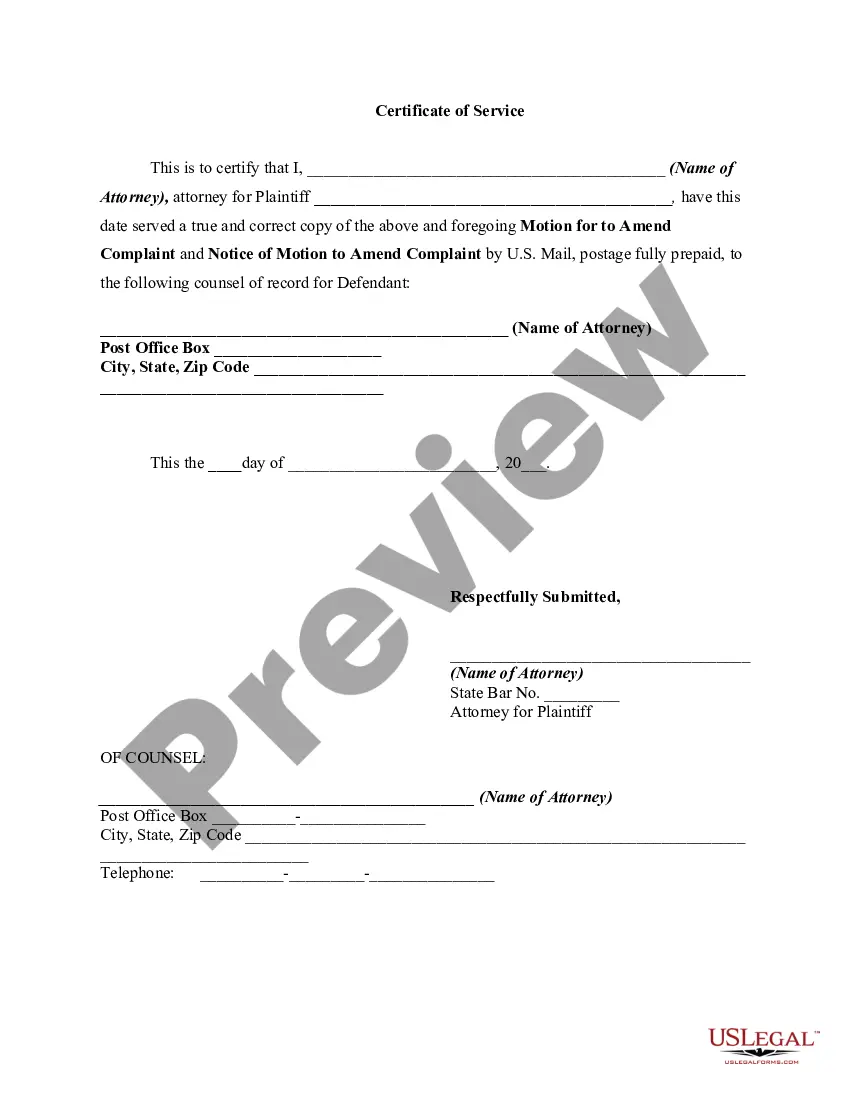
Get your form ready online
Our built-in tools help you complete, sign, share, and store your documents in one place.
Make edits, fill in missing information, and update formatting in US Legal Forms—just like you would in MS Word.
Download a copy, print it, send it by email, or mail it via USPS—whatever works best for your next step.
Sign and collect signatures with our SignNow integration. Send to multiple recipients, set reminders, and more. Go Premium to unlock E-Sign.
If this form requires notarization, complete it online through a secure video call—no need to meet a notary in person or wait for an appointment.
We protect your documents and personal data by following strict security and privacy standards.

Make edits, fill in missing information, and update formatting in US Legal Forms—just like you would in MS Word.

Download a copy, print it, send it by email, or mail it via USPS—whatever works best for your next step.

Sign and collect signatures with our SignNow integration. Send to multiple recipients, set reminders, and more. Go Premium to unlock E-Sign.

If this form requires notarization, complete it online through a secure video call—no need to meet a notary in person or wait for an appointment.

We protect your documents and personal data by following strict security and privacy standards.
Looking for another form?
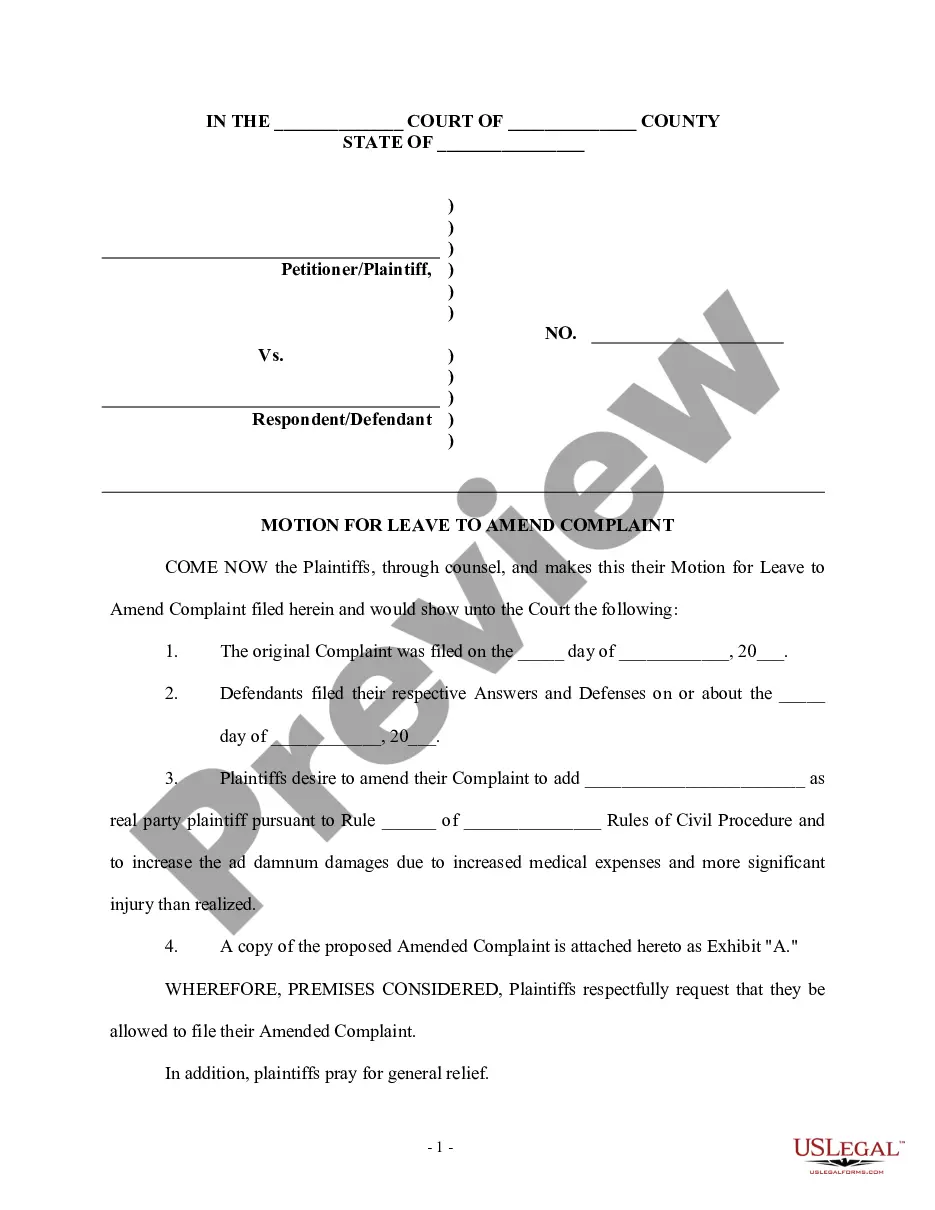
How to fill out Simple Motion To Amend Complaint And Notice Of Motion?
Managing legal documents can be daunting, even for seasoned professionals.
When you're looking for a Distinction Between Complaint And Motion and lack the time to dedicate to finding the appropriate and current version, the processes can be challenging.
US Legal Forms meets all your requirements, from personal to business documentation, in a single location.
Leverage advanced tools to complete and manage your Distinction Between Complaint And Motion.
Here are the steps to follow after acquiring the form you require: Verify it is the correct form by previewing it and checking its description. Ensure that the template is accepted in your state or county. Click Buy Now when you're prepared. Choose a monthly subscription plan. Select the file format you need, and Download, complete, eSign, print, and send your documents. Enjoy the US Legal Forms online library, supported by 25 years of experience and reliability. Transform your everyday document management into a straightforward and user-friendly process today.
- Access a valuable resource pool of articles, guides, and materials pertinent to your circumstances and requirements.
- Save time and energy searching for the documents you need, utilizing US Legal Forms’ sophisticated search and Review feature to locate Distinction Between Complaint And Motion and download it.
- If you possess a membership, Log In to your US Legal Forms account, search for the form, and download it.
- Visit the My documents tab to view the documents you've previously downloaded and to organize your files as desired.
- If this is your first experience with US Legal Forms, create an account to gain unlimited access to all the benefits of the library.
- A robust online form repository could transform the way anyone navigates these situations.
- US Legal Forms is a frontrunner in online legal documentation, boasting over 85,000 state-specific legal forms accessible to you at any time.
- With US Legal Forms, you can access legal and business forms tailored to your state or county needs.
Form popularity
FAQ
The evidence needed for a motion varies depending on the type of motion being filed. Generally, you must provide supporting documents, affidavits, or declarations that clearly establish your legal arguments. Understanding the difference between complaint and motion is crucial, as each may require different types of evidence. Utilizing platforms like US Legal Forms can help you gather the necessary documentation to strengthen your case.
Yes, you can file a motion to dismiss even after responding to the complaint. However, it's important to understand the difference between complaint and motion in this context. Filing a motion to dismiss at this stage may depend on the specific grounds for dismissal and the rules of the court. Consulting with a legal expert can help clarify your options and ensure you proceed correctly.
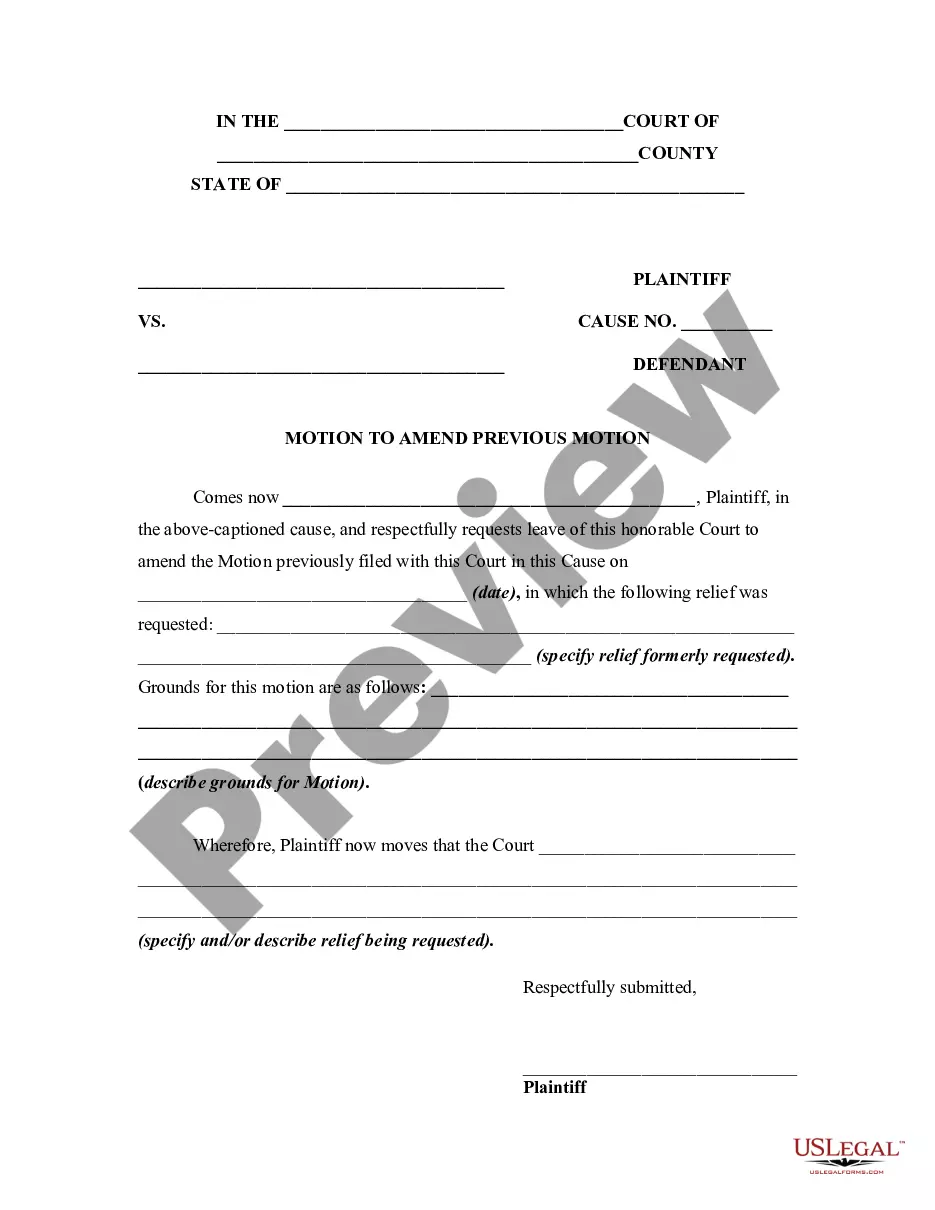
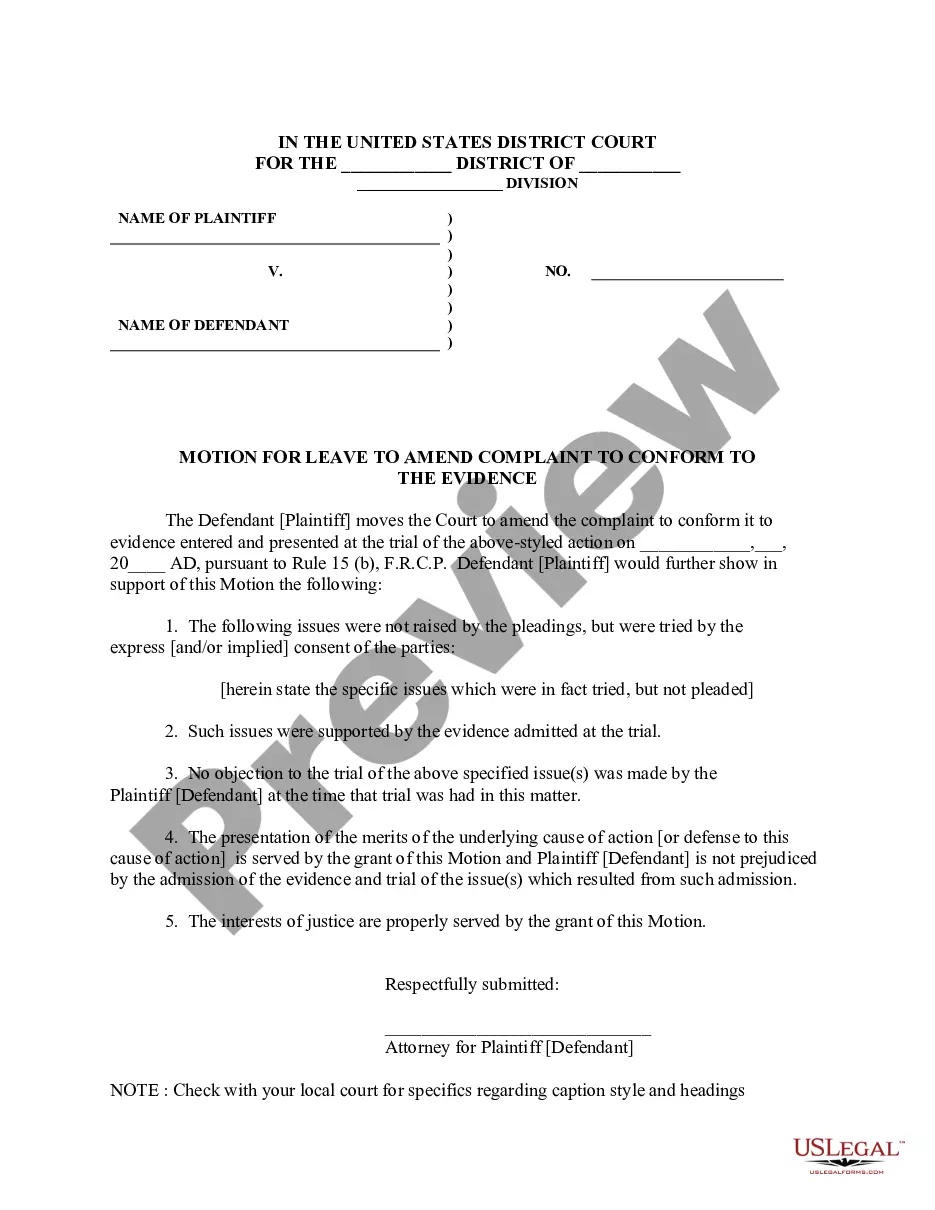
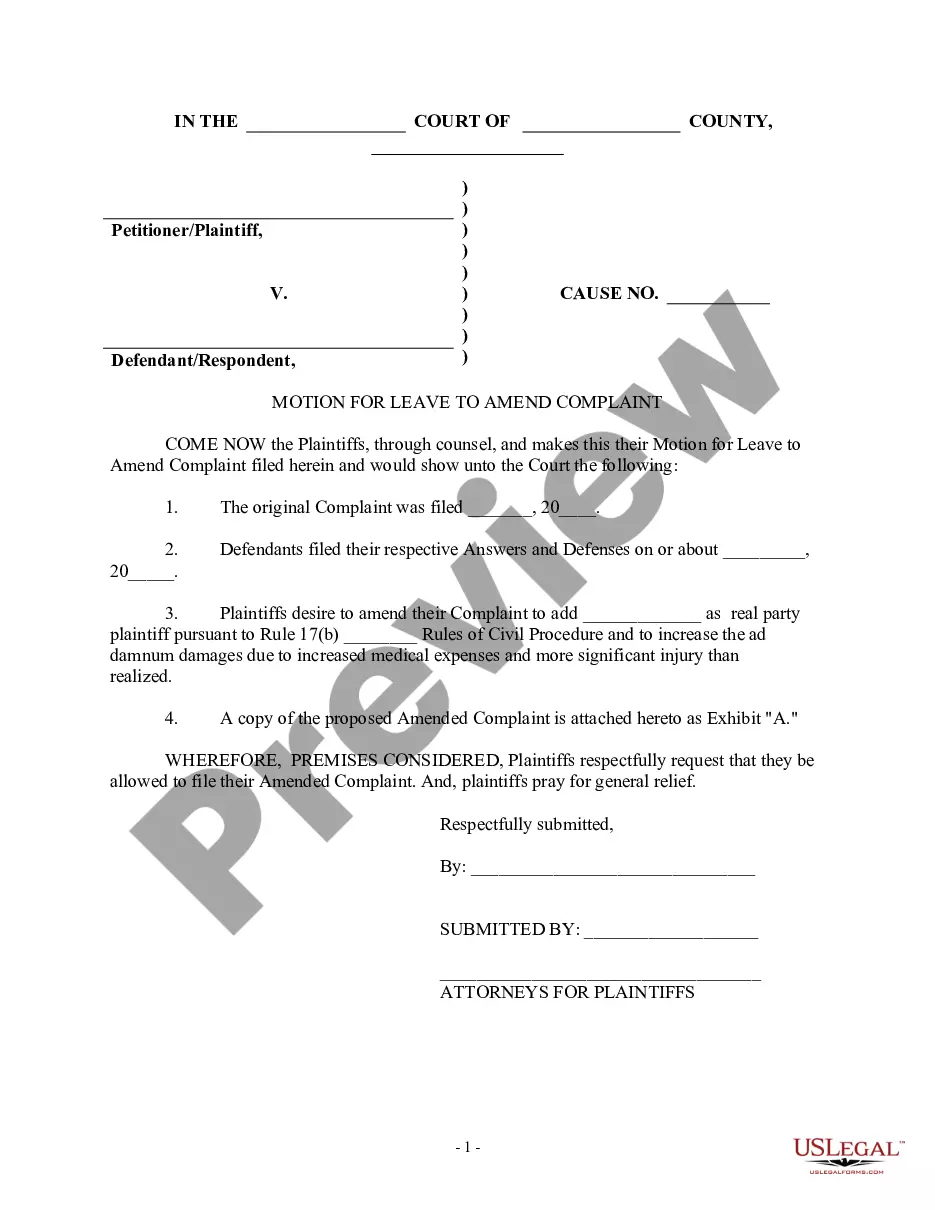
A complaint initiates a lawsuit by outlining the plaintiff's claims against the defendant, while a motion is a request for the court to make a specific ruling on an issue during the proceedings. The difference between complaint and motion is significant; complaints set the stage for legal disputes, whereas motions address ongoing legal questions. By utilizing services like US Legal Forms, you can effectively prepare both types of documents to ensure your case is properly presented.
A defendant might file a motion to dismiss or a motion for summary judgment in response to a complaint. A motion to dismiss requests the court to terminate the case without a trial, while a motion for summary judgment seeks to resolve the case based on undisputed facts and legal principles. Understanding the difference between complaint and motion will help you choose the appropriate response. Using platforms like US Legal Forms can simplify the process of drafting these motions.
No, a motion to dismiss is not considered an answer to a complaint. Instead, it is a request for the court to dismiss the case based on specific legal grounds, such as a lack of jurisdiction or failure to state a claim. Recognizing the difference between complaint and motion is essential, as an answer provides a response to the allegations, while a motion seeks to eliminate the case entirely. US Legal Forms can guide you through the nuances of these legal documents.
Filing a motion serves a vital purpose in legal proceedings. It allows a party to request a specific ruling or order from the court regarding a particular issue in the case. Understanding the difference between complaint and motion is crucial, as motions can address procedural matters, evidence disputes, or even challenge the merits of the case. By utilizing resources like US Legal Forms, you can better navigate the motion filing process.
In order to properly write a cause of action, several things must be included. The names of the Plaintiff and Defendant. The legal means by which the Plaintiff is bringing the lawsuit. Be sure to only include the facts, not opinions. ... Offer expert opinions and lay out the evidence. ... Request of relief.
By definition, lawsuit refers to the legal process (that is, the court case) by which a court of law makes a decision on an alleged wrong (as exhibited in the statement "a complex lawsuit that may take years to resolve"), whereas complaint refers to the initial document, or pleading, submitted by a plaintiff against a ...
Suit: Suits are generally filed before civil courts. The drafting of suit memo differs considerably than other documents. Suit memo is called Plaint. Complaint: Generally filed in criminal cases and forums.
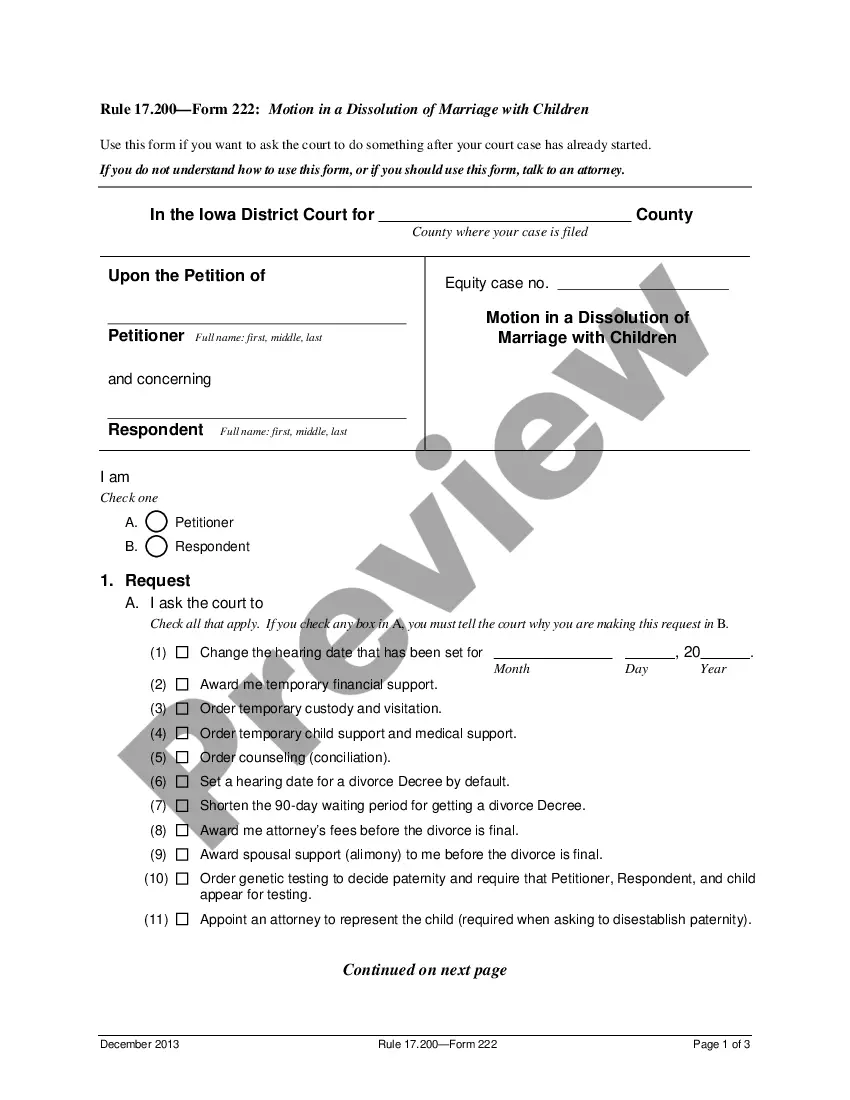
Motions are requests which litigants submit to the court in the context of a specific lawsuit. These requests are ultimately geared toward addressing the central issues of the underlying complaint.