Remodeling House
Description
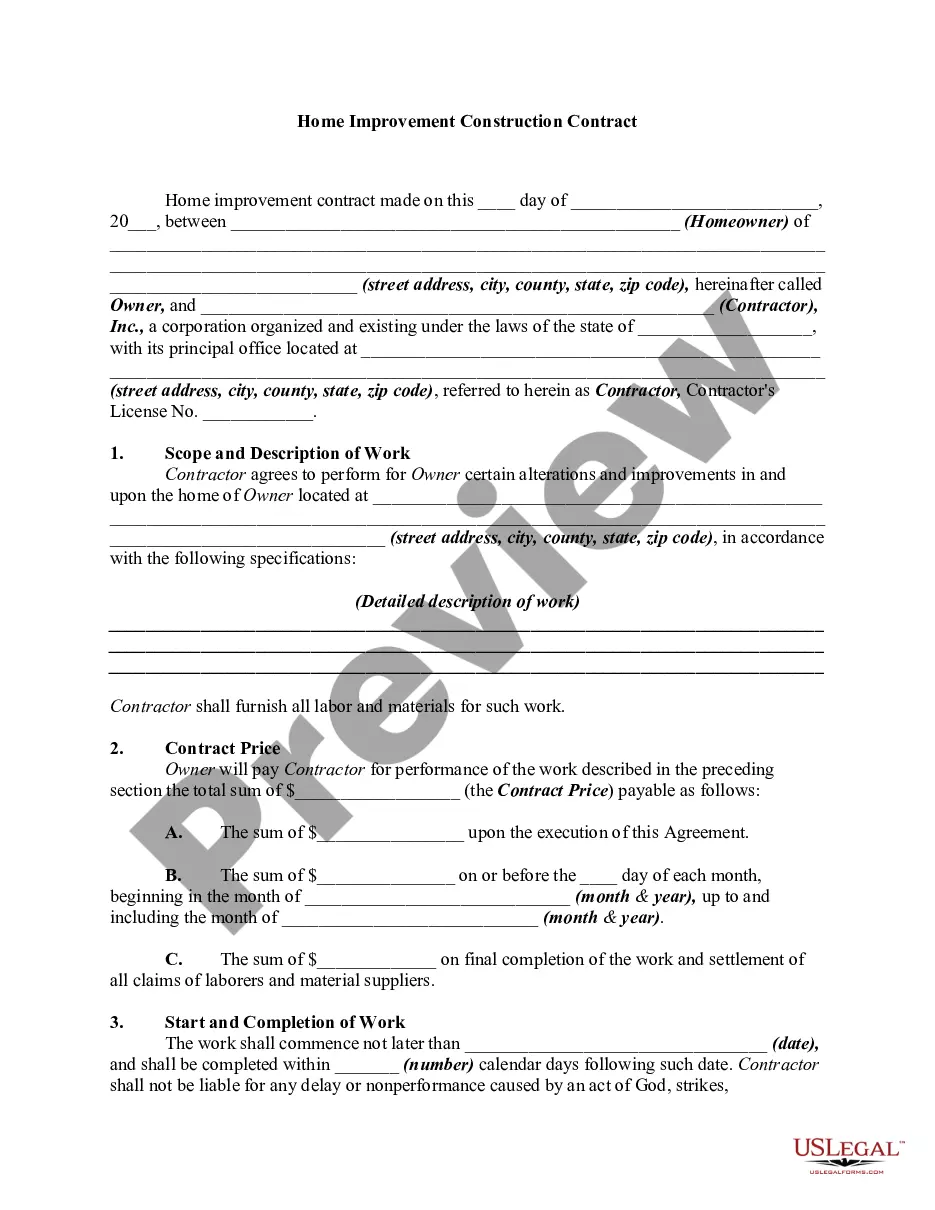
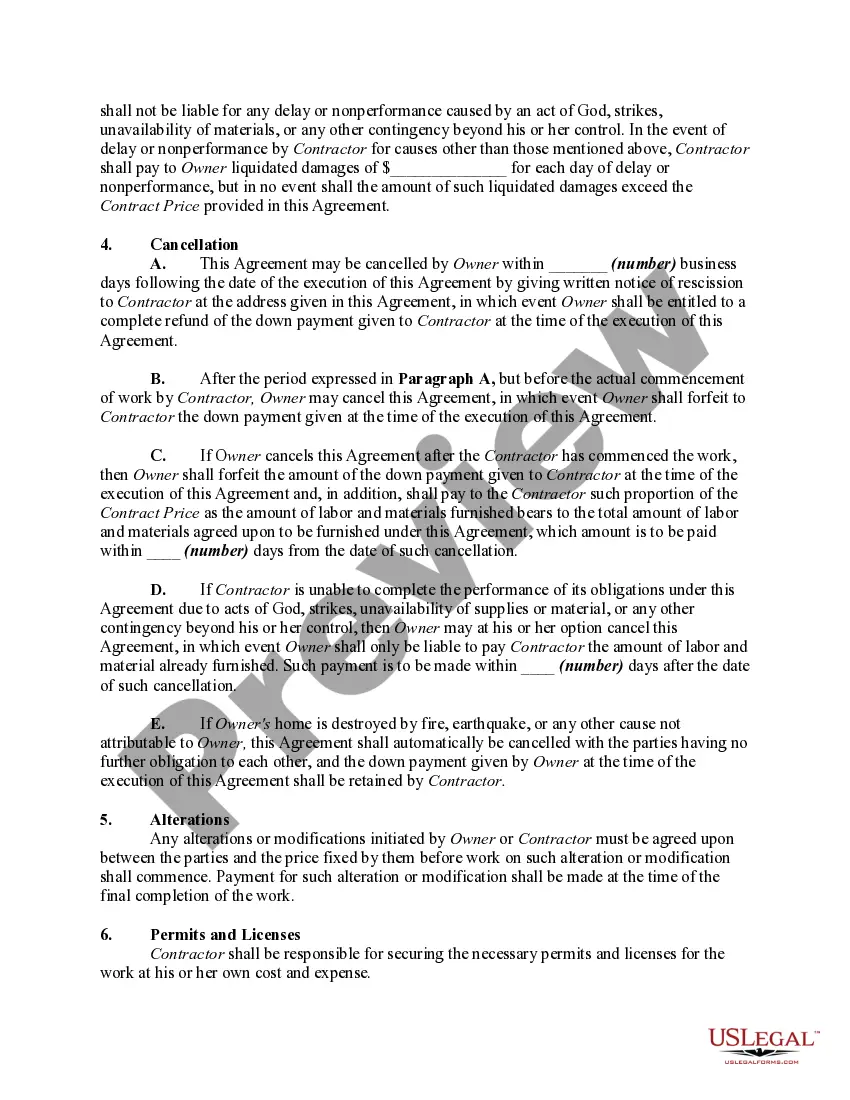
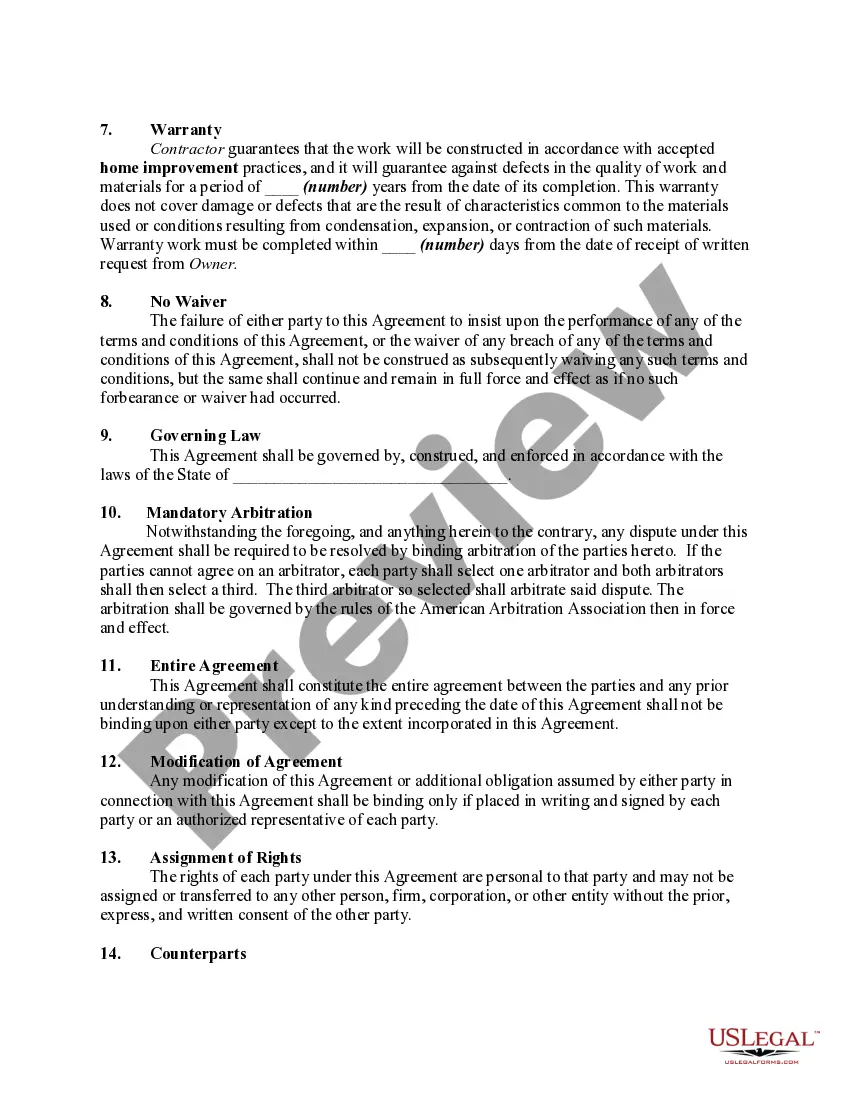
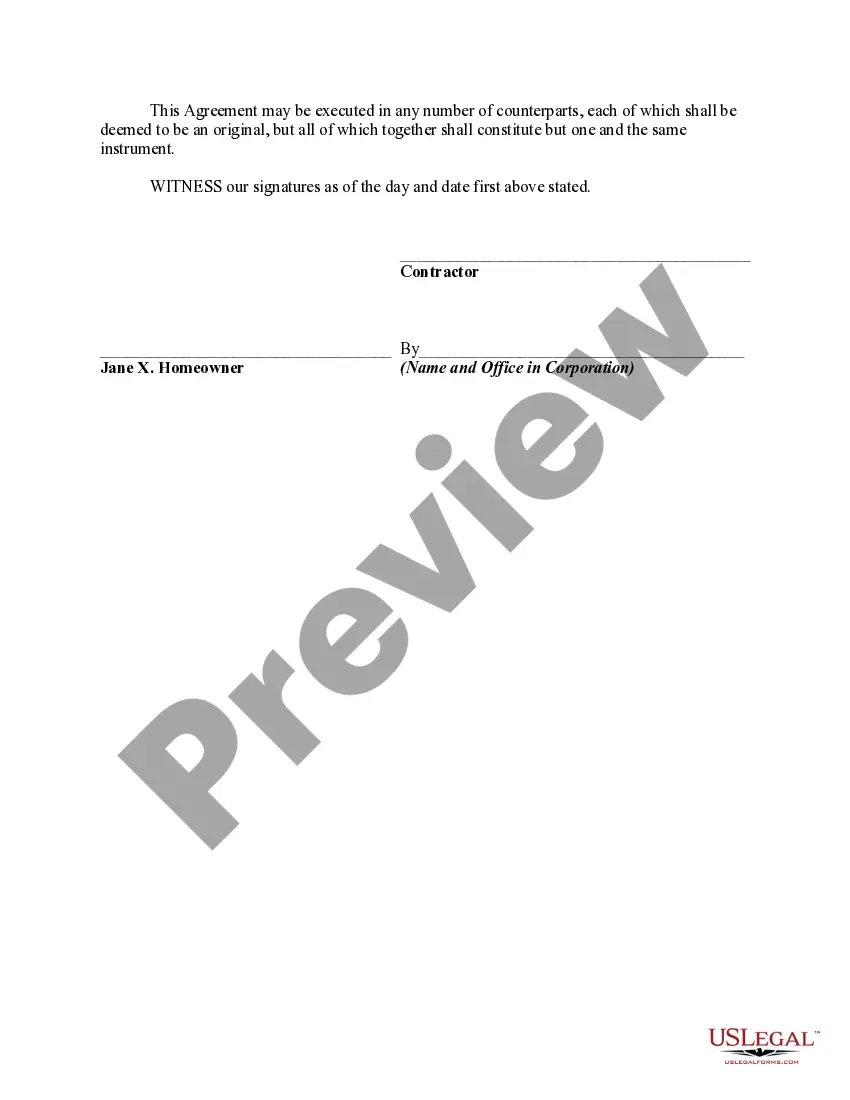
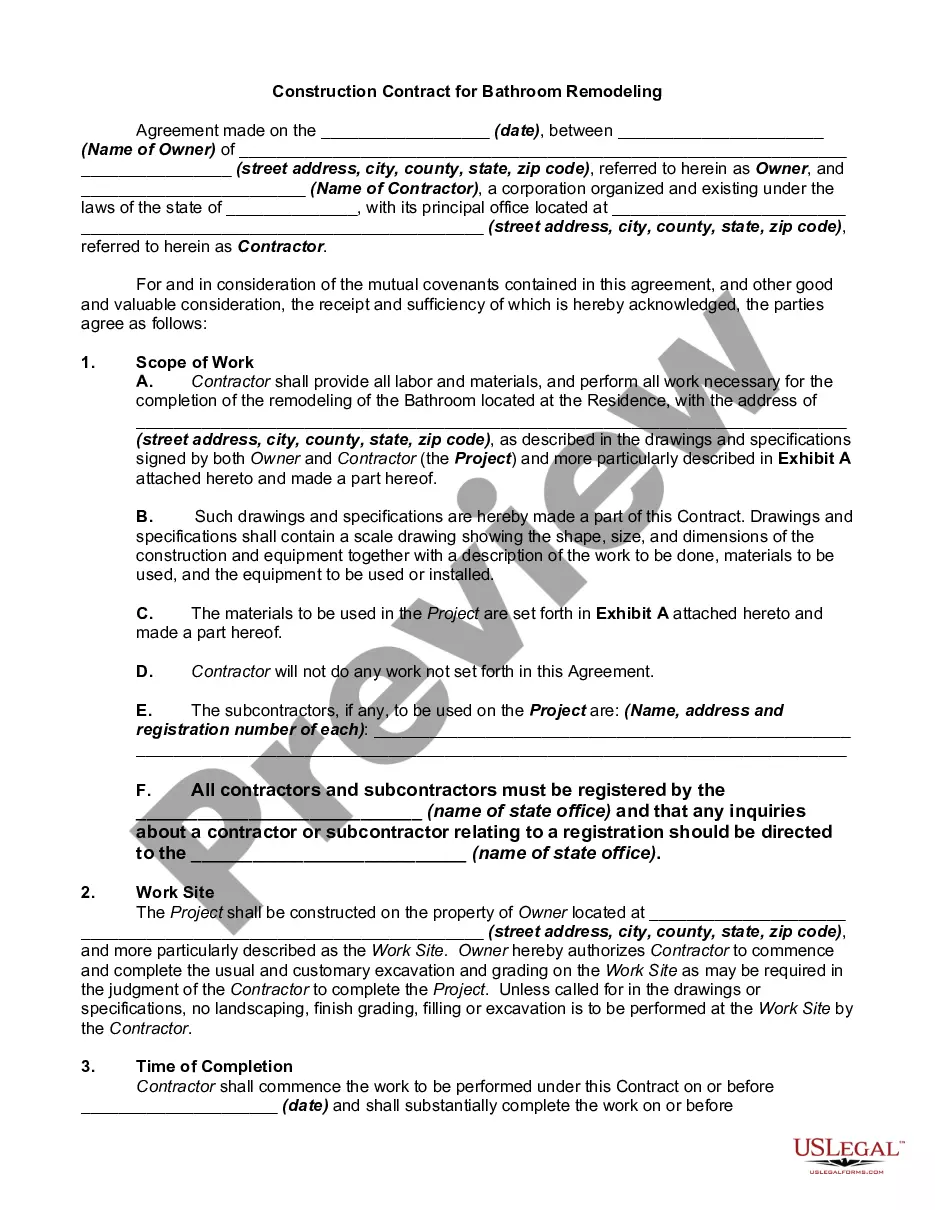
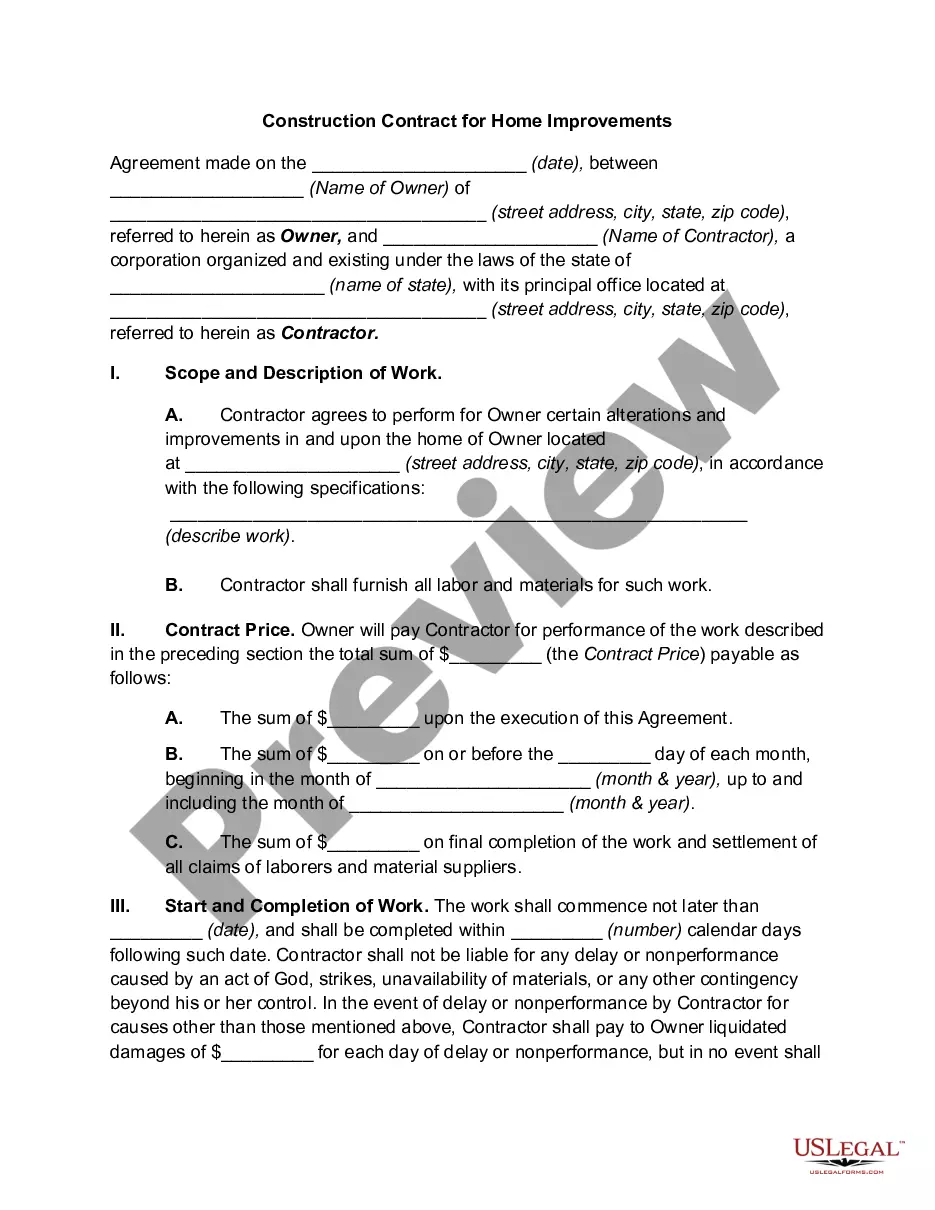
Get your form ready online
Our built-in tools help you complete, sign, share, and store your documents in one place.
Make edits, fill in missing information, and update formatting in US Legal Forms—just like you would in MS Word.
Download a copy, print it, send it by email, or mail it via USPS—whatever works best for your next step.
Sign and collect signatures with our SignNow integration. Send to multiple recipients, set reminders, and more. Go Premium to unlock E-Sign.
If this form requires notarization, complete it online through a secure video call—no need to meet a notary in person or wait for an appointment.
We protect your documents and personal data by following strict security and privacy standards.

Make edits, fill in missing information, and update formatting in US Legal Forms—just like you would in MS Word.

Download a copy, print it, send it by email, or mail it via USPS—whatever works best for your next step.

Sign and collect signatures with our SignNow integration. Send to multiple recipients, set reminders, and more. Go Premium to unlock E-Sign.

If this form requires notarization, complete it online through a secure video call—no need to meet a notary in person or wait for an appointment.

We protect your documents and personal data by following strict security and privacy standards.
Looking for another form?
How to fill out Home Improvement Or Remodeling Construction Contract?
- If you're a returning user, log in to your US Legal Forms account to easily download the required form template by clicking the Download button. Confirm your subscription is active; if it’s expired, renew it as necessary.
- For first-time users, start by reviewing the form preview and description. Ensure the chosen form aligns with your needs and meets local jurisdiction standards.
- If you find any discrepancies in the form, utilize the Search tab to look for alternative templates. Once a suitable option is located, proceed to the next step.
- Purchase the necessary document by clicking the Buy Now button and selecting your preferred subscription plan. Registration is required to access the full library.
- Complete your purchase by entering your credit card information or using a PayPal account to finalize your subscription.
- Download your selected form to your device and ensure easy access through the My Forms section in your profile whenever needed.
US Legal Forms offers an extensive and user-friendly library with over 85,000 fillable legal forms, far surpassing competitors. Users also gain access to premium assistance, ensuring accuracy and legality in their documentation.
In conclusion, leveraging US Legal Forms can streamline your legal document needs for remodeling your house, allowing you to focus on the exciting aspects of your project. Start your journey today!
Form popularity
FAQ
The first step in remodeling a house is to set clear objectives based on your needs and lifestyle. This involves determining which areas require immediate attention and evaluating your budget for the project. By establishing your vision early on, you create a roadmap that guides all subsequent decisions. Consider using platforms like US Legal Forms for assistance with necessary regulations and to keep your project on track.
To initiate your home remodeling journey, start by defining your goals and budget. Research different styles and visit local stores for inspiration, as seeing materials firsthand can spark new ideas. Next, create a detailed plan that encompasses timelines and potential costs. Utilizing resources like US Legal Forms can also help manage any necessary legal documents and permits, simplifying the process.
Identify the most crucial areas to enhance first, typically beginning with kitchens and bathrooms. These spaces often provide the highest return on investment when remodeling a house. Another effective strategy is to tackle the rooms that affect your daily life the most, ensuring that your daily comfort improves rapidly. Remember, a well-planned approach will yield the best results.
The order of renovation is key to an efficient remodeling house process. Start with structural work, like fixing the roof or foundation, then move to mechanical systems such as plumbing and electrical. Once those essential systems are in place, you can focus on the aesthetics like flooring, countertops, and paint. This flow ensures that you won’t have to redo any work as you progress.
Starting your house makeover can feel overwhelming, but it’s easier when you prioritize your goals. Begin by assessing the areas that need the most attention, whether it’s the kitchen, bathroom, or living space. Consider your budget and how each part of the house contributes to your overall vision of remodeling the house. This approach will help you create a focused plan and prevent costly mistakes.
With a $100,000 renovation, you can significantly upgrade your home's value and aesthetic appeal. This budget can cover a full kitchen remodel, bathroom upgrades, or adding energy-efficient features. As you navigate your remodeling house process, remember to balance your desires with a clear plan to make the most of your investment.
Whether $100,000 is enough to renovate a house depends on various factors including the home's location, size, and planned changes. In many cases, this budget could cover substantial renovations, focusing on kitchens, bathrooms, or adding rooms. Consider using resources from platforms like uslegalforms to align your expectations and plans during your remodeling house project.
The correct order to renovate a house generally starts with the exterior, followed by major interior structural changes, then plumbing and electrical upgrades, and finally, finishes and decor. Prioritizing this sequence helps ensure a smooth renovation process. By carefully planning your remodeling house project, you set yourself up for success and minimize unexpected costs.
The 30% rule for renovations suggests that homeowners should limit their renovation expenses to 30% of their home's current value. This guideline helps maintain your property’s value and ensures that you do not overspend. Keeping this rule in mind can provide clarity when embarking on your remodeling house project.
A realistic budget for home renovation typically ranges from 10% to 25% of your home's value, depending on the scope of the project. Factors such as the size of the house, the quality of materials, and labor expenses significantly influence costs. As you plan your remodeling house journey, consider using platforms like uslegalforms to help with budgeting documents.