Remodeling Homes
Description
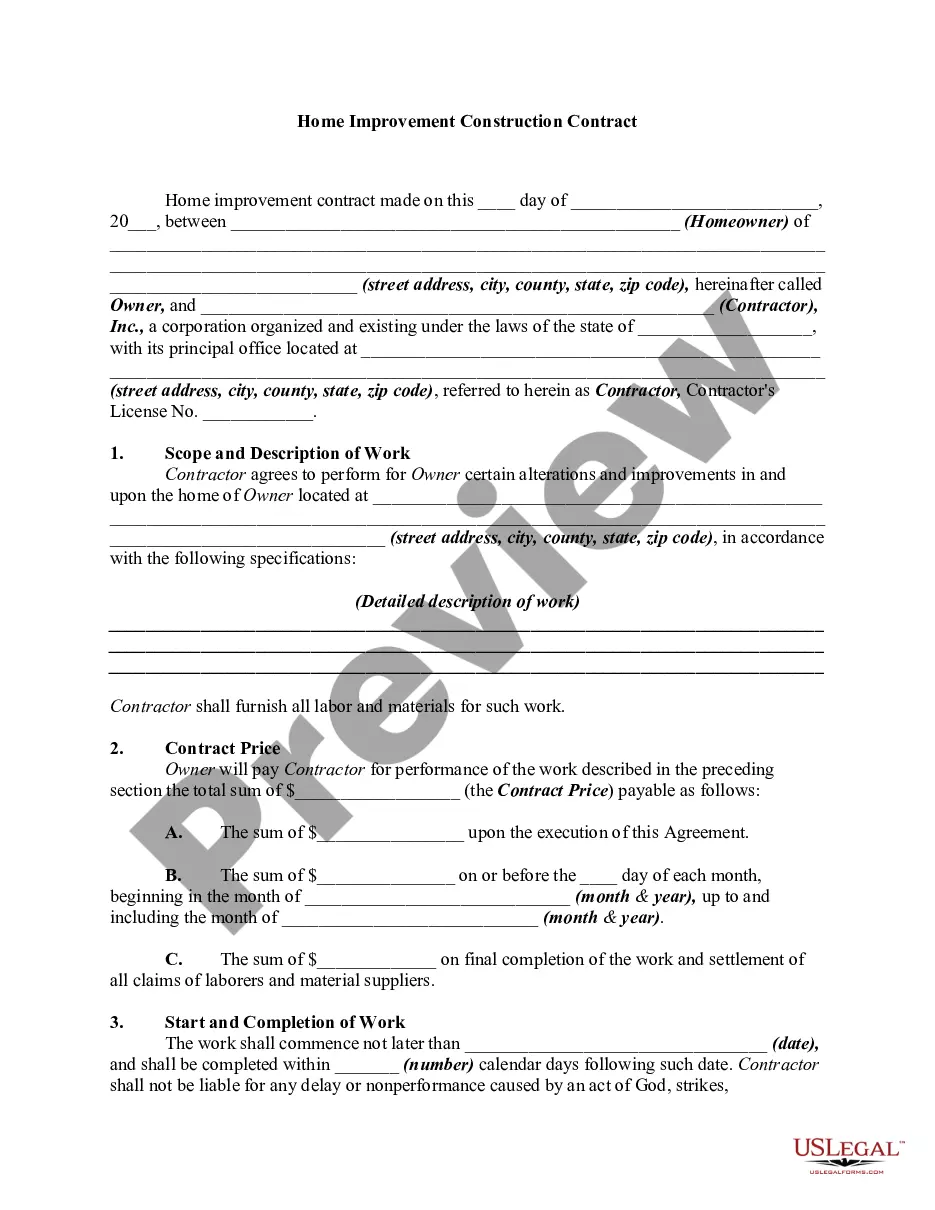
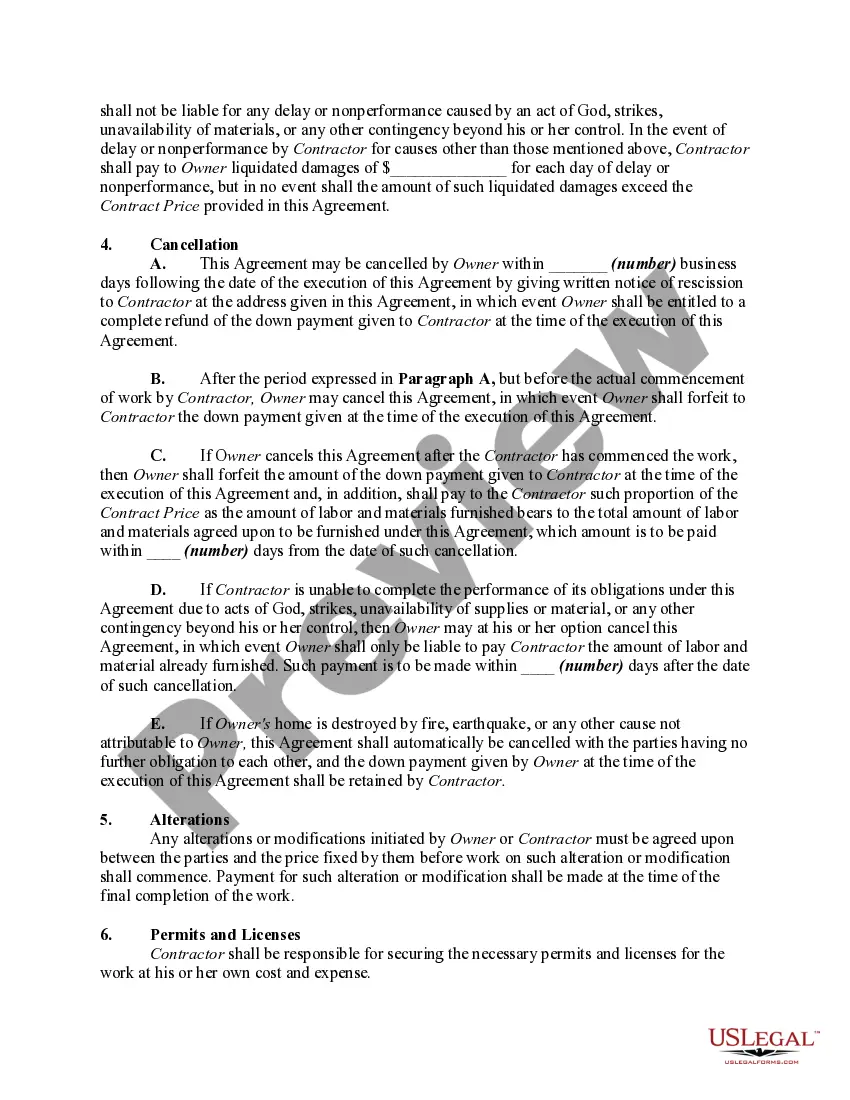
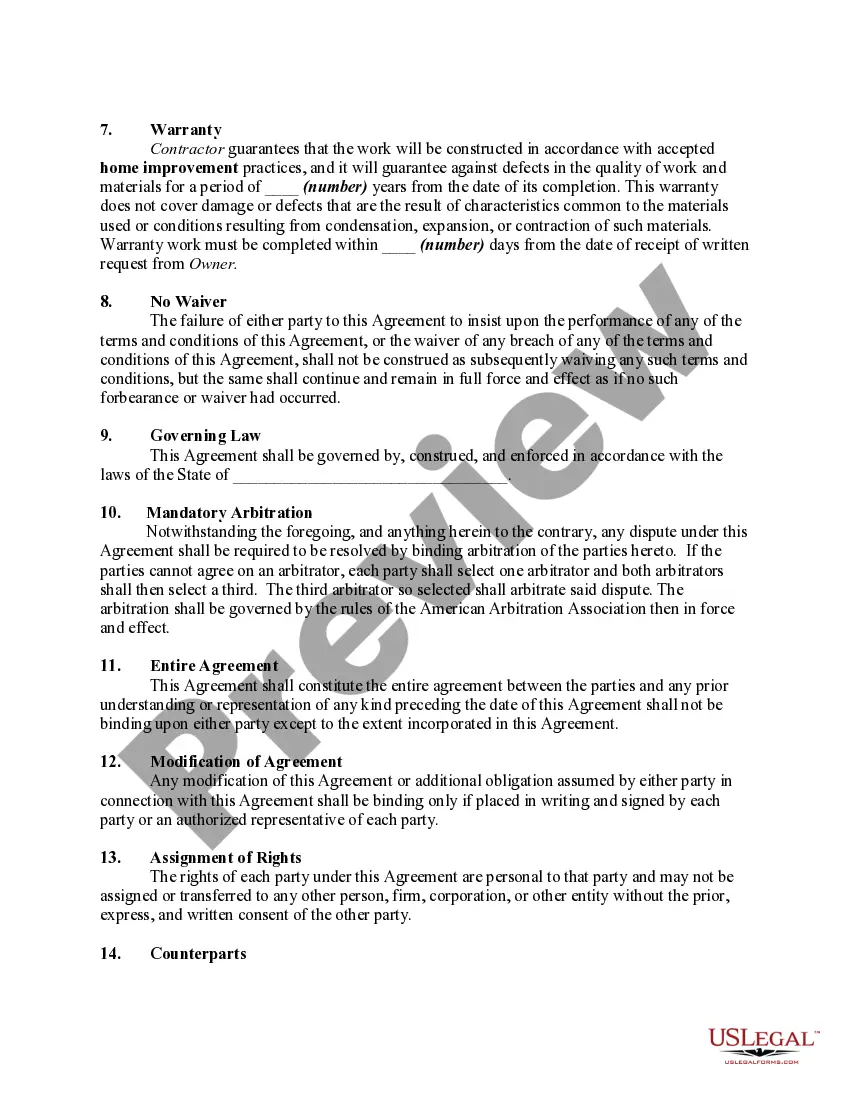
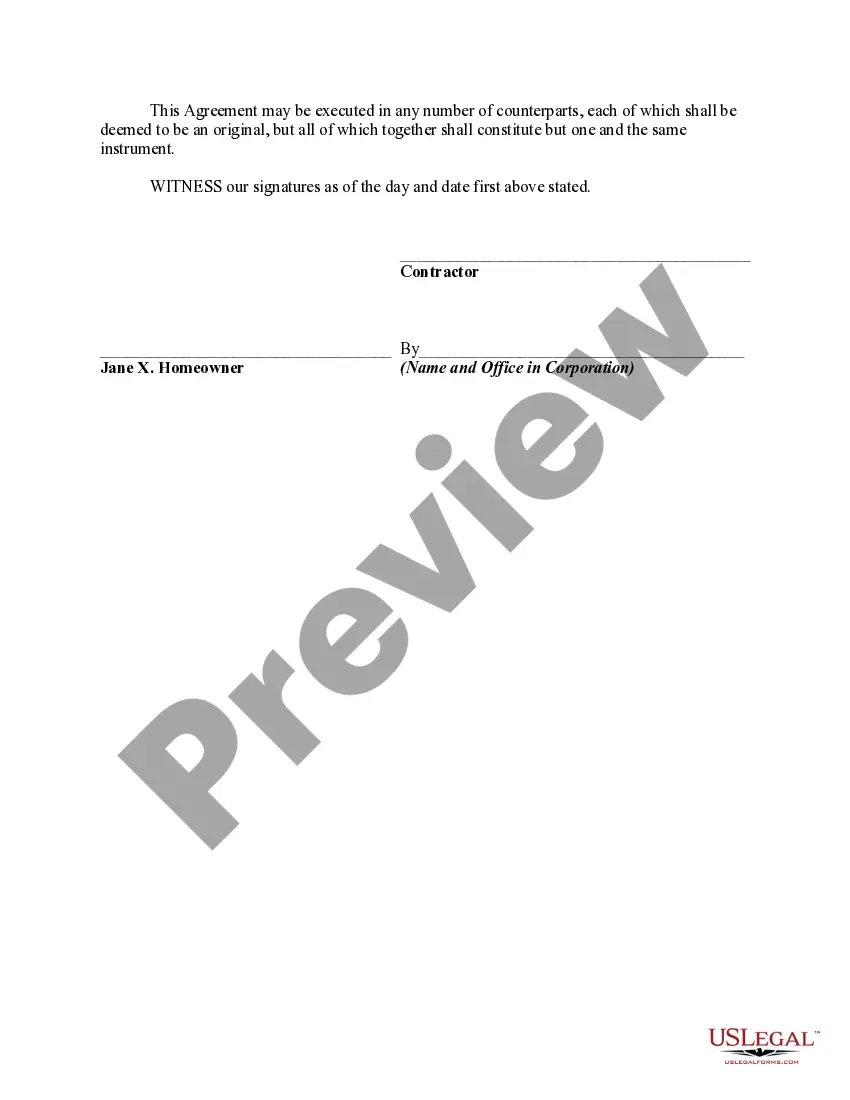
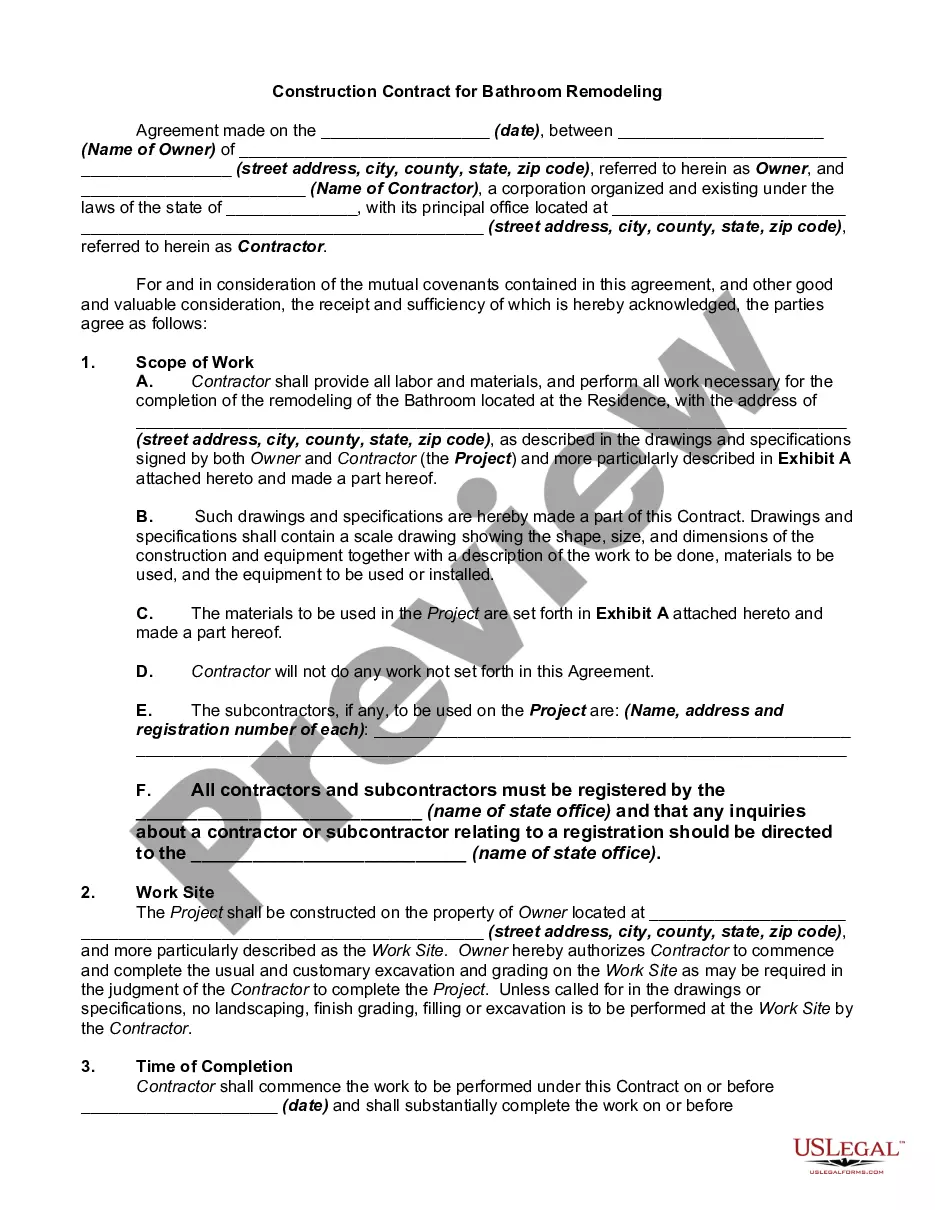
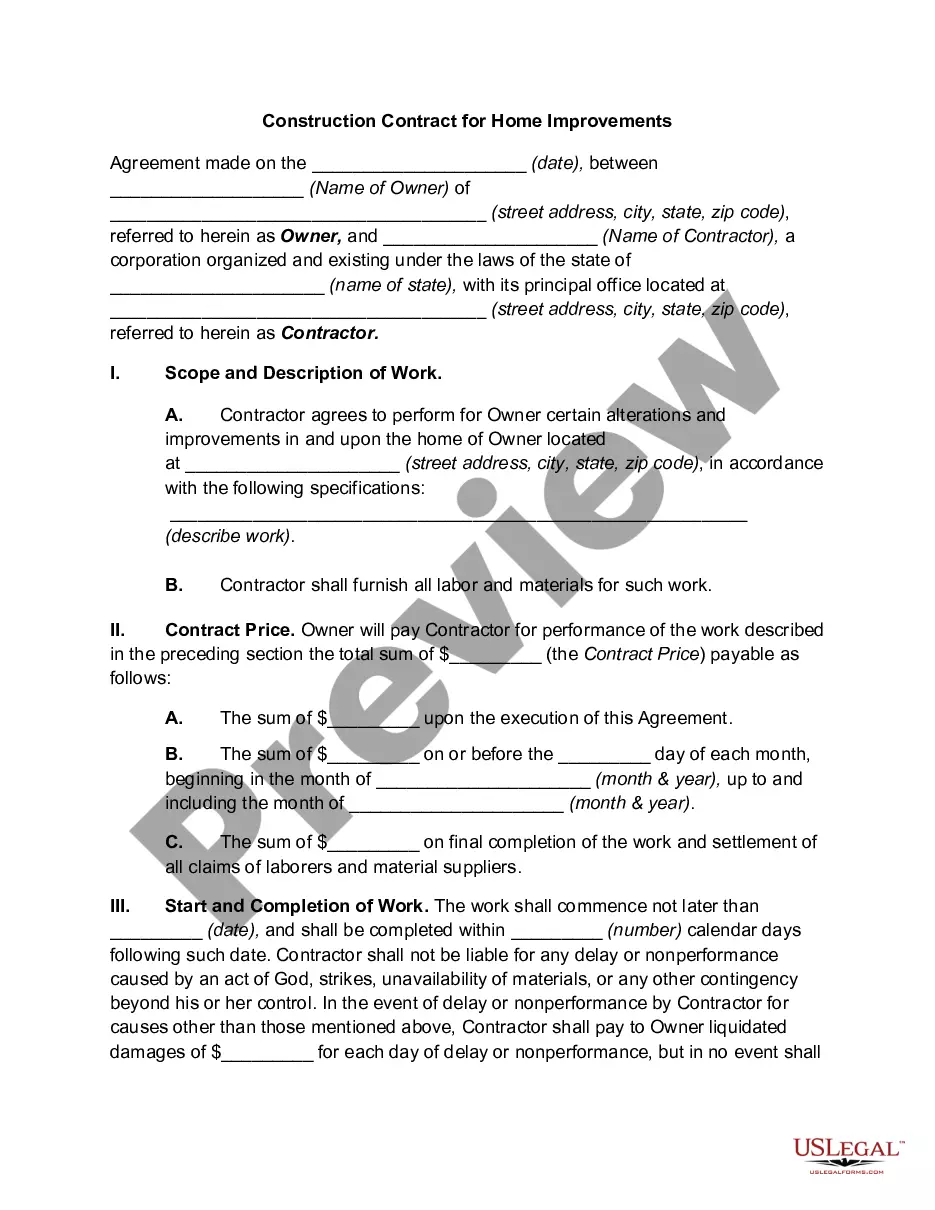
Get your form ready online
Our built-in tools help you complete, sign, share, and store your documents in one place.
Make edits, fill in missing information, and update formatting in US Legal Forms—just like you would in MS Word.
Download a copy, print it, send it by email, or mail it via USPS—whatever works best for your next step.
Sign and collect signatures with our SignNow integration. Send to multiple recipients, set reminders, and more. Go Premium to unlock E-Sign.
If this form requires notarization, complete it online through a secure video call—no need to meet a notary in person or wait for an appointment.
We protect your documents and personal data by following strict security and privacy standards.

Make edits, fill in missing information, and update formatting in US Legal Forms—just like you would in MS Word.

Download a copy, print it, send it by email, or mail it via USPS—whatever works best for your next step.

Sign and collect signatures with our SignNow integration. Send to multiple recipients, set reminders, and more. Go Premium to unlock E-Sign.

If this form requires notarization, complete it online through a secure video call—no need to meet a notary in person or wait for an appointment.

We protect your documents and personal data by following strict security and privacy standards.
Looking for another form?
How to fill out Home Improvement Or Remodeling Construction Contract?
- Log into your existing account on US Legal Forms to access your library. Ensure your subscription is active; if it’s expired, renew it according to your chosen payment plan.
- Preview the available forms and read their descriptions carefully to confirm you are selecting the correct document that meets your specific requirements and local laws.
- If the desired form doesn’t fit your needs, utilize the Search feature to find an alternative that suits your project.
- Once you find the right template, click the Buy Now button and select your subscription plan. You will need to create an account if you’re a first-time user.
- Complete your payment using a credit card or PayPal to finalize the purchase.
- Download your selected form to your device, and remember you can also access it later through the My Forms section of your profile.
In conclusion, US Legal Forms provides a reliable and comprehensive resource for individuals undertaking home renovation projects. By following these simple steps, you can efficiently secure the necessary legal documents to ensure your remodeling journey is both successful and compliant.
Explore the vast collection at US Legal Forms today and take the hassle out of remodeling homes!
Form popularity
FAQ
You can write off several house expenses, particularly those related to home improvement and business use. This includes expenses for remodeling homes that enhance value or efficiency. To maximize your deductions, carefully research what specific expenses qualify and keep detailed records. Using services like USLegalForms can ensure you submit the correct documentation.
To prove home improvements to the IRS, maintain comprehensive records, including receipts, contracts, and photographs. Documentation legitimizes your claims when remodeling homes and demonstrates the value added to your property. Use a filing system to keep everything organized, as this can save time and stress during tax season. Consult tax resources for more guidance.
Yes, you can write off a home office remodel under certain conditions. If the remodel enhances a space exclusively for business use, you can deduct certain costs from your taxes. When remodeling homes for business use, it's crucial to keep thorough records of expenses incurred. Make sure to familiarize yourself with IRS guidelines on this matter.
If you lack receipts for your home improvements, you can still prove them in other ways. Take before and after photos, keep contracts with contractors, and gather invoices to establish proof of work done. Documenting your remodeling homes journey creates a comprehensive portfolio that supports your claims. The USLegalForms platform can help you generate necessary documents to assist in your case.
The primary IRS form used for home improvements is Form 1040, Schedule A for itemizing deductions. When remodeling homes, you'll include expenses for deductible improvements here. Consider consulting a tax professional for advice on accurately reporting these updates. Your improvements may also require additional forms based on their nature.
You may claim home remodeling on your taxes, but it depends on the nature of the work done. If the remodel qualifies as a permanent improvement, you can often deduct related costs. This deduction can significantly benefit you during tax season when renovating your home. It's good to check IRS guidelines to see what qualifies.
For tax purposes, a home improvement generally refers to any renovation that adds value or extends the life of your home. This can include upgrading kitchens, adding new rooms, or improving energy efficiency. If you're remodeling homes, you will want to distinguish between repairs and improvements, as only the latter can be claimed. Keep detailed records to support any claims made.
Yes, the IRS typically requires receipts for home improvements you claim on your taxes. These receipts serve as proof of your expenses when remodeling homes. Keeping careful records helps ensure you can substantiate your claims if questioned. Using a platform like USLegalForms can assist in managing your documentation.
While remodeling and renovation are often used interchangeably, they refer to different processes in home improvement. Remodeling involves significant changes to the structure, layout, or style of a space, whereas renovation focuses on restoring or refreshing existing elements. Clarifying these terms helps you define your project goals effectively.
Whether $50,000 is enough to renovate a house depends on the scope of your project. For smaller-scale remodels, such as updating a kitchen or bathroom, this budget could be sufficient. However, extensive renovations may require a larger investment. Always plan carefully and prioritize your needs to make the most of your budget.