Remodeling Business
Description
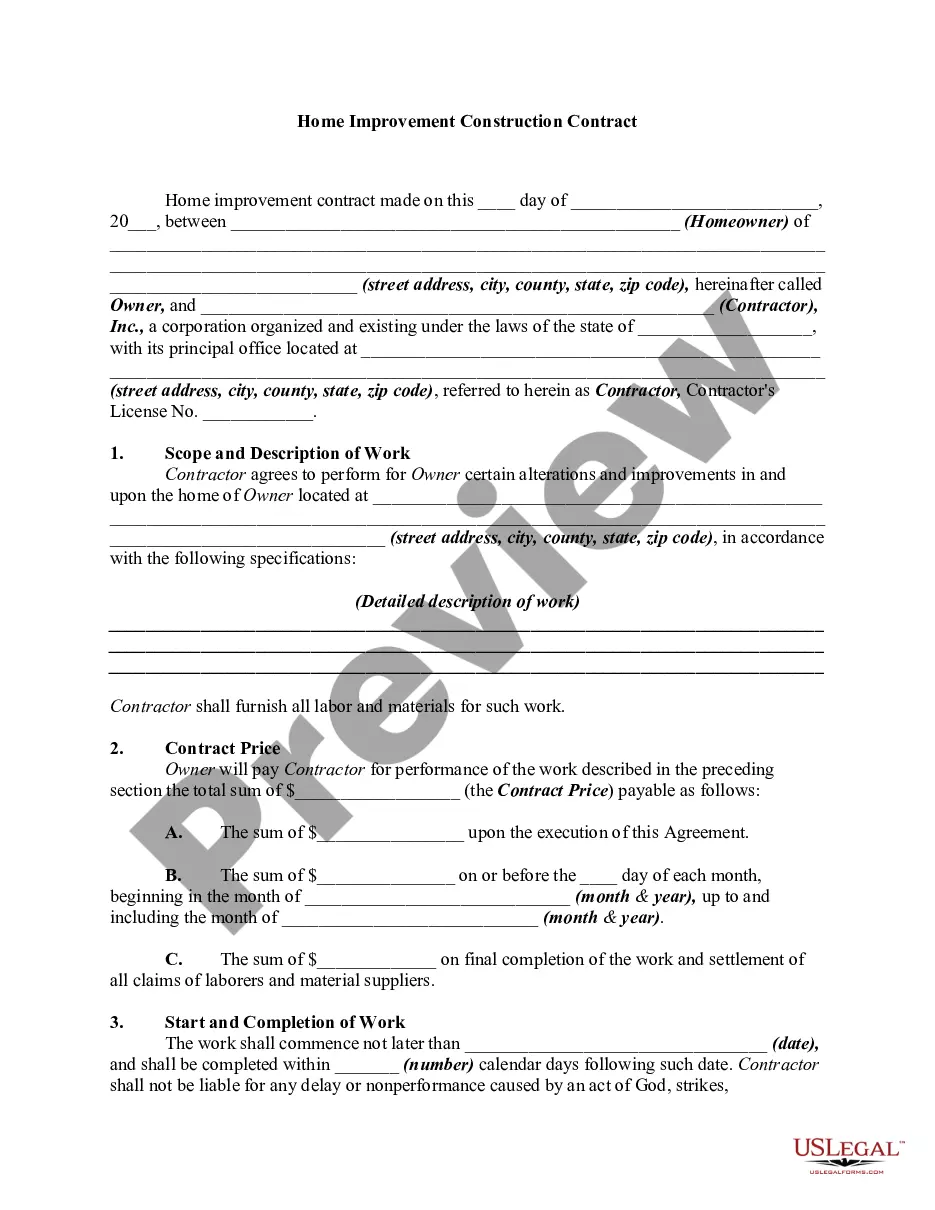
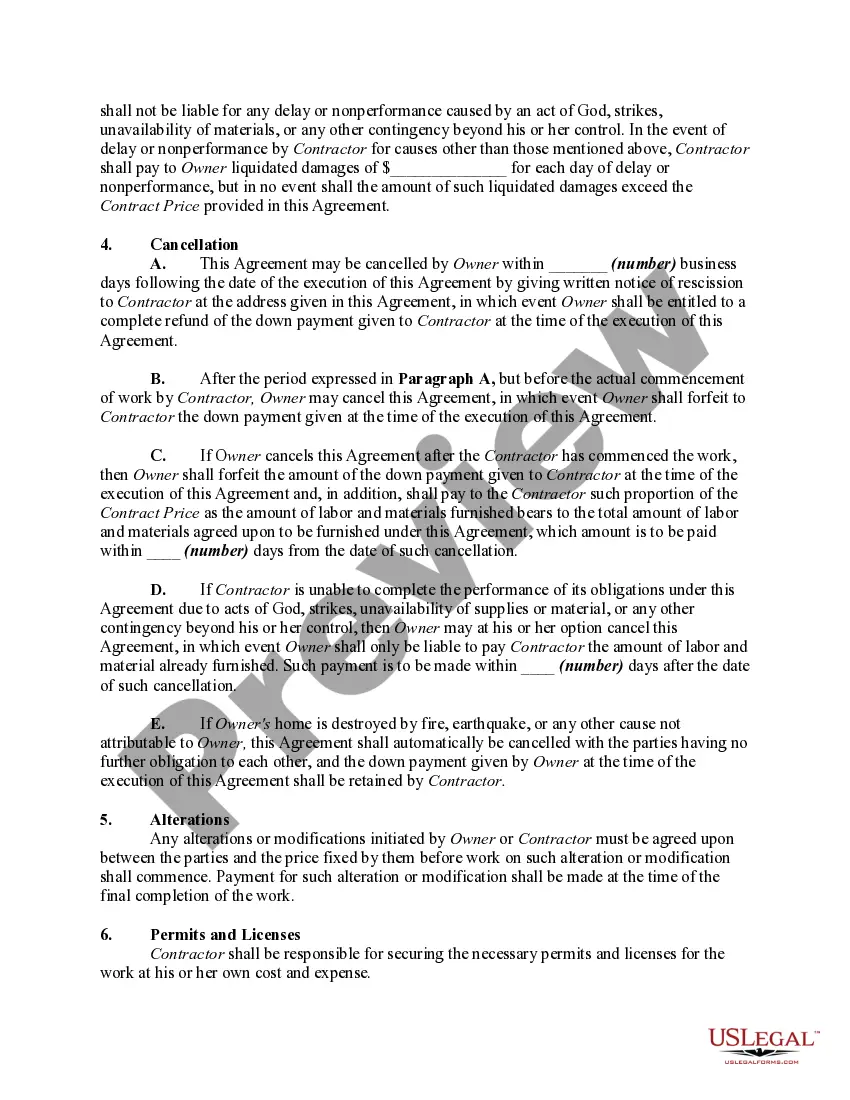
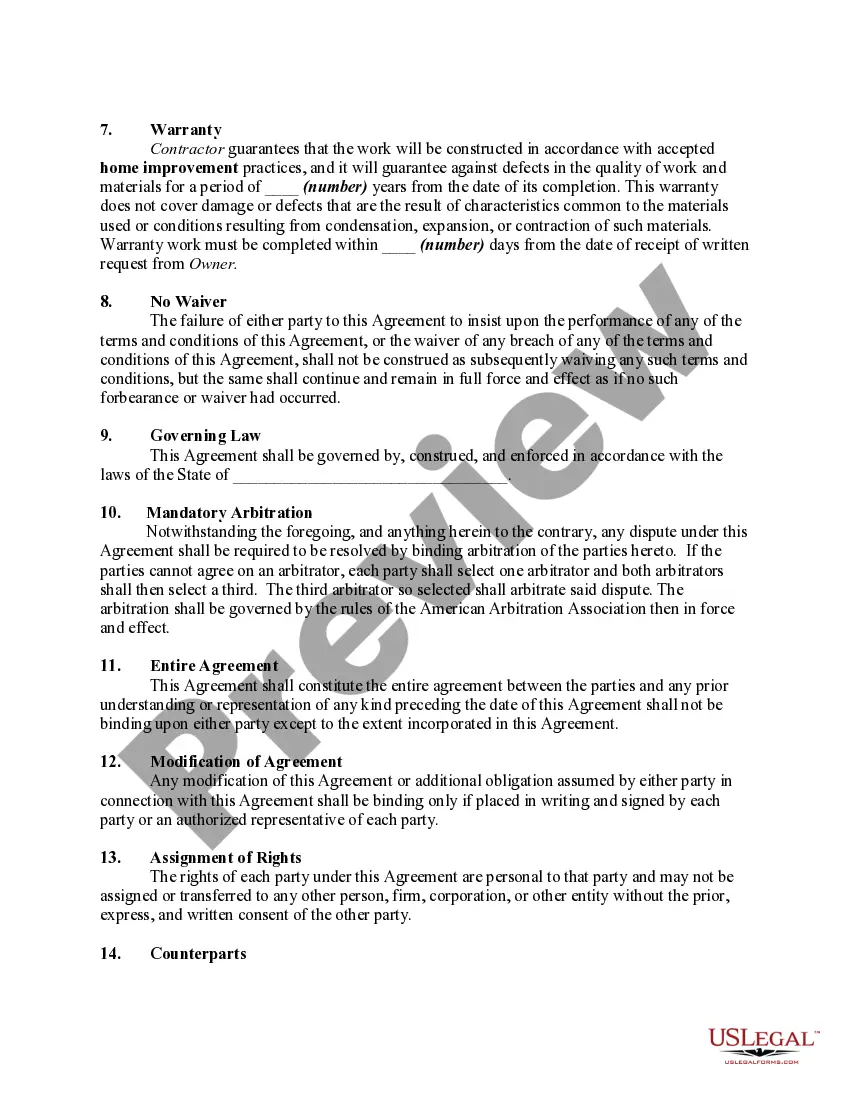
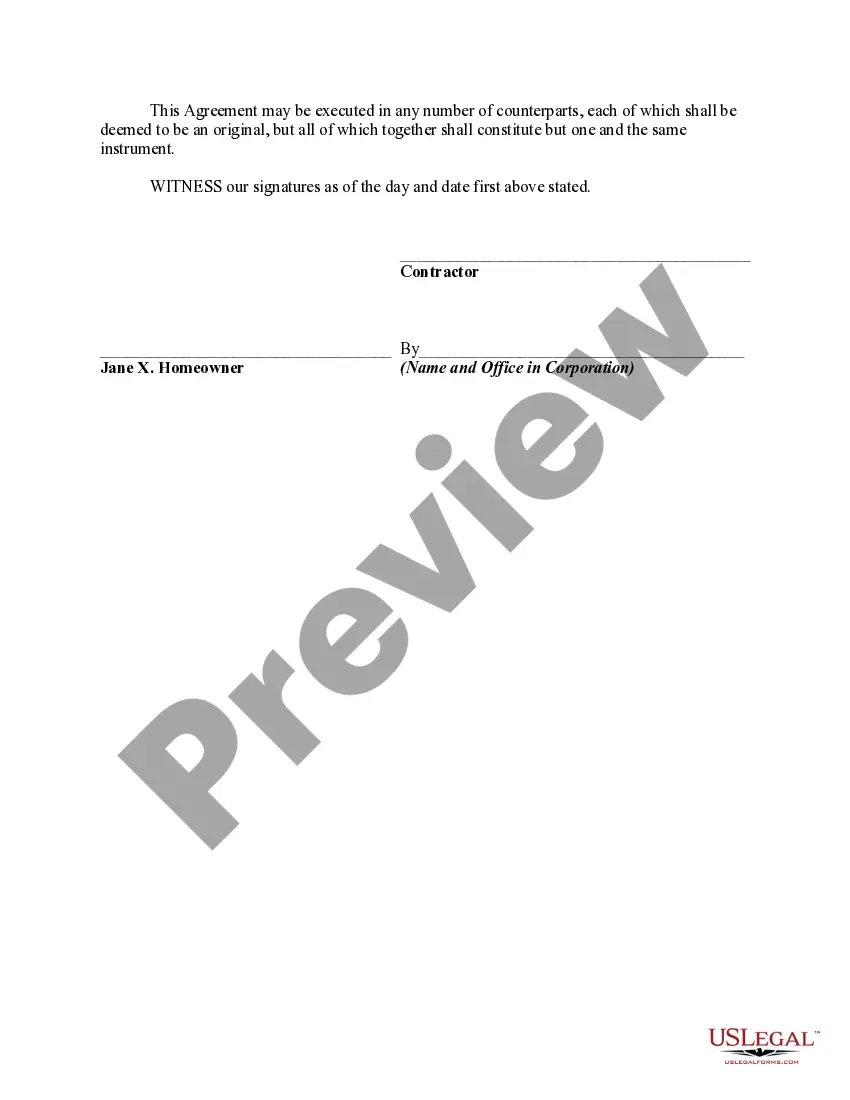
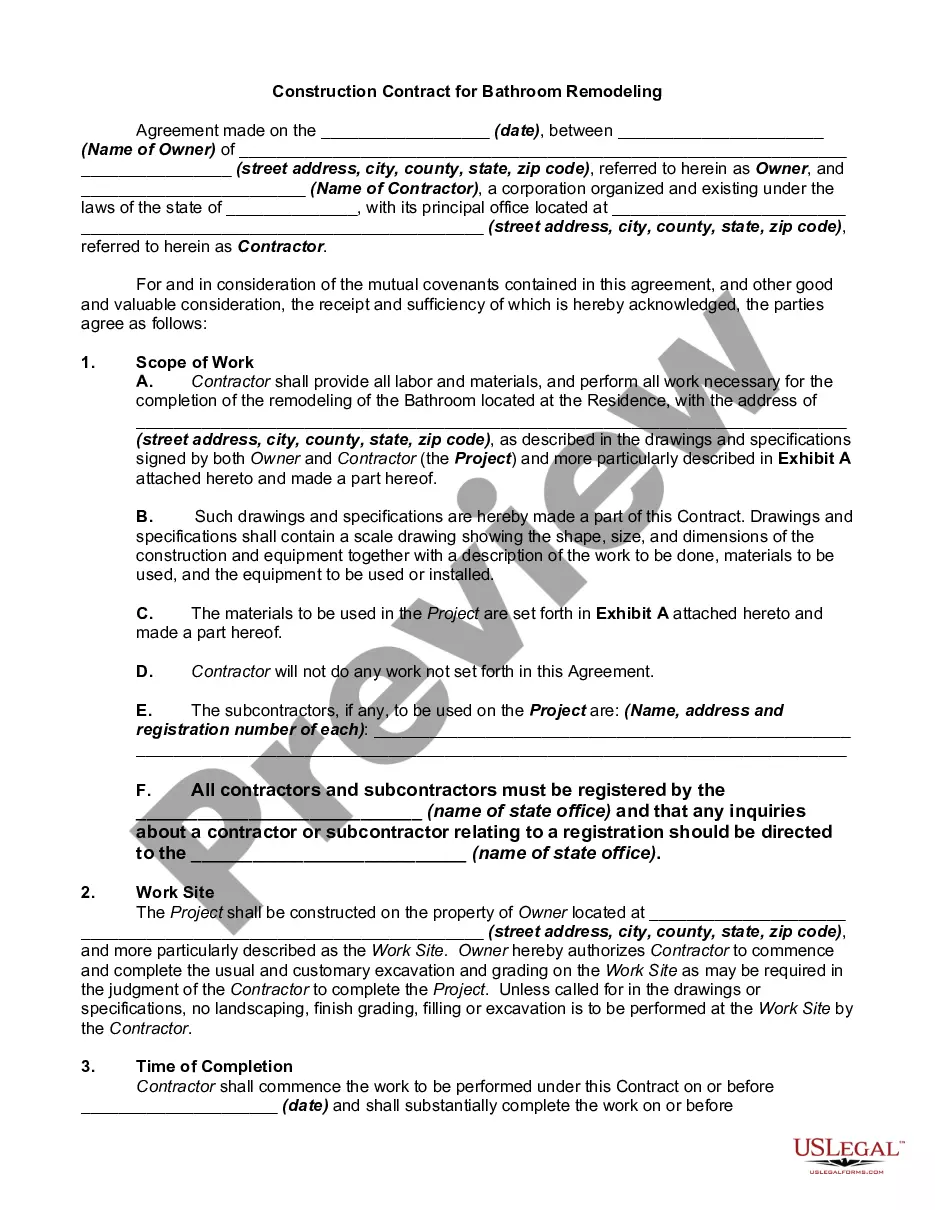
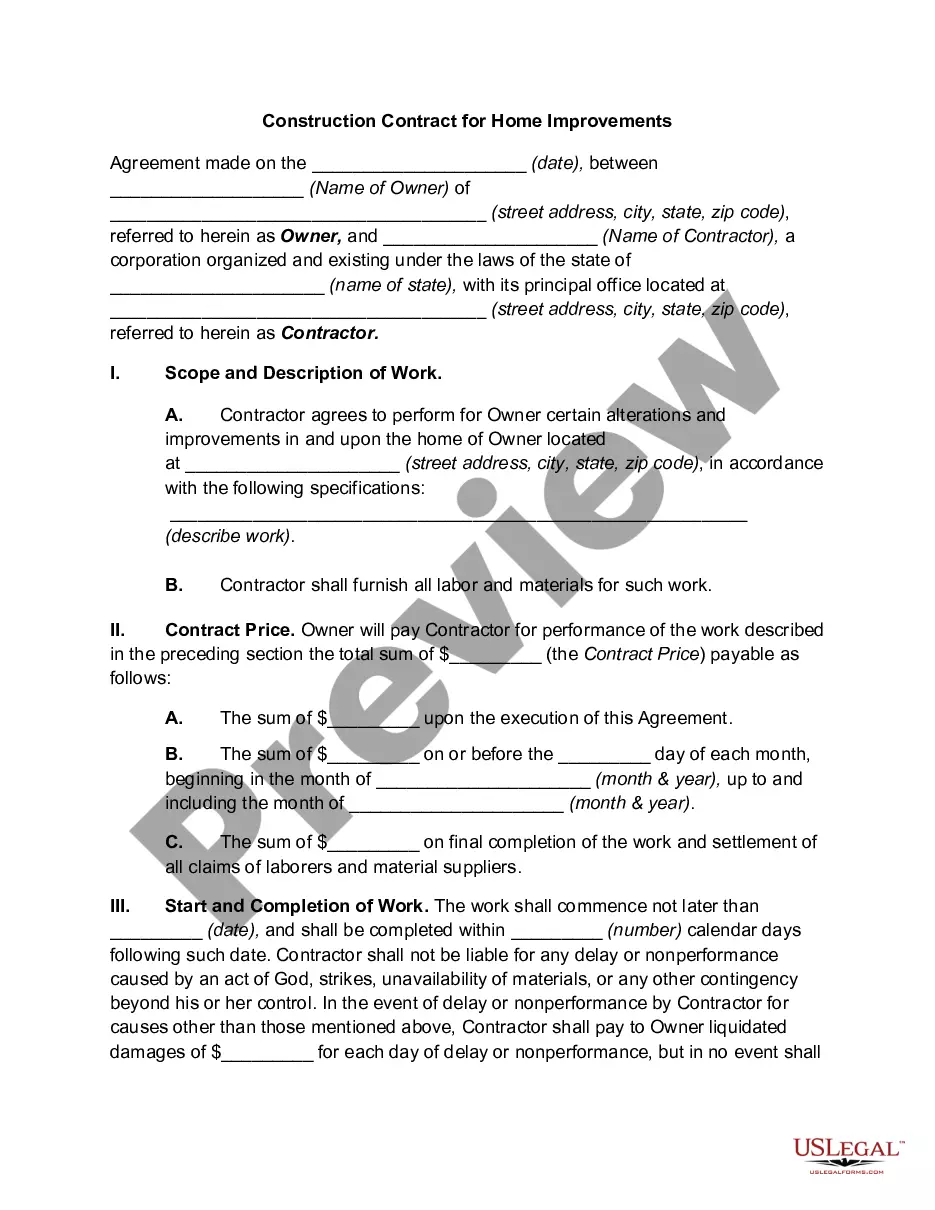
Get your form ready online
Our built-in tools help you complete, sign, share, and store your documents in one place.
Make edits, fill in missing information, and update formatting in US Legal Forms—just like you would in MS Word.
Download a copy, print it, send it by email, or mail it via USPS—whatever works best for your next step.
Sign and collect signatures with our SignNow integration. Send to multiple recipients, set reminders, and more. Go Premium to unlock E-Sign.
If this form requires notarization, complete it online through a secure video call—no need to meet a notary in person or wait for an appointment.
We protect your documents and personal data by following strict security and privacy standards.

Make edits, fill in missing information, and update formatting in US Legal Forms—just like you would in MS Word.

Download a copy, print it, send it by email, or mail it via USPS—whatever works best for your next step.

Sign and collect signatures with our SignNow integration. Send to multiple recipients, set reminders, and more. Go Premium to unlock E-Sign.

If this form requires notarization, complete it online through a secure video call—no need to meet a notary in person or wait for an appointment.

We protect your documents and personal data by following strict security and privacy standards.
Looking for another form?

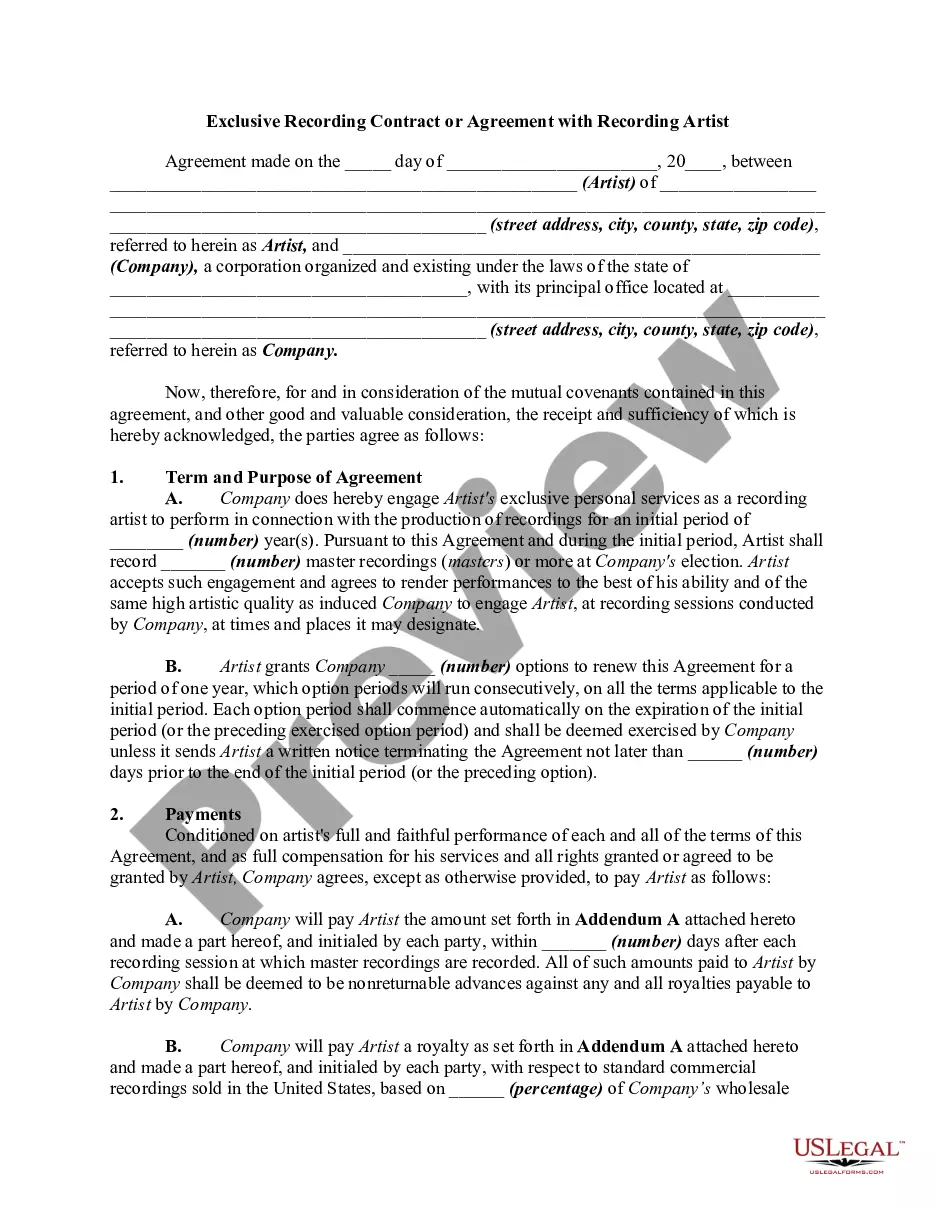
How to fill out Home Improvement Or Remodeling Construction Contract?
- Log in to your account on US Legal Forms if you're an existing user. Ensure your subscription is active before proceeding.
- For first-time users, start by browsing the Preview mode to review descriptions of various forms. Verify that you've selected a template that suits your requirements and local regulations.
- If the selected form doesn’t meet your needs, utilize the Search tab to find an alternative template.
- Once you've chosen the correct document, click the 'Buy Now' button and select your preferred subscription plan, creating an account for full access.
- Proceed with your purchase by entering valid credit card information or using PayPal to secure your subscription.
- Download the completed form to your device for immediate use, and find it later in the 'My Forms' section of your account.
In conclusion, leveraging US Legal Forms is a smart move for your remodeling business. With more than 85,000 editable templates and expert support, you'll find the legal documents you need quickly and easily.
Start your journey with US Legal Forms today and ensure your remodeling business is legally sound!
Form popularity
FAQ
Yes, a remodeling company can be highly profitable if managed well. The demand for home renovations continues to grow, driven by homeowners looking to enhance their living spaces. By offering quality services and maintaining client relationships, you can establish a loyal customer base. Additionally, using resources from US Legal Forms can streamline your operations, helping to maximize your profits while minimizing risks in your remodeling business.
Finding clients for home renovations requires a proactive approach. Begin by networking within your community, attending local events, and partnering with real estate agents. You can showcase your work through a professional website and social media platforms to attract potential clients. Remember, building a positive reputation in your remodeling business is crucial for generating referrals and repeat business.
Starting a remodeling business involves several key steps. First, acquire the necessary skills, whether through formal education or hands-on experience. Next, develop a business plan that outlines your services, target market, and revenue goals. You can also use platforms like US Legal Forms to obtain essential documents and contracts, ensuring that you are legally compliant as you launch your remodeling business.
Renovating a house with a budget of $50,000 is feasible, but it depends on the extent of the remodeling you plan to undertake. For minor upgrades like kitchen facelifts or bathroom updates, this budget can be enough. However, if you're aiming for extensive renovations or major structural changes, you might need to explore financing options. A detailed plan can help you allocate your budget effectively in your remodeling business.
With a budget of $100,000, you can undertake significant remodeling projects, such as kitchen upgrades or bathroom renovations. The extent of the remodeling depends on the materials chosen and the complexity of the work. In the remodeling business, effective planning and prioritizing tasks will ensure that you maximize your investment while delivering quality results.
Starting a home remodeling company typically requires an investment of $10,000 to $50,000, depending on your business model and scale. This amount may cover essential permits, tools, and marketing. Utilizing platforms like US Legal Forms can streamline the process, helping you secure the necessary documents and contracts to launch and operate your remodeling business effectively.
A remodeling business can be highly profitable, with many companies nearing a 10-20% profit margin on projects. Factors such as location, demand, and specialization impact profitability. Clients often seek services that enhance their living spaces, making this field an abundant opportunity for skilled professionals and contractors.
The 30% rule for remodeling suggests that homeowners should avoid spending more than 30% of a home's value on remodeling projects. This rule helps you maintain a balance between investment and value. It's important for anyone in the remodeling business to understand this guideline, as it can help clients make informed decisions about their projects.
A kitchen remodel changes the design and layout of the kitchen, including moving walls or adding new features, while a kitchen renovation updates existing elements like cabinets, countertops, and appliances. This distinction is vital for your remodeling business, as it shapes project proposals and client expectations. By clearly communicating these differences, you can better serve your clients' needs and showcase your expertise, ensuring successful outcomes for every project.
When discussing home improvement, remodeling generally indicates a transformation of layout or function, whereas renovating focuses on fixing and refreshing existing spaces. For your remodeling business, clearly defining these terms can clarify project objectives for clients. Ultimately, this knowledge can differentiate your services, giving you an edge in a competitive market. Always be transparent about what each option entails.