Against Real Property With The Law
Description
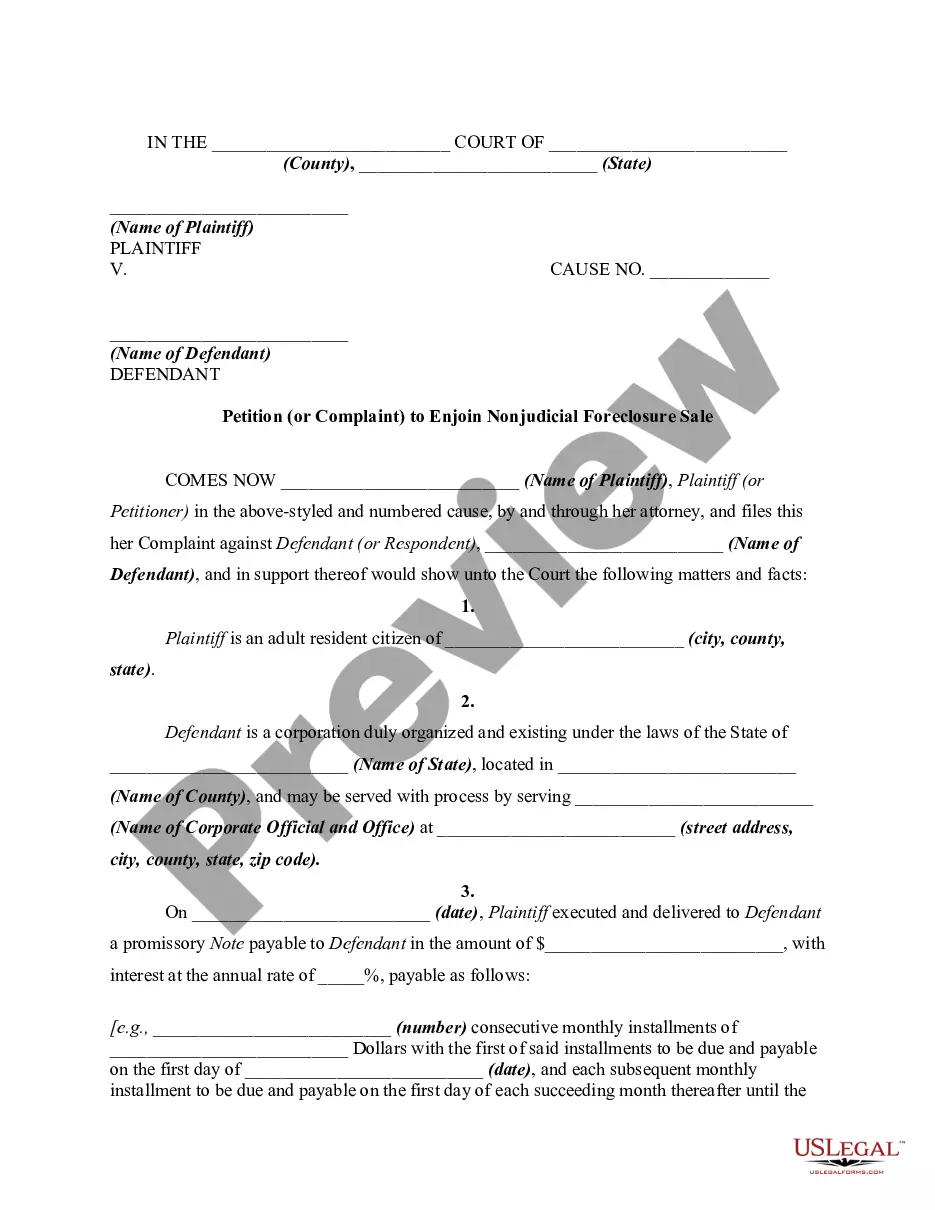
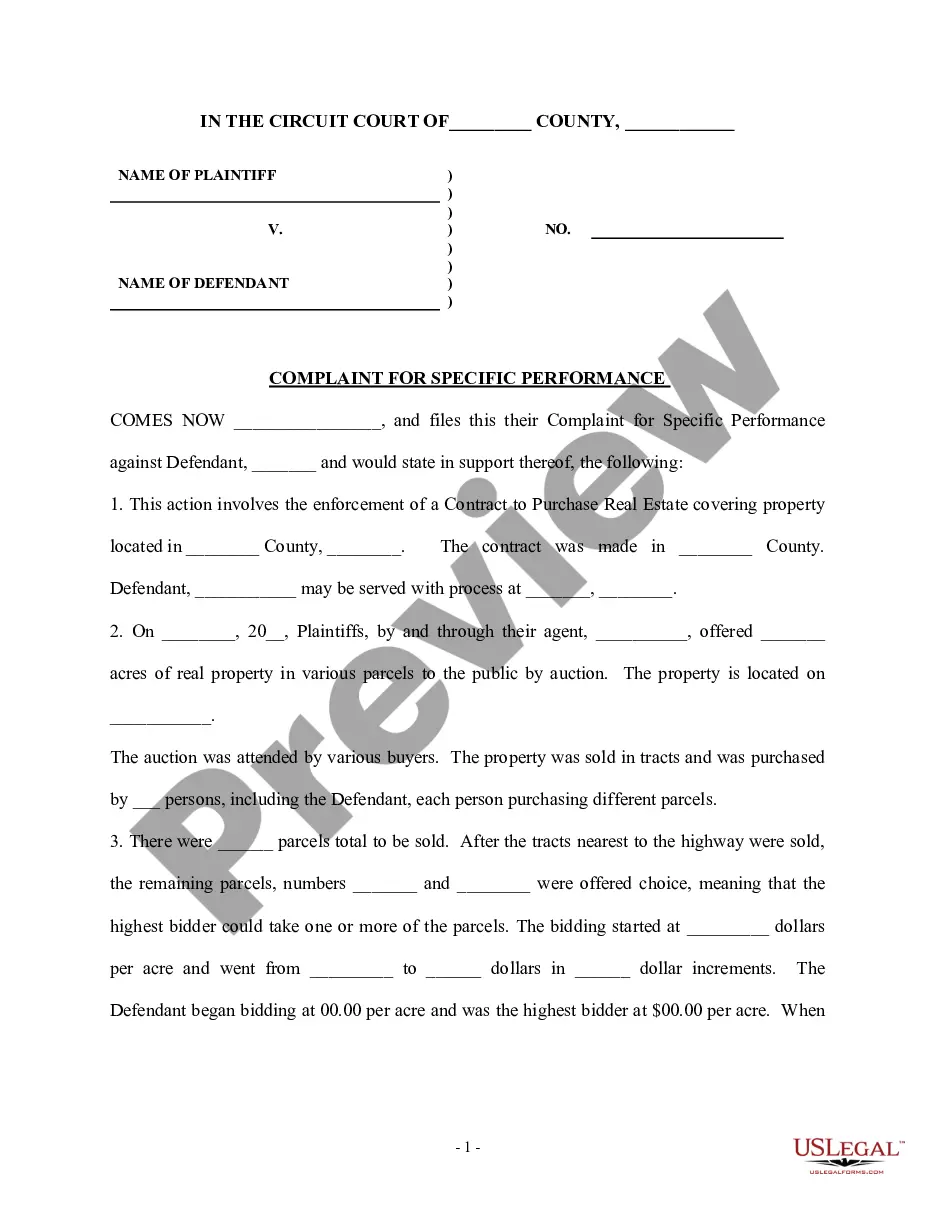
Get your form ready online
Our built-in tools help you complete, sign, share, and store your documents in one place.
Make edits, fill in missing information, and update formatting in US Legal Forms—just like you would in MS Word.
Download a copy, print it, send it by email, or mail it via USPS—whatever works best for your next step.
Sign and collect signatures with our SignNow integration. Send to multiple recipients, set reminders, and more. Go Premium to unlock E-Sign.
If this form requires notarization, complete it online through a secure video call—no need to meet a notary in person or wait for an appointment.
We protect your documents and personal data by following strict security and privacy standards.

Make edits, fill in missing information, and update formatting in US Legal Forms—just like you would in MS Word.

Download a copy, print it, send it by email, or mail it via USPS—whatever works best for your next step.

Sign and collect signatures with our SignNow integration. Send to multiple recipients, set reminders, and more. Go Premium to unlock E-Sign.

If this form requires notarization, complete it online through a secure video call—no need to meet a notary in person or wait for an appointment.

We protect your documents and personal data by following strict security and privacy standards.
Looking for another form?
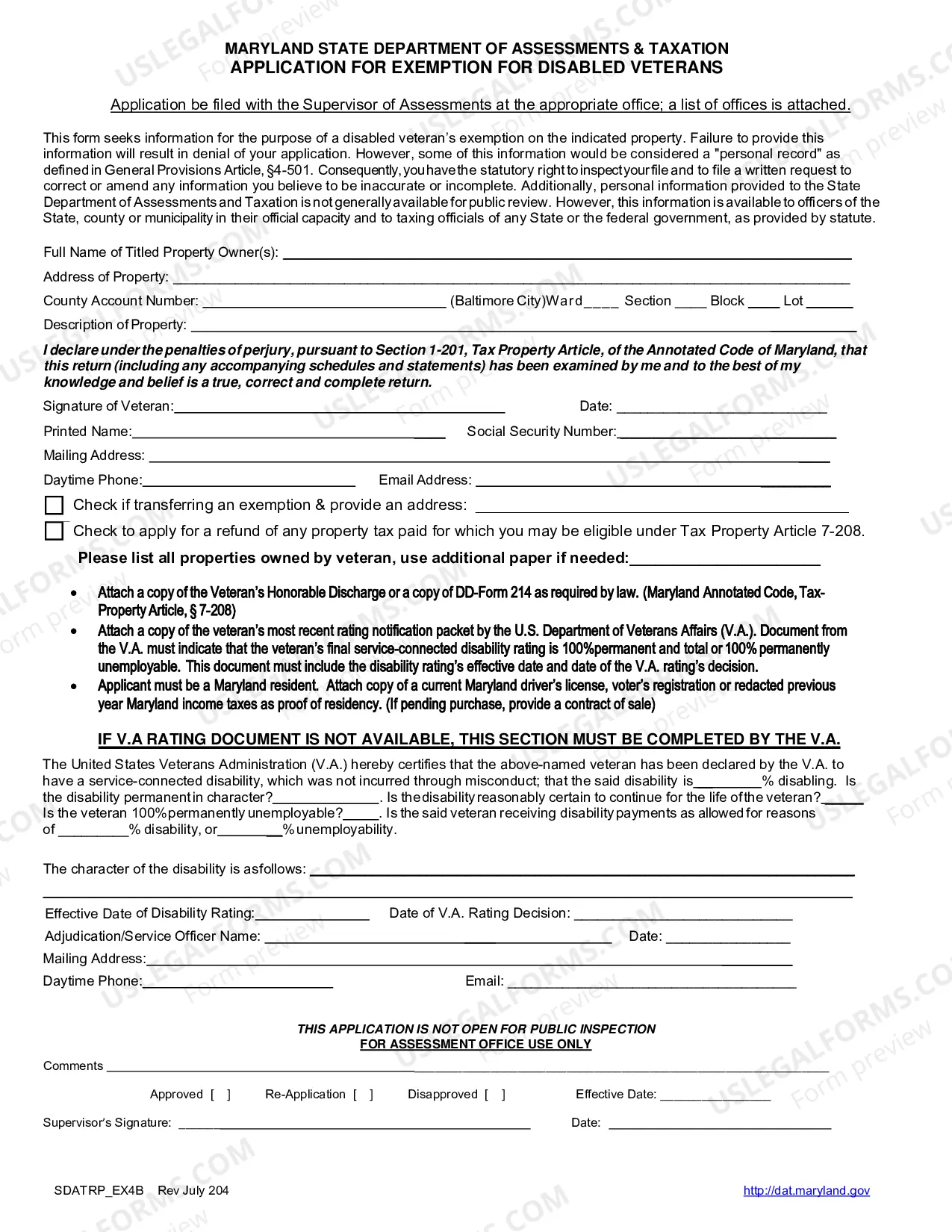
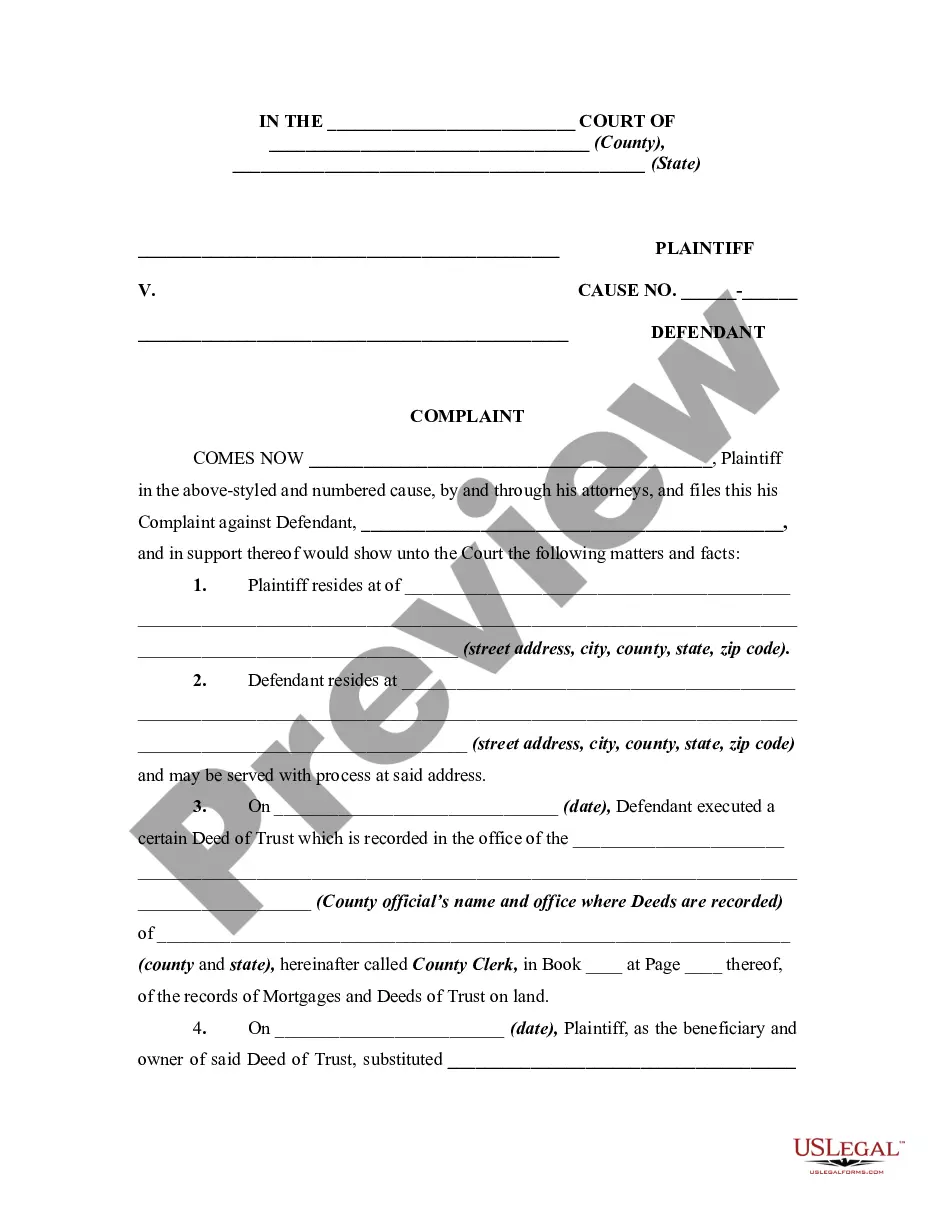
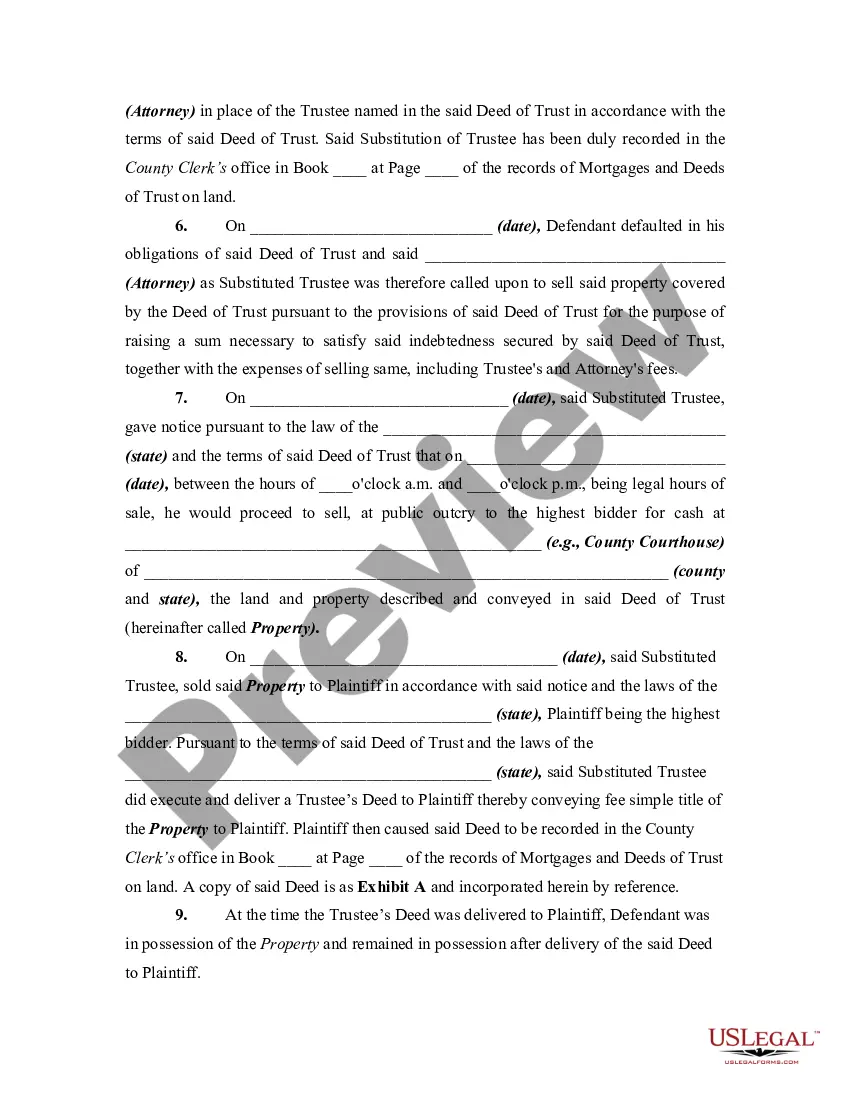
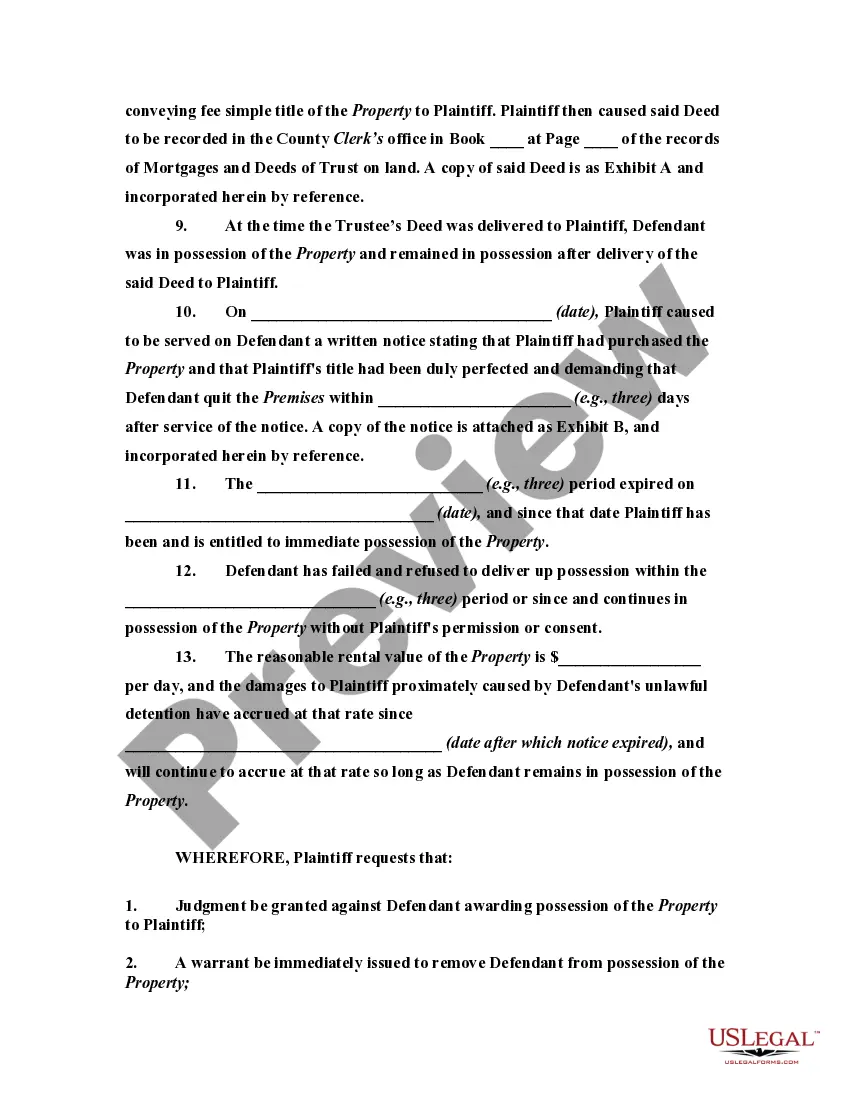
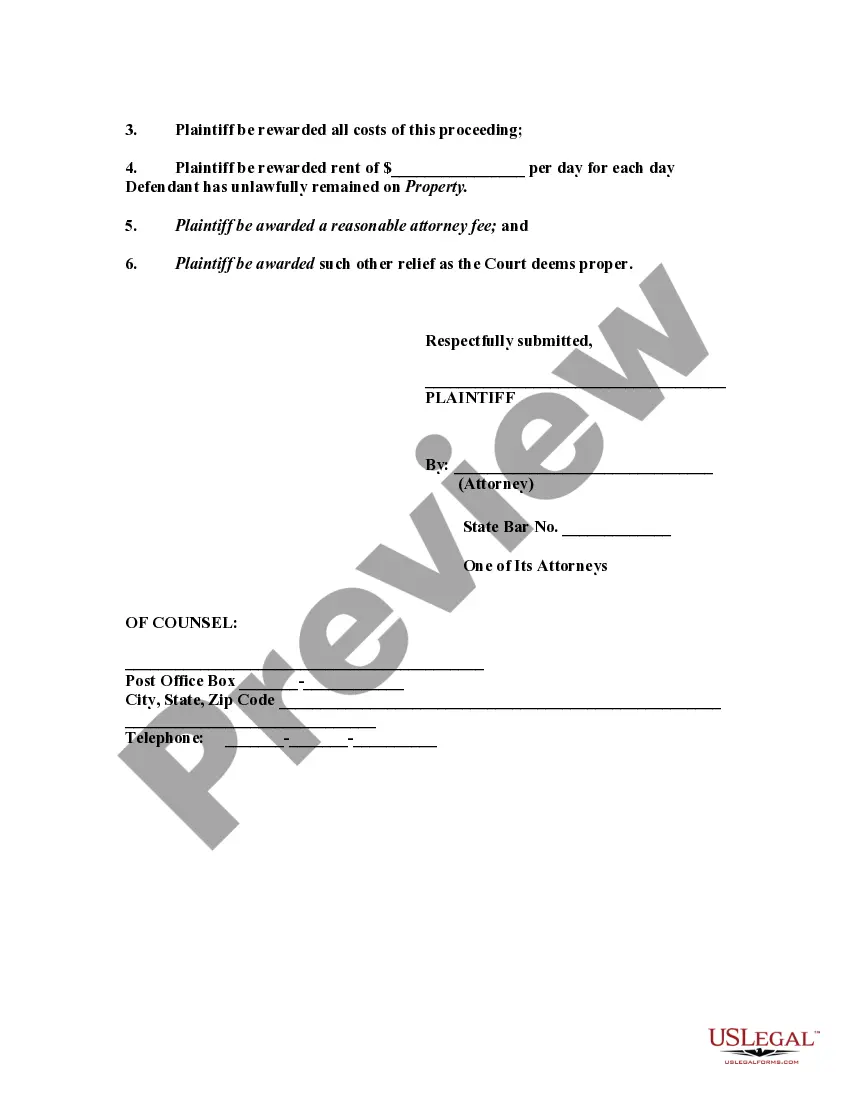
How to fill out Complaint Or Petition By Purchaser Against Possessor Of Real Property After A Foreclosure Sale Pursuant To A Deed Of Trust?
- If you're a returning user, log in to your account to access and download your form template. Ensure your subscription is active; renew if necessary.
- For first-time users, start by previewing the available forms to confirm they meet your specific needs and local jurisdiction rules.
- Should you need a different template, utilize the Search tab to find the correct form. If it fits your requirements, proceed to the next step.
- Purchase the document by clicking the Buy Now button and selecting your desired subscription plan. You will need to register for an account to access the full library.
- Complete your purchase by providing your payment details via credit card or PayPal.
- Finally, download the required form to your device. You can also find it later in the My Forms section of your profile.
By using US Legal Forms, you benefit from a vast collection of over 85,000 editable legal forms that ensure you always have what you need on hand. Plus, you can connect with premium experts for additional support, making document completion straightforward and reliable.
Start managing your legal documentation efficiently today. Visit US Legal Forms to explore all the resources available to you!
Form popularity
FAQ
When an owner possesses real property, it includes not only the physical land but also any structures, minerals, and resources on or beneath it. The ownership rights extend to the enjoyment and use of the property as well. Understanding these aspects is crucial for anyone dealing with issues against real property with the law. With adequate knowledge, owners can better protect their interests.
The legal definition of real property encompasses land and any permanent structures or improvements on that land. This includes residential homes, commercial buildings, and infrastructure. Knowledge of the definition aids individuals in navigating their rights and responsibilities against real property with the law. It is essential for property transactions and resolving disputes.
An example of real property includes a house on a plot of land or a commercial building in a business district. These properties provide tangible value and possess unique legal characteristics. When defining rights against real property with the law, understanding these examples helps clarify ownership and usage rights. For anyone dealing with real property, clear definitions are essential.
In legal terms, real property defines land and anything permanently attached to it, such as buildings and fixtures. It represents ownership rights including the land, structures, and airspace above it. Understanding the intricacies against real property with the law empowers owners to manage their investments securely. This knowledge also aids in resolving disputes effectively.
The three main types of property law encompass real property law, personal property law, and intellectual property law. Real property law specifically governs rights related to land and structures. To navigate these areas effectively, many individuals turn to resources available against real property with the law. Each type addresses unique challenges and issues, making it vital to understand them.
Torts against real property refer to legal wrongs that harm a person's interest in property. These include actions such as trespass, nuisance, and conversion. When someone violates your property rights, it can lead to legal consequences against real property with the law. Understanding these torts is essential for property owners to protect their rights.
Yes, someone can put a lien against real property with the law without your immediate knowledge. Creditors may file a lien based on unpaid debts, and these filings typically become public records. Regularly checking property records can help you stay informed about any liens that may be placed against your property.
Removing a lien against real property with the law involves several steps, usually starting with paying off the debt. Once the debt is settled, you should request a lien release from the creditor. It is essential to file this release with your local property records to officially clear the lien from public records.
When considering a lien against real property with the law, it is vital to understand that there is no set minimum amount required. Typically, the amount for a lien can be as low as a few hundred dollars, but this depends on state laws and the nature of the debt. If you need guidance on this process, platforms like US Legal Forms can help simplify your understanding of lien procedures.
Various parties have the right to put a lien on property under the law, including contractors, suppliers, and lenders. Additionally, judgment creditors can file a lien after obtaining a court judgment against an individual. Understanding these rights is crucial for protecting your interests in the property market and ensuring you comply with the relevant regulations.