Restraining Protective Order With Ct
Description

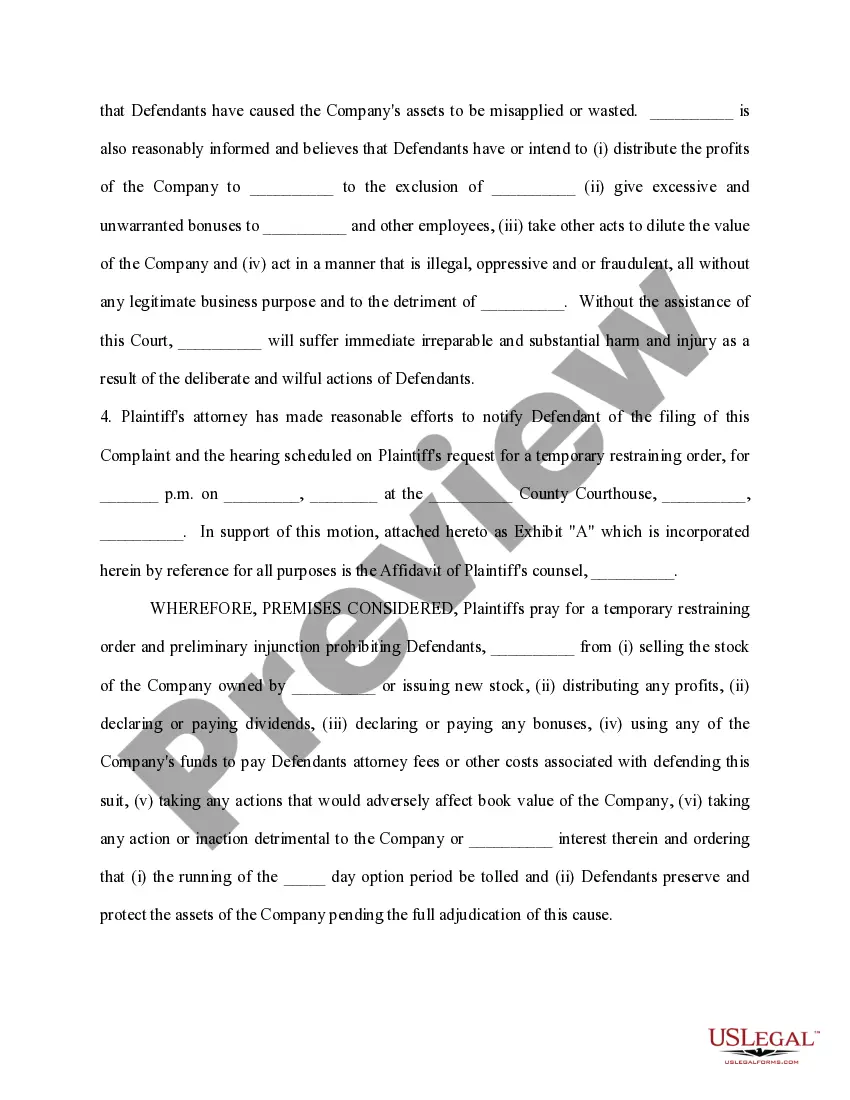
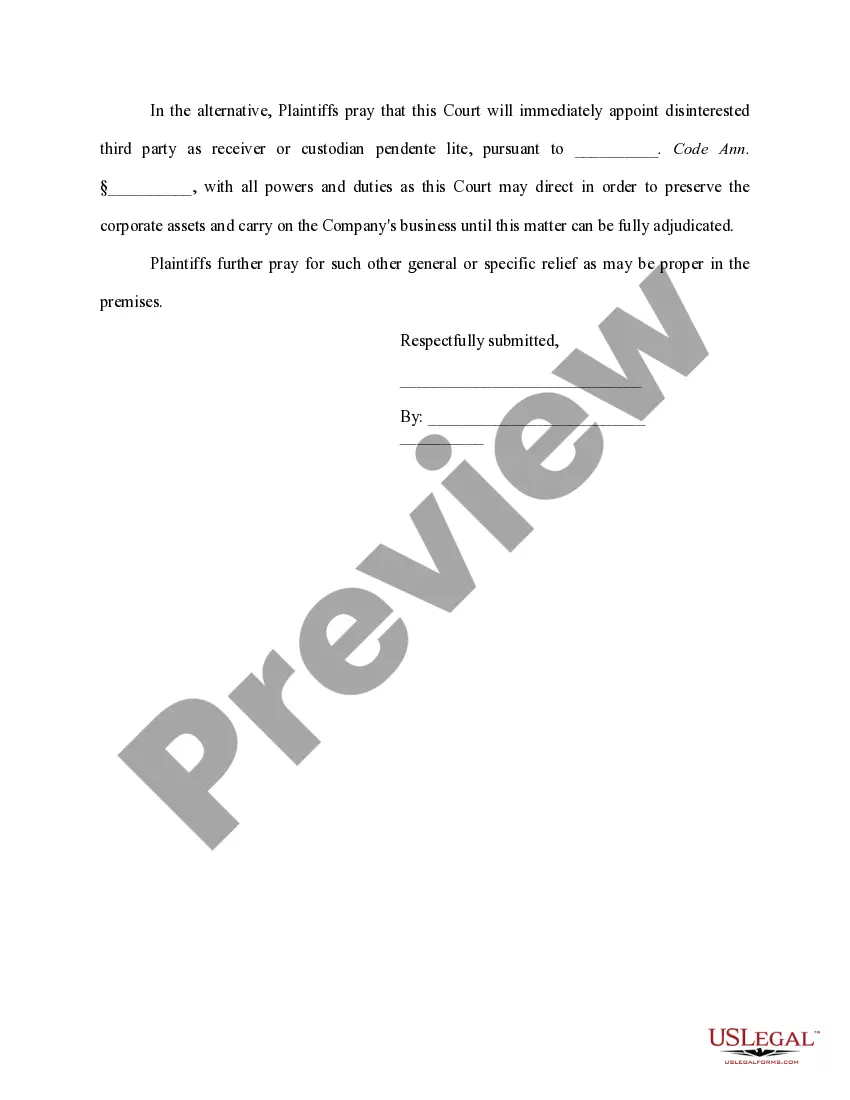

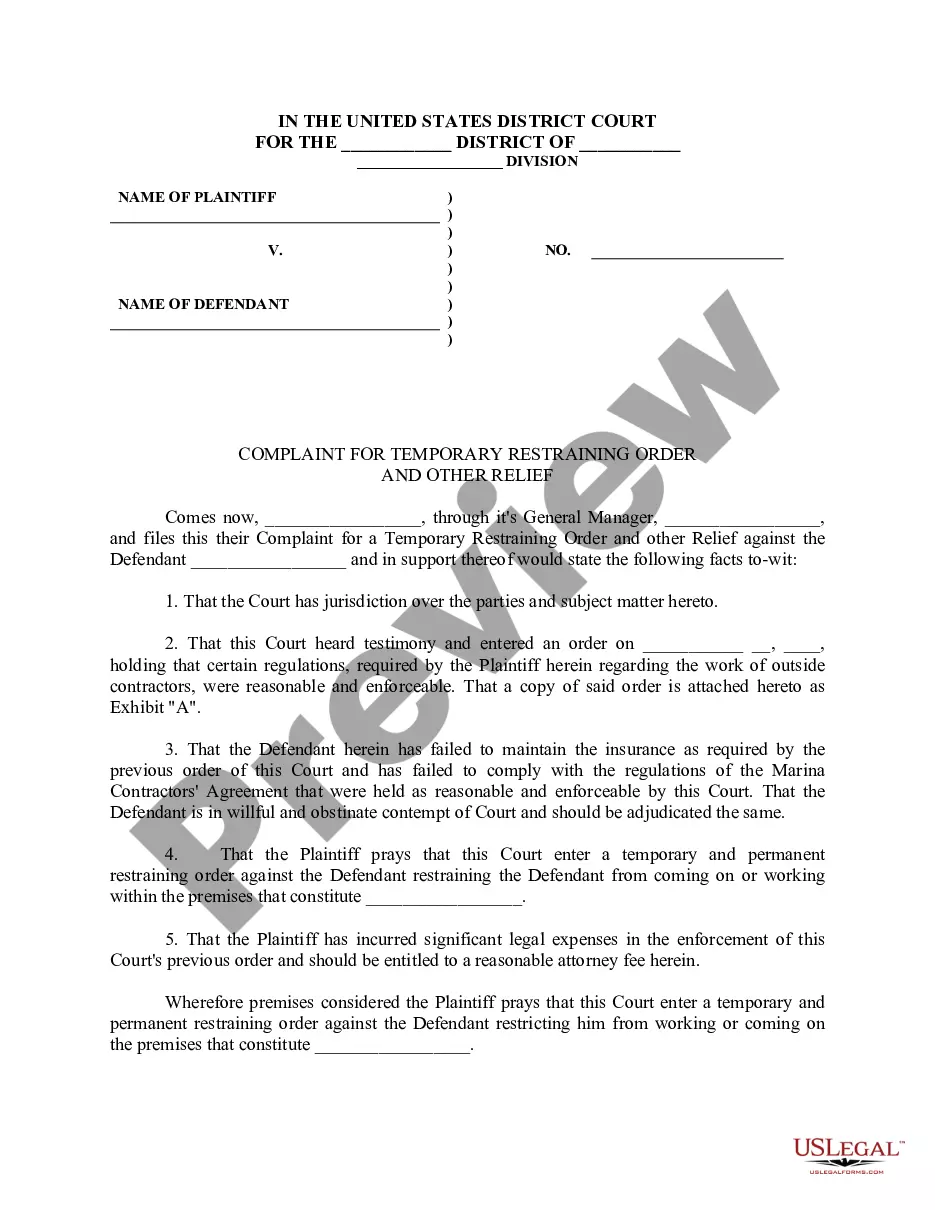
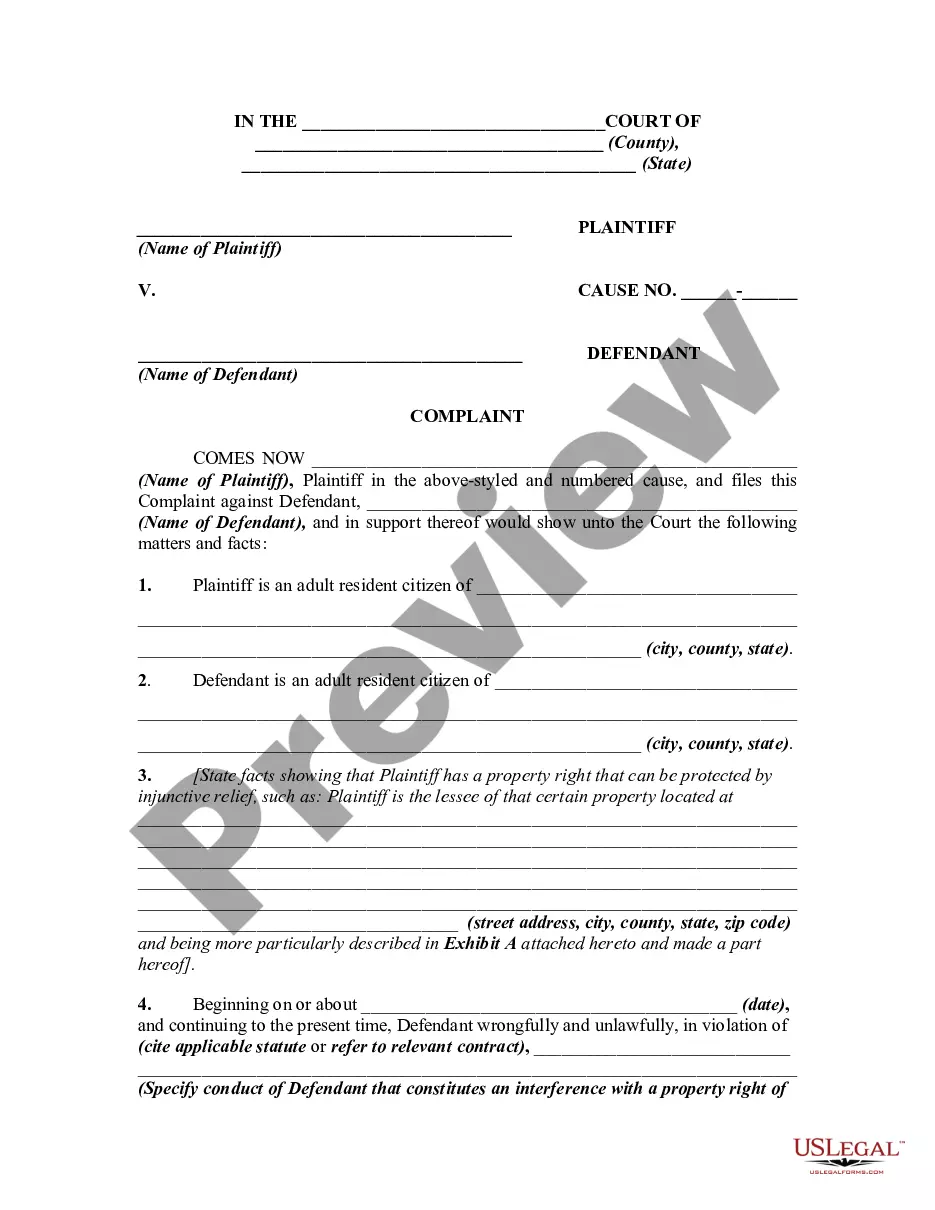
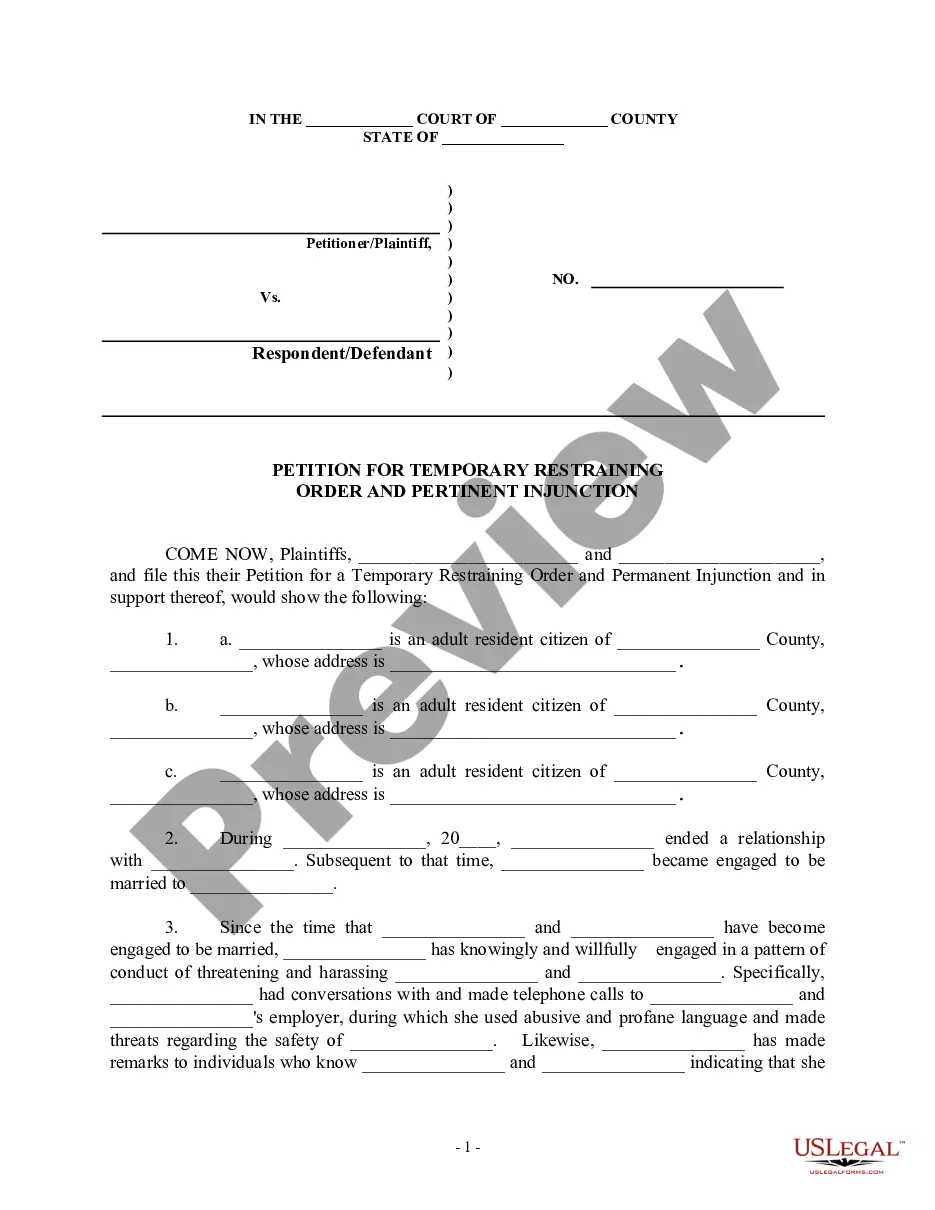

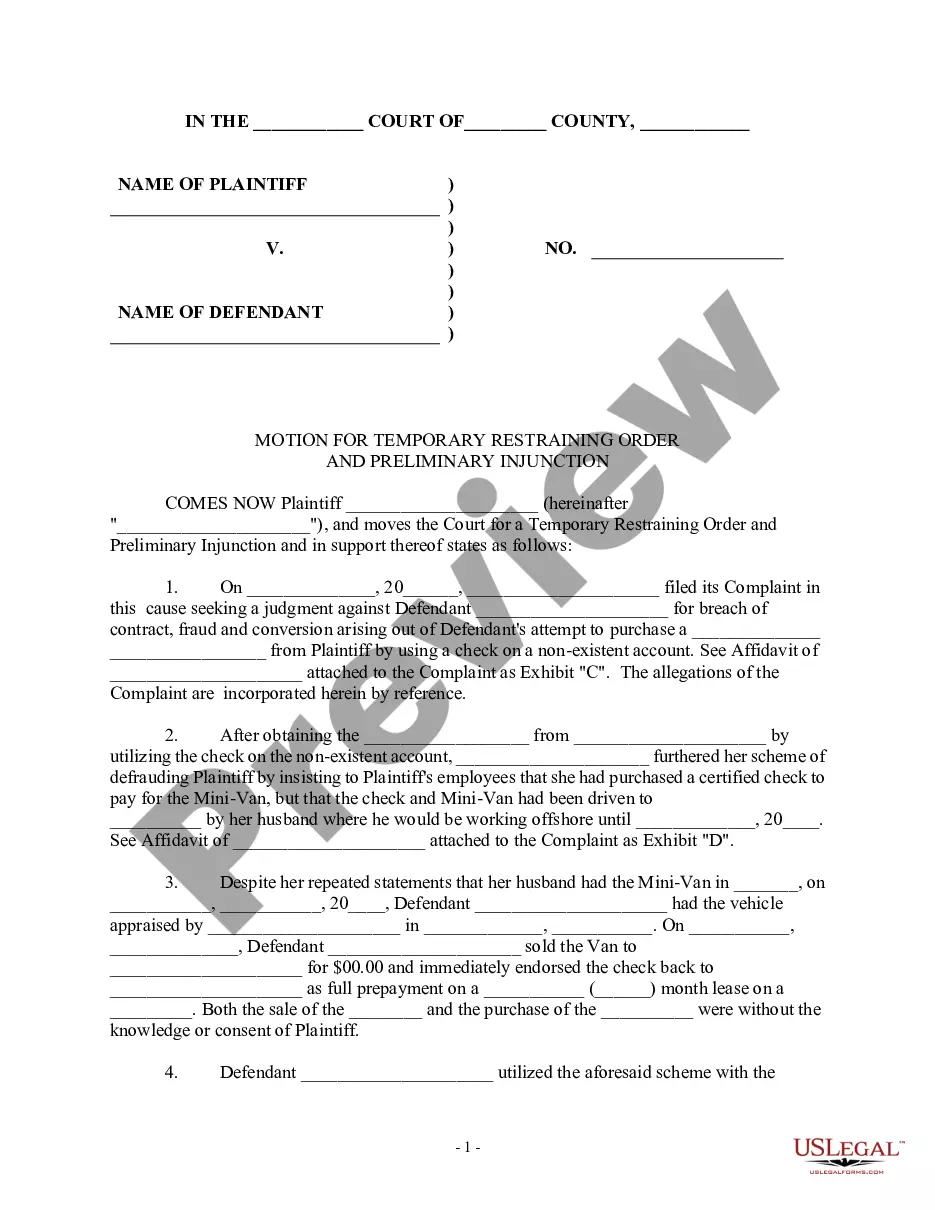
Get your form ready online
Our built-in tools help you complete, sign, share, and store your documents in one place.
Make edits, fill in missing information, and update formatting in US Legal Forms—just like you would in MS Word.
Download a copy, print it, send it by email, or mail it via USPS—whatever works best for your next step.
Sign and collect signatures with our SignNow integration. Send to multiple recipients, set reminders, and more. Go Premium to unlock E-Sign.
If this form requires notarization, complete it online through a secure video call—no need to meet a notary in person or wait for an appointment.
We protect your documents and personal data by following strict security and privacy standards.

Make edits, fill in missing information, and update formatting in US Legal Forms—just like you would in MS Word.

Download a copy, print it, send it by email, or mail it via USPS—whatever works best for your next step.

Sign and collect signatures with our SignNow integration. Send to multiple recipients, set reminders, and more. Go Premium to unlock E-Sign.

If this form requires notarization, complete it online through a secure video call—no need to meet a notary in person or wait for an appointment.

We protect your documents and personal data by following strict security and privacy standards.
Looking for another form?

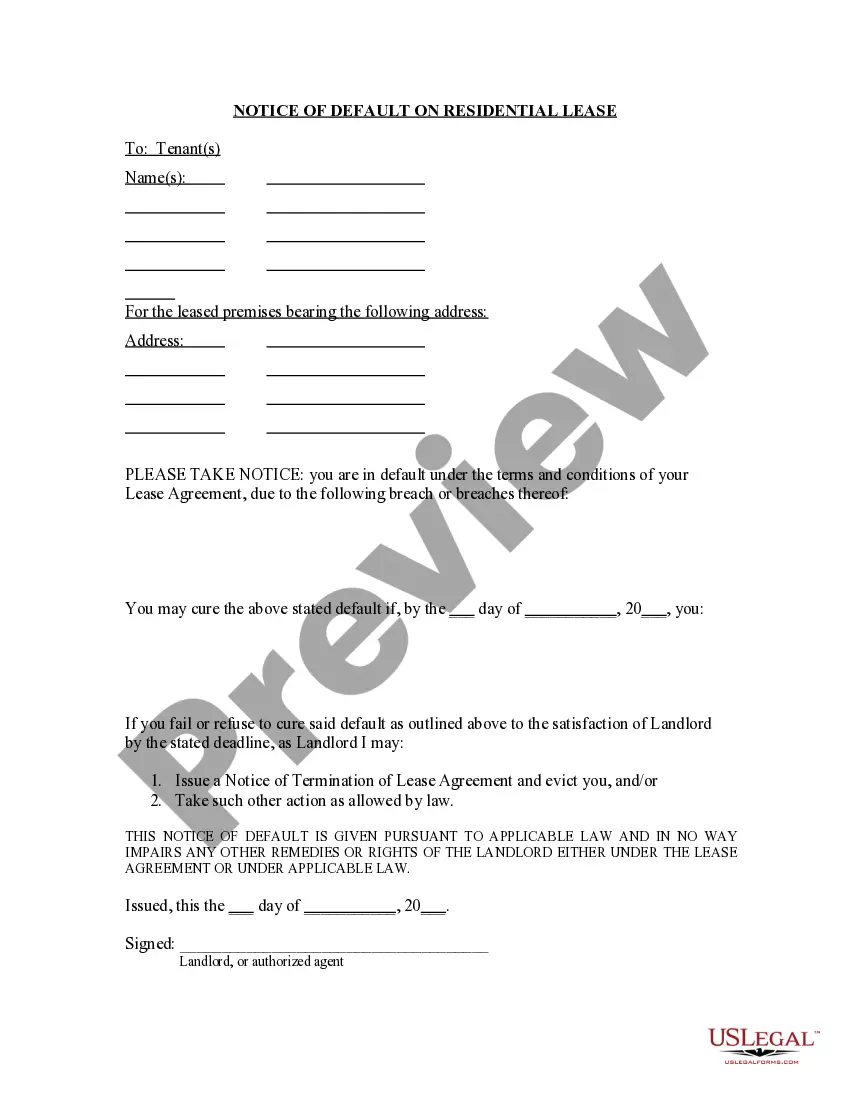



How to fill out Complaint For Temporary Restraining Order, Preliminary Injunction And Permanent Injunction?
Locating a reliable source for the latest and suitable legal templates is part of the challenge in managing bureaucracy.
Identifying the appropriate legal documents demands precision and carefulness, which is why it is essential to obtain Restraining Protective Order With Ct templates exclusively from credible providers, like US Legal Forms. An incorrect form can squander your time and prolong your current situation. With US Legal Forms, you have minimal concerns. You can review all the details related to the document’s application and significance for your case and within your jurisdiction.
Eliminate the stress associated with your legal documentation. Explore the extensive US Legal Forms collection where you can find legal templates, assess their applicability to your needs, and download them immediately.
- Utilize the catalog navigation or search bar to find your template.
- Examine the form’s description to verify if it meets the criteria of your state and area.
- Check the form preview, if available, to make sure the template is the one you need.
- Return to the search to locate the correct document if the Restraining Protective Order With Ct does not meet your requirements.
- Once you are confident about the form’s applicability, download it.
- If you are a registered user, click Log in to verify and access your selected forms in My documents.
- If you haven’t created an account yet, click Buy now to acquire the form.
- Choose the pricing plan that best fits your needs.
- Continue with the registration to complete your purchase.
- Finalize your transaction by selecting a payment method (credit card or PayPal).
- Pick the document format for downloading Restraining Protective Order With Ct.
- After obtaining the form on your device, you can modify it using the editor or print it for manual completion.
Form popularity
FAQ
Filling out a restraining protective order with CT involves several key steps. First, gather all relevant information about the incidents that led you to seek protection. Then, carefully complete the necessary forms, providing clear and concise details. It is advisable to review your application thoroughly before submission, and platforms like USLegalForms can assist you in understanding the requirements and ensuring accuracy in your forms.
Many individuals seeking a restraining protective order with CT often overlook the importance of adequate documentation. Failing to provide detailed accounts of incidents can weaken your case. Additionally, some people may not understand the specific legal criteria required, leading to incomplete applications. To avoid these pitfalls, consider using resources like USLegalForms, which can guide you through the process and help ensure you present a strong case.
In Connecticut, the burden of proof for a restraining protective order requires the petitioner to demonstrate that they have a reasonable fear of imminent harm. This means you must show specific evidence that supports your claim. The court will consider the facts presented and determine whether there is enough cause to grant the restraining protective order with CT. It is essential to gather relevant documentation and witness testimonies to strengthen your case.
In Connecticut, obtaining a restraining protective order typically takes a few hours to a day after you file the application, depending on the circumstances and court availability. Once you file, a hearing will be scheduled, where you can present your case. If the court finds sufficient grounds, a temporary order may be issued right away. For detailed guidance, consider using US Legal Forms to navigate the legal steps smoothly.
You should consider filing a restraining protective order with CT when you feel threatened or unsafe due to harassment, stalking, or domestic violence. It is important to act promptly to protect yourself and your loved ones. If you experience a situation where fear for your safety arises, seeking a restraining order can provide immediate legal protection. US Legal Forms can assist you in understanding the process and filing the necessary paperwork.
In the realm of legal protection, three common types exist: restraining orders, protective orders, and no-contact orders. Restraining orders focus primarily on harassment or stalking situations, while protective orders are heavily associated with domestic violence cases. No-contact orders, on the other hand, prohibit an individual from reaching out to another party altogether. For clarity on these protections, and to find the right solutions for your situation, visit uslegalforms for help with any restraining protective order with CT.
Though sometimes used as synonyms, protective orders and restraining orders in CT have specific distinctions based on their context. Protective orders are often issued in domestic violence situations to ensure the safety of victims, while restraining orders can apply to a broader range of harassment or stalking scenarios. Both legal instruments serve to protect individuals from harm, but the circumstances and legal frameworks can differ. Utilize resources from uslegalforms to clarify these concepts and help you with a restraining protective order with CT.
In Connecticut, the grounds for obtaining a restraining order vary but generally involve incidents of threatening behavior, stalking, or harassment. A person seeking a restraining order must demonstrate that there has been a repeated pattern of unwanted behavior that causes distress or fear. It’s important to document any incidents and seek legal advice to effectively present your case. For detailed resources, uslegalforms can help you navigate the process of filing a restraining protective order with CT.
In Connecticut, the terms restraining order and protective order are often used interchangeably, but they serve distinct purposes. A restraining order typically addresses situations of harassment or stalking, while a protective order primarily focuses on domestic violence cases. Understanding these differences is crucial when seeking legal relief. If you need assistance with a restraining protective order with CT, consider visiting uslegalforms for guidance.
A restraining order and a protective order serve similar purposes but differ in scope and issuance. A restraining order typically relates to harassment or threats, while a protective order often focuses on domestic violence situations. Both orders aim to keep individuals safe from harm or intimidation. Understanding these nuances can help you better navigate the legal landscape, and US Legal Forms can assist you in securing a restraining protective order with CT tailored to your situation.