Restraining Protective Order For Documents
Description

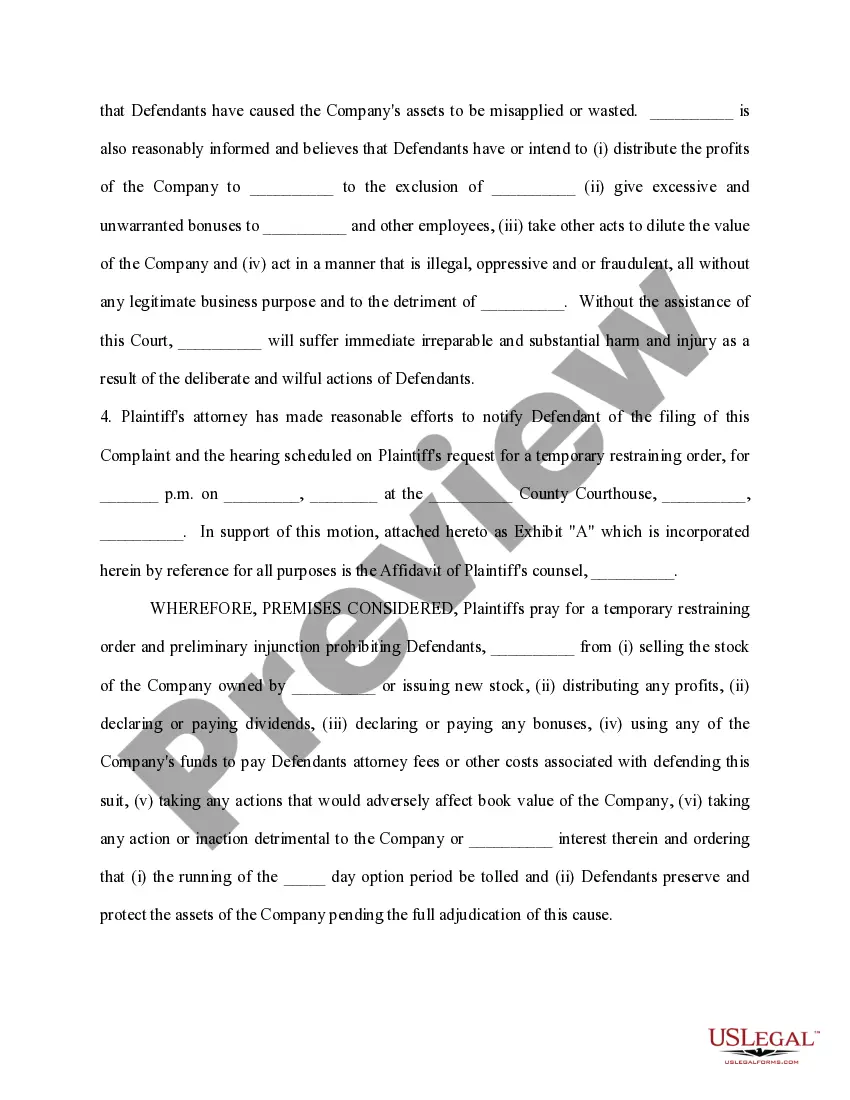
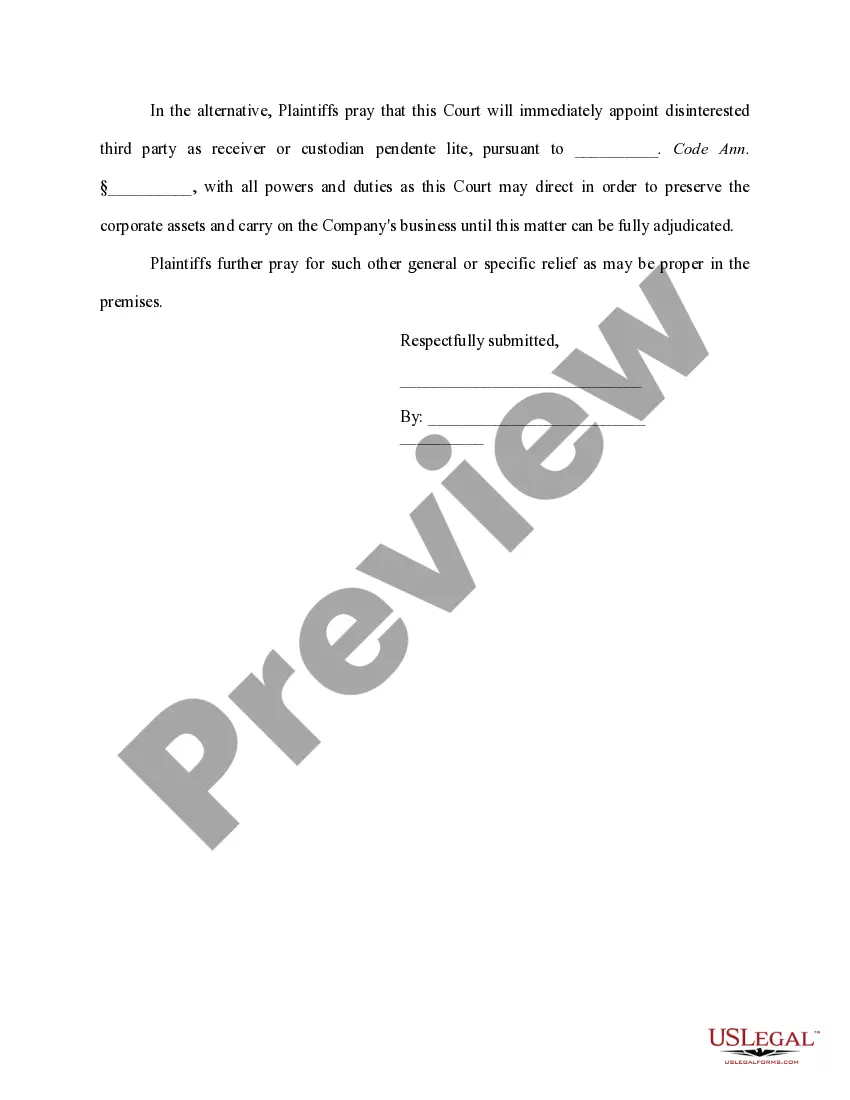

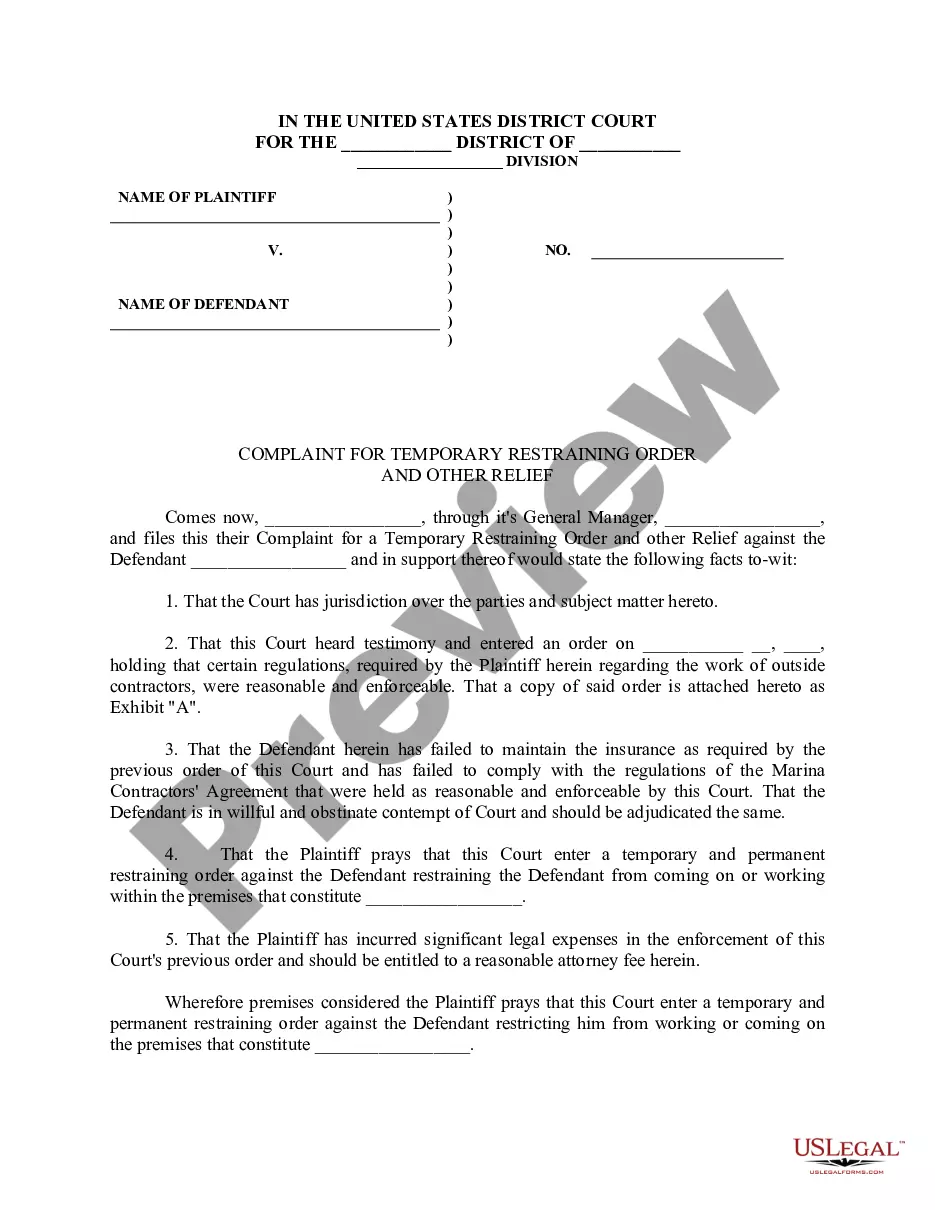
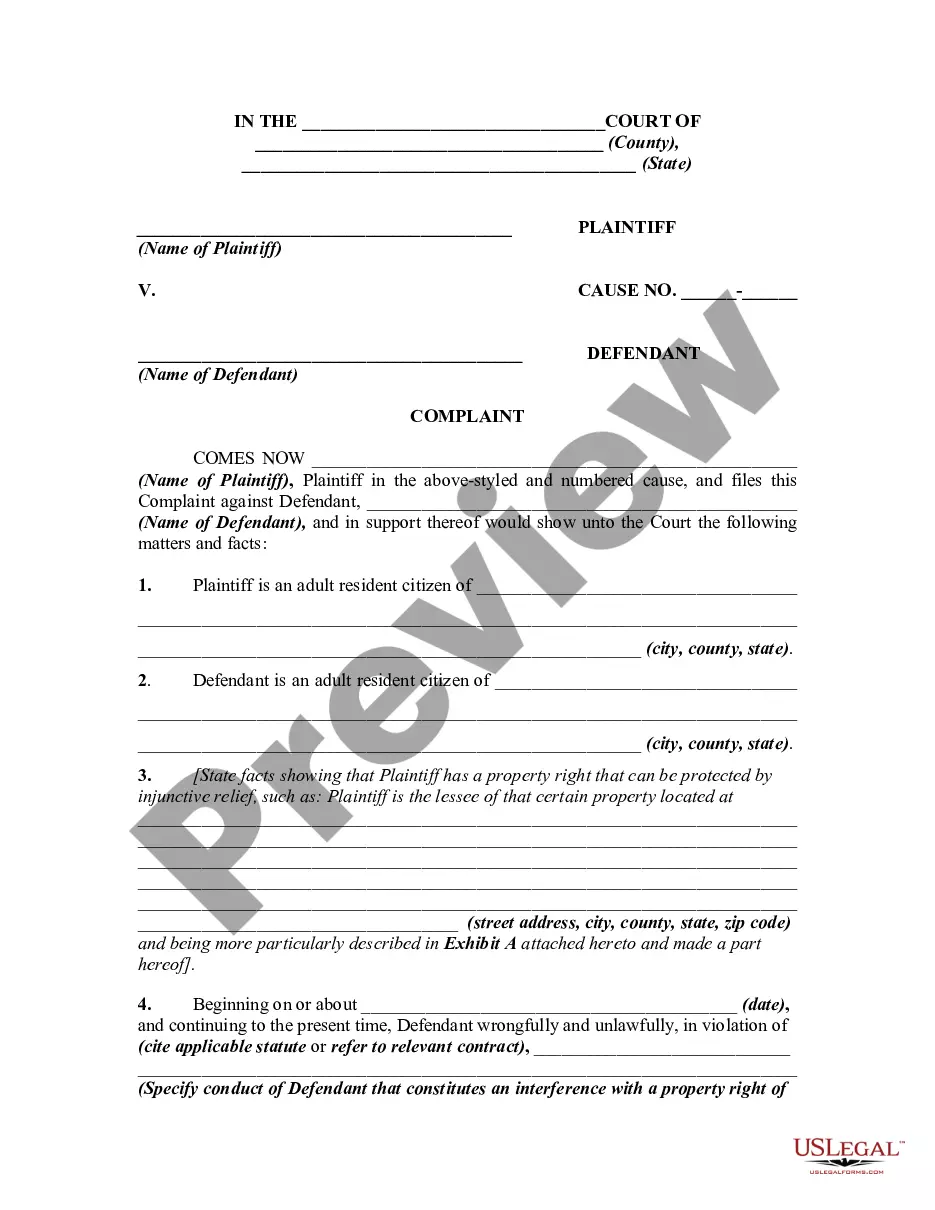
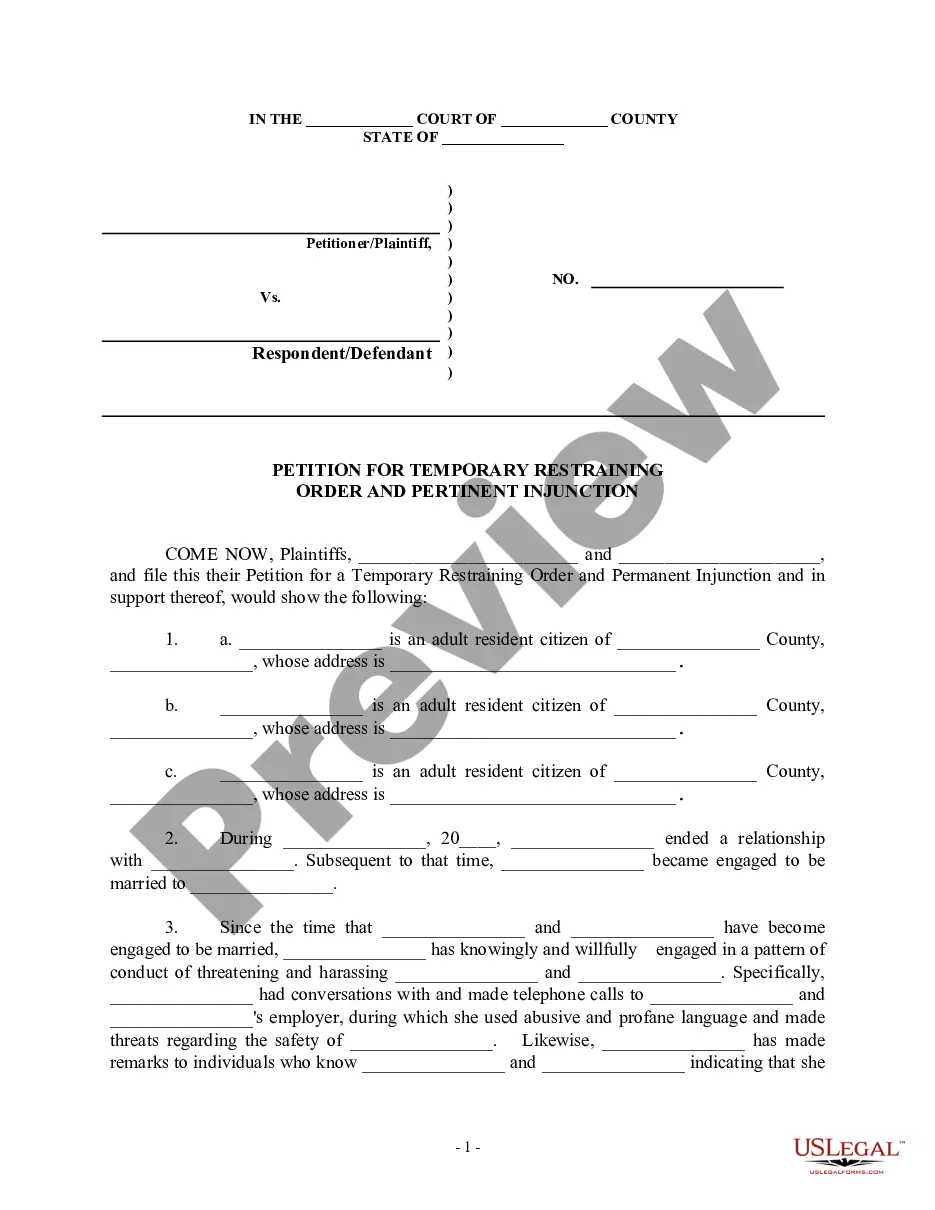

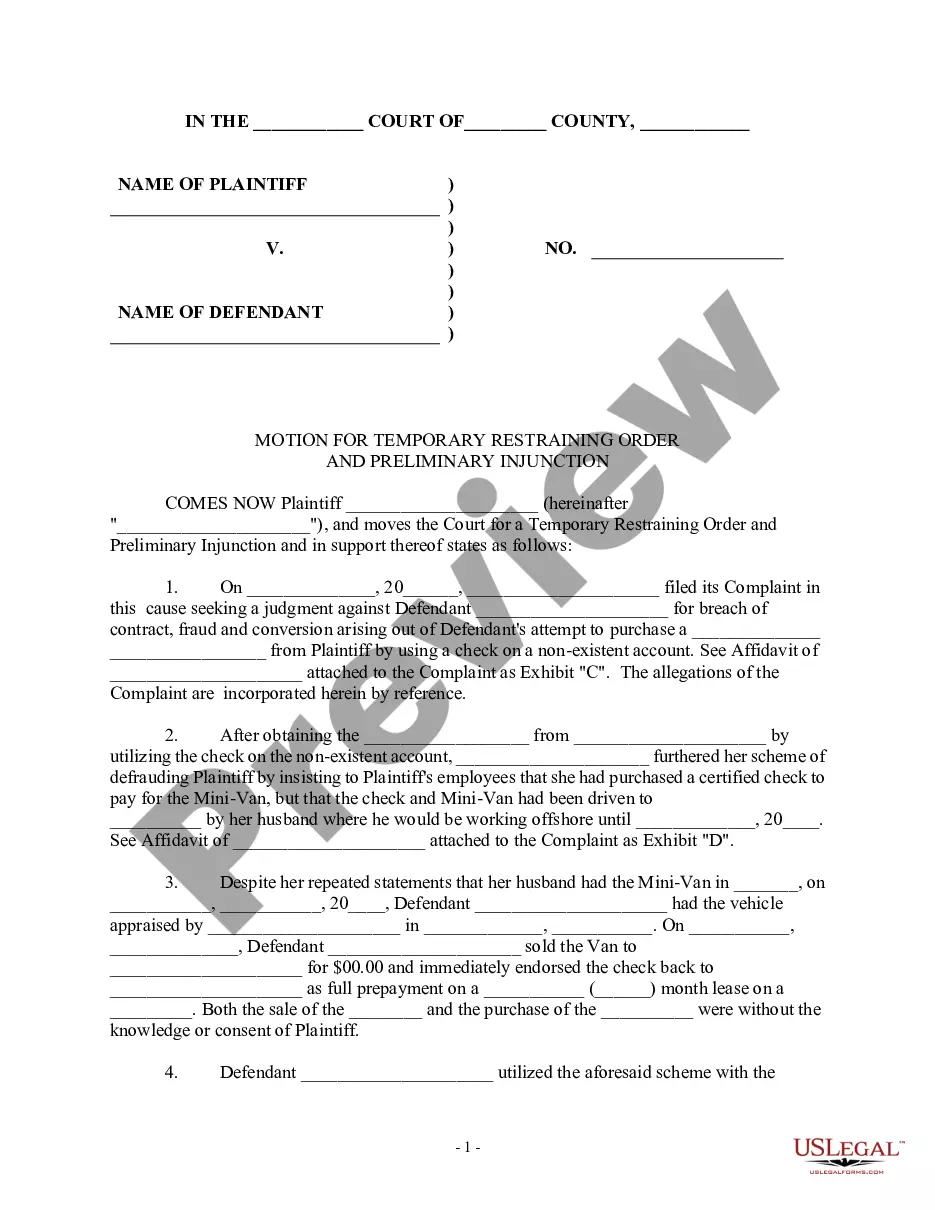
Get your form ready online
Our built-in tools help you complete, sign, share, and store your documents in one place.
Make edits, fill in missing information, and update formatting in US Legal Forms—just like you would in MS Word.
Download a copy, print it, send it by email, or mail it via USPS—whatever works best for your next step.
Sign and collect signatures with our SignNow integration. Send to multiple recipients, set reminders, and more. Go Premium to unlock E-Sign.
If this form requires notarization, complete it online through a secure video call—no need to meet a notary in person or wait for an appointment.
We protect your documents and personal data by following strict security and privacy standards.

Make edits, fill in missing information, and update formatting in US Legal Forms—just like you would in MS Word.

Download a copy, print it, send it by email, or mail it via USPS—whatever works best for your next step.

Sign and collect signatures with our SignNow integration. Send to multiple recipients, set reminders, and more. Go Premium to unlock E-Sign.

If this form requires notarization, complete it online through a secure video call—no need to meet a notary in person or wait for an appointment.

We protect your documents and personal data by following strict security and privacy standards.
Looking for another form?
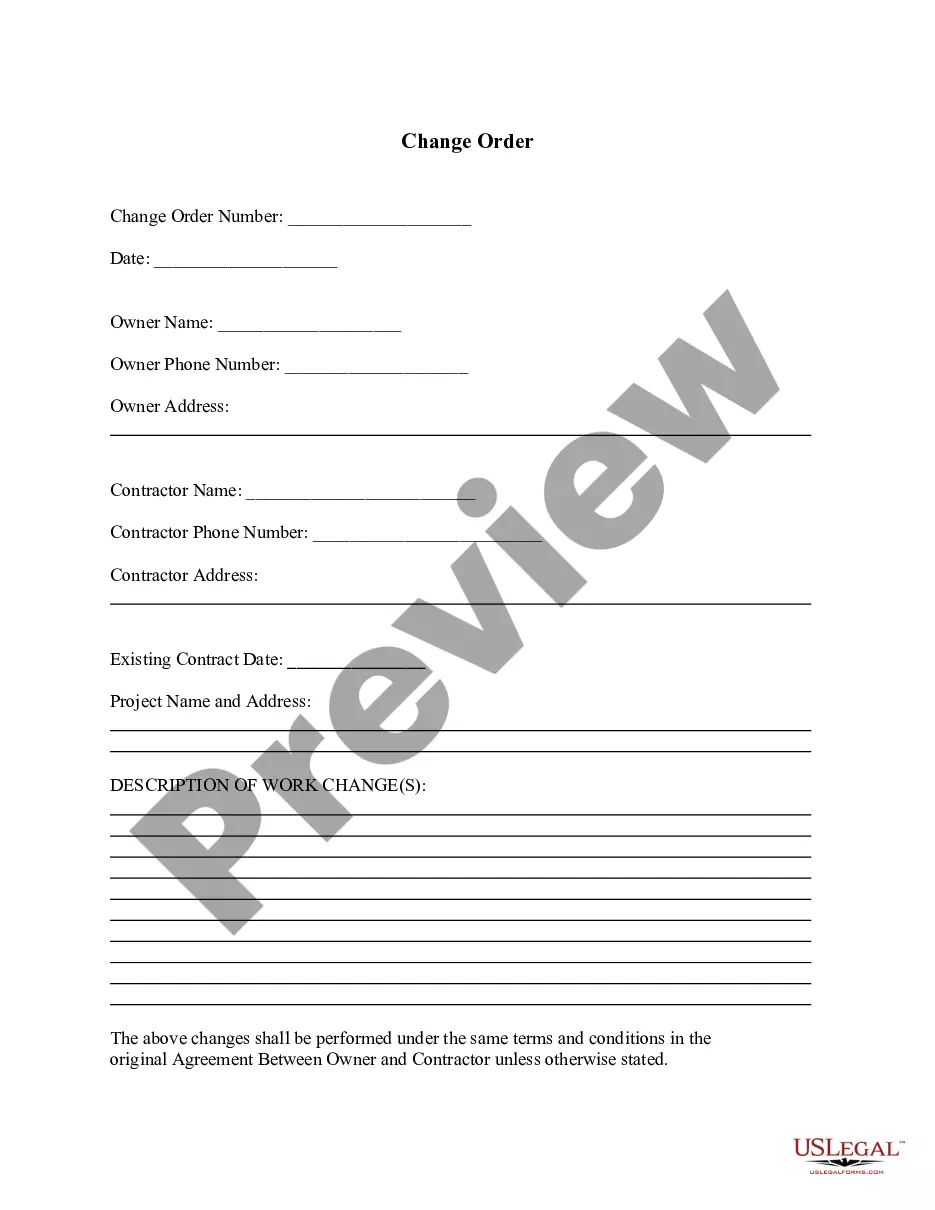
How to fill out Complaint For Temporary Restraining Order, Preliminary Injunction And Permanent Injunction?
Identifying a reliable source for obtaining the latest and pertinent legal templates constitutes a significant part of managing red tape. Securing the appropriate legal documents requires accuracy and meticulousness, which is why it is essential to gather samples of Restraining Protective Order For Documents solely from trustworthy providers, such as US Legal Forms. An incorrect template can squander your time and delay your circumstances. With US Legal Forms, there is little to worry about. You can access and review all the details concerning the document’s applicability and significance for your case and within your state or area.
Consider these steps to finalize your Restraining Protective Order For Documents.
Eliminate the stress associated with your legal paperwork. Explore the comprehensive US Legal Forms library where you can find legal samples, assess their applicability to your situation, and download them instantly.
- Utilize the catalog navigation or search bar to find your sample.
- Examine the form’s details to determine if it aligns with the stipulations of your state and area.
- Inspect the form preview, if available, to confirm that the template is indeed the one you need.
- Return to the search to find the appropriate document if the Restraining Protective Order For Documents does not meet your needs.
- If you are confident about the form’s pertinence, download it.
- For registered users, click Log in to verify and access your selected templates in My documents.
- If you do not possess an account yet, click Buy now to acquire the form.
- Select a pricing option that suits your needs.
- Proceed with the registration to complete your purchase.
- Conclude your transaction by opting for a payment method (credit card or PayPal).
- Choose the document format for downloading Restraining Protective Order For Documents.
- Once you have the form on your device, you can edit it using the editor or print and complete it by hand.
Form popularity
FAQ
The time frame to file a protective order can vary based on your location and the specifics of your situation. In general, it is advisable to file for a restraining protective order for documents as soon as you feel threatened or harassed. Delaying may weaken your case, so taking timely action is critical. Consult with a legal expert to understand the deadlines that apply to your circumstances.
While both terms are often used interchangeably, there can be slight differences. A restraining protective order for documents generally aims to prevent someone from contacting you or coming near you, particularly in cases of harassment or domestic violence. On the other hand, a protective order often refers to more specific protections, such as custody issues or the possession of property. Understanding these nuances can help you choose the right legal path.
To file a restraining protective order for documents, you typically need to present evidence that demonstrates the threat or harm you face. This could include emails, text messages, or photographs that clearly show the abusive or threatening behavior. Collecting statements from witnesses can also strengthen your case. It is essential to have a solid foundation of proof to improve your chances of obtaining the order.
Common mistakes when seeking a restraining order include not gathering enough evidence or failing to understand the specific legal requirements. Additionally, some individuals may underestimate the importance of clearly articulating their fears and the potential dangers they face. When using services like uslegalforms, you can avoid these pitfalls by following structured templates that simplify the process of obtaining a restraining protective order for documents.
To prove harassment, you need to provide detailed documentation of the behavior that you perceive as threatening or harmful. This can include messages, voicemails, or photographs that substantiate your claims. Establishing a need for a restraining protective order for documents often hinges on showing this proof convincingly, portraying the severity of the harassment you’re experiencing.
A restraining order may not be granted if the court finds insufficient evidence or if your claims do not meet the legal criteria. Factors such as lack of personal harm or absence of a pattern of behavior against you can influence the court's decision. It's crucial to present a strong case showing the need for a restraining protective order for documents, clearly outlining the threats or harm faced.
Winning a restraining order requires thorough preparation and clear evidence. You should gather all relevant documentation that supports your case, such as emails, messages, or witness statements. When presenting your case, it's vital to demonstrate the need for a restraining protective order for documents, establishing a pattern of behavior that highlights your concerns.
To write a letter of declaration for a restraining order, you should begin by clearly stating your intent and providing your personal details, including your relationship to the individual. Outline the reasons for seeking a restraining protective order for documents, supporting your claims with specific incidents and factual details. Ensure your letter addresses the necessity for the order and the potential risks posed if it's not issued, keeping your language clear and straightforward.
In New Jersey, qualifying factors for a restraining order include threats of violence, physical harm, or harassment against you. The law considers the nature and context of the relationship, as well as any history of abuse. A restraining protective order for documents can be key to securing your legal rights and ensuring your safety within this framework.
To obtain a protection order, begin by filling out the appropriate forms, which detail your situation and the reasons for your request. You will then file these forms in court, often with some evidence to support your claim. Utilizing a restraining protective order for documents can streamline this process by ensuring you have all necessary materials ready for submission.