Restraining Forces
Description

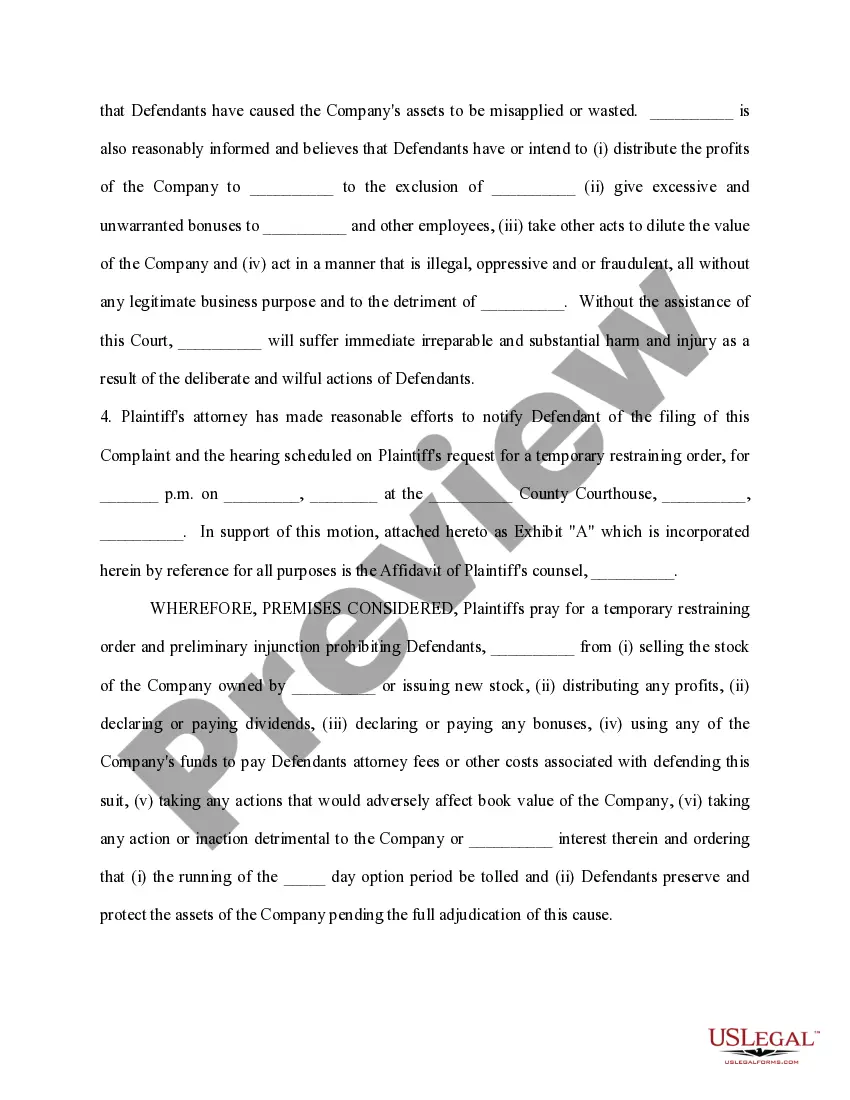
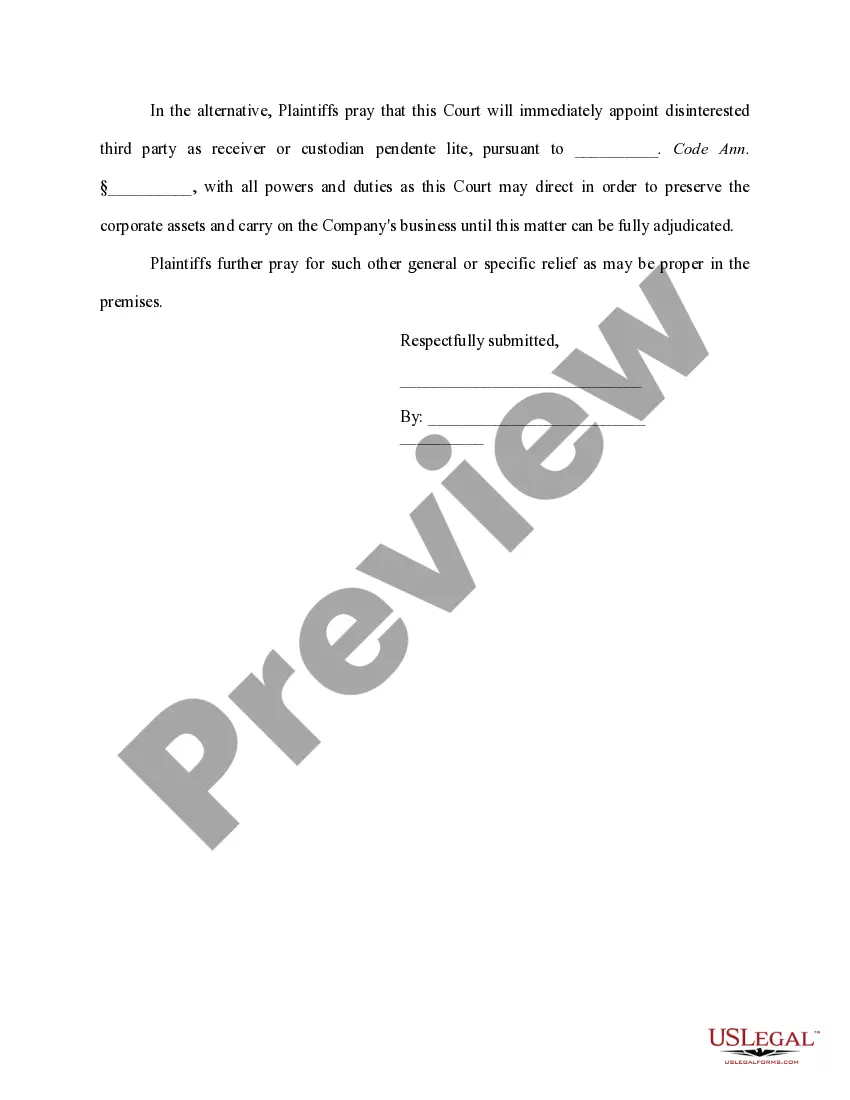

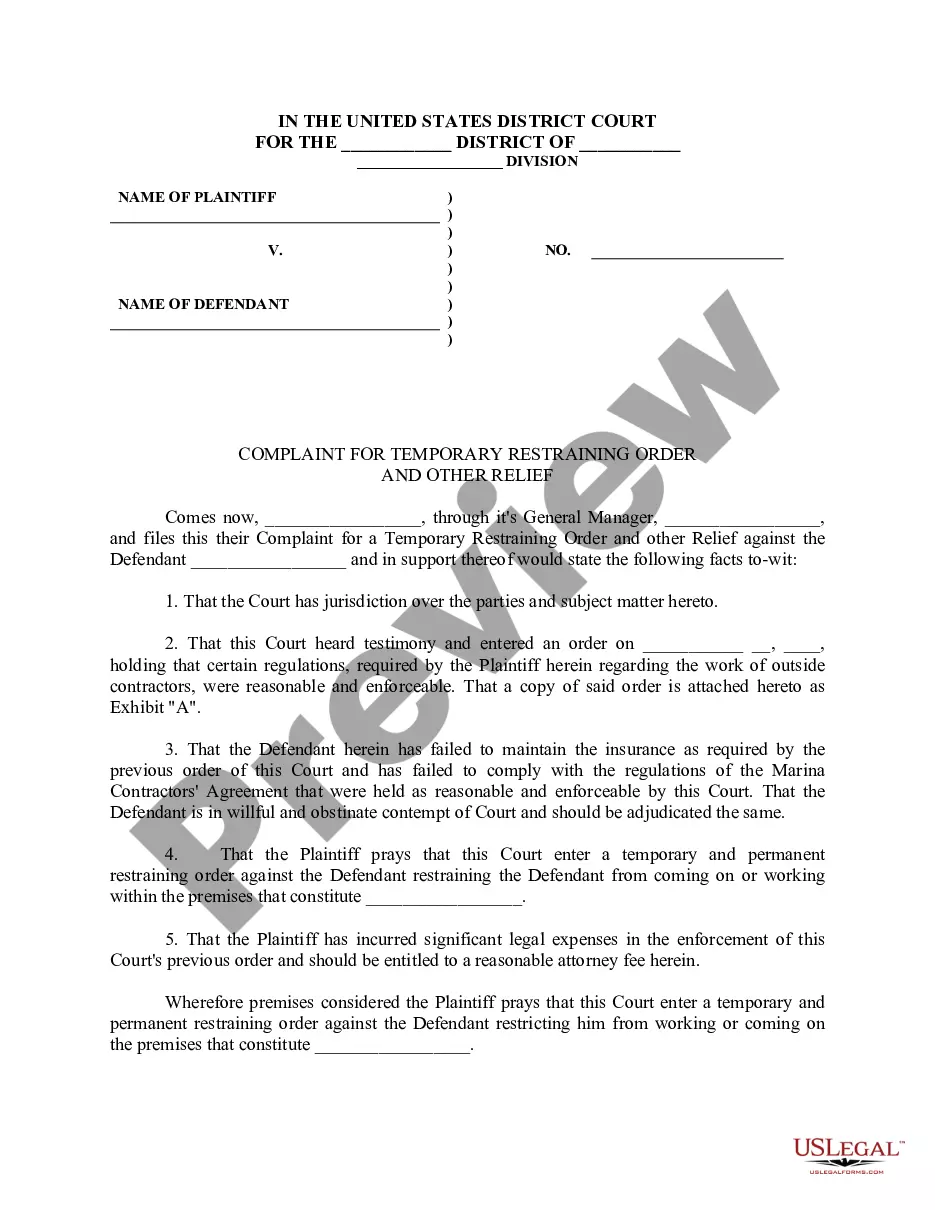
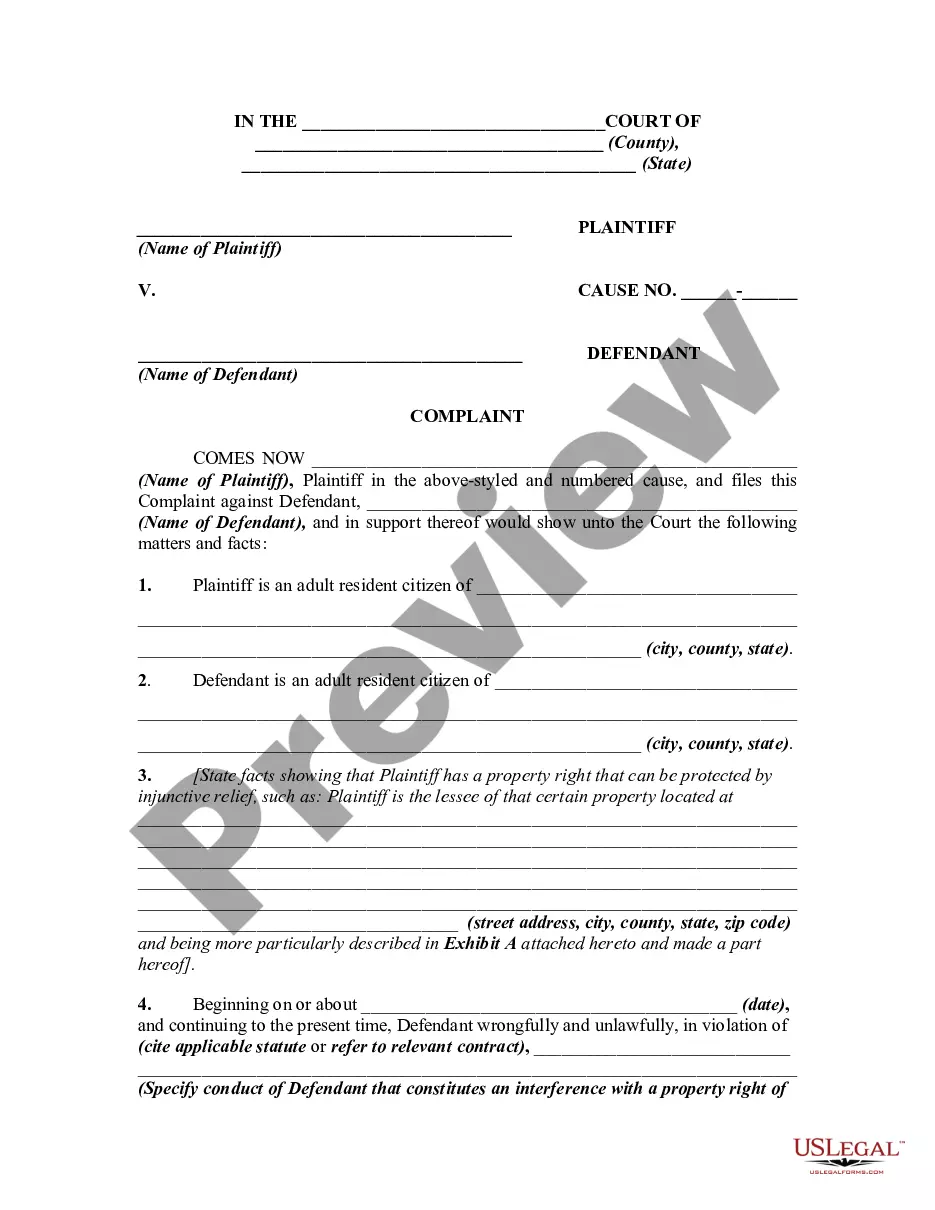

Get your form ready online
Our built-in tools help you complete, sign, share, and store your documents in one place.
Make edits, fill in missing information, and update formatting in US Legal Forms—just like you would in MS Word.
Download a copy, print it, send it by email, or mail it via USPS—whatever works best for your next step.
Sign and collect signatures with our SignNow integration. Send to multiple recipients, set reminders, and more. Go Premium to unlock E-Sign.
If this form requires notarization, complete it online through a secure video call—no need to meet a notary in person or wait for an appointment.
We protect your documents and personal data by following strict security and privacy standards.

Make edits, fill in missing information, and update formatting in US Legal Forms—just like you would in MS Word.

Download a copy, print it, send it by email, or mail it via USPS—whatever works best for your next step.

Sign and collect signatures with our SignNow integration. Send to multiple recipients, set reminders, and more. Go Premium to unlock E-Sign.

If this form requires notarization, complete it online through a secure video call—no need to meet a notary in person or wait for an appointment.

We protect your documents and personal data by following strict security and privacy standards.
Looking for another form?
How to fill out Complaint For Temporary Restraining Order, Preliminary Injunction And Permanent Injunction?
Managing legal papers and tasks can be a lengthy addition to your routine.
Restraining Forces and similar documents usually require you to locate them and grasp the method to fill them out properly.
Therefore, whether you are handling financial, legal, or personal issues, having an extensive and user-friendly online directory of forms readily available will be extremely beneficial.
US Legal Forms is the premier online source for legal templates, boasting over 85,000 state-specific forms and various tools that assist you in completing your documents swiftly.
Is this your first time using US Legal Forms? Register and create a free account in just a few moments, and you’ll have access to the form directory and Restraining Forces. After that, follow the steps below to fill out your form.
- Browse through the array of relevant documents with just a single click.
- US Legal Forms provides you with state- and county-specific forms that can be downloaded anytime.
- Safeguard your document management procedures with excellent support that enables you to assemble any form in minutes without any additional or hidden fees.
- Simply Log In to your account, locate Restraining Forces, and obtain it instantly in the My documents tab.
- You can also retrieve previously downloaded forms.
Form popularity
FAQ
In change management, restraining forces may include employee reluctance, lack of resources, and insufficient communication. These forces can derail change initiatives if not properly managed. It is essential to conduct thorough assessments to identify these restraining forces and to implement strategies, possibly utilizing platforms like US Legal Forms, to streamline and facilitate the change process.
Examples of restraining forces include employee resistance to new policies, cultural attitudes that favor the old ways, and legal regulations that limit how changes can occur. In many cases, these forces can impede progress and create challenges during implementation. By recognizing these examples, organizations can take proactive steps to address and minimize their effects.
The meaning of restraining force refers to factors that oppose or limit change. In a broader context, these forces can be psychological, institutional, or societal, inhibiting growth and adaptation. Understanding the meaning of restraining forces is crucial for effectively managing transitions, as it helps individuals and organizations to formulate appropriate strategies to overcome these barriers.
Forces can be categorized into various types, including physical, emotional, and social forces. Physical forces involve tangible effects, such as gravity or friction, while emotional forces may relate to personal motivations or fears. Social forces often emerge from group dynamics, community expectations, and cultural influences, all of which can act as restraining forces in different scenarios.
Different types of restraining forces can include individual resistance, organizational culture, social norms, and external regulations. Each type of restraining force can hinder change efforts in distinct ways. Identifying these forces is essential, as it allows organizations to tailor their approach to address specific barriers effectively.
A restraining force is an influence that acts to prevent or limit change within a system. In various contexts, such as psychology, business, and legal matters, these forces can stifle progress or maintain the status quo. By recognizing and understanding restraining forces, individuals and organizations can develop strategies to mitigate their impact and promote beneficial changes.
To prove someone is harassing you, gather evidence that shows a pattern of unwanted behavior. This includes keeping a record of incidents, saving messages or voicemails, and documenting any witnesses. In situations involving restraining forces, it is crucial to demonstrate that the harassment causes you emotional distress or fear for your safety. Legal help can assist you in navigating this process and understanding how to use restraining forces effectively.
Generally, if a restraining order is in place, the individual who sought it cannot contact you directly. This includes calls, texts, or in-person interactions. However, there are exceptions, such as for child custody or legal matters, which may allow limited communication. Understanding the implications of restraining forces through a service like US Legal Forms can help clarify your rights and responsibilities.
To obtain a restraining order in New York, you must present credible proof of the behavior that threatens your safety. This could include witness statements, photographs, or any documented incidents of harassment or violence. Each case is unique, and presenting clear evidence can significantly strengthen your claim. For assistance in preparing your documentation, you may consider using USLegalForms to access helpful legal resources that clarify restraining forces.
In New York, a restraining order is a legal directive that prevents an individual from taking specific actions against another person. An order of protection, which is a type of restraining order, is typically issued in cases involving domestic violence or harassment. Both aim to provide safety from harmful actions, but they cater to different situations and levels of severity. Understanding these differences is crucial when navigating legal options related to restraining forces.