List Of Injunctions
Description
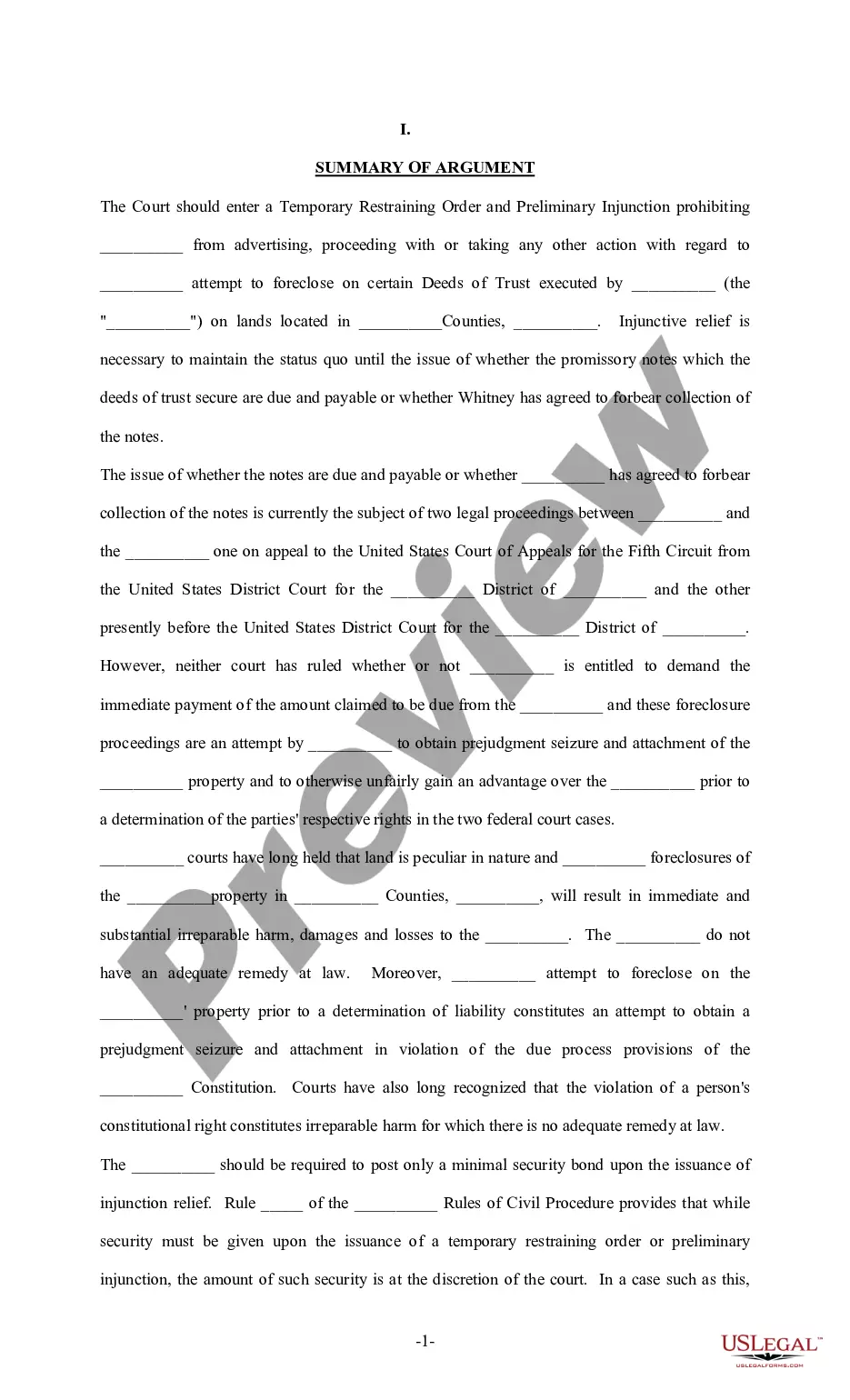
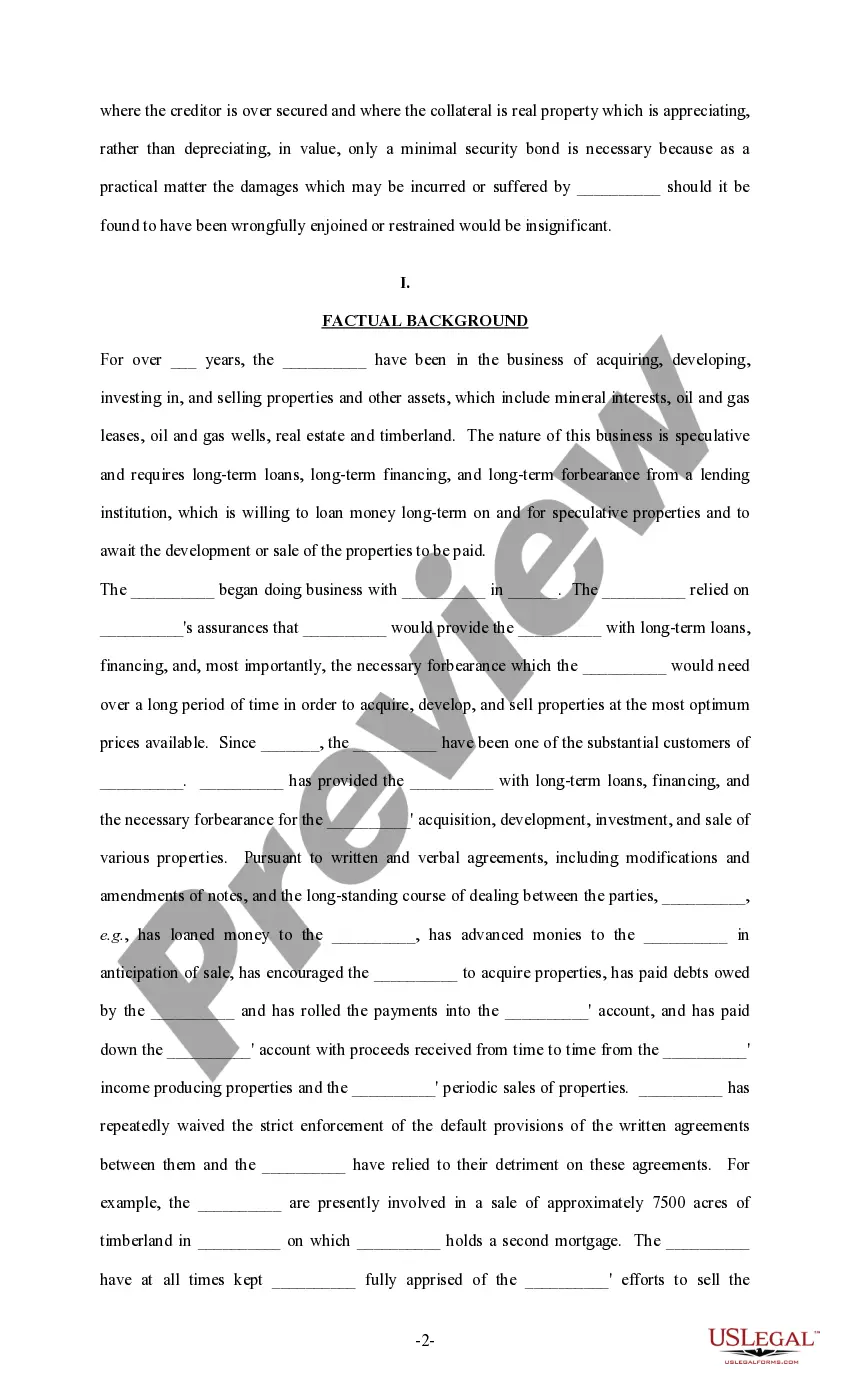
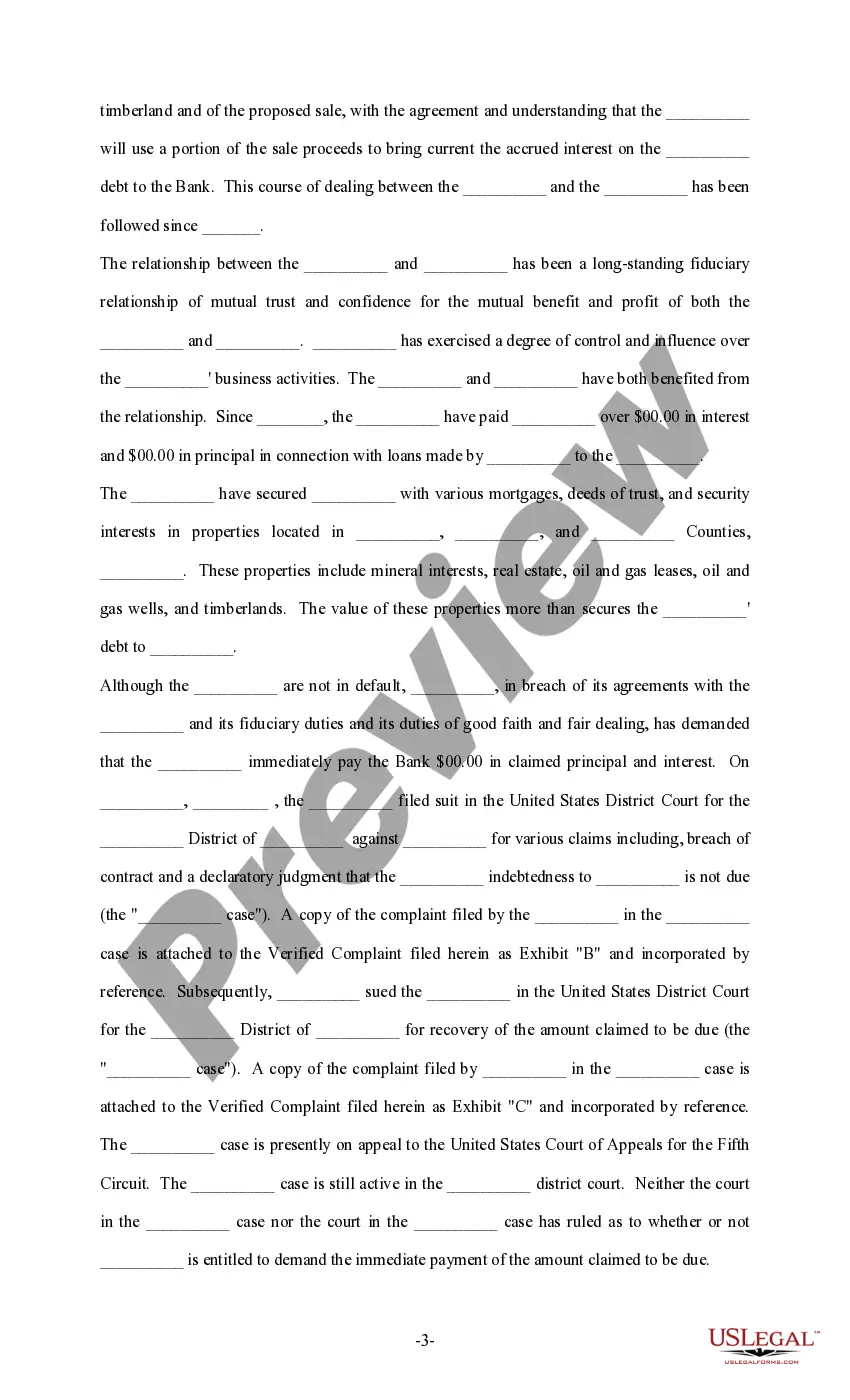
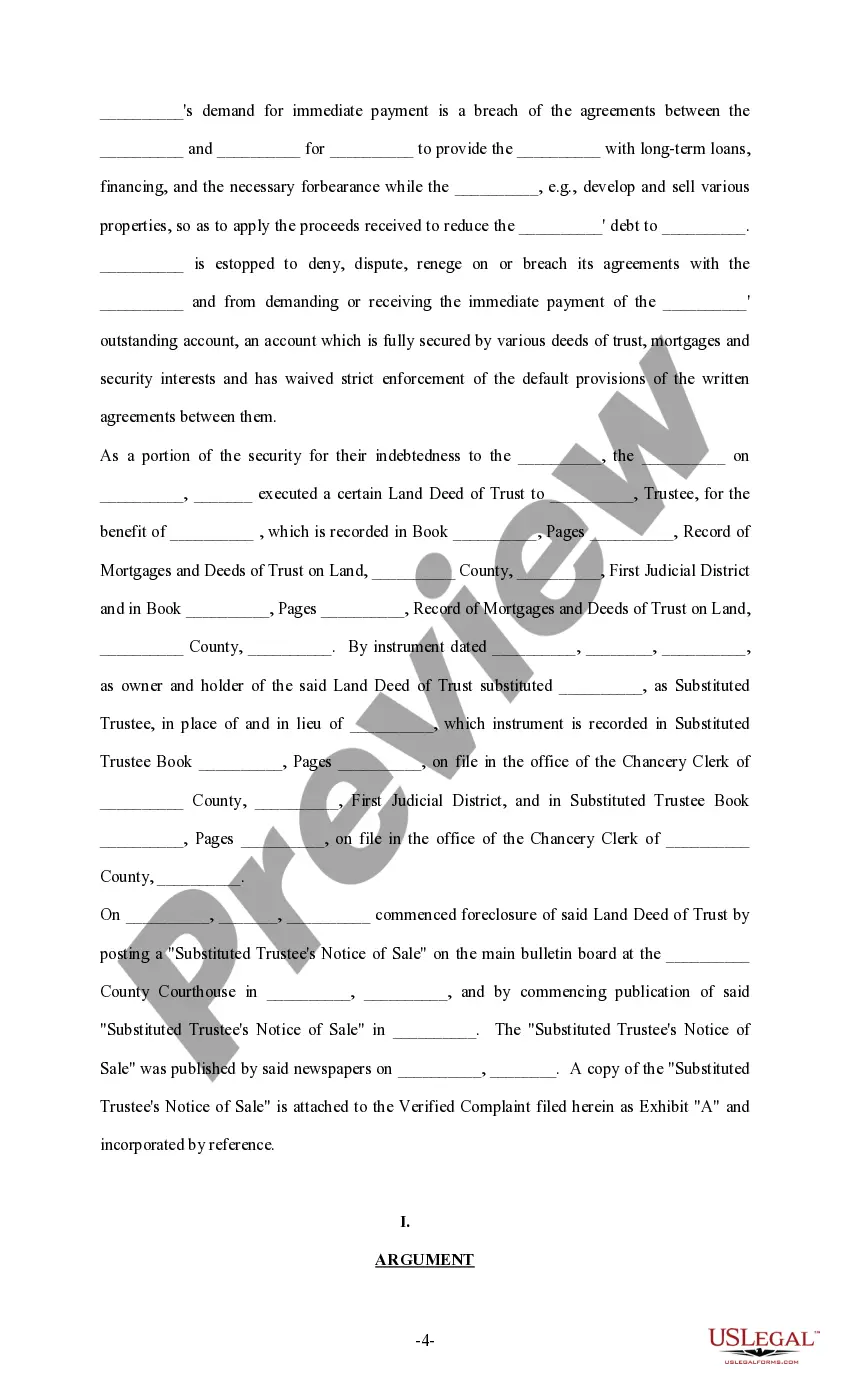
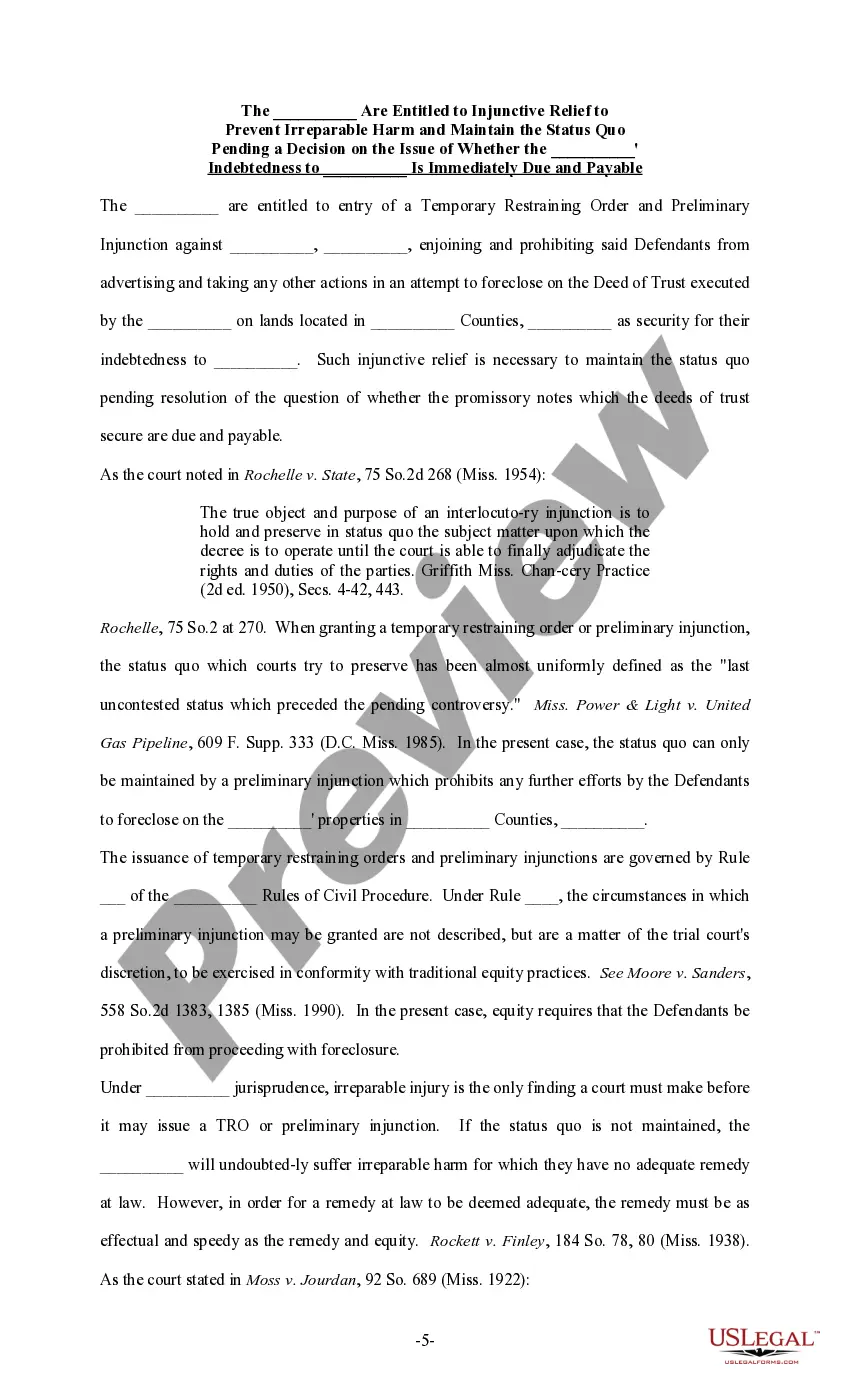
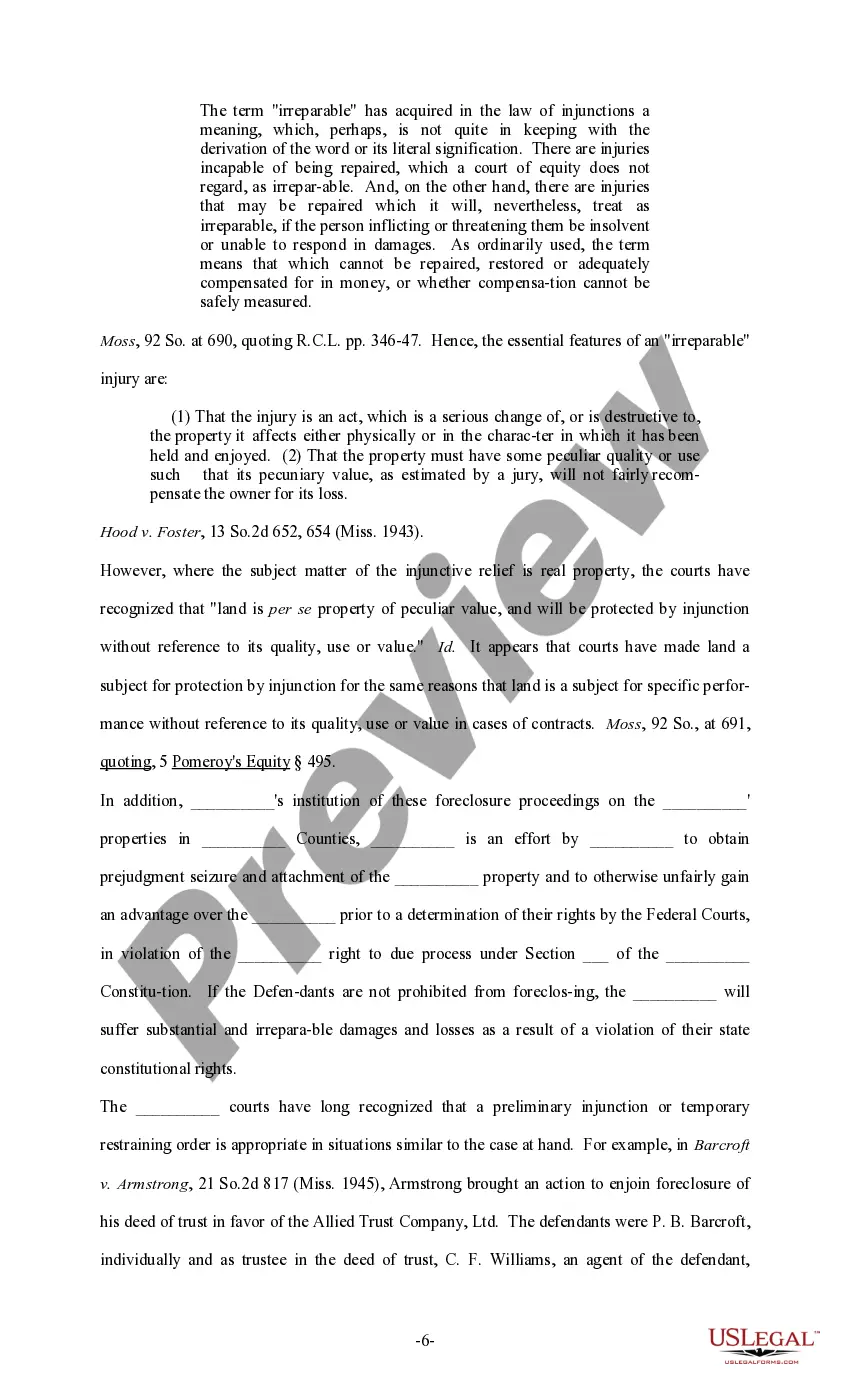
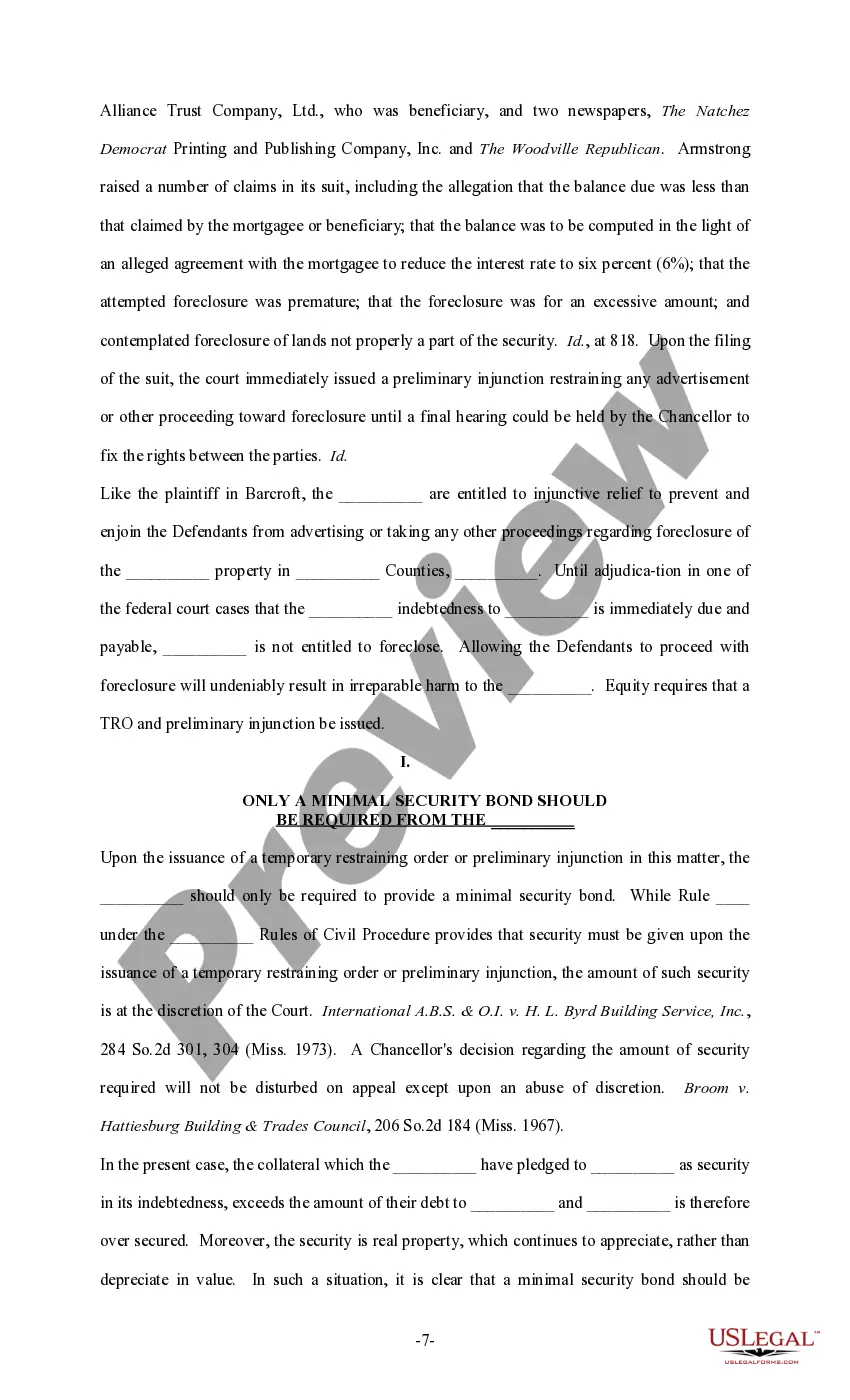
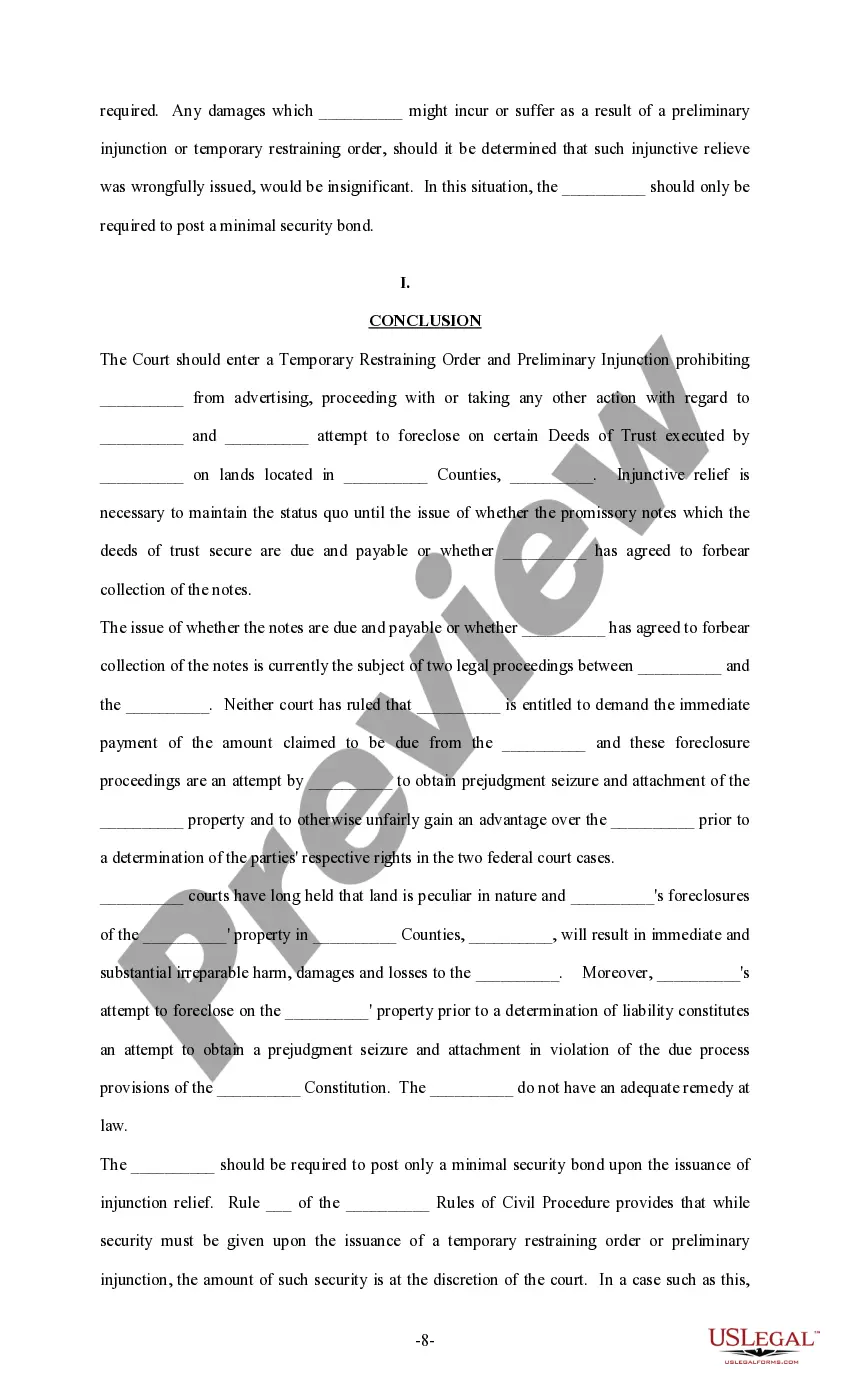


How to fill out Sample Brief - Injunction?
Managing legal paperwork and protocols can be an exhausting addition to your whole day.
Directory of Injunctions and similar documents generally require you to look for them and grasp the method to fill them out accurately.
Thus, if you are handling financial, legal, or personal issues, utilizing a comprehensive and user-friendly online directory of forms readily available will greatly assist.
US Legal Forms is the leading online platform for legal templates, presenting more than 85,000 state-specific forms and an assortment of resources that will enable you to finalize your documents swiftly.
- Explore the compilation of relevant documents accessible to you with just a single click.
- US Legal Forms provides state- and county-specific forms available for download at any time.
- Safeguard your document management processes by using a superior service that allows you to assemble any form in minutes without any additional or concealed charges.
- Simply Log In to your account, locate Directory of Injunctions and obtain it immediately from the My documents section.
- You can also retrieve previously downloaded forms.
Form popularity
FAQ
An example of an injunction is a court order that prevents someone from continuing harmful actions, like a business stopping the use of another company's trademarks. This kind of legal remedy aims to maintain the status quo while the case is ongoing. Injunctions come in various forms, and our informative list of injunctions can provide detailed examples and help you understand their applications better. Whenever you need assistance with injunctions, consider utilizing US Legal Forms for precise guidance.
To draft a statement for an injunction, start by clearly outlining the facts of your case. Include the specific relief you seek and explain the reasons why the injunction is necessary. Be sure to reference relevant laws or precedents that support your request. A well-structured statement should effectively convey the urgency and importance of the injunction in your situation, complementing our comprehensive list of injunctions available on US Legal Forms.
The requirements for obtaining an injunction often include a clear legal right, evidence of irreparable harm, and a compelling public interest. You also need to show that legal remedies, such as monetary damages, would not suffice to address the issue. Each type of injunction may have specific criteria, so it's wise to outline these clearly. For anyone looking to compile a comprehensive list of injunctions, understanding these requirements can streamline the process, and platforms like USLegalForms provide valuable resources.
While it's possible to file an injunction without a lawyer, having legal representation greatly increases your chances of success. A lawyer can guide you through the complexities of the legal system, help prepare your documents, and advocate on your behalf in court. This support can be invaluable, particularly as you navigate the detailed requirements of different types of injunctions. Using services from USLegalForms can also help ease the process, offering templates and guidance.
The three main types of injunctions are temporary restraining orders, preliminary injunctions, and permanent injunctions. A temporary restraining order provides immediate relief, a preliminary injunction maintains the situation while the case is pending, and a permanent injunction offers a long-term solution. Understanding these types is essential for knowing which may best suit your needs. Therefore, when looking for an effective list of injunctions, consider how these distinctions apply to your case.
To file an injunction, start by drafting a complaint that outlines your case clearly. You will need to file this complaint in the appropriate court, along with a motion for the injunction itself. It's advisable to include evidence that supports your request, as this creates a stronger argument. Many individuals use platforms like USLegalForms to simplify this process and ensure all necessary forms are properly completed.
To obtain an injunction, you typically must demonstrate that there is a legal basis for your request. Common grounds include proving that you will suffer irreparable harm without the injunction and that a legal right is at stake. Additionally, you need to show that your request is in the public interest. It's important to consider that understanding the underlying issues allows you to create a comprehensive list of injunctions that may apply to your situation.
You can obtain an injunction by filing a petition at your local courthouse. Each court may have its own procedures, so it is crucial to understand the specific requirements in your area. Additionally, utilizing resources from US Legal can help you navigate the process effectively. By exploring our list of injunctions, you can find detailed information to assist you in issuing your petition.
To get an injunction order, you must first file a request with the court outlining your reasons for wanting the injunction. You need to provide evidence that shows how you would be harmed without it. After you submit your request, a judge will review your case and may schedule a hearing to discuss your request. For more guidance on obtaining injunctions, consider checking out our list of injunctions on the US Legal platform.
The three most common types of injunctions include temporary restraining orders, preliminary injunctions, and permanent injunctions. Each serves a unique purpose, with temporary orders providing immediate relief, preliminary injunctions maintaining conditions during a trial, and permanent injunctions offering long-term solutions. By reviewing a detailed list of injunctions, you can see how these different types apply to various legal situations, guiding you to informed decisions.